for buyersfor sellers
Five Things We Read From the Attic Hatch
What a California home inspector can read from the attic hatch: insulation, roof stains, vents, ducts and wiring, and what stays hidden under the insulation.
·13 min read
Read More→Expert advice for California home buyers, sellers, and real estate professionals
What a California home inspector can read from the attic hatch: insulation, roof stains, vents, ducts and wiring, and what stays hidden under the insulation.
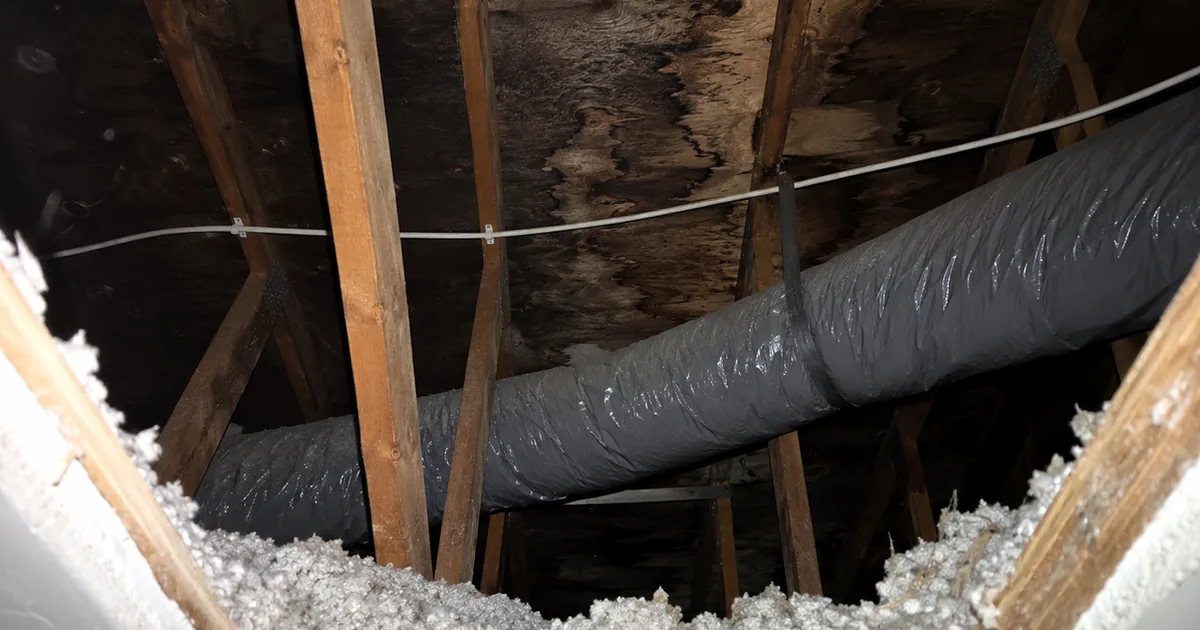
California's SB 894 creates a wildfire resilience loan program, but no money is appropriated yet. What it covers, what is undecided, and what to do now.
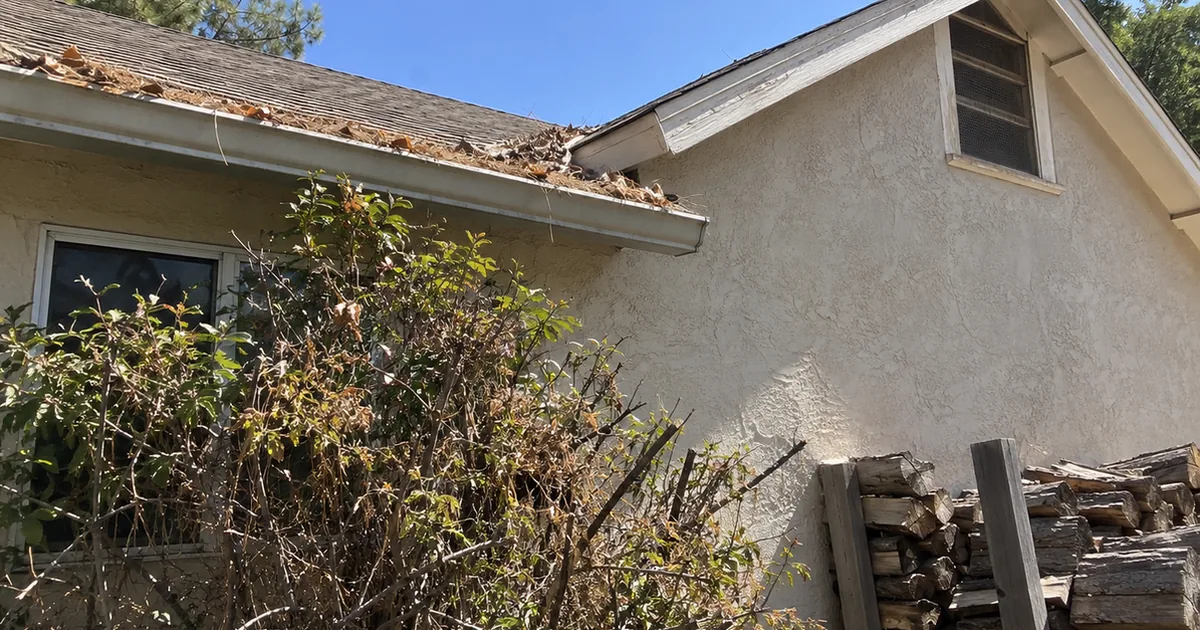
About half of Berkeley homes date to 1939 or earlier. What collar and rafter ties do, what missing ones look like in the attic, and when to call an engineer.
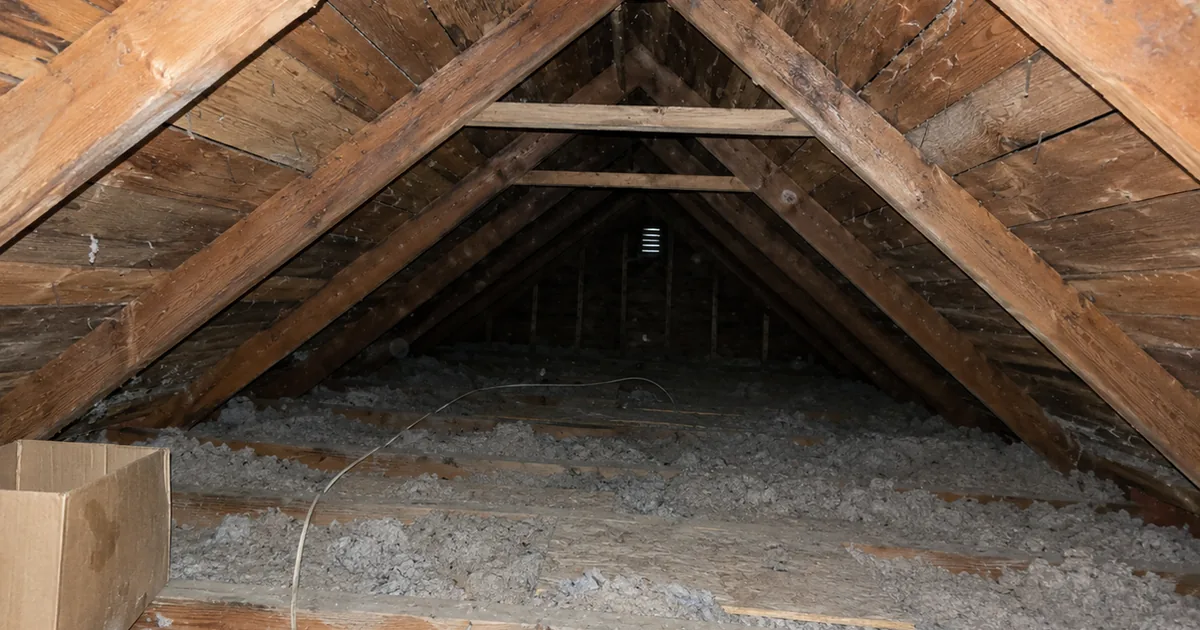
A quiet CO alarm does not prove a gas appliance burns clean. Concord's furnaces, water heaters, ranges, fireplaces and garages, and what needs a technician.
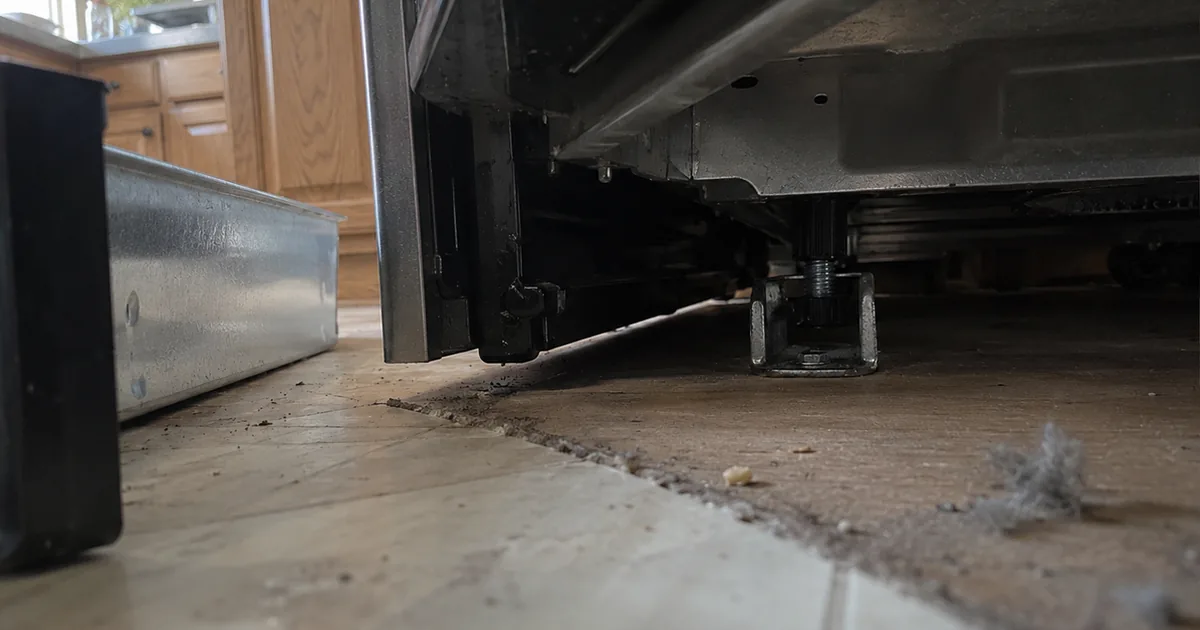
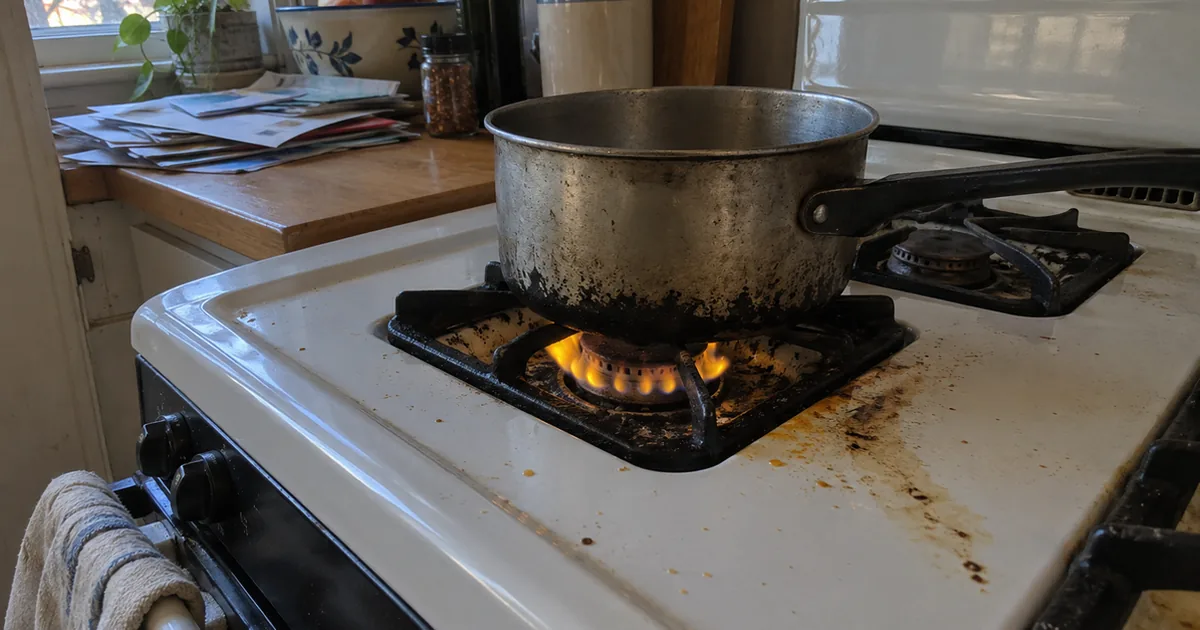
New ranges have shipped with an anti-tip bracket since 1991, but present is not engaged. What San Jose agents should tell buyers, sellers and renters.
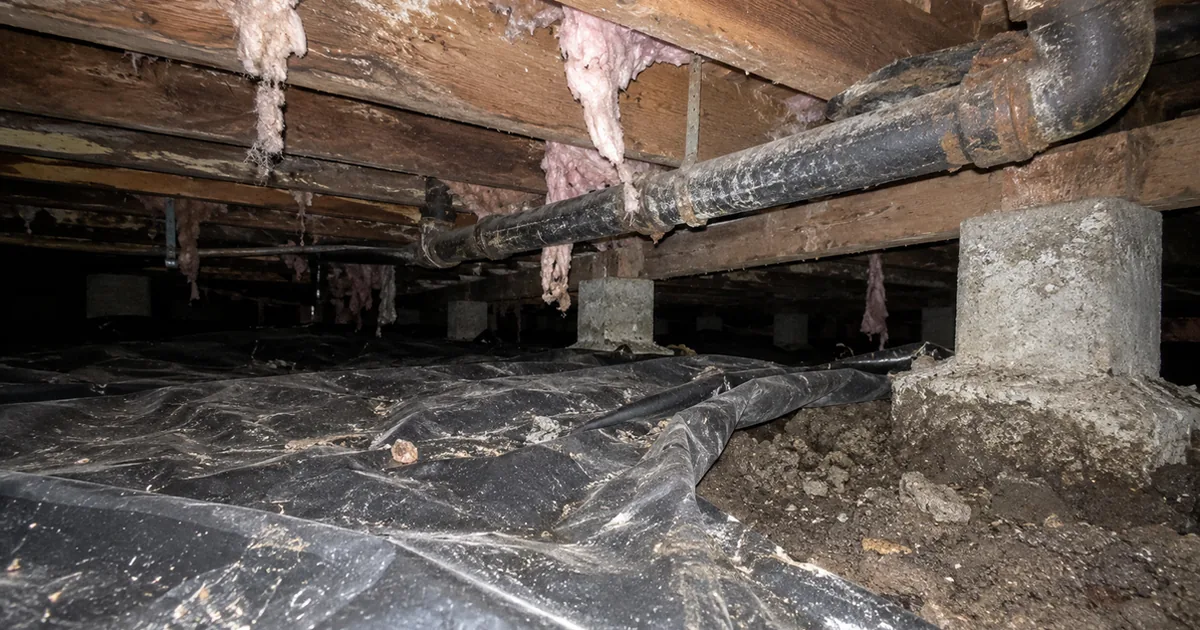
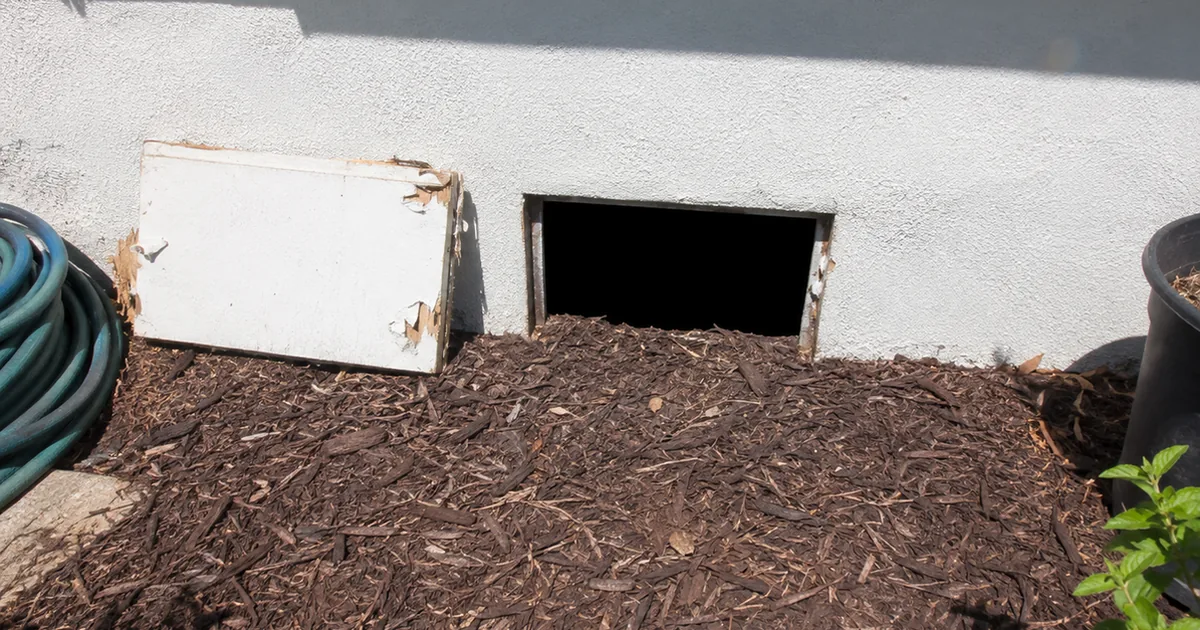
What a California crawl space inspection covers, the code numbers behind vents, access and wood clearance, and the conditions that mean we stay out.
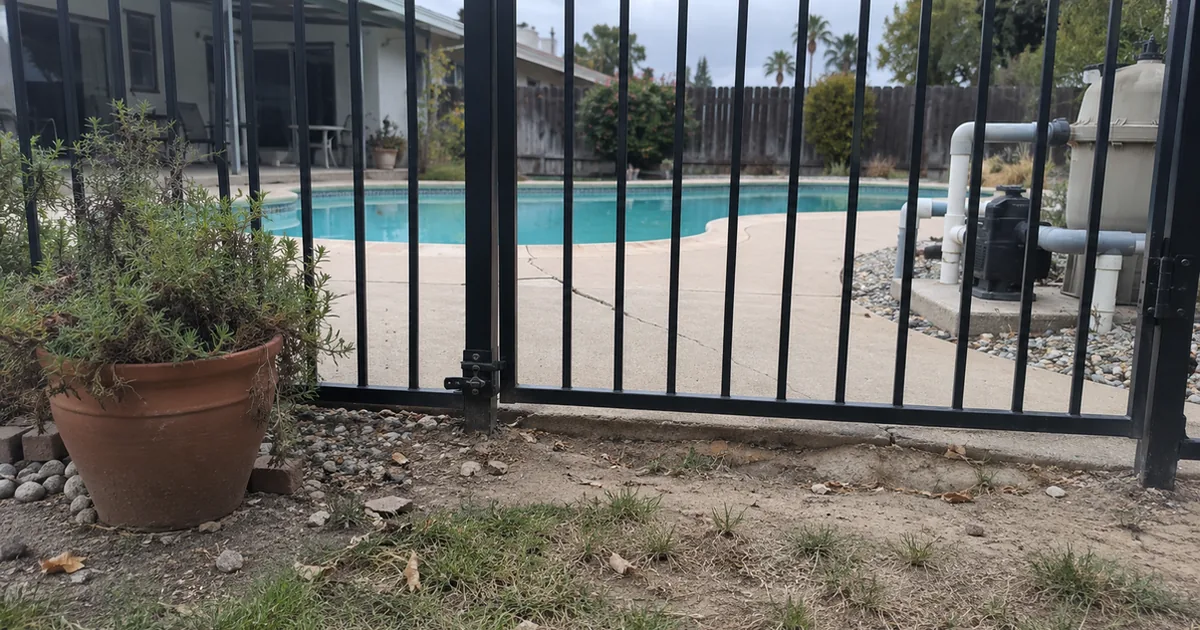
A standard California home inspection excludes the pool and spa itself, but the gate, fence and deck are in view. What we check, what a pool specialist adds.
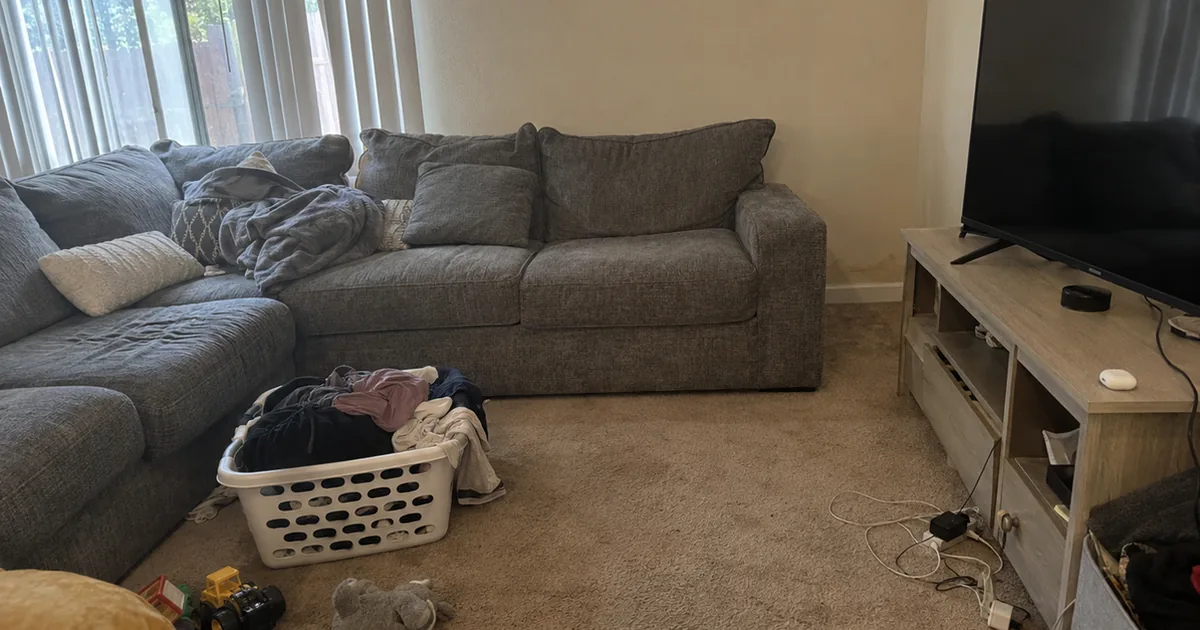
A tenant's notice rights, furniture and belongings shape what a California buyer's inspection can see. How to schedule it, read the report and plan ahead.
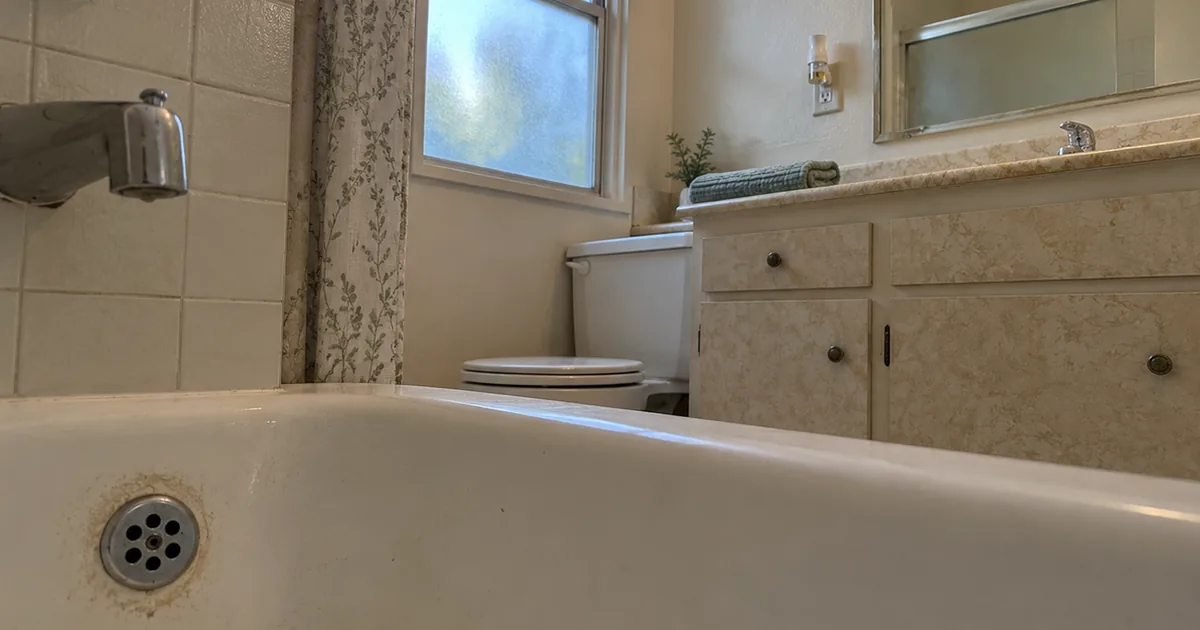
Rotten egg, burning, moldy or ammonia: what each smell can point to on inspection day in California, where the inspector looks, and who to call before closing.
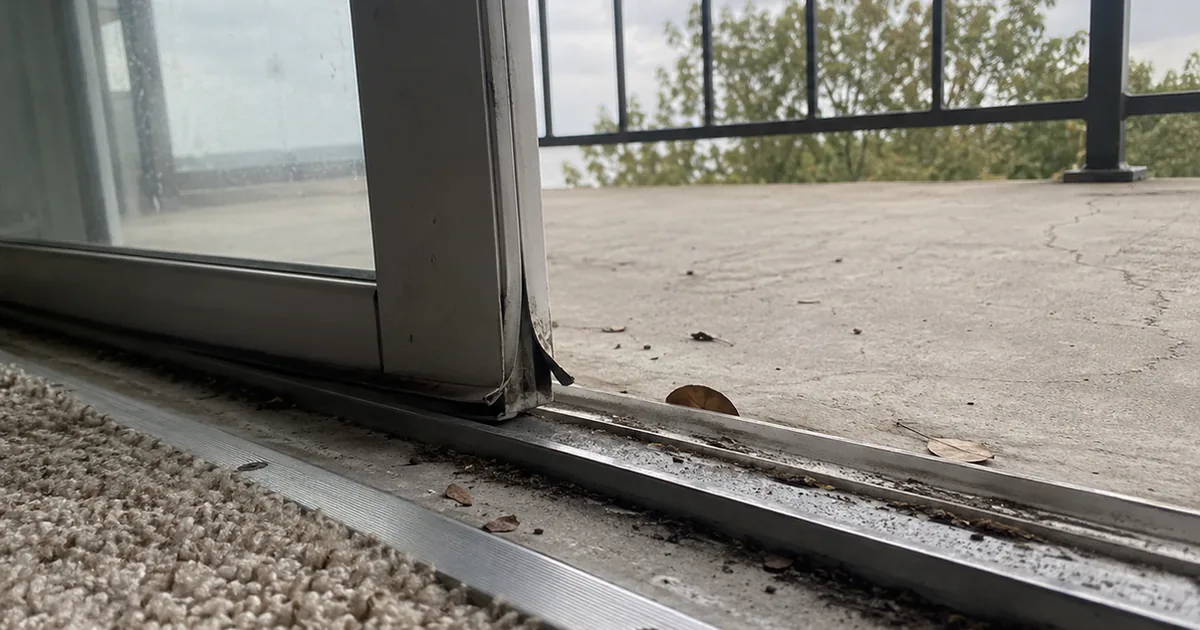
A condo inspection covers the unit, not the roof or stucco. Here is how California's Civil Code splits each finding between the owner and the association.
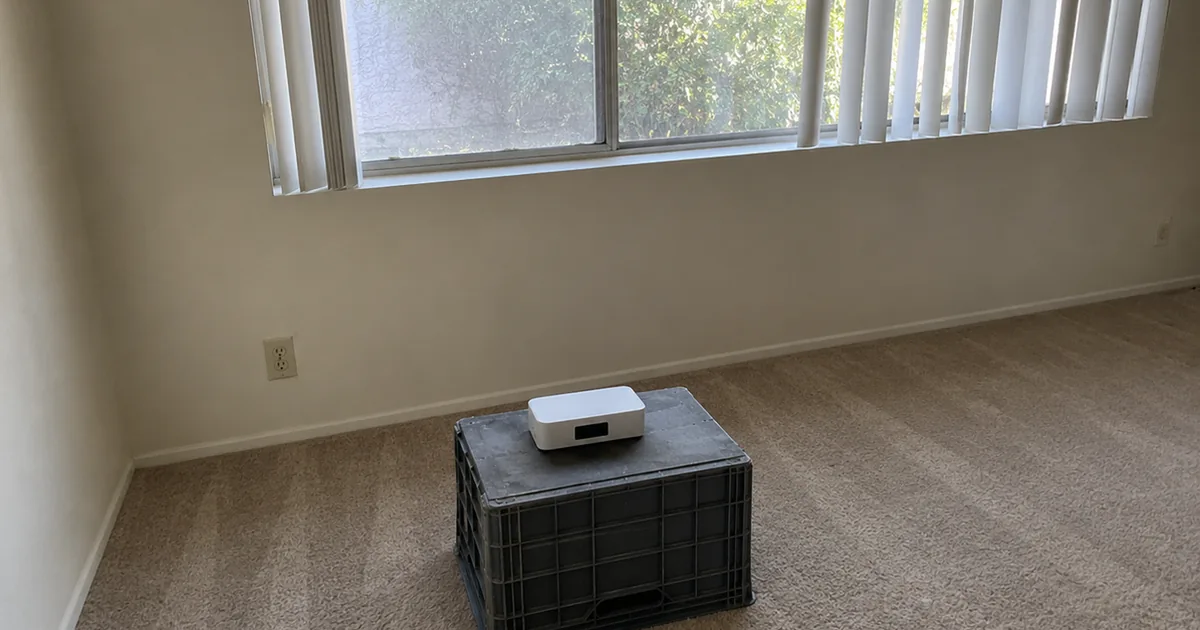
A home inspection does not measure radon. Here is where California tests run higher, from Ventura to the Sierra foothills, and how a 48-hour test fits escrow.
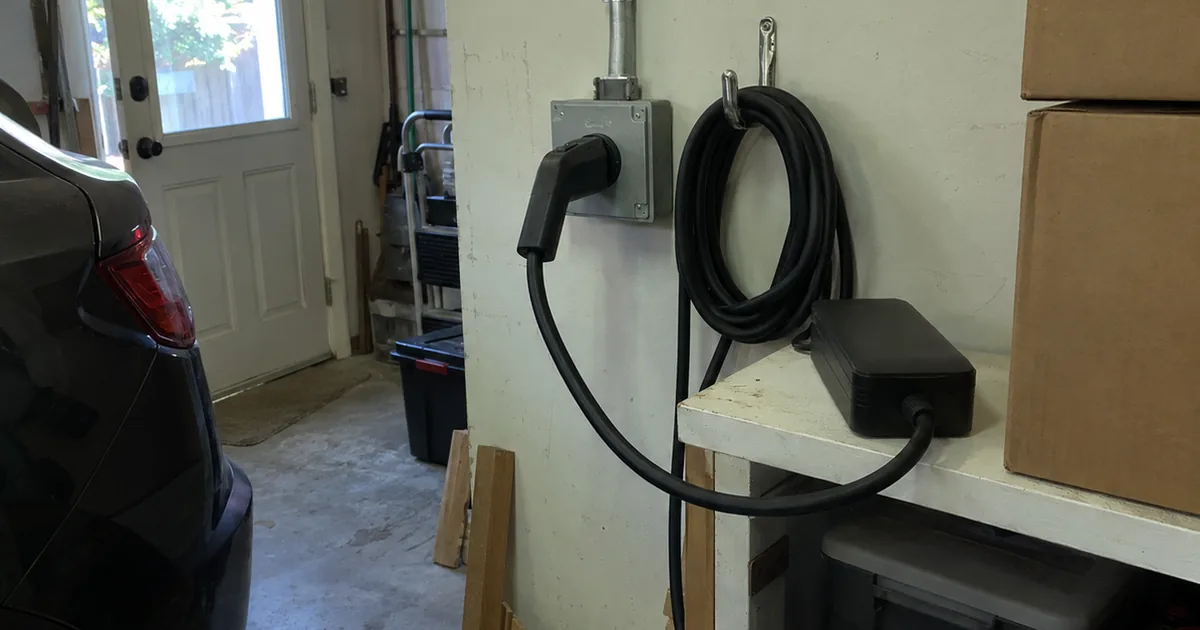
A listing that says EV ready tells you little. Check the breaker rating, the charger's setting and GFCI protection, then ask whether the permit was finaled.
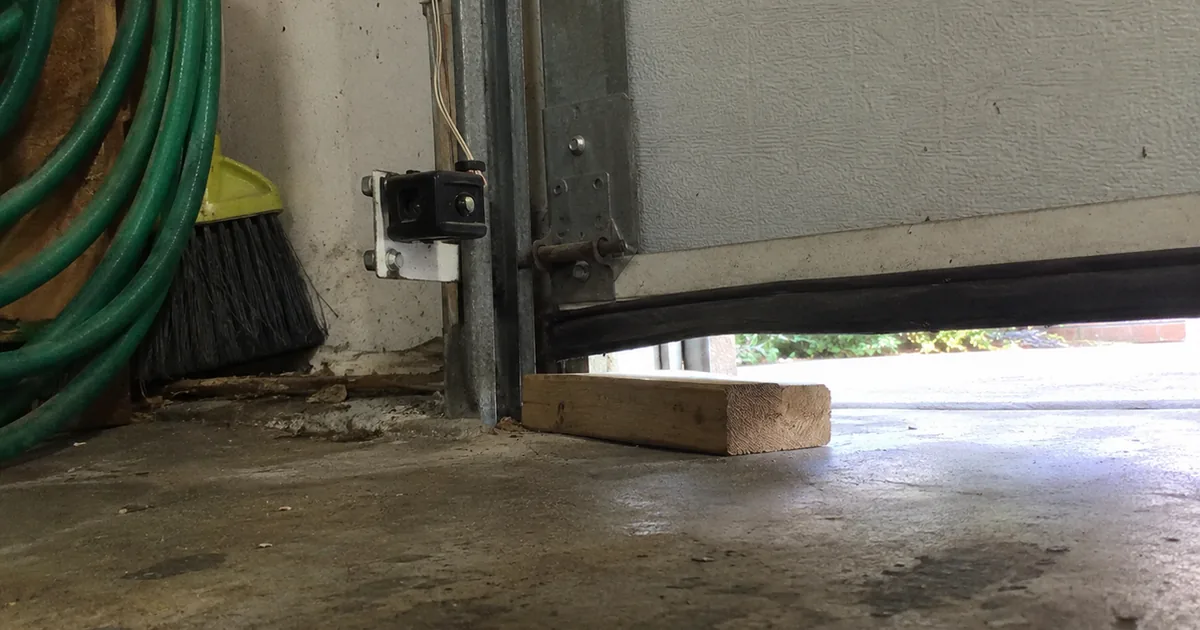
A home inspection checks garage door photo-eyes but not contact auto-reverse. California assigns the 2-inch block test to the door technician. What to ask for.
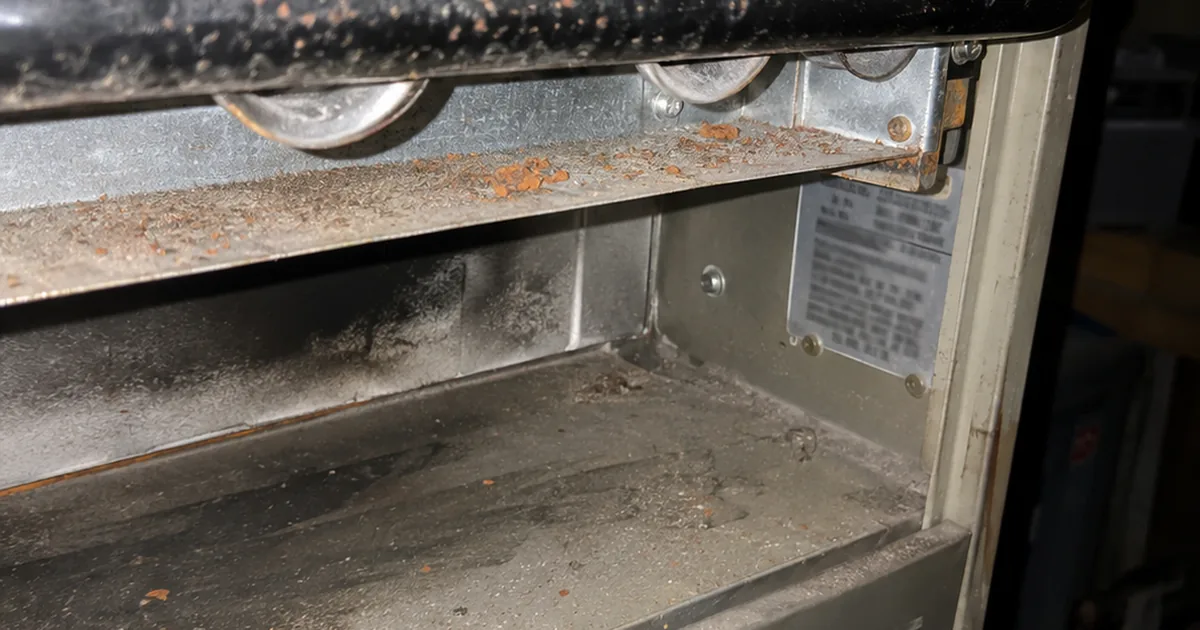
A home inspection runs the furnace but does not open the heat exchanger. Read the report, spot the red flags, and order the HVAC check before contingency ends.
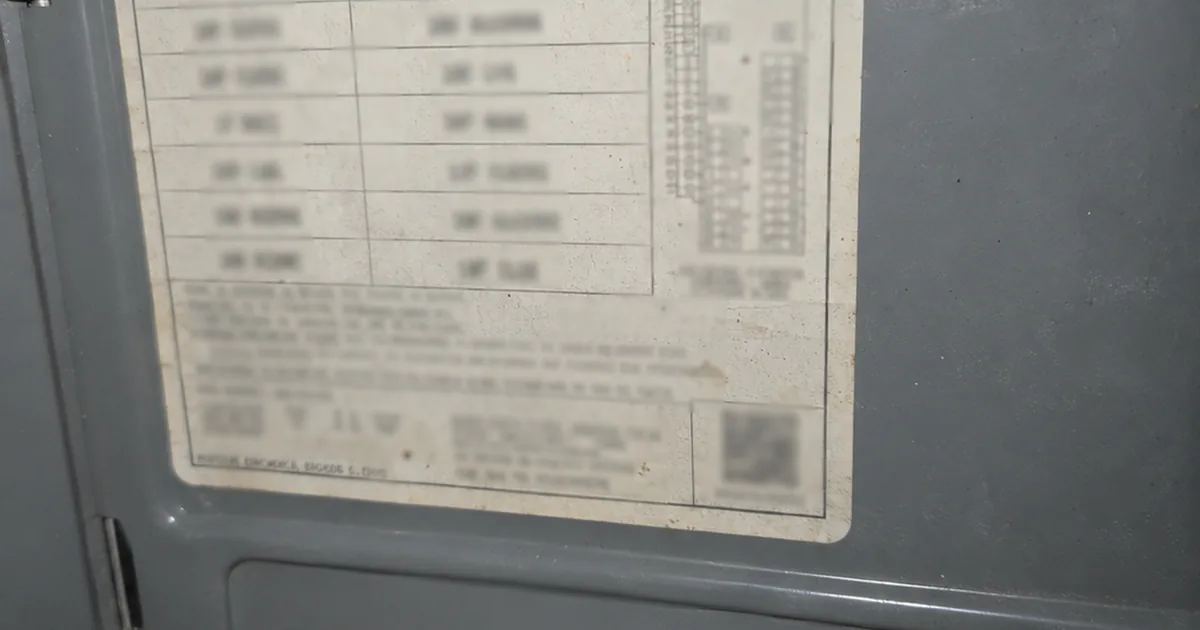
A recall does not leave the house when it sells. Match the panel brand, catalog number and date code from your inspection photos to the CPSC notice.
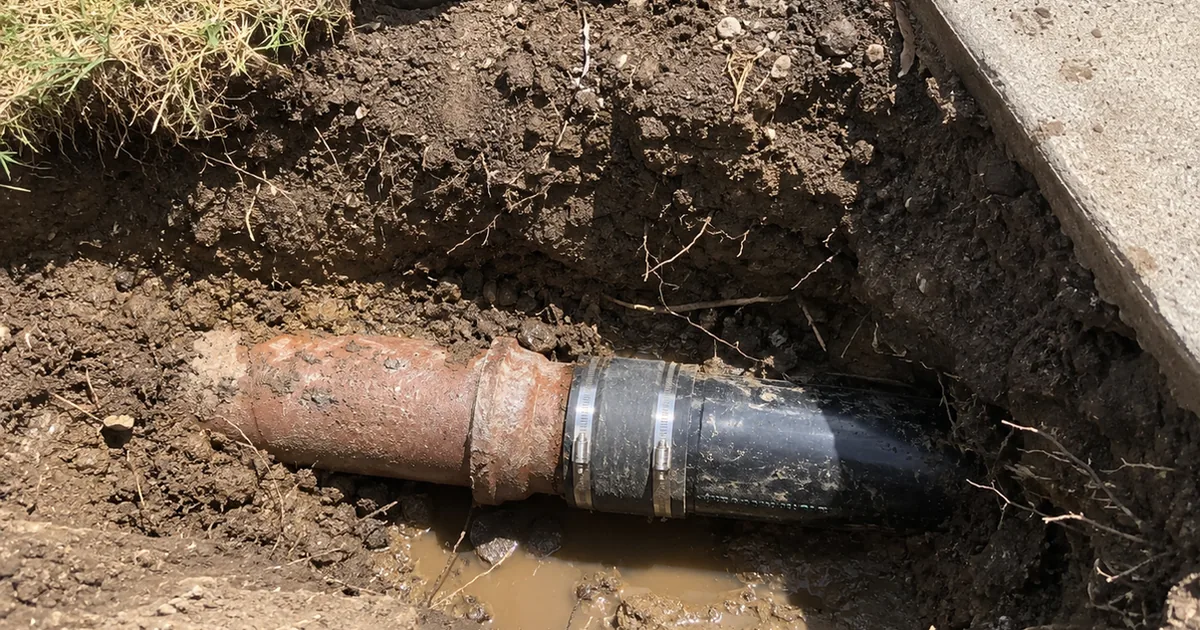
A sewer scope video mixes features, cleaning problems and structural defects. Read the counter, clock position and PACP grade before your contingency ends.
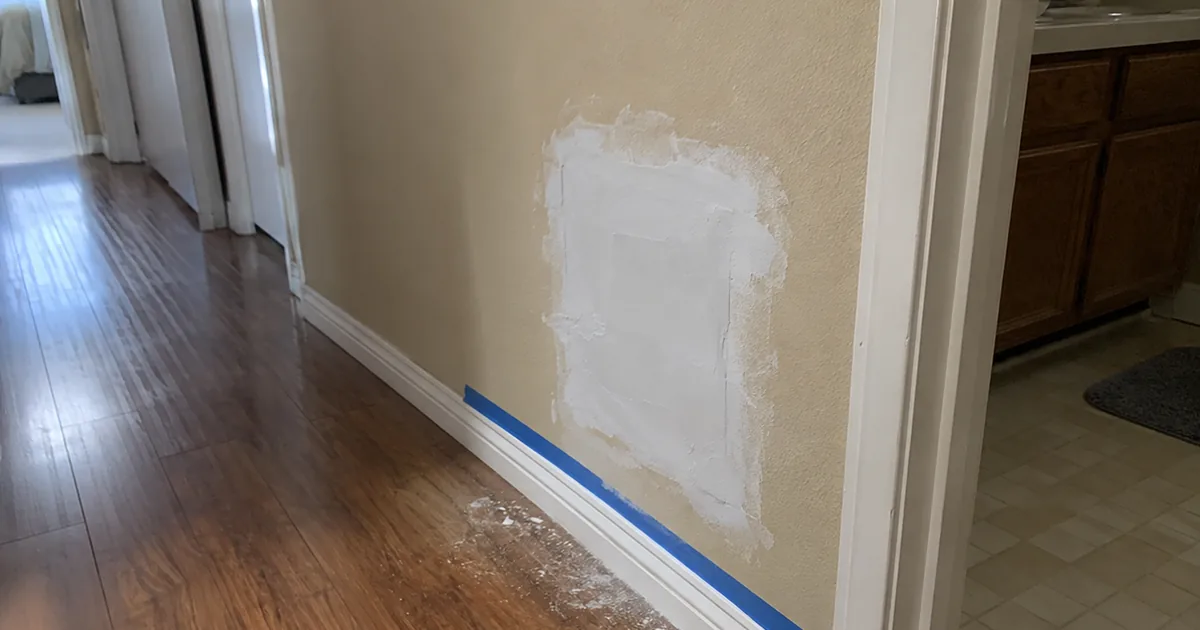
California's purchase agreement already lists the proof for agreed repairs. Match receipts, permit finals and a re-inspection to the work before closing.
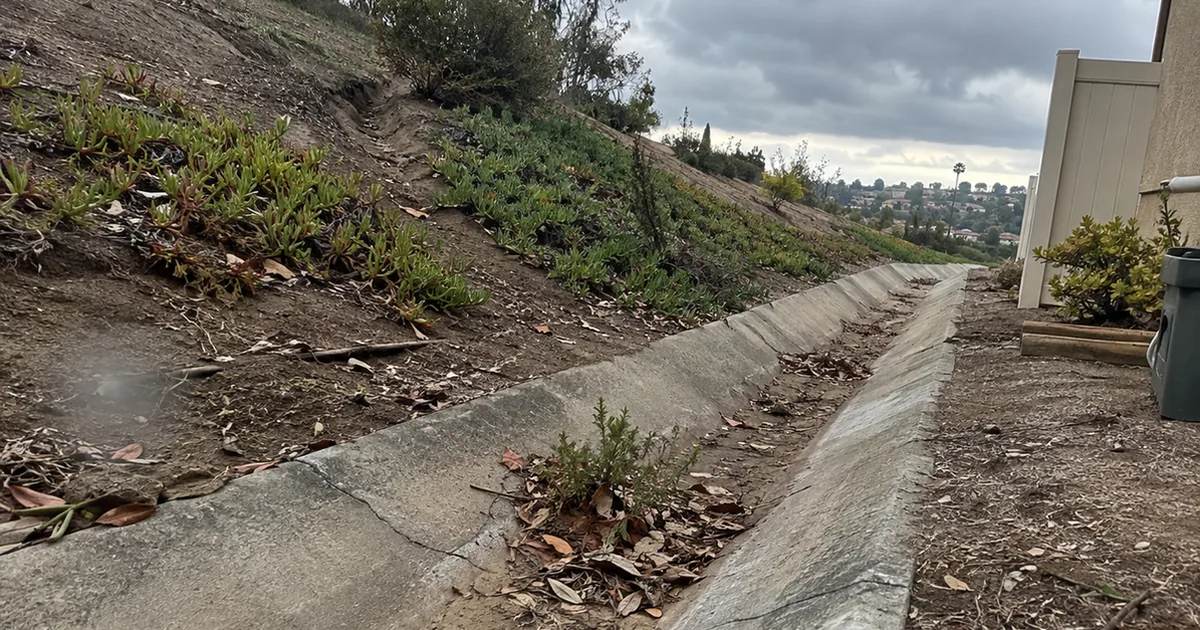
NOAA says a strong El Niño is likely this winter. What a dry-season California home inspection can and cannot show, and what to fix before the first storm.
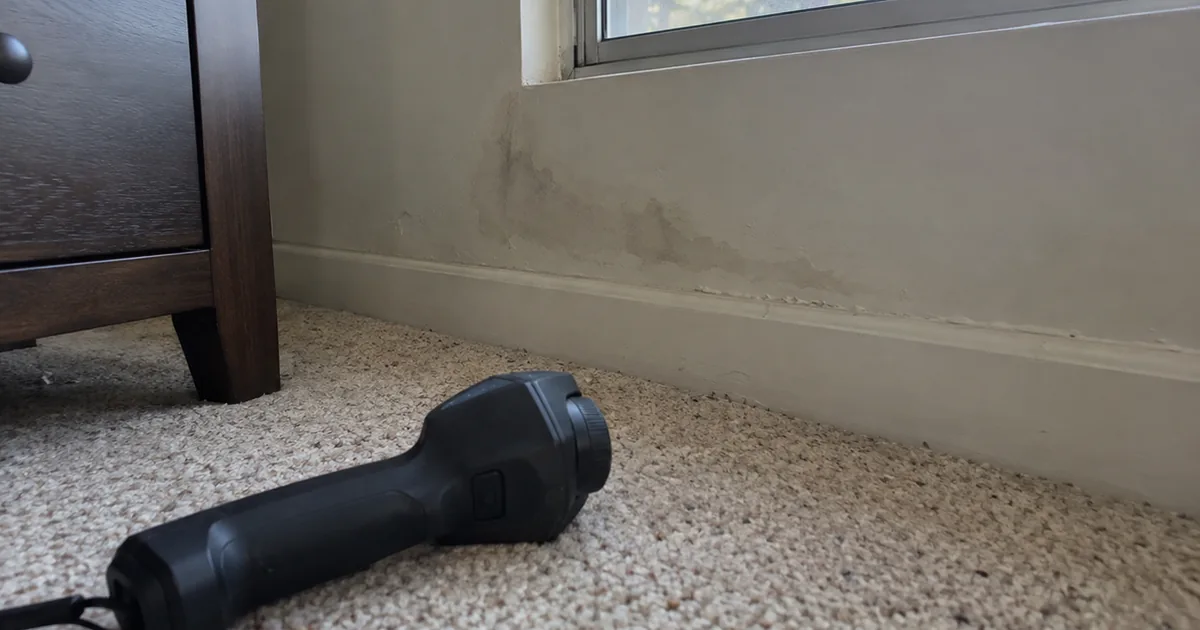
A thermal image shows surface temperature, not water or wiring. How to read each infrared pattern, which test confirms it, and who to call once it is proven.
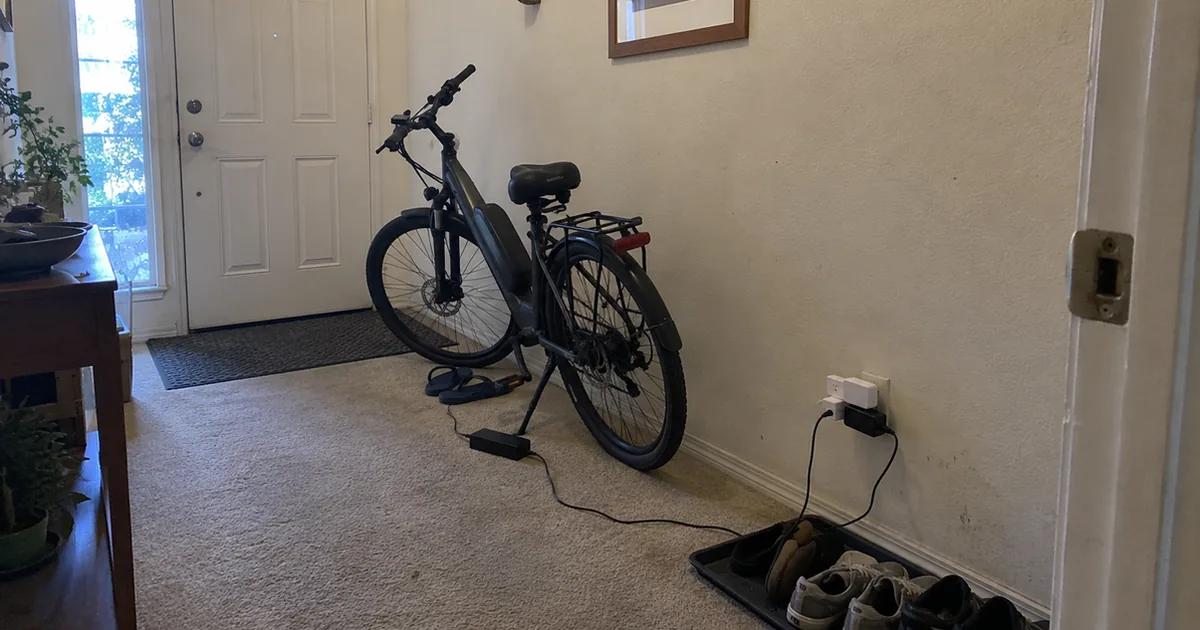
NFPA's 2026 Fire Prevention Week is about lithium-ion charging. What an inspector can see in a house, and what agents and sellers can move before listing.
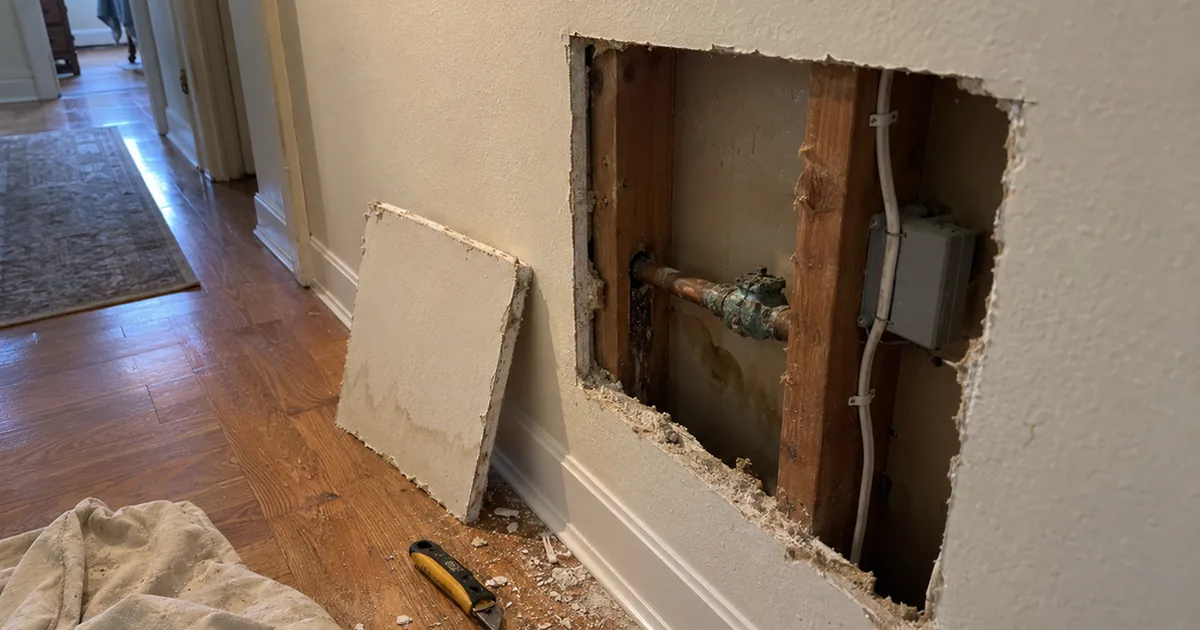
Inspection reports end findings with a referral. Match each one to the right California CSLB license class, the B and B-2 limits, and the $1,000 handyman rule.
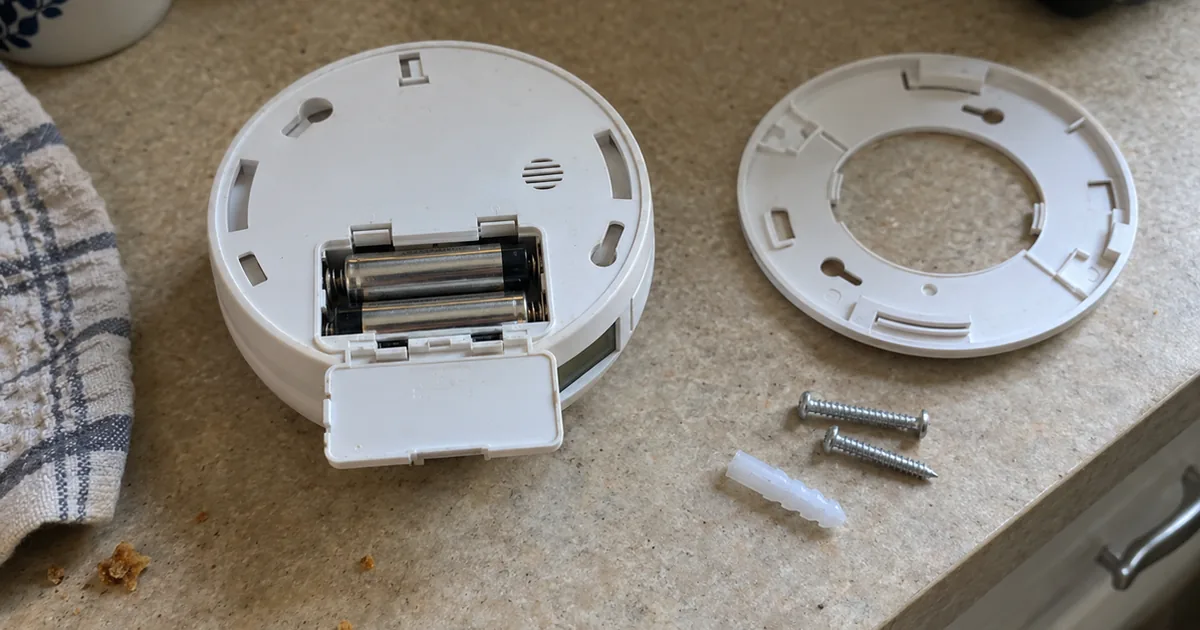
CPSC flagged four smoke and CO detectors sold online in 2026, including 376,974 KH158 units. How to read the label and spot an alarm not made for California.
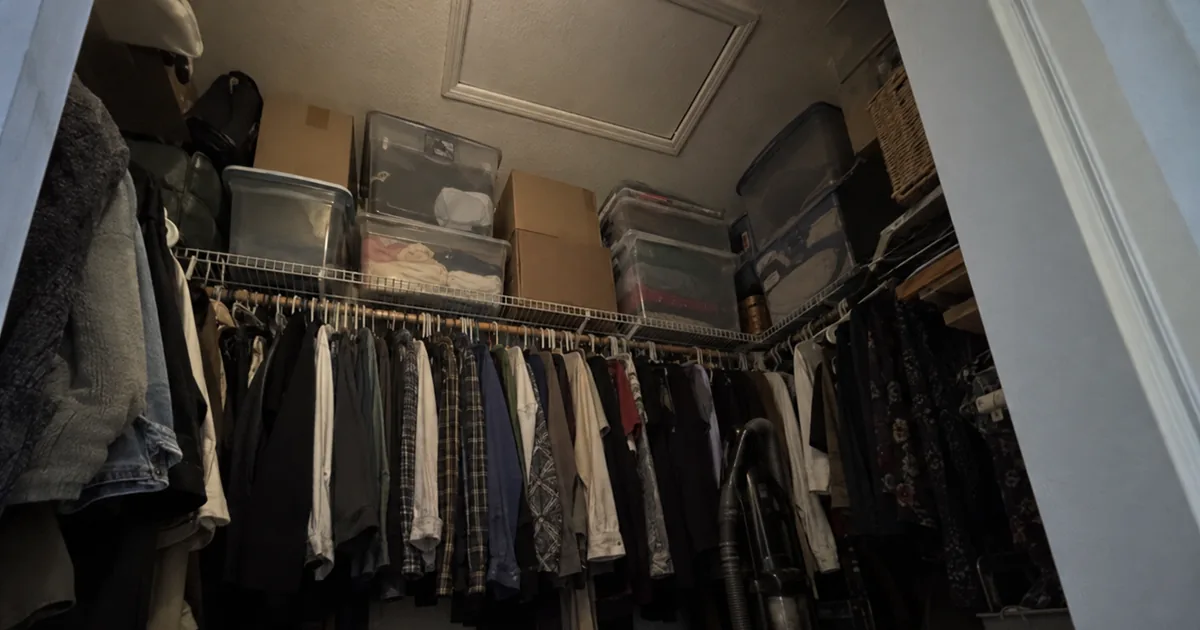
A blocked attic hatch or a freezer against the panel becomes a "not inspected" line. Why nobody in the contract must clear it, and how agents fix it in time.
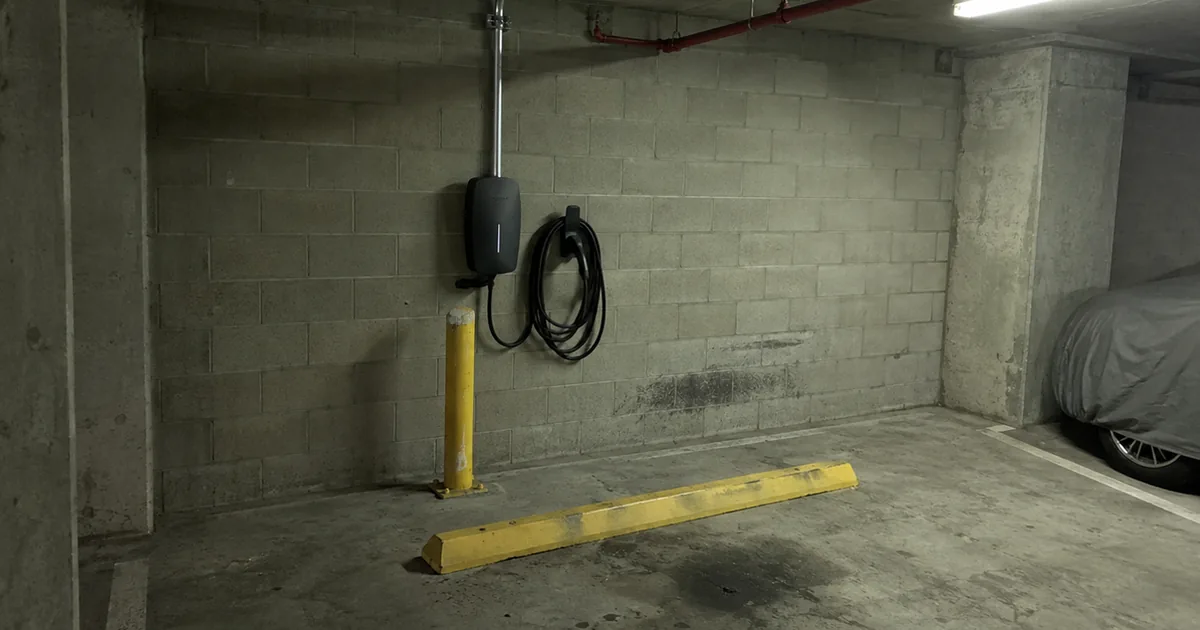
SB 1267 adds use damage and installer indemnity to California's HOA EV charger law in 2027. What a condo buyer inherits with a seller's charger and what to ask.
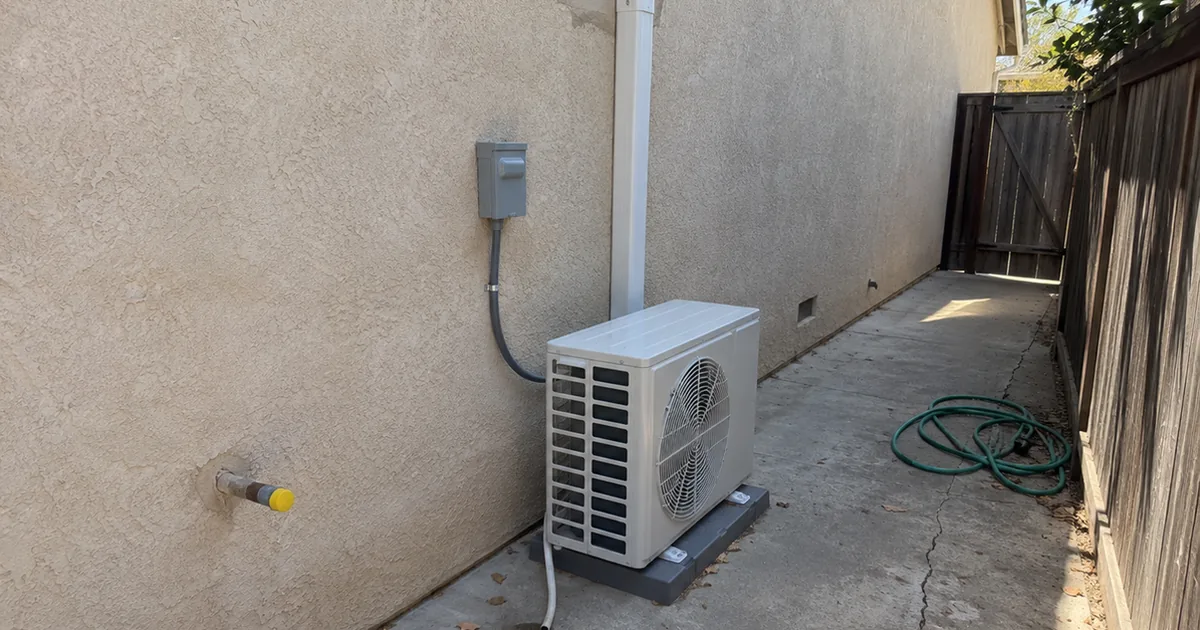
SB 222 caps California heat pump permit fees at $150 and $200, requires asynchronous inspections from July 2027, and limits HOA bans. What buyers should ask.
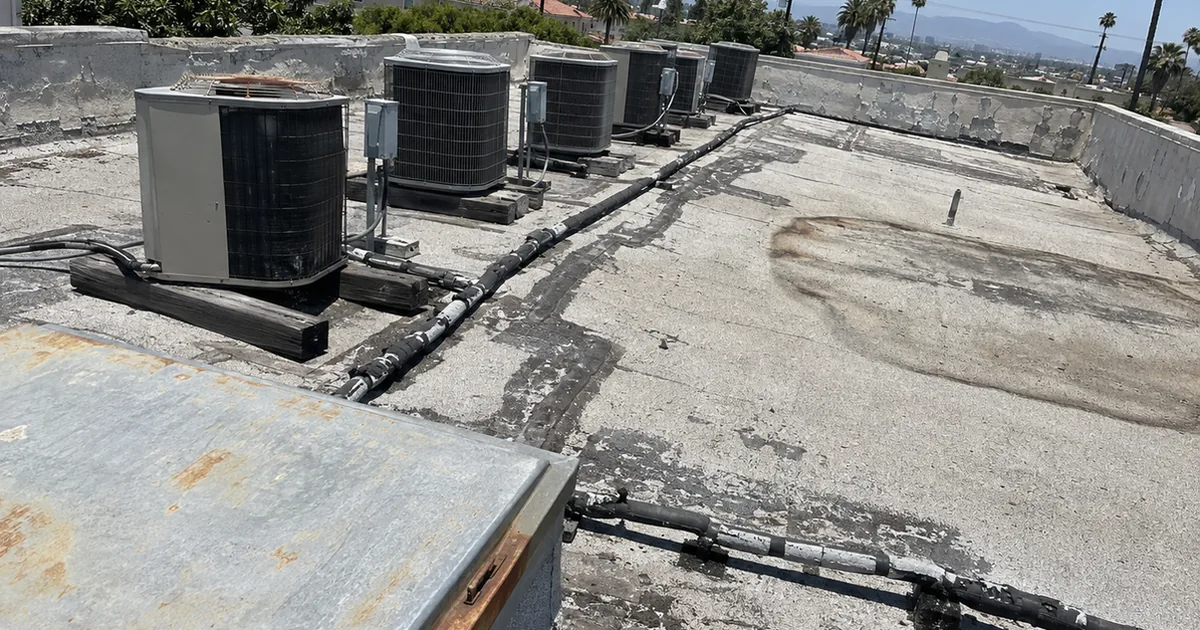
AB 2050 (Chapter 796) makes California HOAs fund reserves from 2032, with a 15 percent transfer when the 30-year projection goes negative. What buyers read now.
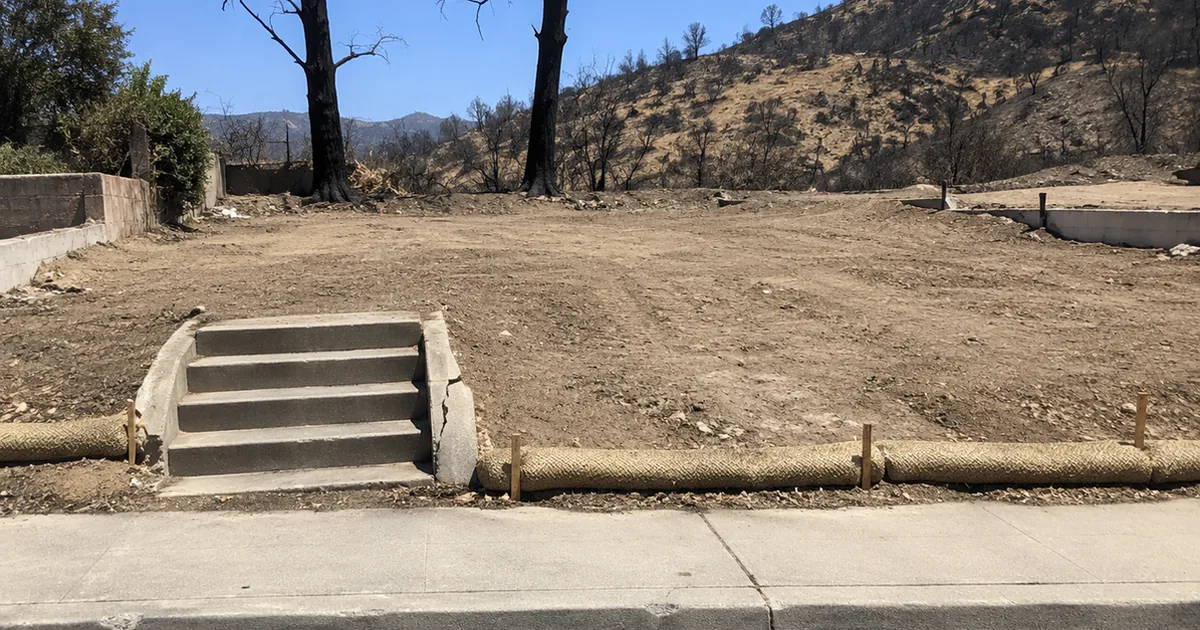
SB 1263 (Chapter 688) sets which California contractors may remove hazardous ash and flood muck after a declared disaster from 2027, and the record buyers need.
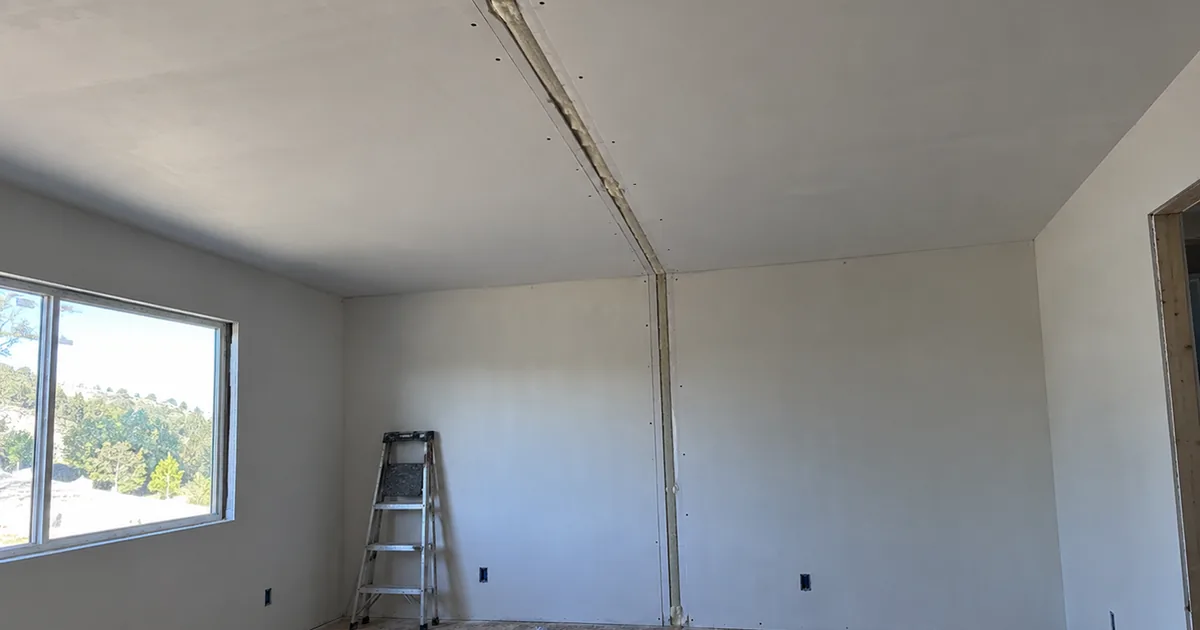
AB 1815 and AB 2058 put qualifying factory-built homes on the state code, bar tearing modules open to inspect them, and add a private inspection option by 2029.
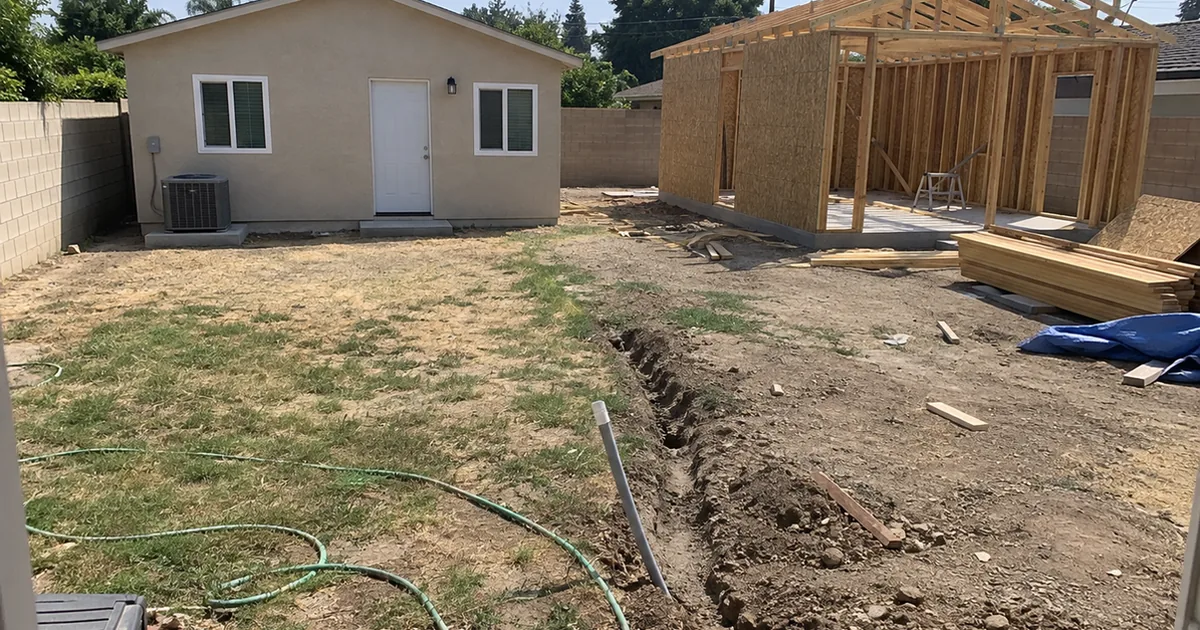
AB 956 (Chapter 791) lets a California single-family lot carry two detached ADUs from 2027. What changes for HOAs, JADUs and fees, and what still does not.
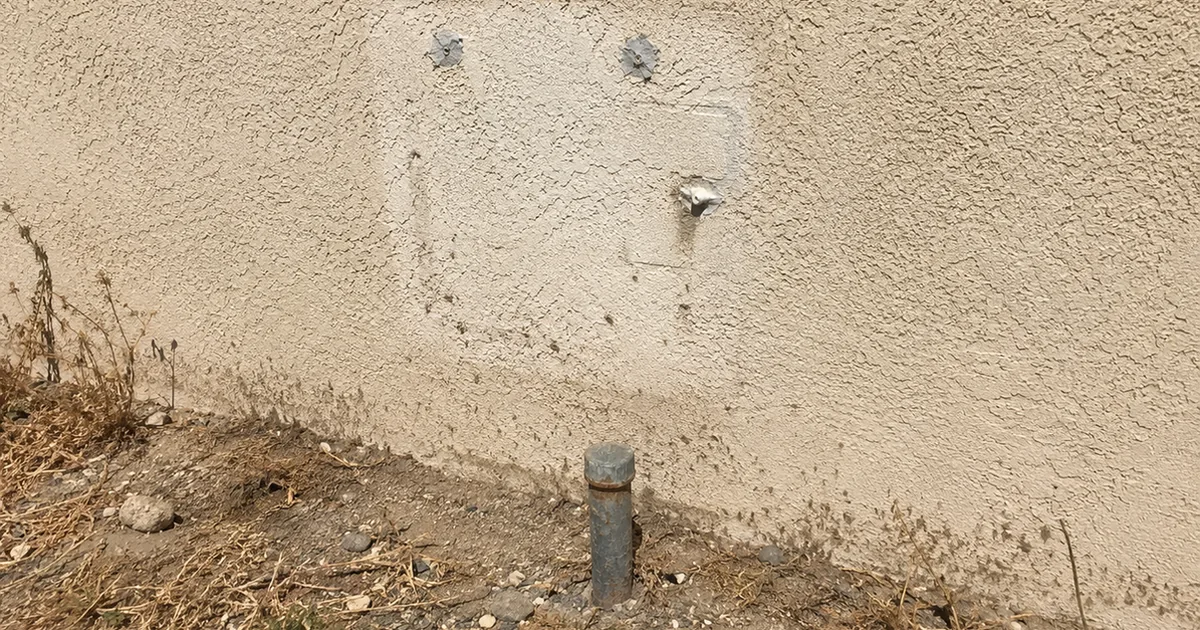
AB 2313 (Chapter 934) makes California gas utilities offer owners an incentive to electrify instead of replacing a gas service line by 2028. What buyers check.
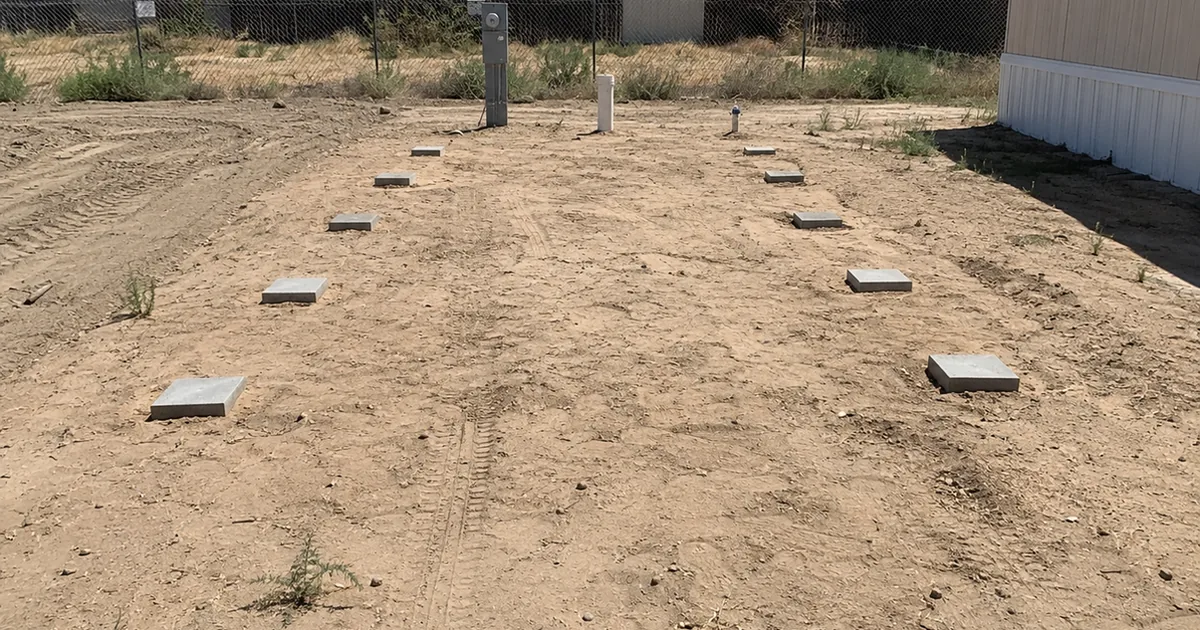
SB 996 (Chapter 995) aligns California's manufactured home definition with federal law and orders chassis-free rules by 2027. It does not change titling.
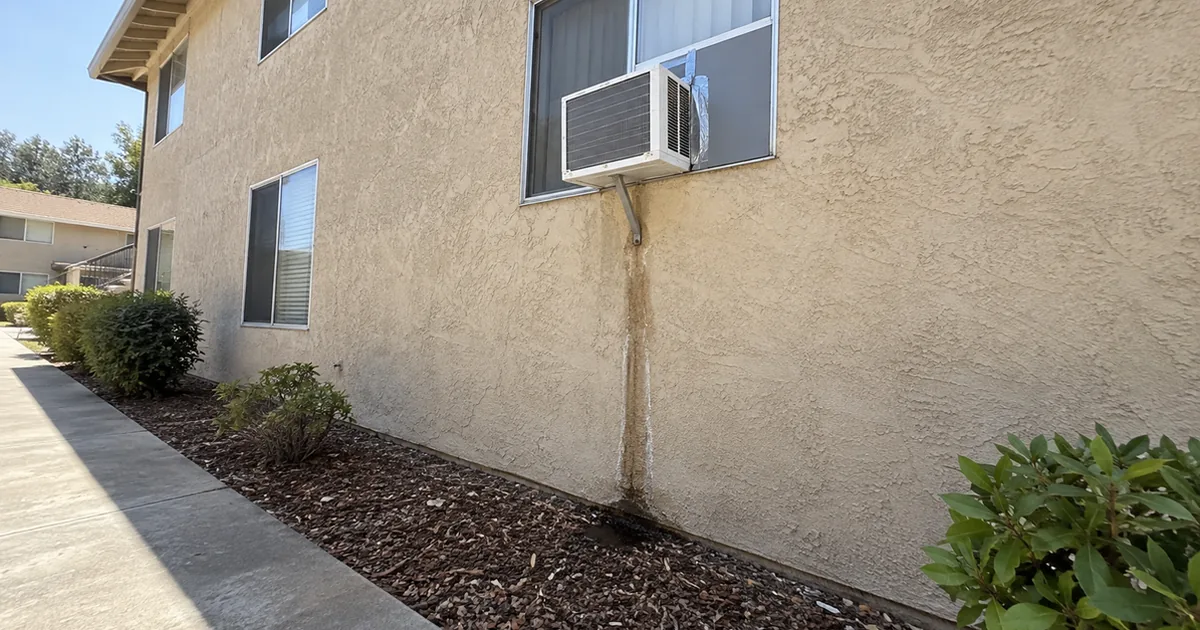
AB 1684 bars California HOAs from banning code-compliant air conditioners from 2027, but owners and buyers inherit the damage. What changes and what to check.
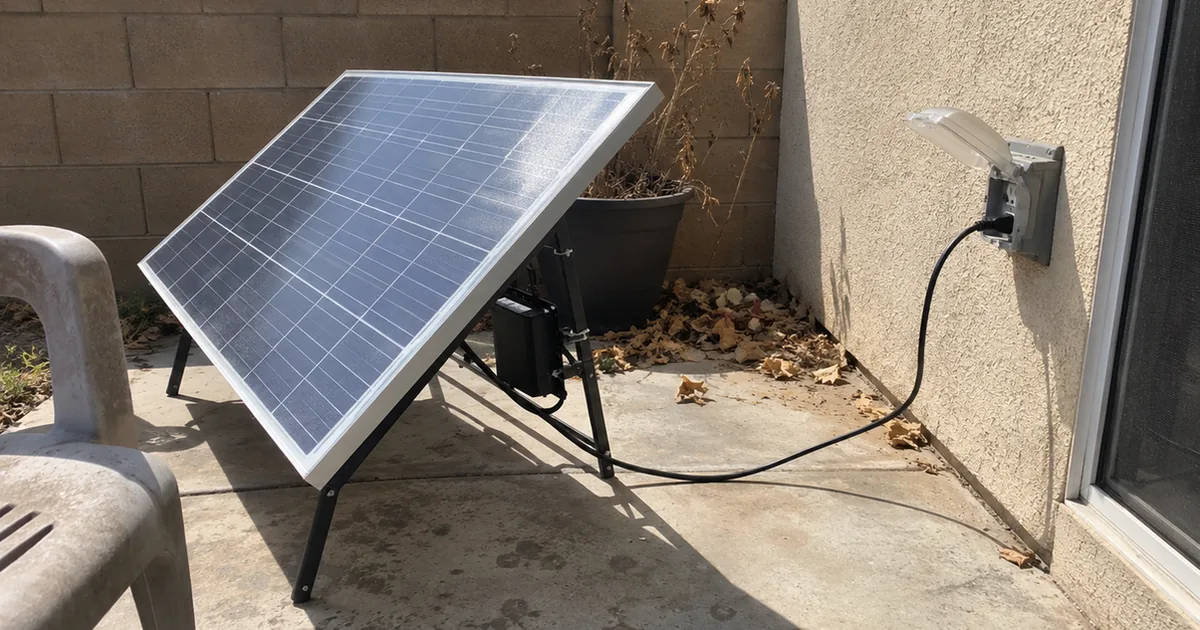
SB 868 lets certified plug-in solar up to 1,200 watts skip utility approval in California from 2027. What qualifies, what does not, and what buyers check.
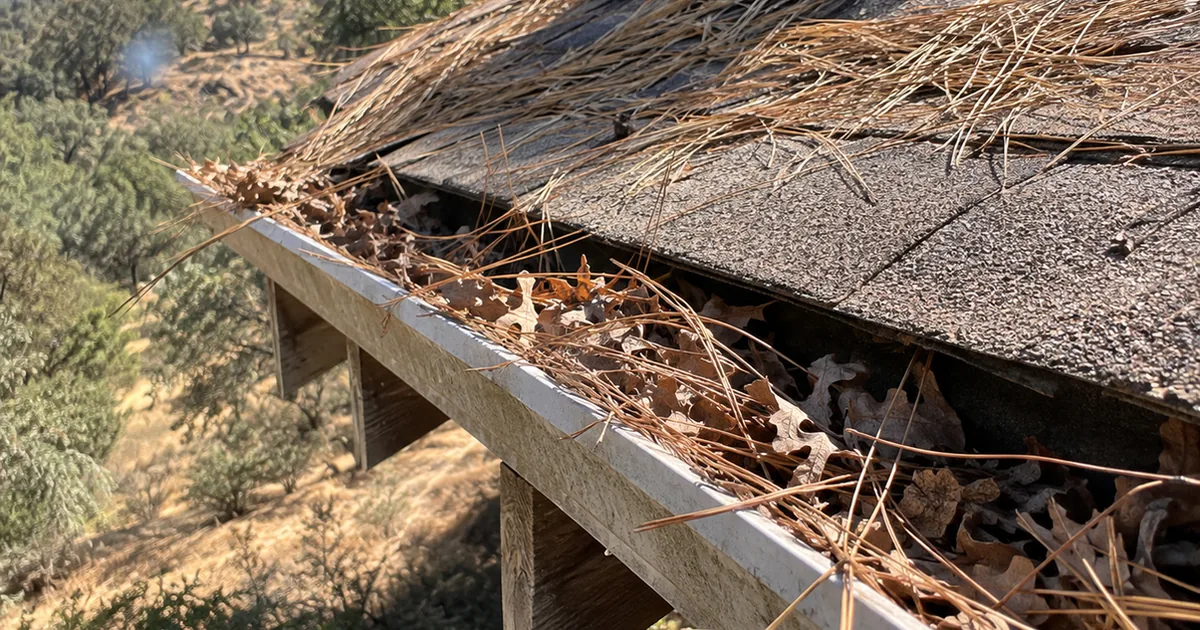
AB 1964 orders a state home hardening standard by 2028 and AB 1934 a voluntary certificate by 2029. What each law does, what is unwritten, and what to check.
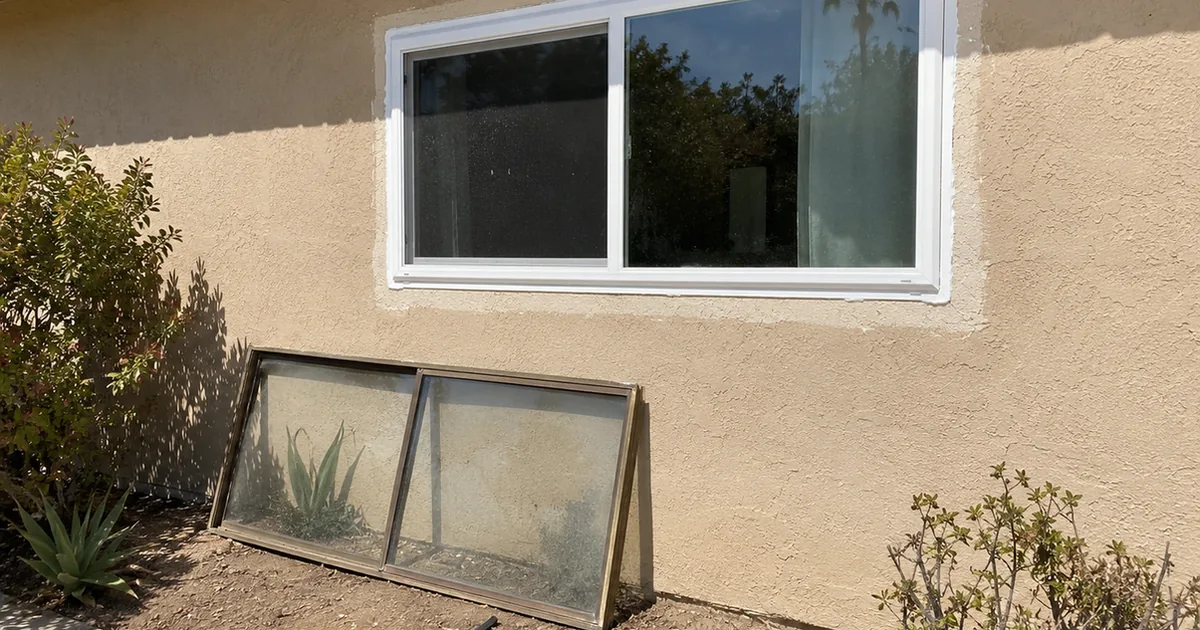
SB 908 makes California cities and HOAs approve like-for-like window replacements from 2027. What it covers, what it does not relax, and what buyers check.
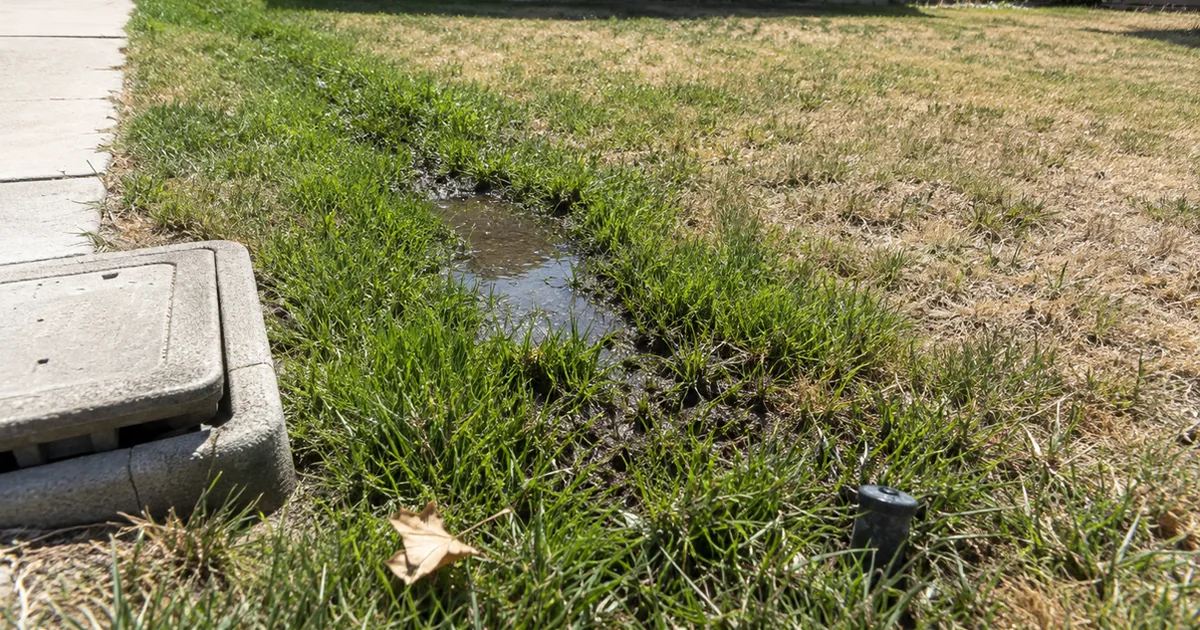
AB 1931 sets rules for home repair plans sold on California utility bills from July 2027: what the bill and contract must say, and why a plan is no inspection.
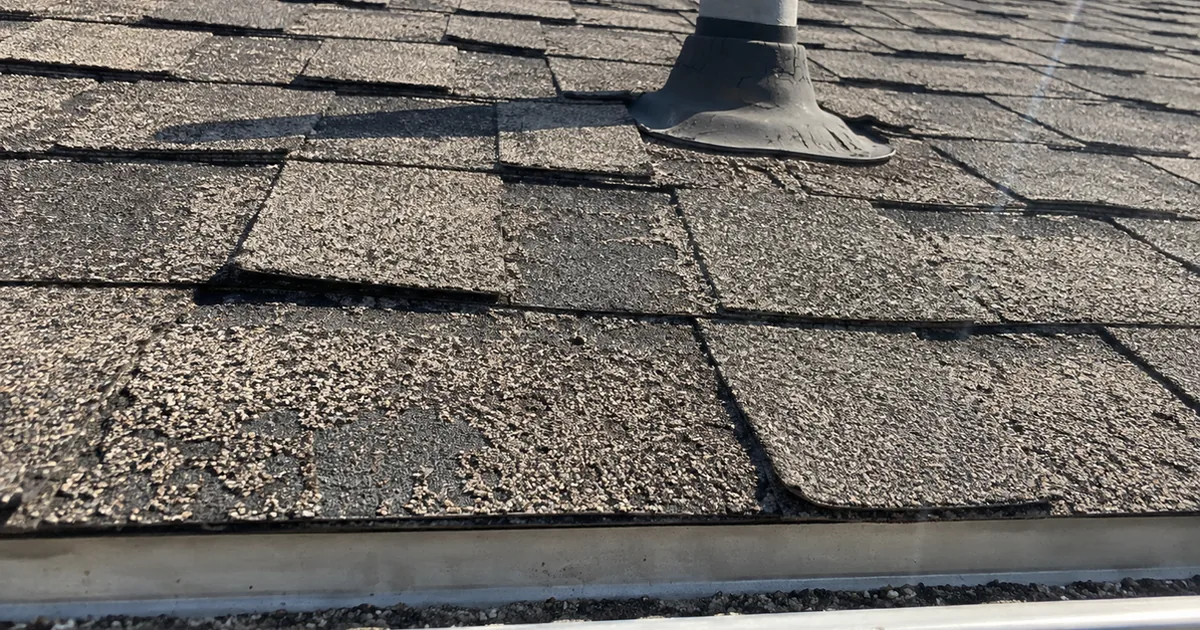
From 2028, SB 1301 bars California insurers from refusing a policy for roof age alone if an inspection shows five years of roof life left. What changes and how.
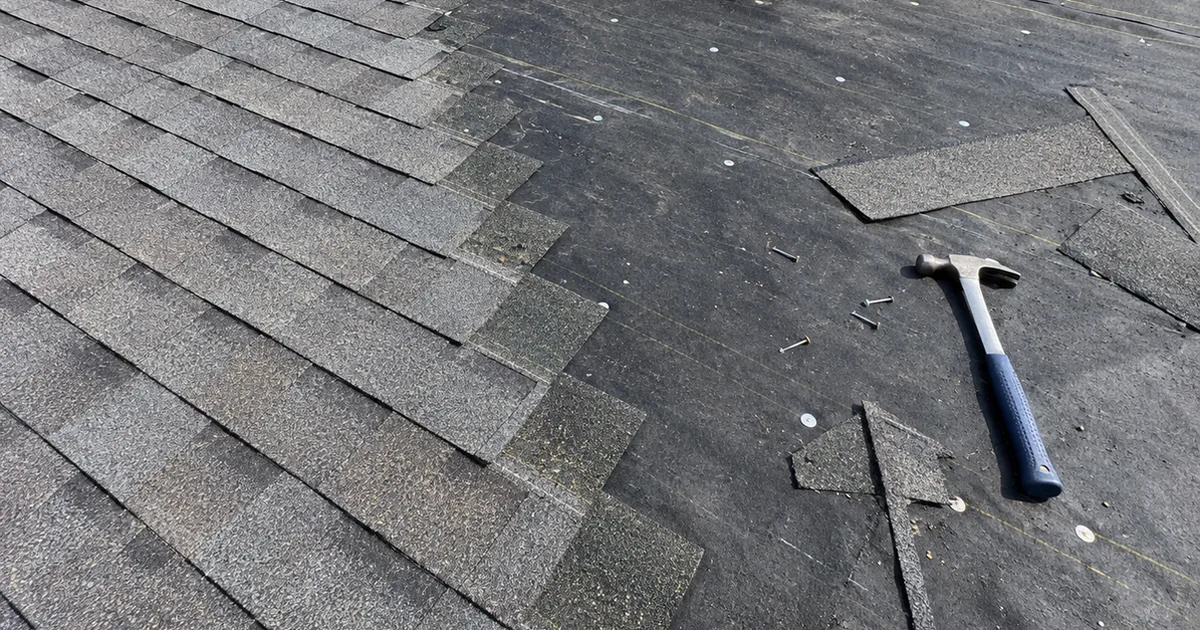
AB 1738 became Chapter 271 on September 18, 2026. Local agencies must offer remote permit inspections by January 1, 2028, or July 1, 2028 in larger areas.
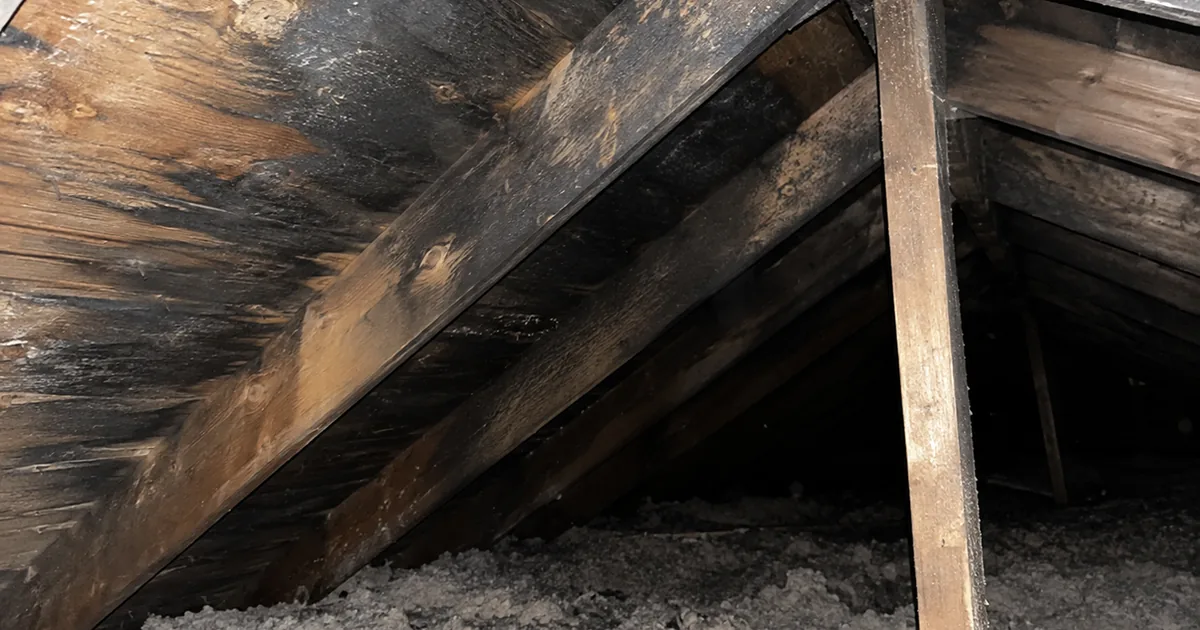
A court found the California FAIR Plan's smoke damage definition too narrow. What the policy actually requires, and what documentation a claim needs.
California vetoed SB 1238 and AB 2439 on September 20, 2026. The condo package a buyer already gets names the deferred repairs and the assessment coming.
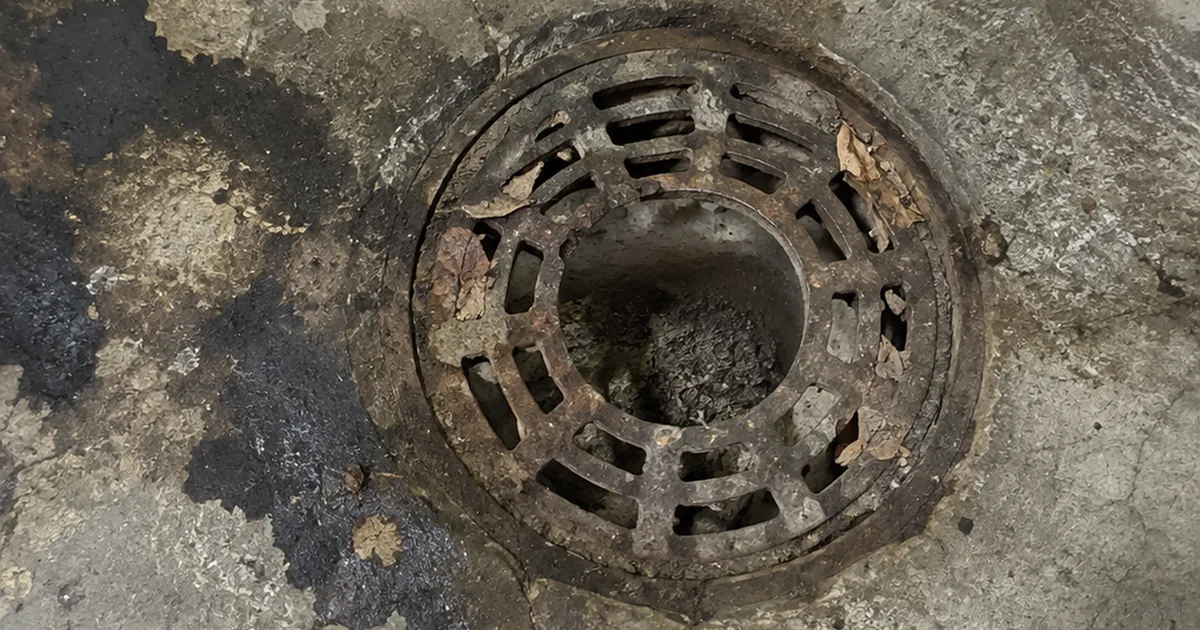
AB 28, signed September 20, 2026, defines a landfill subsurface elevated temperature event at 131 degrees. What a buyer near a landfill should ask, and when.
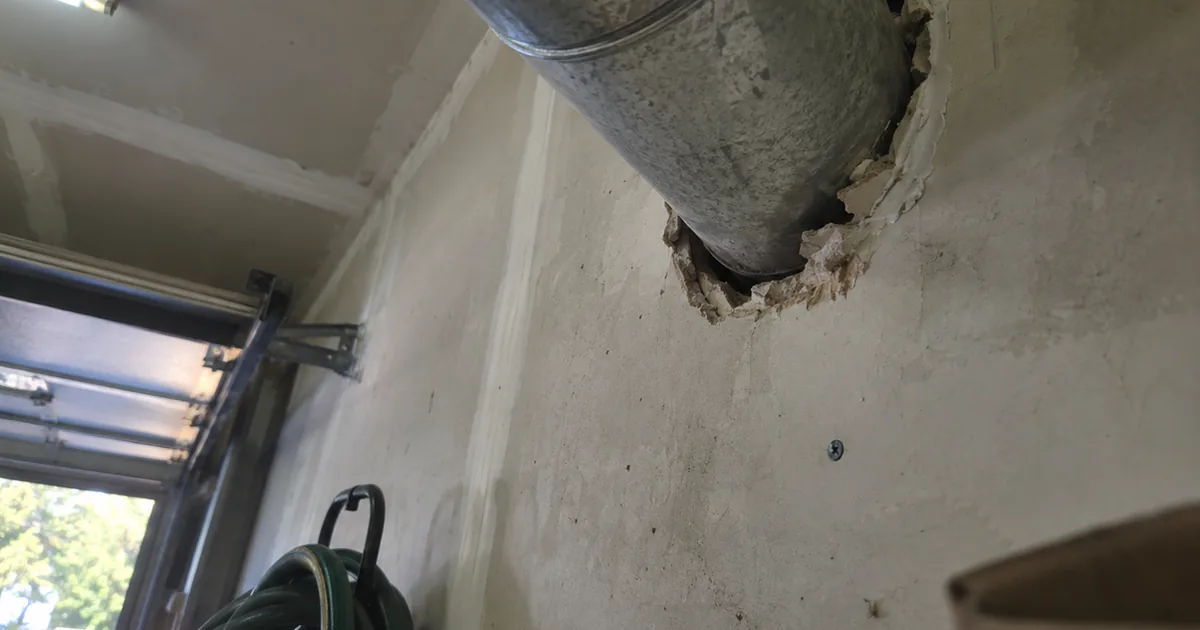
California vetoed AB 306 on September 20, 2026, so building code interpretation stays local. What that means for unpermitted work, buyers, sellers and agents.
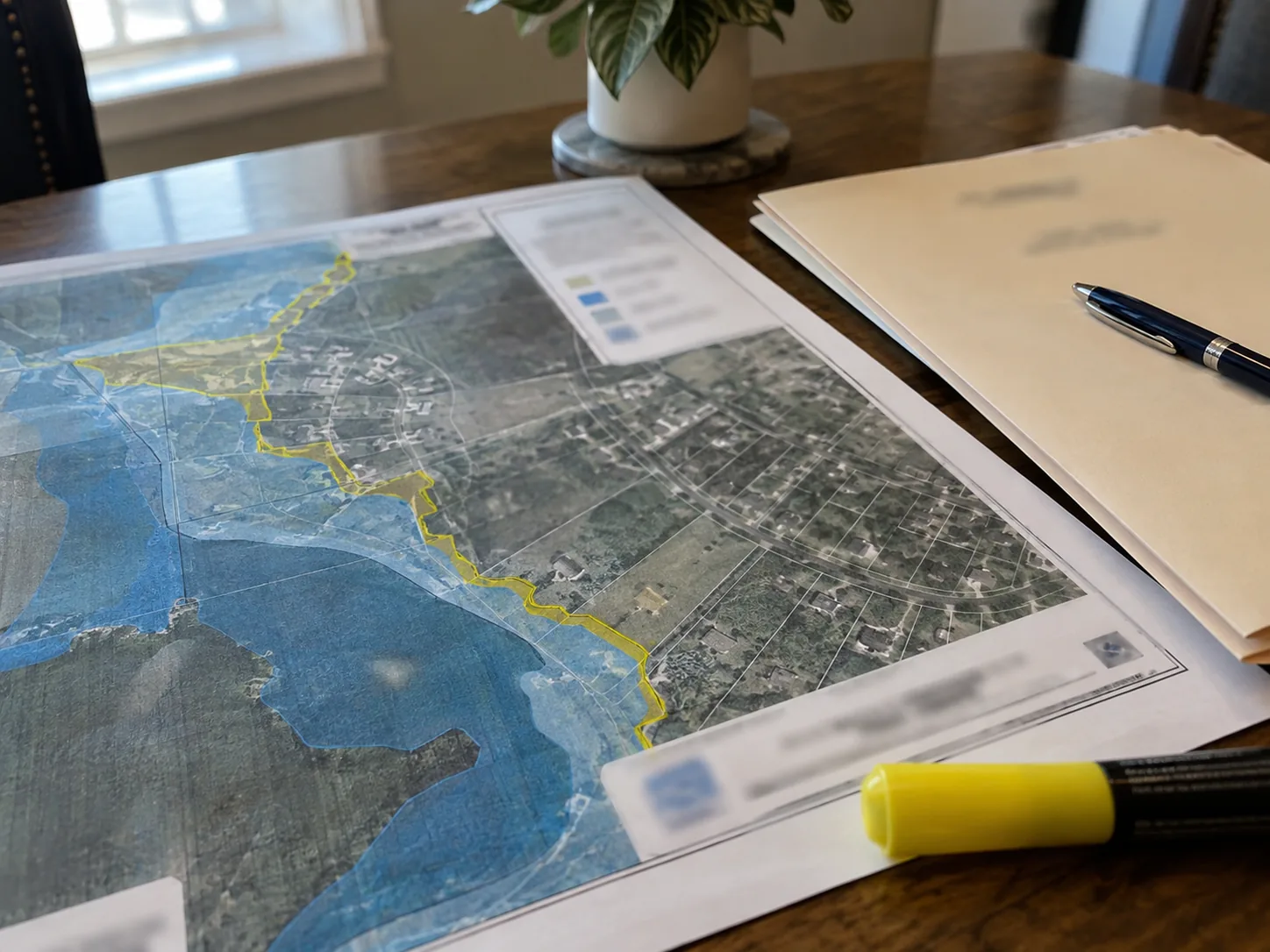
A FEMA map redraw no longer sets your flood insurance price, but it still decides whether your lender must require it. What that means in a California escrow.
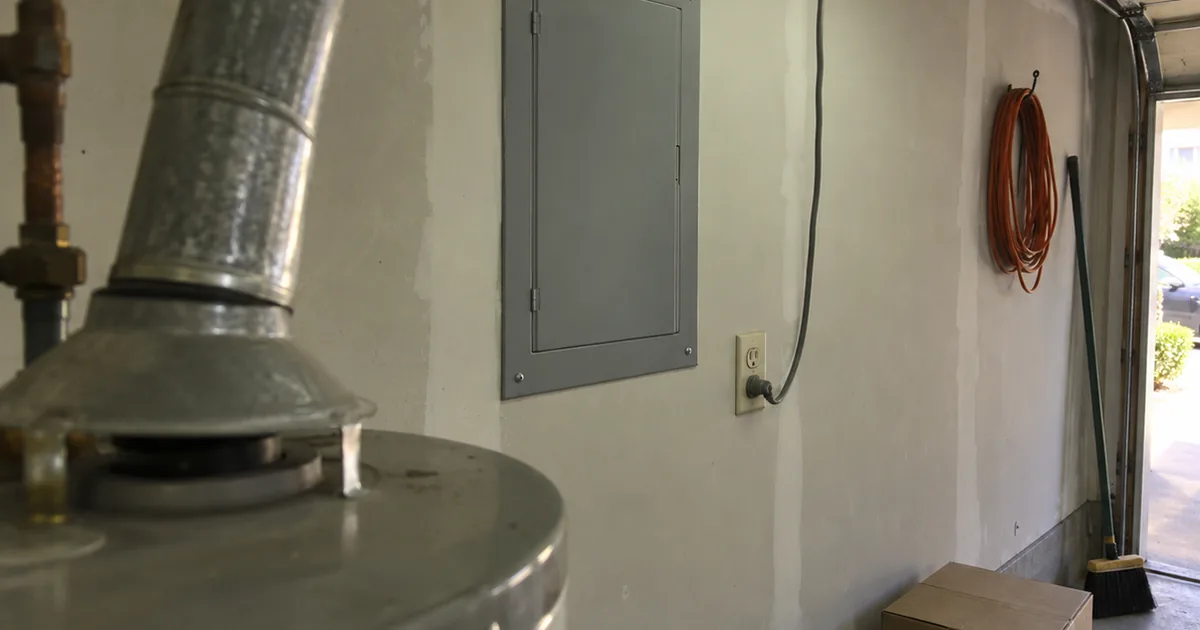
The Bay Area zero NOx water heater rule starts at burnout, not at sale, and the Air District has proposed moving the 2027 date to 2031 for the smallest units.
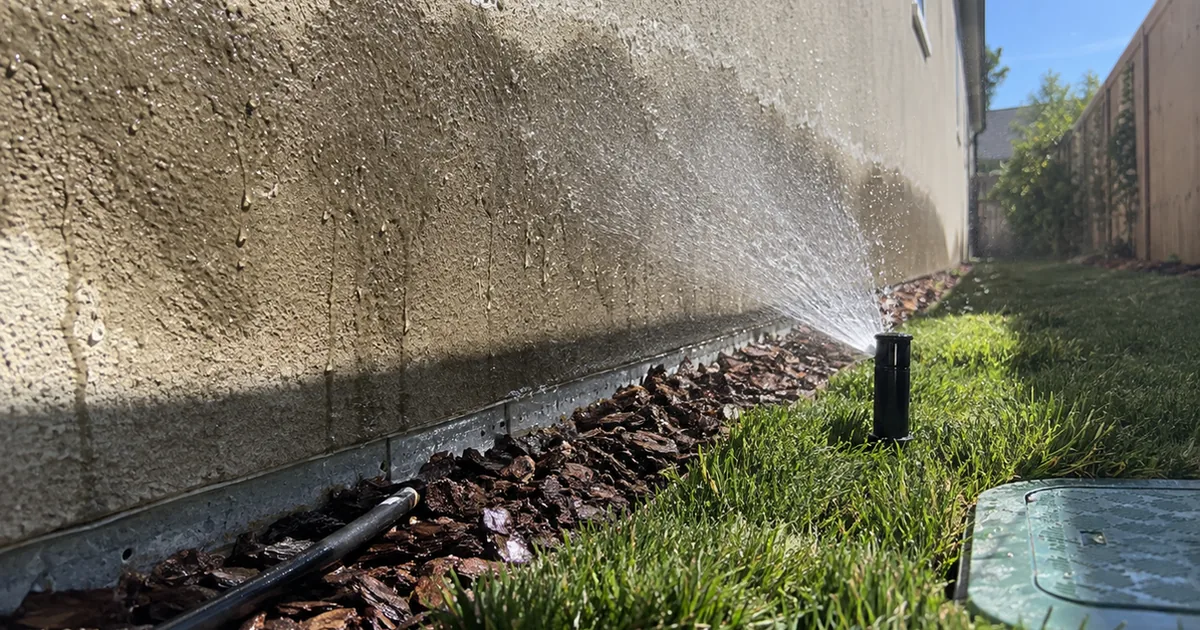
California new home defect standards carry different deadlines, some only one or two years. What the Right to Repair Act sets, and what 2026 reform left alone.
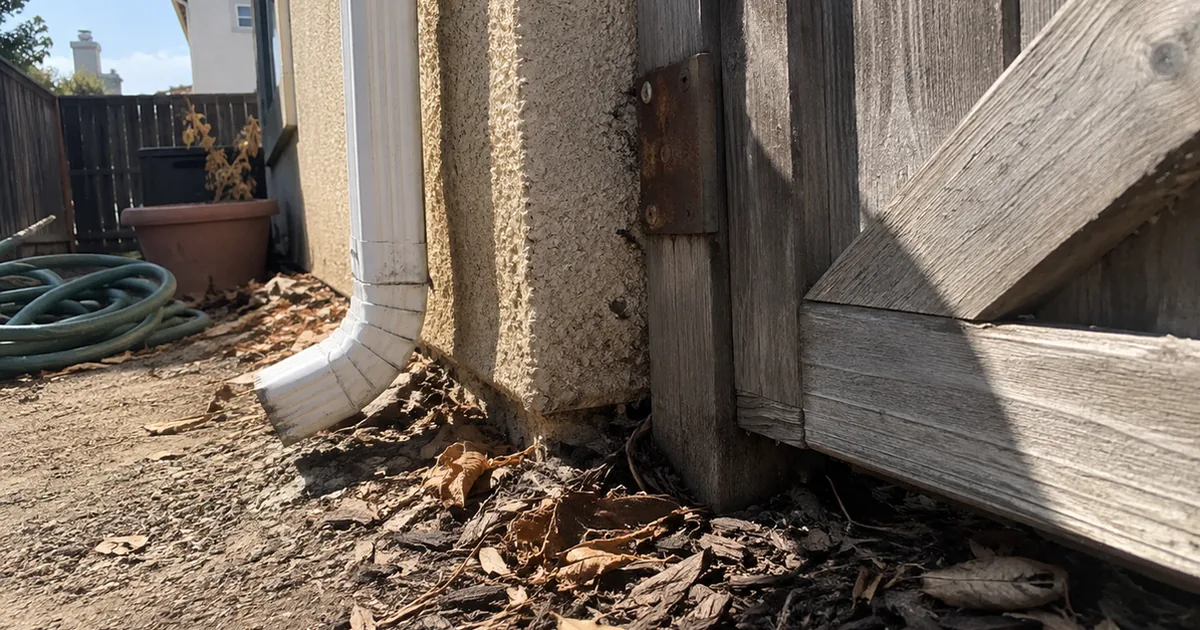
The Board of Forestry adopted California's Zone 0 ember-resistant zone in August 2026. What the first five feet must look like, and why no date applies yet.
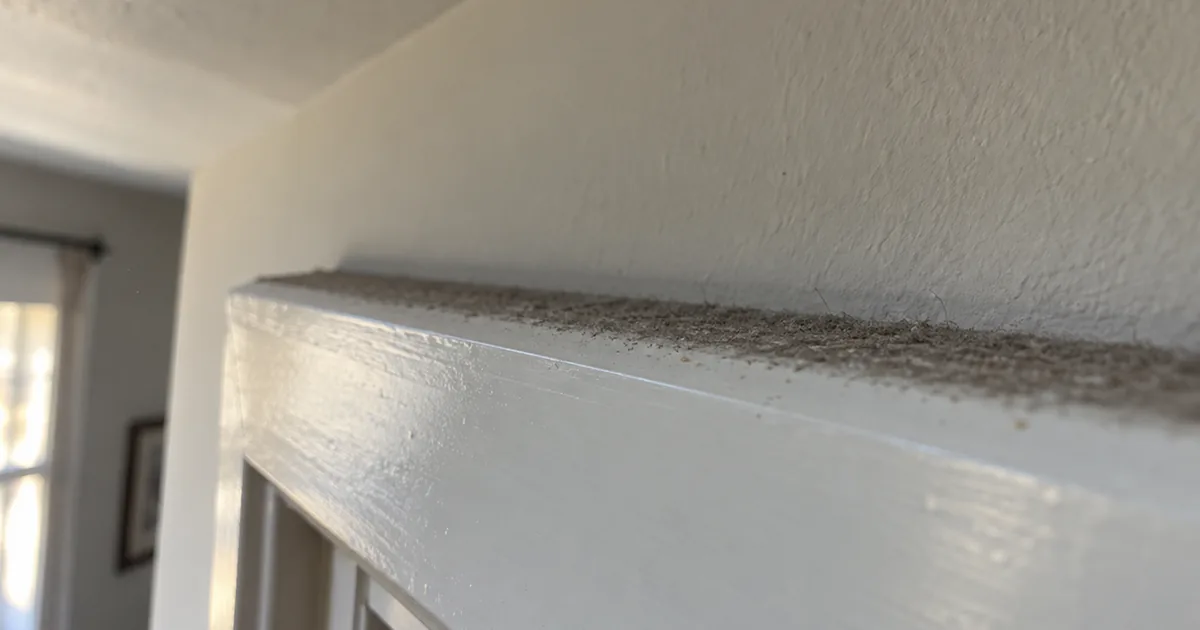
California signed AB 1642 and AB 1795 in September 2026. What they require for smoke testing and cleanup, and what to ask about a house near a burn scar.
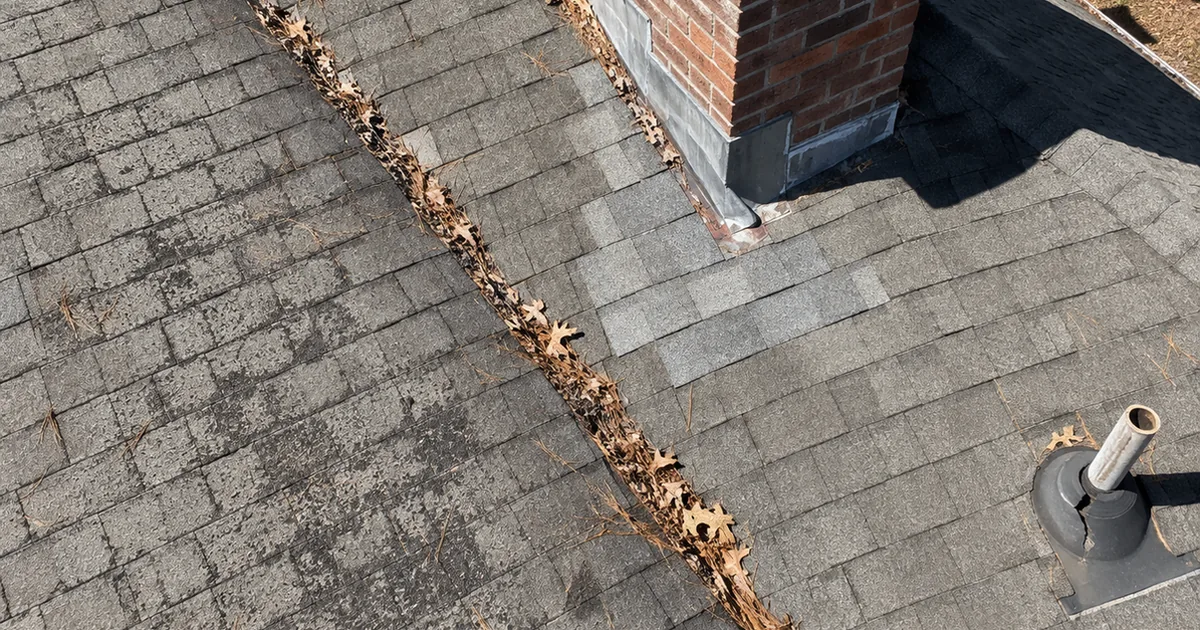
What drone imagery genuinely shows on a California roof, the four questions it cannot answer, and why the attic is where the leak history actually lives.
What a pre-listing inspection actually buys a California seller, what the disclosure code says about reports from licensed professionals, and when to skip it.
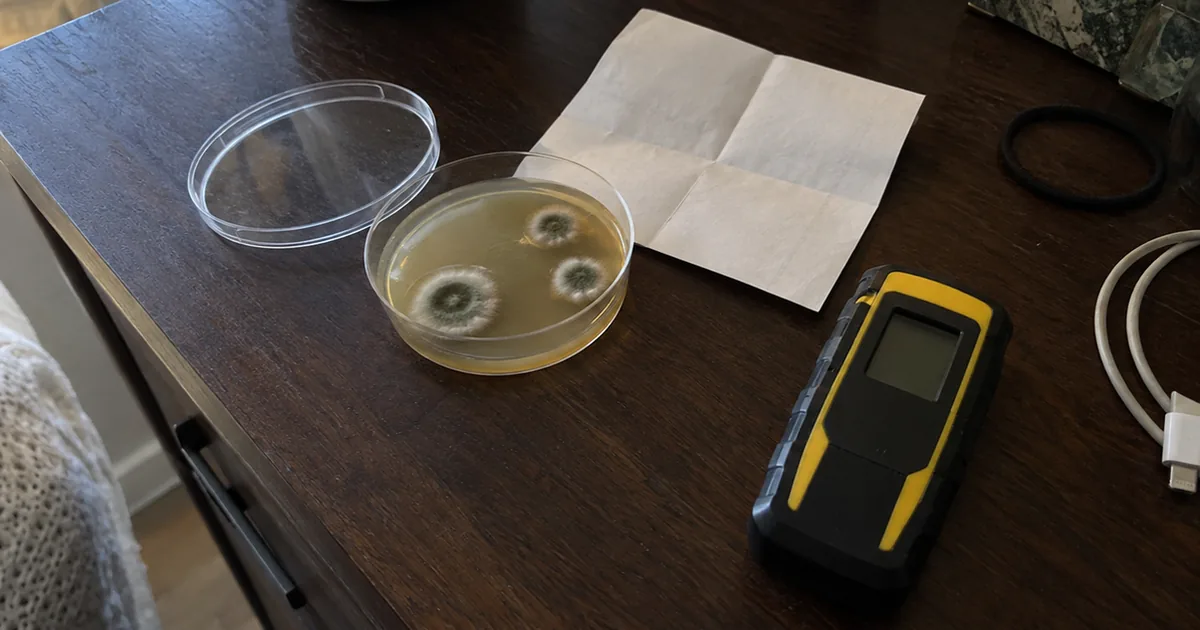
What a hardware store mold kit actually measures, why the dish was always going to grow, and what California buyers should spend the money on instead.
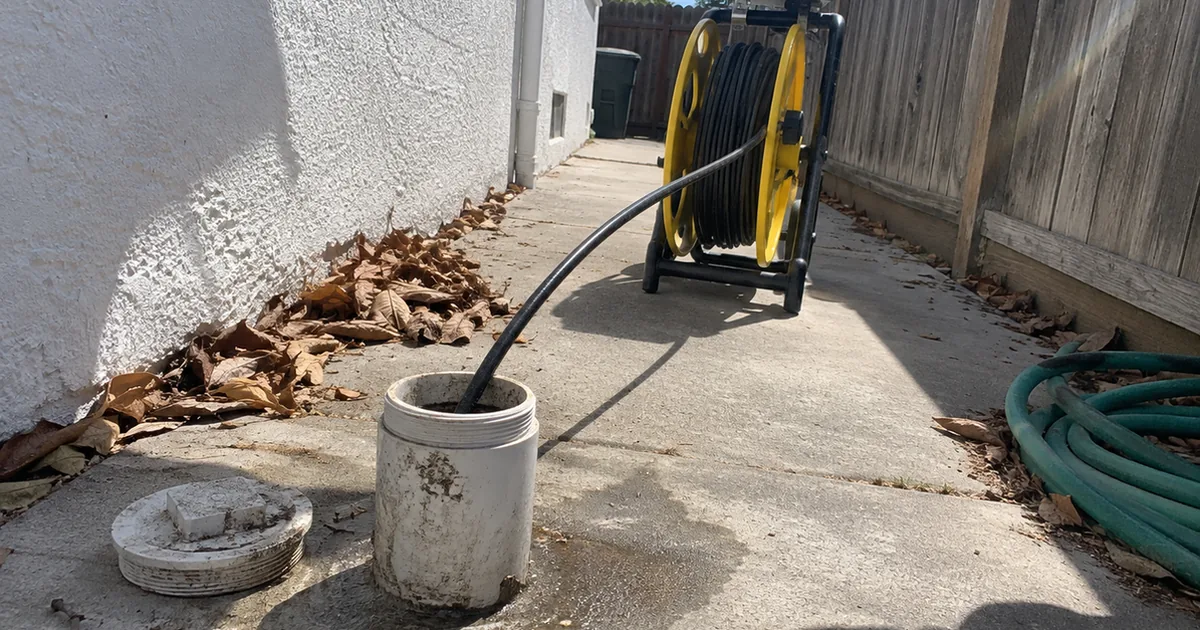
Why the buried sewer lateral sits outside a standard home inspection, what the camera actually shows, and when a scope earns its fee in a California escrow.
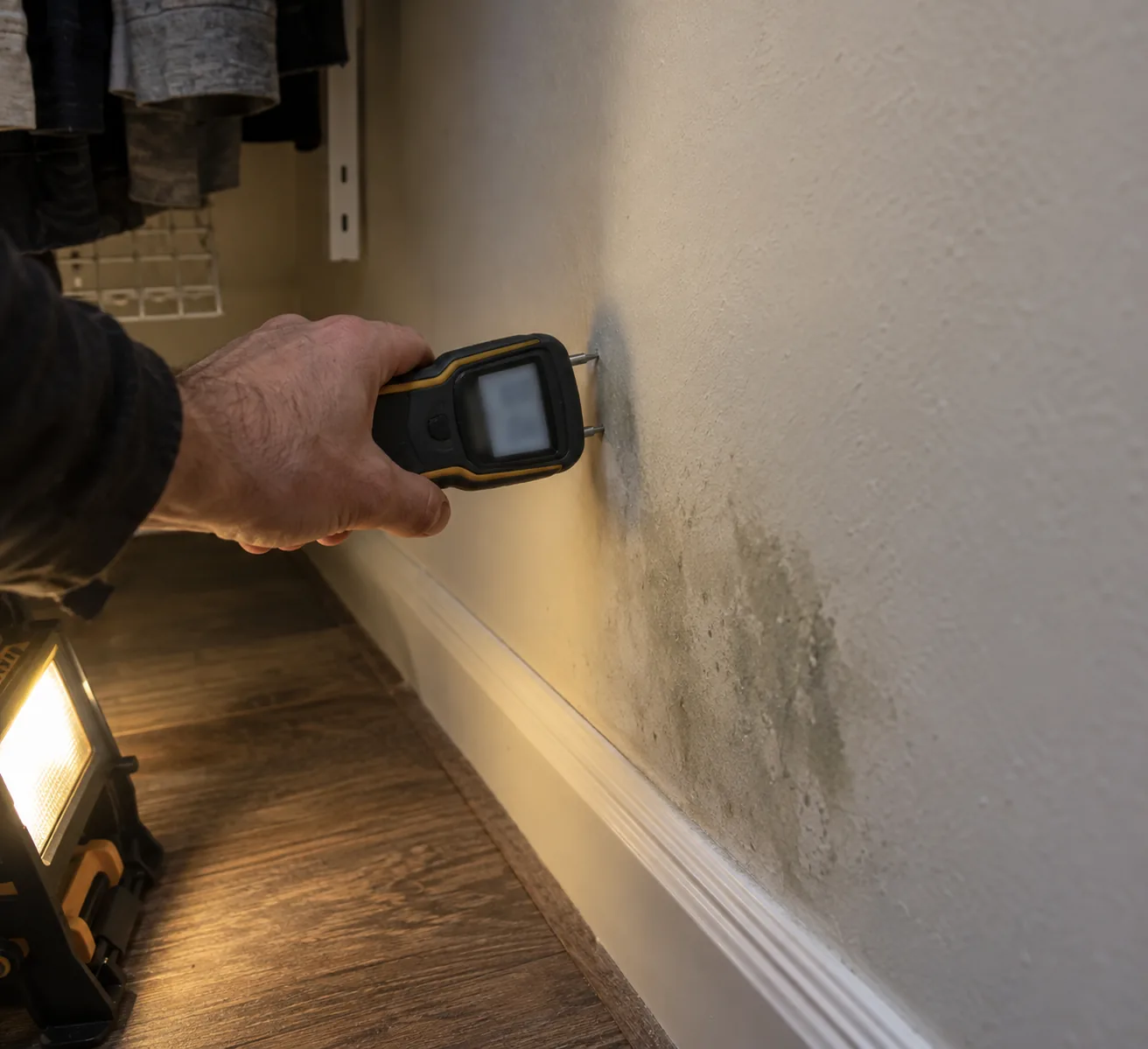
Air sampling and surface sampling answer different narrow questions. What California's own health department says about testing, and what actually finds mold.
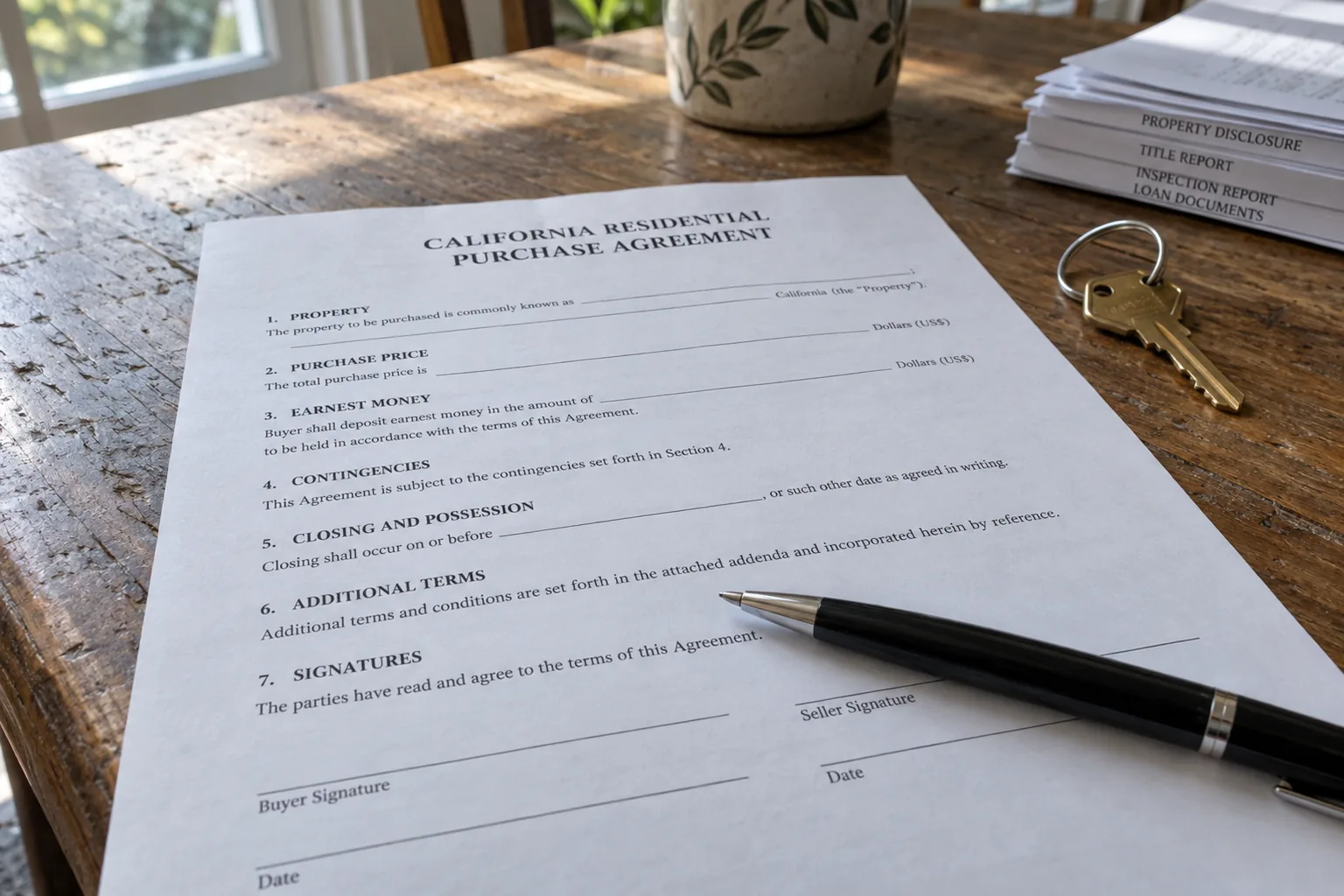
Waiving the inspection contingency does not make a California sale as is. It already is. What a waiver really costs, and four ways to compete without it.
No. In California the buyer removes the inspection contingency in writing. After day 17 the seller must serve a Notice to Buyer to Perform to cancel.
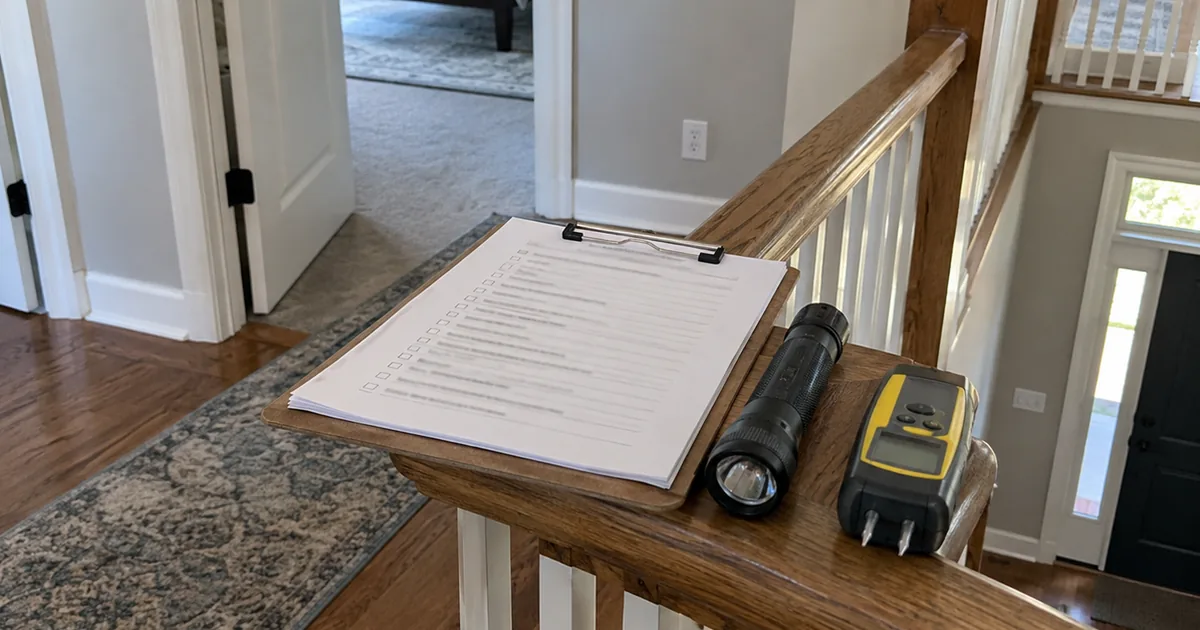
California defines a home inspection as noninvasive. Here is what that covers, what it never will, and which separate report answers each other question.
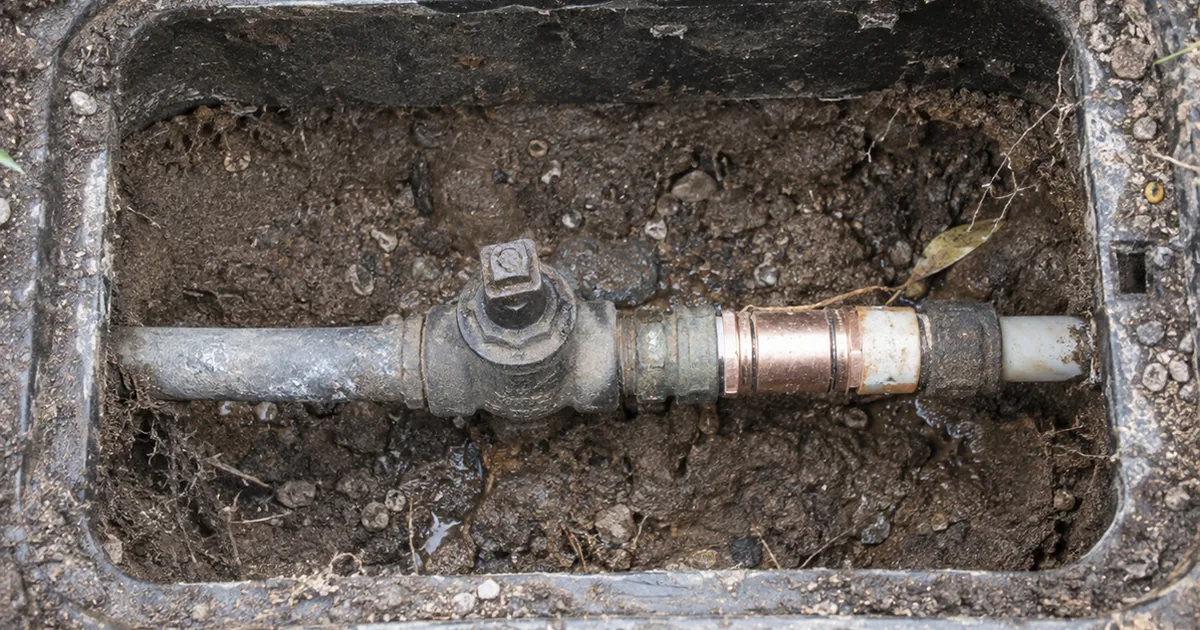
Federal rules require the water system to offer full lead service line replacement within six months of a change in property ownership. What agents must know.
Every appraisal first submitted to UCDP on or after November 2, 2026 must use UAD 3.6. The legacy forms retire and condition reporting changes for agents.
Six insurance laws took effect January 1, 2026. What AB 1, AB 888 and AB 226 actually do, and why Safer from Wildfires is ten actions and not one certificate.
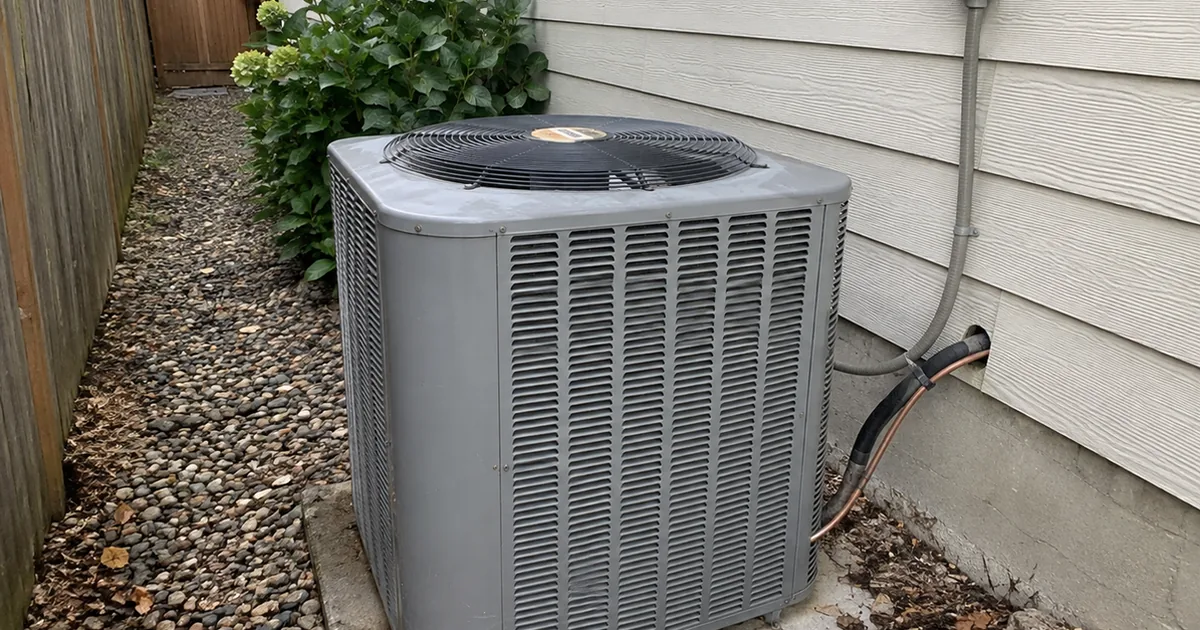
EPA removed the January 1, 2026 cutoff for installing pre-2025 R-410A systems. Here is what that means for the air conditioner at your California listing.
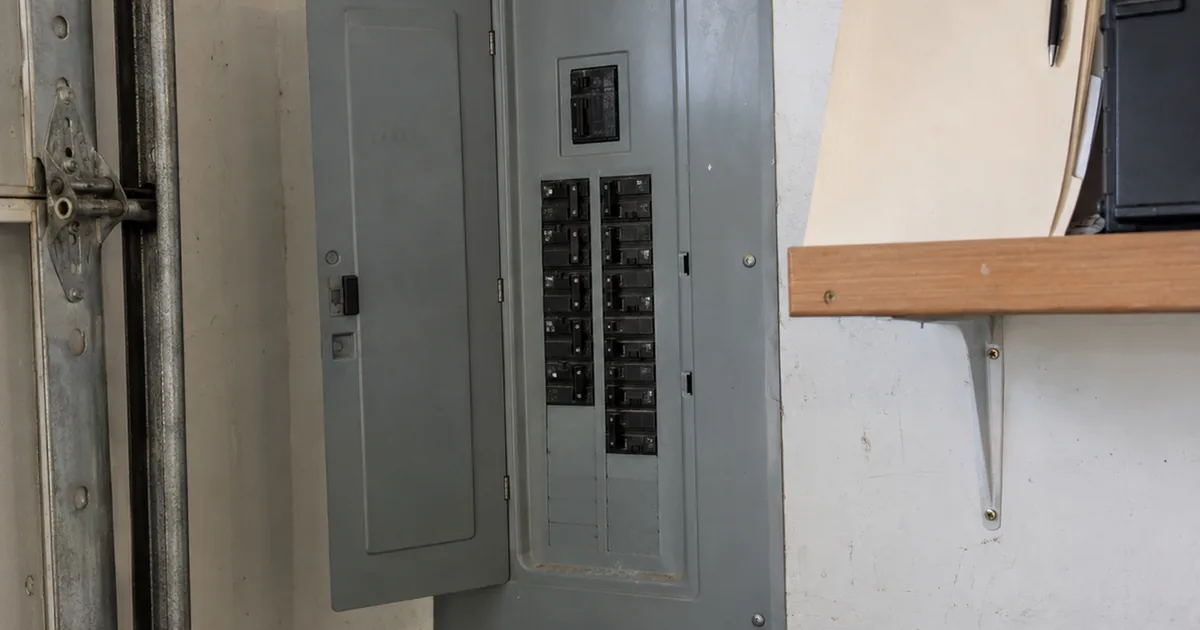
From January 1, 2026 covered California home sales carry a written electrical notice. Civil Code 1102.6i requires a notice, not an inspection.
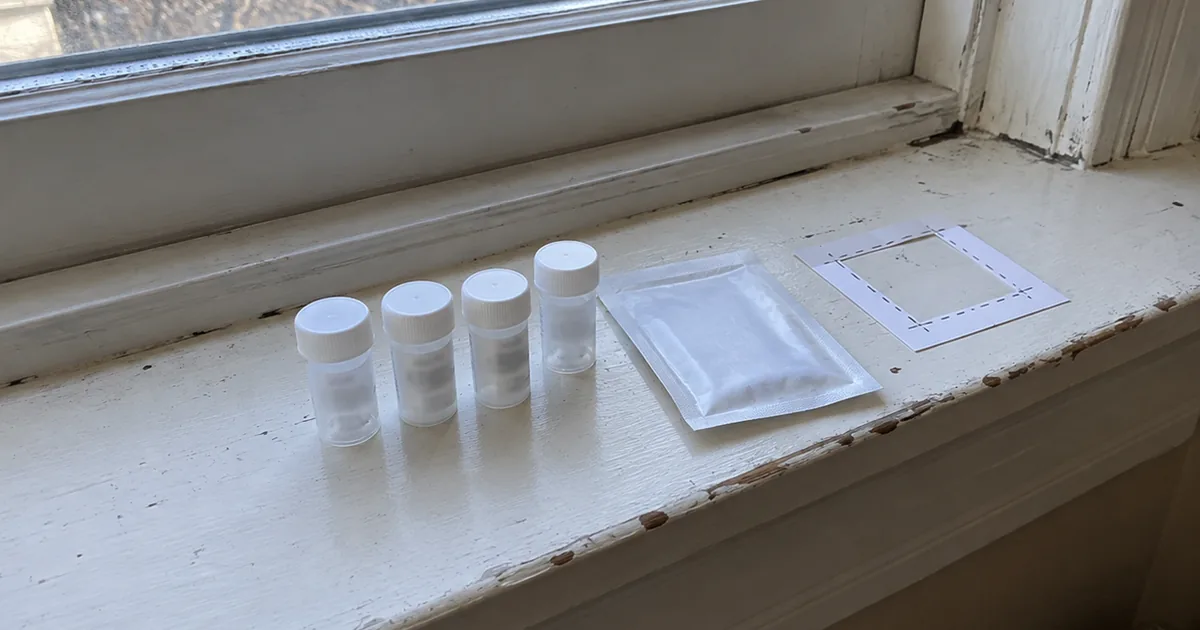
The EPA lead-in-dust trigger is no longer a single number. New action levels of 5, 40 and 100 micrograms per square foot became enforceable January 12, 2026.
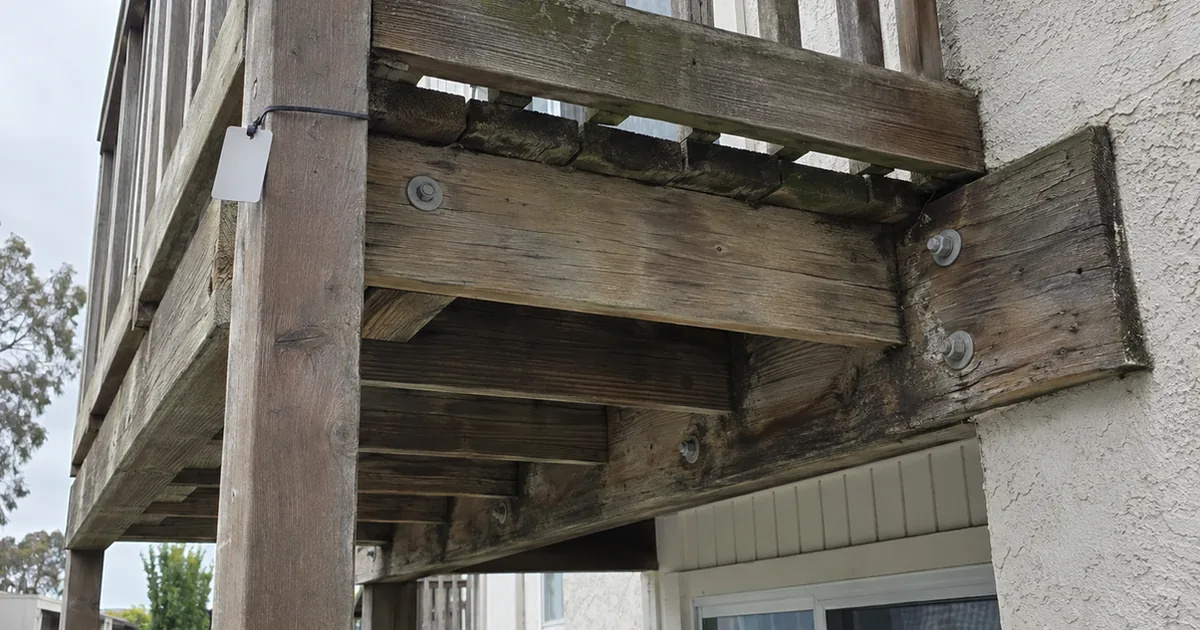
The SB 721 deadline passed January 1, 2026, and SB 326's a year earlier. What each balcony law requires and the differences most summaries blur.

AB 130 stopped new residential building standards from October 1, 2025 to June 1, 2031. The freeze is real, but it does not do what most coverage says it does.
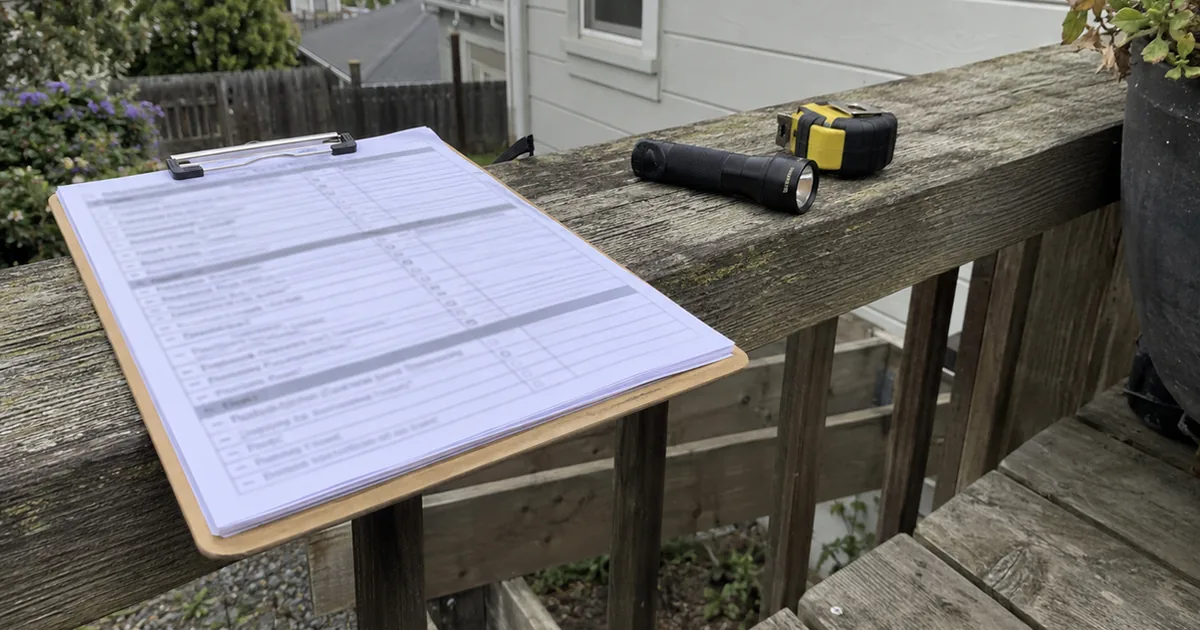
ASHI approved a revised Standard of Practice on January 8, 2026. What changed, what it still excludes, and how it fits with California law.
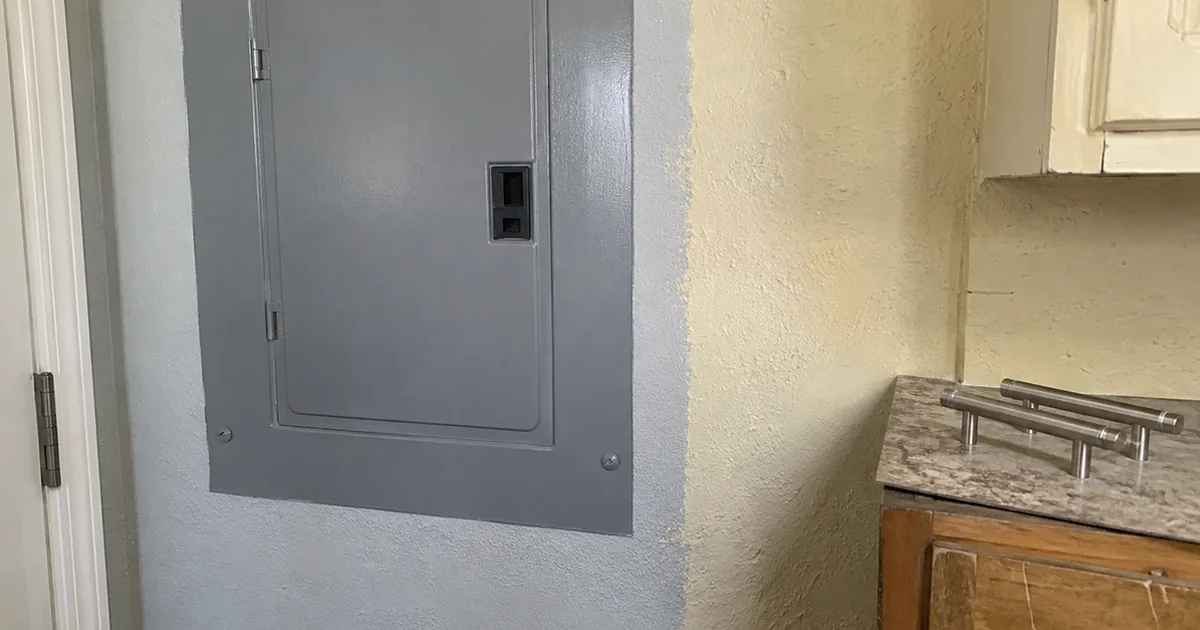
AB 968 added Civil Code 1102.6h: sellers who resell within 18 months must disclose contractor work. What it requires and the threshold summaries get wrong.
California's 2025 Building Code took effect January 1, 2026. Which homes it covers, why your existing house is not suddenly non-compliant.
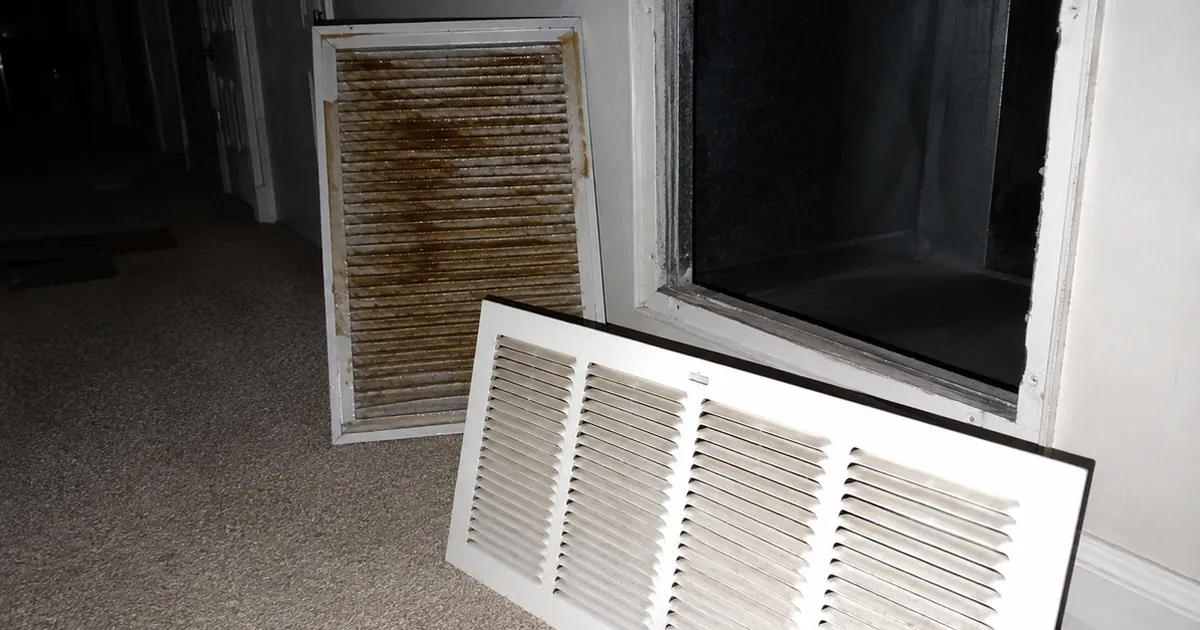
AB 455 added smoking residue to California seller disclosures on January 1, 2026. What the law requires, what it leaves out, and what an inspection shows.
Background on AB 1738: how video permit inspections for solar, batteries, heat pumps and reroofs work, and what a remote look cannot see.
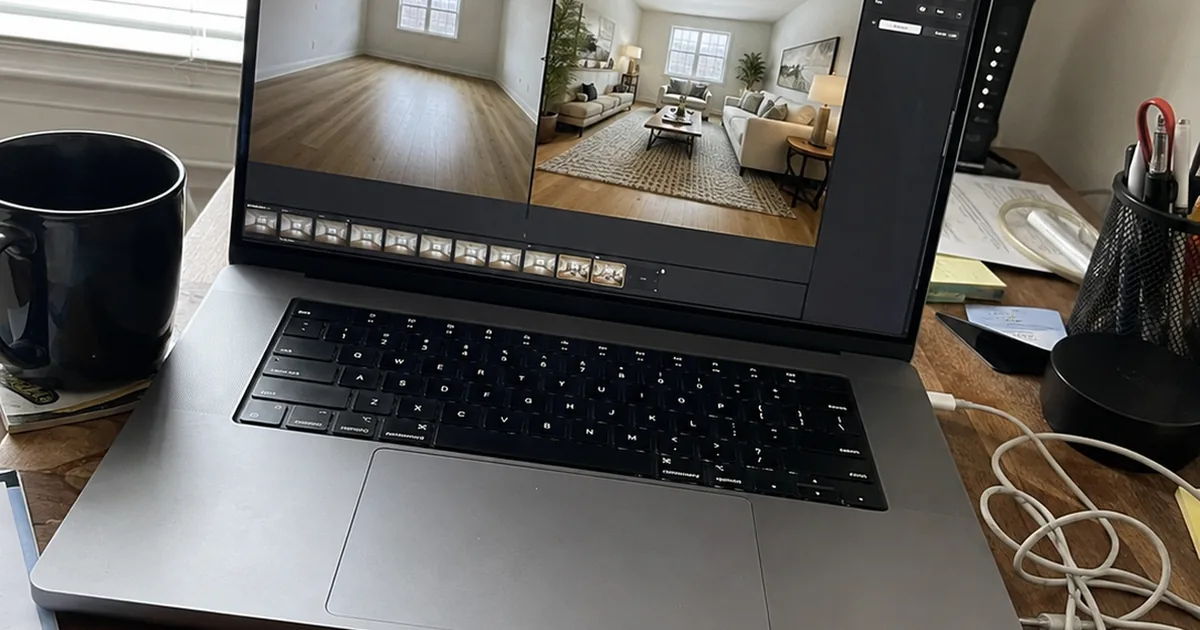
AB 723 requires California listings to disclose digitally altered photos and post the originals. What the law covers and why an inspection beats any photo.
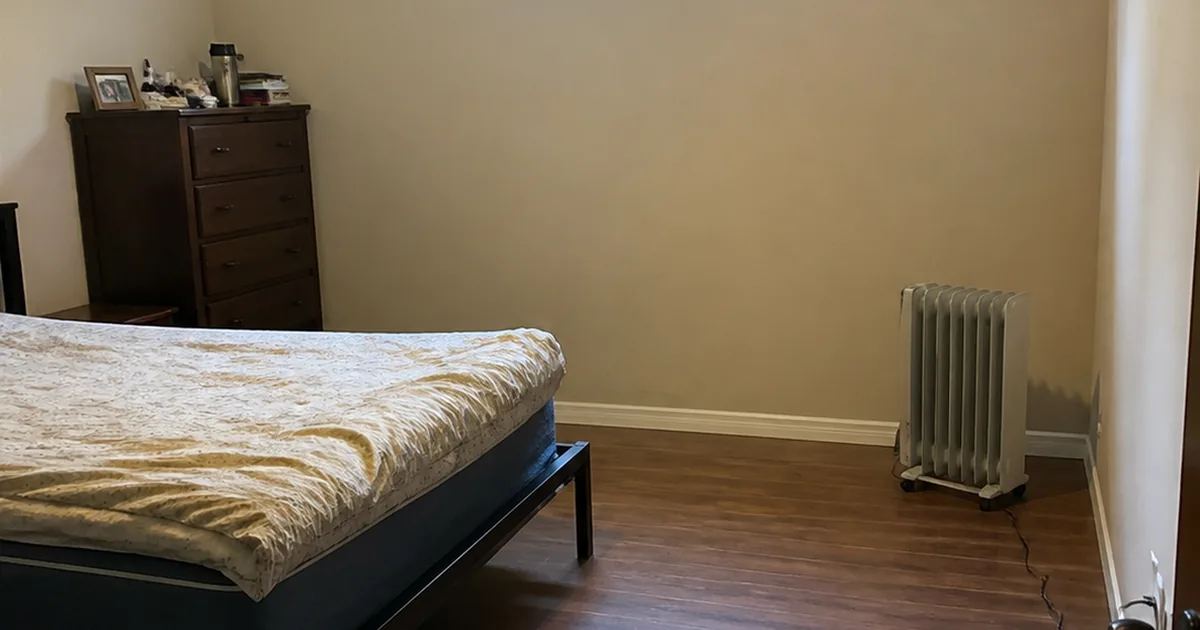
A listing calling a room a 4th bedroom does not make it one. What makes a legal bedroom, the signs one does not qualify, and the effect on Fremont value.
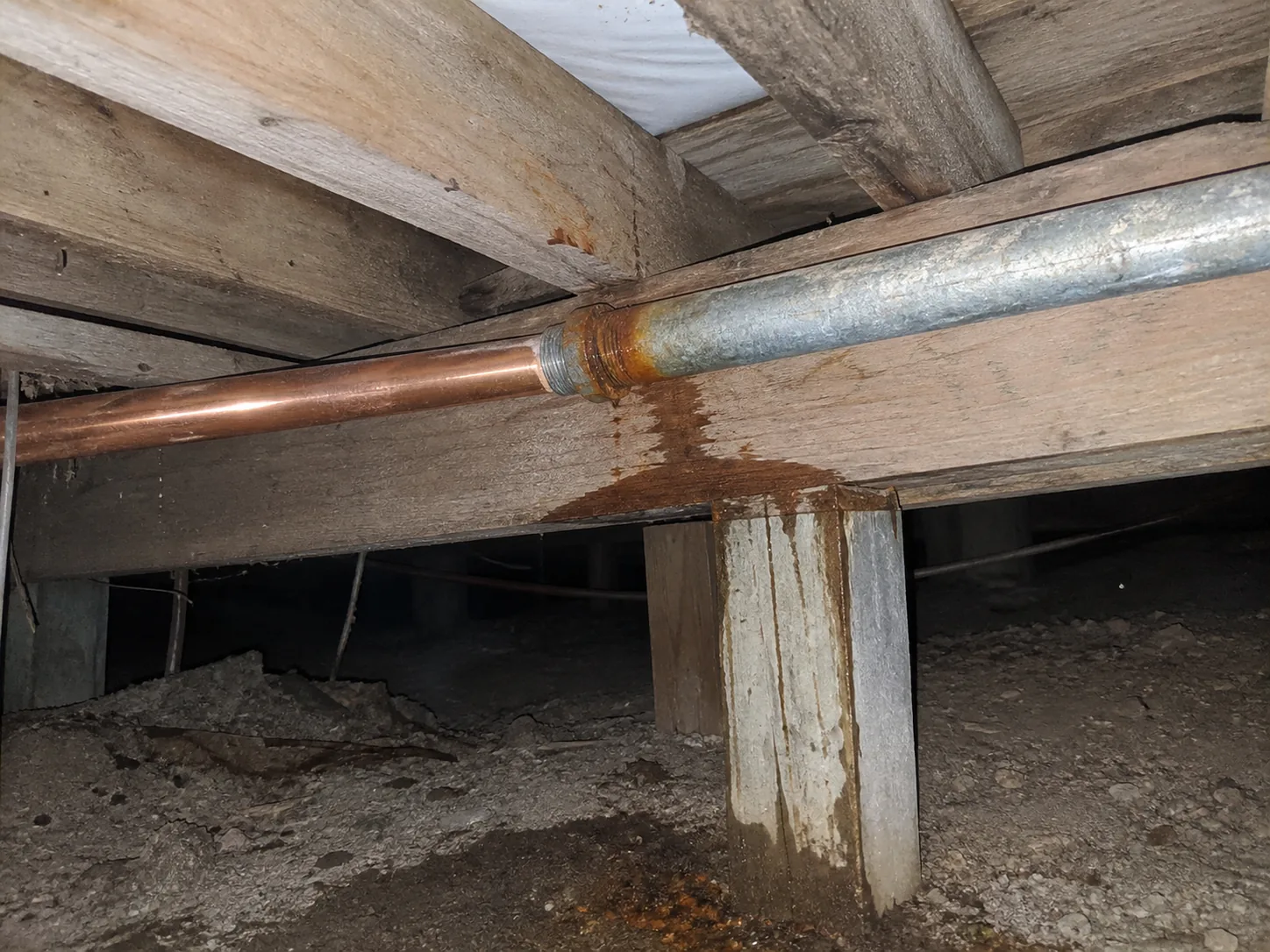
Copper joined straight to galvanized steel corrodes from the inside at every transition. Dissimilar metal joints and missing dielectric fittings, explained.
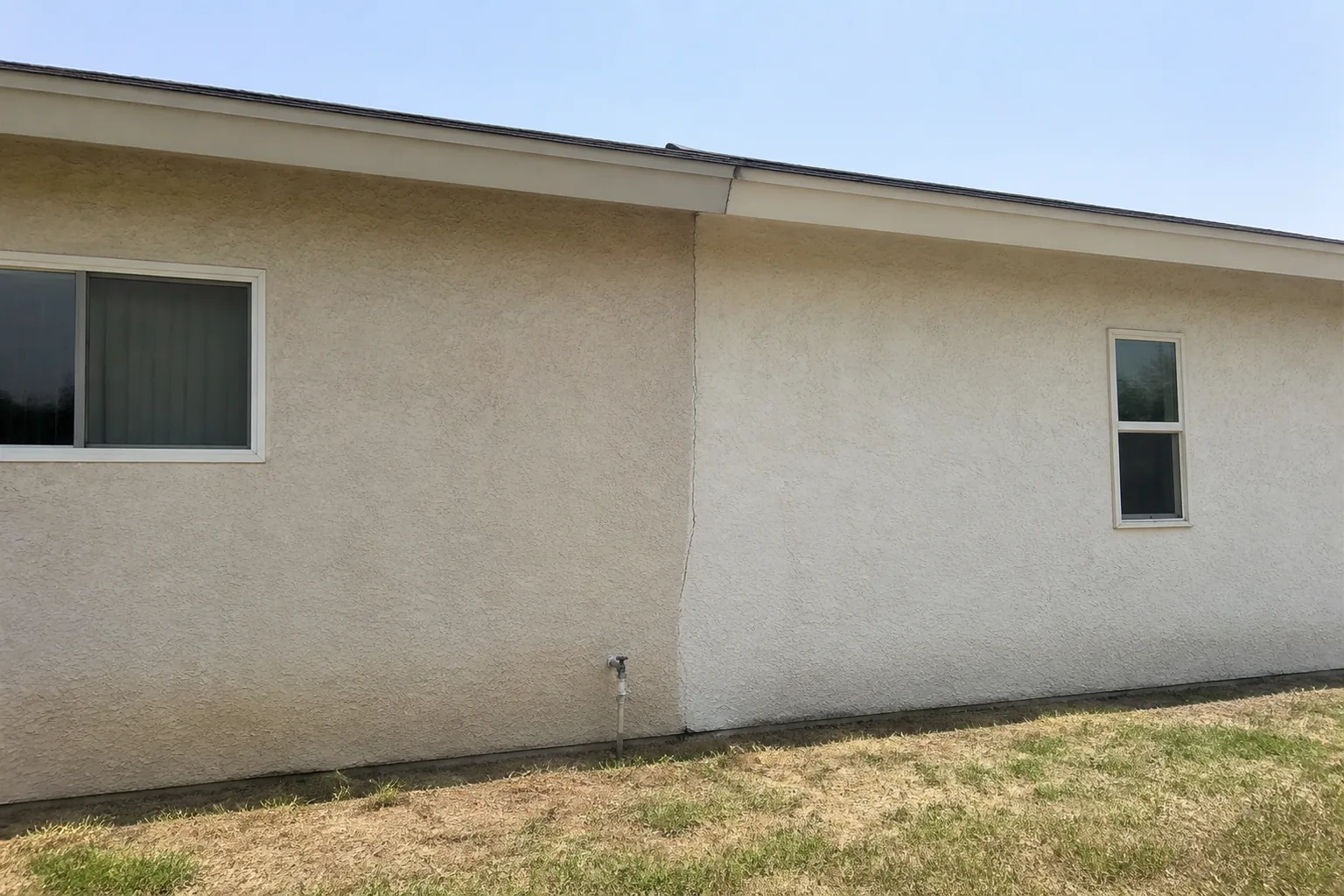
An addition on a shallow or untied footing moves on its own. Santee addition foundations, the junction crack, and where a structural engineer takes over.
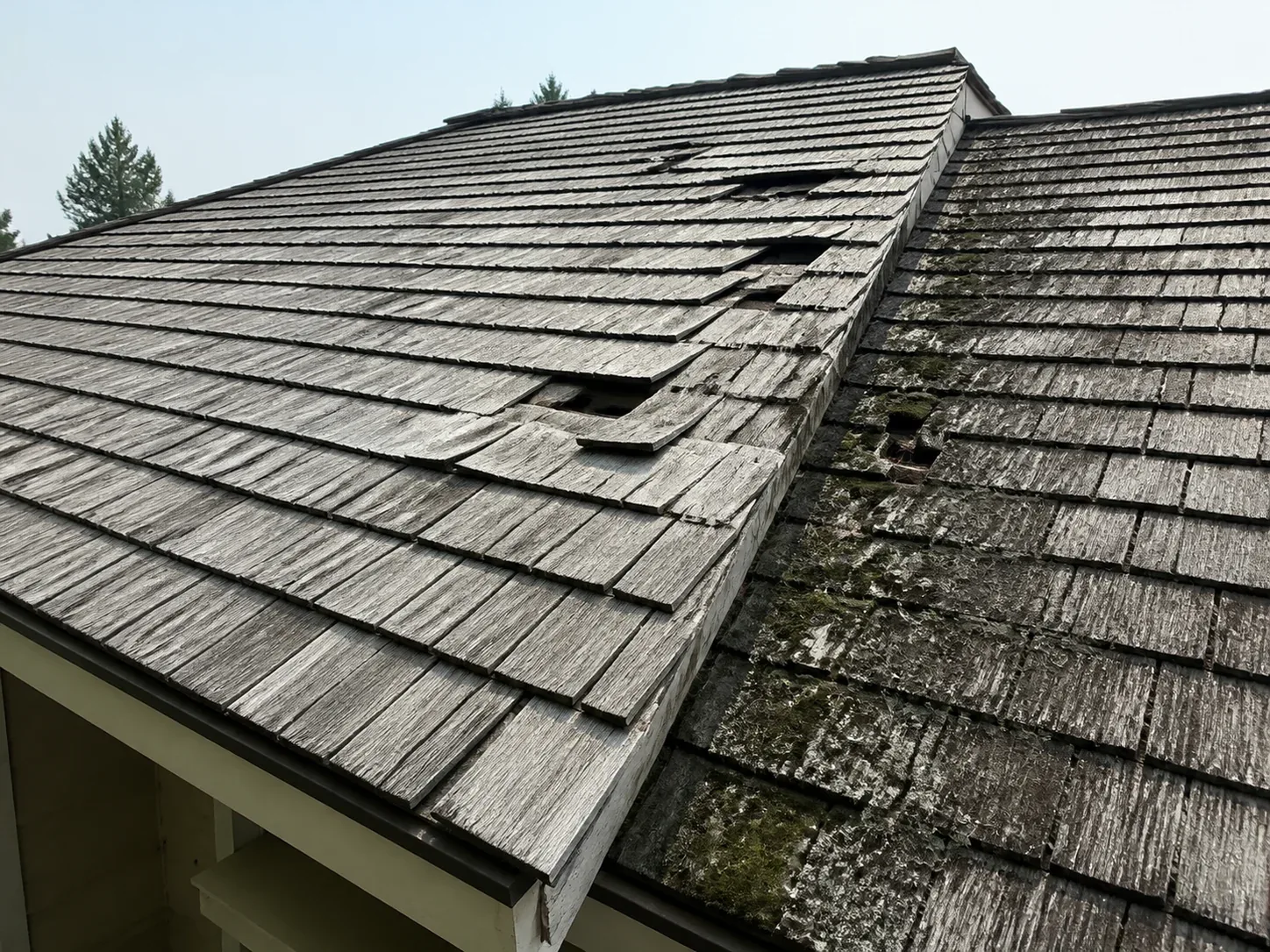
Wood shake roofs are still common on Bonsall's ranch and custom homes. The deterioration, fire-risk and layering defects an inspector actually documents.
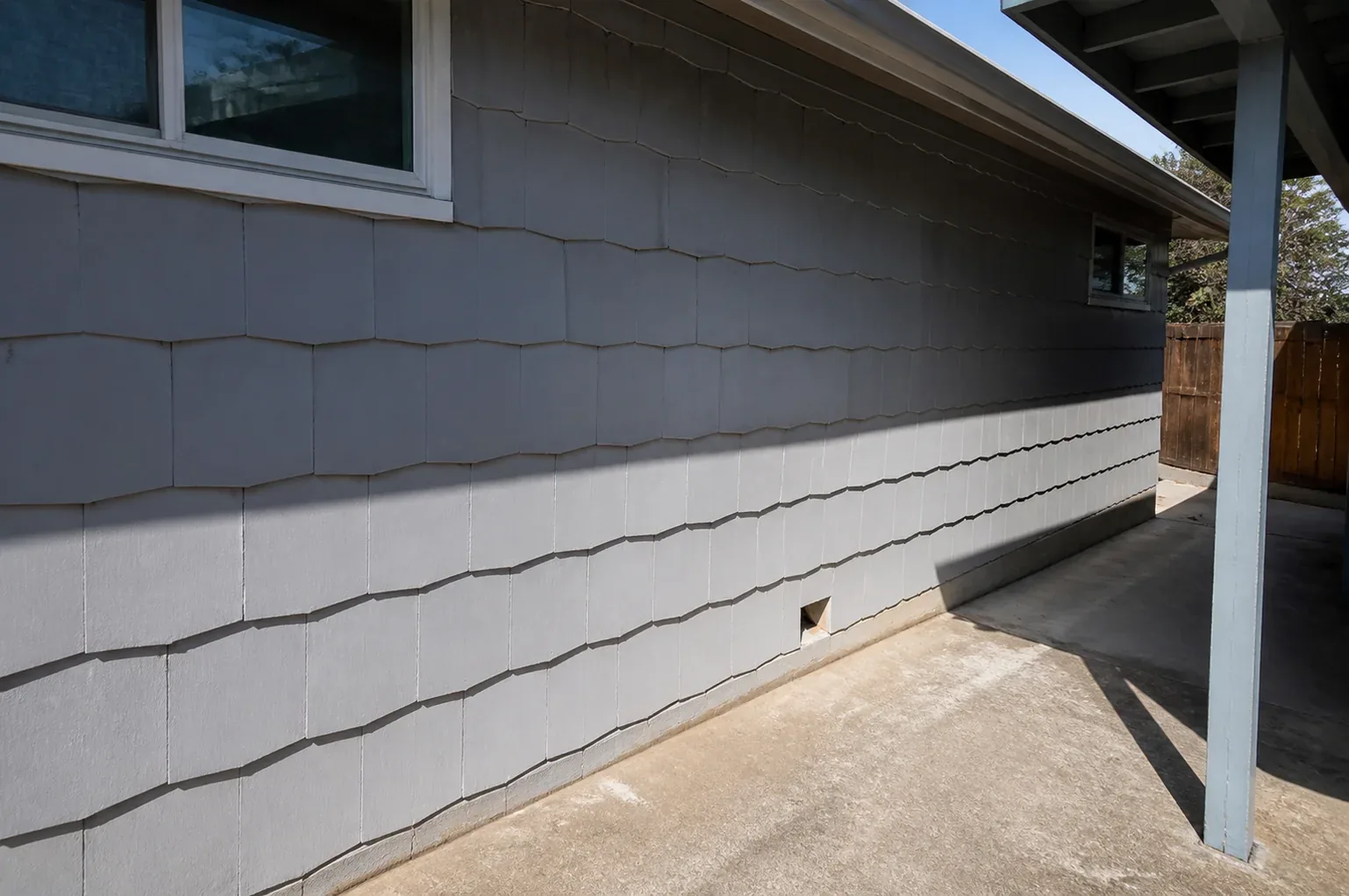
Transite asbestos-cement siding is still common on Panorama City's original Kaiser-era tract homes. The condition issues an inspector actually documents.
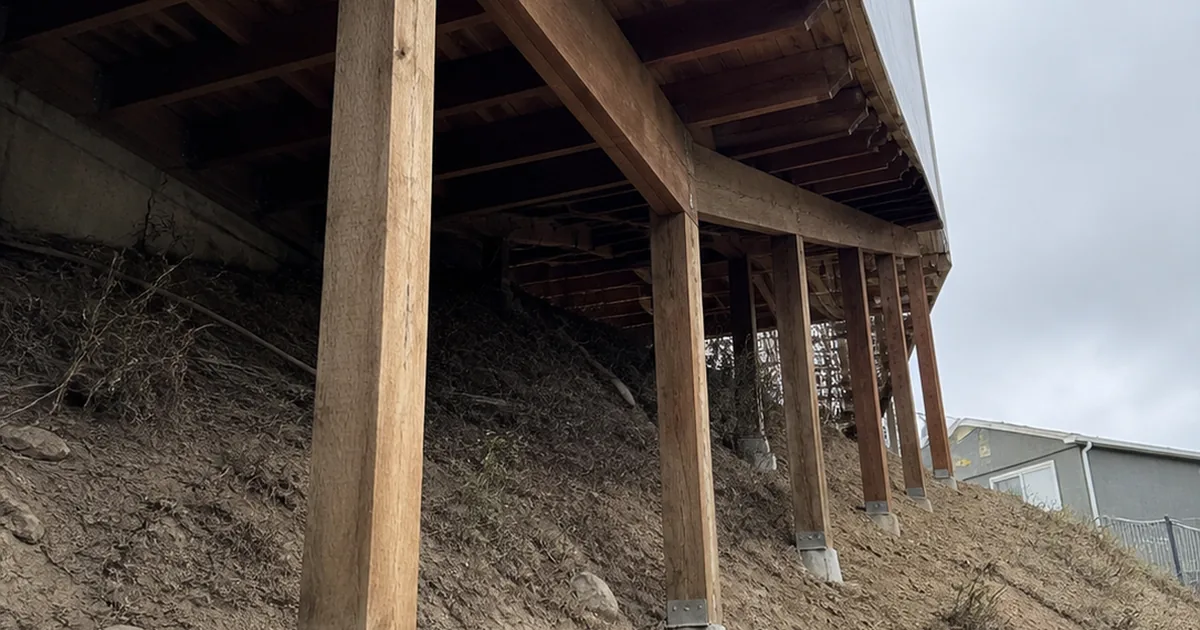
On an Oakland downslope lot the house hangs below the garage on posts and girders. Base connections, notched beams, and why a member weakens before it shows.
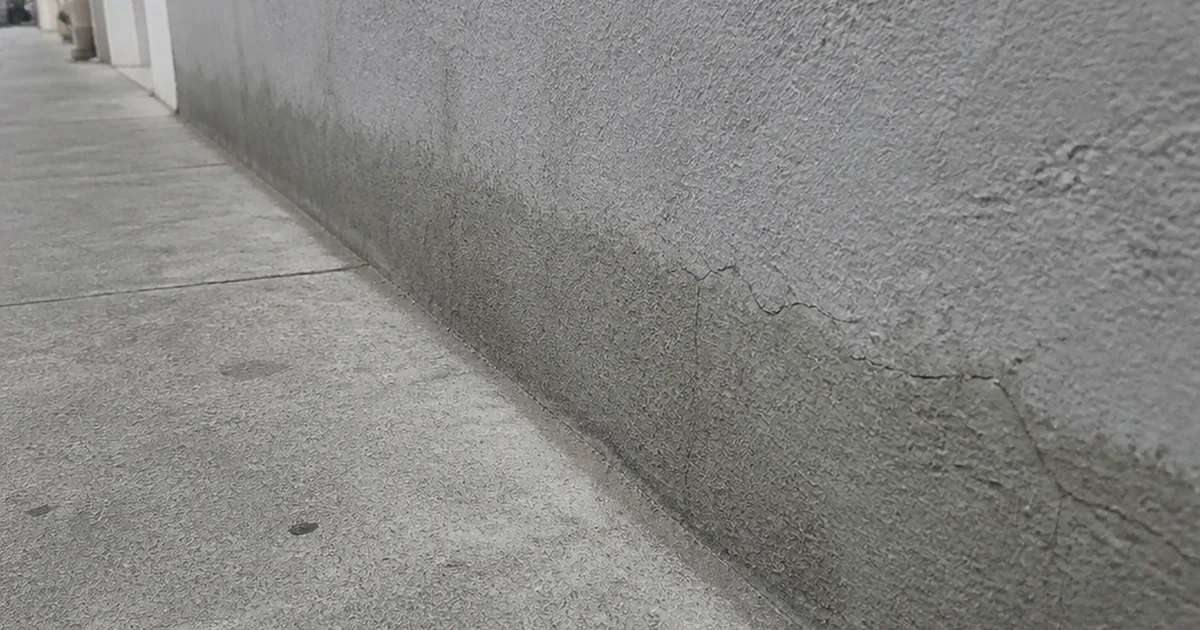
Most San Francisco houses are wood-framed and wood-clad, and many are stuccoed over. Paint failure, decay at the wall base, and the assembly nobody can inspect.
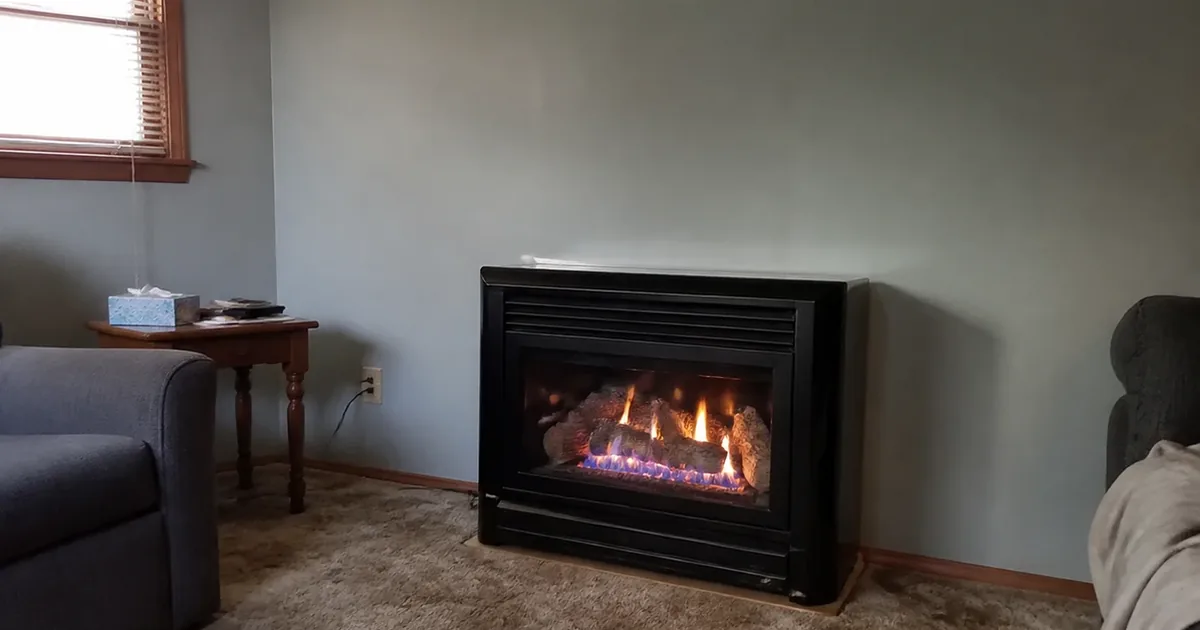
Ventless gas fireplace inserts and unvented heaters release combustion byproducts into the room. The installation and use defects a Chatsworth inspector sees.
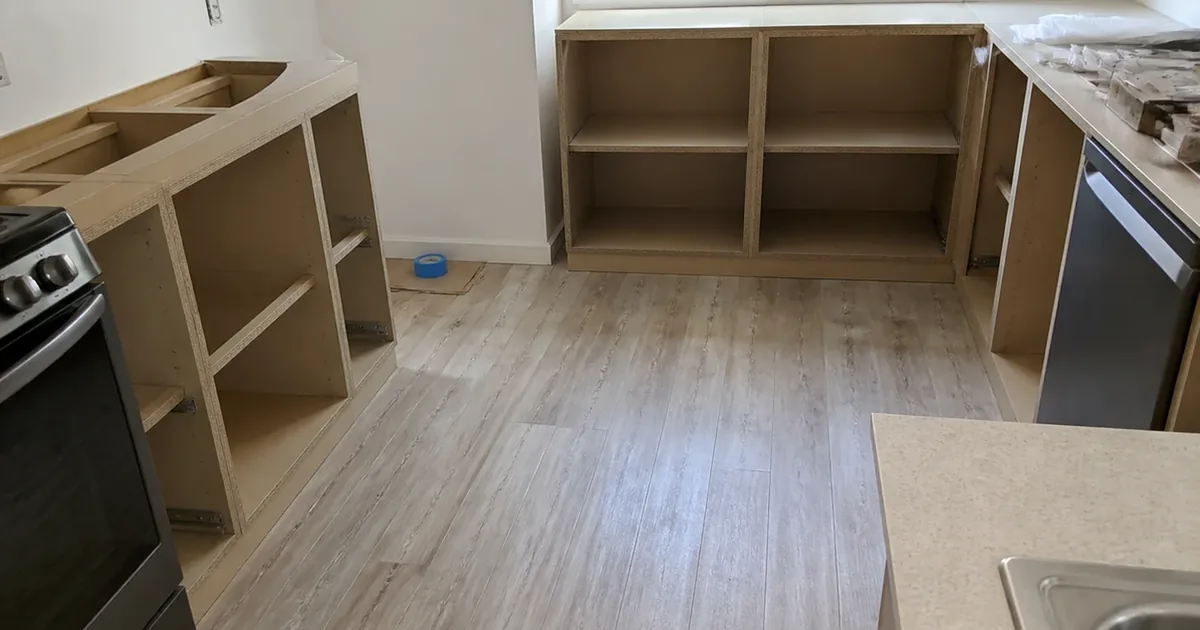
New particleboard cabinets and laminate floors can off-gas formaldehyde after a remodel. What a Fountain Valley inspection assesses and what it does not.
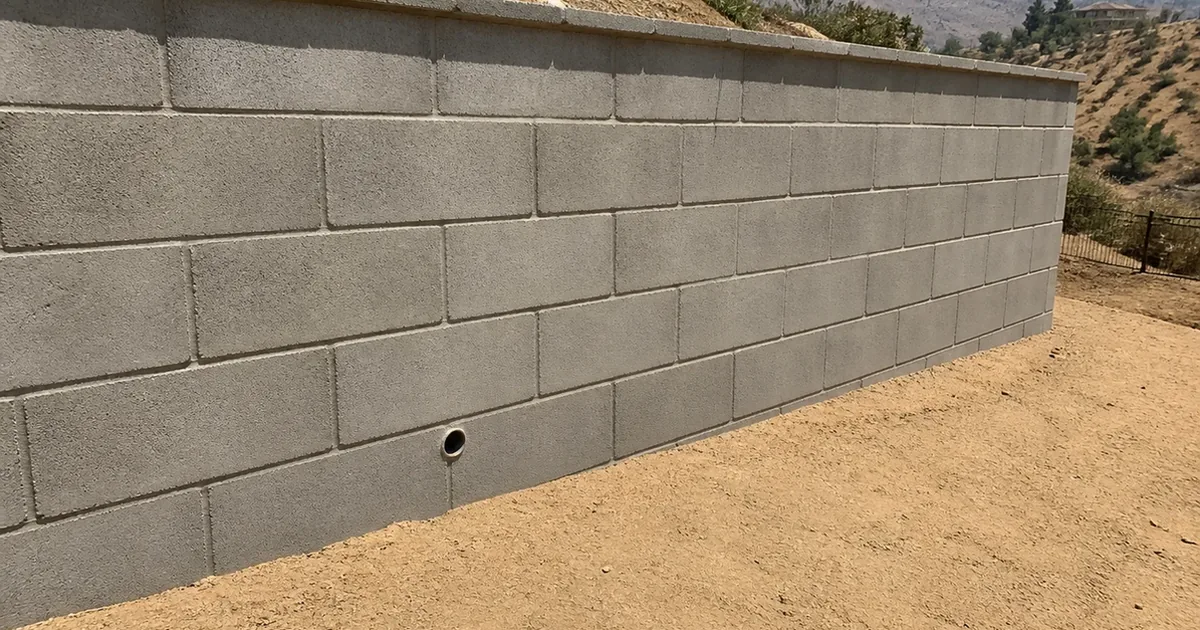
Lemon Grove's hillside lots depend on subsurface drainage buyers never see. French drains, weep holes, and the visible failure signs an inspector can document.
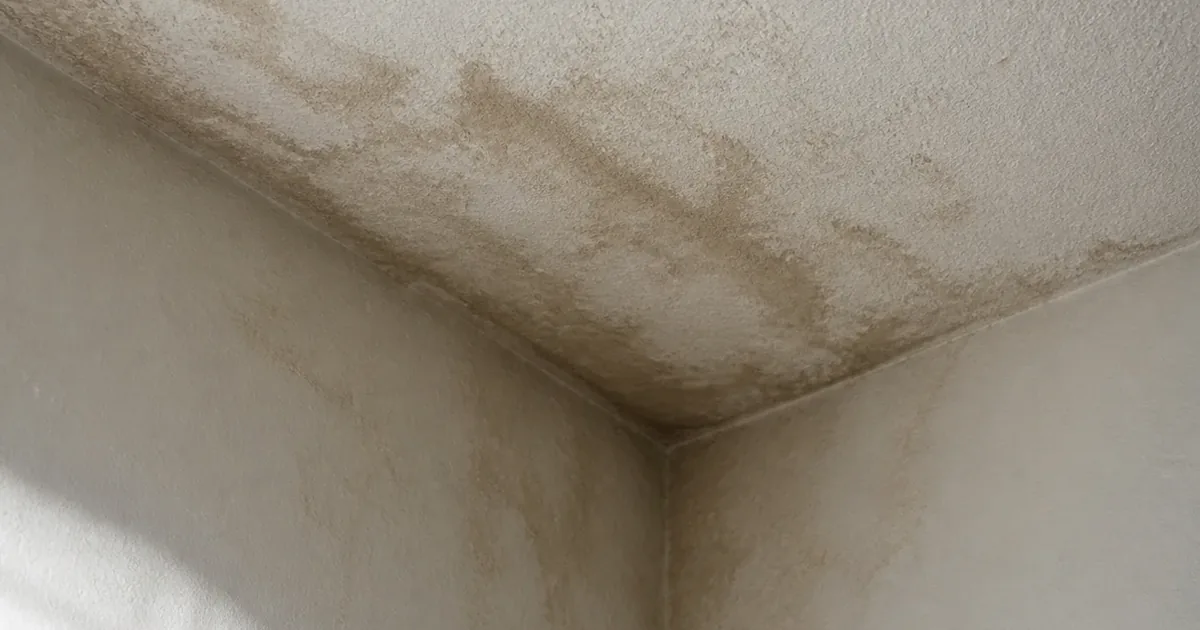
A general home inspection is not a mold inspection. What a visual inspection assesses about mold in National City, what it cannot tell you, and next steps.
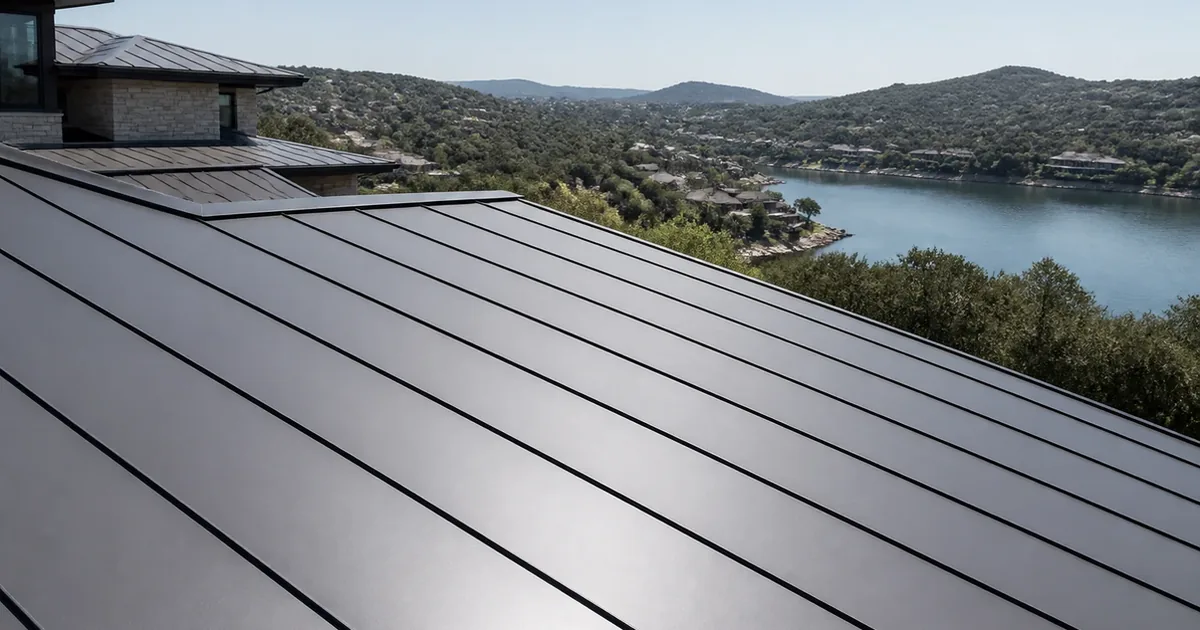
Canyon Lake's custom estates have standing-seam and exposed-fastener metal roofs that fail differently. Oil-canning, fastener backout and galvanic corrosion.
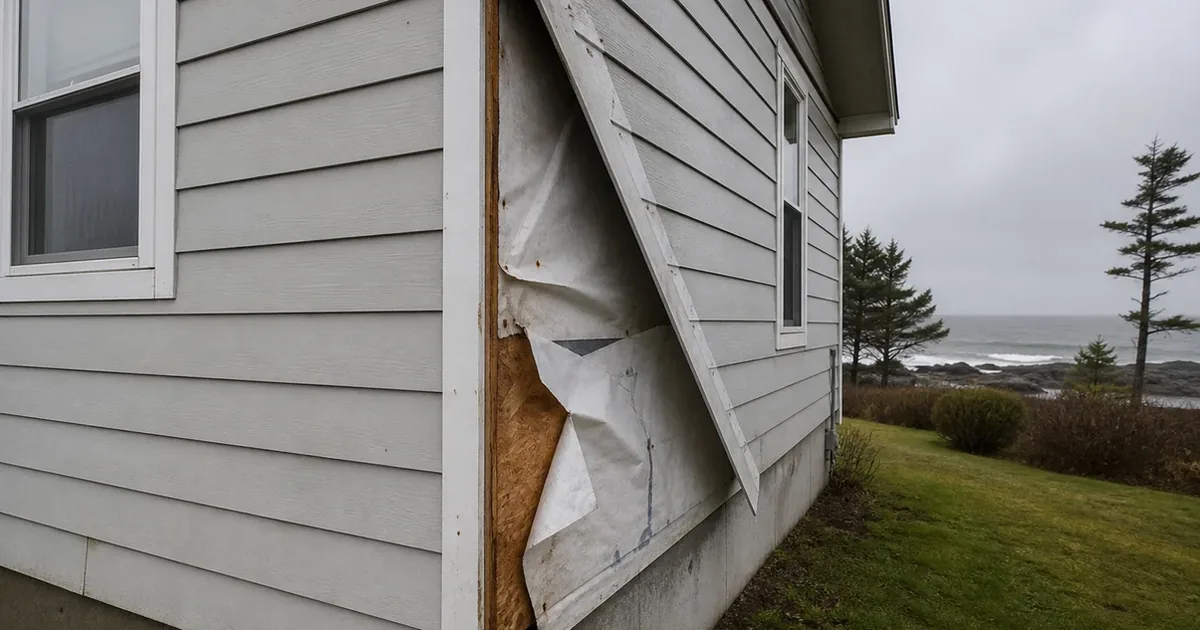
Coastal air and wood or fiber-cement siding put real weight on Imperial Beach's housewrap. Torn, missing or badly lapped WRB and the staining it leaves behind.
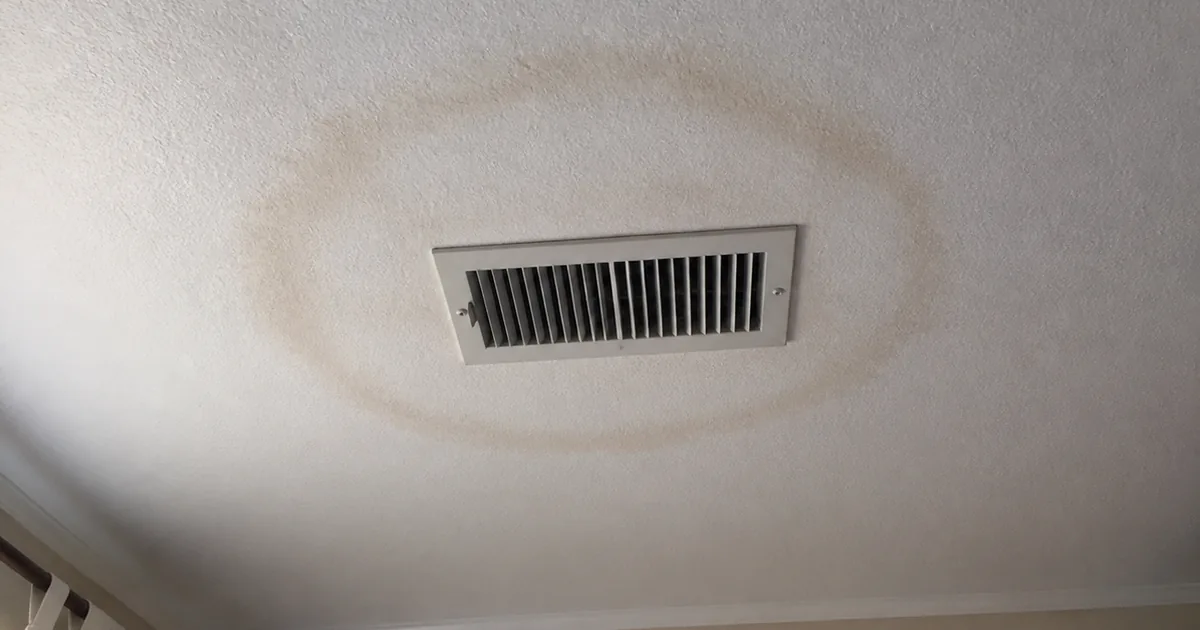
Solana Beach's coastal humidity meets cold ductwork and registers inside the house. HVAC condensation, duct sweating, and the ceiling stains they leave behind.
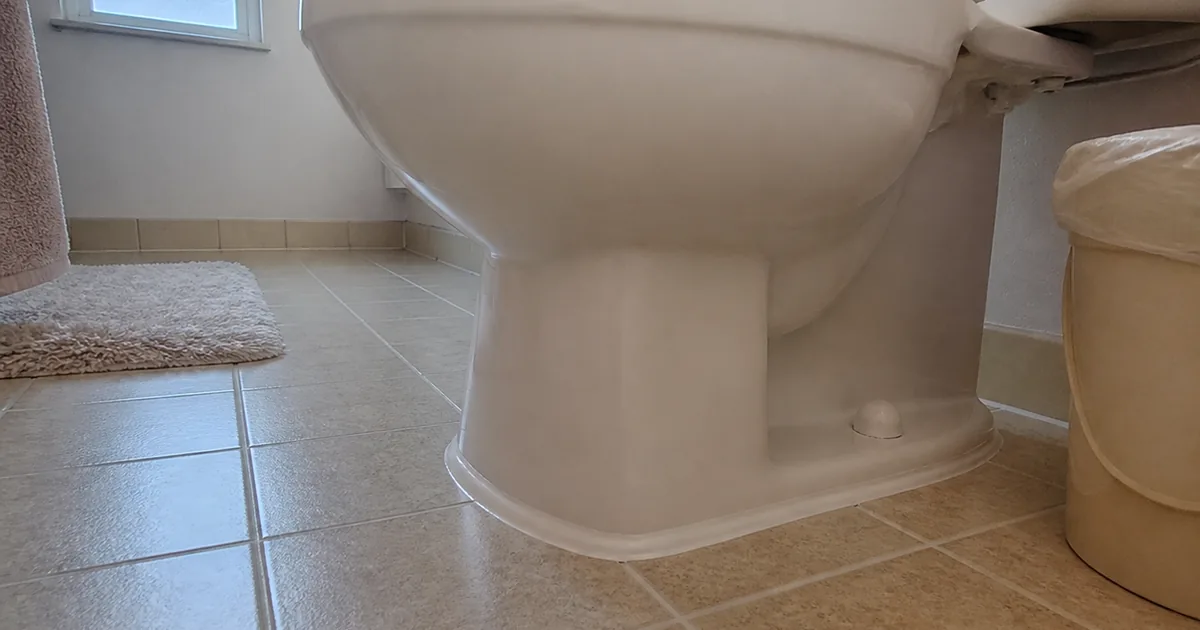
Decades of Winnetka bathroom remodels left toilets on a flange that no longer matches the floor. Flange failure, the leak it causes, and the rot it hides.
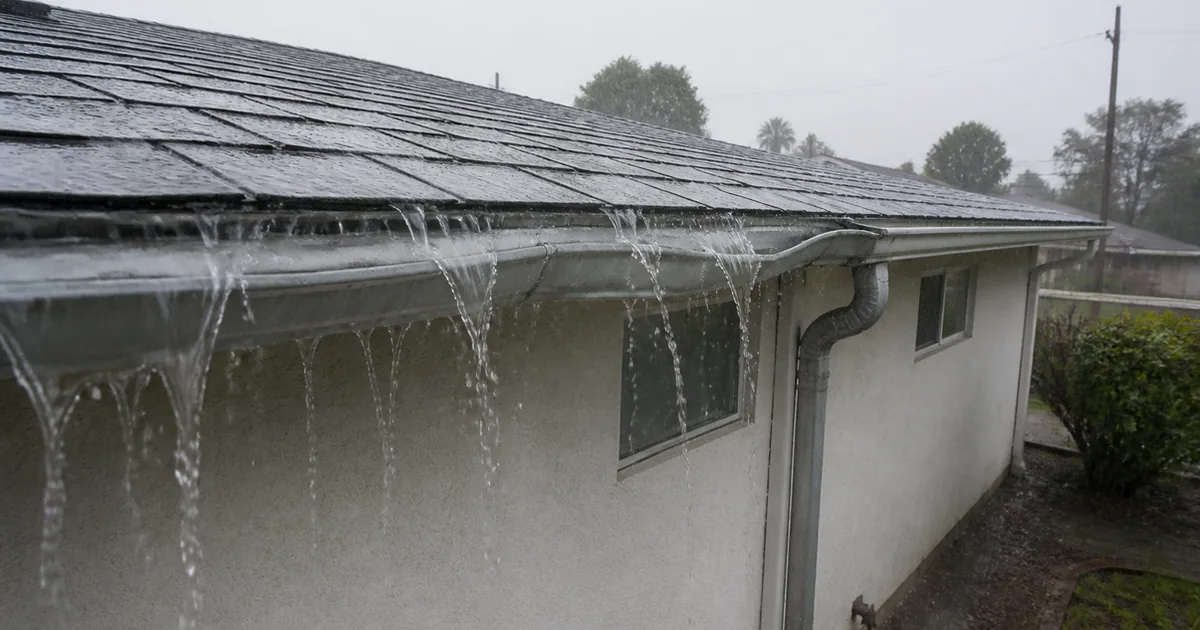
Flat lots and a higher water table near the Sepulveda Basin make roof water matter in Lake Balboa. Gutters, downspouts, and runoff aimed at the foundation.
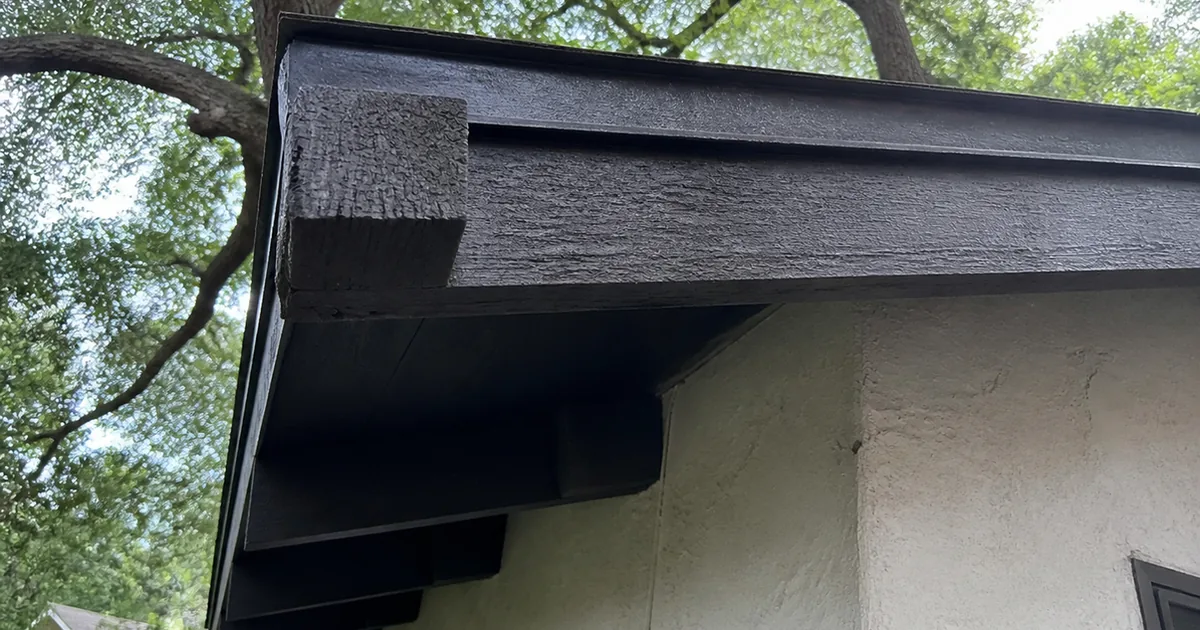
Toluca Lake's mature trees and pre-war homes create shaded, damp conditions where decay fungi thrive without termites. Where it hides and how it gets fixed.
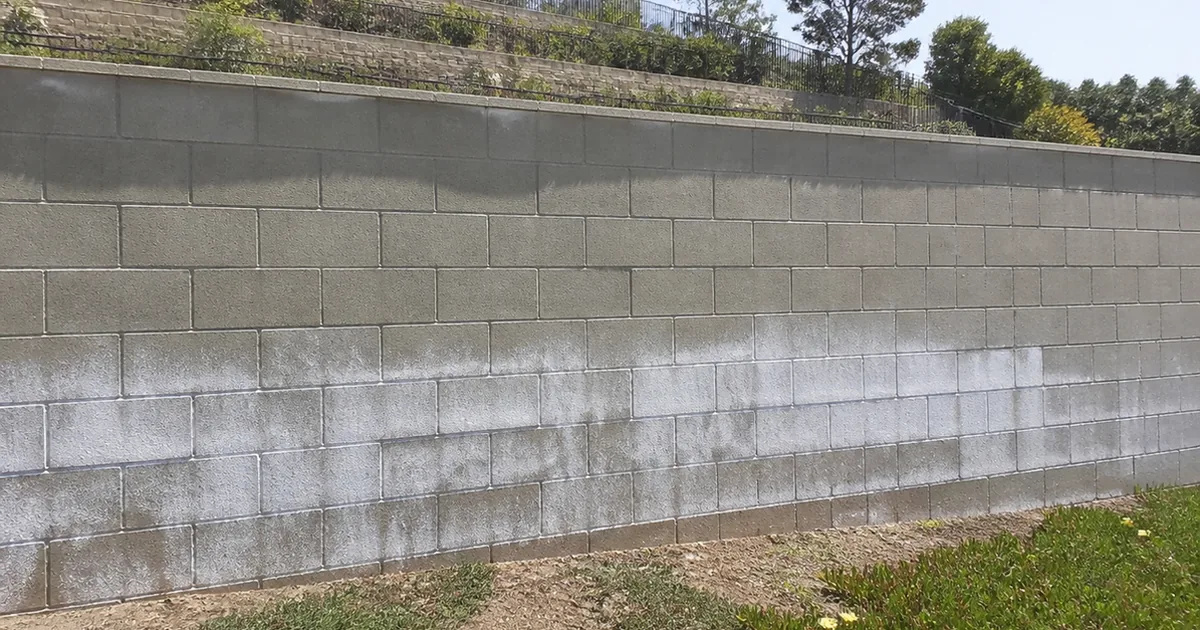
La Mesa's hillside lots carry decades of concrete retaining walls and block fences. Efflorescence, spalling, and cosmetic versus structural concerns.
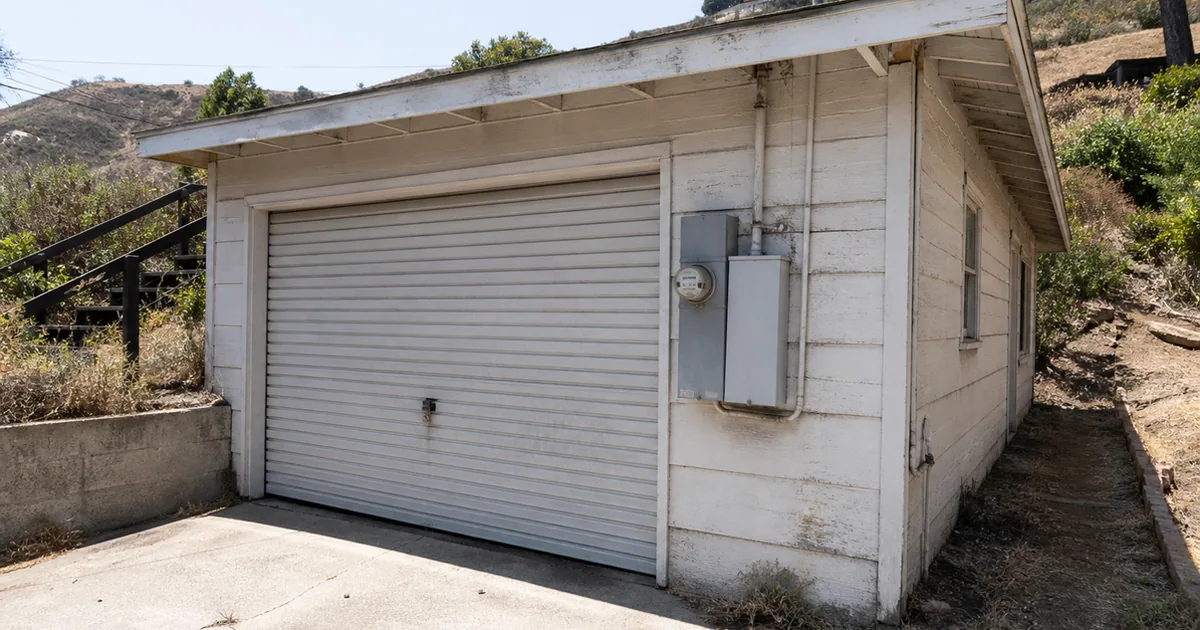
Signal Hill's dense oil-town lots often bury the main service disconnect in a locked garage or behind added structures. Why access is a life-safety issue.
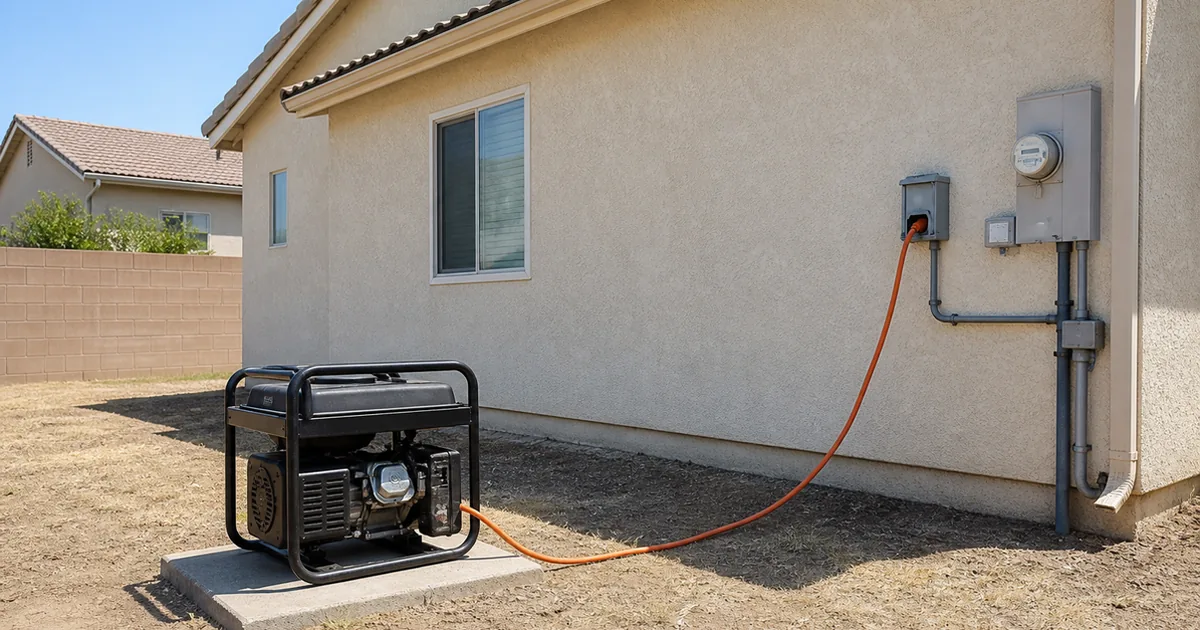
Power shutoffs have pushed generator use across the San Jacinto Valley. What Hemet agents should know about backfeed, interlock kits, transfer switches and CO.
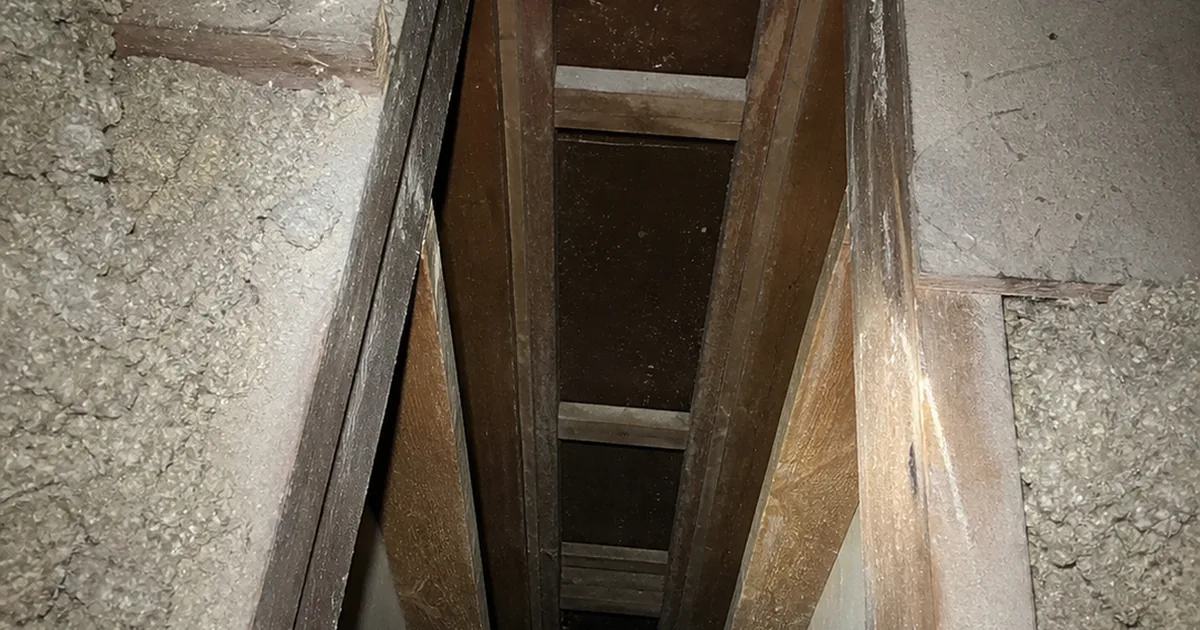
Paramount's dense older lots have decades of additions and garage conversions behind them. Concealed fire blocking, and why it goes missing.
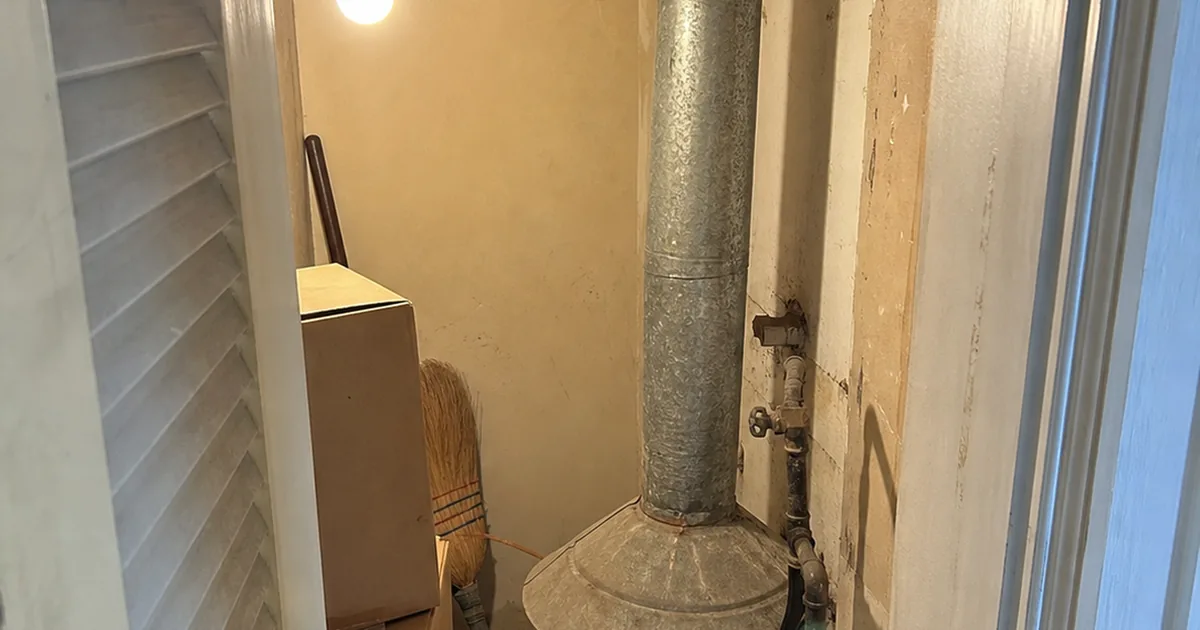
Added exhaust fans and weatherstripping have cut off makeup air for Norwalk's natural-draft furnaces and water heaters. Backdrafting, spillage and CO risk.
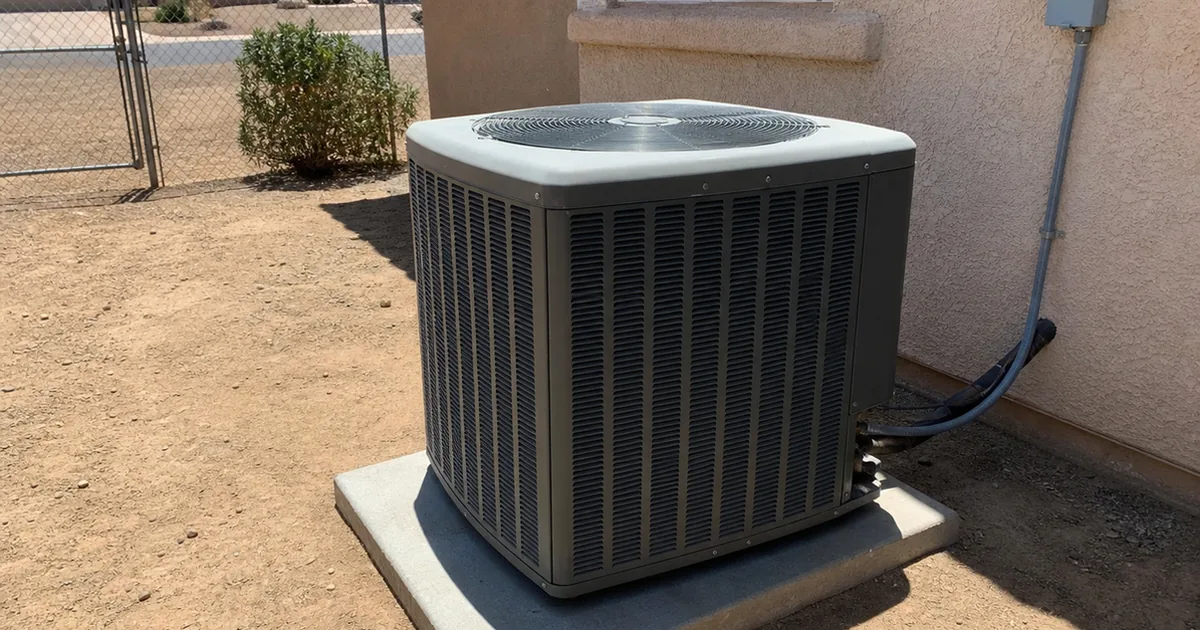
Perris runs central air hard through triple-digit summers, and many systems are near end of life. Refrigerant charge, airflow and condensate defects to know.
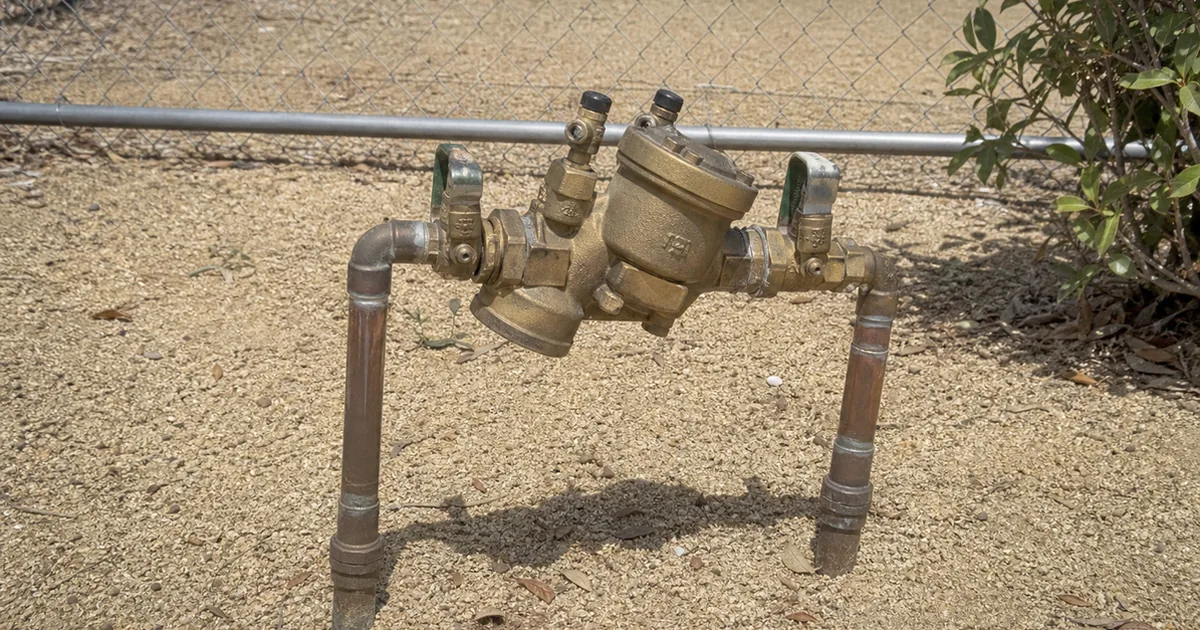
Moreno Valley's large lots and irrigation systems create real cross-connection risk. What agents should know about backflow devices, testing and common defects.
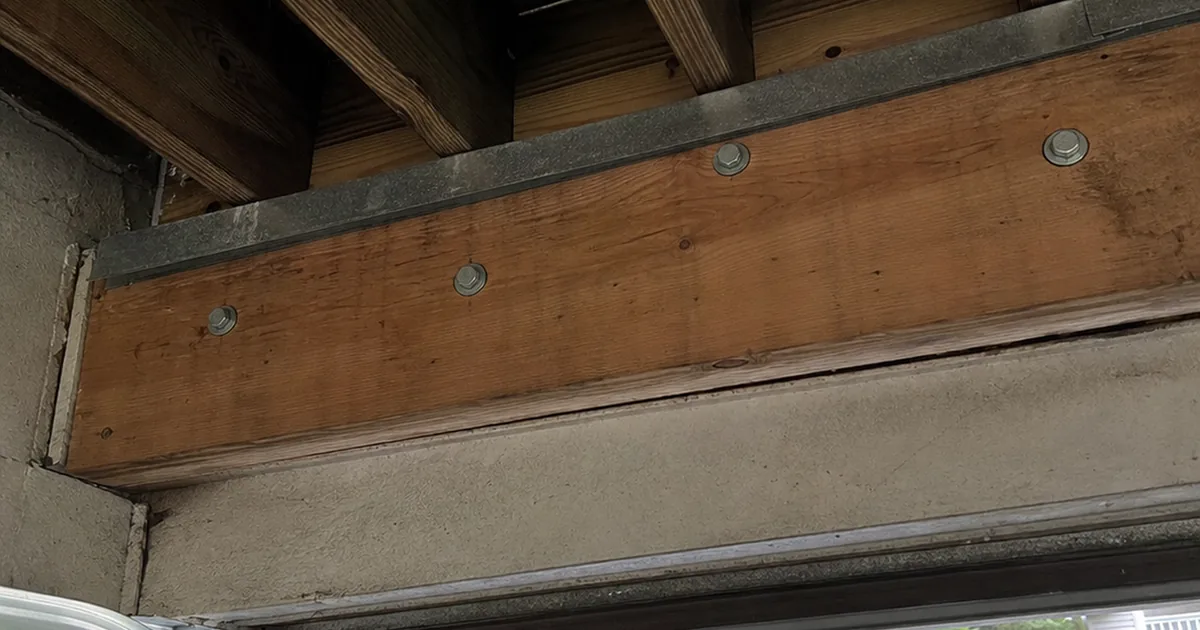
Redondo Beach's multi-level homes carry elevated decks, often added without a proper structural connection to the house. What agents should know about ledgers.
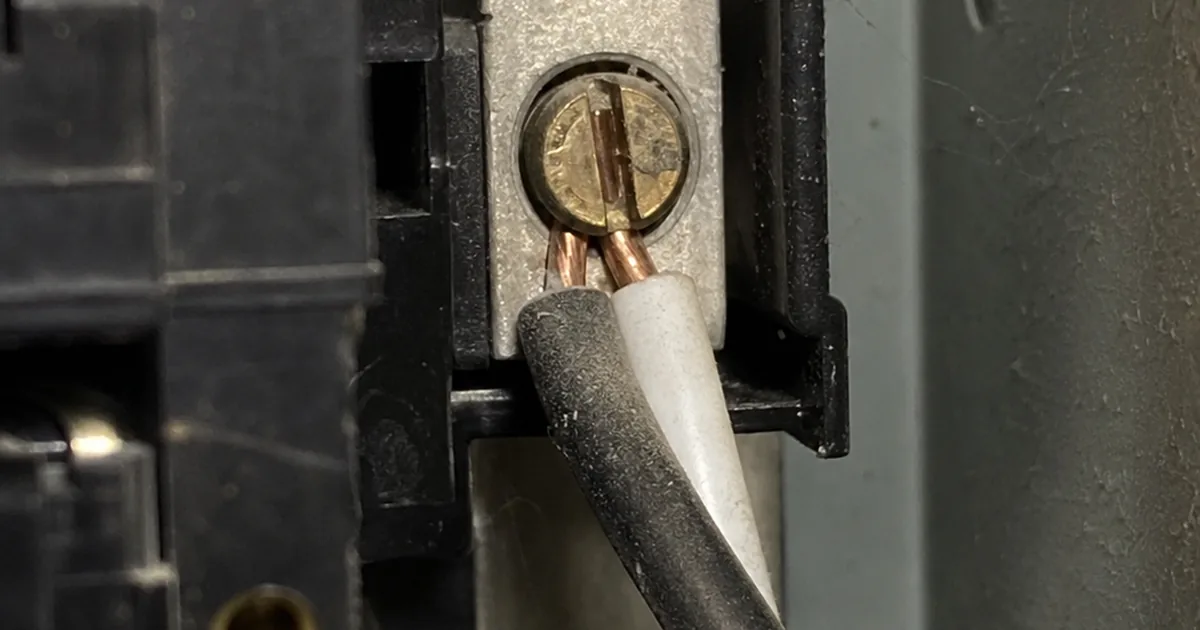
Double-tapped breakers, two conductors under one lug, are a common DIY shortcut in Downey homes. What agents should know about this fire hazard and the repair.
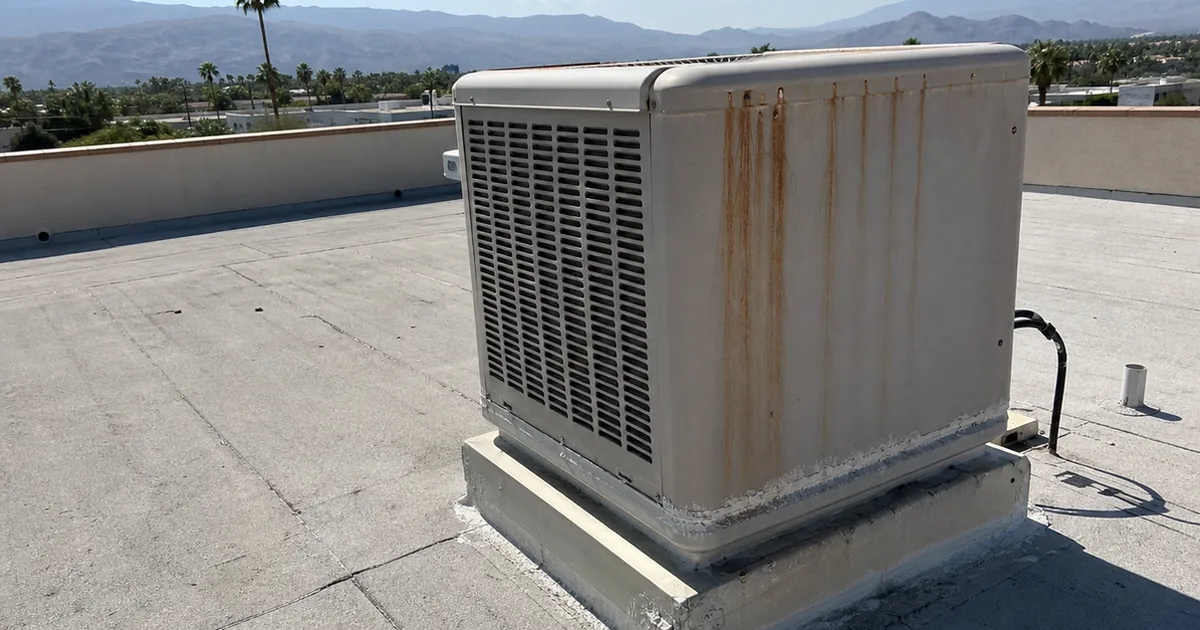
Roof-mounted evaporative coolers still help cool older Palm Springs homes. What agents should know about pad scale, roof penetrations and seasonal shutdown.
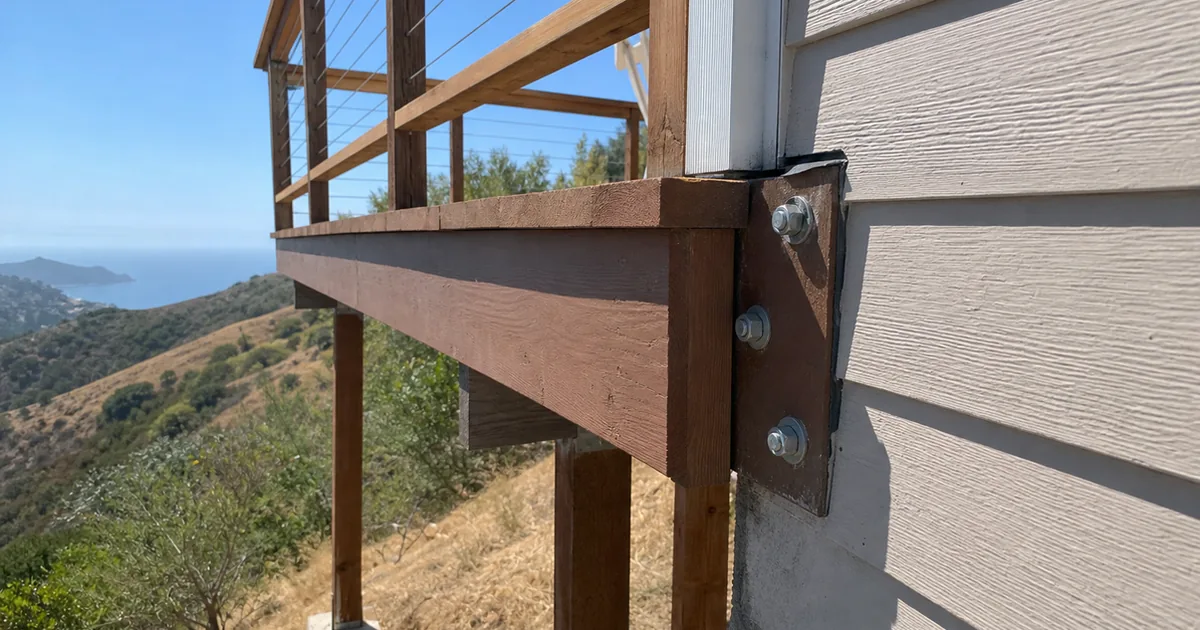
Deck ledger board failure is a leading cause of deck collapse. What agents and buyers need to know about fastening on Rancho Santa Fe hillside properties.
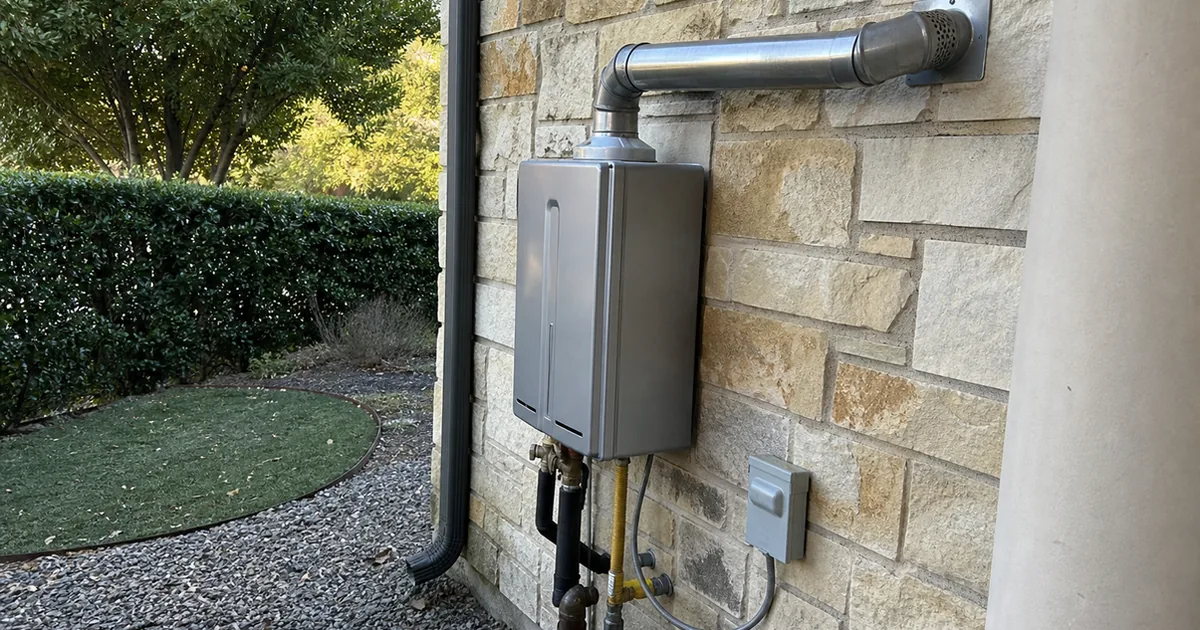
Rancho Santa Fe estate remodels often retrofit tankless water heaters. Gas sizing, vent type, scale on hard well water, and clearance, explained for agents.
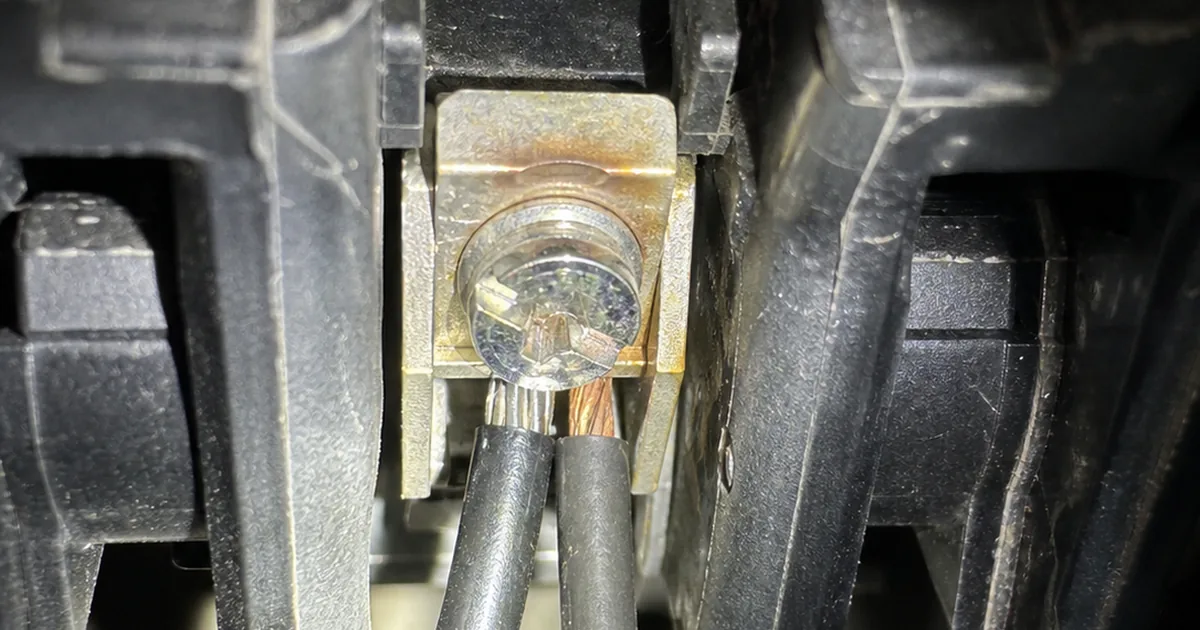
Cerritos tract homes from the 1960s and 70s get remodeled hard, and the original panel absorbs it. What a double-tapped breaker means and how to handle escrow.
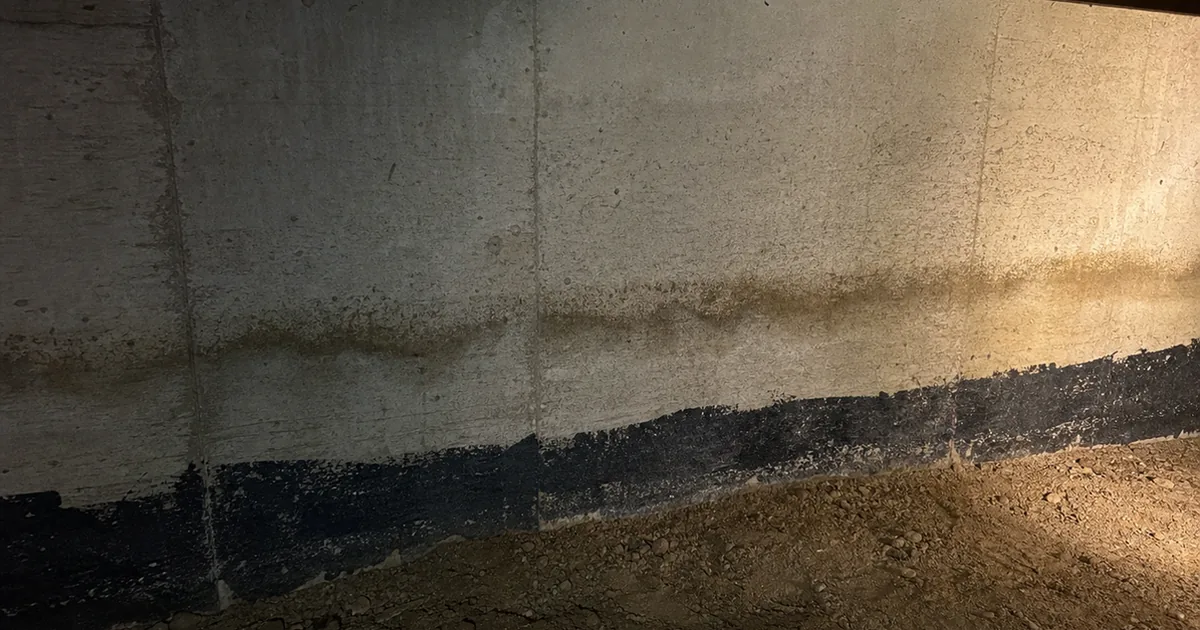
Downey's aerospace-era tracts often have thin dampproofing where real waterproofing was needed. What it means for a crawlspace inspection and an escrow.
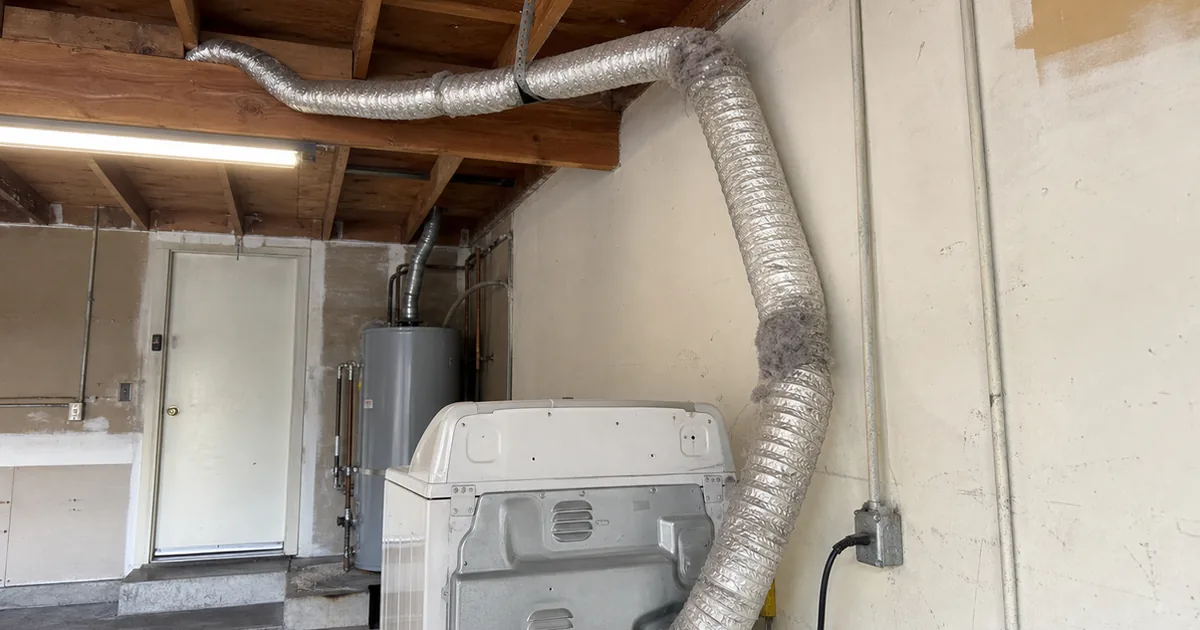
Bellflower's post-war homes hide long, crimped dryer exhaust runs that trap lint for decades. What to look for and how to handle it in escrow.
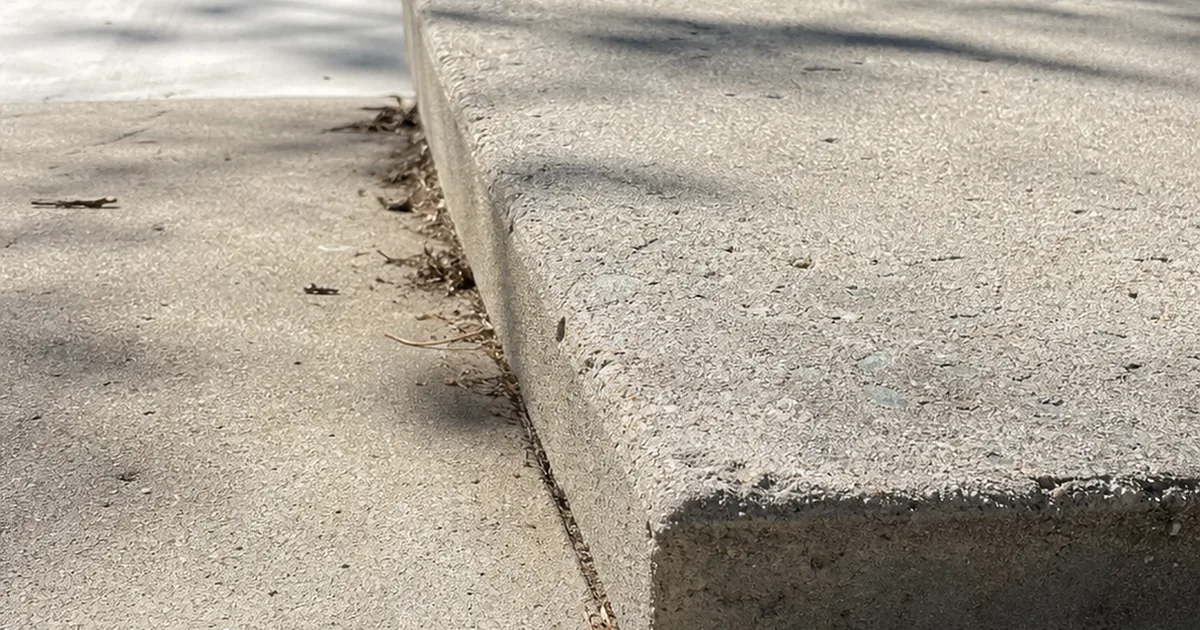
Lakewood's 1950s driveways and walkways are 70 years old and tree roots are lifting them. Trip hazards, cracked slabs, the liability question, and escrow tips.
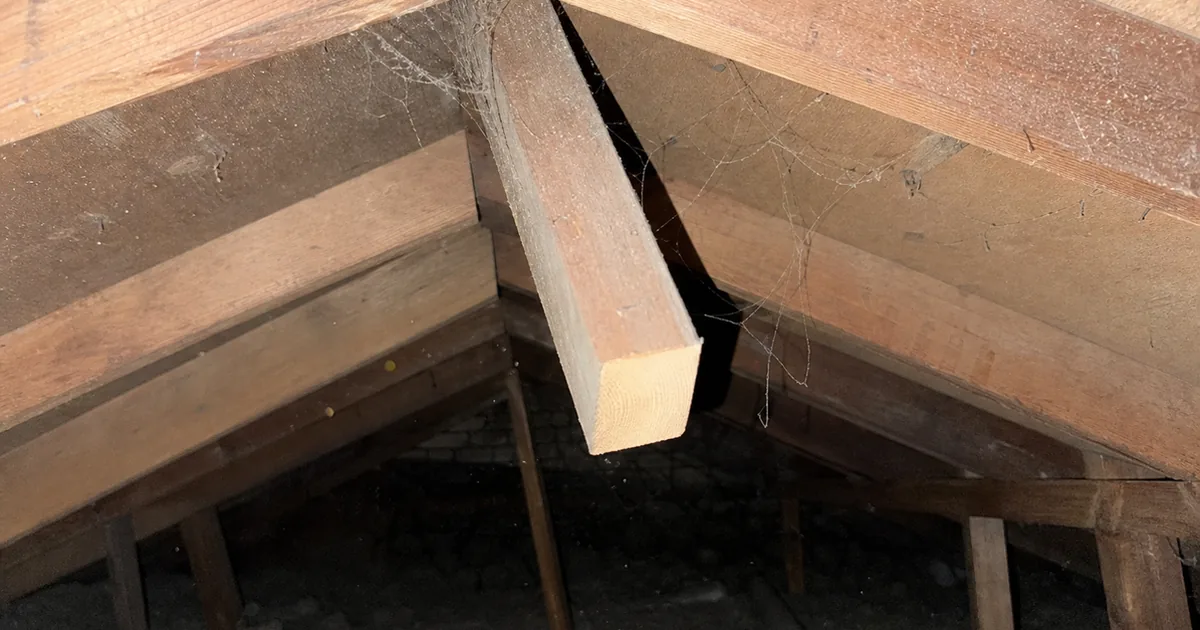
North Hollywood's remodels hide attic damage: cut rafters, notched trusses and missing framing from additions. What to look for and how to handle escrow.
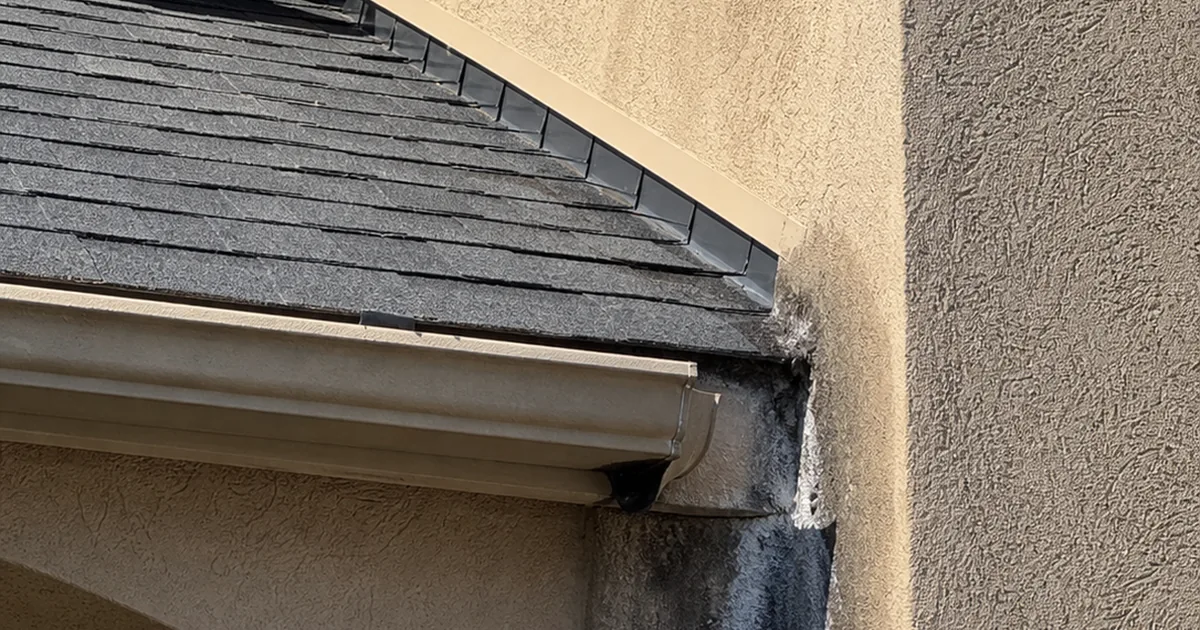
Whittier homes often lack the kick-out diverter where a roof meets a sidewall, and water enters behind stucco unseen. What to look for and how to handle escrow.
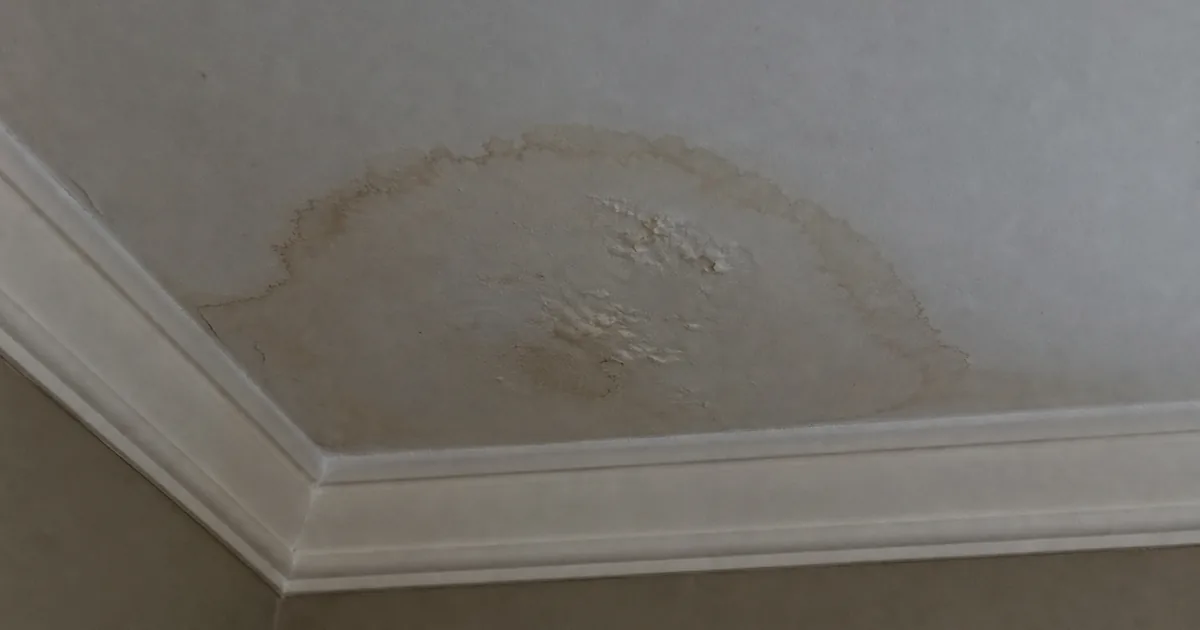
Aliso Viejo's 1990s upstairs tile showers are old enough to leak into the rooms below. What a shower pan is, how it fails, and how to handle it in escrow.
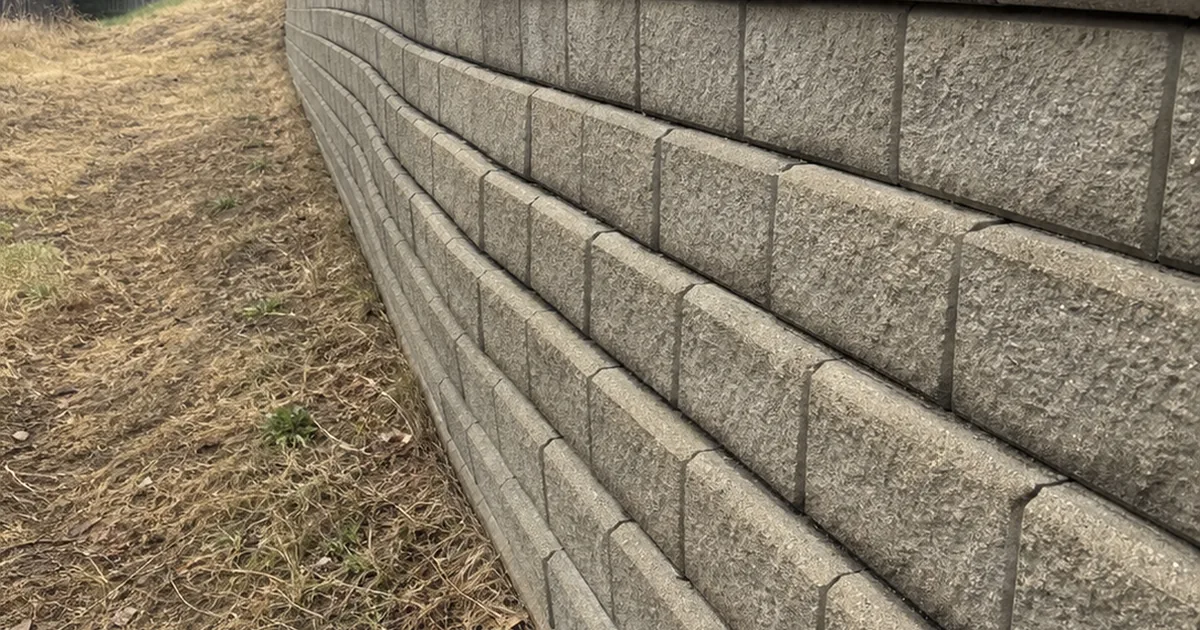
Mission Viejo sits on graded pads with slope banks and tract retaining walls, and who owns and maintains them decides deals. Wall types, failure signs, tips.
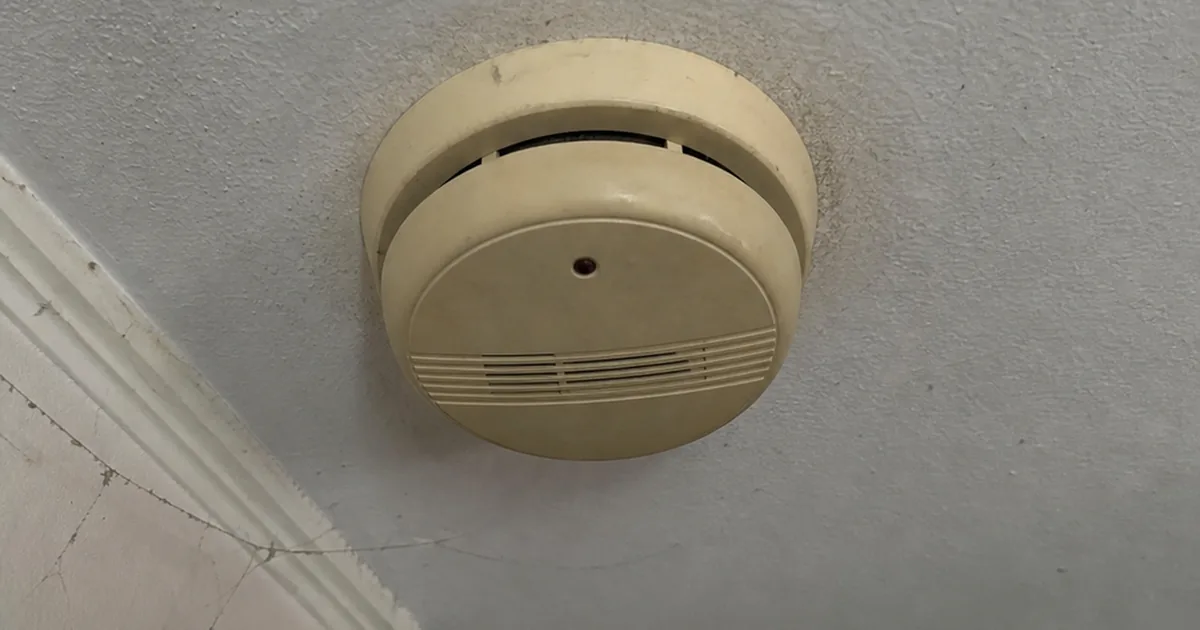
Smoke and CO alarms are a California point-of-sale requirement that cost almost nothing and hold up many Ontario deals. Where they go and what expires.
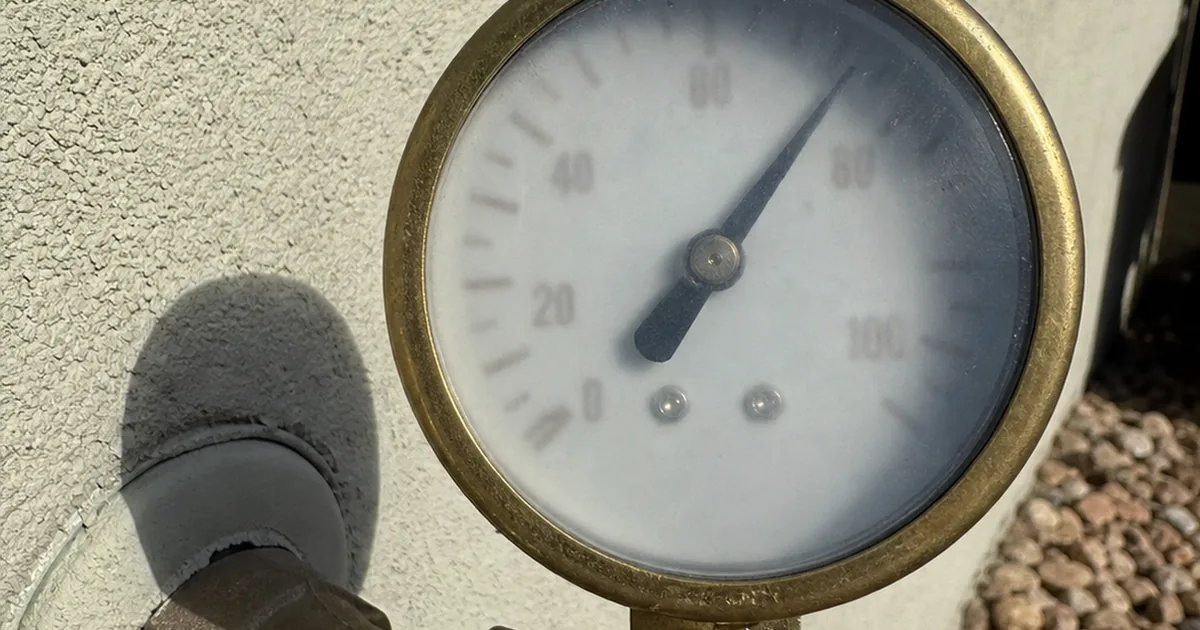
Porter Ranch sits high on the hillside, so incoming water pressure is high and one regulator does the work. When it fails, plumbing pays. What to look for.
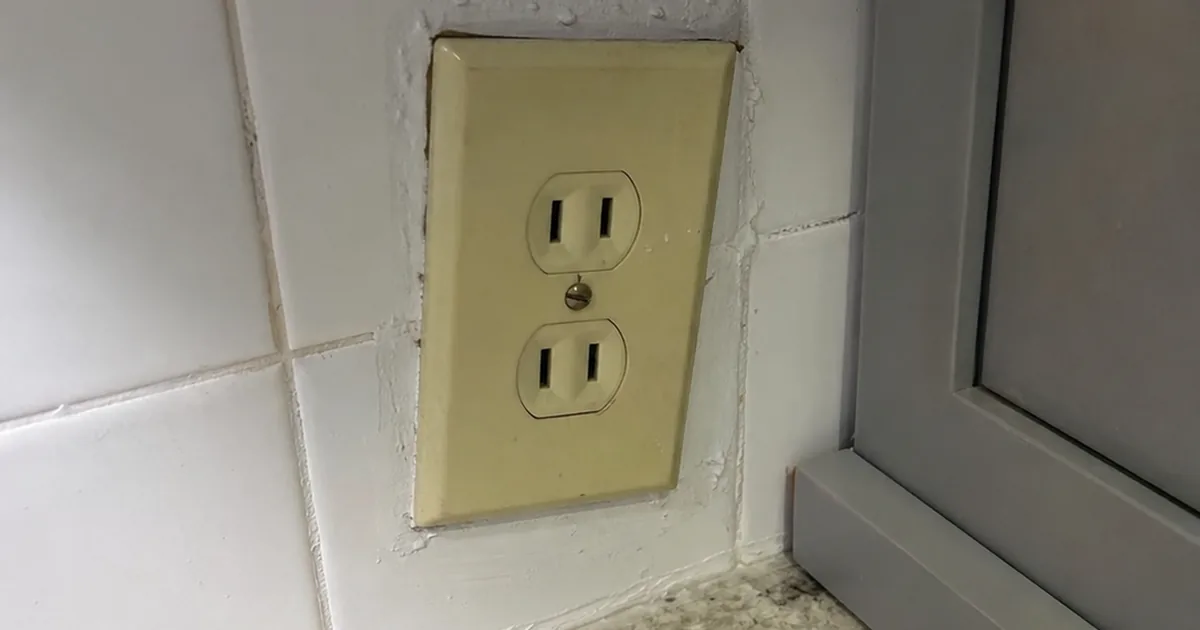
GFCI and AFCI protection is the cheapest safety upgrade in a Redlands home and the one most often missing. What they do, where they belong, and escrow tips.
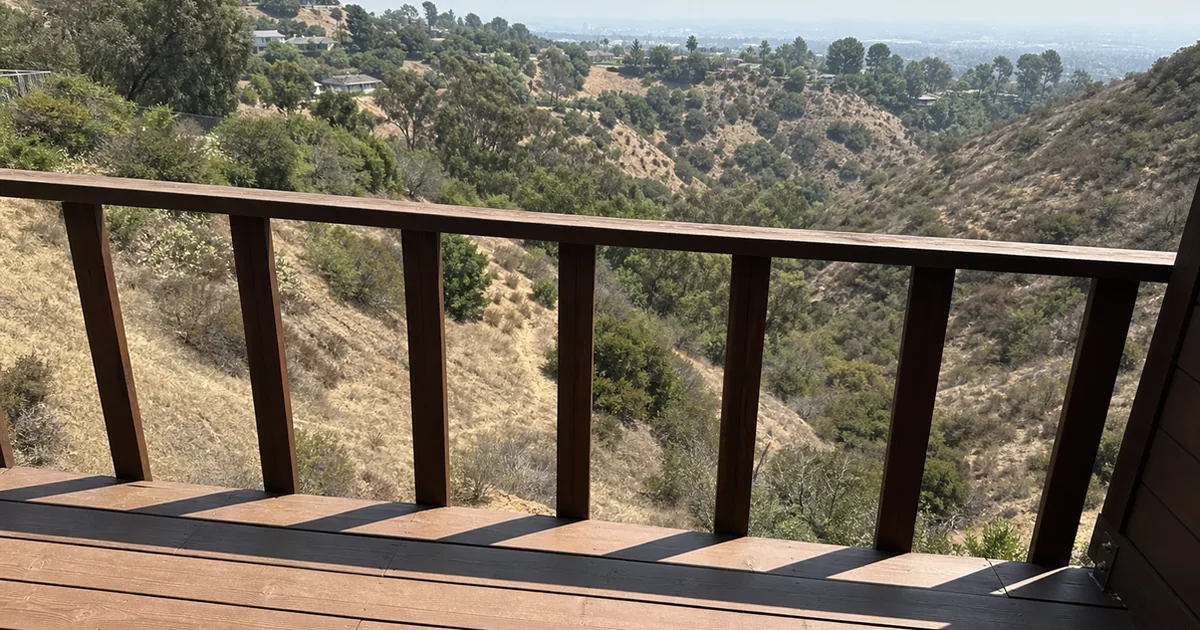
Hillside decks and grand staircases in Chino Hills hide a common life-safety finding: guards and handrails. Heights, spacing, graspability, and escrow tips.
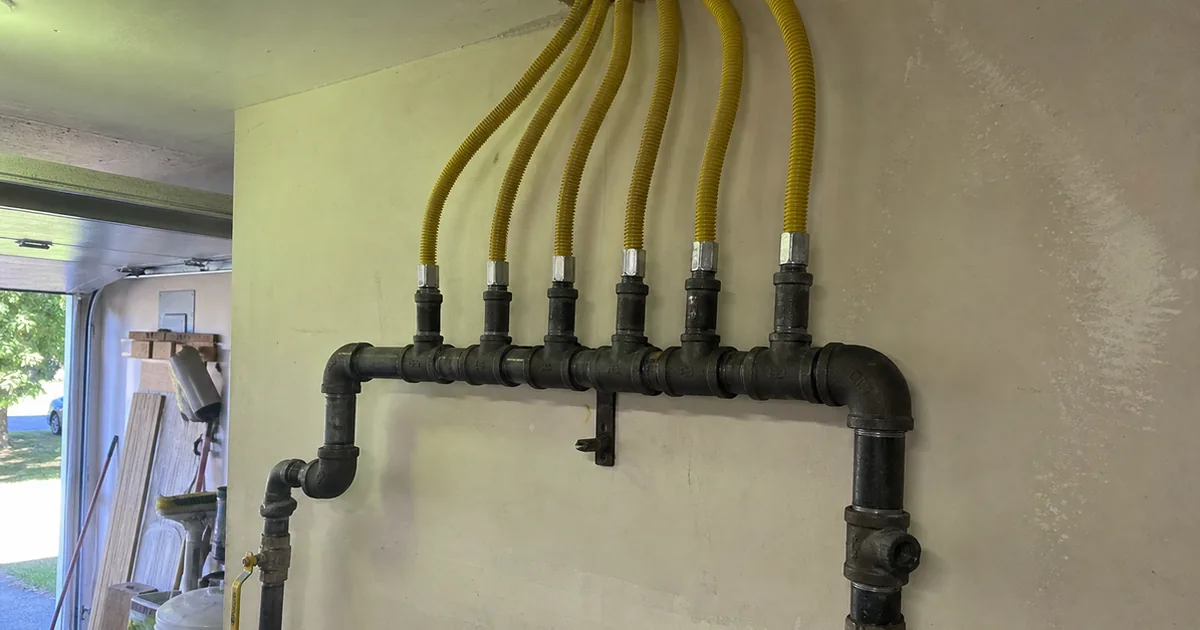
Yorba Linda's newer and re-piped homes use flexible CSST gas line, and a missing bonding clamp is a common safety item. Why bonding matters, and escrow tips.
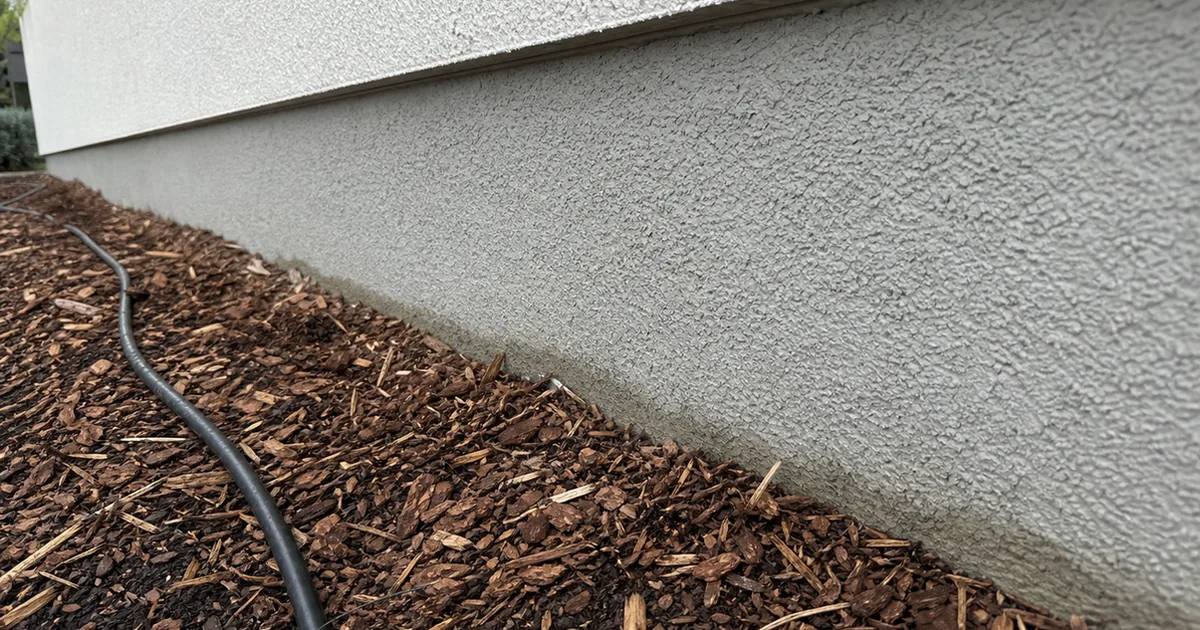
Eastvale stucco homes drain through a metal flashing strip at the wall base. When soil or hardscape buries it, framing stays wet. What to look for in escrow.
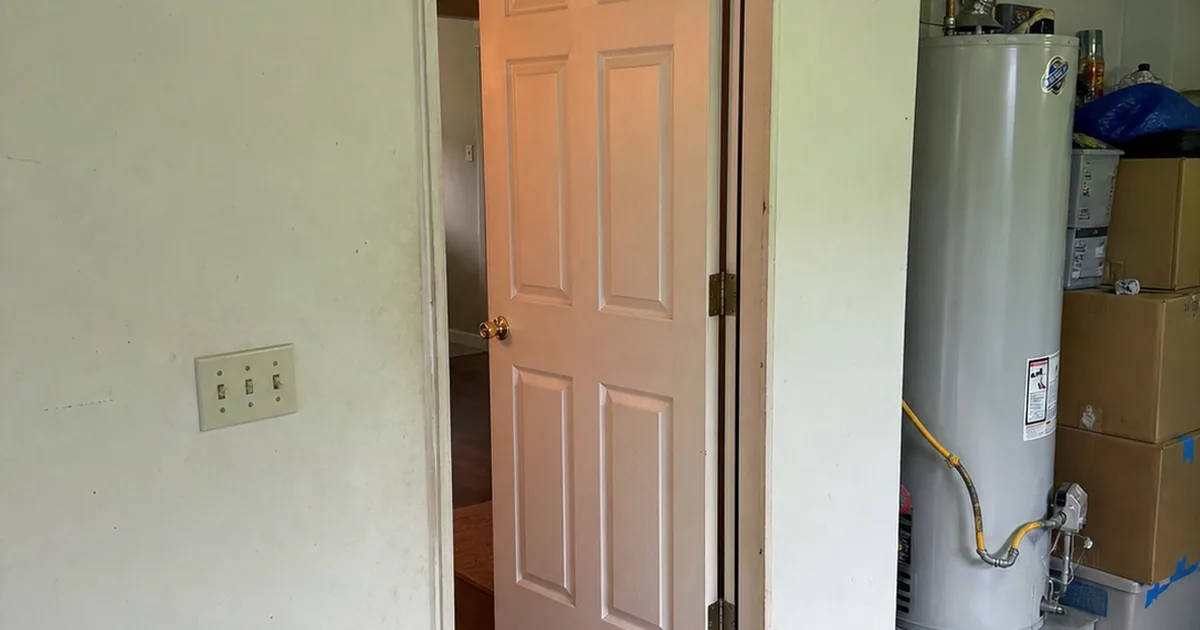
Fontana's attached-garage tract homes and garage conversions often have weak fire separation from the living space. What it is, how it fails, and escrow tips.
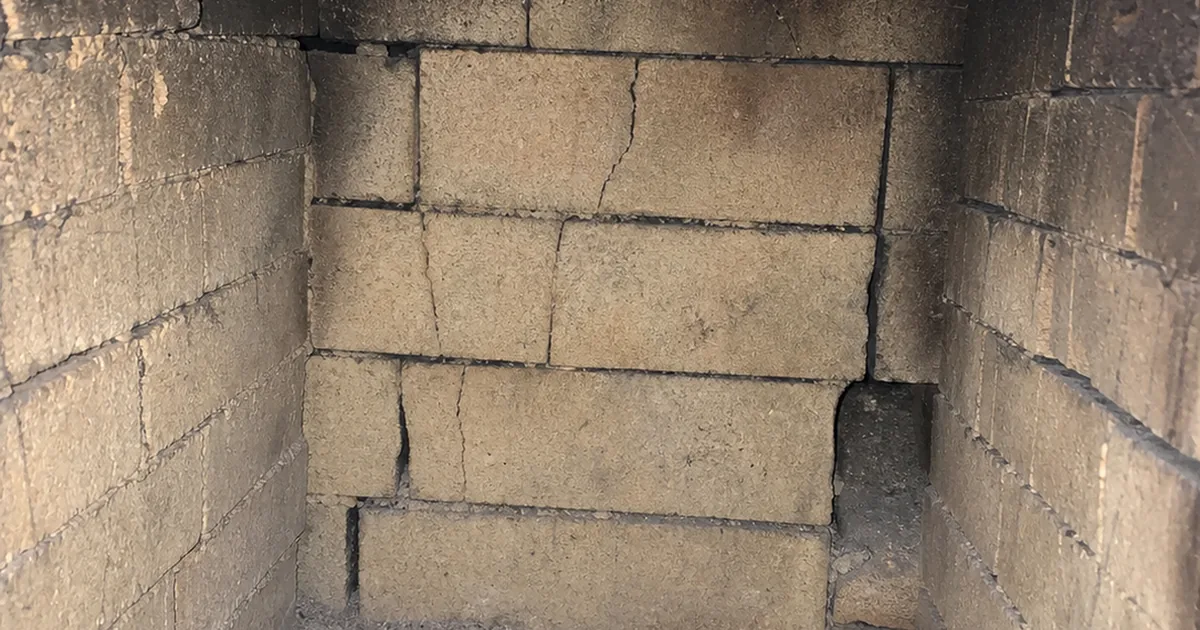
Brentwood's older homes have original masonry fireplaces that buyers and agents skip. Firebox, hearth, clearances, flue, chimney top, and the escrow playbook.
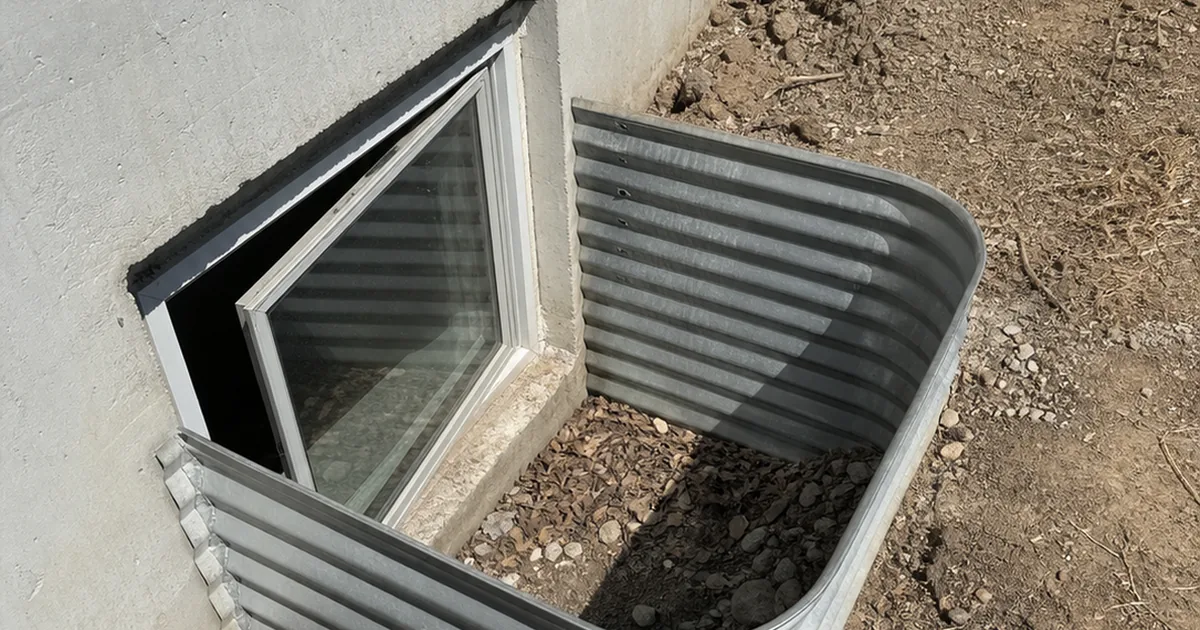
Pacific Palisades mixes original hillside homes with heavy remodels, and bedroom egress is where both fail. Opening sizes, window wells, releasable bars.
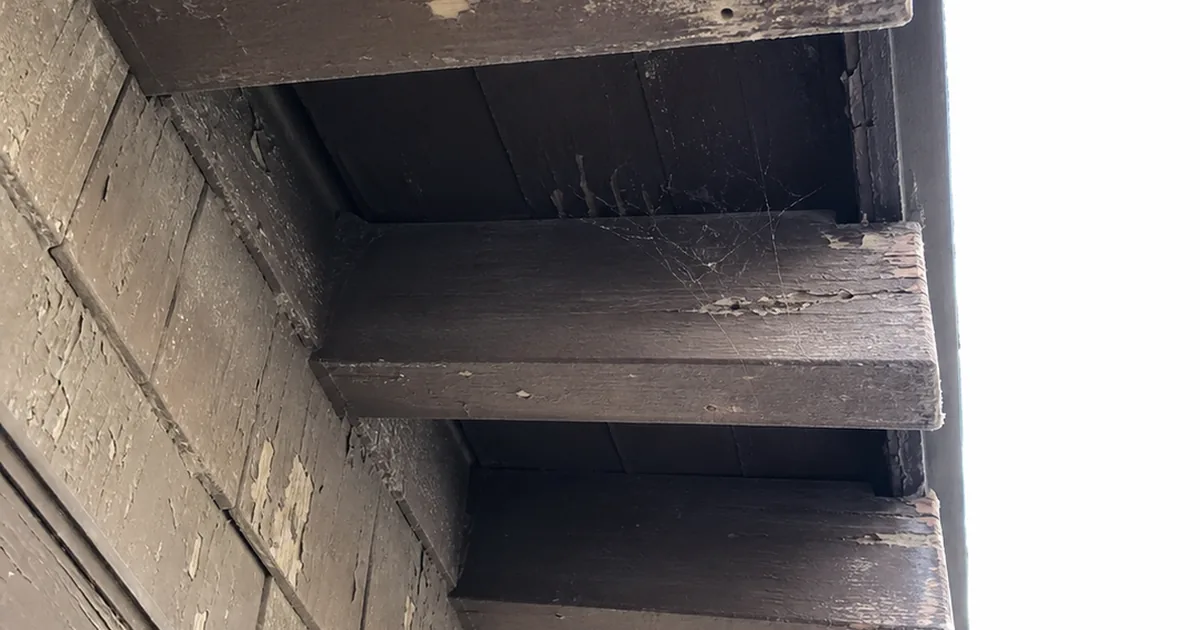
A California termite report is not part of the home inspection. What Section 1, Section 2 and the Further Inspection box mean in a Monrovia escrow.

Tarzana has hillside lots above Ventura Boulevard and flat lots below, and each fails at drainage differently. Grading, downspouts, area drains, escrow tips.

Most Northridge tract roofs have been re-covered more than once. Why a second or third layer matters, how to count them, the red flags, and the escrow playbook.

Woodland Hills is the hottest corner of LA County, and the attic is where heat wins or loses. Insulation gaps, blocked venting, red flags, and escrow tips.

Most Encino fireplaces are factory-built metal units, not masonry. What fails in a prefab fireplace and chase, why spark arrestors matter, and escrow tips.

The water heater is the most overlooked appliance in a Thousand Oaks sale. Strapping, the TPR discharge, venting, garage rules, and the escrow playbook.

Termites and wood decay are common in Fullerton's older homes. How the WDO report works, Section 1 vs Section 2, and how to keep a deal on track through escrow.

Buying in Old Towne Orange means old systems and a preservation overlay. What to inspect in a pre-1940 home, how the Mills Act applies, and the escrow playbook.

San Marcos hillside homes sit on decomposed granite and terraced pads. Why retaining walls and drainage matter, the showing red flags, and the escrow playbook.
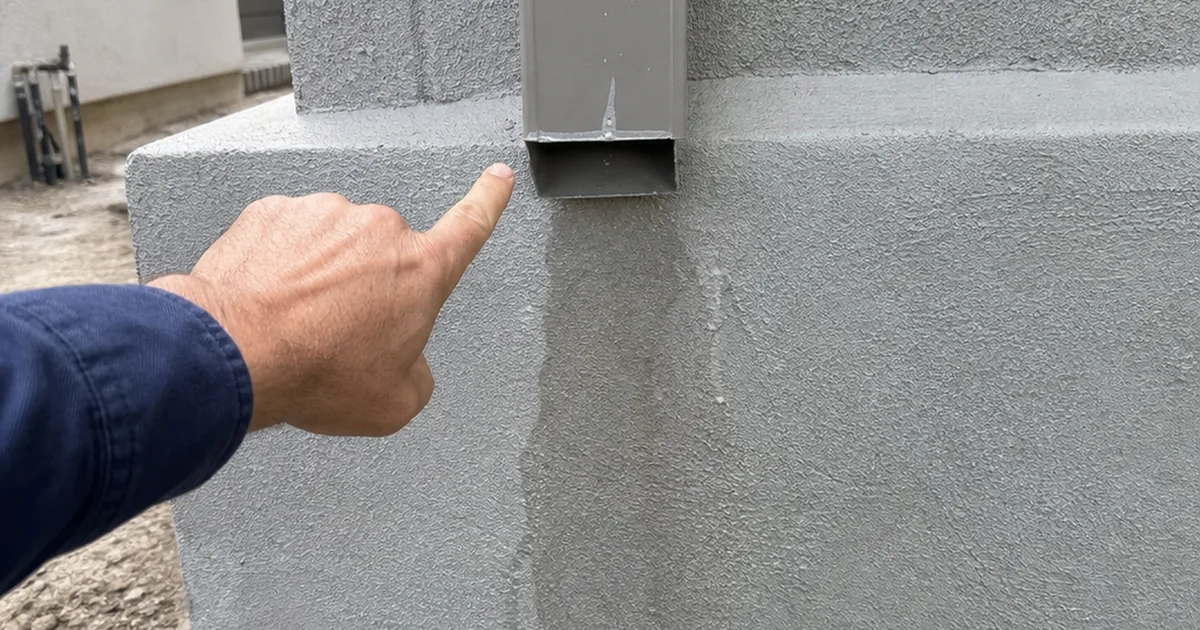
Tustin Legacy homes sit on a redeveloped Marine air base. What that means for a new-construction buyer, the site and defect items to check, and escrow tips.
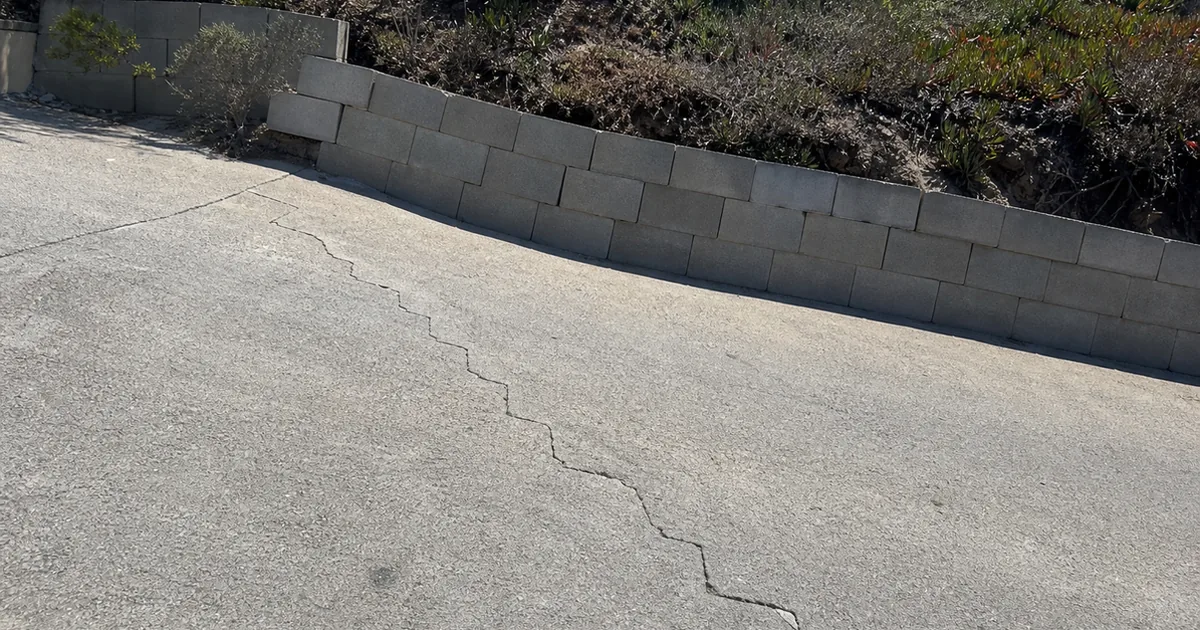
Mount Soledad's slopes have a long landslide history. What hillside instability means for a La Jolla deal, the showing red flags, and how to keep escrow moving.
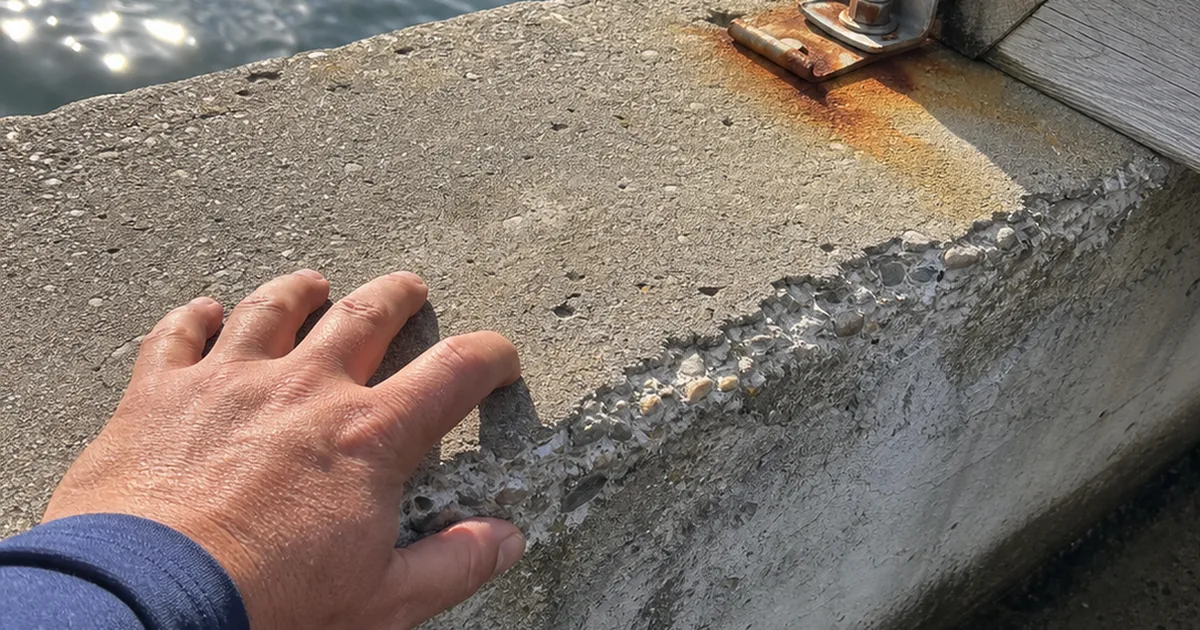
On a Newport Harbor home, the seawall, bulkhead and dock come with the purchase. What to inspect, who permits them, and how to keep a waterfront deal on track.
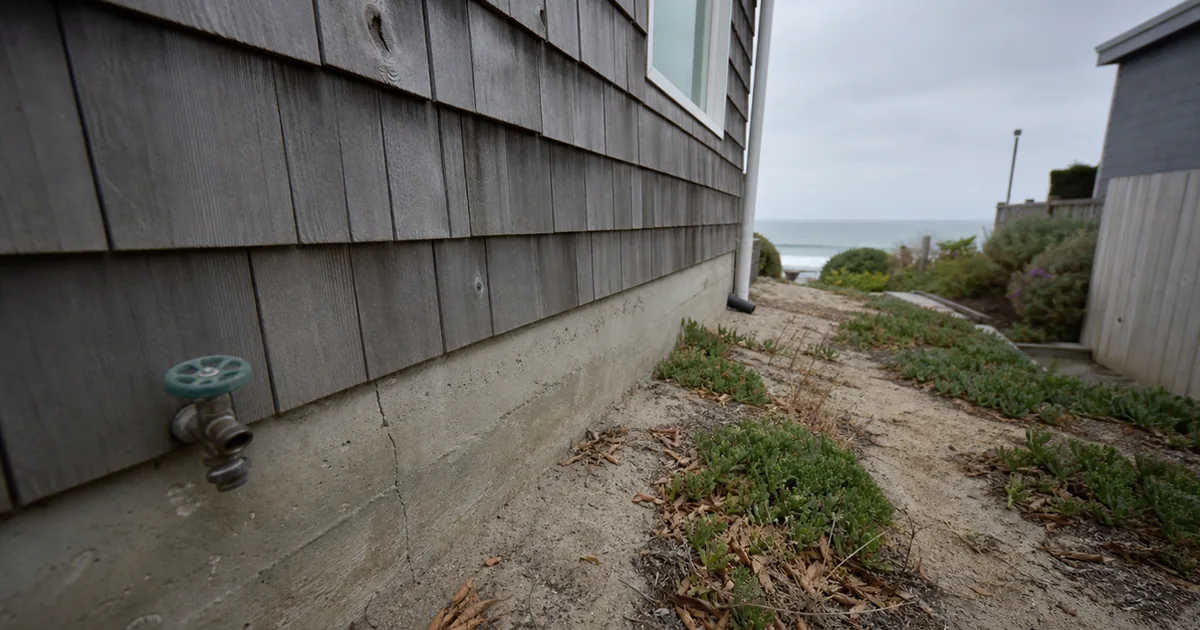
Two lot-level hazards shape Huntington Beach deals: liquefaction from saturated coastal soil and methane from the old oil field. What they mean for buyers.

Why Irvine's engineered hillside pads and expansive clay crack homes. What differential settlement looks like, how to read the stucco, and how to save the deal.

Why Corona homes built over former citrus acreage settle differently, the showing red flags, and the escrow playbook agents need before closing.
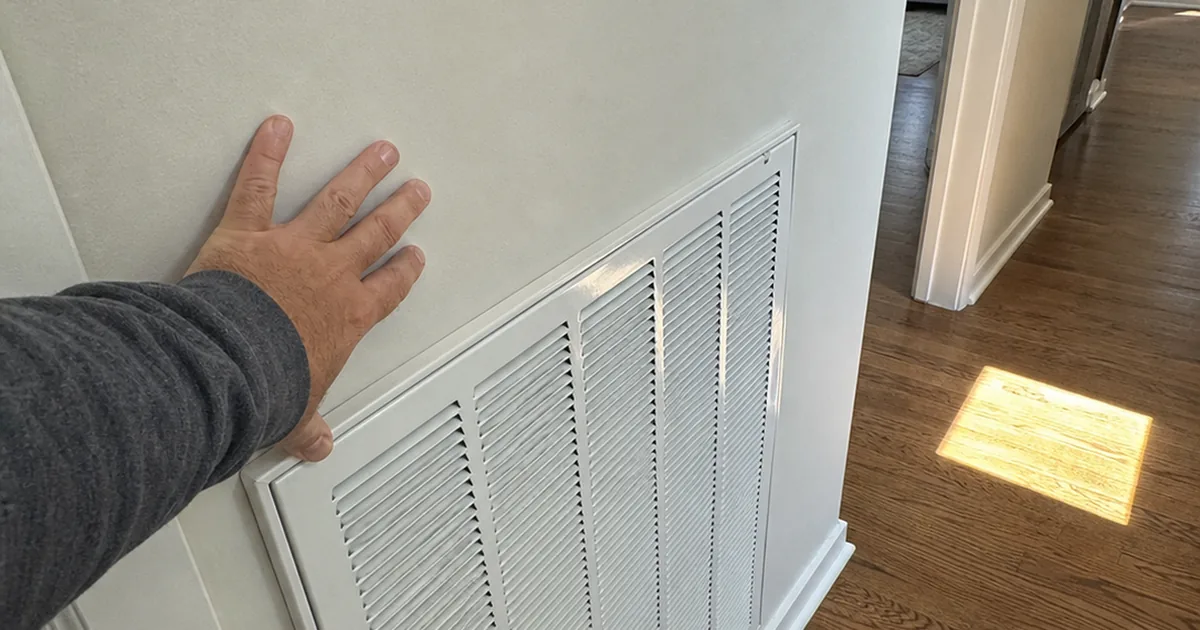
Why Garden Grove's decades of tract-home additions leave HVAC systems without enough return air, the showing red flags, and the escrow playbook agents need.
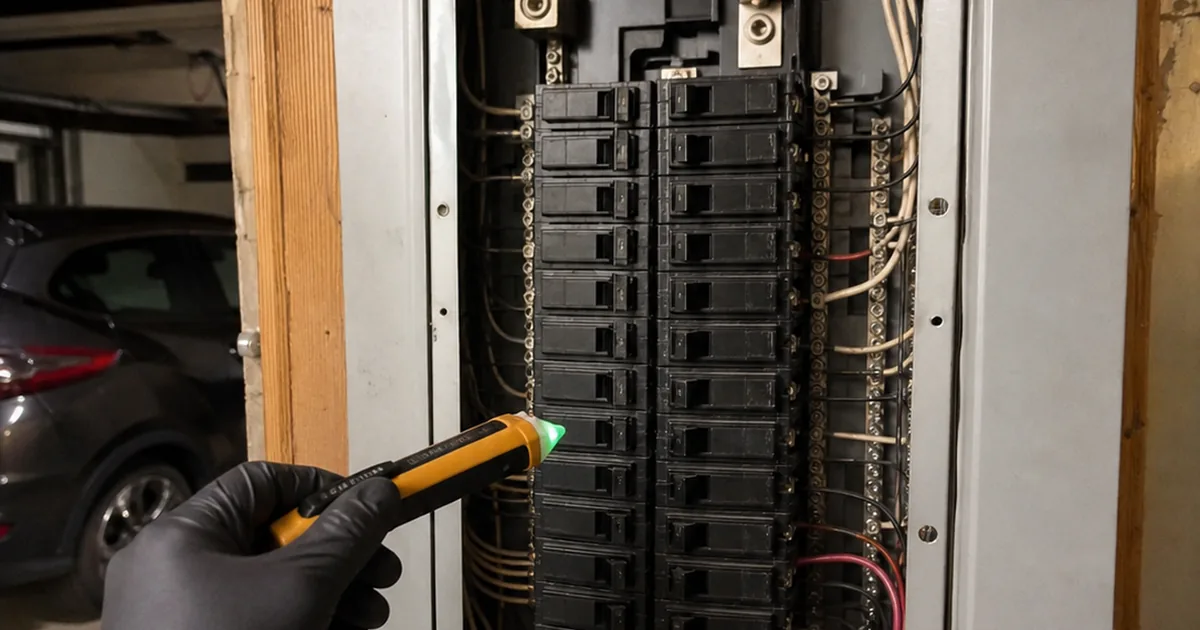
Federal Pacific, Zinsco and mixed wiring show up in Culver City's older homes. What these panels mean for your deal, how to spot them, and how to negotiate.

Buying below the burn in La Cañada Flintridge. What post-fire debris flow is, how basins and drainage protect a home, and how to keep a foothill deal on track.

Knob-and-tube wiring and galvanized supply lines are common in Long Beach's historic districts. What they mean for insurance and escrow, and next steps.
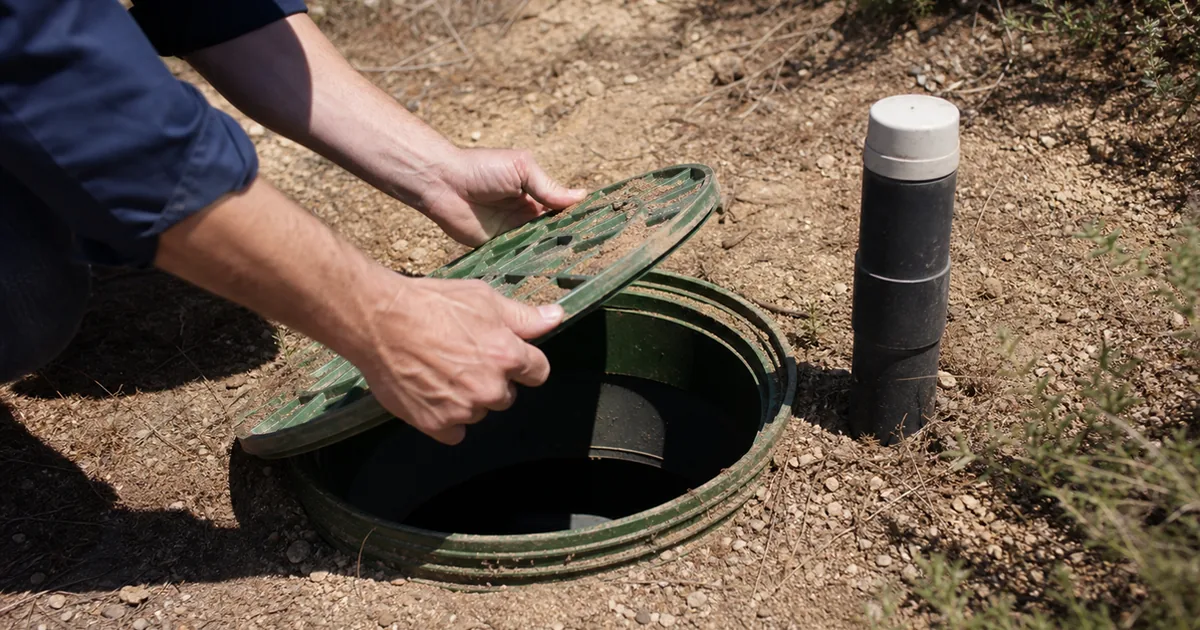
What Malibu's onsite wastewater rules mean for escrow. How septic systems fail, what the operating permit requires at sale, and how to keep a deal on track.
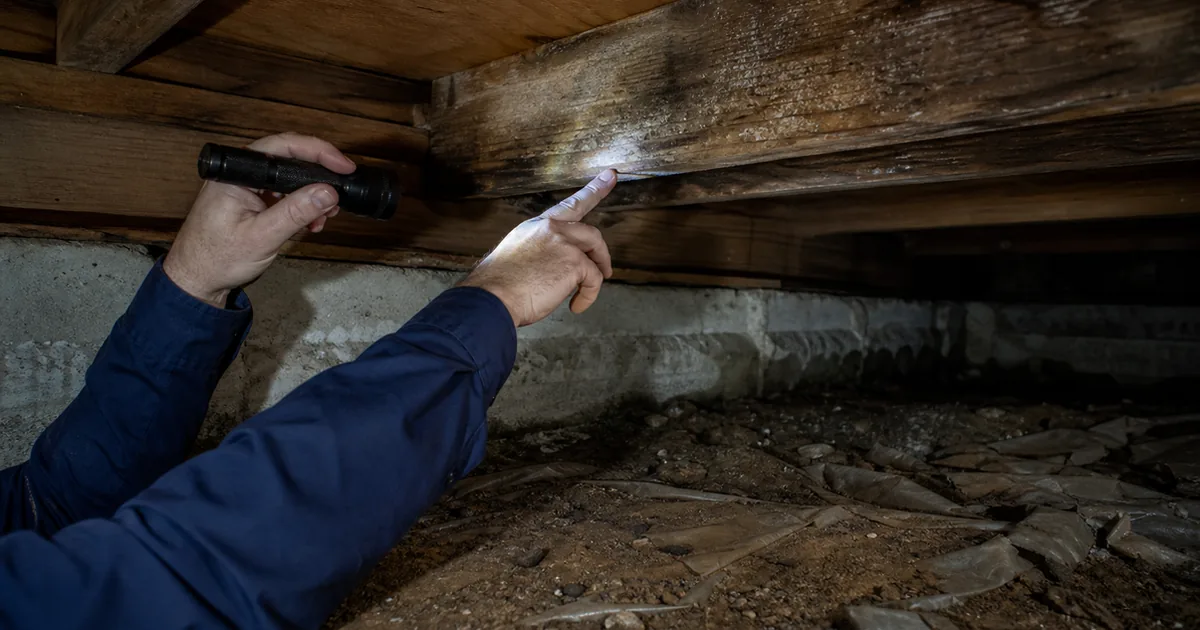
The marine layer keeps Santa Monica's older raised-foundation homes damp underneath. What subfloor moisture and dry rot mean for a deal, and how to catch it.

Century-old Sierra Madre homes and wildfire don't mix easily. What fire hardening means for wood-sided cottages, the coming Zone 0 rules, and how to advise.
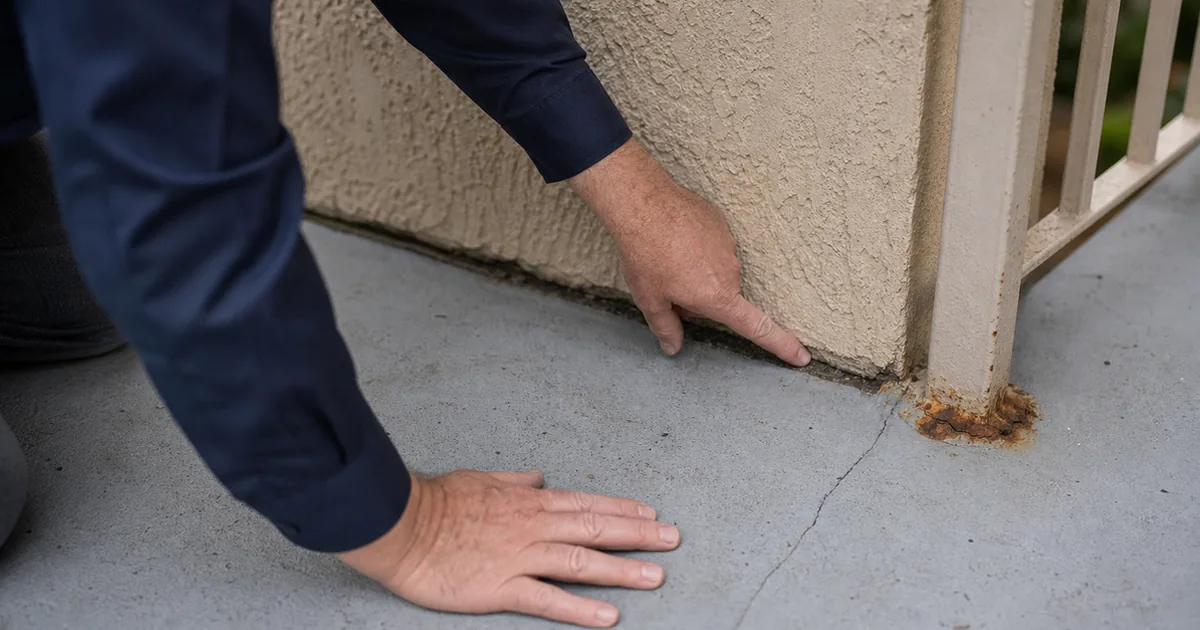
What SB 326 means for a West Hollywood condo deal. How balcony and walkway inspections work, what to ask the HOA, and how to protect your buyer before closing.

A Costa Mesa home had sixteen failed dual-pane windows hiding in plain sight. Why seals fail, what replacement costs, the red flags, and the escrow playbook.
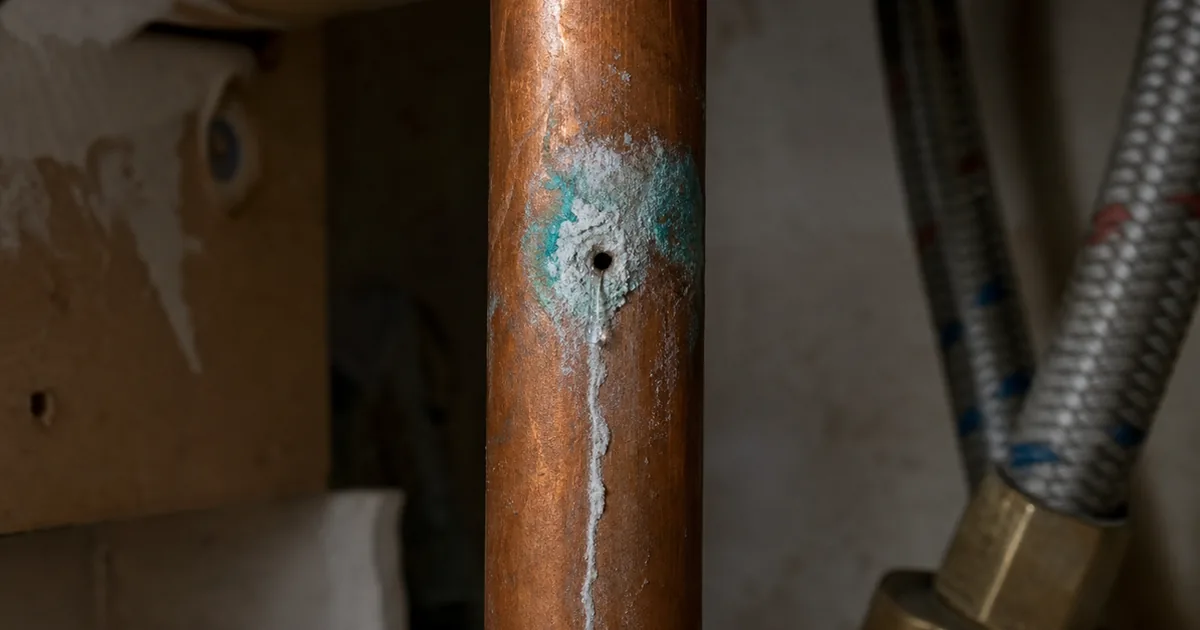
A 1990s Tustin Ranch home had copper pipe leaking from a pinhole nobody saw coming. Why copper pits, the red flags, the repipe playbook, and escrow tips.
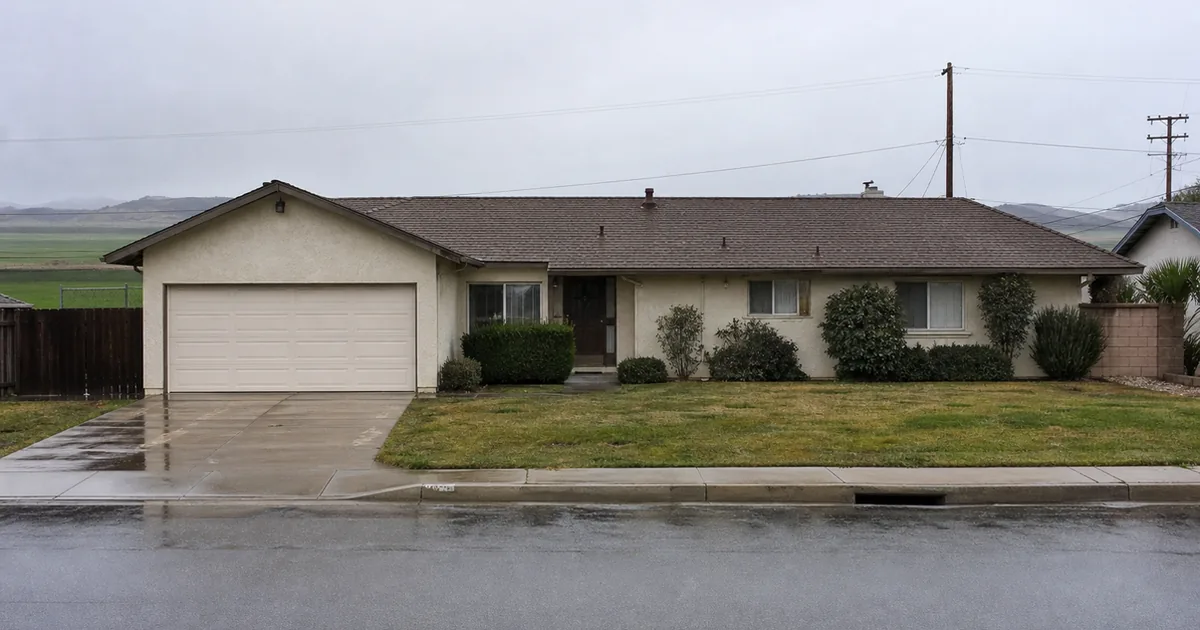
A Camarillo home on the Oxnard plain had moisture rising through the slab. Why a high water table drives ground moisture, plus red flags and escrow tips.
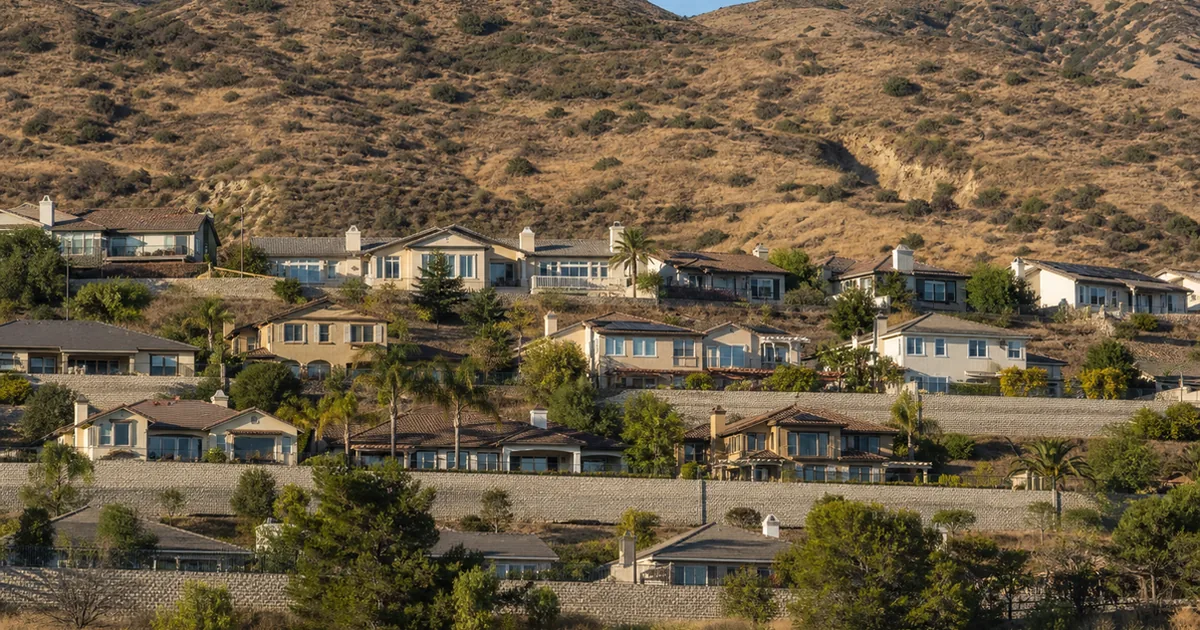
A Simi Valley hillside home kept reopening the same cracks. Why graded pads and old landslides move, the red flags, the geotechnical playbook, and escrow tips.

A Sherman Oaks mid-century modern home looked perfect and hid a flat-roof and radiant-slab problem. How these homes inspect differently, plus escrow tips.

A Van Nuys garage conversion added 400 square feet the permits never knew about. Why unpermitted additions stall financing, the red flags, and escrow tips.
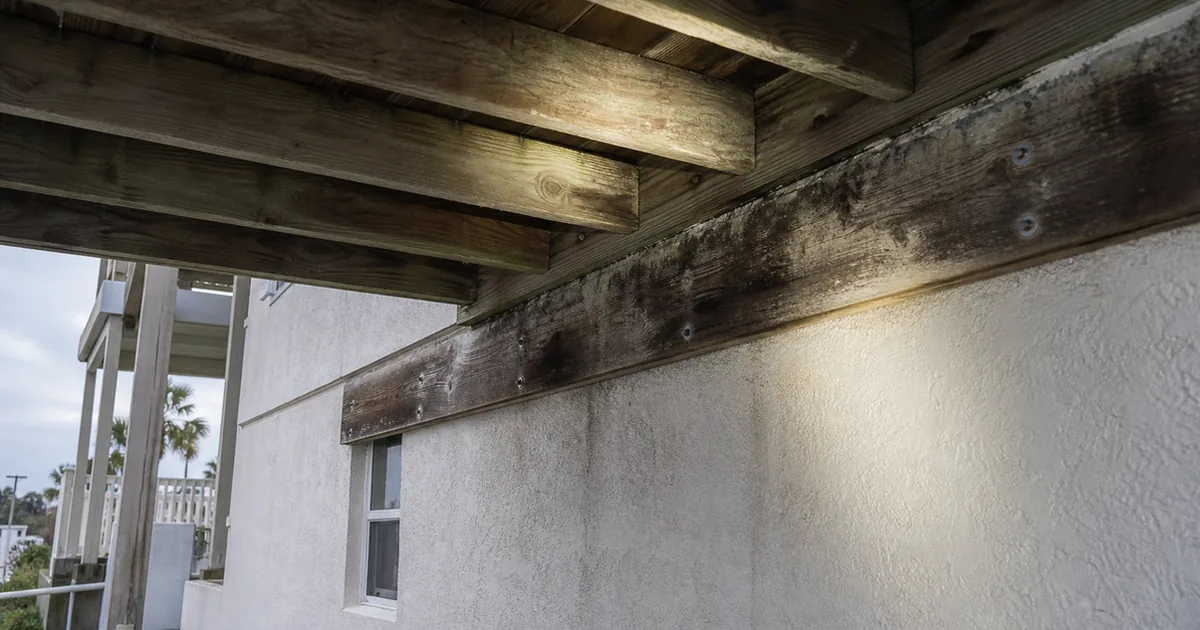
A Manhattan Beach view deck looked perfect and was rotting underneath. Why decks fail, what SB 326 and SB 721 require, the red flags, and the escrow playbook.
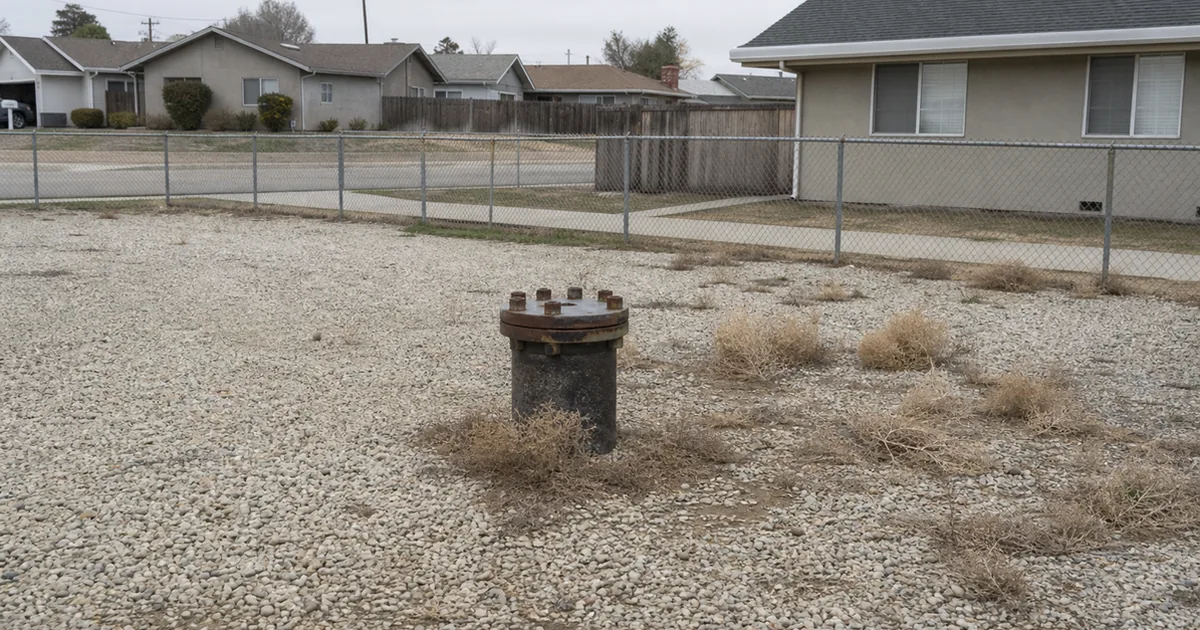
A Torrance home sat over an old oil field with an idle well nearby. Why abandoned wells and methane matter to a South Bay sale, the disclosure rules, and tips.

An Alhambra bungalow still ran on its original gravity furnace. Why old heating systems are a carbon monoxide and cost question, the red flags, and escrow tips.
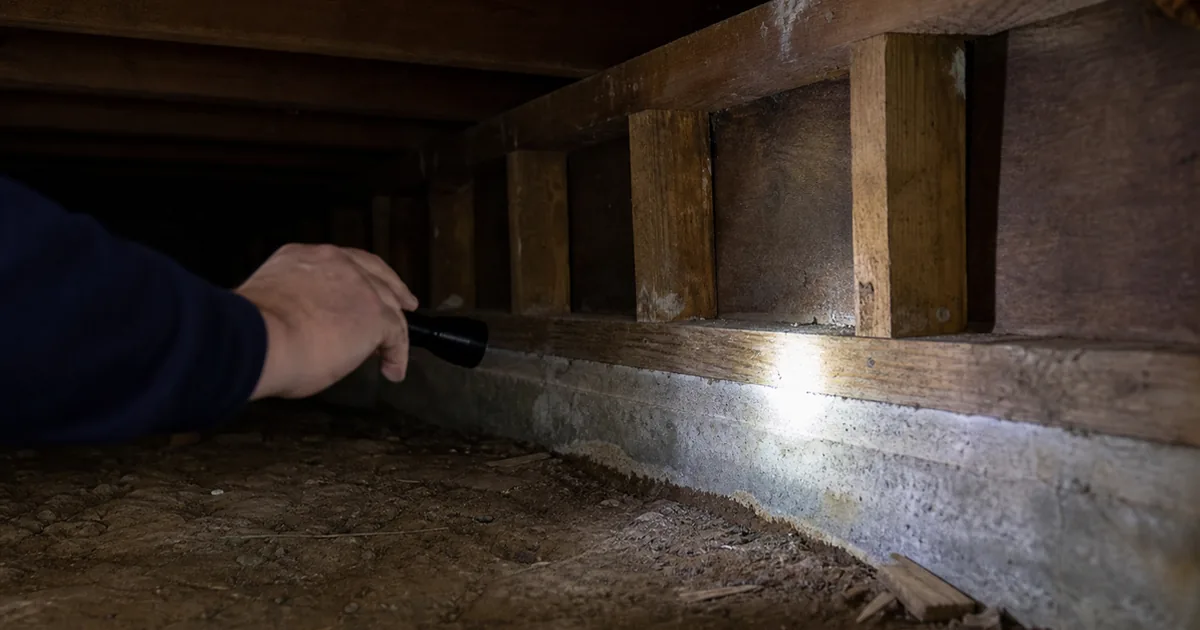
A South Pasadena Craftsman sat unbolted on an unbraced cripple wall near the Raymond fault. Why it matters, red flags, the grant-funded fix, and escrow tips.
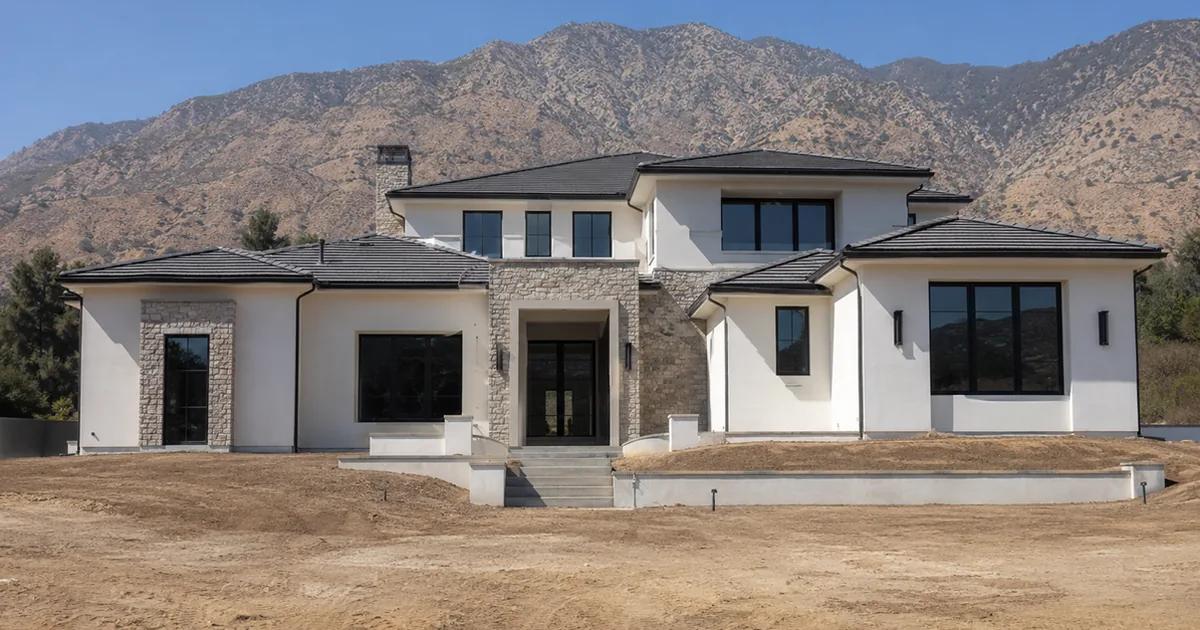
A brand-new Arcadia luxury rebuild looked flawless and still failed inspection. The defects spec builds hide, the red flags, and the escrow playbook.
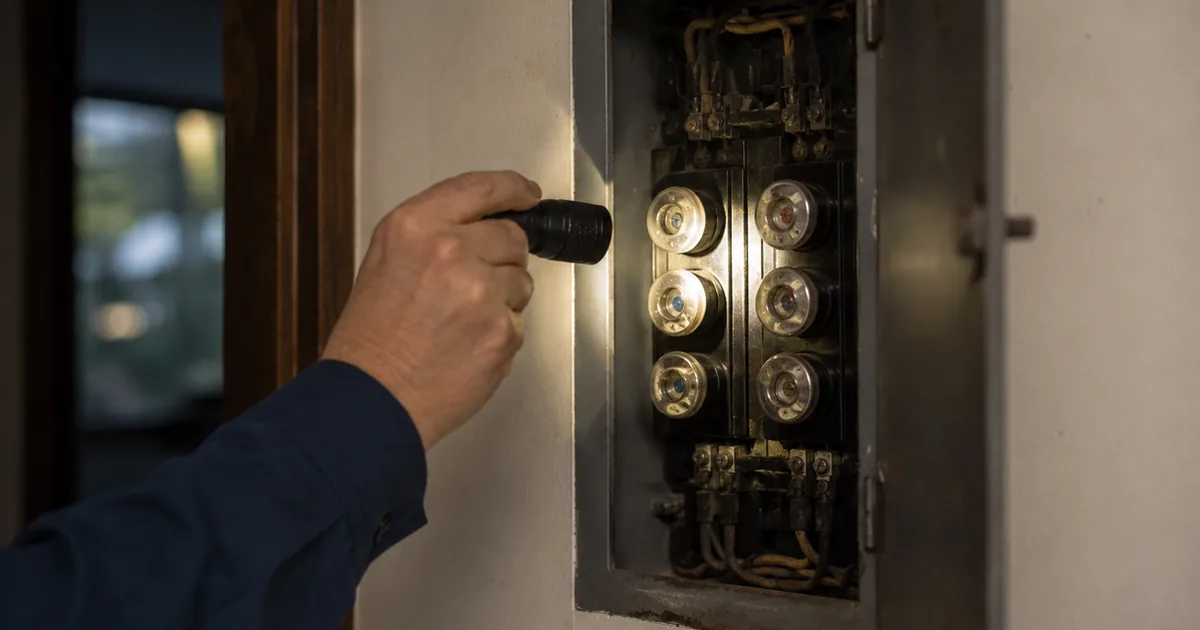
A grand San Marino estate still ran on an undersized service and a fuse panel. Why it stalls deals and insurance, the red flags, and the escrow playbook.
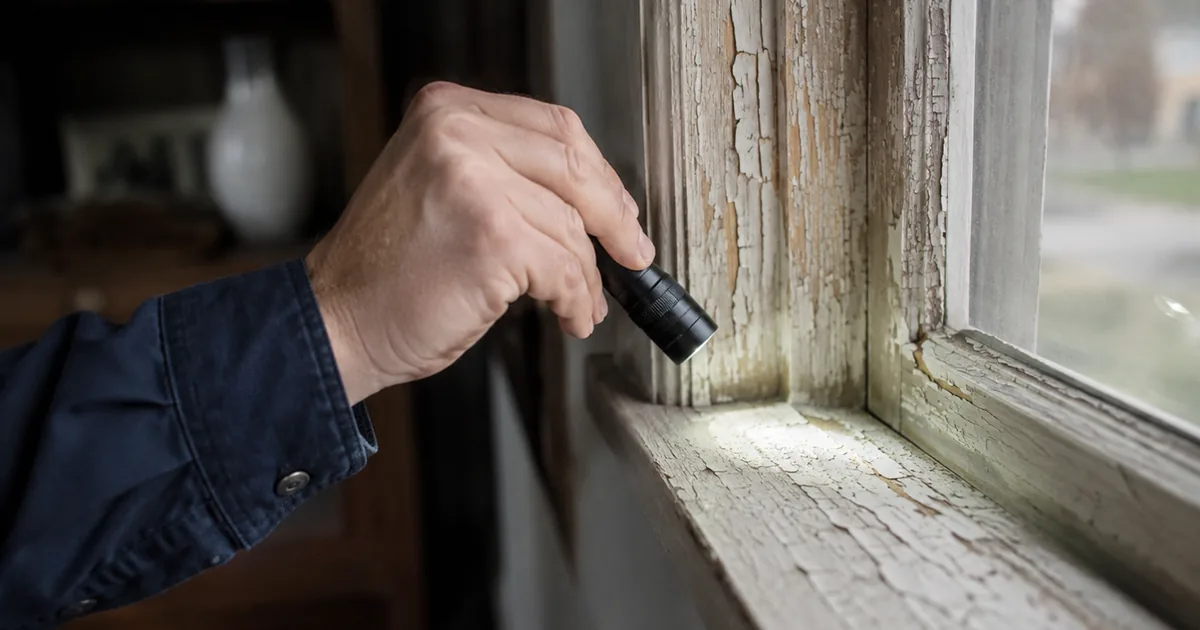
Why pre-1978 Burbank homes carry lead-based paint, the federal disclosure and renovation rules, the showing red flags, and the escrow playbook agents need.
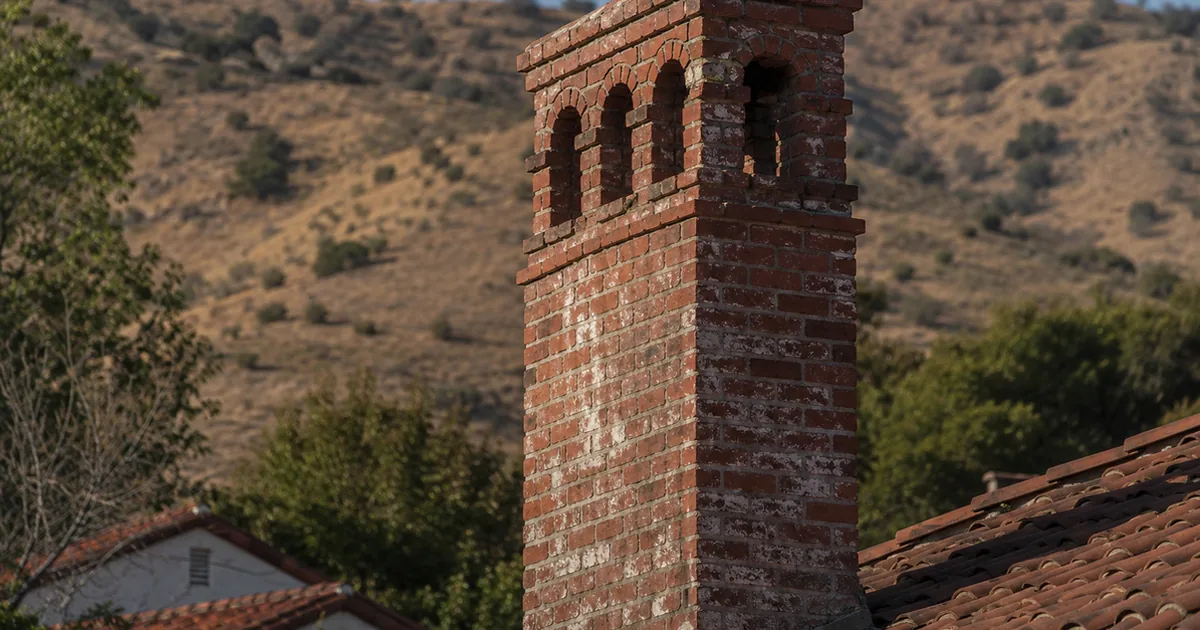
Why older Glendale homes near the Sierra Madre fault carry earthquake-vulnerable masonry chimneys, the showing red flags, and the escrow playbook agents need.
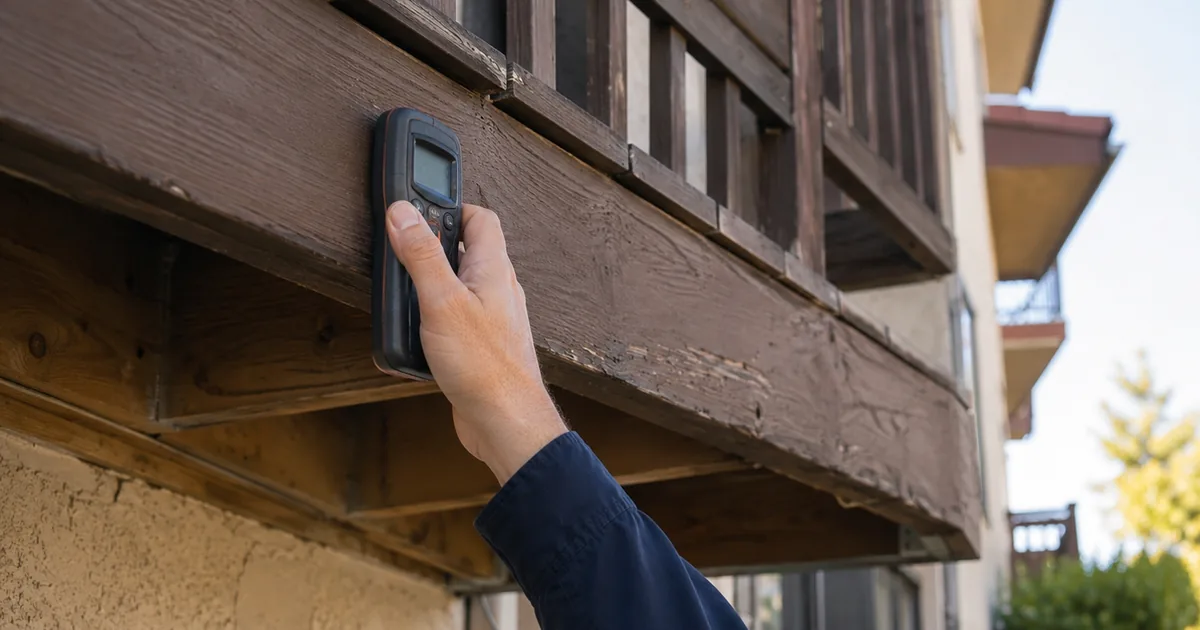
A plain-language guide to the 2025-2026 California laws touching home inspections: balcony inspections, SB 410, Zone 0 wildfire rules, AB 38 and pool safety.
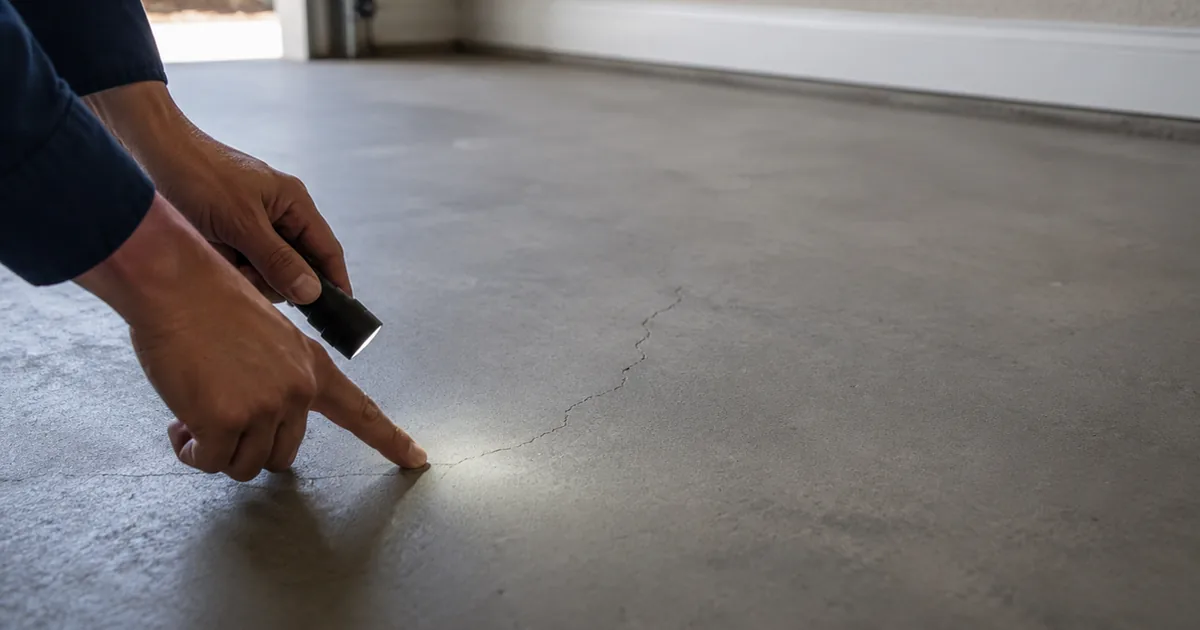
Why Rancho Cucamonga's newer tracts sit on post-tension slabs, the no-cut rule and failure modes buyers must know, the showing red flags, and escrow tips.
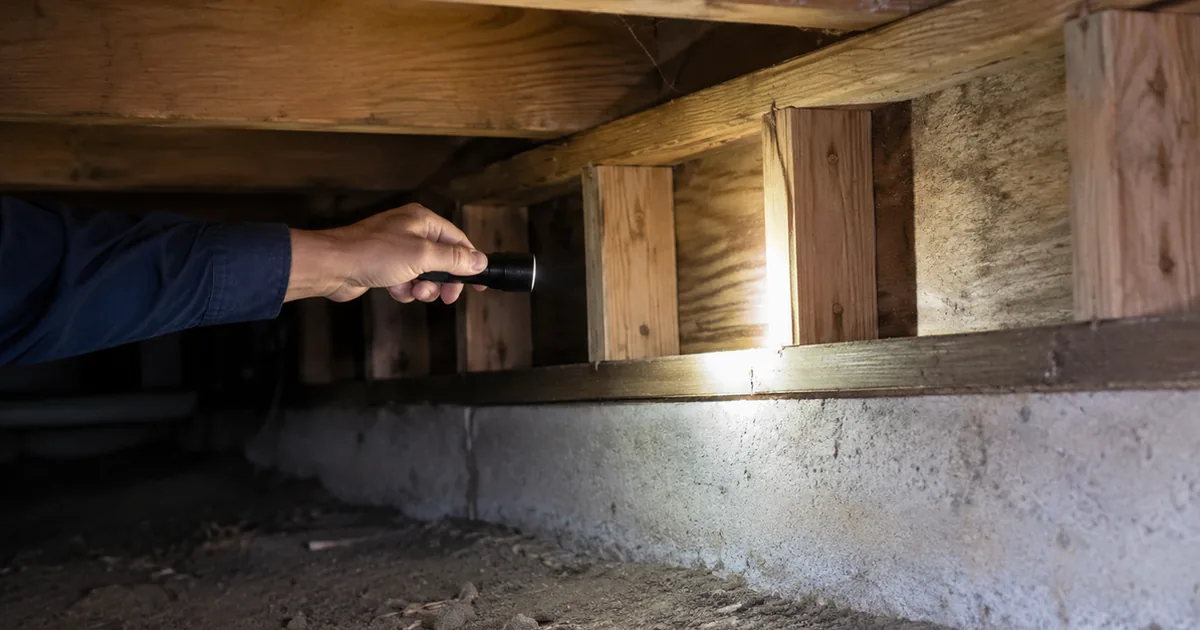
Why San Bernardino homes sit between two major faults on liquefiable valley soil, the showing red flags, and the escrow playbook agents need before closing.
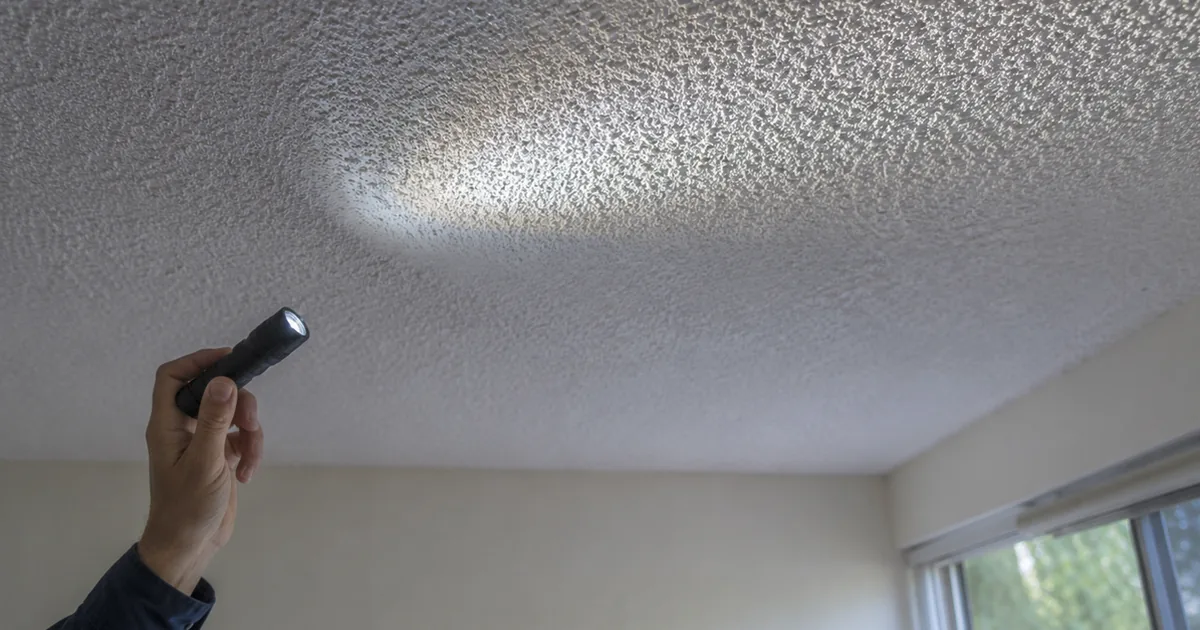
Why Anaheim's 1950s-70s tract homes hide asbestos in popcorn ceilings, floor tile, and duct wrap, the showing red flags, and the escrow playbook agents need.
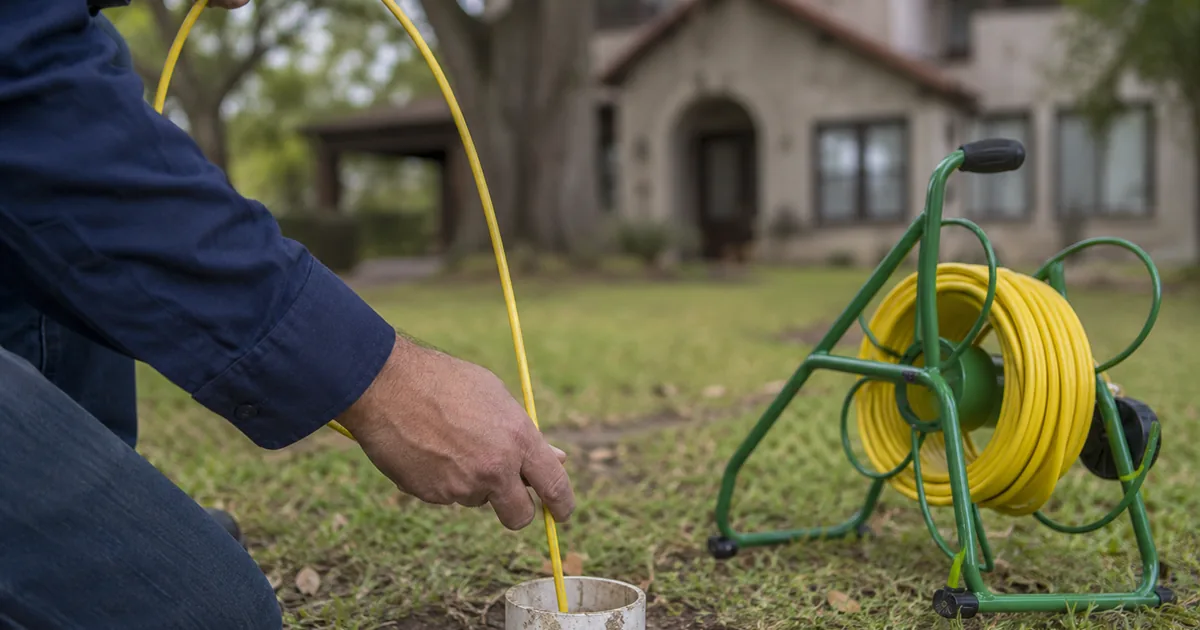
Why Santa Ana's historic-district homes hide failing clay sewer laterals, the showing red flags, and the escrow playbook agents need before closing.
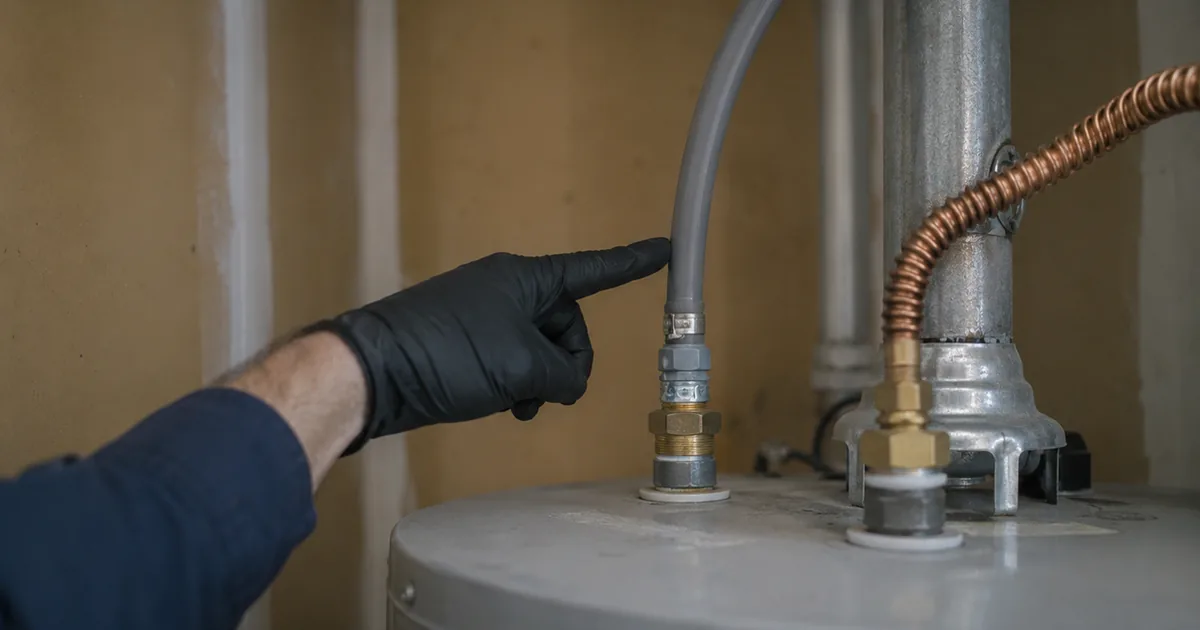
Why late-1980s and early-1990s Chula Vista tracts hide failing polybutylene pipe, the showing red flags, the closed class action, and the escrow playbook.
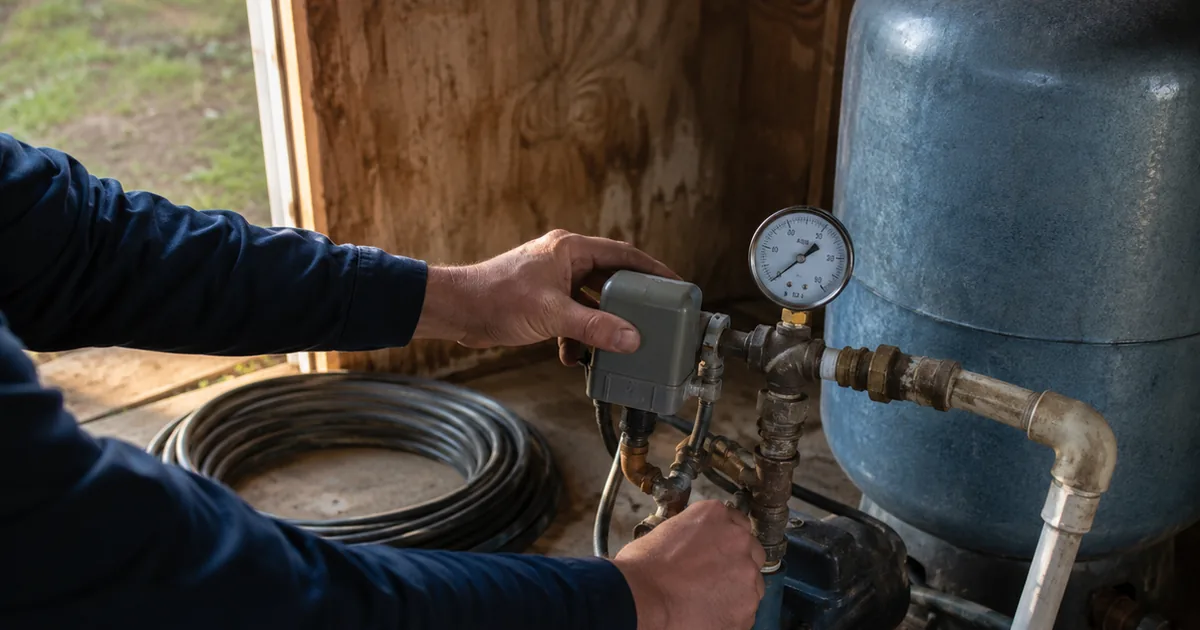
Why Fallbrook's rural avocado-country homes need well, septic, and propane checked beyond a standard inspection, the showing red flags, and the escrow playbook.
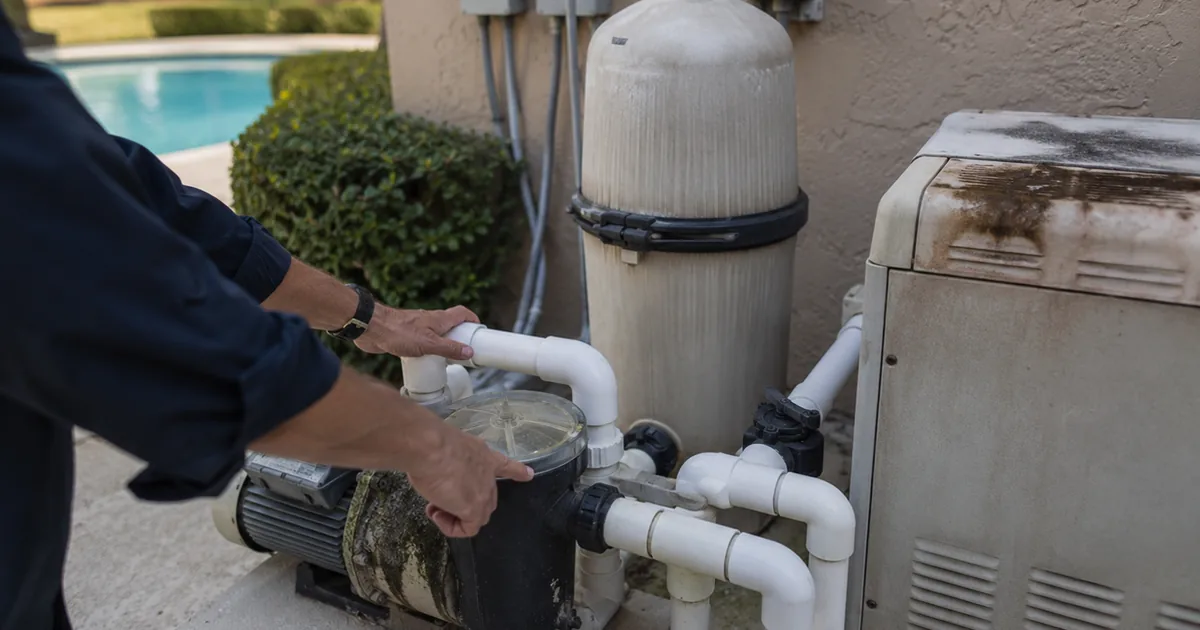
Why Beverly Hills pools hide barrier, drain-entrapment, and equipment problems, the showing red flags, the California Pool Safety Act, and the escrow playbook.
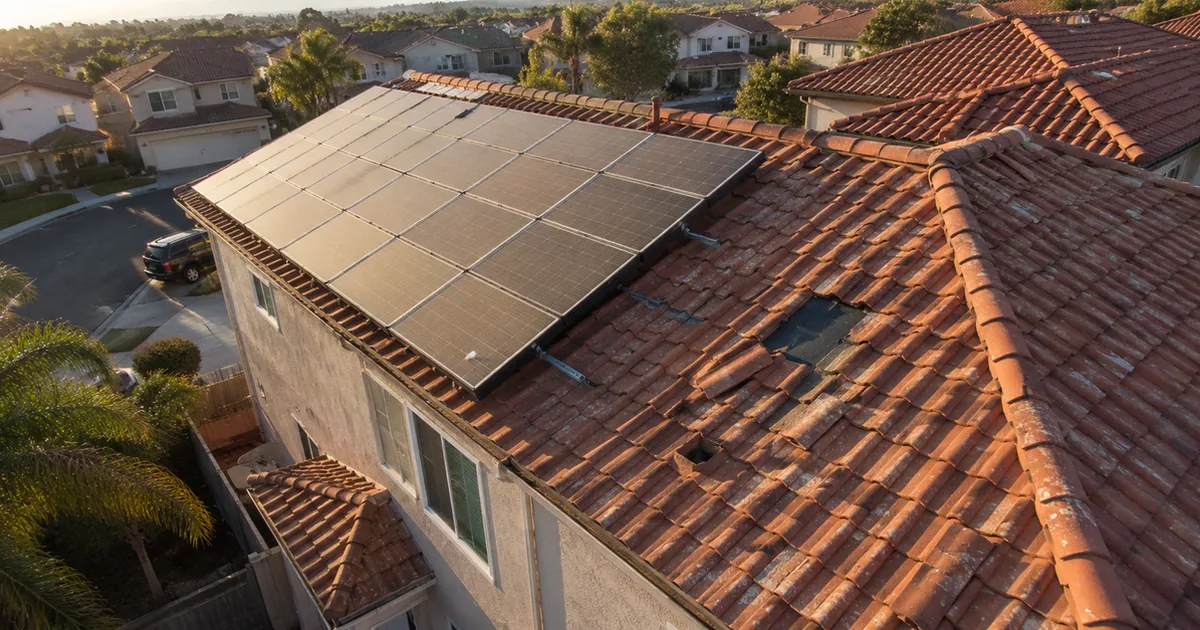
How retrofit solar arrays damage tile roofs and create electrical hazards in Chula Vista homes, and the escrow playbook agents need.
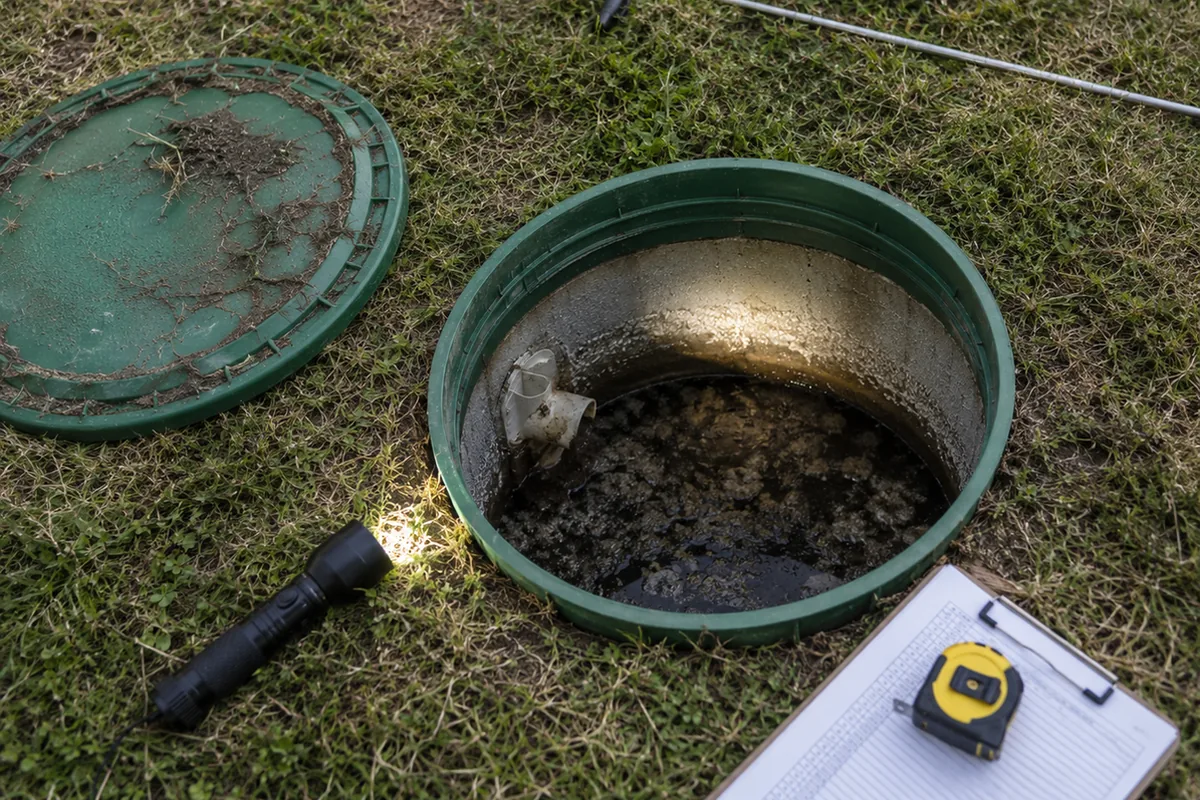
How to sequence well tests, septic inspections, and the general home inspection on Fallbrook rural escrows before the contingency expires.
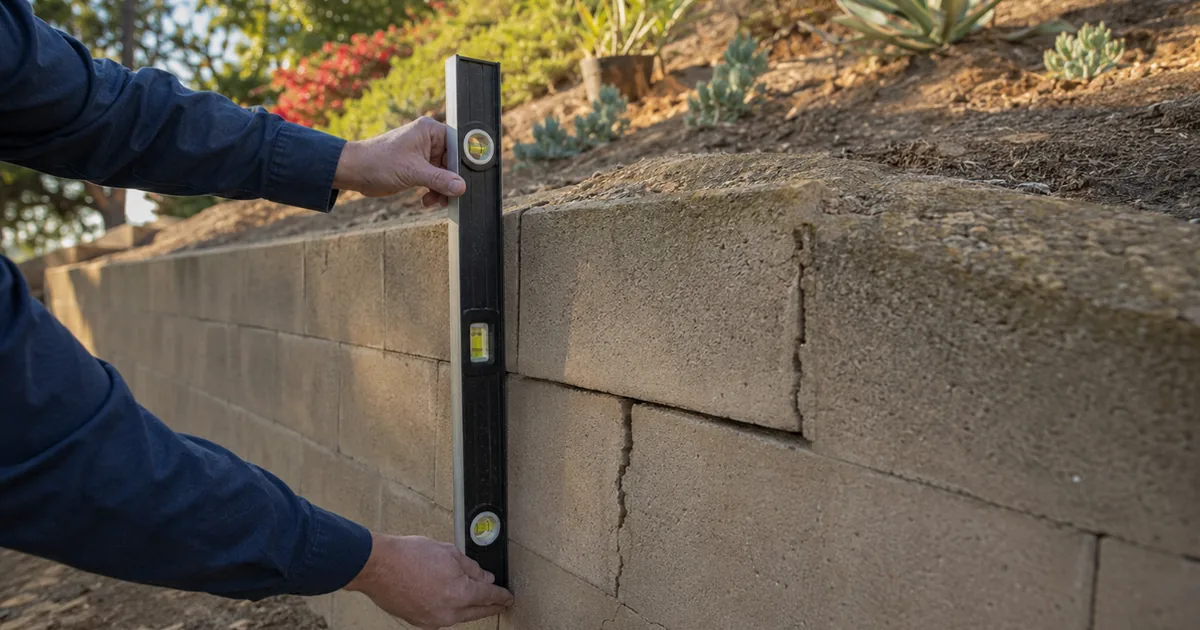
Why Poway's hillside lots hide failing retaining walls and slope drainage, the showing red flags, and the escrow playbook agents need before closing.
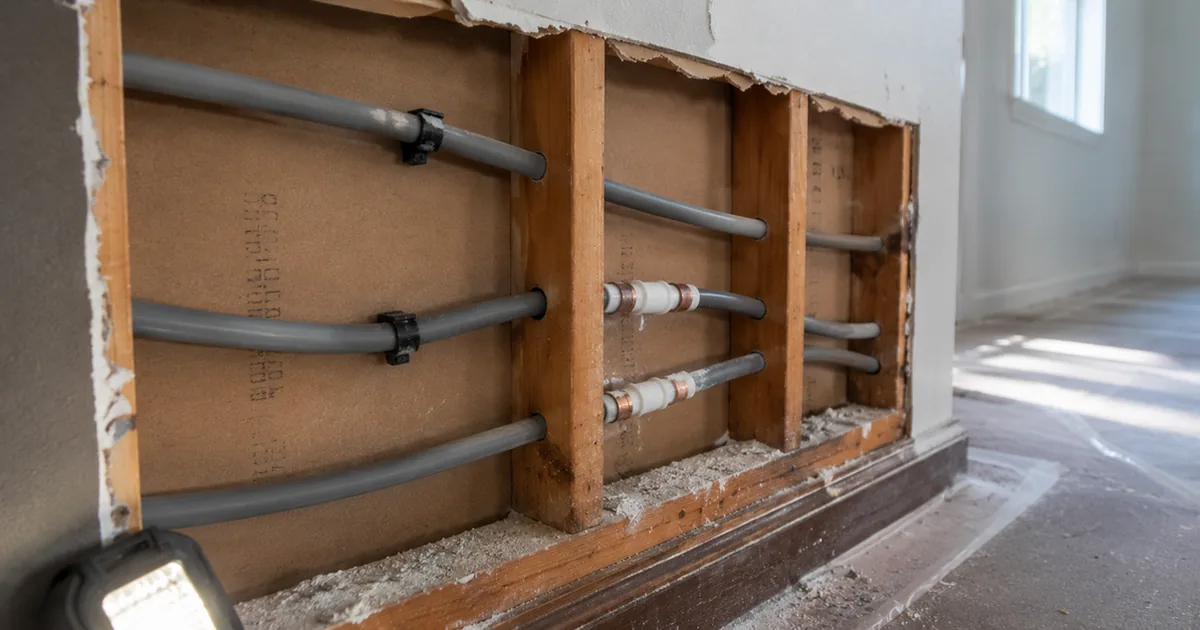
Why polybutylene piping in 1980-1995 Vista homes can stall a deal, the showing red flags, and the escrow playbook agents need before closing.
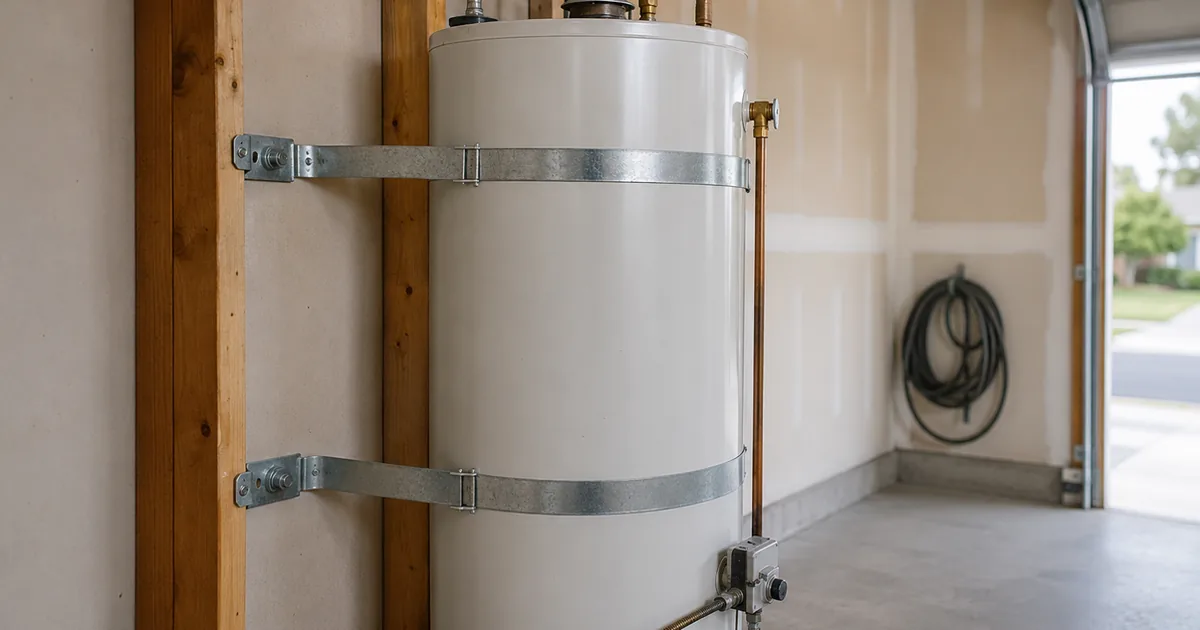
What the Elsinore Fault means for a Murrieta home sale: the Alquist-Priolo disclosure, water heater strapping law, cripple wall retrofits, and escrow tips.
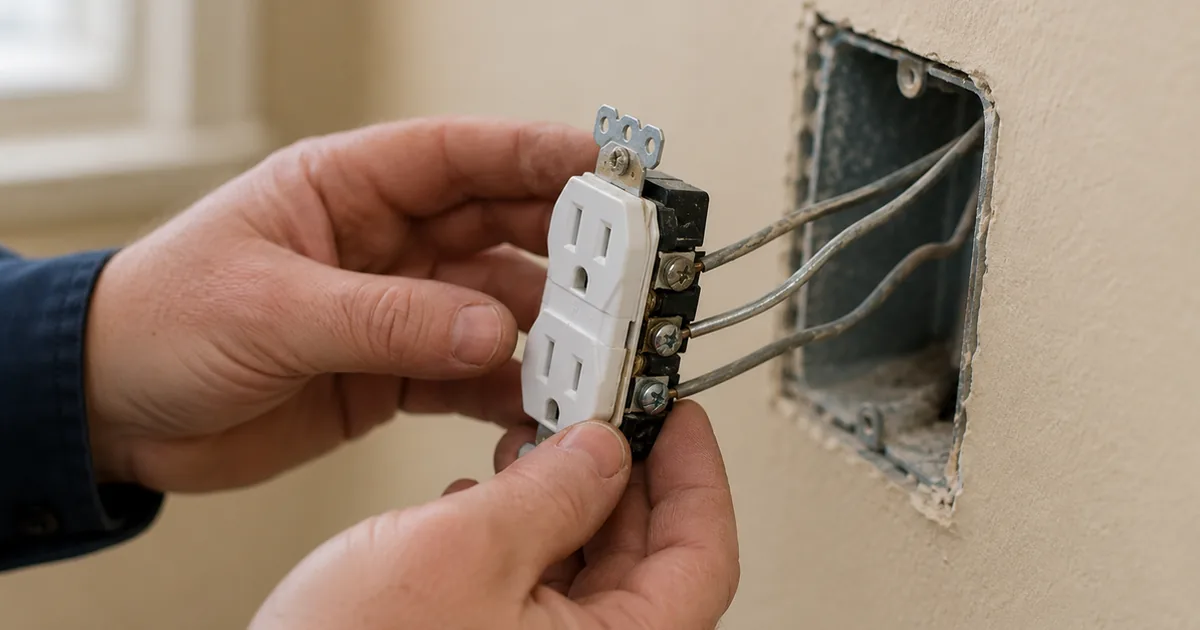
Why aluminum branch wiring in 1965-1973 El Cajon homes can stall a deal, the showing red flags, and the escrow playbook agents need before closing.
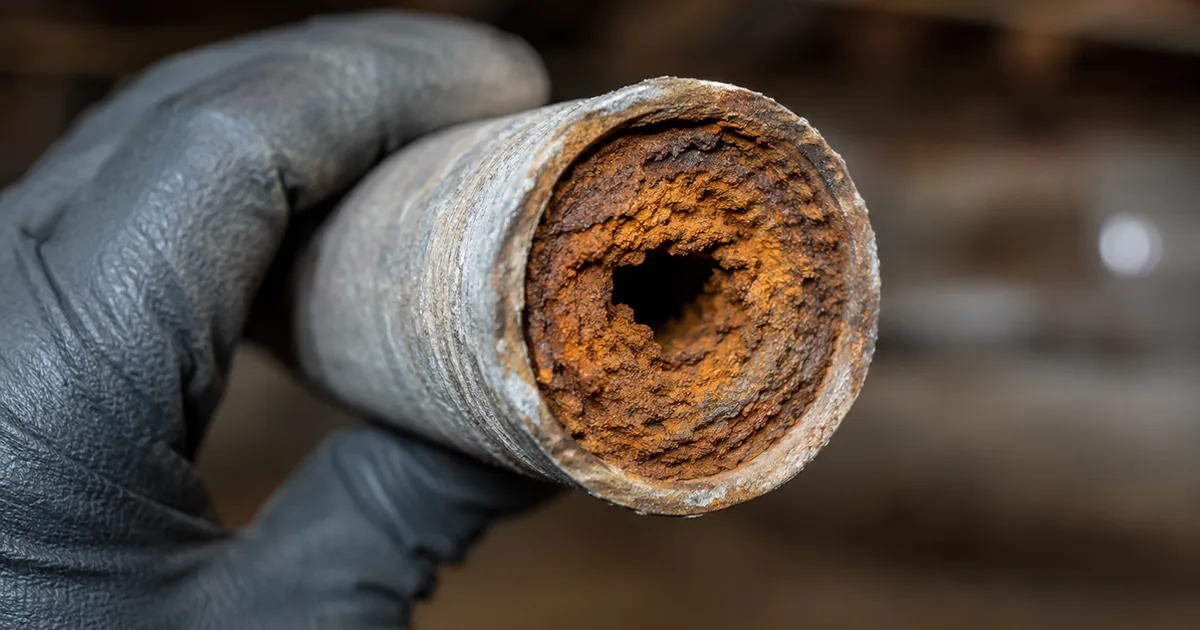
Why pre-1940 Pasadena homes hide failing galvanized supply and cast iron drains, the showing red flags, and how agents handle it in escrow before closing.
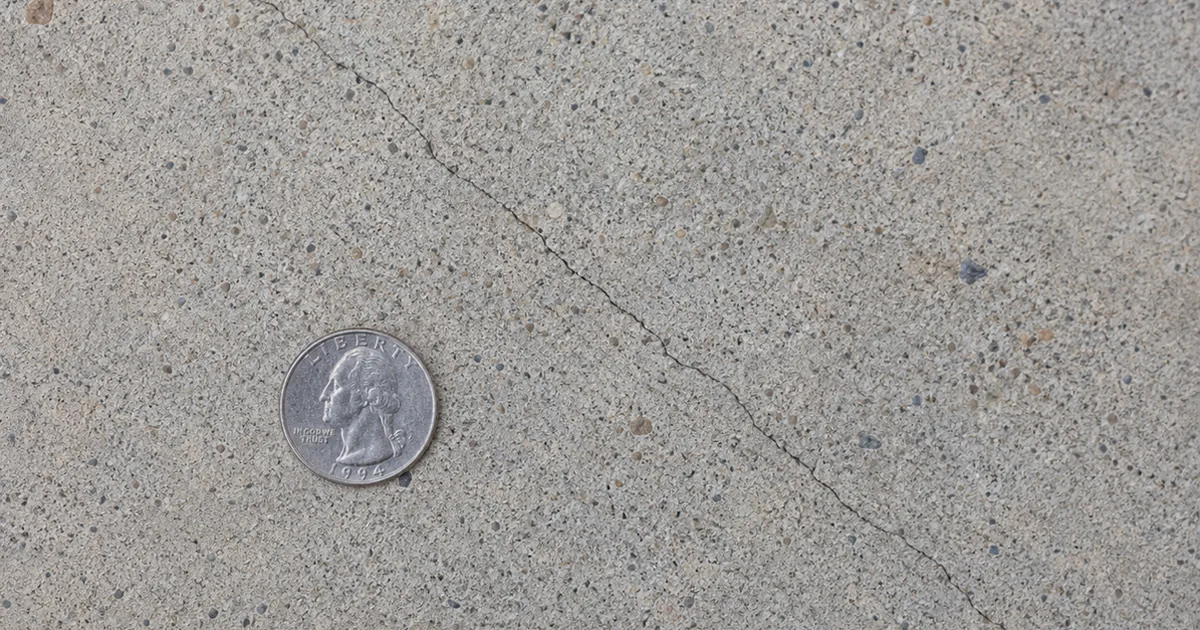
Why Menifee homes on Bonsall clay get foundation movement, the red flags agents can spot at a showing, and how to handle it in escrow.
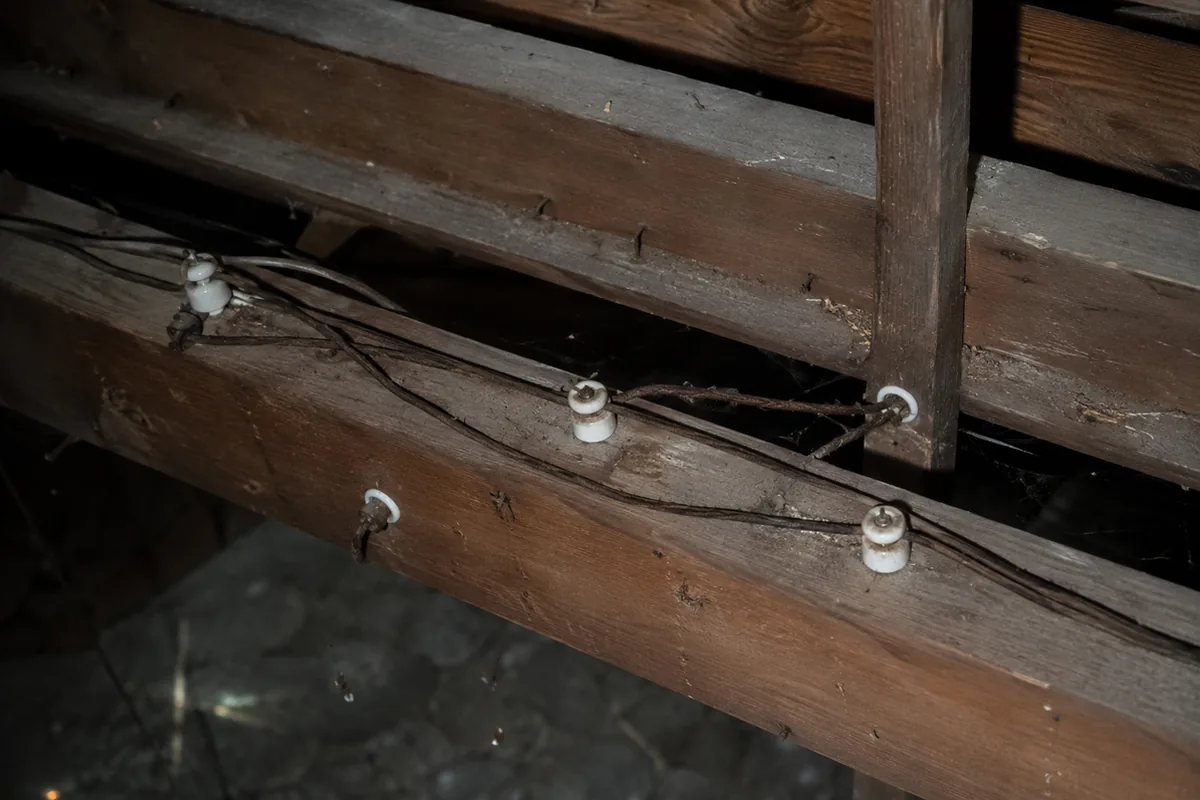
A Coronado Village inspection found active knob-and-tube wiring buried under new insulation. What agents should know about insurance, rewiring, and the deal.
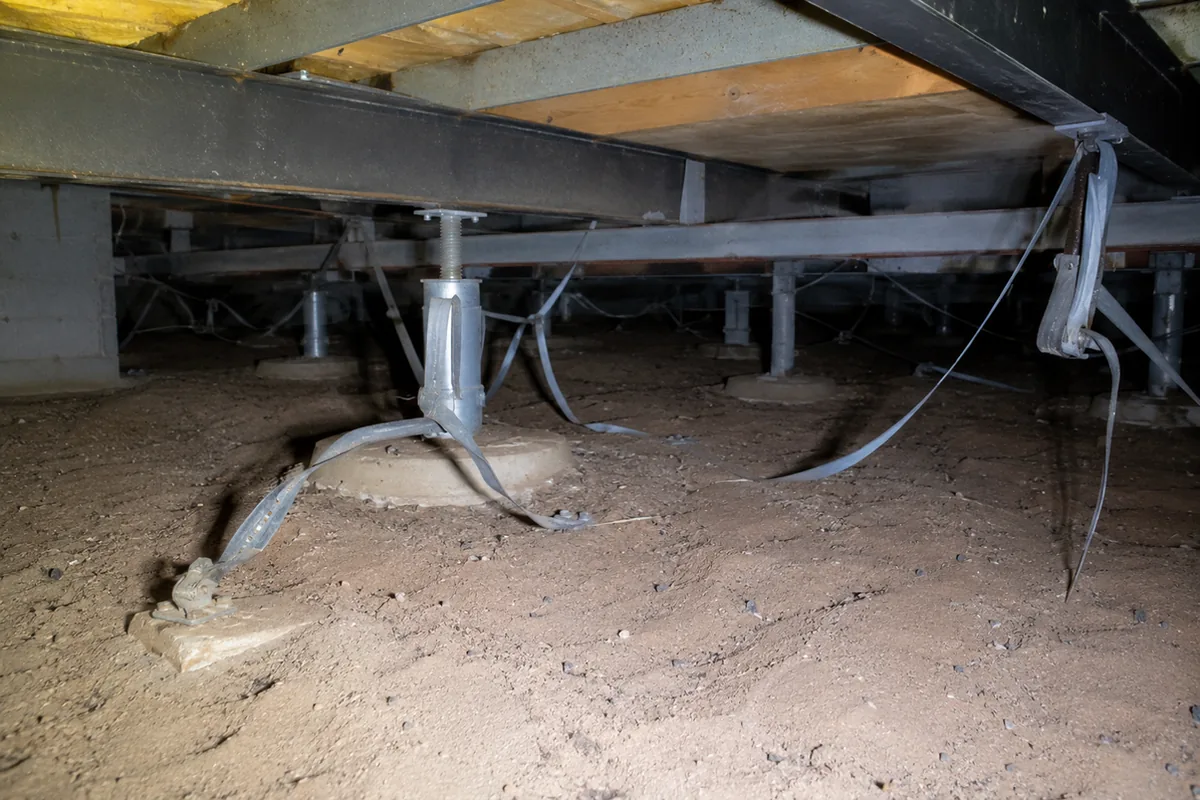
An Oceanside 55+ community manufactured home inspection found missing earthquake bracing and a financing surprise. What agents should know before closing.
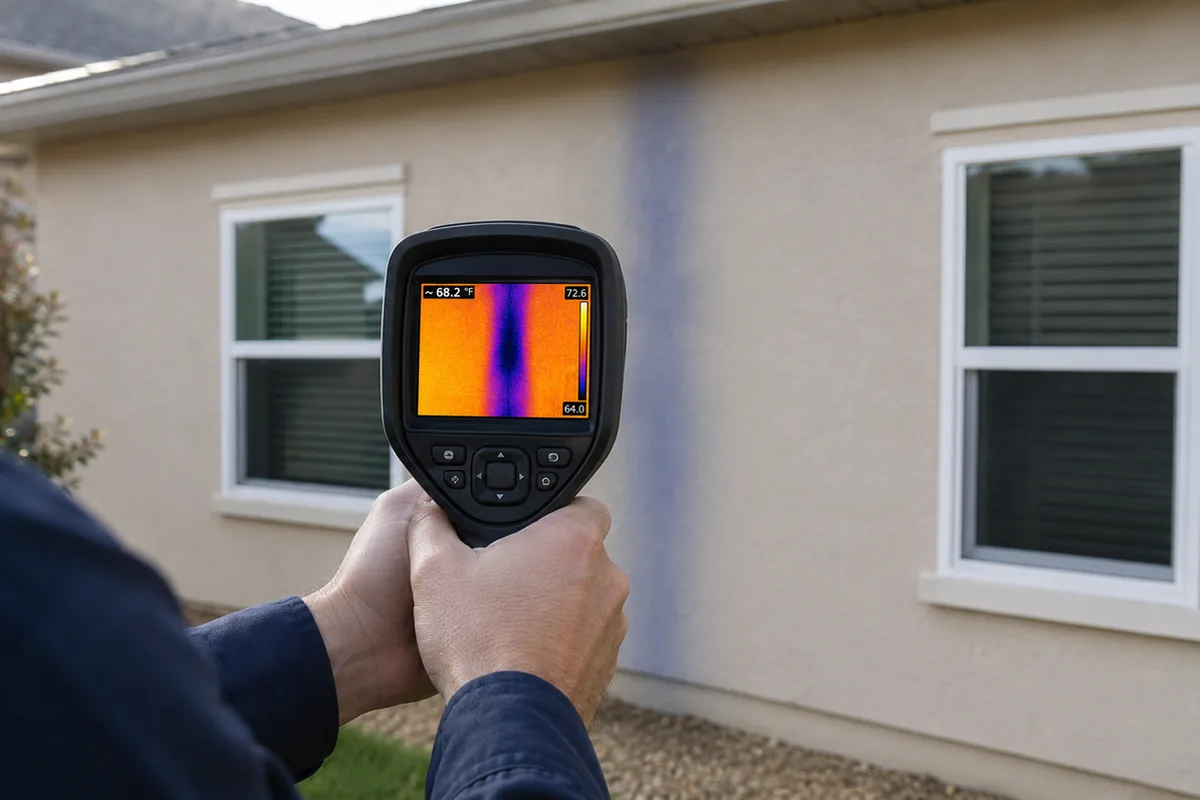
An Encinitas bluff-top inspection caught moisture behind stucco the seller never knew about. What agents working coastal properties should watch for.
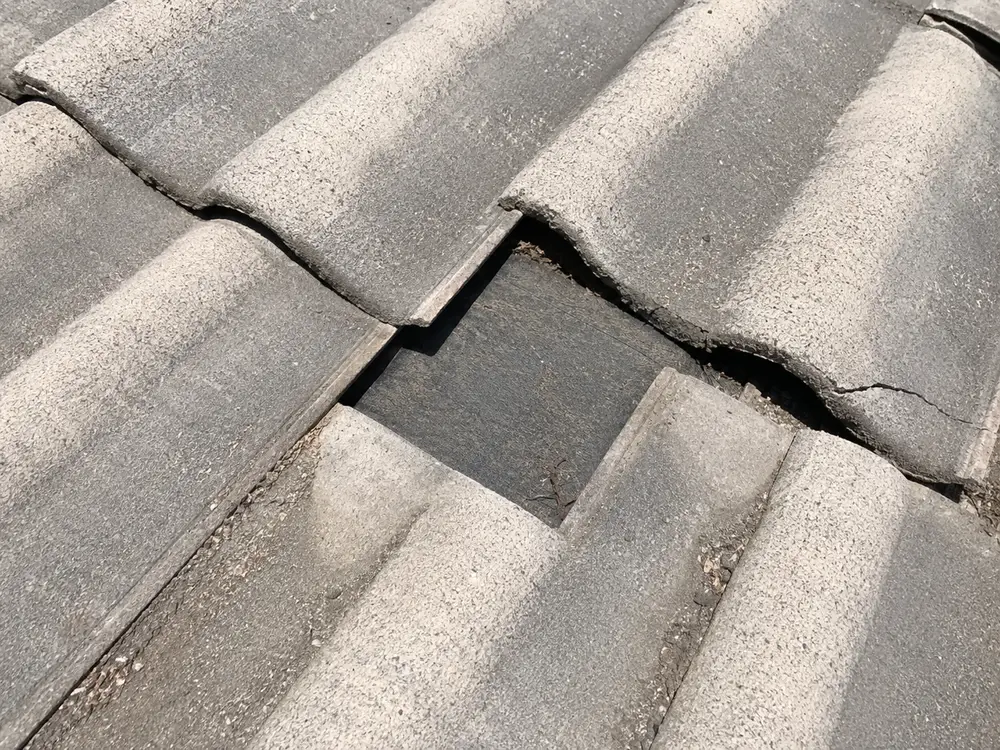
A Riverside tile roof can look clean from the street and still hide failing underlayment. What agents should watch for before the first winter rain.
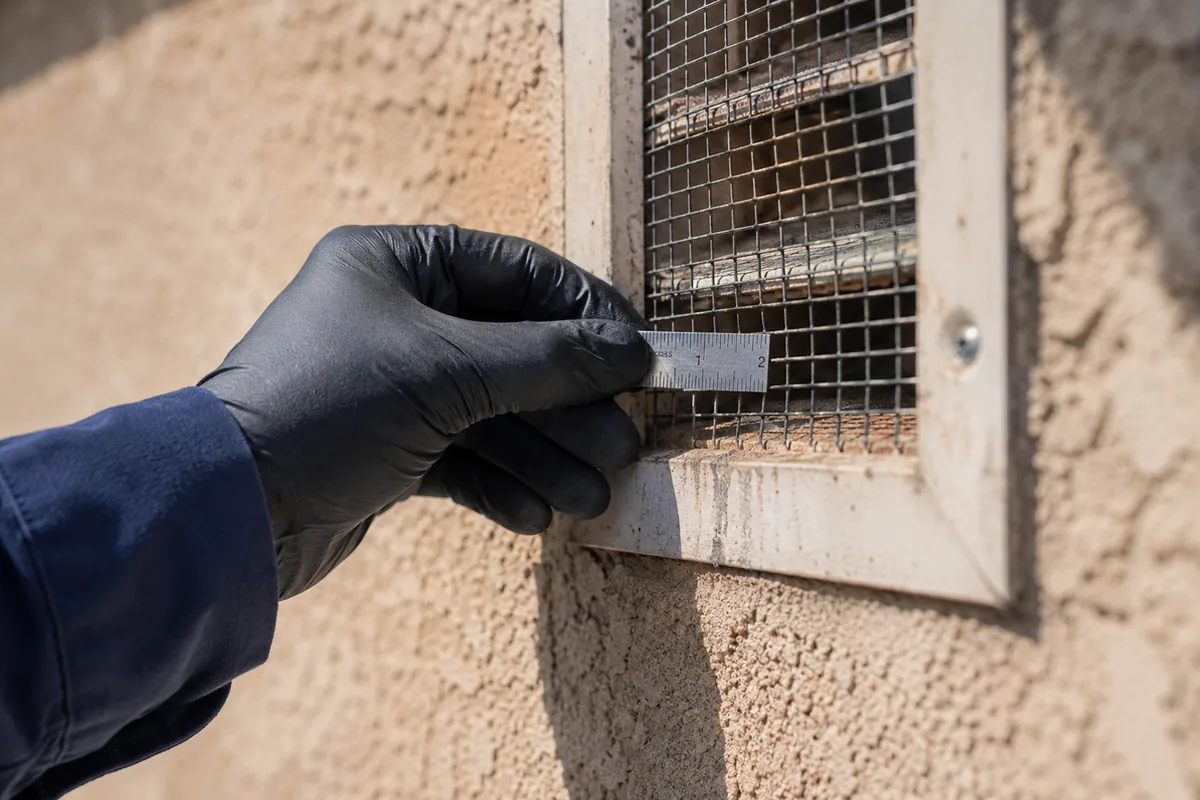
A Wildomar inspection flagged defensible space failures that nearly killed a deal. What agents working fire-zone properties should watch for before escrow.
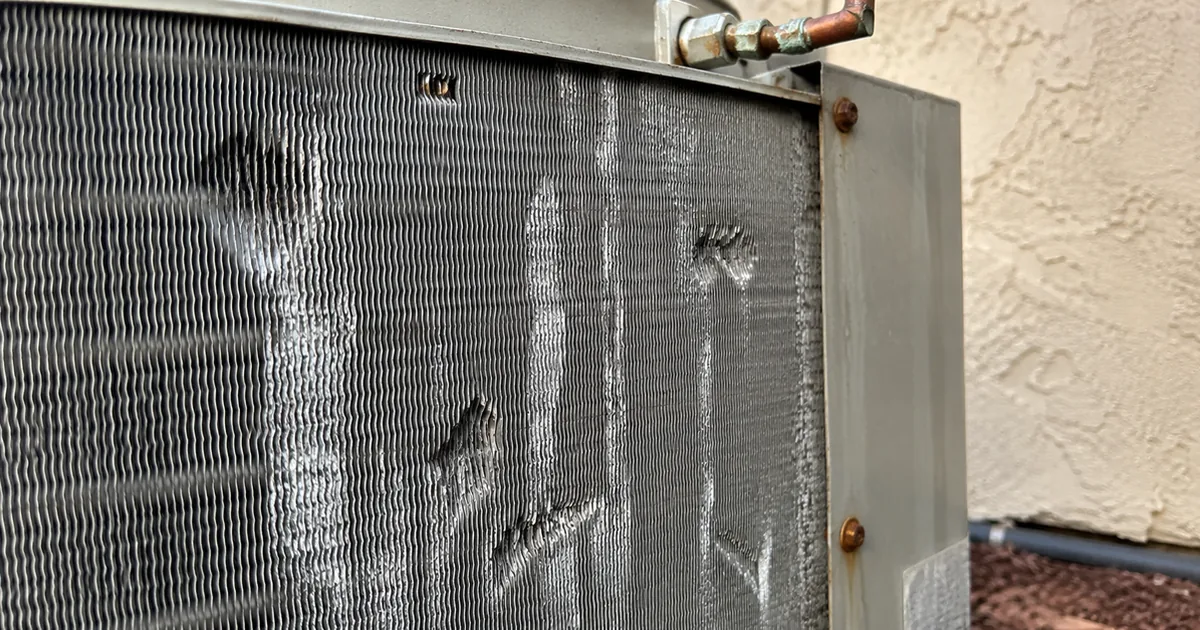
Salt air corrodes Carlsbad AC condensers years faster than inland units. What we found on a coastal inspection, and the agent escrow playbook.
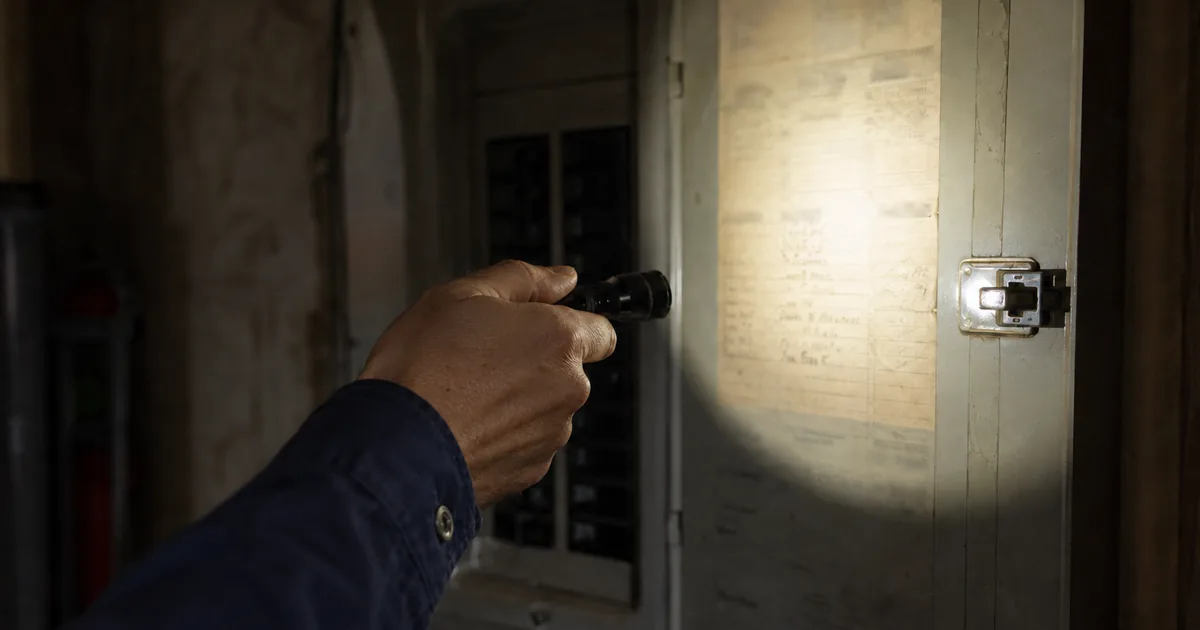
Why a Federal Pacific or Zinsco panel can quietly kill an Escondido home deal, and what real estate agents should do before, during, and after escrow.
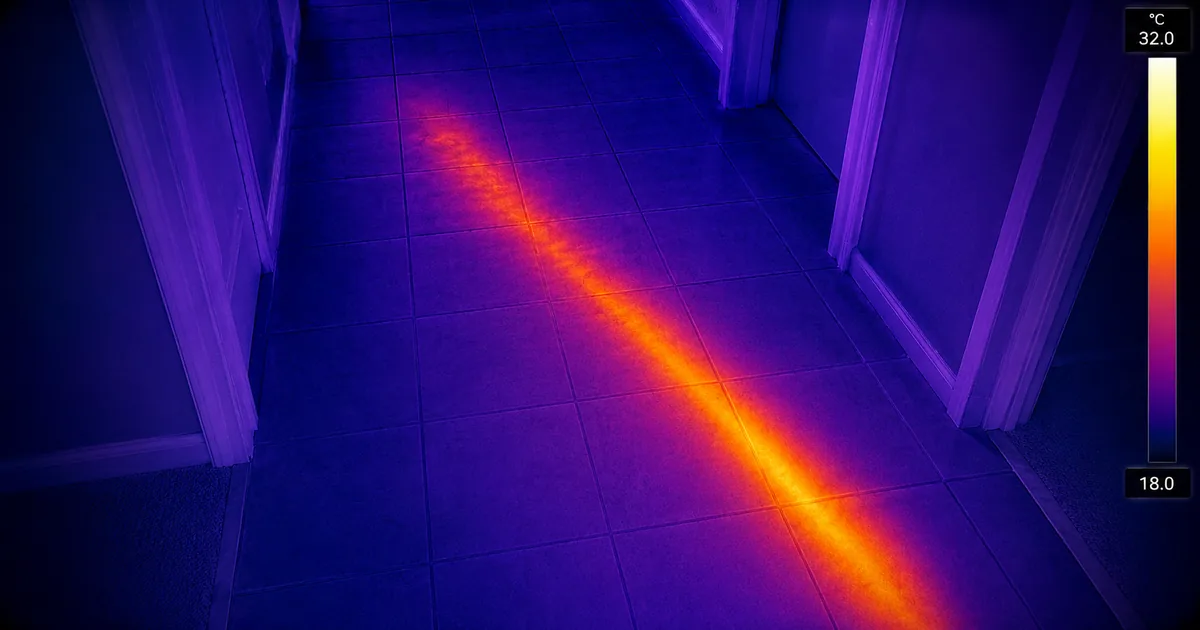
A Lake Elsinore inspection in Tuscany Hills caught a slab leak the seller never knew about. What agents should watch for and negotiate before closing.
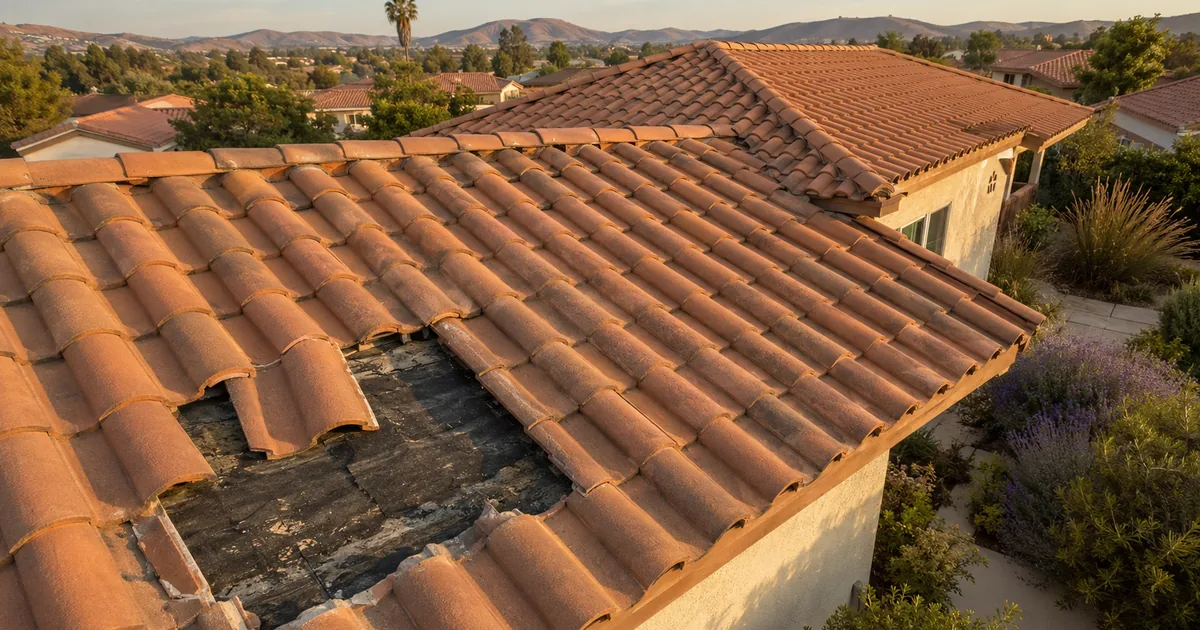
A Murrieta home inspection caught a failing tile roof under perfect-looking tile. What real estate agents should watch for, ask, and negotiate.
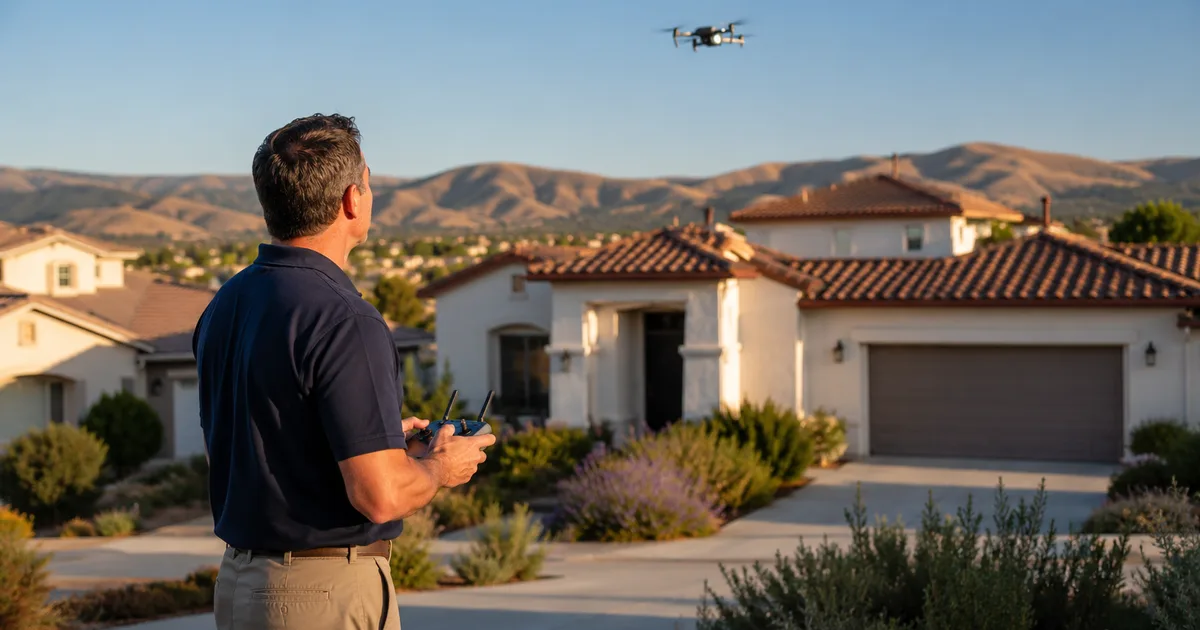
What buyers and sellers in Temecula should know about home inspections: expansive clay, Elsinore Fault, WUI fire zones, hot-summer HVAC stress.
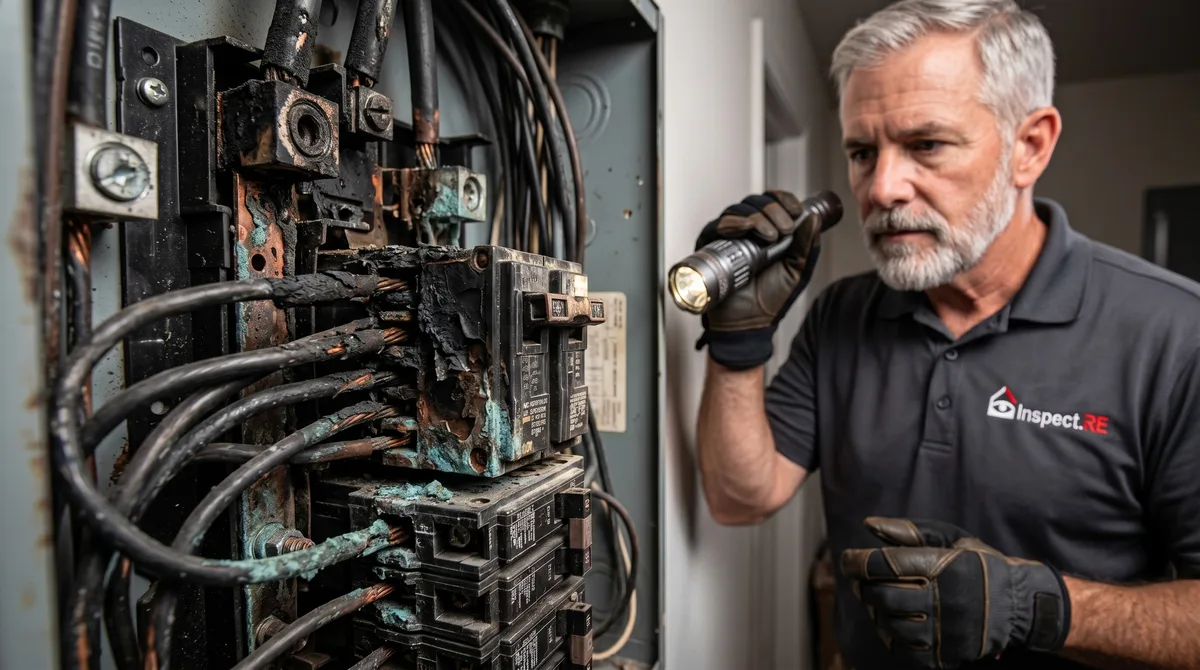
Homes built or remodeled 2001-2009 may contain defective Chinese drywall that corrodes wiring and HVAC. Detection, health risks, and remediation costs.

New homes have defects too. Why a home inspection on California new construction catches issues that city code inspectors miss, and saves you thousands.

A pre-listing inspection helps San Diego sellers avoid surprises and close faster. The 5 most common issues to fix before you list.

Your inspection report just arrived. How to interpret findings, prioritize repairs, and use a California inspection report to negotiate.

Infrared thermal imaging catches hidden moisture, energy loss, and electrical hazards that visual inspection misses. Why it matters in California homes.

A home inspection checklist for Los Angeles buyers. What to look for, which LA-specific issues matter most, and how to negotiate with your report.

What happens during a San Diego home inspection, from foundation to roof, infrared scans to drone footage. Know what questions to ask.
Same-day reports built for tight contingency windows, with 3D tour, drone, infrared, and LIDAR floor plans included.
Schedule Your Inspection Today