Soft Wood, Dark Stains: A Toluca Lake Wood Decay and Fungal Rot Guide for Agents
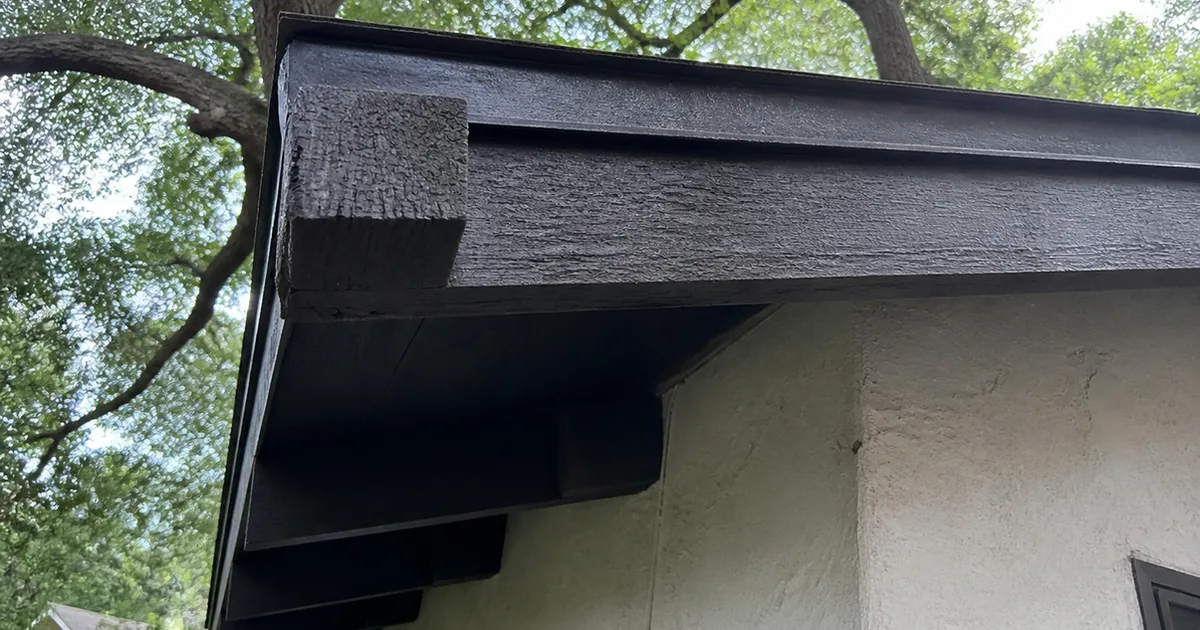
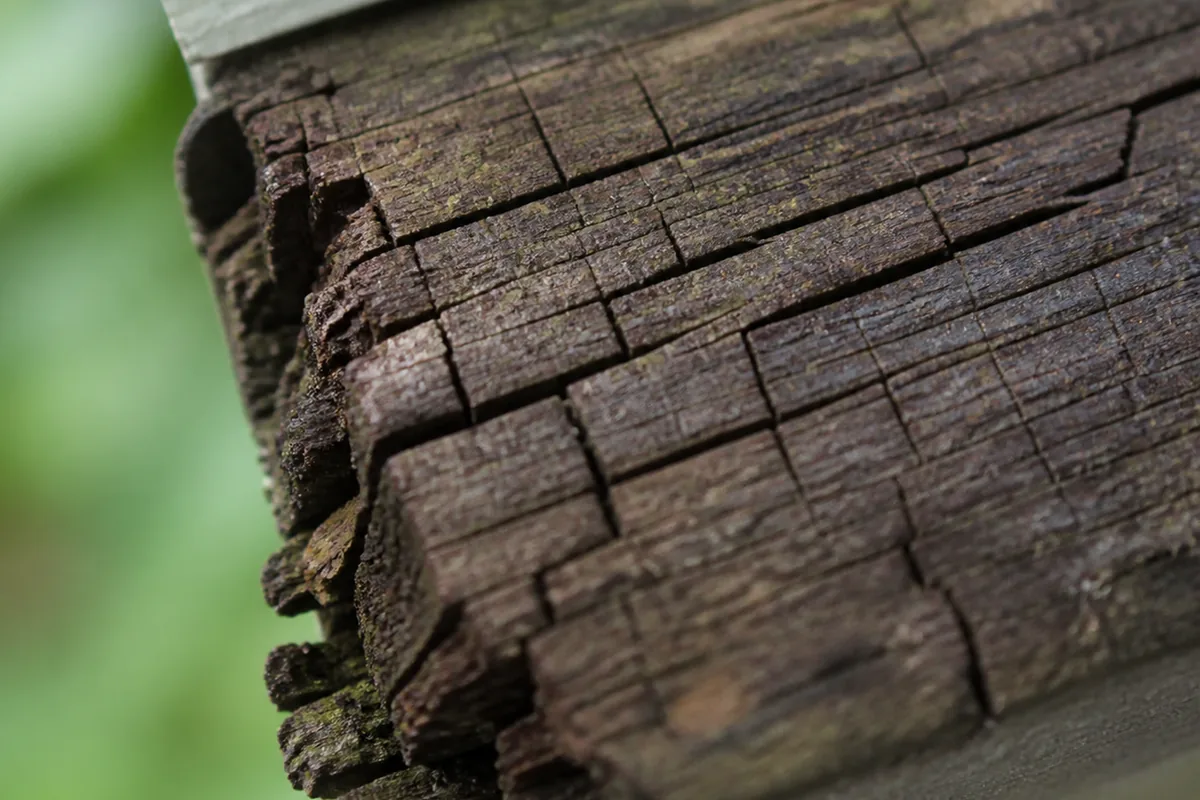
The rafter tail looked fine from the driveway, a row of exposed, decoratively cut ends running along the eave of a 1930s period-revival home, the kind of detail buyers photograph for their own listing someday. Up close, on a ladder, the story changed. The last eight inches of that rafter tail gave under a blunt awl with almost no resistance, the wood collapsing into a spongy, fibrous mush instead of splintering the way solid lumber does. The surface nearby showed a pattern of small rectangular cracks running across and along the grain, like the wood had shrunk into a grid of little blocks. There was no insect damage anywhere in reach, no mud tubes, no frass, no exit holes. The wood had simply rotted, quietly, under a canopy of trees that had not let that eave see direct sun in decades.
We are describing this as a composite of a pattern we see repeatedly on Toluca Lake’s shaded, mature-canopy lots, not one identified property or job. It comes up often enough on this city’s older housing stock that every agent working here should understand what it actually is, because it is not the same thing as a termite finding, and treating it that way misses both the real cause and the real fix.
This guide is for the agent working Toluca Lake and the surrounding communities we also serve, including nearby North Hollywood, Studio City, and Valley Village, where the same mature canopy and pre-war construction show up on lot after lot. Here is why this is a real, checkable pattern in Toluca Lake, what wood decay actually is, where it hides, and how it differs from the termite report a buyer already expects to see.
Why this matters for the agent
Toluca Lake’s identity is built on its trees and its age. The neighborhood’s period-revival character homes, Spanish, Tudor, and Colonial styles built mostly from the 1920s through the 1940s, sit under decades of mature canopy that has grown up and filled in over the same span of time. That canopy is a genuine amenity, it is a large part of why the streets photograph the way they do, and it is also exactly the condition that lets wood decay fungi establish themselves and keep working for years without anyone noticing.
Add the private lake itself, which keeps the ground on the closest lots wetter than the surrounding flats, and Toluca Lake stacks two of the three ingredients wood decay fungi need directly on top of a housing stock old enough to have accumulated real wear. The third ingredient, the wood itself, is everywhere: original eaves, fascia, window and door trim, deck framing, and crawlspace sills that have never been replaced.
What wood decay fungi actually need to grow
Wood decay, commonly called dry rot even though the fungi that cause it need moisture to survive, requires three things at the same time, and removing any one of them stops the process.
- Sustained moisture. Decay fungi need wood moisture content above roughly 20 percent, sustained over time, not a single wetting event. A board that gets wet and then dries out quickly does not decay. A board that stays damp because it sits in shade, traps water against another surface, or has no way to shed rain does.
- A food source. The wood itself is the food. Fungi break down the cellulose and lignin that give wood its strength, which is why decayed wood loses structural integrity even when it still looks intact from a few feet away.
- Limited airflow and low light. Decay fungi favor dark, still, poorly ventilated conditions. Direct sun and moving air dry wood out fast enough to keep moisture content below the threshold most of the time. Shade and dead air let moisture linger.
Toluca Lake’s mature canopy directly suppresses two of these three factors, sun exposure and airflow, on large sections of roof eave and exterior wall that would otherwise dry out between rain events. The lake’s wetter ground supplies the first factor, moisture, on the closest lots. That combination is the actual mechanism behind this article’s local angle, not a generic claim that old houses rot.
Where it commonly shows up
On a typical Toluca Lake inspection, wood decay concentrates in a predictable set of locations, almost always tied to shade, trapped moisture, or both.
- Eave and rafter tail ends, and fascia boards, especially under a dense, overhanging tree canopy that blocks direct sun and holds humidity against the wood for hours after every rain.
- Deck ledgers and structural framing members trapped against damp siding, or built without any ventilation gap behind the ledger board, a detail original construction often skipped entirely.
- Window sills and door thresholds where caulking or paint has failed, letting water sit against bare wood at the lowest, most exposed point of the opening.
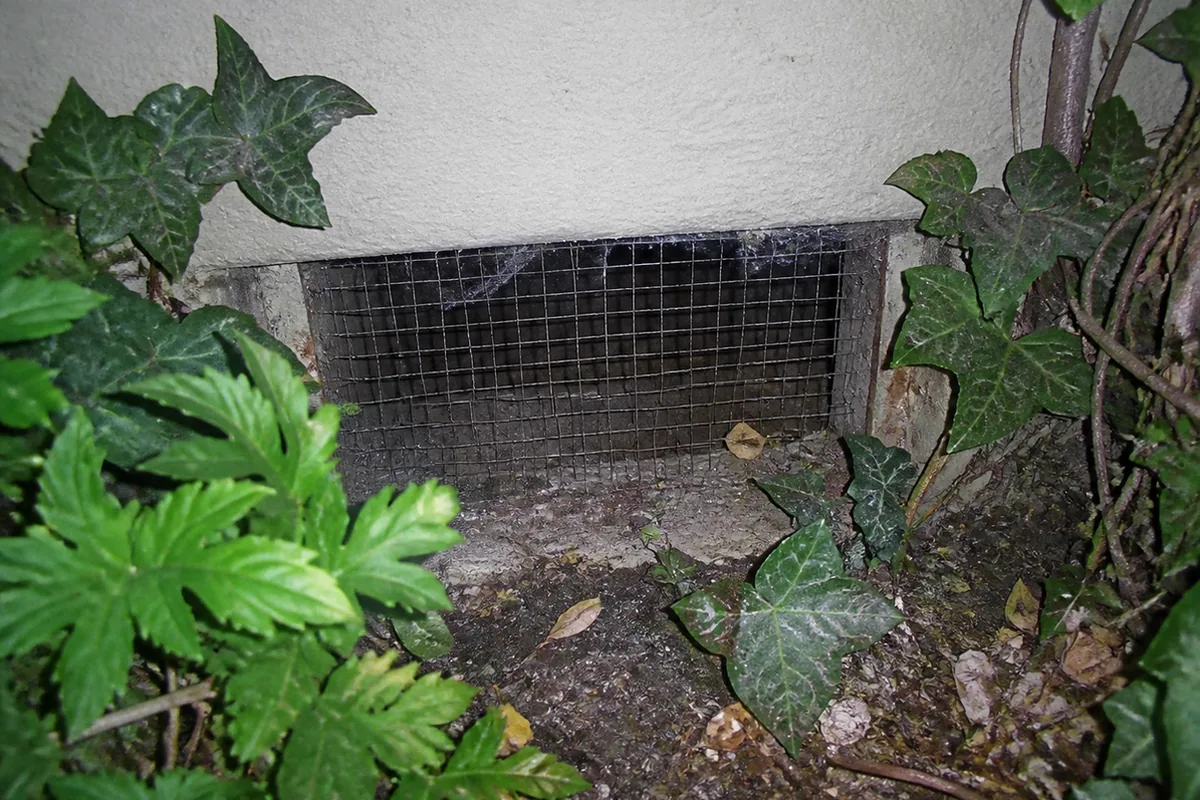
- Crawlspace framing and sill plates, particularly in a shaded, poorly ventilated foundation area where crawlspace vents are undersized, blocked by landscaping, or simply too few for the square footage above.
- Exterior wood trim and siding behind dense landscaping, mature shrubs and hedges planted close to the house decades ago that now block sun and airflow against a wall section that never fully dries.
How an inspector actually checks for it
A visual inspection cannot see inside a wall or a rafter tail, but it can reliably find decayed wood at the surface using the same simple test every time: probing suspect wood with a blunt tool or an awl and reading how it responds. Solid wood resists the probe and the tool tip barely marks the surface. Decayed wood gives with little or no resistance, feeling soft, spongy, or crumbling, sometimes sinking in far enough that the probe leaves a visible depression.
Beyond the probe test, a handful of visual cues point to decay before a tool ever touches the wood: a cuboidal cracking pattern, small rectangular cracks running both with and across the grain, giving the surface a checkerboard look; dark staining that does not match surrounding, unaffected wood; a musty, damp-basement odor near the affected area; and, in advanced cases, visible fungal fruiting bodies, small shelf-like or mushroom-like growths on the wood surface itself.
None of these signs require lab testing to document. They are visible, checkable findings that belong in every exterior and crawlspace section of a Toluca Lake inspection report.
Before we get to what this is not, one CTA worth keeping handy: see what every inspection includes →
The critical distinction from the WDO termite report
Every escrow in California with a loan involved typically includes a separate, licensed Structural Pest Control Board inspection, the WDO report, that covers wood-destroying organisms. It is important to say plainly: that report already includes fungus and dry rot. A licensed WDO inspector’s Section 2 findings on the standard form cover conducive conditions and active fungal decay right alongside subterranean termites, drywood termites, and wood-boring beetles. This article is not telling agents that decay is a gap the WDO report misses.
What this article does that the WDO report does not is explain the decay mechanism itself, in enough depth that an agent can talk a buyer through it, and identify why a shaded, tree-heavy property like a typical Toluca Lake lot carries elevated risk for this specific finding compared to a sunnier, more open lot elsewhere. Our Monrovia wood-destroying organisms and WDO report guide covers the escrow process itself, the difference between Section 1 and Section 2 findings, the Further Inspection box, and the two-year public-record search across all three organism categories generically. This guide complements that one rather than duplicating it: Monrovia is about the report process, this is about the fungal mechanism and Toluca Lake’s specific canopy-driven exposure.
What agents should tell every buyer
- A soft or spongy spot on exterior wood trim, an eave, or a deck member is worth documenting even before any pest report arrives, because decay is a moisture problem first and a wood-repair problem second.
- This is not automatically a termite finding. Wood decay fungi and wood-destroying insects are different organisms with different causes, even though a buyer’s WDO report will address both.
- The location matters as much as the finding. Decay concentrated under dense canopy or against damp siding points directly at a moisture and airflow problem worth fixing at the source, not just the symptom.
- Painting or caulking over decayed wood does not fix it. It hides a soft spot that will keep failing underneath the new finish.
- A home inspector documents visible decay and probes accessible suspect wood; a licensed WDO inspector makes the pest-control-board finding of record for escrow purposes, and a contractor scopes and prices the actual repair.
- Trimming canopy back from an eave, improving crawlspace ventilation, or correcting a drainage detail behind a deck ledger is often the more consequential, lower-cost move relative to the wood repair itself.
Red flags during showings
- A rafter tail, fascia board, or exterior trim piece that looks discolored, swollen, or slightly distorted compared to the wood around it.
- A musty, damp odor near an eave, a crawlspace access, or a shaded exterior wall.
- Dense shrubs or hedges pressed directly against exterior wood trim or siding with no gap for air movement.
- A deck built directly against the house with no visible flashing or ventilation gap at the ledger board.
- Small mushroom-like or shelf-like growths on any exterior wood surface.
- Crawlspace vents that are painted shut, blocked by stored items, or clearly undersized for the square footage above.
The negotiation playbook
When a wood decay finding surfaces in a Toluca Lake escrow, the deal usually moves down one of a few paths.
The first path is correct the moisture source and monitor, appropriate when decay is limited, shallow, and clearly tied to a fixable cause, like a hedge crowding an eave or a crawlspace vent that has been painted shut, and the buyer is comfortable trimming landscaping or improving airflow as a near-term move.
The second path is a contractor’s repair scope, warranted whenever probing finds soft or spongy wood in a structural member, a rafter, a ledger, a sill plate, and the repair needs pricing before the buyer can decide how to proceed.
The third path is a licensed WDO inspection if one has not already been ordered, since the pest-control-board report is the document of record for escrow purposes and will formally note the fungal finding alongside any insect activity.
The fourth path is a credit or informed acceptance, appropriate when decay is confirmed but limited to a small, easily accessed, low-consequence area, and the buyer wants to proceed while budgeting the repair themselves.
How the inspection actually catches it
We check every accessible eave, rafter tail, fascia board, deck ledger, window sill, door threshold, and crawlspace framing member on every Toluca Lake inspection, probing anything that looks suspect and photographing the location relative to shade, canopy, and moisture exposure.
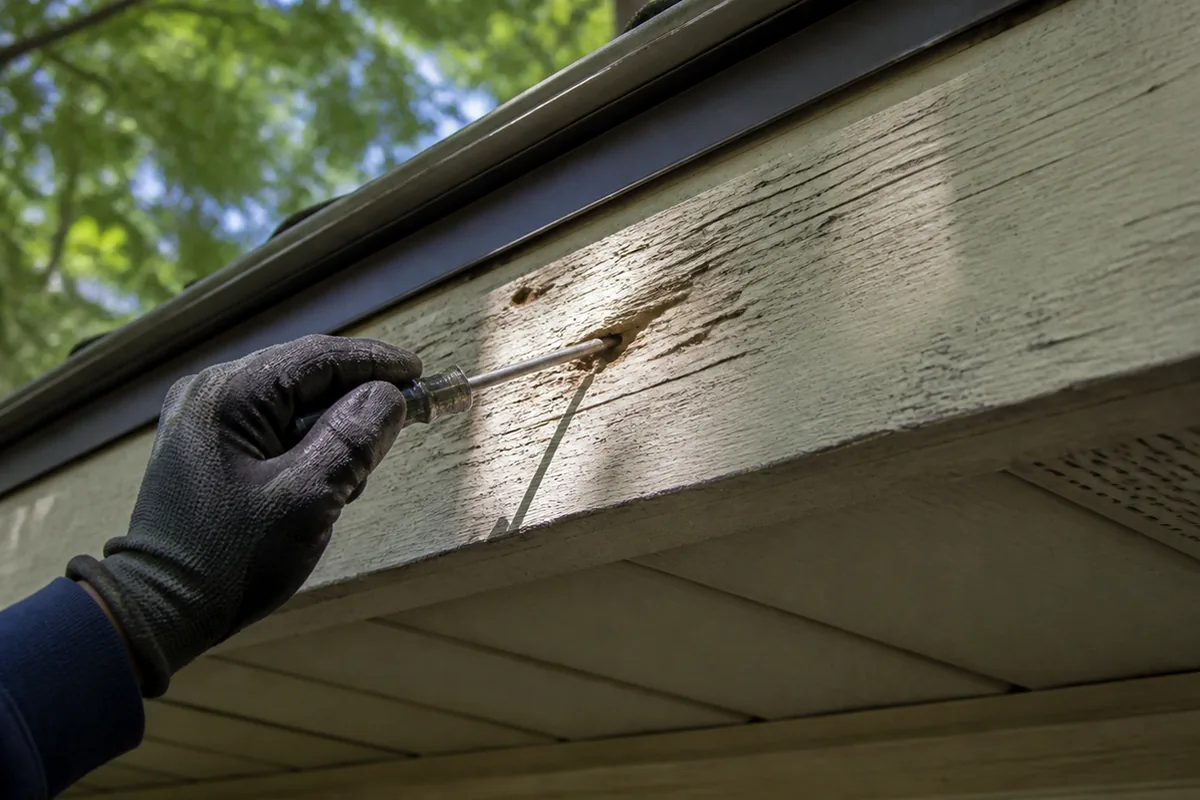
Where we find decay, we document its extent, note the likely moisture and shade contributor nearby, and flag whether it appears limited to the surface or has affected a structural member. We do not determine remaining structural capacity or specify a repair method, and we do not issue a pest-control-board finding. That is contractor and licensed WDO-inspector work.
Our what’s included page covers the full exterior and crawlspace scope of every Toluca Lake inspection, and our infrared scanning guide explains how thermal imaging helps locate hidden moisture behind a wall or ceiling near a suspect area.
Quick FAQ
Is wood decay the same thing as dry rot? Yes, “dry rot” is the common name for wood decay fungi, even though the fungi need sustained moisture to grow. The name is a source of real confusion, since the wood looks and feels dry and crumbly once decay is advanced, but the process that got it there required moisture.
Does my buyer’s WDO report already cover this? Yes. A licensed WDO inspector’s Section 2 findings cover fungus and dry rot alongside termites and wood-boring beetles on the same standard form. This article explains the mechanism and Toluca Lake’s canopy-driven exposure in more depth than the WDO report typically does.
Is this the same topic as the Monrovia wood-destroying organisms article? No. Our Monrovia WDO report guide covers the escrow process, all three organism categories, and the SPCB two-year public search, generically across property types. This guide is a deep dive on the fungal-decay mechanism itself and why a shaded, tree-heavy property specifically carries elevated risk.
Is this related to Toluca Lake’s high ground moisture near the lake? Partly, on the closest lots. Wetter ground contributes moisture, one of the three ingredients decay fungi need. But shade and poor airflow from mature canopy are equally important contributors here, and decay shows up on lots well away from the lake too, wherever canopy and trapped moisture combine.
Can decayed wood always be repaired instead of replaced? Sometimes. A contractor determines whether a section can be cut back to solid wood and spliced, or whether the full member needs replacement, based on how much sound wood remains and what the member supports.
The honest summary
Toluca Lake’s mature canopy and private lake give this city more shaded, moisture-retentive wood than most flatland tract suburbs, and decades for wood decay fungi to establish themselves quietly in eaves, deck framing, and crawlspaces. Most of what we find is limited and correctable once the moisture and shade source is addressed. A smaller share reaches structural members and needs a contractor’s repair scope before a buyer relies on the affected framing.
We check every accessible eave, fascia, deck ledger, and crawlspace framing member on every Toluca Lake inspection, and we tell you plainly whether what you are looking at is a watch item or a repair.
See what every inspection includes → · Read our FAQ → · Explore Toluca Lake home inspections →
Related reading
- Wood-Destroying Organisms and the California WDO Report in Monrovia. The escrow report process across all three organism categories, distinct from this article’s deep dive on the fungal-decay mechanism itself.
- Roof Drainage and Gutter Systems in Lake Balboa. How chronic gutter overflow drives fascia and rafter-tail decay, the deeper mechanism explained here.
- High Water Table and Ground Moisture in Camarillo. Groundwater rising from below a site broadly, a different moisture source from the shade-driven decay covered here.
- Why Infrared Scanning Matters in California Homes. How thermal imaging finds hidden moisture behind walls and ceilings near a suspect area.
- Wood Shake Roofs in Bonsall. The roof covering material’s own weathering and layering pattern, referenced there for contrast with this article’s fungal-decay mechanism.
- Wood Siding on San Francisco Homes. The same decay conditions working on exterior wood cladding in a coastal fog belt, and the wall that cannot be opened.
- Beam and Post Deterioration in Oakland. The same decay reaching structural posts and girders under a hillside house, where strength goes long before the damage shows.
- Is a Pre-Listing Inspection Worth It?. Crawlspace decay is a classic late discovery, and the seller’s options narrow sharply once the buyer’s inspector finds it.
Decay follows moisture wherever it sits for long enough. On the Delta edge that means Bethel Island, where the water table under the subarea is permanent rather than seasonal, and Knightsen, where fog is on the County’s own hazard list and shaded elevations stay wet for weeks.