Home Inspection in Poway
The City in the Country. Over 75% designated Very High fire hazard.
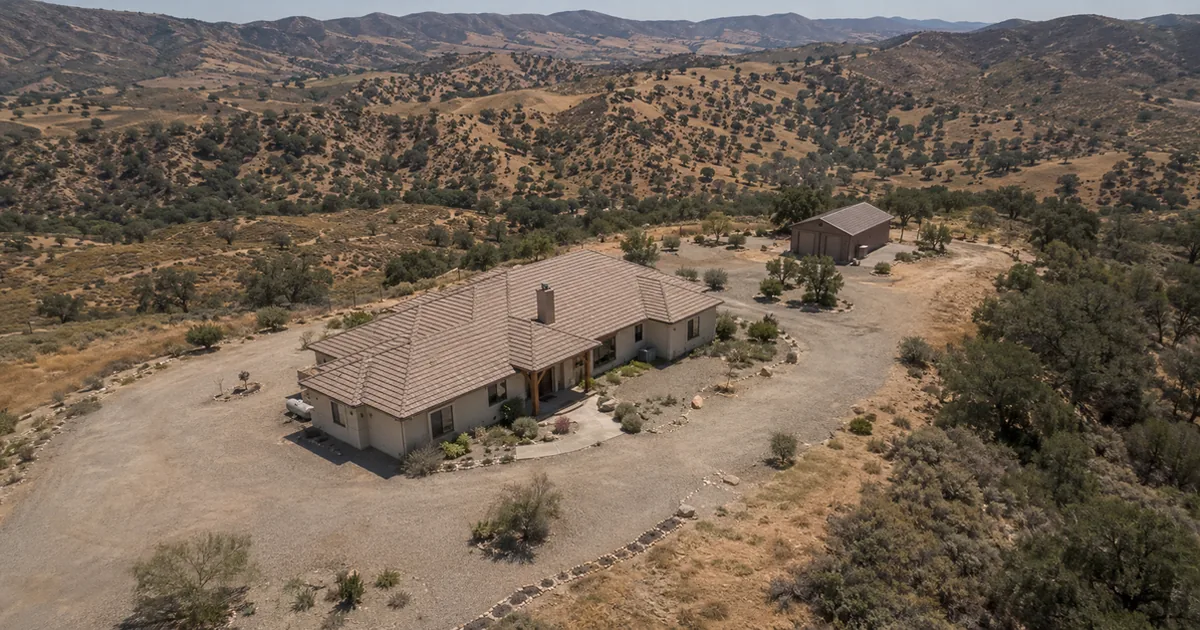
Poway splits into suburban neighborhoods along the Poway Road corridor and rural estates on the hills above. Both sides sit in one of the most fire-exposed cities in San Diego County. The 2003 Cedar Fire destroyed 53 homes here. The 2007 Witch Fire forced citywide evacuation four years later. Every Poway inspection starts with that reality, then goes deeper: tile roof underlayment, aging plumbing, slope drainage, well-and-septic systems, older electrical, attic heat, and insurance documentation that matters more in 2026 than it did five years ago.
Over 75% of Poway is classified Very High Fire Hazard
The 2003 Cedar Fire destroyed 53 homes and burned 7,000 acres in Poway. The 2007 Witch Fire forced citywide evacuations four years later. CAL FIRE classifies over 75% of the city as Very High Fire Hazard Severity Zone. This is the baseline condition for most properties here, not a fringe risk on a few hillside lots. We check defensible space, vent screening (1/8-inch mesh per Chapter 7A), eave construction, roof covering class, deck attachment, fence connections to the structure, and vegetation clearance on every Poway inspection. Insurance carriers have tightened underwriting on fire-zone properties across San Diego County since 2023, and some are declining coverage entirely on homes without defensible space compliance. The documentation in our report gives you what you need for that conversation before contingencies expire. For a deeper look at AB 38 disclosure and Chapter 7A requirements, see our Wildomar defensible space agent guide, which covers the same California fire-zone rules that apply to Poway.
Suburban tracts vs country estates
The inspection changes depending on whether you are buying a ranch home on the Poway Road corridor or a hillside estate on Espola Road. Both sit in the fire zone, but the systems, the age, and the risks are different.
Suburban Poway: tracts and established neighborhoods
Areas: Poway Road corridor, Garden Road, South Poway, Twin Peaks, Meadowbrook, Bridlewood, Green Valley Estates, Poway Business Park area
Build era: 1960s through 1990s ranch homes and two-story tracts. Some 2000s infill. Green Valley Estates dates to 1961, Green Valley Highlands to 1970, Green Valley Summit to the late 1980s.
- Tile roof underlayment failing on 1980s and 1990s homes. The tile looks fine from the street, but the felt underneath is brittle, cracking, and past its service life. The drone catches what a ground-level walk misses.
- Original galvanized steel supply lines on pre-1980 ranch homes along Garden Road and the Poway Road corridor. These rust from the inside out and restrict flow long before they leak visibly.
- HVAC systems at or past expected service life on 1990s tracts. Poway summers regularly hit the mid-90s, and undersized or aging equipment shows up in the thermal scan as uneven room temperatures and duct leaks bleeding cold air into the attic.
- Stucco cracking at window corners and garage-to-house transitions on homes over 20 years old. Not every crack is structural, but some indicate settlement or framing movement that needs evaluation.
- Water heater age and seismic strapping that does not meet current standards. Many older installations have a single strap or no strap at all.
- Attic insulation gaps and ductwork deterioration in homes with original forced-air systems. The infrared scan maps insulation coverage from the living space without climbing into the attic.
- Aging sewer laterals on pre-1980 homes. We recommend adding a sewer camera scope from a licensed plumber on any Poway home with original drain lines.
Rural Poway: hills, estates, and country properties
Areas: Espola Road, Midland Road north of Poway Road, Old Coach, Lake Poway area, northern hills above Twin Peaks, and parcels backing to open space
Build era: Mixed. Espola Road averages a 1968 build year. Old Coach has 1980s custom estates. Some newer builds on subdivided parcels. Large lots, often 1 to 5+ acres.
- Well and septic systems on large-lot properties. We walk the visible parts of both systems, but you need dedicated specialists for the well water quality test, flow-rate test, and septic tank/leach field inspection. We can provide names.
- Equestrian outbuildings, barns, tack rooms, and detached structures. Electrical in these buildings was often added decades after the original home, sometimes without permits. We inspect every structure included in the sale.
- Steep slopes, retaining walls, and drainage paths on hillside parcels. We document wall condition, visible movement, drainage direction, and erosion indicators. A retaining wall that is leaning or has horizontal cracks may need a structural engineer.
- Defensible space challenges on wooded and brushy lots backing to Cleveland National Forest or open preserve. Vegetation can grow right up to the structure between maintenance cycles. The drone gives us the overhead view of the full clearance perimeter.
- Long driveways and remote locations that complicate fire department access. Some carriers factor access into underwriting. The drone documents the approach and the property layout for the insurance file.
- Mixed-era systems in older custom homes: original 1960s electrical panels alongside a 2010s kitchen remodel. The remodel may be beautiful, but the panel feeding it may be undersized or past its service life. We trace every system to its source.
- Roof access limitations on steep hillside homes. The drone is the only way to fully document every slope when ladder placement is unsafe. On tile roofs, we check for ridge mortar failure, flashing corrosion, and underlayment exposure without walking the surface.
What Poway buyers miss
Five patterns that surprise buyers in escrow. Each one changes the deal if it surfaces late.
Insurance is no longer guaranteed on fire-zone properties
Buyers assume they will get standard homeowner insurance once escrow opens. In Poway, that assumption can kill the deal. Since the 2023 carrier pullbacks, many standard insurers decline coverage on properties in Very High FHSZ without documented defensible space compliance. The fallback is the California FAIR Plan, which costs more and covers less. Get insurance quotes before removing contingencies, not after. Our report documents every fire-safety item the carrier will ask about.
The roof looks fine because the tile is fine
Concrete tile roofs on 1980s and 1990s Poway homes are at the exact age where the underlayment fails while the tile above it still looks perfect. The homeowner sees nothing wrong. The seller disclosure says the roof was "serviced." But the felt under the tile is brittle and cracking, and the next rainy season will find every weak spot. We catch this with the drone and the attic-side check. For how this defect plays out in a real transaction, see our Riverside tile roof agent guide.
Older plumbing fails quietly for years
Galvanized supply lines on pre-1980 ranch homes restrict flow gradually. The homeowner adapts to lower pressure without realizing the pipes are rusting shut. Cast-iron drains crack and root-invade underground. By the time a sewer backs up, the damage has been building for a decade. We flag the pipe material on every inspection and recommend a sewer scope on older drain lines.
Slope drainage is invisible in summer
Poway sells in the summer. The hillside behind the property looks dry, the retaining wall looks stable, and the grading looks fine. But the same hillside in January, after two weeks of rain, may send water directly toward the foundation. We look for evidence of past water flow: soil staining, mineral deposits, erosion channels, and vegetation patterns that indicate seasonal drainage. The inspection documents what is there in the dry season so the buyer can plan for the wet one.
Well and septic problems surface after closing
The standard home inspection covers what is visible: the well head condition, the pressure tank, the septic tank lid and visible components. It does not test water quality, measure well flow rate, or inspect the inside of the septic tank and leach field. Those are specialist scopes. Buyers who skip the specialist inspections on well-and-septic properties sometimes discover contaminated water or a failing leach field after they move in. We always recommend the specialists and coordinate the referral.
Neighborhood by neighborhood
We cover every part of Poway. Here is what we focus on in each area.
Poway Road corridor & South Poway
1970s to 1990s ranch and two-story homes. Galvanized plumbing on older stock. Stucco and HVAC age on newer stock. Sewer lateral age is the quiet risk.
Garden Road
Some of Poway's oldest homes, 1950s through 1970s, on larger lots that reflect the area's earlier rural character. Crawl spaces, original electrical, and mature tree root pressure on drain lines.
Green Valley Estates / Highlands / Summit
Three sub-neighborhoods spanning 1961 to the 1990s. Green Valley Estates is among Poway's earliest residential development. Newer Summit homes need tile roof and HVAC attention; older Estates homes need full-system evaluation.
Twin Peaks & Meadowbrook
Established 1980s and 1990s suburban tracts. Tile underlayment, builder-grade HVAC, stucco maintenance, water heater age. Brush clearance on lots backing to open hillside.
Bridlewood
Larger-lot homes with equestrian character. Detached structures, outbuildings, and fencing that need inspection. Fire-zone exposure on the periphery.
Espola Road & northern hills
Rural estates, large parcels, well and septic, equestrian properties. Average build year 1968 on Espola Road. Mixed-era systems, steep slopes, remote access. The most inspection-intensive properties in Poway.
Old Coach
1980s custom estates on large hillside lots. Quality construction but aging systems: roof, HVAC, pool equipment, landscape irrigation, and defensible space. Insurance and access questions on the most remote parcels.
Lake Poway area
Hillside and canyon-edge homes near the lake and open preserve. WUI fire exposure is the primary concern. Drainage, retaining walls, and deck/patio construction on slope-side homes.
We also serve nearby San Diego, Escondido, and Vista. Same premium package, same same-day report, same $300 discount.
Every inspection includes premium tech — no add-ons
3D Matterport
Walk every room from anywhere. Tagged findings link to exact locations. Essential for remote buyers comparing Poway properties to Escondido or San Diego.
Drone roof
The only way to document steep hillside roofs and tile underlayment on two-story tracts. Catches flashing failure, ridge mortar cracks, and debris accumulation.
FLIR infrared
Catches moisture behind stucco, duct leaks in hot attics, insulation gaps on older ranch homes, and electrical hot spots on aging panels.
LIDAR floor plan
Accurate square footage and layout. MLS-ready for sellers and agents.
Same-day report
Full report by email the same day. Photos, drone imagery, infrared callouts, 3D tour link, and floor plan.
Pay at Closing available
Defer the inspection fee until escrow closes. The $300 discount still applies. Useful for Poway buyers who are already stretching on the purchase price and want to preserve cash through escrow. Built for buyers, sellers adding a pre-listing inspection, and agents who want to remove cost friction from the transaction.
Learn more →Poway questions
Is my Poway home in a fire zone?
Do you inspect rural properties on Espola Road and in the northern hills?
Do you inspect older ranch homes along Poway Road and Garden Road?
How does the Cedar Fire and Witch Fire history affect my purchase?
Should I get a sewer scope on a Poway home?
Do you inspect homes in Green Valley and Bridlewood?
How long does a Poway inspection take?
Can I pay at closing?
Inspection guides
California's 2026 Wildfire Insurance Laws
The hardening grant program, and the five-foot rule it pays for.
Poway Retaining Walls and Hillside Drainage Guide
Why hillside lots hide failing retaining walls and slope drainage, the showing red flags, and the escrow playbook.
Fallbrook Well and Septic Rural Escrow Guide
How to sequence well tests, septic inspections, and general inspection on rural properties. Same playbook applies to Poway's Espola Road and northern hills.
Wildomar Wildfire Defensible Space Agent Guide
AB 38 disclosure, Chapter 7A, and insurance on fire-zone properties. Same rules apply to Poway.
Riverside Tile Roof Underlayment Agent Guide
How tile roofs fail invisibly on 1980s and 1990s homes. Directly relevant to Poway tract neighborhoods.
Why Infrared Scanning Matters in California Homes
How thermal imaging catches moisture, insulation gaps, and electrical hot spots on aging systems.
French Drains and Subsurface Drainage in Lemon Grove
The drainage system that relieves pressure behind a wall like Poway's, a companion topic to this page's hillside retaining walls.
How to Read a Home Inspection Report in California
For buyers reading their first report.
Other service areas
San Jose, CA
Bay Area. Postwar tract housing at scale, annexation-era permit gaps, downtown and creek-corridor liquefaction, Willow Glen Eichlers, no city pre-sale requirement.
Santa Clara, CA
Bay Area. 1950s stock reaching end of life together, Silicon Valley Power service rules, citywide liquefaction zone, expansive clay, condos and townhomes.
Fremont, CA
Bay Area. Five historic townships with five build eras, the Hayward Fault through the middle of town at its junction with the Calaveras, no lateral ordinance.
San Mateo, CA
Bay Area peninsula. Mandatory point-of-sale sewer lateral inspection, bay mud settlement, no fault zone, 2024 flood-map revision, six housing eras.
San Francisco, CA
Bay Area headquarters. Wood-frame Victorian and Edwardian stock, ~45% pre-1940, fog-belt moisture, soft-story garage openings, re-clad walls, and the 3R records gap.
Oakland, CA
Bay Area. Pre-war flatland bungalows and Victorians, hillside downslope construction, Hayward Fault creep, 1991 fire rebuild areas, sewer lateral certificate at sale.
See all areas →Ready to inspect your Poway home?
Same-day reports. Fire-zone documentation. Full premium tech. $300 off. Pay at closing available.
Questions? Call 1-888-88-INSP-9 or message us online.