Home Inspection in Los Angeles
A city of every building era at once, on hillsides and over a dozen active faults.
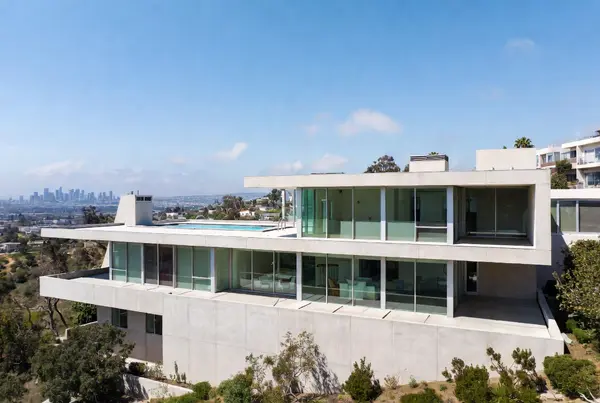
Los Angeles is not one housing market, it is fifty. A 1910 Craftsman in Highland Park, a 1925 Spanish in Hancock Park, a 1958 post-and-beam in the hills, a 1970s soft-story over tuck-under parking, and a brand-new infill build can all sit within a few miles of each other, each with its own inspection. Layer in steep hillside lots, a dozen active faults beneath the basin, and the insurance fallout from the January 2025 Palisades Fire, and the inspection has to be built around the specific home, not a generic checklist. That is how we approach every Los Angeles property.
Hillside foundations and a dozen active faults are the Los Angeles structural story
Los Angeles sits over an unusually dense set of active faults, including the Hollywood, Santa Monica, Newport-Inglewood, Puente Hills blind thrust, and Verdugo systems, and the California Geological Survey recently mapped new fault strands running under West Los Angeles neighborhoods from Brentwood and Westwood to Culver City. The risk that shows up most in an inspection is not the abstract fault, it is how the house is tied to its lot. The city's hillside neighborhoods are full of homes on caissons, stem walls, and cantilevered decks where slope movement, undersized or corroded supports, and deferred drainage are the real findings. The flatland stock has its own structural story: pre-1978 raised foundations on unbolted cripple walls, and pre-1978 wood-frame soft-story buildings over tuck-under parking that the city's mandatory retrofit ordinance now targets across roughly 13,500 buildings. We document foundation type, hillside support and drainage, cripple-wall and soft-story condition, and signs of prior movement, then flag what a structural or geotechnical engineer should evaluate before you close.
The systems we look for across every LA era
A Los Angeles home can be 110 years old or 2 years old, and each era hides a different set of issues. Here is what we trace on every inspection.
Knob-and-tube wiring and undersized service in the pre-1940 stock
Highland Park, Eagle Rock, West Adams, and the older Craftsman and bungalow districts are full of 1900-to-1940 homes that were never fully rewired. Original knob-and-tube wiring, 60-to-100-amp service, and amateur splices behind plaster are common, and active knob-and-tube can complicate or void insurance. We trace what is actually energized rather than trusting a kitchen remodel. For the detail, see our Coronado knob-and-tube guide.
Galvanized supply, cast iron drains, and aging sewer laterals
Original galvanized steel supply lines rust from the inside out and choke flow long before they leak, and cast-iron and clay sewer laterals on these mature, tree-lined lots crack and fill with roots. We flag the pipe material and recommend a sewer camera scope on any pre-1960 home with original drain lines. For the full picture, see our galvanized and cast iron plumbing guide.
Hillside foundations, caissons, and slope drainage
On the hillside stock, the foundation is the inspection. We check caisson and stem-wall condition, deck and balcony supports, retaining walls, and the slope drainage that quietly undermines a hillside lot. Deferred drainage and corroded steel supports are routine findings the listing photos never show.
Soft-story and non-ductile concrete on income and condo properties
Buyers of duplexes, small apartment buildings, and older condos should know whether the building falls under the city's soft-story or non-ductile concrete retrofit ordinance. A pre-1978 wood-frame building over open parking is the textbook collapse risk, and an unretrofitted building is now a financing and insurance problem. We flag the construction type so you can confirm the retrofit status before you close.
Mid-century systems and additions of varying quality
The vast 1950s-to-1970s tract and post-and-beam stock brings its own list: aging electrical panels (including recalled brands), original galvanized, undersized HVAC for the climate, flat and low-slope roofs near the end of their life, and decades of remodels, garage conversions, and unpermitted additions that hide the original systems. We report what is actually there, not what the staging implies.
Wildfire exposure and post-2025 insurance reality
The January 2025 Palisades Fire and the tightening that followed it changed the math on any LA home near the wildland edge, from the Santa Monica Mountains to the Verdugos to the canyon neighborhoods. On exposed properties we check defensible space, vent screening, eaves, and roof class, and the NHD report confirms the fire-zone designation. For how California fire-zone rules and insurance interact, see our Wildomar defensible space guide.
Neighborhood by neighborhood
Los Angeles is enormous, and the inspection changes block to block. Here is what we focus on across the city.
Hollywood Hills & Mount Olympus
Hillside homes on caissons and stem walls, cantilevered decks, retaining walls, slope drainage, and Santa Monica Mountains fire exposure. The foundation and the slope are the story here.
Silver Lake, Los Feliz & Echo Park
A mix of 1920s Spanish, hillside moderns, and Craftsman bungalows. Older systems, hillside supports, and additions of varying quality on tight, sloped lots.
Hancock Park, Windsor Square & Larchmont
Grand 1920s-30s Revival homes with original systems at a larger, more expensive scale: galvanized plumbing, original masonry chimneys, knob-and-tube remnants, and long inspection scope.
Highland Park, Eagle Rock & Mount Washington
Dense Craftsman and bungalow stock from 1900-1940. Original wiring and plumbing, raised foundations and cripple walls, and hillside lots in Mount Washington. Sewer scope recommended on original lines.
West Adams & Jefferson Park
Historic Victorian and Craftsman districts with century-old systems, original sewer laterals, and the foundation and plumbing concerns that come with the era.
Venice, Mar Vista & Del Rey
Coastal flats with high water table near the canals, salt-air corrosion, mixed bungalow and modern stock, and the newly mapped West LA fault strands underneath.
San Pedro & Harbor
Older port-adjacent stock, hillside pockets above the harbor, salt air, and aging systems in a long-established working neighborhood.
Sherman Oaks, Studio City & the Valley floor
Post-war tract and ranch homes plus hillside properties on the Valley's south edge. Mid-century systems, HVAC sized for valley heat, and foothill fire exposure on the hillside lots.
We also serve nearby Pasadena, Beverly Hills, Santa Monica, Long Beach, and Malibu, plus the broader Greater Los Angeles, Orange County, and Inland Empire markets. Same premium package, same same-day report, same $300 discount.
What Los Angeles buyers miss
The inspection depends entirely on the era, and LA has all of them
A 1912 Craftsman, a 1958 hillside modern, and a 1972 soft-story duplex are three completely different inspections. A remodel that updated the kitchen rarely touched the wiring, plumbing, or foundation behind the walls. We trace every system to its source and match the scope to the home the city actually built.
On a hillside home, the lot is the inspection
The view comes with caissons, retaining walls, deck supports, and slope drainage that decide whether the house stays put. We document the visible foundation and hillside support condition and flag what a geotechnical or structural engineer should evaluate before you commit.
Soft-story and retrofit status is now a financing and insurance question
On duplexes, small apartment buildings, and older condos, whether the building has completed its mandatory soft-story or non-ductile concrete retrofit affects insurance, lending, and value. We flag the construction type so the retrofit status gets confirmed before you close, not after.
Post-Palisades, insurance can decide the deal
After the January 2025 fires, carriers tightened underwriting across the LA wildland edge, and availability now shapes what buyers can actually close. On exposed properties we document defensible space and Chapter 7A items, and the NHD report confirms the fire-zone designation so insurance is a conversation you have early.
Every inspection includes premium tech. No add-ons
3D Matterport
Walk every room from anywhere. Valuable for out-of-area buyers and for documenting a home's exact condition at the time of sale.
Drone roof
Documents complex rooflines, hillside-lot exposure, and steep or low-slope roofs that ground-level and ladder views miss.
FLIR infrared
Catches moisture behind plaster and drywall, insulation gaps in older walls, and electrical hot spots on aging panels.
LIDAR floor plan
Accurate to-scale plan, valuable on additions, estates, and irregular hillside layouts.
Same-day report
Full report by email the same day, with a prioritized findings list.
Pay at Closing available
Defer the inspection fee until escrow closes. The $300 discount still applies. Practical on a Los Angeles purchase where cash is committed through escrow.
Learn more →Los Angeles questions
Do you inspect historic homes in Highland Park, Hancock Park, and the older districts?
Do you inspect hillside homes?
Can you tell me if a building needs a soft-story retrofit?
How does wildfire risk and the 2025 Palisades Fire affect my purchase?
How long does a Los Angeles inspection take?
Can I pay at closing?
Inspection guides
Home Inspection Checklist for Los Angeles Buyers
The buyer-side checklist for LA purchases, era by era and system by system.
Knob-and-Tube Wiring Agent Guide
The older-electrical hazard common in LA's 1900-1940 stock, and what it does to insurance.
Galvanized & Cast Iron Plumbing: Agent's Guide
Why pre-1960 galvanized supply and cast iron drains are five-figure conversations.
Wildfire Defensible Space Agent Guide
Fire-zone rules and insurance for LA's wildland-edge homes.
Mid-Century Modern Home Inspection Agent Guide
What the post-and-beam, flat-roof Valley homes hide behind the glass.
Why Infrared Scanning Matters in California Homes
How thermal imaging finds moisture behind older walls.
Malibu Septic at Point of Sale: Agent's Guide
Operating permits, OWTS inspections, and the septic escrow playbook for Malibu.
West Hollywood SB 326 Balcony Guide
What SB 326 means for condo deals and how to read the HOA's report.
Other service areas
San Jose, CA
Bay Area. Postwar tract housing at scale, annexation-era permit gaps, downtown and creek-corridor liquefaction, Willow Glen Eichlers, no city pre-sale requirement.
Santa Clara, CA
Bay Area. 1950s stock reaching end of life together, Silicon Valley Power service rules, citywide liquefaction zone, expansive clay, condos and townhomes.
Fremont, CA
Bay Area. Five historic townships with five build eras, the Hayward Fault through the middle of town at its junction with the Calaveras, no lateral ordinance.
San Mateo, CA
Bay Area peninsula. Mandatory point-of-sale sewer lateral inspection, bay mud settlement, no fault zone, 2024 flood-map revision, six housing eras.
San Francisco, CA
Bay Area headquarters. Wood-frame Victorian and Edwardian stock, ~45% pre-1940, fog-belt moisture, soft-story garage openings, re-clad walls, and the 3R records gap.
Oakland, CA
Bay Area. Pre-war flatland bungalows and Victorians, hillside downslope construction, Hayward Fault creep, 1991 fire rebuild areas, sewer lateral certificate at sale.
See all areas →Ready to inspect your Los Angeles home?
Same-day reports. Full premium tech. $300 off. Pay at closing available.
Questions? Call 1-888-88-INSP-9 or message us online.