Too Much of a Good Thing: A Porter Ranch Water Pressure and Regulator Guide for Agents
The house was a two-story home in one of the upper Porter Ranch tracts, fifteen or twenty years old, and the sellers mentioned almost in passing that the pipes banged when the washing machine shut off. They had lived with it for years and treated it as a quirk of the house. The buyers had noticed a toilet that ran intermittently and a guest bathroom faucet that dripped no matter how hard anyone cranked it.
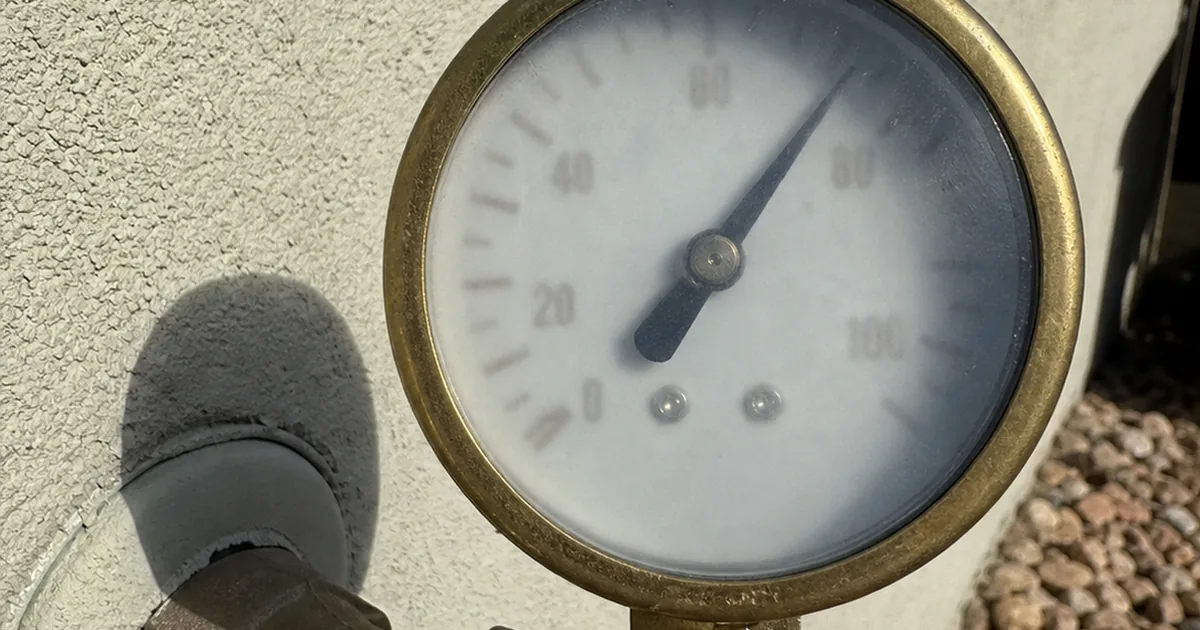
Those are three symptoms of one cause. We put a gauge on the hose bib and it read well over a hundred pounds per square inch, roughly a third again above what the plumbing in a house is designed to take. The pressure regulator at the service entry, which is supposed to hold that incoming pressure down to a safe working range, had failed sometime in the past and nobody had ever thought about it, because a failed regulator does not leak, does not make a noise of its own, and does not appear anywhere a homeowner looks.
That is the shape of this finding. High water pressure is one of the most damaging conditions a house can carry and one of the least likely to be recognized, because every symptom it produces looks like a separate small problem with a separate small fix.
This guide is for the agent working Porter Ranch and the surrounding north valley hillside markets, including nearby Northridge, Granada Hills, and Chatsworth, where elevation and hillside water systems produce the same conditions. Here is what the regulator does, how it fails, and how to catch it before the buyer inherits it.
Why this matters for the agent
Here is what is at stake. Excessive water pressure does not cause one failure, it accelerates every failure in the plumbing system at once. It shortens the life of water heaters, dishwashers, washing machines, ice makers, toilet fill valves, faucet cartridges, and every supply line and connection in the house. It is a common contributor to burst supply lines, which is one of the more destructive things that can happen to a home. And because it works on everything simultaneously, its symptoms present as a scattering of unrelated nuisances rather than as one identifiable defect.
Porter Ranch makes this an agent’s issue for a straightforward physical reason. Water systems serving hillside neighborhoods have to deliver adequate pressure to the highest homes, which means the pressure available lower on the hill, and often across the whole zone, runs high. Homes here are built with a pressure reducing valve at the service entry precisely because the incoming pressure is more than a house should see. That valve is a mechanical device with a service life, typically somewhere in the range of ten to fifteen years, and much of Porter Ranch’s housing is comfortably past that. An agent who knows to ask for a pressure reading is catching a condition that is cheap to correct and expensive to ignore.
What the regulator does, and what the numbers mean
The setup is simple. Water arrives at the property from the main at whatever pressure the distribution system is running, which on a hillside system can be well above what residential plumbing is built for. Just past the meter or where the line enters the house sits a pressure reducing valve, usually called a PRV or simply the regulator, a bell-shaped brass fitting with an adjustment screw on top. Its job is to take that incoming pressure and hold it down to a steady working pressure inside the house.
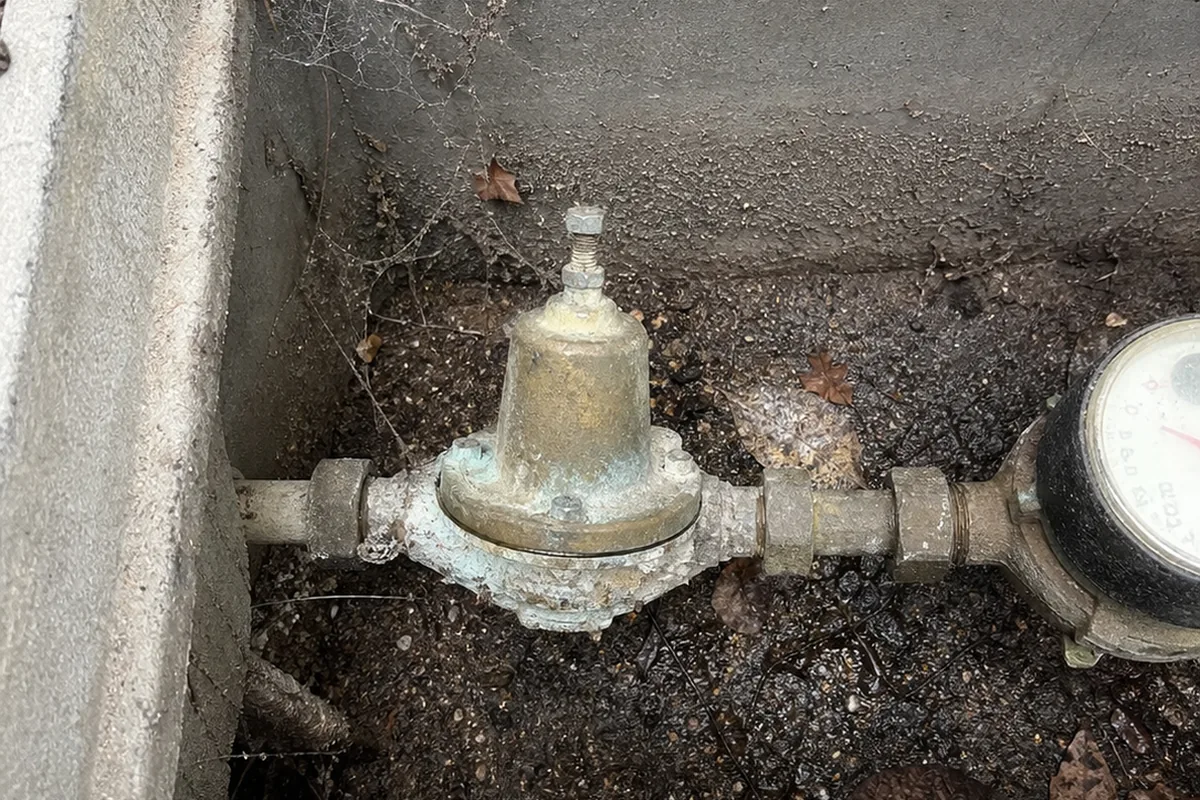
The numbers are worth carrying in your head because they are the whole argument. Plumbing codes generally require that water pressure supplied to fixtures not exceed 80 psi, and a comfortable working range for a house is roughly 50 to 70 psi. Below about 40 psi, fixtures feel weak. Above 80, you are outside what the system is designed for, and the damage is cumulative rather than immediate. A reading of 100 or more, which is entirely possible here when a regulator has failed, means every fixture and connection in the house is under continuous strain.
There is a second component that goes with the regulator and gets forgotten. A regulator is typically a one-way device, which means once it is installed the plumbing system is closed. When the water heater heats water, that water expands, and in a closed system it has nowhere to go, so the pressure spikes. That is what a thermal expansion tank is for, the small tank near the water heater. If a house has a regulator and no functioning expansion tank, pressure climbs every heating cycle, the water heater’s relief valve may weep, and the whole system takes a hammering. The two devices belong together, and finding one without the other is common.
What actually goes wrong
The failures repeat, and once you have seen them you cannot stop seeing them.
The failed regulator is the headline, and it fails in both directions. Failing open lets full street pressure into the house, which is the destructive version. Failing closed or drifting downward starves the fixtures, which is annoying but harmless. Because the failure is gradual and silent, a house can run at damaging pressure for years with nobody identifying why things keep breaking.
Water hammer is the second and the most audible. A bang or shudder in the walls when a washing machine, dishwasher, or quick-closing valve shuts off. It is caused by moving water stopping abruptly, and high pressure makes it dramatically worse. Homeowners get used to it, which is exactly why it goes unreported.
Recurring small failures across the house is the third, and it is the pattern that should trigger the question. Toilet fill valves that keep failing, faucet cartridges that drip soon after replacement, a dishwasher or washing machine inlet valve that goes early, an ice maker line that keeps giving trouble. Any one is a nuisance. All of them together is a pressure problem.
The missing or waterlogged expansion tank is the fourth. Either no tank at all on a closed system, or a tank that has lost its air charge and is doing nothing. A weeping temperature and pressure relief valve at the water heater is a classic sign, and it is frequently misdiagnosed as a bad relief valve when it is actually the system telling you the pressure is spiking. The water heater’s own installation safety, the strapping, venting, and relief-valve routing, is a separate subject covered in our Thousand Oaks water heater guide.
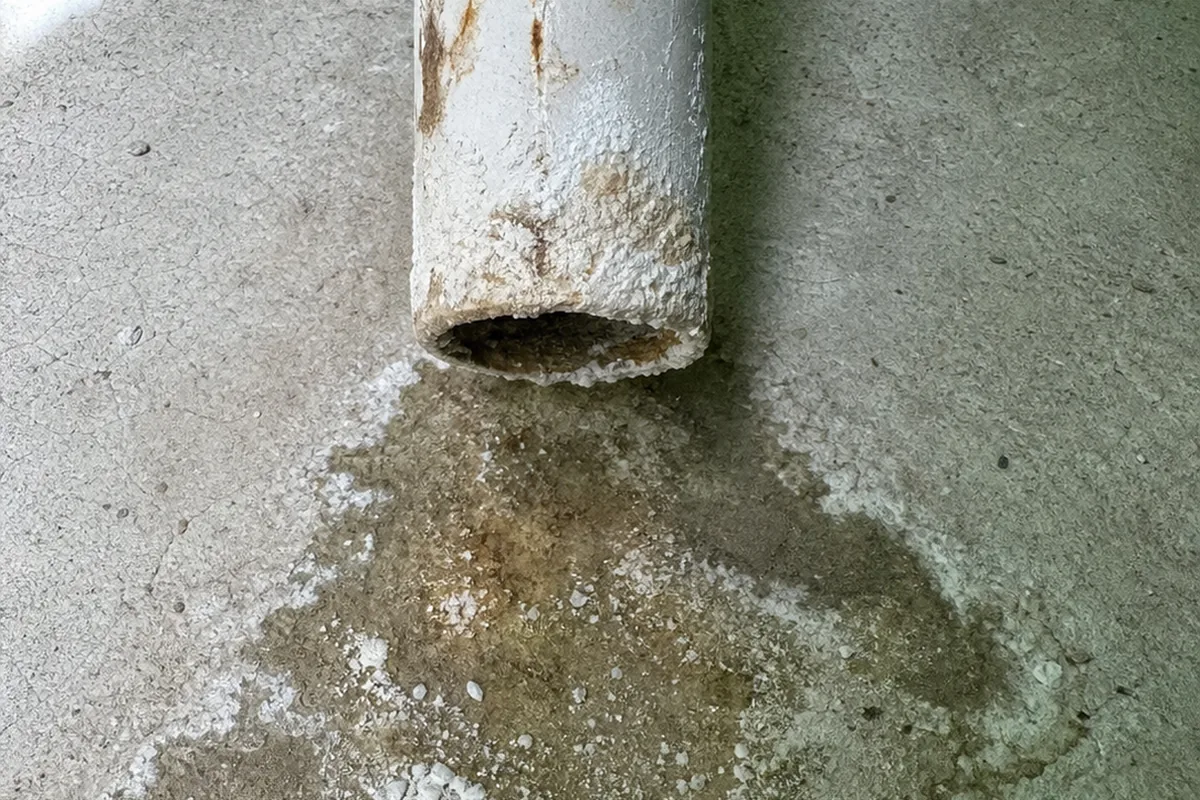
The regulator nobody can find is the fifth, common on older or modified properties. Sometimes it was never installed, sometimes it was removed during a repair and not replaced, and sometimes it is buried in a box at the meter under twenty years of dirt. A house on a high-pressure zone with no regulator at all is running unprotected.
Failed supply lines are the sixth and the expensive one. Braided or plastic supply lines under sinks and behind appliances, and the connections at toilets and water heaters, are where a pressurized system actually lets go. High pressure meaningfully shortens their life, and a failure while nobody is home is one of the more costly non-structural events a house can produce.
Two boundaries, so the scope is clear. This article is about system pressure and the regulator. The pipe material itself is a separate subject, whether that is corroding galvanized, polybutylene, or copper pitting, each of which has its own failure mechanism and its own guide. And a slab leak is a different finding with a different cause, though high pressure does not help. Here we are talking about how hard the water is pushing on all of it.
Schedule a Porter Ranch inspection →
What agents should tell every buyer
When a buyer is under contract in Porter Ranch, give them these points before the inspection.
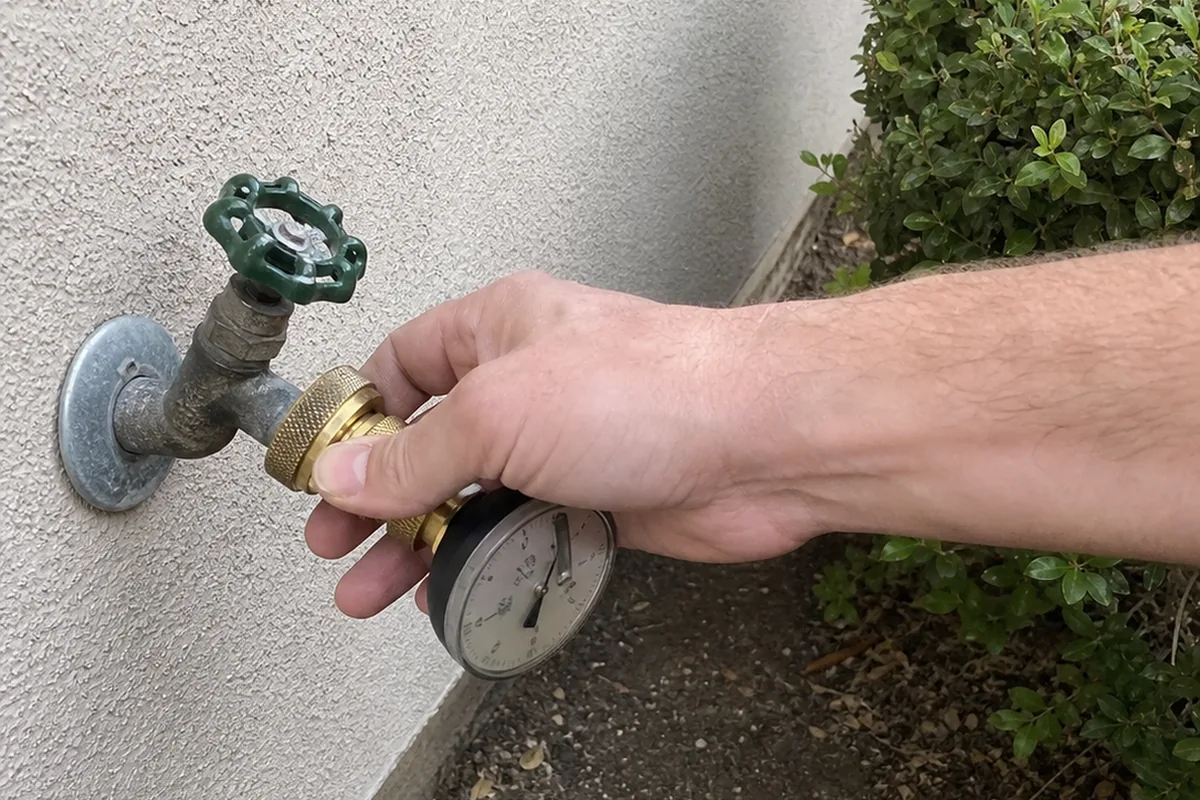
- Ask for an actual pressure reading, in numbers. This is measured with an inexpensive gauge on a hose bib, and it is the single most useful plumbing data point in the house.
- Anything over 80 psi is outside the design range. Somewhere around 50 to 70 is where you want to be.
- Treat banging pipes as a symptom, not a quirk. Sellers who mention it casually are describing a real condition.
- Notice the pattern. Repeatedly failing toilet valves, dripping faucets, and short-lived appliance inlet valves across one house point at pressure, not at coincidence.
- Ask whether there is a functioning thermal expansion tank. A regulator without one means the pressure climbs every time the water heater runs.
- Know the cost order. Replacing a regulator and an expansion tank is a modest plumbing visit. Replacing a water heater, a dishwasher, and a section of flooring after a supply line lets go is not.
A buyer who hears this asks for a number instead of an impression, which is all this finding really requires.
Red flags during showings
Some of this you can notice yourself, and the rest the inspection measures. Watch for these in Porter Ranch homes.
- A bang, thud, or shudder in the walls when a laundry or dishwasher cycle ends, or when you shut a faucet quickly.
- Faucets that spray forcefully and splash out of the sink at a normal handle position.
- A toilet that runs intermittently, or several toilets with a history of replaced fill valves.
- Dripping faucets in a home where the fixtures otherwise look newer.
- Water dripping or crusted mineral deposits at the water heater’s relief valve discharge.
- No expansion tank visible near the water heater on a home that clearly has a regulator.
- A regulator at the service entry that is visibly corroded, weeping, or buried and inaccessible.
- Sellers describing any of the above as something the house has always done.
If we see these, we document them and tell the buyer what they mean.
The negotiation playbook
When a high-pressure finding surfaces in Porter Ranch, the deal usually moves one of a few ways.
The first path is seller-replaces-the-regulator. A pressure reducing valve is an inexpensive part and a routine plumbing visit, and where the reading is clearly out of range there is very little to argue about. This should be the default outcome, and it should include an expansion tank where the system needs one and does not have it.
The second path is a credit for the plumbing scope. Where the regulator has failed and the high pressure has already claimed fixtures, the sensible package is the regulator, the expansion tank, and whatever supply lines and fill valves the plumber flags as compromised, priced as one visit. It stays modest.
The third path is the no-regulator-at-all property. If the house is on a high-pressure zone with no regulator, this is an installation rather than a replacement, still not expensive, but it needs a plumber to scope where it goes and to confirm what the incoming pressure actually is. Do not let this one be waved off as optional on a hillside property.
The fourth path is when the pressure has already done damage. If a supply line has let go in the past, if the water heater is weeping at the relief valve, or if there is evidence of a prior leak repair, the buyer is looking at the consequences rather than the cause. Fix the pressure first regardless, because otherwise the replacement parts are going into the same conditions that killed the originals. We say that plainly when we see it.
How the inspection actually catches it
This is one of the most satisfying findings to catch, because it converts a vague set of complaints into a single number. We measure static water pressure with a gauge at an exterior hose bib and report the actual reading rather than an impression. That reading is the finding, and everything else follows from it.
We locate the pressure reducing valve where one exists, note its condition and accessibility, and report where none can be found. We check for a thermal expansion tank on systems that need one and note whether it appears functional, and we look at the water heater’s relief valve for the weeping and mineral deposits that signal pressure spiking on each heating cycle. We look at the supply lines and connections that a high-pressure system puts at risk, and we listen for water hammer during normal fixture operation.
Then we connect it for the buyer. When the report shows a high reading and also lists a dripping faucet, a running toilet, and a weeping relief valve, those are not four findings, they are one finding and three of its symptoms, and saying so is more useful than listing them separately. That is the kind of prioritization our guide on how to read a home inspection report is about.
What we do not do is adjust or replace the regulator or certify the plumbing system. A home inspector measures, documents, and explains, and refers the correction to a licensed plumber. On this subject the referral is short, cheap, and unusually high-value.
Quick FAQ
What water pressure should a house have? Plumbing codes generally require that pressure supplied to fixtures not exceed 80 psi, and a comfortable working range is roughly 50 to 70 psi. Below about 40 psi fixtures feel weak. Above 80 you are outside the design range and the damage accumulates.
Why would a Porter Ranch home have high pressure specifically? Water systems serving hillside neighborhoods have to push hard enough to serve the highest homes, so the pressure available in the zone runs high. Homes here are built with a pressure reducing valve for that reason, and when that valve fails, full system pressure reaches the house.
What is banging in the walls? Water hammer, caused by moving water being stopped abruptly by a quick-closing valve such as a washing machine or dishwasher inlet. High pressure makes it substantially worse. It is a symptom worth measuring rather than a quirk to live with.
Do I need an expansion tank? If the home has a pressure reducing valve, the system is closed, and heated water has nowhere to expand. Then yes, a thermal expansion tank is what absorbs that expansion. A regulator without a functioning tank means pressure spikes every heating cycle, often showing up as a weeping relief valve at the water heater.
How expensive is the fix? Replacing a regulator, and adding an expansion tank where one is needed, is a modest plumbing visit. That is the entire point of catching it: the correction is small and the damage it prevents is not.
The honest summary
Porter Ranch sits high, the water has to be pushed hard to get there, and a single brass valve at the front of each house is what stands between that pressure and everything the plumbing system is made of. When it fails, and after fifteen or twenty years many of them have, nothing announces it. The house just starts producing small problems in a pattern nobody reads as a pattern.
This is a finding that comes down to one measurement. We will put a gauge on the hose bib and give your buyer a number, find the regulator or report that there is not one, check whether the expansion tank exists and works, and tell them plainly whether the dripping faucet and the banging pipes and the weeping relief valve are three problems or one. The correction is a modest plumbing visit. The alternative is paying for it slowly, in appliances, and occasionally all at once, in flooring. That is the job.
See what every inspection includes → · Read our FAQ → · Explore Porter Ranch home inspections →
Related reading
- Backflow Prevention and Cross-Connection in Moreno Valley. The opposite failure direction on the same plumbing system, water being pulled or pushed backward into the supply rather than arriving too hard.
- Copper Pinhole Leaks in Tustin. The pipe-material side of plumbing failure, a different mechanism from system pressure.
- Galvanized and Cast-Iron Plumbing in Pasadena. What happens when the supply pipe itself, not the pressure, is the problem.
- Where the Water Goes in Tarzana. What water does to a house from the outside when it is not managed.
- Water Heater Installation Safety in Thousand Oaks. The strapping, venting, and relief-valve routing at the tank itself.
- Central Air Conditioning Defects in Perris. A different home system entirely, useful context on how a home inspection separates equipment operation from a deeper specialist diagnosis.
- Toilet Flange Failure and Subfloor Damage in Winnetka. A single fixture connection rather than the whole-house supply system, and the subfloor damage a broken seal there causes.
- How to Read a Home Inspection Report in California. How to tell one finding with several symptoms from several separate findings.
- Rancho Santa Fe Tankless Water Heater Guide. A different plumbing appliance question, gas sizing and venting rather than the force of water arriving at the house.
- Galvanic Corrosion at Dissimilar Metal Pipe Joints in Hermosa Beach. The other cause of a weak-flow complaint: a corroded copper-to-galvanized junction closing off at the fitting rather than a pressure problem.