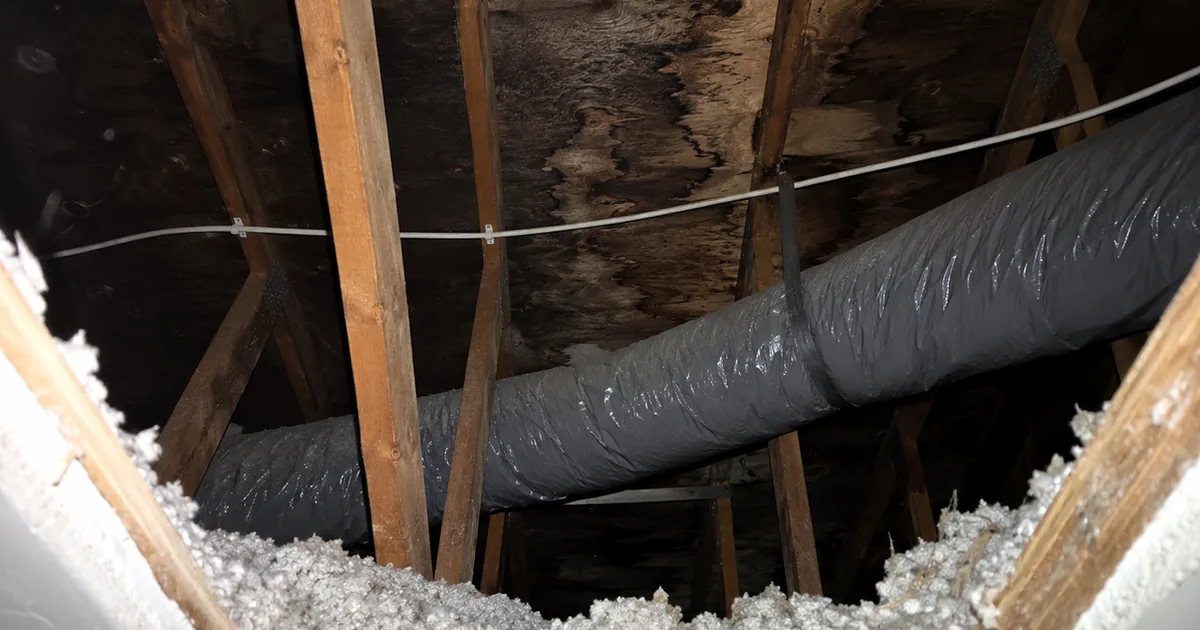
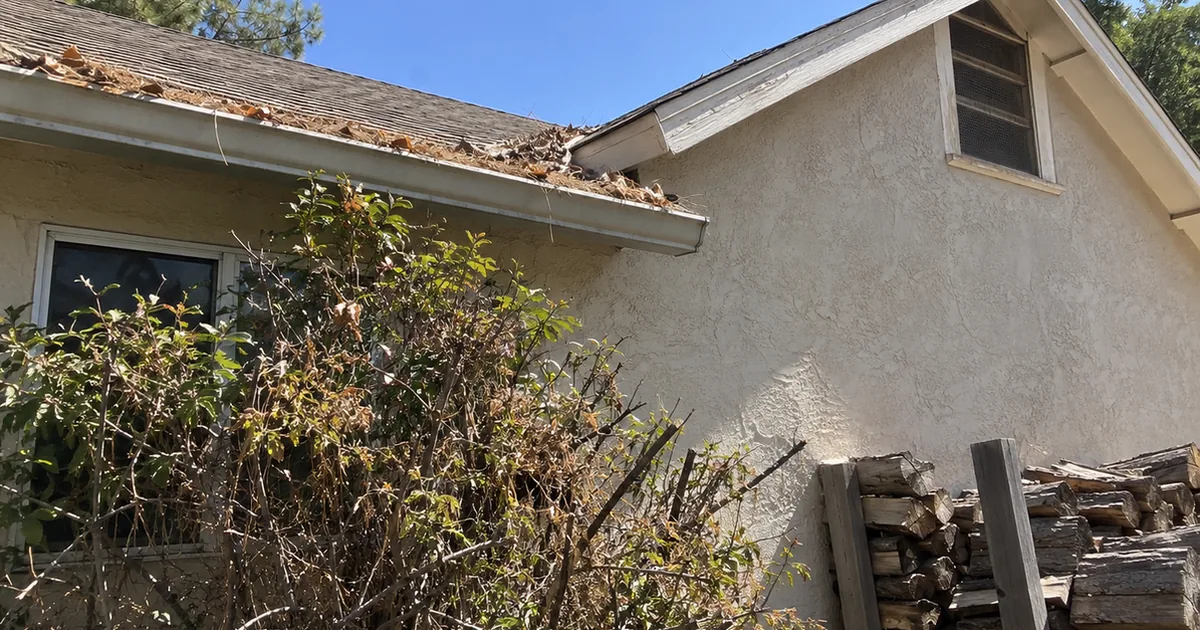
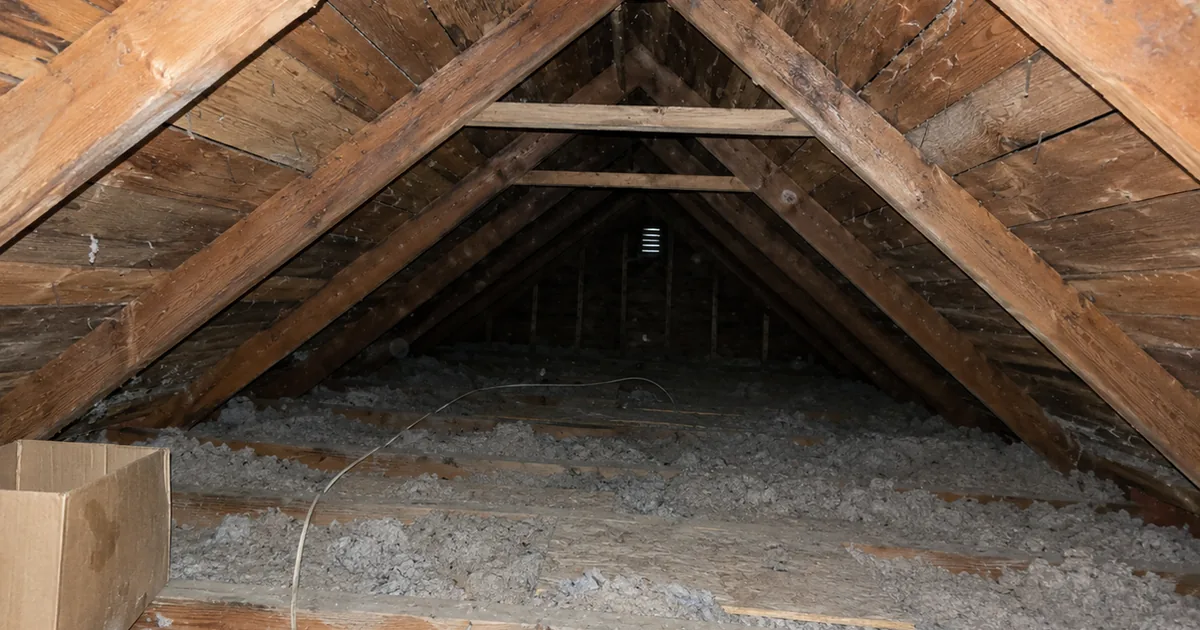
Yes, and the reports prove it. We inspect brand-new California homes that have passed every one of their city inspections, and they still come back with findings: bath fans venting into the attic, grading pitched at the foundation, flashing tape that never bonded, insulation with bare patches only an infrared camera catches. None of that fails a code inspection. All of it becomes your problem the day the builder’s obligation runs out, which is exactly why the inspection happens while it hasn’t.
Why New Homes Need Inspections
City code inspectors focus on minimum code compliance. They inspect dozens of homes per day and check that construction meets the baseline legal requirements. A professional home inspector evaluates something different: quality of installation, proper function, and long-term durability.
These are two fundamentally different standards. A home can pass every code inspection and still have significant issues.
Common Defects Found in California New Construction
Our inspectors routinely find the following in newly built California homes:
HVAC Installation Problems
- Ductwork that is disconnected, crushed, or poorly sealed
- Refrigerant lines not properly insulated
- Systems that are undersized or oversized for the space
- Missing return air pathways
Plumbing Issues
- Slow drains caused by improper slope
- Missing P-traps or improperly vented fixtures
- Hot and cold supply lines reversed
- Water heater temperature and pressure relief valves not properly routed
Electrical Defects
- Missing GFCI protection in kitchens, bathrooms, and garages
- Open junction boxes in the attic
- Loose connections at the panel
- Exterior outlets and fixtures not properly sealed
Structural and Exterior
- Grading that slopes toward the foundation instead of away
- Missing or improperly installed flashing at windows and doors
- Stucco cracks from settling that allow moisture intrusion
- Garage firewall penetrations that are not sealed
Attic and Insulation
- Insulation blown or placed incorrectly, leaving gaps
- Missing vapor barriers
- Attic ventilation that does not meet manufacturer specifications
- Bathroom exhaust fans vented into the attic instead of outside
When to Schedule Your New Construction Inspection
The ideal time is before the final walkthrough with the builder. This gives you documented negotiating power to request repairs before you close escrow and while the builder is still contractually obligated to fix defects.
If you have already closed, you still have time, but it is running. California’s Right to Repair Act (Civil Code 895 and following) sets a one-year window on fit-and-finish items for new residential construction, with longer periods for bigger systems, and most builders layer their own one-year workmanship warranty on top. An 11th-month inspection exists precisely to sweep the house before that first year closes. If you go this route, ask for the report tied back to the original 3D tour rather than a fresh, unconnected one. We can re-issue an updated report referencing the same tagged photos and tour, so the builder’s warranty desk sees exactly what changed between move-in and month eleven instead of arguing about which condition existed when.
What Your Inspection Includes
Every Inspection.re new construction California home inspection includes the same comprehensive package as any other inspection:
- Full interior and exterior evaluation of every accessible system and component
- Infrared thermal scan to detect insulation gaps, HVAC duct leaks, and moisture intrusion invisible to the naked eye
- Drone roof inspection to check tile, flashing, and ridge installation from above
- 3D virtual tour with tagged inspection findings for easy reference
- Professional floor plan with LIDAR-measured dimensions
- Same-day report with color-coded severity ratings
The Bottom Line
Skipping an inspection on new construction is one of the most expensive shortcuts a California home buyer can take. Builder quality varies, subcontractors make mistakes, and city inspectors cannot catch everything. A professional inspection gives you a complete, documented picture of your new home’s condition, and the negotiating power to get problems fixed before they become your responsibility.
Schedule Your New Construction Inspection →
Related reading
-
How to read a home inspection report in California: turn the new-construction findings into a builder-fix punch list before close.
-
What to expect during a home inspection in San Diego: the on-site walkthrough you should be present for, including drone and infrared sequencing.
-
Home inspection checklist for Los Angeles buyers: what to verify before, during, and after the inspection regardless of construction year.
-
Menifee foundation cracks and expansive clay soil: why new Menifee builds on graded clay can show first-cycle foundation movement, and why documenting it early triggers the builder warranty.
-
New Arcadia luxury spec-build defects guide, how a flawless-looking new Arcadia rebuild can still fail its inspection on flashing, drainage, and behind-the-wall shortcuts.
-
Chinese drywall detection guide: the defective building material that proves a brand-new or recently rebuilt home is not automatically a sound one.
-
Irvine graded-pad settlement guide: why even a newer Irvine build on an engineered pad can show first-cycle settlement once the warranty period ends.
-
California Froze Residential Building Standards Until 2031: why the standards a new house is built to just became unusually stable, and why that is not the same as build quality.
-
Tustin Legacy new construction guide: why a new build on a redeveloped former Marine air base still needs a thorough buyer-side inspection.
-
Pacific Palisades window and egress guide: the life-safety measurement that gets missed on finished basements and designer windows in brand-new and rebuilt homes.
-
Eastvale stucco and weep-screed moisture guide: the buried-flashing defect that turns up on production stucco homes well within their first twenty years.
-
Panorama City asbestos cement siding guide: the opposite end of the build-era spectrum, a material question specific to original Kaiser-era post-war tract construction rather than anything new.
-
Bonsall wood shake roof guide: another original-era material question, this one on aging ranch and custom homes rather than new construction.
-
Fontana garage fire-separation guide: the life-safety assembly that gets compromised on new-build and converted garages alike.
-
Yorba Linda CSST gas-line bonding guide: the fire-safety detail that gets skipped on new gas lines and every appliance added to them afterward.
-
Chino Hills guardrail and stair safety guide: the fall-protection numbers that get missed on a brand-new deck or staircase as often as an old one.
-
The 2025 California Building Standards Code: why a house finishing construction this year was almost certainly permitted under the previous code edition, and why that is normal rather than a defect. New construction now also carries a refrigerant question, because equipment built after 2024 uses A2L refrigerants with their own labeling and service requirements. Our guide to the R-410A change covers what to expect. For a market where almost the entire housing stock is young enough to raise these questions at once, see our Oakley home inspection page.
-
California’s thirdhand smoke disclosure law: the 2026 disclosure duty that reaches resale rather than new build, and the physical evidence behind it.
-
The appraisal form change on November 2, 2026: why a lender’s more detailed report on a brand new house still does not answer the buyer’s question.
-
What the inspection covers, and what needs a specialist: the statutory scope of a general inspection, new build or not.
-
Why a California contingency does not expire on its own: the removal mechanism behind every deadline in the purchase agreement.
-
The house is already sold as is before you waive anything: why waiving on a brand new build is the same bet with better paint.
-
Is a Pre-Listing Inspection Worth It?. The seller-side version of the same calculation, including the case where a recent build makes the report unnecessary.
Newer multifamily construction raises a different set of questions again, particularly around where a unit ends and the association’s property begins. Our Emeryville service area page covers that split in a city where 88 percent of the housing stock is multifamily and two thirds of it was built after 1980.
-
A New California Home Comes With Several Clocks: the statutory deadlines behind the eleventh-month inspection, item by item, and the 2026 reform that did not pass.
-
Who Decides What the Building Code Means. A municipal permit inspection and a private home inspection answer different questions, and the difference got sharper after AB 306 was vetoed.
A home built in a factory still needs the same look at the site work. Our article on AB 1815 and AB 2058 explains what an HCD insignia does and does not cover.
On a fire or flood rebuild, the lot has a cleanup history that comes before the building permit. Our SB 1263 guide to disaster debris removal explains which record to ask for.