The Leak That Shows Up in the Ceiling: An Aliso Viejo Shower Pan Guide for Agents
The house was a two-story home in one of the 1990s villages on the west side of Aliso Viejo, tidy and well kept, the kind that shows without a mark on it. The upstairs hall bath looked fine. The tile was clean, the grout was intact, the glass door sealed, and the shower drained the way a shower should. Nothing up there said anything was wrong.
The family room ceiling downstairs said otherwise. There was a faint brown ring in the drywall, maybe the size of a dinner plate, off in the corner where nobody looks, and the paint over it had that slightly swollen, dried-and-wet-again texture that a stain gets when it has come and gone more than once. The shower directly above it had been leaking, slowly, into the ceiling below for long enough to mark it, dry out, and mark it again. We are keeping the address private and the details composite, because in a city built out mostly in the 1990s this is a common finding, not a single unlucky house.
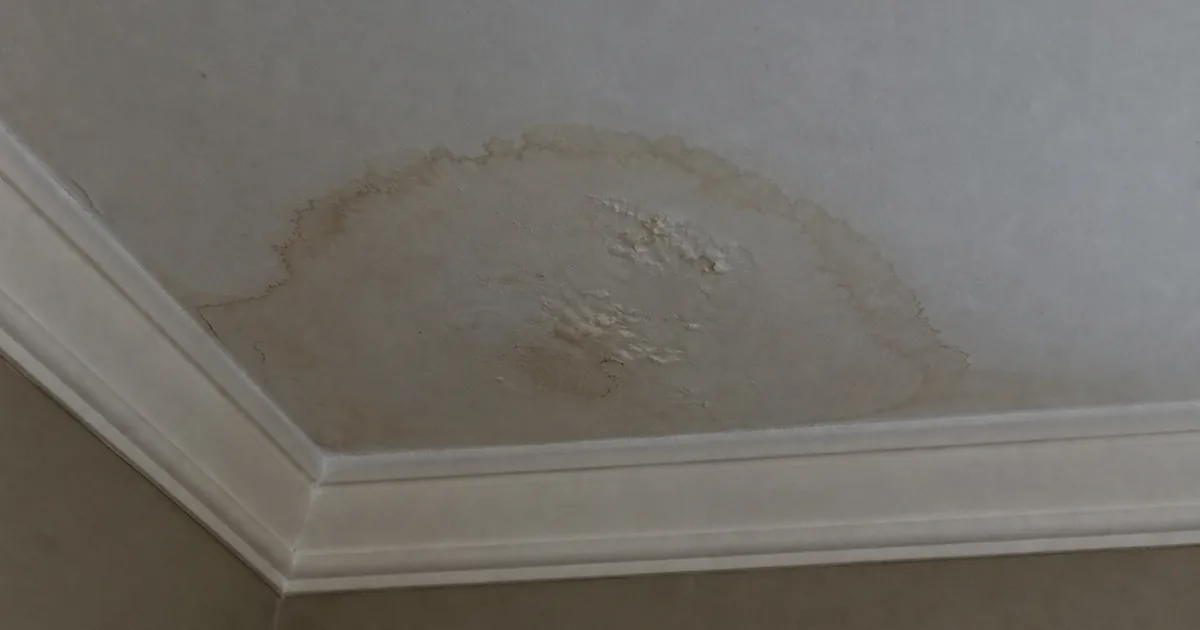
That is the shape of this finding. A tile shower can look perfect on the surface and still be losing water underneath, and the first honest evidence often appears a floor below, in a ceiling, long after the leak began.
This guide is for the agent working Aliso Viejo and the nearby south Orange County communities, including Laguna Niguel, Lake Forest, and Mission Viejo, where the same generation of master-planned homes is now the same age. Here is what a shower pan actually is, why these showers fail, and how to keep a hidden leak from becoming a late surprise.
Why this matters for the agent
Here is what is at stake. A shower that leaks below the surface does not announce itself. It does not drip where anyone can see it, it does not show up in listing photos, and it will pass a casual look every time, because the part that fails is the part nobody can see. By the time it marks a ceiling downstairs, it has usually been wet for a while, and the framing, the subfloor, and the drywall between the two floors have been living with that moisture the whole time.
Aliso Viejo makes this an agent’s issue for two specific reasons. The first is age. This is a city that was built out largely in the 1990s, with the single biggest share of its homes going up in that decade and a median build year right around the middle of it. That puts the original builder showers somewhere in the range of twenty-five to thirty-five years old, which is past the point where the waterproofing under a tile shower can be assumed to be doing its job. The second is how the homes are built. A large share of the housing here is two-story, attached, or stacked, which means an upstairs shower very often sits directly over living space, a garage, or in a townhome or condo, over a neighbor’s unit. A concealed pan leak in a single-story home damages a slab. The same leak here damages a ceiling, or somebody else’s ceiling, which is a very different conversation.
What a shower pan actually is
The waterproof part of a tile shower is not the tile. This is the single thing most buyers get wrong, so it is worth being plain about it.
Tile and grout are the wearing surface, not the water barrier. Grout is cement, and cement is porous, so water passes through a tiled shower floor continuously in normal use. The system is designed for that. Under the tile is a bed of mortar, and under the mortar bed is the actual waterproofing, historically a pan liner, a sheet of waterproof membrane folded up the walls and over the curb and clamped into the drain. That liner is the thing holding the water in. It catches whatever passes through the tile and grout and directs it back to the drain, which is built with a second set of openings, called weep holes, down at the liner level, precisely so the mortar bed can drain instead of staying saturated.
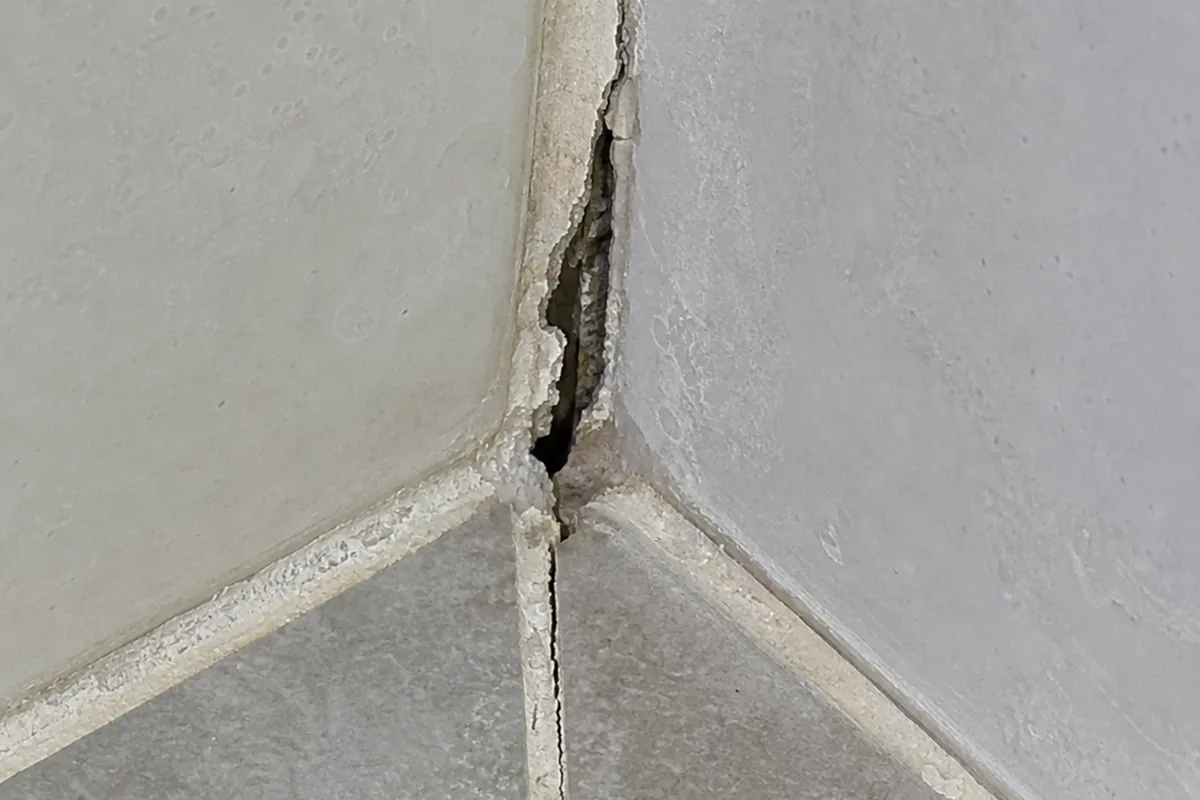
When that hidden system works, the shower can look worn and still be sound. When it fails, the shower can look immaculate and be losing water on every use. The tile you are admiring at a showing tells you almost nothing about the condition of the membrane two layers below it, and that membrane is the whole ballgame.
Why these showers fail
The failures repeat, and they are mechanical, not mysterious. Once you know what to picture, the ceiling stain downstairs stops being a surprise.
The pan liner itself gives out. The older membranes get brittle with age, and a fold at a corner or a puncture from the original tile setter’s work opens a path the water was never supposed to have. Twenty-five to thirty-five years is a realistic service window for that material, which is exactly the window most Aliso Viejo showers are now in.
The weep holes clog. Over the years the drain’s lower openings pack with debris and loose mortar, the mortar bed stops draining, and it sits wet between uses. A saturated bed keeps the whole assembly damp, works on the liner and the surrounding framing, and turns an occasional problem into a constant one.
The curb and the threshold leak. The dam you step over is a common failure point, because the liner has to be folded and sealed there and because the tile and grout on the curb take direct water. A crack along the curb, or a separation where the shower meets the bathroom floor, lets water past the edge of the system entirely.
The corners and the wall base crack. The joint where the shower floor meets the wall moves a little with the house and with temperature, and rigid grout in that joint cracks. That joint is supposed to be a flexible sealant, not grout, and when it is grouted it opens up and lets water into the wall.
The niche and any glass-block or window opening leak. A shampoo niche or a window inside the wet area is a built-in hole in the waterproofing, and if it was not flashed and sealed correctly it leaks behind the tile where nothing shows.
Fresh caulk hides all of it. The most misleading version is a shower that was recently re-caulked and re-grouted before listing. It looks renewed, and the surface work does nothing for a failed membrane underneath. A bead of new silicone in the corner can buy a clean showing and leave the buyer with the same leak.
One boundary is worth stating, because these subjects get blurred. This article is about interior fixture waterproofing, the shower assembly itself. It is not about exterior deck and balcony waterproofing, which fails by its own mechanism and is covered in our deck and balcony waterproofing guide. It is not about moisture coming up from below the slab or a high water table, which our ground moisture guide works through. And it is not a supply-pipe leak inside the wall, which is a plumbing failure of a different kind, closer to the copper pinhole leak guide. This is water getting past the shower and into the structure.
Schedule an Aliso Viejo inspection →
What agents should tell every buyer
When a buyer is under contract in Aliso Viejo and the home has original upstairs showers, give them these points before the inspection.
- The tile is not the waterproofing. A shower can look flawless and still be leaking under the mortar bed. Do not let a clean shower reassure anyone.
- Look at the ceiling below an upstairs shower, not just the shower. The first evidence of a pan leak usually shows up a floor down.
- Treat fresh caulk and new grout in an old shower as a question, not an answer. Surface work does not fix a membrane, and sometimes it is there to get through a sale.
- Expect original showers here to be twenty-five to thirty-five years old. That is old enough that the waterproofing has earned a careful look rather than the benefit of the doubt.
- In a townhome or condo, remember the leak can go into a shared assembly or a neighbor’s unit, which brings the HOA into it. That changes both the stakes and who pays.
- Understand what the fix actually is. A truly failed pan is not a re-grout. It is a tear-out and rebuild of the shower, and it should be priced that way, not as a tube of caulk.
A buyer who hears this stops trusting the surface and starts asking the right question, which is what the shower is doing under the tile.
Red flags during showings
You can catch a fair amount of this before an inspector ever arrives. Watch for these in Aliso Viejo homes.
- A stain, a bulge, or a patched-and-repainted spot on a ceiling directly below an upstairs bathroom.
- Loose, hollow-sounding, or cracked tiles on the shower floor, or grout missing at the corners and the base of the walls.
- A soft or discolored floor, baseboard, or door casing just outside the shower or against the shared wall.
- Fresh caulk and bright new grout in a shower that is otherwise clearly original to a 1990s home.
- A musty smell in a bathroom that is otherwise clean, or in the room directly below it.
- A shower curb or threshold that is cracked, separating, or has been repaired more than once.
- Peeling paint or a warped baseboard on the garage ceiling or wall under an upstairs bath.
If we see these, we document them and tell the buyer what they point to.
The negotiation playbook
When a shower leak surfaces in Aliso Viejo, the deal usually moves one of a few ways.
The first path is the seller repairs it before closing, done correctly. A real repair to a failed pan is a shower rebuild, not a re-caulk, and it should be permitted and finished before closing, with the buyer or the inspector confirming the work rather than taking a receipt on faith. Insist on the real scope, because a cosmetic patch that clears escrow leaves the buyer with the identical leak.
The second path is a credit sized to the actual fix, which is the most common outcome. The clean version is a credit based on one or two licensed contractor bids for the full rebuild, including the demolition, the new waterproofing, the tile, and the repair of whatever the water already damaged below. The bid is the document that anchors the number. A rebuild is a real cost, and a credit sized to a caulk job is not a fair trade.
The third path is the buyer walks under the inspection contingency. When the leak has been running long enough that there is real question about the framing and subfloor between the two floors, and the seller will not engage, walking is a legitimate choice. The agent’s job is to make sure the buyer knows that option is on the table and what triggers it, with earnest money protected.
The fourth path is the deal closes with the condition documented and handled after closing. Sometimes the timing does not allow a rebuild inside escrow. If the buyer chooses to proceed, document the informed decision in writing, get the bids in hand, and treat the repair as an early priority rather than something to live with, because a shower leak does not improve on its own.
How the inspection actually catches it
This is a finding that comes down to measuring and reading the structure, not admiring the tile, which is most of the point. We look at the ceiling and the walls below and around an upstairs shower first, because that is where a concealed leak shows itself, and a stain there tells us to treat the shower above with suspicion no matter how clean it looks.
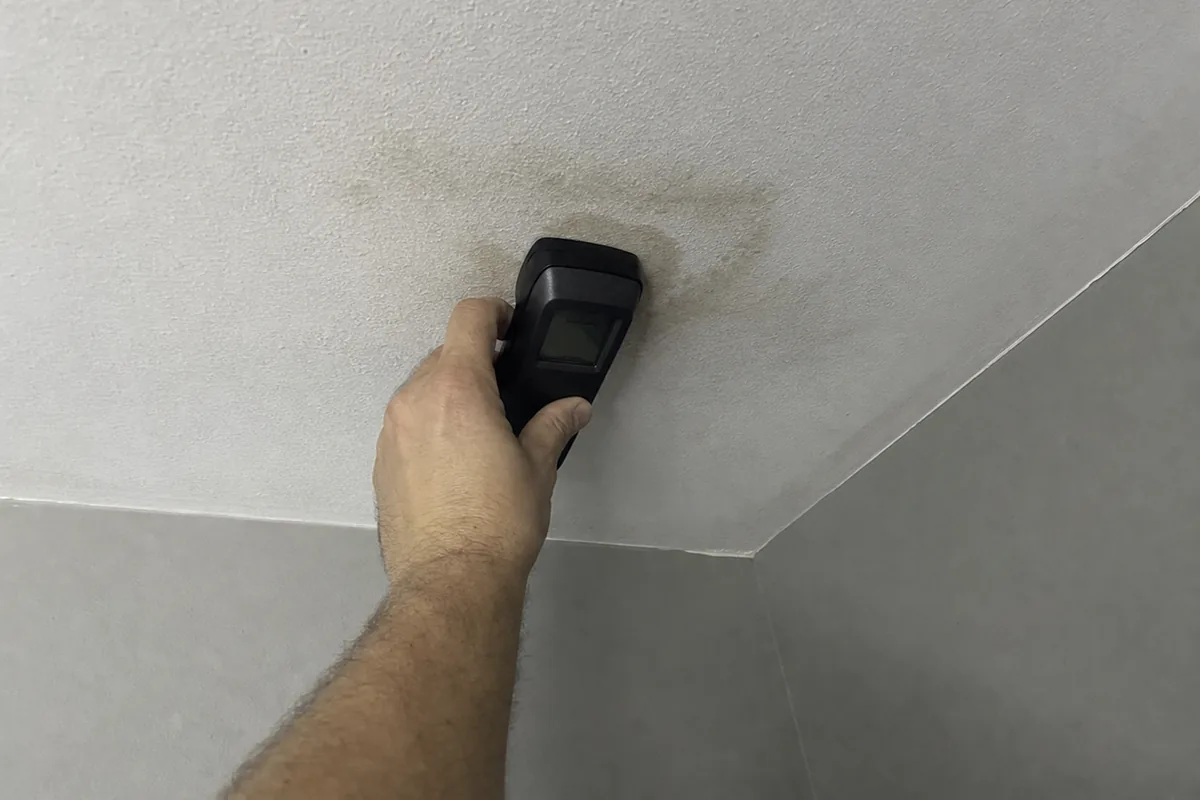
We take moisture readings at the ceiling and walls below the shower and at the floor and framing around it, because elevated moisture where it should be dry is the honest signal. We use thermal imaging to find the temperature difference that wet framing and drywall create behind an intact surface, which is one of the clearest ways to see a leak that leaves no visible mark, and it is part of every inspection we do, not an add-on. Our infrared scanning guide walks through how that works. We run the shower during the inspection and watch what happens below and around it. We look hard at the curb, the corners, the niche, and any fresh caulk, and we say plainly when surface work appears to be covering something.
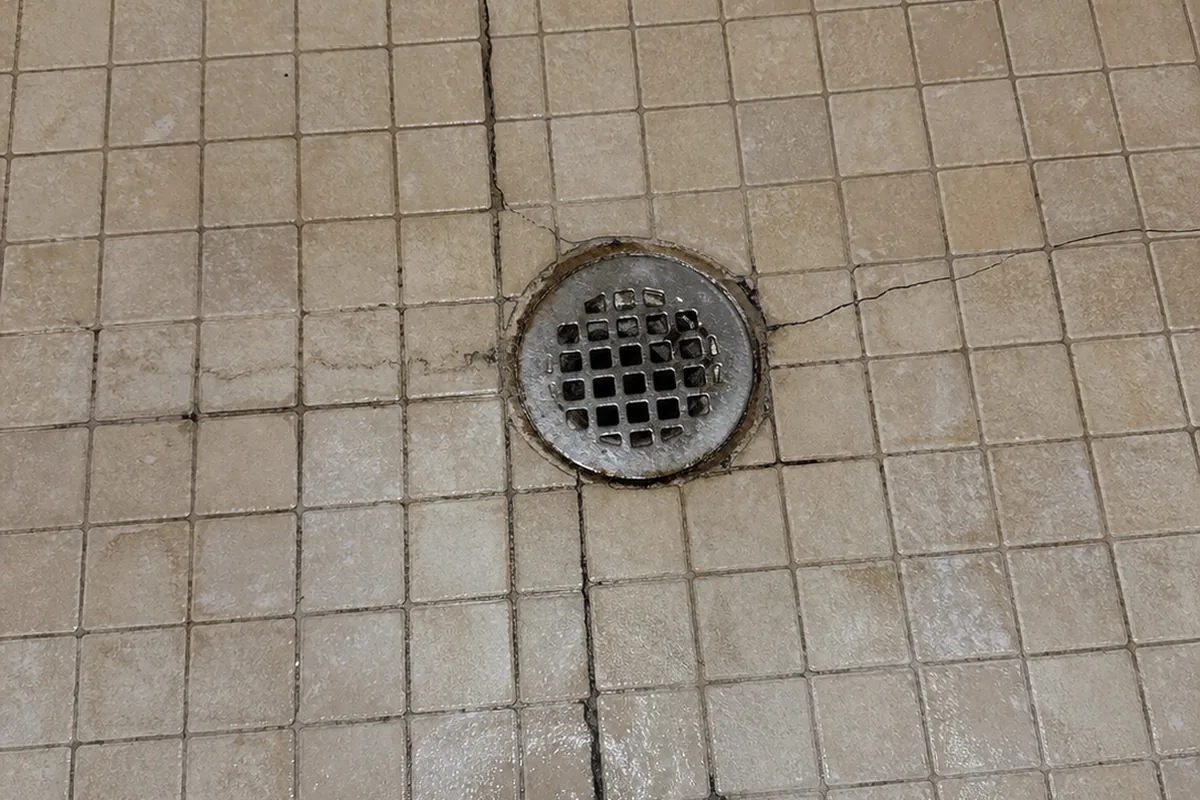
What we do not do is open the wall or tear out the shower. A home inspection is not invasive, so we cannot see the pan liner directly or prove where the water is getting in. When our readings and the thermal image and the visible evidence point to a leaking shower, we document all of it and tell the buyer that confirming the source and the extent, and rebuilding it, is work for a licensed contractor or a leak-detection specialist. That referral matters here, because the difference between a re-grout and a rebuild is exactly the difference we cannot settle by looking, and our guide on how to read a home inspection report explains how we flag that in writing.
Quick FAQ
If the shower looks perfect, can it still be leaking? Yes, and that is the whole problem. The tile and grout are the wearing surface, not the waterproofing. A shower can look immaculate on top and be losing water through a failed pan liner underneath. The condition of the tile tells you very little about the condition of the membrane below it.
Why does the stain show up in the ceiling instead of the shower? Because the leak is under the shower floor, not on it. Water that gets past the waterproofing runs along the framing and down, and it marks the first surface it reaches, which is usually the ceiling of the room below. In much of Aliso Viejo that room is living space, a garage, or a neighbor’s unit.
Is a leaking shower a re-grout or a rebuild? If the grout and caulk are simply worn, it can be a surface repair. If the pan liner or the waterproofing has failed, it is a rebuild, meaning the shower is demolished and rebuilt with new waterproofing. A home inspection cannot always tell which from the surface, which is why the finding comes with a referral and the credit should be sized to the larger possibility until a contractor says otherwise.
Does the HOA get involved in a condo or townhome? It can. When a leak reaches a shared wall, floor assembly, or a neighbor’s unit, the association’s rules on who owns and maintains what come into play, and so does the question of who pays. In a city where nearly every home sits under an HOA, this is worth raising early rather than discovering in the middle of a claim.
Can you tell how long it has been leaking? Not exactly. We can tell you whether it is wet now, roughly how far the moisture extends, and whether a stain looks like it has cycled wet and dry more than once, which suggests it is not new. Pinning down the timeline and the full extent is part of what the specialist confirms when they open it up.
The honest summary
Aliso Viejo is a 1990s city, and its original showers are now old enough that the waterproofing under the tile deserves a careful look rather than the benefit of the doubt. The tile can be spotless and the pan below it can be finished, and because so much of the stock is two-story, attached, or stacked, the leak that results tends to land in a ceiling, a garage, or a neighbor’s unit rather than somewhere harmless.
This is not a dramatic finding and it rarely leads a report. It is a quiet one that hides behind clean tile and shows up a floor away. We will read the ceilings and walls below the shower, take real moisture measurements, put a thermal camera on it, run the water, and tell your buyer plainly whether the shower is doing its job under the surface, along with a scope a contractor can price. The clean shower is not the evidence. What it is doing underneath is. That is the job.
See what every inspection includes → · Read our FAQ → · Explore Aliso Viejo home inspections →
Related reading
- Deck and Balcony Waterproofing in Manhattan Beach. The same idea outdoors, where a failed waterproof layer rots the structure under an intact-looking surface.
- Ground Moisture and a High Water Table in Camarillo. Moisture that arrives from below the slab rather than from a fixture above, and how to tell them apart.
- Copper Pinhole Leaks in Tustin. A supply-pipe leak inside the wall, a different plumbing failure that also hides until it marks something.
- Toilet Flange Failure and Subfloor Damage in Winnetka. Another interior fixture-moisture topic, a different assembly and a different failure mechanism.
- How to Read a Home Inspection Report in California. How to separate the safety and structural findings from the cosmetic ones.