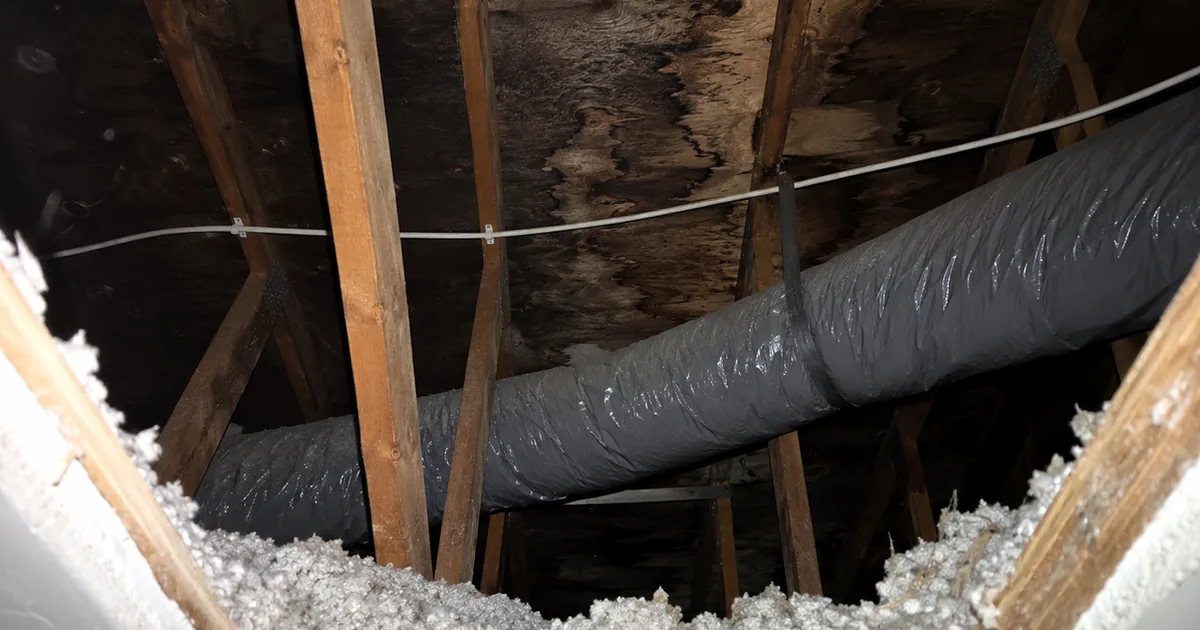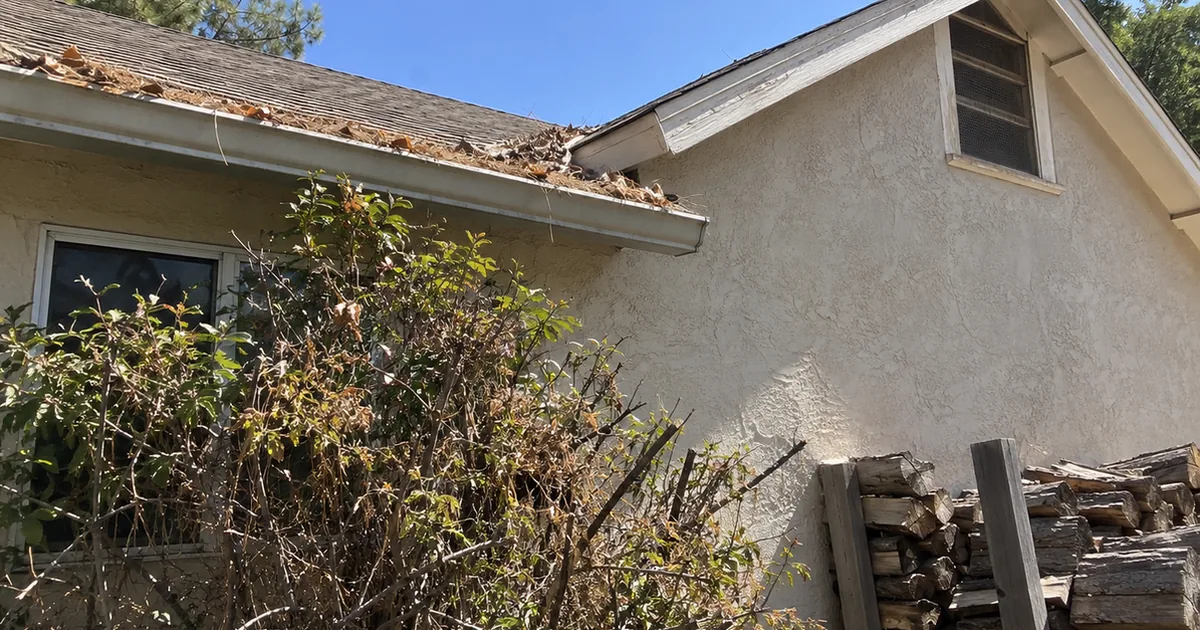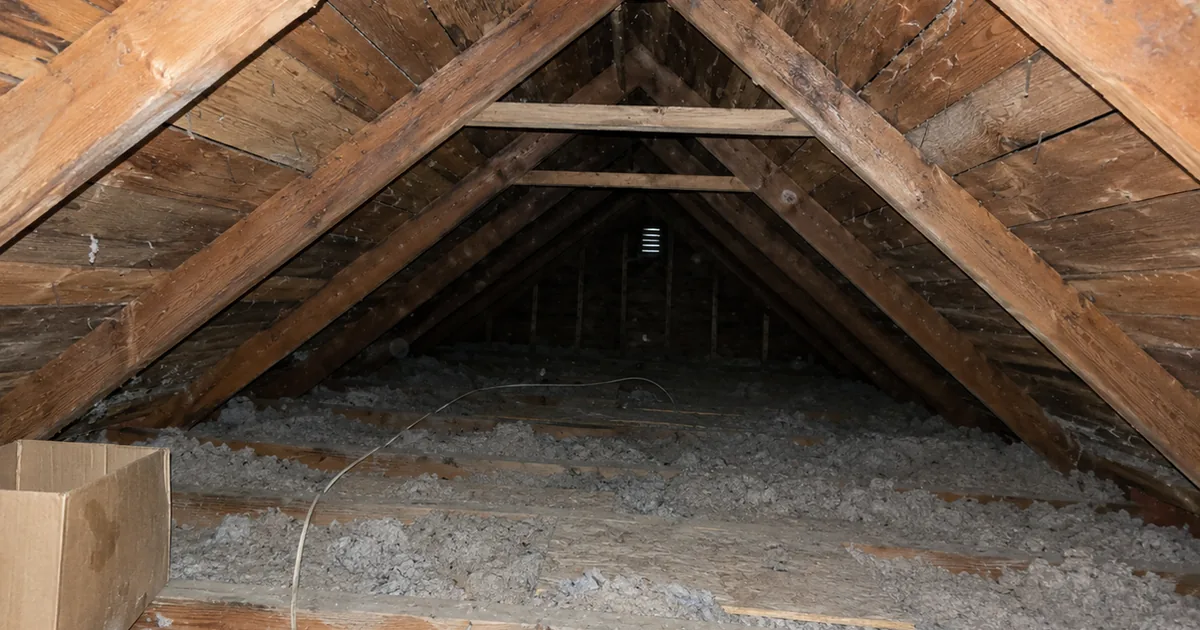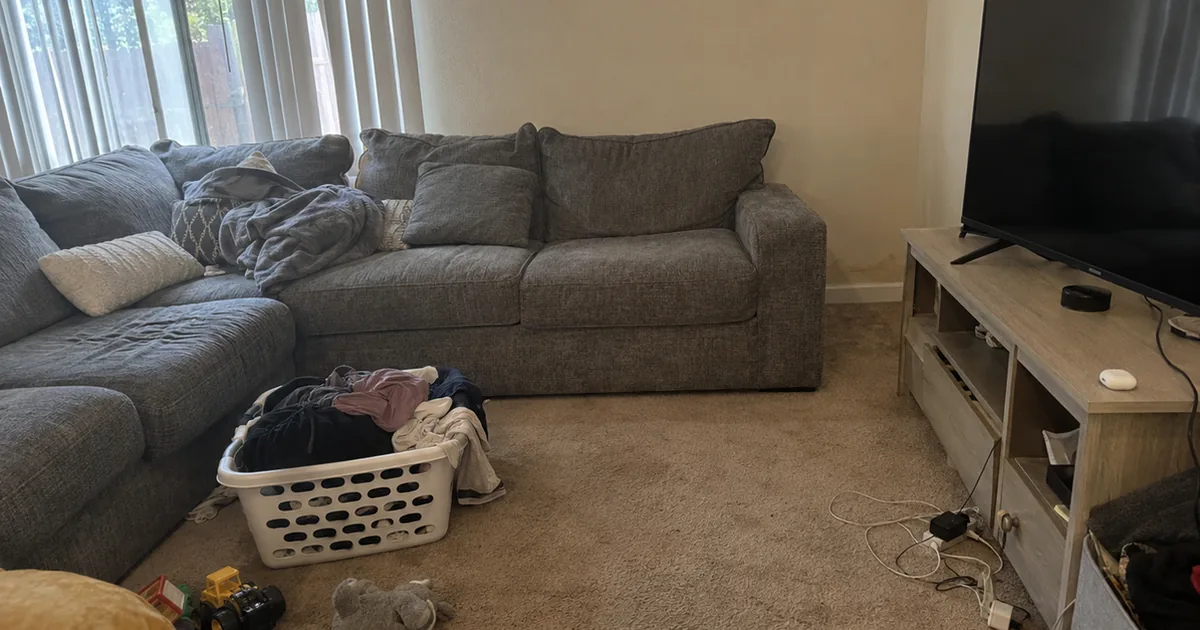
A 1960s single-story rental. The listing agent gave the tenant written notice the day before. The tenant is home with a toddler.
A large sectional sofa sits flat against the living room wall. A bed and dresser cover most of the back bedroom walls. A faint water stain shows at the baseboard just past the sofa arm. The inspector can see the edge of the stain, but not the wall behind the sofa. One closet door stays shut because the tenant asks that it not be opened.
These are composite situations we see, not one house. That afternoon, the report has a finding, a limitation, and a question. The buyer has to decide what each one is worth before removing the contingency.
A tenant-occupied inspection has three limits that an empty-house inspection does not
A tenant-occupied inspection is different because access runs through the tenant’s rights, furniture hides the surfaces where damage appears, and the buyer takes on a landlord’s duties along with the building.
A short contingency period and a motivated seller do not give anyone permission to disregard the tenant’s rights. A wall can be visible above a sofa and hidden at the baseboard. A closet can contain the attic hatch and still be unavailable. And the buyer is not only purchasing walls and wiring; on the day the deed records, the buyer owns the rental relationship and the safety duties that come with it.
The separate article about blocked hatches, stored items, and utilities covers the stored-items and utilities question, so this one does not repeat it.
The same issue appears in rental sales across California, whether the buyer is arranging Los Angeles home inspections or buying a tenant-occupied property in Long Beach.
Civil Code section 1954 requires notice, timing, and a stated purpose
California Civil Code section 1954 allows entry for a buyer’s inspection, but the seller’s side must follow the statute’s notice and timing rules. Confirm the current text with your agent or a California real estate attorney.
Section 1954(a)(2) allows a landlord to enter to “exhibit the dwelling unit to prospective or actual purchasers, mortgagees, tenants, workers, or contractors.”
That does not mean the buyer’s agent can call the tenant and arrange a Saturday evening inspection. Under section 1954(b), “entry may not be made during other than normal business hours unless the tenant consents to an entry during other than normal business hours at the time of entry.” The statute includes exceptions for an emergency and abandonment.
Section 1954(d)(1) says, “Twenty-four hours shall be presumed to be reasonable notice in absence of evidence to the contrary.” Written notice must include “the date, approximate time, and purpose of the entry.” Mailing notice at least six days before the intended entry is presumed reasonable notice.
Section 1954(d)(2) permits oral notice, in person or by telephone, if the landlord or the landlord’s agent notified the tenant in writing within the prior 120 days that the property is for sale. At the time of entry, the landlord or agent must leave written evidence of the entry inside the unit.
Section 1954(e)(2) says notice is not required when “the tenant is present and consents to the entry at the time of entry.”
The statute also says in section 1954(c), “The landlord may not abuse the right of access or use it to harass the tenant.”
The practical result is plain. The inspection is scheduled by the seller’s side, during business hours, with notice. A return visit for a specialist or a closer look behind the sofa needs its own notice. That return visit can consume days of the inspection contingency period.
No California statute we found caps the number of showings or requires a separate notice of sale beyond the written notice described in section 1954(d)(2). That is not permission to make repeated entries without regard to the tenant.
Rental homes changing hands in Oakland bring the same timing issue. The legal notice may be short, but the available appointment window may be shorter.
The purchase agreement does not require the seller to move the tenant’s furniture
The California Association of Realtors Residential Purchase Agreement, as we read it in the 12/21 revision, says, “Seller shall make the Property available for all Buyer Investigations. Seller is not obligated to move any existing personal property.” Check the revision on your own form.
In an occupied rental, that personal property belongs to the tenant. The seller may not control whether the tenant moves a sectional, empties a cabinet, opens a closet, or removes a bed from a wall.
InterNACHI’s Standards of Practice state that the inspector is not required to “move any personal items or other obstructions, such as … furniture … equipment, plants … pets, or anything else that might restrict the visual inspection.”
The standards also do not require the inspector to enter or access an area that may, in the inspector’s opinion, be unsafe. They state that, “An inspection will not identify concealed or latent defects.”
That leaves no one in the inspection chain obliged to slide the sofa. Ask in advance, through the listing agent, for specific items to be moved or rooms to be opened. Name them. “Please open the hall closet” gets a different answer than “please prepare the house.” The same discipline applies to a rental in Riverside: the appointment is not a blank check for access to every surface.
Six occupied-house locations commonly remain partly hidden
Furniture and belongings hide conditions in predictable places. The inspector reports what can be seen, identifies its location, and recommends further evaluation when the source cannot be seen.
-
Baseboards and lower walls behind sofas and beds can hide leak staining, moisture damage, and the source of a faint mark. The visible edge of a stain is still a finding, but the covered wall may remain a limitation.
-
Flooring under rugs and furniture can hide water damage or a soft subfloor, especially near bathrooms. A floor that feels sound in the exposed walking path does not establish the condition under a heavy bed or rug.
-
Under-sink cabinets packed with supplies can block active drips and stained cabinet floors. The plumbing connections may be visible while the area directly below them is not.
-
Closets can contain the attic hatch. Clothing, boxes, and furniture may prevent the inspector from opening the hatch or viewing the surrounding ceiling and framing.
-
Water heater and furnace closets may be used as storage. Stored items can restrict the view of the appliance, connections, venting, controls, and surrounding surfaces.
-
A garage packed with the tenant’s things can hide the electrical panel and the water heater. The inspector may report that those components were not fully visible or accessible rather than treating the hidden portions as sound.
A condition follows the house if it will still exist after the tenant leaves
The plain decision rule is this: ask whether the condition will still be there the day after the tenant moves out.
Worn carpet, wall dings, broken blinds, pet damage, missing screens, and a door off its track usually arise from occupancy. They generally end as tenant turnover, cleaning, or cosmetic work. The exact responsibility can depend on the lease and the facts.
An active leak does not leave with the tenant. Moisture at baseboards, failed flashing, unsafe wiring, and a water heater without proper venting remain conditions of the house. They are not converted into tenant wear because a tenant lived there.
A broken blind changes a turnover estimate. Moisture behind a sofa changes whether the contingency should come off yet.
Missing or disabled smoke alarms are the overlap case. A tenant may have removed an alarm because it chirped. The owner still has the safety duty. Odors work the same way: a tenant’s cooking or pets can hide a smell that belongs to the house, so note what you smell in the first minute.
When the tenant is home and the inspection window is short, the first visit has to capture as much as possible. Inspection.re reports are delivered the same day, with photos of each finding. A 3D Matterport tour with tagged findings lets a buyer who could not attend walk through the occupied house afterward without another notice to the tenant.
The buyer becomes responsible for more than the roof and plumbing
The new owner inherits rental safety duties, not just physical conditions. California Health and Safety Code section 13113.7 says smoke alarms “shall be installed, in accordance with the manufacturer’s instructions in each dwelling intended for human occupancy.”
The rental owner “shall be responsible for testing and maintaining alarms required by this section.” At the time a new tenancy is created, the owner is responsible for smoke alarms being operable.
Health and Safety Code section 17926 requires an owner to install a carbon monoxide device “in each existing dwelling unit having a fossil fuel burning heater or appliance, fireplace, or an attached garage.” Section 17926.1 requires the owner to maintain carbon monoxide devices. The device must be operable when the tenant takes possession. The owner is not in violation for an inoperable device when the owner has not received notice.
The smoke and carbon monoxide alarm placement guide covers placement details. Confirm the current statutory requirements and the facts of the property with your agent or an attorney.
Civil Code section 1941.1 lists the characteristics a rental must have or it is “deemed untenantable.” The list includes effective waterproofing and weather protection of the roof and exterior walls, unbroken windows and doors, plumbing and gas facilities in good working order, hot and cold running water connected to a sewage system, heating facilities, electrical lighting and wiring in good working order, clean premises free of rodents and vermin, adequate garbage receptacles, and floors, stairways, and railings in good repair.
The inspection report reads almost line for line against that list. A buyer of an occupied rental should read it twice, first as a buyer and then as the next landlord.
Civil Code section 1950.5 also matters at the sale. The landlord must either transfer the portion of the security deposit remaining after lawful deductions to the successor landlord and notify the tenant, or return it to the tenant with an accounting. Ask escrow which option is being used.
Civil Code section 1946.2, the Tenant Protection Act, does not list a sale as a just cause to end a tenancy. One no-fault ground is the owner’s intent to occupy the property as a primary residence for at least 12 continuous months, with relocation assistance equal to one month of the tenant’s rent. For leases signed on or after July 1, 2020, that ground applies only if the tenant agrees in writing or the lease allows it.
A single-family home can be exempt from those rules, but only when the owner is not a REIT, a corporation, or an LLC with a corporate member, and the required written exemption notice was given. Whether a particular tenancy is covered is a question for a California real estate attorney. The inspection report does not answer it.
Six requests should be made before the inspector arrives
The listing agent and buyer’s agent should set the appointment around the statute, the tenant, and the inspection scope.
-
Serve written notice under Civil Code section 1954 with the date, approximate time, and purpose, for an entry during normal business hours. If notice was given orally under section 1954(d)(2), leave written evidence of the entry inside the unit.
-
Request, by name and in writing through the listing agent, the locked rooms to open and the specific sofa, bed, dresser, closet, garage area, or cabinet to clear.
-
Ask for the lease, the deposit amount, and any written repair requests made by the tenant. A tenant’s past repair complaints can point the inspector toward the right walls and rooms.
-
Schedule specialists, including a sewer scope, roof inspection, or pest inspection, on the same visit when possible. Fewer visits mean fewer notice issues and fewer days lost from the contingency period.
-
Ask that pets be secured. The inspector does not have to enter an area that is unsafe, and an unsecured pet can restrict access.
-
Book any second visit before half the contingency clock is gone. The California inspection contingency timeline explains how the contingency is removed.
A second visit requested on the last day, in San Bernardino or anywhere else, still has to fit both the tenant’s notice rights and the contract deadline.
Three report lines matter most in an occupied rental
Read the limitation lines first. They tell you what was blocked, what was not opened, and why the inspector could not see or operate something. A limitation is not proof of a defect, and it is not proof that no defect exists.
Next, read conditions that could be either tenant wear or a building defect. A stain behind a sofa, a damaged wall, or a floor concealed by a rug may need further evaluation. The report should separate the visible condition from the conclusion that cannot yet be made.
Then read the life-safety findings the new owner will own. These include alarms, carbon monoxide devices, gas appliance venting, and electrical hazards. A freestanding range with no visible anti-tip bracket is one example, and in a rental the property manager is the right first call.
Infrared can show temperature patterns on the wall surface the camera can see. It cannot see through a sofa. The thermal image explanation describes what infrared can and cannot show.
A rented garage conversion or added unit creates a separate permit question. The inspector reports observed conditions. Permit history and legality require records from the building department. The guide to rented garage conversions and unpermitted units addresses that issue.
If the seller agrees to make repairs while the tenant remains in place, ask how the work will be proven. A statement that someone repaired the leak is not the same as accessible documentation and visible completed work. Use the repair verification guide before closing.
Some questions require a specialist rather than a general inspection. The inspection and specialist guide explains where that line falls.
Four questions come up before the inspection begins
Can the tenant refuse the inspection?
Civil Code section 1954 allows entry to exhibit the dwelling to purchasers with reasonable notice during normal business hours. A tenant who refuses entry is a matter for the seller and the seller’s attorney, not the inspector. The inspector cannot compel entry.
Can I attend?
Yes. The entry is for the inspection, so coordinate attendance through the listing agent. If you cannot attend, the Matterport tour and tagged findings can help you review the occupied house afterward.
Should the tenant be present?
The tenant may be present. Be courteous, keep the inspection focused, and keep the conversation about findings between the buyer, the agents and the inspector.
Does the inspector check whether the unit is legal?
No. The inspector reports conditions. Permit history and legality come from the building department, and a legal-use question belongs with the agent and an attorney before the contingency comes off.
Schedule the inspection with proper notice. Name the rooms, furniture, cabinets, closets, and storage areas that need access. Read the report for limitations, tenant wear, and the building and safety duties you will inherit. Decide what to do before the inspection contingency is removed.
Review what the Inspection.re inspection includes, the common inspection questions, and a sample inspection report. If timing or access is unclear, contact Inspection.re at 1-888-88-INSP-9.