When we walk a house in a fire-prone part of California, the first questions are about the vents, the roof edge and what is stacked against the siding. A new state law is about paying for exactly those things.
SB 894 creates a loan program for projects that reduce wildfire-related risks and losses. It includes home hardening, ignition-resistant features, vegetation management, defensible space and smoke mitigation retrofits. The program is unfunded today, so buyers, sellers and agents should treat it as a possible future financing source, not money available for a current transaction.
SB 894 creates a wildfire resilience loan program, but several details still need confirmation
SB 894 is a 2025-26 session bill by Senator Ben Allen. In the Legislature, its title is “Wildfire resiliency: financial assistance.” It creates the California Wildfire Resilience Loan Program.
Governor Newsom signed the bill on September 29, 2026, according to an insurance trade publication. A local news report dated October 13, 2026 describes the measure as passing the Legislature with unanimous bipartisan support and calls it the “Wildfire Mitigation Affordability Act.” That report identifies Megafire Action as the sponsor.
The exact chapter number is unconfirmed. Look up the final law at leginfo.legislature.ca.gov before relying on a chapter citation or quoting final statutory language.
The program is also described in two related ways. A Senate Appropriations Committee analysis dated April 23, 2026, for a May 14, 2026 hearing, says the California Alternative Energy and Advanced Transportation Financing Authority, or CAEATFA, will administer it. A news report says the State Treasurer’s Office will implement it.
Those statements are not necessarily in conflict. CAEATFA sits within the Treasurer’s office. The final text should confirm the precise administrative arrangement.
The stated purpose is financial assistance for projects and activities that reduce wildfire-related risks and losses. The goal also includes improving insurability and resilience in communities vulnerable to wildfire.
That is the policy direction. It is not yet a working loan product with a published application, rate sheet or contractor list.
Nothing is loanable yet because the program still depends on outside funding
There is nothing to apply for today.
The bill’s provisions are contingent on an appropriation by the Legislature or on the availability of federal or private funds. The bill itself appropriates no money.
The May 14, 2026 committee amendment made that funding condition part of the bill’s structure. Until one of those funding sources becomes available, the program cannot function as a source of homeowner financing.
The committee analysis estimated CAEATFA’s ongoing administrative costs at about $3.9 million in year one, rising to about $5 million by year five. Those estimates were based on CAEATFA’s own projection of 1,000 projects in the first year.
The same analysis said state funding for the loans themselves could be “possibly in the tens of millions of dollars.” That is an estimate, not an appropriation.
The financing structure also matters. The program is expected to use loan loss reserves, interest rate buy-downs and credit enhancements. Those tools can support private or other lending without the state lending the full amount directly.
The program was modeled on the GoGreen energy-finance platform, according to a news report. That report also says the program would use no utility ratepayer money and no property liens.
No loan amounts have been published. No interest rates have been published. No repayment terms have been published. The available material does not tell homeowners how much they could borrow, who would make the loan, how long repayment would last or what underwriting standards would apply.
The eligible work is not fully defined either. CAL FIRE is expected to provide guidance in consultation with the Office of Emergency Services and the Department of Insurance. That guidance does not exist yet.
The eligible work starts with the parts of a house that collect embers
The program is aimed at wildfire resilience work, not ordinary remodeling.
Reported eligible categories include home hardening, ignition-resistant features, vegetation management, defensible space and smoke mitigation retrofits. CAL FIRE may approve other measures that improve a structure’s survivability.
On an actual property, that can bring the discussion back to familiar inspection areas.
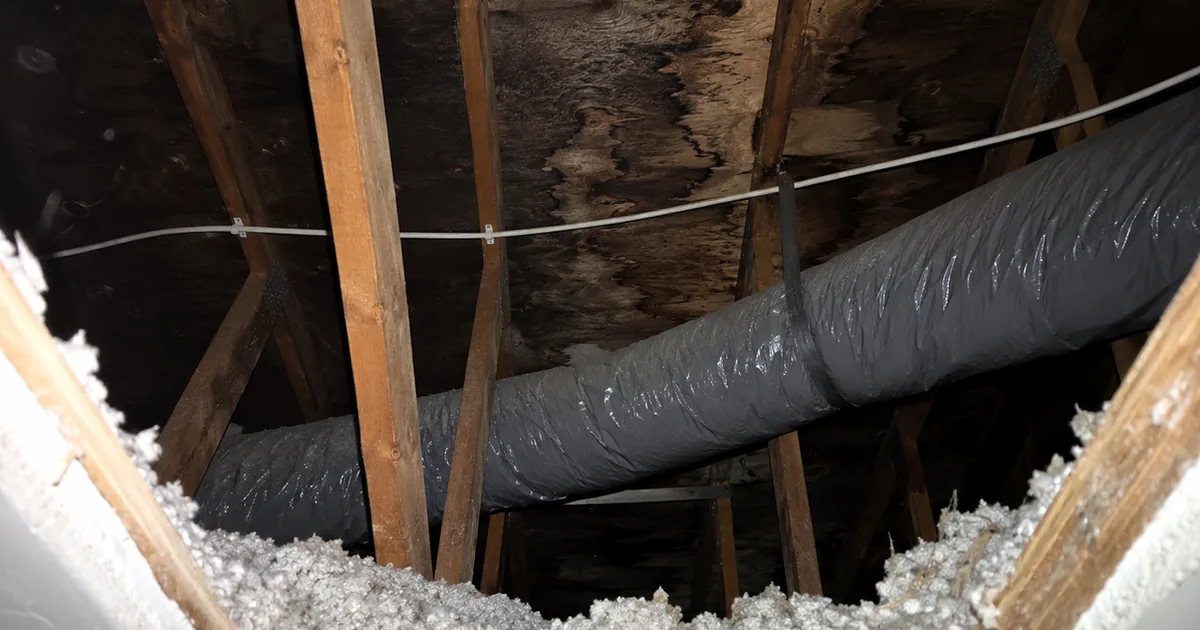
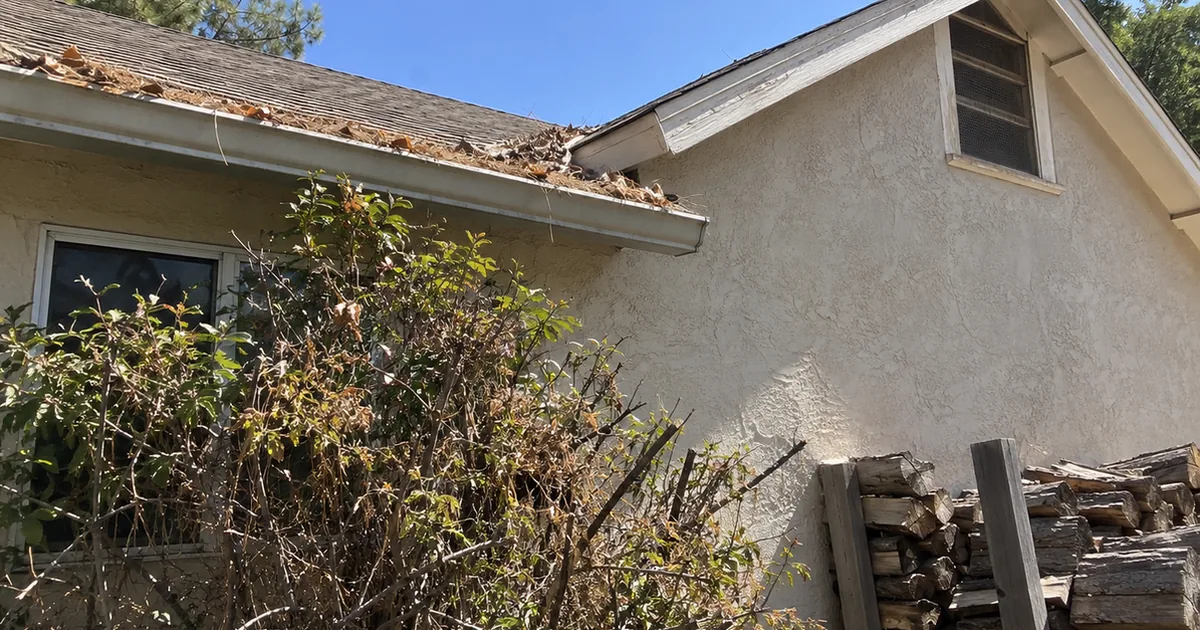
Vents are one example. An inspector looks at attic and foundation vent openings, their condition and their location as part of the observed building systems. The roof is another. The roof covering, roof edge, gutters, flashing and other penetrations are visible parts of the exterior that can affect the condition of the structure.
The first few feet beside the walls matter to the property’s defensible-space discussion. So do vegetation, stored items and combustible materials near the building. These are not abstract categories when you are standing at the side of a house. They are the surfaces, openings and materials that require attention.
The program’s final eligibility rules may identify which improvements qualify and what standards they must meet. Those rules are not available yet. An inspector can document what is present. An inspector cannot decide, before CAL FIRE issues guidance, whether a particular item will qualify for program financing.
Our Zone 0 ember-resistant zone article covers the state’s discussion of the area immediately around a home. It is useful background for buyers and agents looking at vegetation and stored materials near exterior walls. It does not turn an inspection report into a loan application or a funding decision.
A roof replacement may be related to wildfire resilience, but nothing we have read says that every new roof will qualify.
An inspection report documents conditions, but it does not certify wildfire hardening
An inspection report gives you a current-condition list. It does not give you a loan eligibility decision.
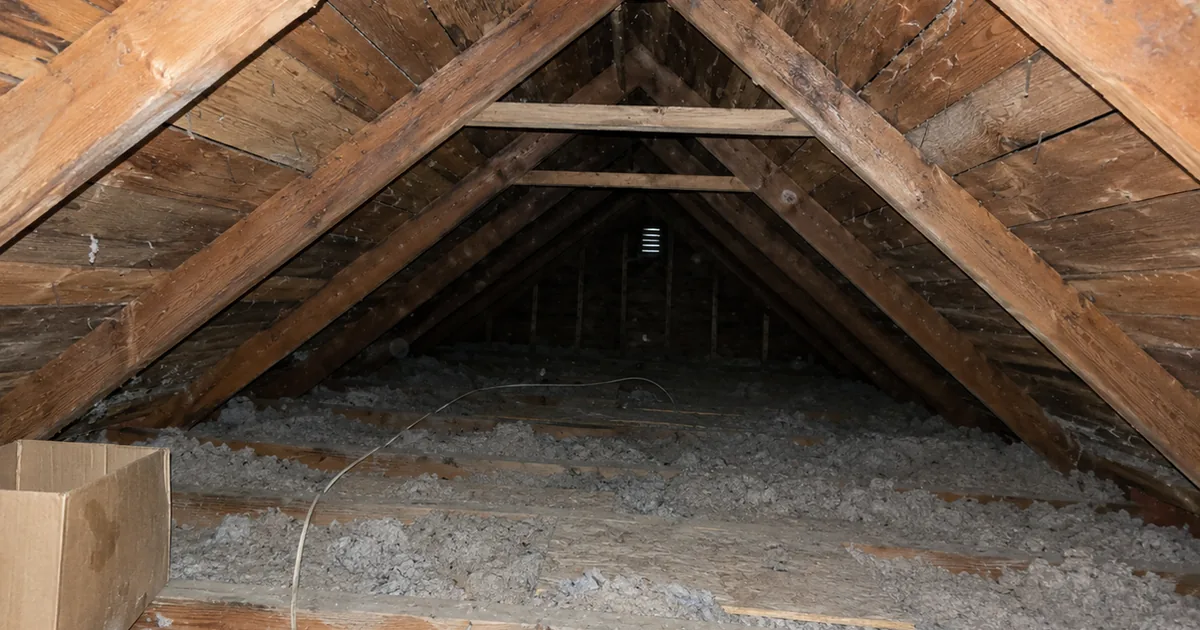
An InterNACHI-certified inspector can inspect roof-covering materials, gutters, vents, flashing and other penetrations, usually from the ground or eaves. Roofs that appear unsafe are not walked. The inspector also inspects insulation and ventilation in attics.
That work can identify visible conditions that may need further review or correction. A report can help a buyer, seller or agent build a scope of work. It can separate a damaged gutter from a larger roof question. It can identify a vent opening, stored material or vegetation condition that belongs on the property’s wildfire-resilience checklist.
The report still has limits. An inspection is not a wildfire-hardening certification. The inspector does not decide whether a project meets future CAL FIRE guidance. The inspector does not predict whether a house will survive a fire. The inspector does not predict whether an insurer will write a policy.
For roof areas that are not safely walkable, drone roof imagery can provide additional views where conditions permit. A FLIR infrared camera can show temperature patterns that may call for further investigation. A Matterport 3D tour with tagged findings can help people review the location of observed conditions.
Those tools document what was observed. They do not establish that a project is eligible for SB 894 financing.
If you are comparing an inspection report with a hardening certification, keep those documents separate. Our article on California home-hardening certification laws addresses that different process.
The report-reading guide at How to read a California home inspection report explains how to turn findings into questions, repair decisions and follow-up work.
SB 894 does not guarantee insurance coverage or a lower premium
The law does not guarantee that an insurer will write a policy.
Insurers may help identify applicants, aggregate demand and facilitate bulk purchasing. Their participation is not required. The law does not tie the loans to rate approvals, and it does not guarantee any insurance outcome.
That distinction matters for a buyer deciding whether a property is financeable. A future loan may help pay for work that improves a home’s resilience. It does not promise that an insurance company will accept the property, renew the policy, lower the premium or change a coverage decision.
The stated goal includes improving insurability and resilience in communities vulnerable to wildfire. A goal is not a coverage guarantee.
Our coverage of California wildfire insurance laws in 2026 addresses the separate insurance rules that buyers and sellers may encounter. The SB 1301 roof-age article addresses roof age, nonrenewal and inspection issues.
If a buyer needs an insurance answer for a specific property, the buyer still needs to ask the insurer or insurance professional handling that property. SB 894 does not replace that step.
Buyers should treat SB 894 as a future possibility, not part of the offer math
If you are buying in a fire-prone area now, do not count on loan money that does not exist yet.
Use the available property information and the inspection findings in front of you. Then ask what work is inexpensive, what work requires a contractor and what work could affect the transaction timeline.
-
Get the inspection report and read the sections on the roof, vents, gutters, attic ventilation, exterior surfaces and vegetation near the house. Ask for follow-up when the report identifies a condition outside the inspection’s scope.
-
Separate visible maintenance from larger work. A stored item beside the wall, a damaged gutter or vegetation close to the structure may raise a different question from a roof replacement or a wider hardening project.
-
Ask for cost information before treating the property as affordable. SB 894 does not publish loan amounts, interest rates or repayment terms, and there is no application process today.
-
Keep insurance separate from the loan question. Ask about the property’s insurance options and requirements without assuming that future resilience financing will change the result.
We inspect homes in fire-prone parts of the state, from Fallbrook and Escondido in San Diego County to Orinda and Oakland in the East Bay, and the same exterior questions come up in all of them.
A buyer can still use a report to organize questions for sellers, contractors and insurers. The buyer should not write an offer that depends on SB 894 funds becoming available by a particular date.
The Inspection.re inspection details explain what is included in a standard inspection. The service includes a same-day report, drone roof imagery, FLIR infrared camera work and a Matterport 3D tour with tagged findings when those tools fit the inspection.
Sellers and listing agents should document the property before promising future financing
Sellers should make the current condition clear. They should not market SB 894 as an available benefit.
Start with the observable parts of the property. Keep records for roof work, vent work, gutters, vegetation management and other improvements that may relate to wildfire resilience. An inspection report can help organize that information, but it is not a hardening certification.
If a property has visible conditions near exterior walls, roof edges, vents or stored materials, address the condition or disclose it through the appropriate process. Do not describe an item as SB 894 eligible unless the final rules support that statement.
If a buyer asks whether a future loan will pay for a roof, answer that the question is not yet decided.
If a buyer asks whether the program will solve an insurance problem, answer that insurer participation is not required and no insurance outcome is guaranteed.
A seller can provide a clear inspection report, invoices and other available property records. That gives the buyer something concrete to review. It does not promise financing, certification or insurance.
Quick FAQ: can you apply, and who decides what qualifies
Can I apply today?
No. There is nothing to apply for today because the program depends on a legislative appropriation or available federal or private funds.
Does SB 894 pay for a new roof?
Not yet decided. Roof-related work may fit within wildfire resilience work, but the published materials do not establish that every new roof qualifies. Loan amounts, rates and terms are also not published.
Does the program affect my insurance?
It does not guarantee insurance coverage, renewal, a lower premium or any other insurance result. Insurer participation is not required, and the law does not tie the loans to rate approvals.
Who decides what qualifies?
CAL FIRE is expected to provide guidance, in consultation with the Office of Emergency Services and the Department of Insurance. That guidance does not exist yet. The final administrative arrangement between CAEATFA and the State Treasurer’s Office should also be confirmed in the final text.
SB 894 may fund resilience work later, but it changes no inspection today
SB 894 creates a California Wildfire Resilience Loan Program for work that reduces wildfire-related risks and losses. It is signed, but it is not funded today. No homeowner can apply, and no published loan terms tell you what a project will cost or what the program will cover.
For now, inspect the property, document its condition and ask direct questions about repairs, insurance and cost. Do not use future SB 894 financing as a reason to overlook a current roof, vent, gutter, vegetation or stored-material condition.
Start with the inspection scope, review the answers in the inspection FAQ and use the sample inspection report information to decide what needs a closer look.