The Cheapest Thing That Stops a Closing: An Ontario Smoke and CO Alarm Guide for Agents
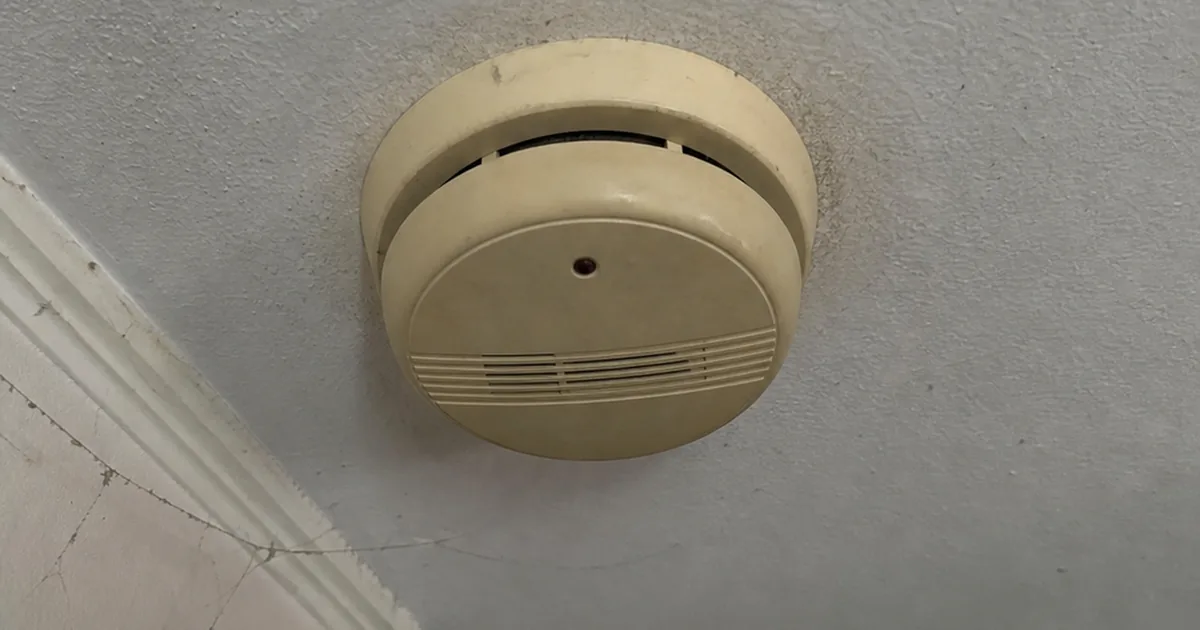
The house was a well-kept older home in Ontario, priced right, and the deal was moving. The inspection turned up the usual list for a home of that age, and near the bottom sat four lines nobody expected to matter: the hallway smoke alarm had a manufacture date of 2011 stamped on the back, the two bedrooms that had been added over the years had no alarms at all, and there was no carbon monoxide alarm anywhere in a house with a gas furnace and an attached garage.
Total cost to fix, at a hardware store, well under two hundred dollars. Total time, an afternoon. It still generated three days of back-and-forth, because it surfaced late, because nobody was sure whose obligation it was, and because it turned out the added bedrooms raised a second question about whether they had ever been permitted.
That is the shape of this finding. Smoke and carbon monoxide alarms are the least expensive item on any inspection report and one of the most common causes of avoidable friction at the end of an Ontario transaction. They are also, unlike almost everything else on the list, a legal requirement tied to the sale itself.
This guide is for the agent working Ontario and the surrounding Inland Empire, including nearby Rancho Cucamonga, Fontana, and Chino Hills, where the same mix of older core housing and newer tract construction produces the same gaps. Here is what the law actually asks for, where the alarms go, and how to clear it before it costs anyone a day.
Why this matters for the agent
Here is what is at stake, and it is unusual because it runs in two directions at once.
The first is safety, and it is not a formality. Working smoke alarms roughly halve the risk of dying in a home fire, and carbon monoxide is genuinely invisible, odorless, and produced by exactly the equipment most Ontario homes have, gas furnaces, gas water heaters, gas ranges, and cars in attached garages. These devices are the cheapest life-safety intervention that exists in a house.
The second is transactional. California requires operable smoke alarms and carbon monoxide alarms in dwellings, and the seller of a single-family home is required to certify compliance as part of the transfer. That means this is not a discretionary repair item that a buyer can decide to shrug off. It is a compliance item attached to the sale, it appears on the standard disclosure forms, and it is exactly the sort of thing that gets discovered late and creates a scramble.
The reason it should never be a scramble is the price. Nothing else on an inspection report has this ratio: a real legal and safety requirement, satisfied for the cost of a few devices and an hour with a screwdriver. An agent who handles it at listing rather than at the report stage removes an entire category of friction from the deal.
What the law actually asks for
The framework is simpler than it sounds, and it is worth carrying in your head.
For smoke alarms, California requires them in every bedroom or sleeping room, in the hallway or area immediately outside each separate sleeping area, and on every level of the home including basements. A three-bedroom single-story house therefore needs at least four, three in the bedrooms and one in the hall, and a two-story home needs at least one more. The state has also required, for some years now, that alarms sold and installed carry a ten-year sealed battery or be hardwired, and that they display the manufacture date.
For carbon monoxide alarms, the requirement applies to any dwelling that has a fossil-fuel appliance, a fireplace, or an attached garage, which in Ontario is very close to every home. They go outside each separate sleeping area and on every level of the home. A CO alarm is not a substitute for a smoke alarm and a smoke alarm is not a substitute for a CO alarm, though combination units are common and are fine.
Two details cause most of the problems. The first is expiration, which almost nobody knows about. Smoke alarms have a service life, generally ten years from the manufacture date printed on the back of the unit, and CO alarms are typically shorter, often five to ten years depending on the model. The sensor degrades whether or not the alarm has ever chirped, so an alarm that tests fine can still be past its life and out of compliance. The second is that the requirement follows the house as it changes. Add a bedroom, convert a garage into a sleeping room, finish a basement, and each new sleeping space needs its own alarm, which is precisely what gets missed on homes that have been added to over the years.
What actually goes wrong in Ontario
The failures repeat, and once you have seen them you cannot stop seeing them.
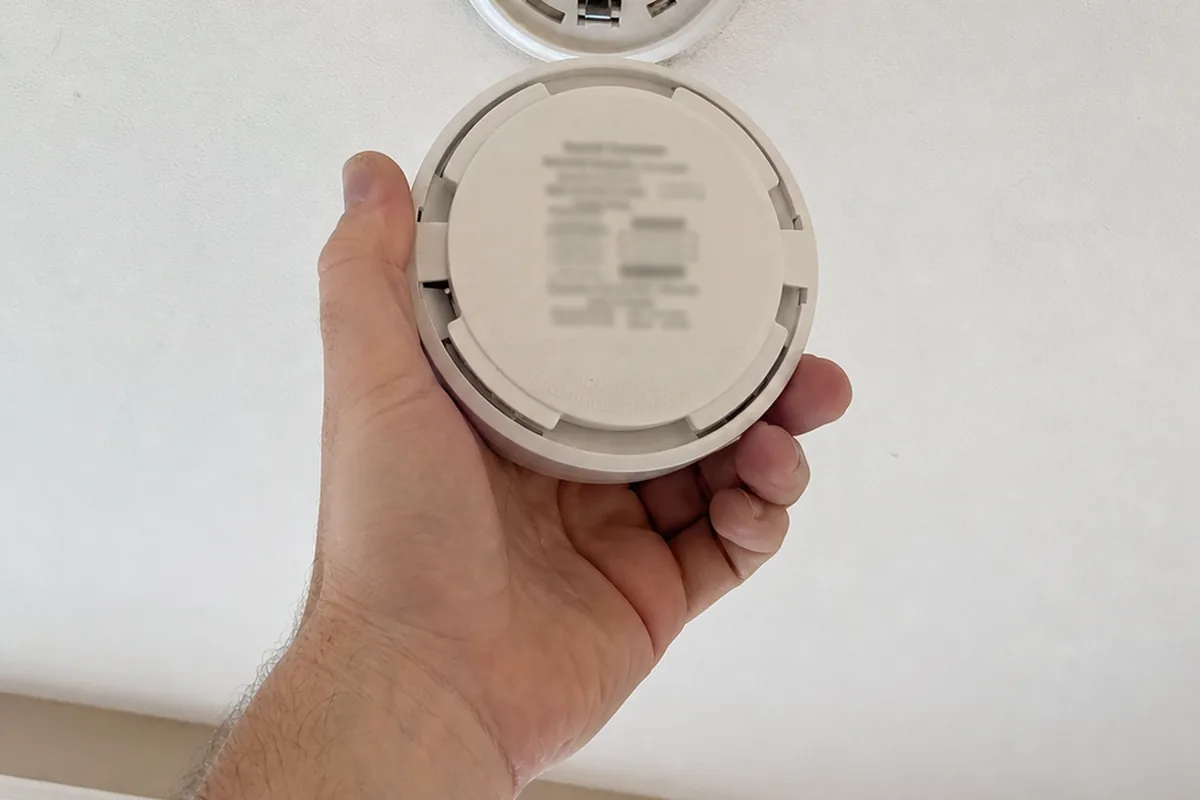
Expired units are the headline. Alarms that are physically present, that beep when you press the button, and that were manufactured twelve or fifteen years ago. The test button confirms the horn works, not that the sensor does. Yellowed plastic is a decent visual clue, but the manufacture date on the back is the answer.
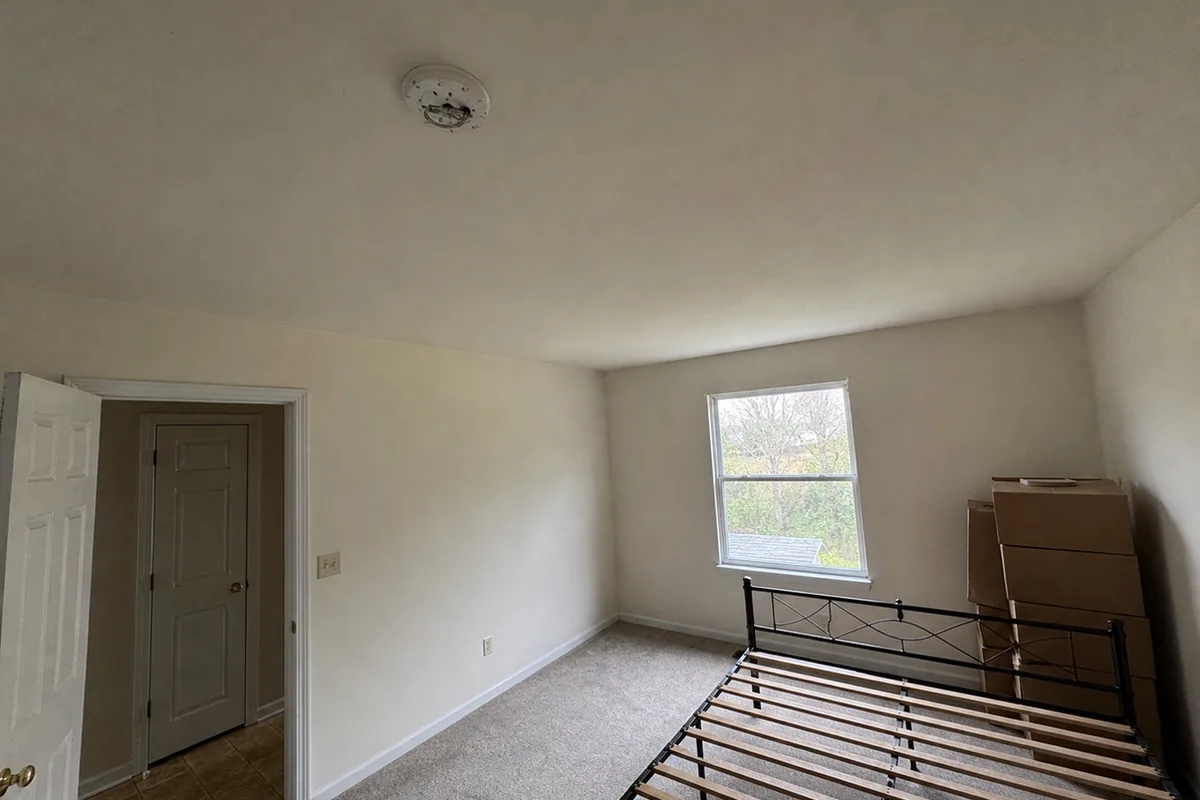
Missing alarms in added rooms is the second, and it is common across Ontario’s mix of older core housing and decades of additions. A converted garage, a permitted or unpermitted added bedroom, or a den that is now used for sleeping, each needing an alarm and frequently not having one.
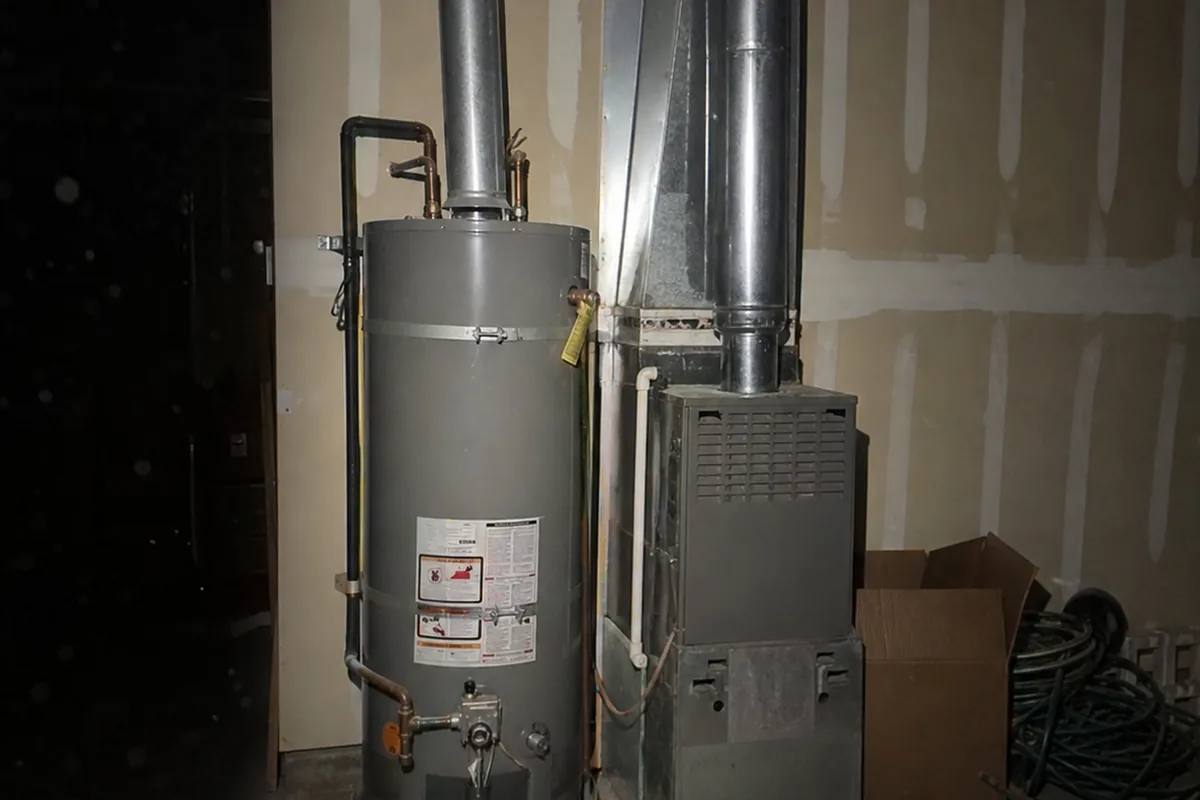
No carbon monoxide alarm at all is the third, and it is still surprisingly widespread in older homes. The CO requirement arrived later than the smoke alarm requirement, so homes that were compliant twenty years ago often were never brought up to date, even though they have a gas furnace, a gas water heater, and an attached garage.
Wrong placement is the fourth. Alarms mounted in dead-air corners, too close to a kitchen or a bathroom so they get nuisance-tripped and then disabled, or in the garage where they do not belong. Placement affects whether the device actually works.
Disabled and disconnected alarms are the fifth, and the saddest. Batteries removed because of nuisance alarms, units unplugged from their hardwired harness, or an alarm taken down entirely during painting and never reinstalled. Often the empty mounting plate is still on the ceiling.
Missing interconnection on newer homes is the sixth. Homes built or substantially remodeled under the newer requirements generally have hardwired, interconnected alarms so that one triggering sounds them all. On Ontario’s newer tract stock, we find units that were replaced individually over the years with cheap standalone battery models, which quietly defeats the interconnection the house was built with.
One boundary worth stating. This article is about the alarms themselves. Where an added bedroom has no alarm, it often also raises a permit and legal-bedroom question, and where a garage has been converted, the fire separation between garage and living space is a separate and more serious safety item covered in our Fontana garage fire-separation guide. The alarms are the cheap part of that conversation, not the whole of it.
Schedule an Ontario inspection →
What agents should tell every buyer, and every seller
This is the rare finding you should raise at listing rather than at inspection, so it goes in both directions.
- Tell sellers to handle it before the home goes on the market. Replacing every alarm in a typical house costs less than most staging line items and removes a compliance item from the deal entirely.
- Tell them to check the manufacture date on the back of every unit, not the test button. An alarm that beeps can still be years past its service life.
- Count the sleeping rooms, including any that were added or converted. Every one needs its own alarm, plus one outside each sleeping area and one on every level.
- Confirm there is a carbon monoxide alarm. If the home has a gas appliance, a fireplace, or an attached garage, it needs them, and older homes frequently have none.
- Tell buyers that new alarms are cheap and worth replacing on move-in regardless. Even a compliant alarm bought by a seller last month is a device you want to know the age of.
- Remember the seller certifies compliance as part of the transfer. This is not an item to negotiate around, it is one to satisfy.
An agent who raises this at listing turns a potential three-day delay into a task somebody does on a Saturday.
Red flags during showings
You can catch most of this without any tools at all. Watch for these in Ontario homes.
- Yellowed or discolored alarm housings, which usually means a unit well over a decade old.
- A bedroom, converted garage, or added room with no alarm on the ceiling at all.
- An empty mounting plate or bracket with no alarm on it.
- An alarm with the battery door hanging open, or a hardwired unit unplugged from its harness.
- No carbon monoxide alarm anywhere in a home with a gas furnace, gas water heater, or attached garage.
- Alarms mounted in a corner, right next to a kitchen or bathroom, or in the garage.
- On newer tract homes, a mix of obviously different alarm models, which often means the original interconnected set has been broken up.
If we see these, we document them and tell the buyer what they mean.
The negotiation playbook
When alarm findings surface in Ontario, the deal usually moves one of a few ways, and the first one should be the answer almost every time.
The first path is seller-just-does-it. This is a compliance item the seller certifies, the parts cost very little, and the work is an afternoon. There is essentially no good argument for anything else, and pushing for a credit here rather than the fix creates paperwork for a problem that money does not actually solve.
The second path is handled-at-listing, which is better than all of the above. A seller who replaces every alarm before the home is photographed never has this conversation. Agents who make it part of their listing checklist eliminate the item permanently.
The third path is the added-room complication. When the missing alarms are in rooms that were added or converted, the alarm itself is trivial but the finding has surfaced a bigger question about permits, legal bedroom status, and in a converted garage, the fire separation. Handle the alarms immediately and treat the underlying question as its own negotiation, because those are genuinely different in scale.
The fourth path is the buyer-replaces-everything approach. Some buyers, reasonably, decide to replace every alarm in the house on move-in regardless of compliance, so they know the age of every device. That is a sound instinct and costs very little. It does not remove the seller’s obligation to deliver the home compliant, and the two should not be confused.
How the inspection actually catches it
This is a simple thing done thoroughly, which is most of the value. We walk every sleeping room, every hallway outside a sleeping area, and every level of the home, and we count what is actually there against what is required. We read the manufacture date on the units rather than relying on the test button, because an expired alarm that sounds is still an expired alarm. We check for carbon monoxide alarms specifically and note the fuel-burning appliances and attached garage that trigger the requirement.
We also look at placement and at whether alarms have been disabled, unplugged, or removed, and on newer homes we note where an interconnected set appears to have been broken up by piecemeal replacement. Where a room has been added or a garage converted, we flag both the missing alarm and the larger questions that come with it, and we write all of it plainly rather than burying it, which is what our guide on how to read a home inspection report is about.
What we do not do is issue a compliance certificate or sign the seller’s declaration. A home inspector documents what is present, where it is, and how old it is, and tells you what a compliant house would have. The certification belongs to the seller, and the installation is a job for the seller or an electrician where units are hardwired.
Quick FAQ
Where exactly are smoke alarms required? In every bedroom or sleeping room, in the hallway or area immediately outside each separate sleeping area, and on every level of the home. A three-bedroom single-story house needs at least four, and a two-story home needs at least one more.
Do alarms really expire? Yes, and this is the item people miss. Smoke alarms generally have a ten-year service life from the manufacture date printed on the unit, and carbon monoxide alarms are often shorter. The sensor degrades over time whether or not the alarm has ever sounded, so pressing the test button does not tell you whether the device still detects anything.
Does every Ontario home need a carbon monoxide alarm? If it has a fossil-fuel appliance, a fireplace, or an attached garage, yes, and that describes nearly every home here. They go outside each separate sleeping area and on every level. Older homes are the ones most likely to have none at all.
Who is responsible, the buyer or the seller? California requires the dwelling to have operable alarms, and the seller of a single-family home certifies compliance as part of the transfer. Practically, the seller handles it, and the cleanest approach is to do it before listing.
Is this really worth flagging when it is so cheap? That is exactly why it is worth flagging. It is a legal requirement and a genuine life-safety item that costs almost nothing to satisfy, and the only reason it ever delays a deal is that it gets discovered at the end instead of the beginning.
The honest summary
Ontario has a lot of older housing that has been added to over the decades, and a lot of newer tract housing where alarms have been swapped out one at a time. Both patterns produce the same result: homes that are a bedroom short, a CO alarm short, or carrying alarms manufactured when the sensor technology was a decade newer than it is now.
This is the least glamorous finding we write up and the one with the best return on the money. It is a legal requirement tied to the sale, it is a real life-safety device, and it is satisfied for the price of a nice dinner. We will count every sleeping room, read the date on every unit, check for carbon monoxide alarms against the gas appliances and the attached garage, and tell your seller exactly what a compliant house looks like. Do it at listing and it never becomes a conversation. That is the job.
See what every inspection includes → · Read our FAQ → · Explore Ontario home inspections →
Related reading
- The Wall Between the Garage and the House. The more serious safety item that a converted garage raises alongside the missing alarm.
- Non-Conforming Bedrooms in Fremont. Smoke alarm coverage is one item on that guide’s five-part checklist for a room to count as a legal bedroom.
- Unpermitted Additions and Garage Conversions. The permit and legal-bedroom question behind a room with no alarm in it.
- The Rail That Fails Quietly. Another inexpensive life-safety correction that buyers routinely walk past.
- The Bonding Jumper Nobody Sees. A quiet gas-system safety item in the same category, cheap to fix and easy to miss.
- Backdrafting and Combustion Air in Norwalk. The mechanical defect that can produce the carbon monoxide a working alarm is there to catch.
- How to Read a Home Inspection Report in California. How safety and compliance findings get prioritized over cosmetic ones.
- The Outlets Nobody Looks At. The other bargain-priced safety fix, ungrounded and unprotected outlets, that turns up on the same reports.
- Dryer exhaust lint fire risks in Bellflower. A fire-safety hazard hiding in the laundry area, where long dryer vent runs trap lint behind walls for decades.
- Firestop and Fire Blocking in Paramount. A concealed structural fire-safety layer distinct from the alarm device itself, worth understanding alongside this compliance guide.
- Generator and Transfer Switch Safety in Hemet. Placement matters as much as the alarm. A generator run in a garage is a real carbon monoxide risk independent of alarm coverage.
- The 2025 California Building Standards Code. Why alarm requirements are one of the few things that reach backward into an existing house when most code changes do not.
- California’s Thirdhand Smoke Disclosure Law. Another 2026 requirement that turns something an inspector documents into something a seller has to put in writing.
- ASHI’s 2026 Standard of Practice: What Actually Changed. What a home inspection is required to cover, what it never was, and the tools the standard treats as optional.