An industry update from Inspection.re, premium home inspections across California.
Every buyer has had the moment. The listing photos showed a bright, open kitchen with clean countertops and a wall of natural light. The house in person has a water stain on the ceiling, a countertop seam that does not match, and a window that looks out at a neighbor’s fence instead of the vineyard hills in the photo. Sometimes that gap is just a wide-angle lens and good staging. Increasingly, it is software.
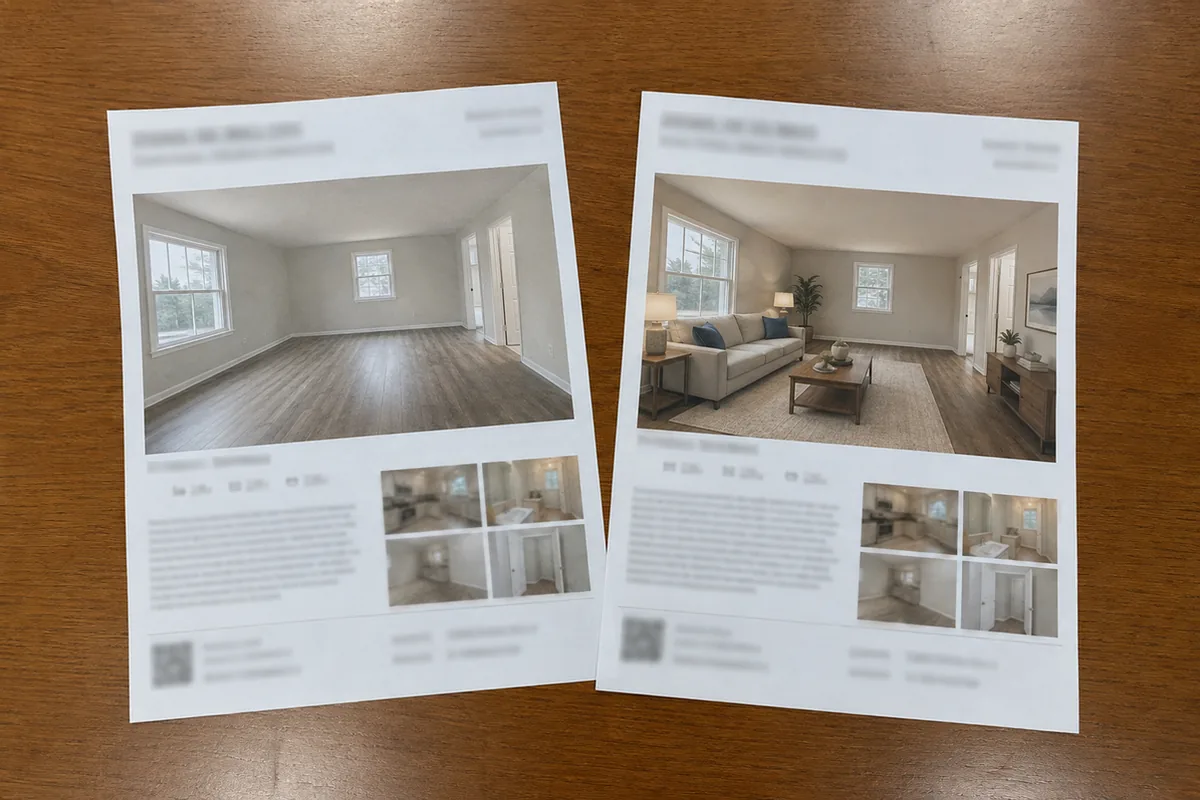
As of January 1, 2026, California has a law that addresses that gap directly. Assembly Bill 723, now Business and Professions Code section 10140.8, requires real estate licensees to disclose when a listing photo has been digitally altered and to make the unedited original available. It does not ban virtual staging or photo editing. It changes who has to tell you, and what they have to show you if you ask.
Here is what the law actually says, what it does not cover, why it exists now, and why a home inspection remains the one part of a transaction that no amount of editing software can touch.
What AB 723 actually requires
AB 723 was signed in 2025 as Chapter 497 of the Statutes of 2025 and took effect January 1, 2026. It adds Section 10140.8 to the Business and Professions Code, inside the state’s Real Estate Law.
The operative requirement is straightforward. When a broker, salesperson, or someone acting on their behalf uses a digitally altered image in advertising or promotional material for a listing, the material must include a conspicuous statement disclosing that the image was altered, along with a link, URL, or QR code to a publicly accessible unaltered version. If the advertisement appears on a website the licensee controls, the unaltered original has to be posted there directly or linked from it.
The law defines a “digitally altered image” as one changed using editing software or artificial intelligence in a way that adds, removes, or changes a visual element of the property so that it affects a viewer’s understanding of what the property looks like. The statute is specific about what does not count: ordinary adjustments like lighting, sharpening, white balance, color correction, angle, straightening, cropping, and exposure are excluded, because none of those change what is actually there.
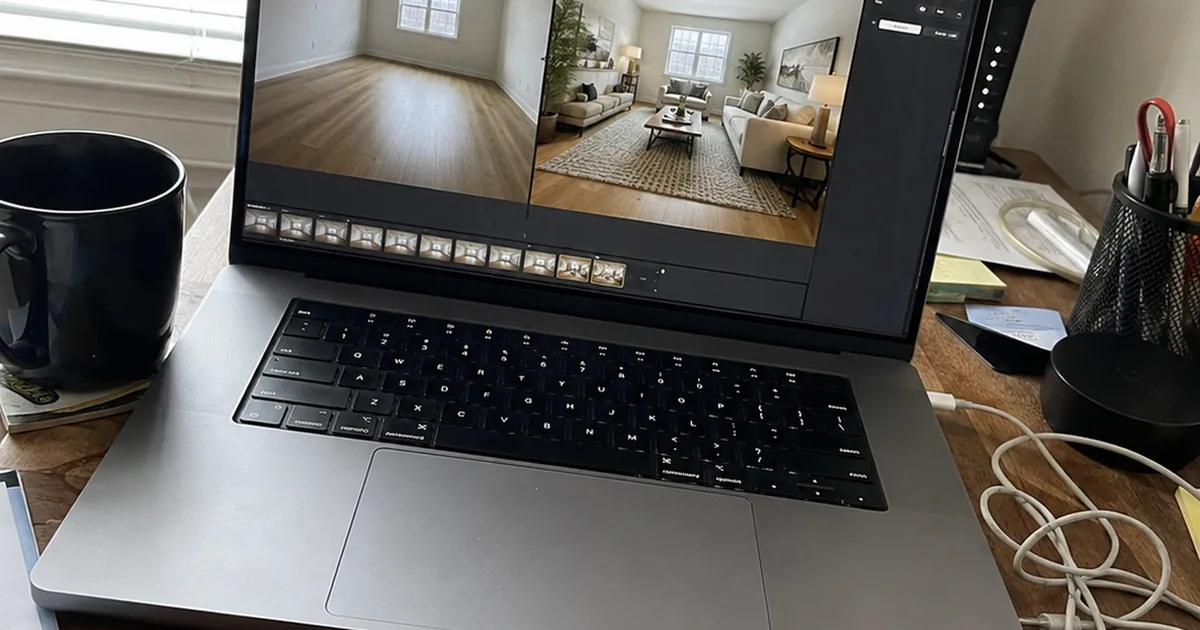
What does count, based on how the California Department of Real Estate and the major regional MLS organizations have interpreted the statute since it took effect: virtual staging that adds furniture to an empty room, removal of a visible power line or a neighboring structure, adding grass or landscaping that is not there, changing the sky, or altering a room’s proportions. Several MLS systems, including San Diego’s, now require agents to tag altered images at the point of upload so the disclosure travels with the listing automatically rather than depending on the agent to remember it later.
Enforcement sits with the Department of Real Estate. Because the requirement lives inside the Real Estate Law rather than as a standalone consumer statute, a violation can expose a licensee to the same kind of disciplinary action, and potential civil liability, as other Real Estate Law violations.
Why lawmakers wrote this now
Real estate photo editing is not new. Agents have removed clutter and brightened dim rooms for as long as digital photography has existed in real estate marketing. What changed is the accessibility and realism of the tools. Consumer AI photo editors can now generate a photorealistic staged living room, a repainted exterior, or an entirely re-landscaped yard from a single source photo in under a minute, at a quality that is difficult to distinguish from an unedited photograph on a phone screen.
That gap between what software can now produce and what a buyer can verify with the naked eye is the problem AB 723 targets. A listing photo has always shaped a buyer’s first impression and their decision about whether to schedule a showing at all. When that photo can be generated rather than merely edited, the disclosure gap widens from “this photo was brightened” to “this room did not look like this on the day the photo was taken, and it may never have.”
The legislative record around AB 723 frames it as a consumer-protection measure aimed squarely at that gap, not at photography or staging in general. Traditional in-person staging, where furniture is physically placed in a room before the photo is taken, is untouched by the law. The target is the point where the image itself, not the room, is altered after the fact.
What the law does not do
It is worth being precise about the limits, because a lot of secondary commentary since January has overstated them.
AB 723 does not require disclosure of routine photo editing. A photographer adjusting exposure, straightening a crooked horizon line, or correcting a color cast introduced by indoor lighting is not required to flag anything. The statute explicitly carves these out.
It does not require disclosure of physical staging. If a stager brings in a couch, a rug, and artwork before the photographer arrives, that is the room as it existed at the moment of the photo. Nothing needs to be tagged.
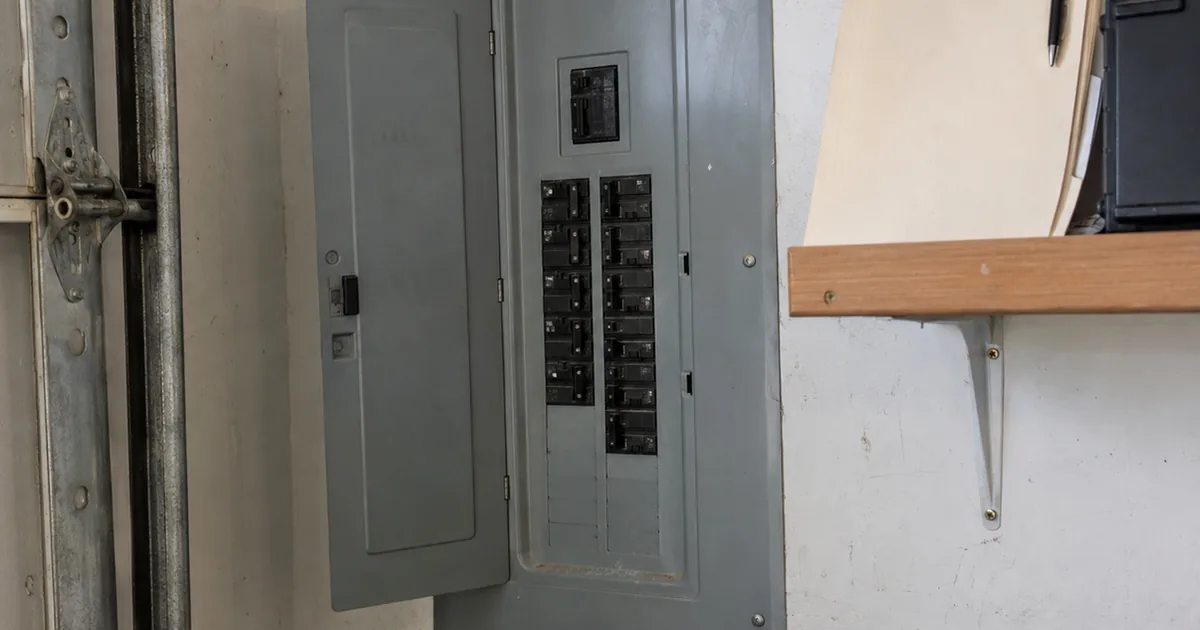
It does not require a seller or agent to disclose the property’s physical condition through this statute. AB 723 is a marketing-disclosure law inside the Real Estate Law, not a property-condition disclosure statute. California’s separate disclosure framework, built around the Transfer Disclosure Statement and Civil Code section 1102 and following, still governs what a seller must tell a buyer about the condition of the home itself. AB 723 governs the photo. It does not touch the roof, the foundation, or the panel.
And it does not apply retroactively to every photo taken before January 1, 2026 that remains posted. Practically, most brokerages and MLS systems have been re-tagging active listing photos going forward rather than auditing every archived image, so the practical effect has phased in with the current listing cycle rather than all at once.
Why this matters more for buyers than it might first appear
A disclosed, linked original photo is useful, but it is still a photo. It shows what a room looked like at one moment from one angle. It cannot show what is behind the wall, inside the attic, or under the slab. A buyer who compares an altered listing photo to its unaltered original has learned that a staged rug covered a hardwood floor. They have not learned whether that floor sits over a subfloor with water damage, or whether the wall the rug’s photo cropped out has an active roof leak feeding into it.
This is where AB 723’s disclosure and a professional home inspection do different jobs that both matter. The photo law addresses what a buyer sees before they walk in the door. An inspection addresses what a buyer cannot see even after they do.
At Inspection.re, every inspection includes infrared thermal scanning as standard, not an add-on, which is one of the more direct answers to a listing photo problem: a thermal camera reads heat signatures behind walls, under floors, and around windows and electrical panels regardless of how the room was staged, virtually or otherwise. A virtually staged photo can hide a water stain behind a digitally inserted rug. A thermal scan finds the moisture behind the wall the rug is sitting on, whether or not the photo ever showed it.
A practical checklist for buyers working from listing photos
If you are shopping actively in a California market in 2026, a few habits are worth building into how you evaluate listings before a showing.
- Look for the disclosure tag. Under AB 723, an altered image should carry a visible note near the photo itself, not buried in fine print elsewhere on the page. If a listing has obviously staged or unusually polished photos and no visible disclosure, that is worth asking your agent about directly.
- Click through to the unaltered original when one is linked. It takes thirty seconds and can save a wasted showing, or flag a detail worth asking about before you schedule one.
- Treat every listing photo as marketing, disclosed or not. Even an unaltered, un-staged photo is still the single best angle in a room, taken with a wide lens and good light. It is not a substitute for walking through the space.
- Do not let a great photo set (or a mediocre one) move your inspection contingency. A home that photographs beautifully can still have a cracked heat exchanger or an undersized electrical panel. A home that photographs poorly, maybe because it has not been staged at all, can be structurally sound and priced accordingly. The photo and the condition of the house are not the same question.
- Ask your agent directly whether any listing photos on a home you are interested in have been altered. Most agents working actively in California markets are already familiar with the AB 723 tagging workflow through their MLS and can answer quickly.
What agents and sellers should do differently
For agents, the practical change since January has mostly been procedural rather than a fundamental shift in marketing strategy. Confirm with your photographer or virtual staging vendor which images in a listing package qualify as digitally altered under the statute’s definition, tag them at upload if your MLS supports automated tagging, and keep the unaltered originals accessible rather than deleting them once the staged version is live. Several MLS compliance departments, including San Diego’s, have published short internal guides walking agents through exactly which edits require a tag and which do not, and it is worth reviewing one even if your own MLS has not issued formal guidance yet.
For sellers, the law is a reminder that a listing photo’s job is to get a serious buyer through the door, not to substitute for what happens once they are inside. A seller who invests in a pre-listing inspection, addressing anything a buyer’s own inspector would flag before the home ever goes live, tends to get a smoother escrow than one who leans hard on photo presentation and hopes nothing meaningful surfaces later. See our guide on what a home inspection report actually covers for what buyers will be looking for regardless of how the listing photos were shot.
How this fits with California’s other 2026 disclosure changes
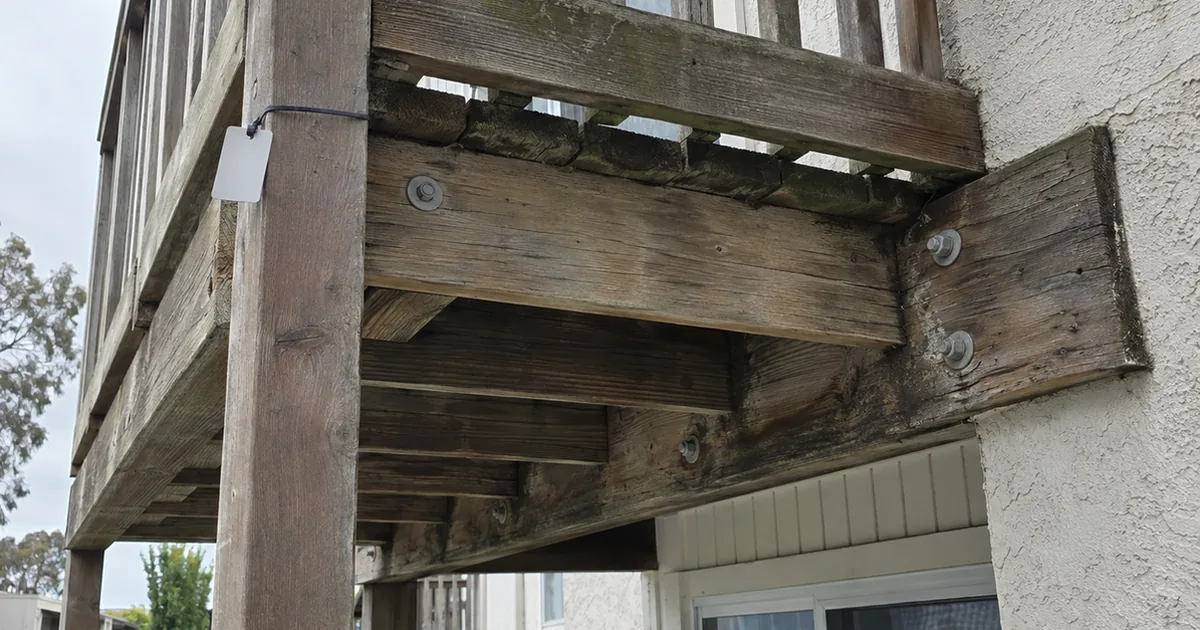
AB 723 is one piece of a broader run of California disclosure updates that took effect at the start of 2026. Balcony and exterior-elevated-element inspection reports now travel with condominium disclosure packages under SB 410. Sellers of homes in fire hazard zones face expanded fire-hardening disclosure requirements under AB 38. Pool and spa safety features must be itemized in the inspection report under SB 442. Our earlier roundup of 2026 California laws affecting home inspections covers each of those in detail.
Two further changes landed on the same January 1 date and have their own guides: AB 455’s thirdhand smoke disclosure duty, which reaches something a photo can never show, and the 2025 California Building Standards Code, which changed the rules for houses permitted from that day forward.
AB 723 sits alongside that group but does a different job. The others govern what a seller must disclose about the physical condition and safety features of the property itself. AB 723 governs the marketing material a buyer sees before they ever request a disclosure packet. Together, they reflect the same underlying trend: California is steadily closing the gap between what a buyer sees on a listing page and what is actually true about the property, whether that gap is a missing balcony inspection report or a digitally staged living room.
Frequently asked questions
Does AB 723 apply to for-sale-by-owner listings, not just licensed agents? The statute’s disclosure obligation attaches to licensed real estate brokers, salespersons, and those acting on their behalf. A private seller marketing their own home without a licensed agent involved falls outside the specific language of Business and Professions Code section 10140.8, though general false-advertising and consumer-protection law can still apply to a deceptively altered photo regardless of who posted it. If you are selling without an agent, check with a real estate attorney before assuming the statute does not apply to your situation.
Do rental listings need the same disclosure? The bill’s language is written around real estate advertising broadly within the Real Estate Law, which historically covers sales-side licensee conduct most directly. Property managers and landlords marketing rentals should confirm with their own counsel or brokerage compliance team whether their specific advertising practices fall under the statute, since interpretation here has continued to develop since January.
What should I do if I suspect a listing photo was altered but see no disclosure tag? Ask your agent to raise it with the listing agent, or contact the listing brokerage directly. The Department of Real Estate has enforcement authority over licensee conduct, and a documented pattern of undisclosed alterations is the kind of complaint the agency can act on.
The bottom line
AB 723 closes a real gap: it makes sure buyers can tell when a listing photo has been changed and can see what the room actually looked like. That is a meaningful, overdue disclosure requirement, and it is worth understanding if you are buying, selling, or listing property in California this year.
But it addresses only what a camera, or an AI model working from a camera’s output, can show. It has no opinion on the water heater’s age, the panel’s amperage, or the roof’s remaining service life. Those questions still belong to a qualified inspector standing in the actual house, and no disclosure tag on a listing photo changes that. For agents and buyers who want the fuller picture a photo, altered or not, cannot provide, see our FAQ for what to expect from the inspection process itself.
Schedule an inspection · See what’s included · Sample report · FAQ · Same-day report · Pay-at-closing available
This update is provided for general information and is not legal advice. For questions about how AB 723 applies to a specific listing or transaction, consult a qualified real estate attorney or your broker’s compliance department. For inspection questions, our team is always glad to help.