The house was an ordinary, well-kept Torrance tract home, and the deal was moving smoothly until the buyer’s agent pulled the right map. The property, and a couple hundred homes around it, sat over a corner of an old oil field, and an idle, decades-old well was recorded just beyond the back fence on the neighboring parcel. Nobody had mentioned it. The buyers, reasonably, wanted to know what it meant.
We are keeping the address private and the details composite, because the situation is not rare in Torrance. Much of the South Bay was an oil field before it was a suburb, and the wells did not all disappear when the houses went up. The home itself was sound. The question the buyers were really asking was about the ground under it.
Here is how that one resolved, and what it should change about how you handle a South Bay property over old oil.
Schedule a Torrance inspection · Same-day report · Pay-at-closing available
Why this matters for the agent
Torrance grew over the Torrance oil field, with the refinery still operating nearby, and the broader LA basin is dotted with thousands of old wells, many drilled and abandoned long before modern records or standards. Some were properly plugged. Others were sealed to the standard of their day, which is not today’s standard, and some are simply poorly mapped. For an agent, that means a meaningful share of South Bay listings have an oil well somewhere in the picture, on the lot, next door, or under the street.
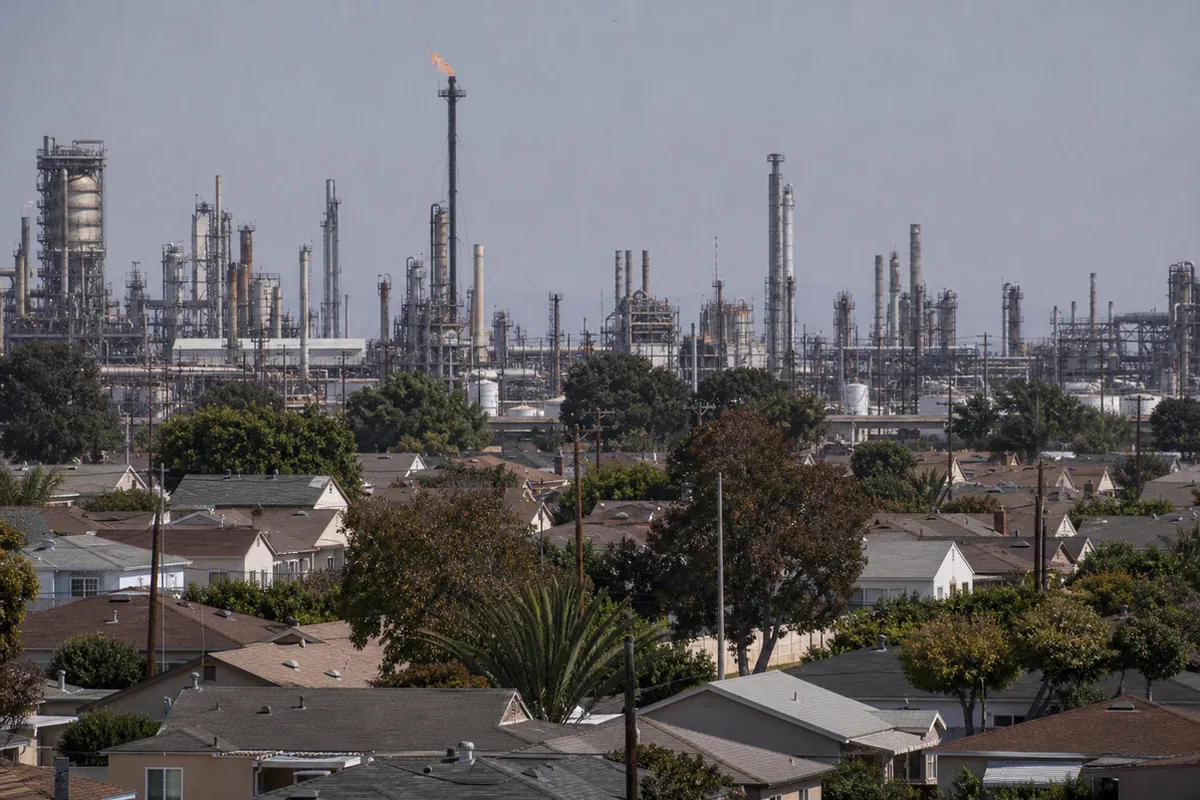
The risk is not that every home is dangerous. It is that this is an unfamiliar, easy-to-miss issue that buyers find alarming when it surfaces late, and that California disclosure law and lender and insurer questions can all touch it. An agent who knows how to find it, frame it, and route it to the right experts keeps the deal calm. An agent who gets surprised by it at the eleventh hour does not. The job is not to be a petroleum engineer; it is to know this is a real local factor and handle it like a professional.
What an abandoned or idle oil well actually is
A few terms get used loosely, so it helps to separate them.
An active well is still producing. An idle well has not produced for a sustained period but has not been permanently sealed; it sits dormant, and idle wells are known to be among the larger sources of methane leakage. An abandoned, or plugged and abandoned, well has been sealed with cement plugs and is supposed to be permanently closed. An orphan well has no solvent responsible operator, so the state inherits it.
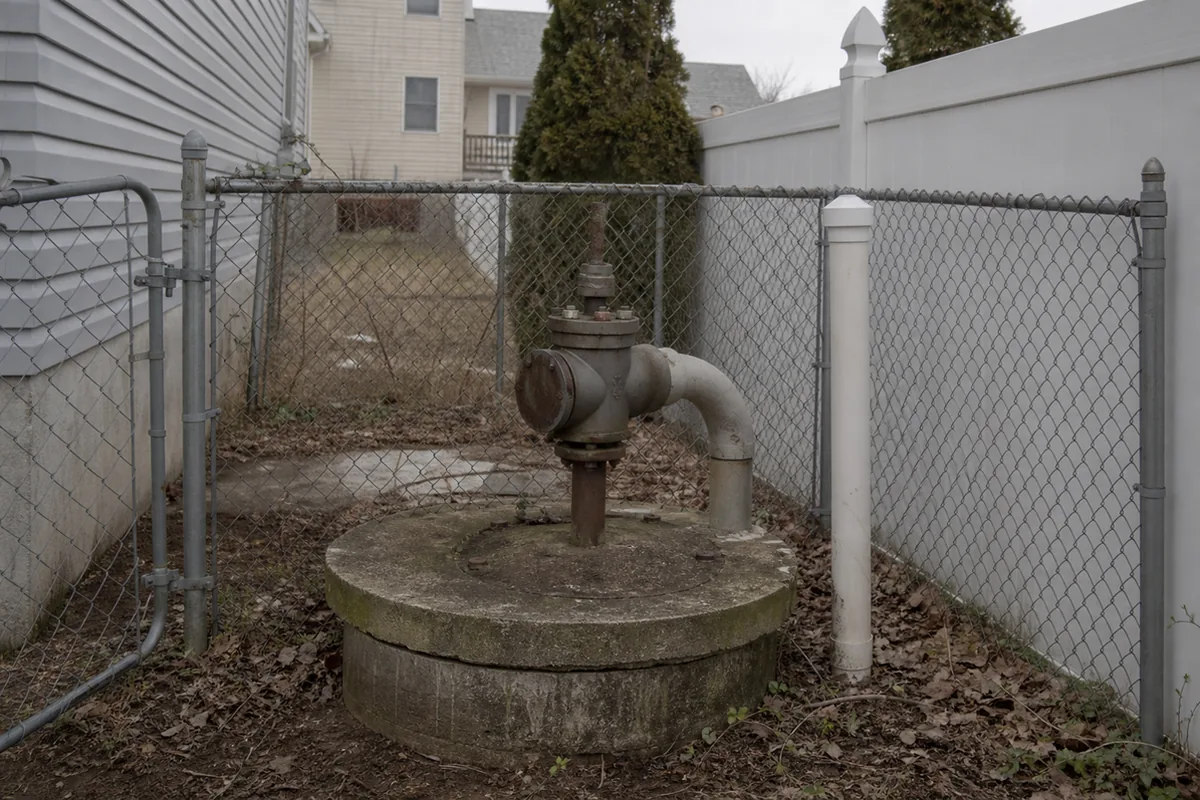
The problem is age and standards. Many South Bay wells were abandoned decades ago to the rules of the time. An improperly or old-abandoned well can act like a straw through the underground layers, giving oil, brine, or methane a path toward the surface. That is why a buyer near an old well wants to know its status, when and how it was sealed, and whether the area has any history of gas or soil issues.
Why it matters even when the house is fine (the part most agents skip)
The thing that catches people is that the house can pass a normal inspection with flying colors and the oil question is still live, because it is about the site, not the structure.
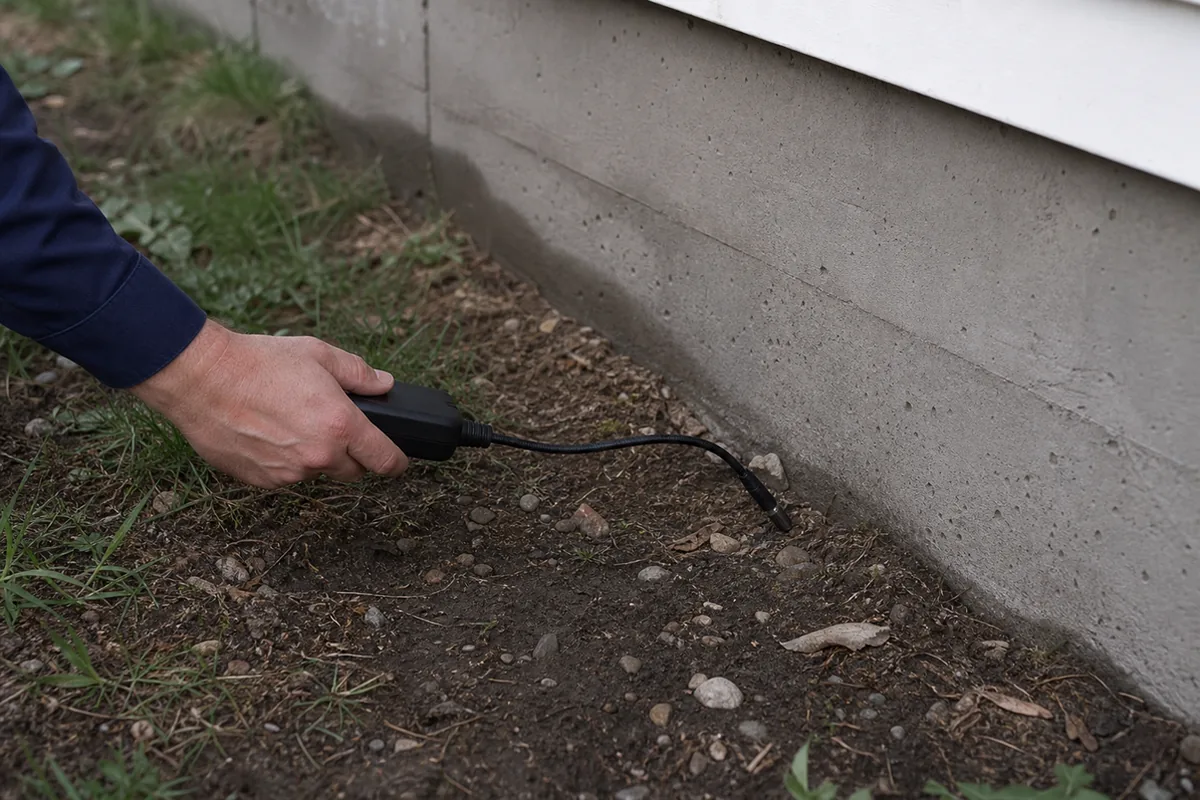
Methane is the main concern. It is colorless and odorless, it can migrate through soil from a leaking or poorly sealed well, and in an enclosed space it is both a health and an explosion risk. This is exactly why parts of Los Angeles require methane testing and mitigation systems in some zones. The South Bay’s history of drilling is the reason the site context deserves attention even when the home is immaculate.
There are secondary issues too: a poorly abandoned well under or near a structure can be a settlement and re-abandonment question, and proximity to active operations or the refinery raises air-quality and disclosure points. None of this is visible in the house. All of it is knowable from records and, where warranted, specialist testing.
What agents should tell every buyer
Tell them this is a known South Bay factor, not a freak event, and that it is checkable. Framed calmly and early, an old well nearby is a due-diligence item with a process. Discovered late and unexplained, it reads as a crisis.
Tell them about disclosure and records. California law generally requires disclosure of known wells in a transaction, and the state’s oil and gas regulator, CalGEM, maintains well-location maps the buyer’s team can check. A serious buyer near old oil should have someone pull the well records for the parcel and the immediate area rather than rely on the listing alone.
Tell them where the home inspection stops and a specialist begins. A home inspector documents the house and flags the site context; confirming a well’s status, testing soil gas, or evaluating a methane mitigation system is the work of an environmental or methane specialist and the well records. Setting that expectation up front keeps everyone calm. For how a different site-level issue runs through escrow, our retaining-wall and hillside guide shows the same flag-and-route pattern.
Red flags during showings
You will not see most of this from the curb, but there are tells.
Pull the well map first. Before a showing in a known oil area, check the CalGEM well finder for the parcel and the blocks around it. That single step tells you whether this is even a conversation.
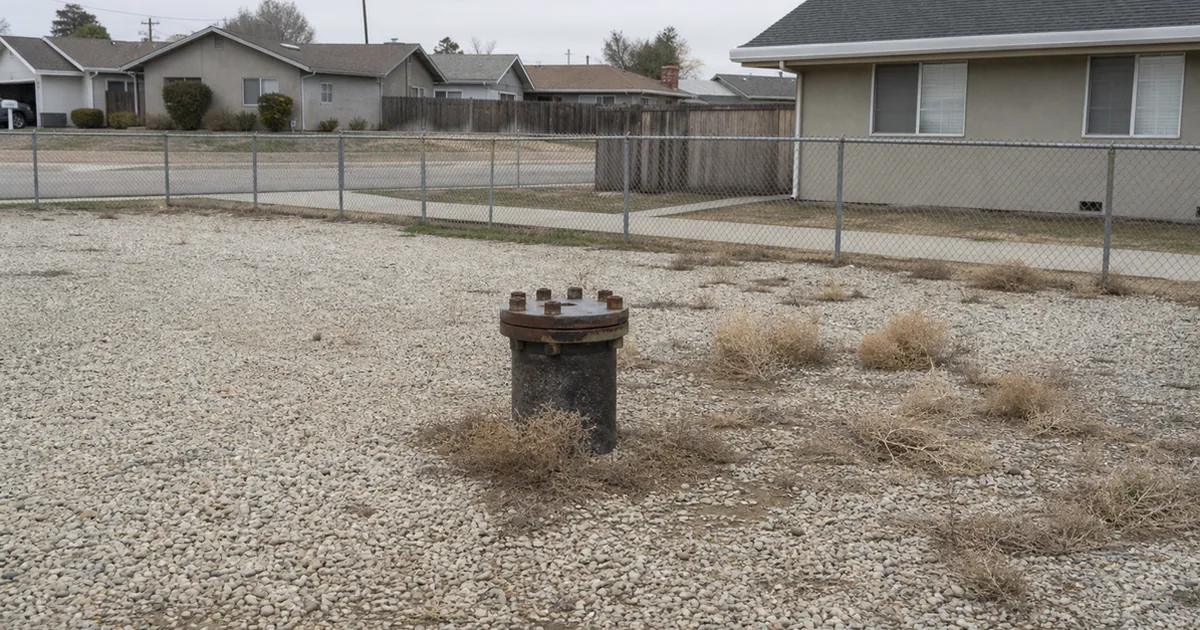
Look for the physical signs. A fenced or paved-over enclosure on or near the lot, a steel pipe stub or vault in the yard or alley, an unexplained concrete pad, or a small fenced parcel among the houses can all mark a well or former well location.
Note the disclosures and the neighborhood. A seller disclosure that mentions oil, gas, a well, or a methane system, or a neighborhood known to sit over a field, is your cue to dig in. Older homes near the refinery or the historic field boundaries warrant the records check.
Watch for a methane system. Vent pipes, a sub-slab system, or gas monitoring equipment indicate the issue was already identified and mitigated, which is information, not necessarily a problem.
The negotiation playbook
When the records or the site show an old well in the picture, there are four ways the deal tends to go.
The first path is the records-and-status confirmation. Often the right first move is simply getting the well records and confirming the well’s status and abandonment history before anyone negotiates anything. Frequently a documented, properly plugged well a reasonable distance away turns out to be a non-event, and the deal proceeds with the buyer informed.
The second path is the specialist evaluation. If the well is close, its status is unclear, or there is any history of gas or soil concern, a short extension for a soil-gas test or an environmental consultant’s review puts a real answer under the decision instead of a guess.
The third path is the credit or mitigation. If testing shows methane that warrants a mitigation system, or an existing system needs work, that becomes a defined scope a specialist can price, supporting a credit or a seller-funded fix.
The fourth path is the informed walk. Some buyers, given the facts, decide an under-structure or poorly documented well is more than they want to take on. That is a legitimate choice, and it is far better made during due diligence than discovered after closing.
How the inspection actually catches it
A home inspection is not an environmental assessment, and we are clear about that line, which is exactly what makes our flag useful. We inspect the home fully, the slab, the structure, the systems, and we document the site context an oil area calls for: visible well markers, vaults or pads, vent pipes or any existing methane mitigation equipment, and signs of settlement near a suspected well location. We use thermal imaging inside as part of a normal inspection to read moisture and anomalies, as our infrared scanning guide explains. The premium inspection tells you plainly when the site warrants pulling well records and bringing in a methane or environmental specialist, so the oil question is handled by the right expert on a real timeline rather than sprung at the end.
Quick FAQ for agents
Is every Torrance home over an oil well? No, but Torrance sits over an old oil field and near the refinery, so a meaningful share of properties have a well on or near them. The point is to check the records rather than assume either way.
Can a home inspector test for methane? No. We flag the site context and visible signs and recommend a soil-gas test or environmental specialist. Methane testing and mitigation evaluation are specialist work.
Does the seller have to disclose a well? California generally requires disclosure of known wells, and CalGEM maintains well-location records the buyer’s team can check. Older wells were sometimes poorly mapped, which is why an independent records check matters.
Is a nearby well a deal-killer? Usually not. A documented, properly plugged well a reasonable distance away is often a non-event. The concern rises with proximity, unclear status, or any history of gas or soil issues.
What does mitigation involve? Where testing warrants it, a sub-slab venting or methane mitigation system. A specialist scopes and prices it; it is a defined item, not an open-ended fear.
The honest summary for agents
The South Bay was an oil field before it was a suburb, and Torrance still carries that history under its tract homes. An old well near a listing is not a reason to panic and not a thing to ignore; it is a known local factor with a clear process: pull the records, confirm the status, and bring in a methane or environmental specialist when the site warrants it. Your value as the agent is knowing the question exists and handling it early and calmly. That is what turned a surprise well behind a back fence into a documented, properly abandoned non-event and a buyer who closed informed instead of spooked.
Related reading
- Huntington Beach Liquefaction & Methane Guide, the same old-oil-field methane district question paired with a mapped liquefaction zone on a coastal Orange County lot
- Deck Ledger Attachment in Redondo Beach, the structural fastening question on the same stacked, small-lot South Bay housing this guide covers
- The Manhattan Beach Roof Deck That Was Rotting Under the Tile, how coastal decks and balconies fail from the inside out
- Salt Air Killed a Carlsbad AC at Year 6, why coastal air shortens equipment life
- Federal Pacific & Zinsco Panels in Escondido, why certain older panels can quietly kill a deal
- Why Infrared Scanning Matters in California Homes, how thermal imaging finds hidden moisture and electrical hot spots
See what every inspection includes, how to read your inspection report, and our inspection FAQ. For city-specific pages, start with Torrance, Manhattan Beach, and Redondo Beach.
If you have a Torrance home in escrow over the old field, we can inspect the house, document the site context, and tell you clearly when it is time to bring in the records and a specialist.