We inspected a single-story tract home in the Bostonia area of El Cajon earlier this year. Built in the early 1970s, original owner, neat as a pin. The seller had kept up the yard and repainted inside. Both agents were relaxed and the buyers had already started measuring for furniture.
Then we pulled a few receptacles.
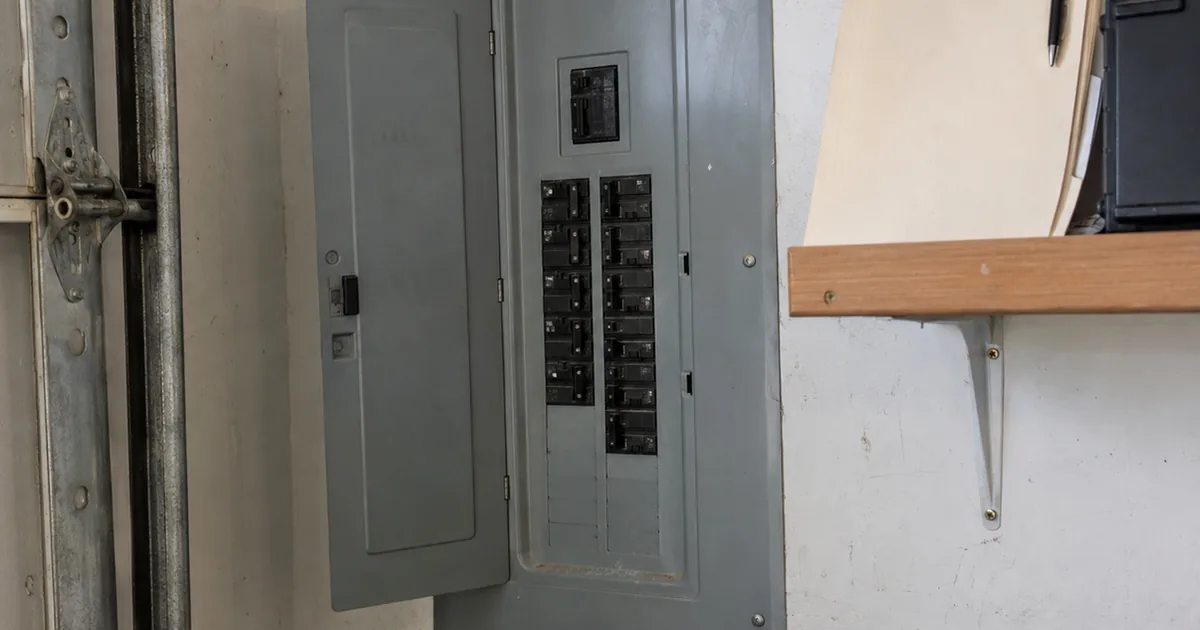
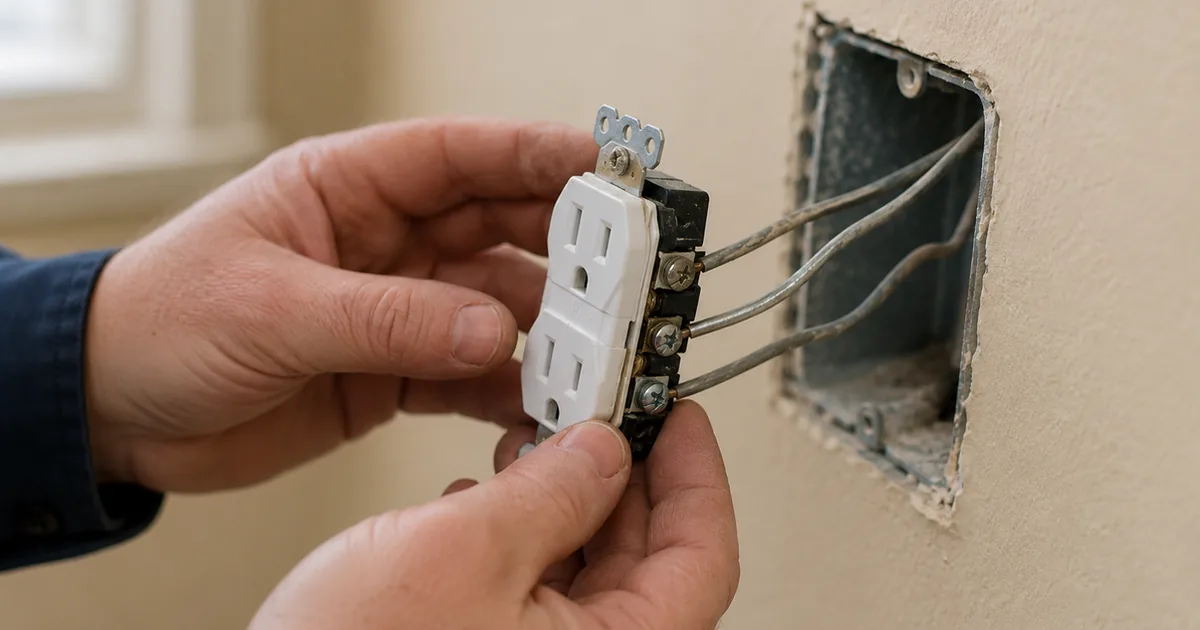
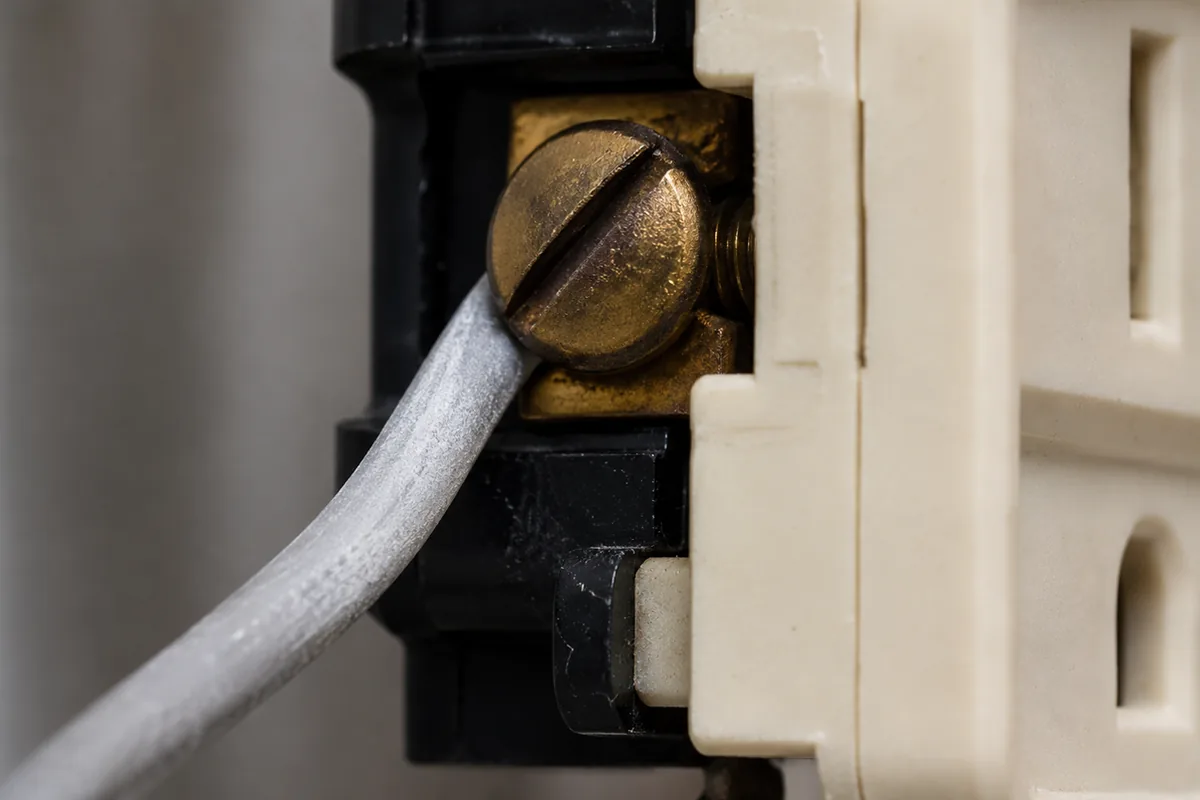
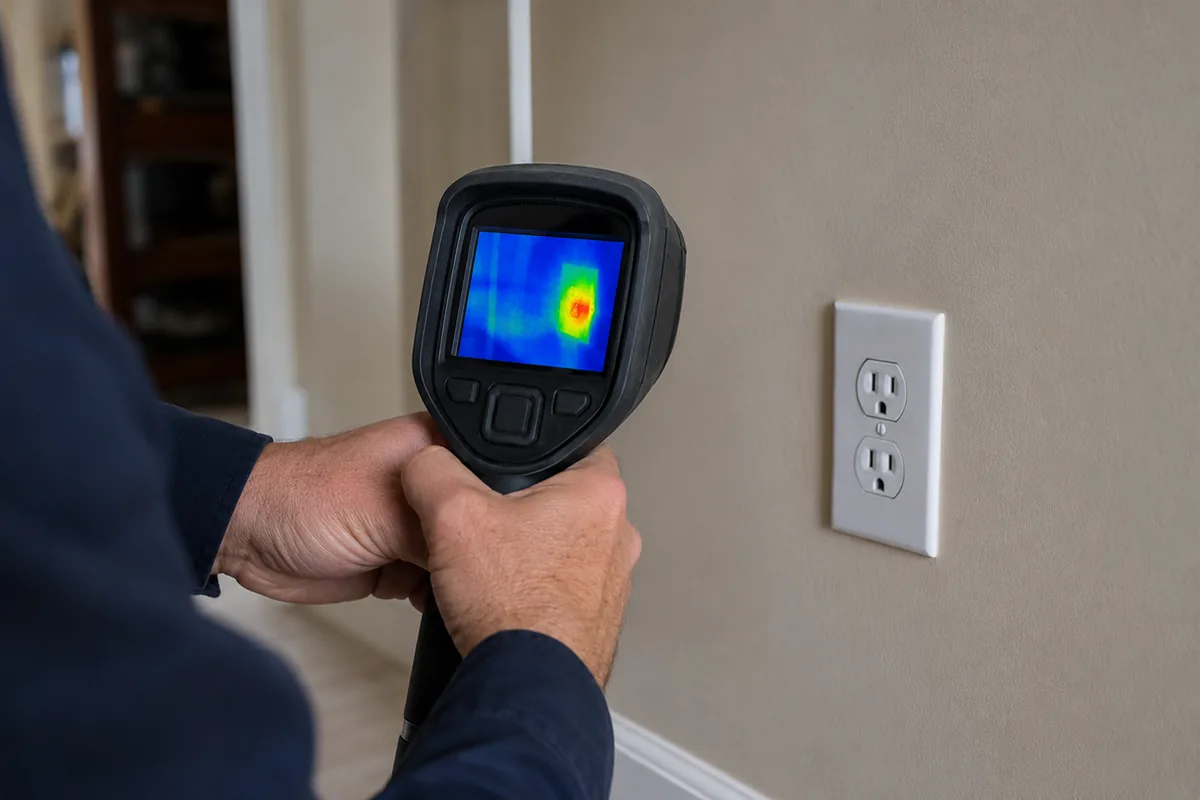
Single-strand aluminum branch wiring at the outlets. Standard receptacles, not the rated ones, with a couple of connections showing the dull gray oxide and a faint darkening at the screw terminal that tells you the connection has been heating and cooling for fifty years. One switch in the hallway was warm to the touch with the lights off. The thermal scan we ran across the receptacles and the panel picked up two spots running hot, which is the read we expect when aluminum branch wiring has been quietly working loose behind the cover plates.
The buyer was the first person in the transaction to learn what was actually behind the walls. The listing agent was the second.
Here is how that one resolved. We documented the aluminum conductors, the oxidized terminals, and the two hot connections in the same-day report, with photos and the thermal frames behind them. The buyer’s agent had it before the inspection contingency expired, took a licensed electrician’s bid back to the seller, and settled on a credit to remediate every connection after closing. The deal still closed on time. The wiring was never a dealbreaker. The finding just became a number both sides could agree on, instead of a fire risk nobody had priced.
Schedule an El Cajon inspection · Same-day report · Pay-at-closing available
Why this matters for the agent
Aluminum branch wiring is not a defect you can paper over with a small credit and a clean closing. It is a recognized fire-hazard condition with federal safety data behind it, an insurance complication, and a real chance of changing how the deal closes.
Three things tend to be on the line. First, the buyer’s homeowner insurance carrier may decline to write the policy, or write it only with a remediation deadline, once they learn the home has single-strand aluminum branch circuits. Second, the cost to make it right runs well into four figures and sometimes past it, which a first-time buyer’s budget did not plan for. Third, the buyer who learns about the wiring and closes anyway is taking on a fire risk the seller’s disclosure probably never flagged. That last one is where the lawsuits come from.
If you work El Cajon, especially homes built between 1965 and 1973, you will run into this. The catch is that build year matters more than the neighborhood name, because the window is narrow. The 1950s ranches near downtown and the earliest parts of Fletcher Hills predate aluminum branch wiring. The 1980s-and-newer subdivisions out toward Rancho San Diego came after it. The homes that sit right in the window are the late-1960s and early-1970s tracts, concentrated in Bostonia and the early-1970s pockets of Fletcher Hills. Agents who pin the build year first, then check the wiring, come out ahead. The same build-year filter applies to the hazardous panel brands that showed up in the same era of East County homes.
What aluminum branch wiring actually is
Aluminum branch wiring is solid, single-strand aluminum conductor used for the 15- and 20-amp circuits that feed a home’s outlets, switches, and light fixtures. It showed up in American homes during a copper price spike that ran from roughly 1965 to 1973, when builders switched to aluminum to save money on the smaller branch circuits.
This is a different animal from the aluminum service entrance and feeder cables still used today and still perfectly acceptable. Large multi-strand aluminum feeding the panel is normal. The problem is the small solid aluminum running to the receptacles. When inspectors and electricians talk about an aluminum wiring hazard, that branch-circuit wiring is what they mean.
The Consumer Product Safety Commission studied this and put a number on it. Homes wired with solid aluminum branch circuits are about 55 times more likely to have one or more connections reach fire-hazard conditions than homes wired with copper. That figure is the reason the issue carries the weight it does with inspectors, electricians, and insurers. For the pre-1940 homes on the other end of the spectrum, the hazard is knob-and-tube wiring rather than aluminum, but the insurance complications are similar.
Why aluminum wiring fails (the part most agents skip)
The failure is at the connections, not in the middle of the wire. Aluminum behaves badly where it terminates, and a house has a connection at every outlet, switch, and fixture.
Four things work against aluminum at a connection. It expands and contracts more than copper as the circuit heats and cools, so over years of use the conductor works itself loose under the screw. It forms an oxide layer that resists current, and unlike copper oxide that layer is a poor conductor, so resistance climbs at the joint. It is softer than copper and can be over-tightened or nicked during install. And when aluminum touches certain dissimilar metals in the presence of moisture, the two corrode galvanically at the contact point.
Loose plus oxidized plus resistive adds up to heat. Heat at a connection behind a cover plate, repeated over decades, is exactly the condition that chars a receptacle or starts a fire inside a wall box. The home runs fine until it does not, and the warning signs are usually hidden behind the plate.
The InterNACHI Standards of Practice treat this as a reportable condition. Section 3.7 directs the inspector to report solid conductor aluminum branch-circuit wiring as in need of correction when it is readily visible. We do not get to shrug it off because the lights are on and the home looks fine.
What agents should tell every buyer in older El Cajon homes
A short list buyers writing offers on 1960s and 1970s El Cajon homes should hear from you before they go into escrow.
- The branch wiring could be solid aluminum. It is verifiable on the inspection report, and we check it by pulling a sample of receptacles, not by guessing from the panel.
- If it is aluminum, plan on a four-figure remediation at a minimum, and more for a full copper rewire. Have the buyer pre-qualified for a repair budget above what the offer assumed.
- Call the buyer’s homeowner insurance carrier early and ask whether aluminum branch wiring affects underwriting. Get the answer in writing before the contingency period ends.
- Do not let anyone tell the buyer that swapping in special outlets fixes it. The only permanent repairs the CPSC recognizes are a full copper rewire or approved connectors at every connection, installed by an electrician.
- If the seller discloses prior electrical work, ask whether the connections were remediated, what method was used, and whether the work was permitted.
If you want a one-page version of this list to text to your buyers in the pre-offer window, ask us and we will send it.
Red flags during showings (no special tools required)
You do not need a thermal camera to flag a candidate home at a showing. Add these to your mental walk-through on anything built between about 1965 and 1975 in El Cajon.
- The home was built in the aluminum-wiring window. Build year is the first filter, and most of El Cajon’s affected stock dates to the early 1970s.
- Cover plates that feel warm, or a faint smell of hot plastic near an outlet or switch. Rare, but unambiguous, and a reason to stop and call us.
- Receptacles or switches that have been replaced with ones stamped CO/ALR, or wire connectors visible in a junction box stamped for aluminum. This means someone knew, which is useful either way.
- Flickering lights, outlets that have stopped working, or warm dimmer switches. These point to connections already degrading.
- Discoloration, scorching, or melted spots on a cover plate or around an outlet. Stop the showing and call us.
- Recent paint over outlets and switch plates, which sometimes hides a previous repair or a previous problem. Look closely.
None of these prove the wiring is unsafe today. All of them are reasons to make the inspection contingency real and to read the electrical section of the report closely.
Schedule an El Cajon inspection
The negotiation playbook when aluminum wiring surfaces in escrow
There are four paths most of these deals end up on. Knowing them in advance helps you steer.
Seller remediates before closing is the cleanest but the least common, because sellers do not love managing an electrician and a permit on their own timeline. When it happens, insist the work is permitted, that it covers every connection rather than a few visible ones, and that a re-inspection confirms it before closing.
Seller credits the buyer to handle it after closing is the most common outcome. Size the credit to a real bid from a licensed electrician, ideally two bids, scoped to the full house and not a partial fix. The written bid is the document that anchors the number, so push for it before the credit is finalized. If the buyers are also looking at pre-1940 homes in other markets, the galvanized plumbing negotiation follows the same four-path structure.
Buyer walks under the inspection contingency happens too, especially with first-time buyers who are not ready to absorb a five-figure repair on top of moving costs. The earnest money is protected under the contingency. Your job as the buyer’s agent is to make sure they know walking is an option and what triggers it.
Deal closes with no remediation is the worst of the four, because the buyer inherits the fire risk and the insurance complication while the seller faces no consequence. If the buyer wants the home and the seller will not move, document the buyer’s informed decision in writing and recommend remediation inside the first 90 days of ownership. A clean middle path is an escrow hold-back for the work, completed by the buyer’s electrician on a defined timeline after closing. Worth proposing when the seller will engage but does not want to manage the job.
How the inspection actually catches it
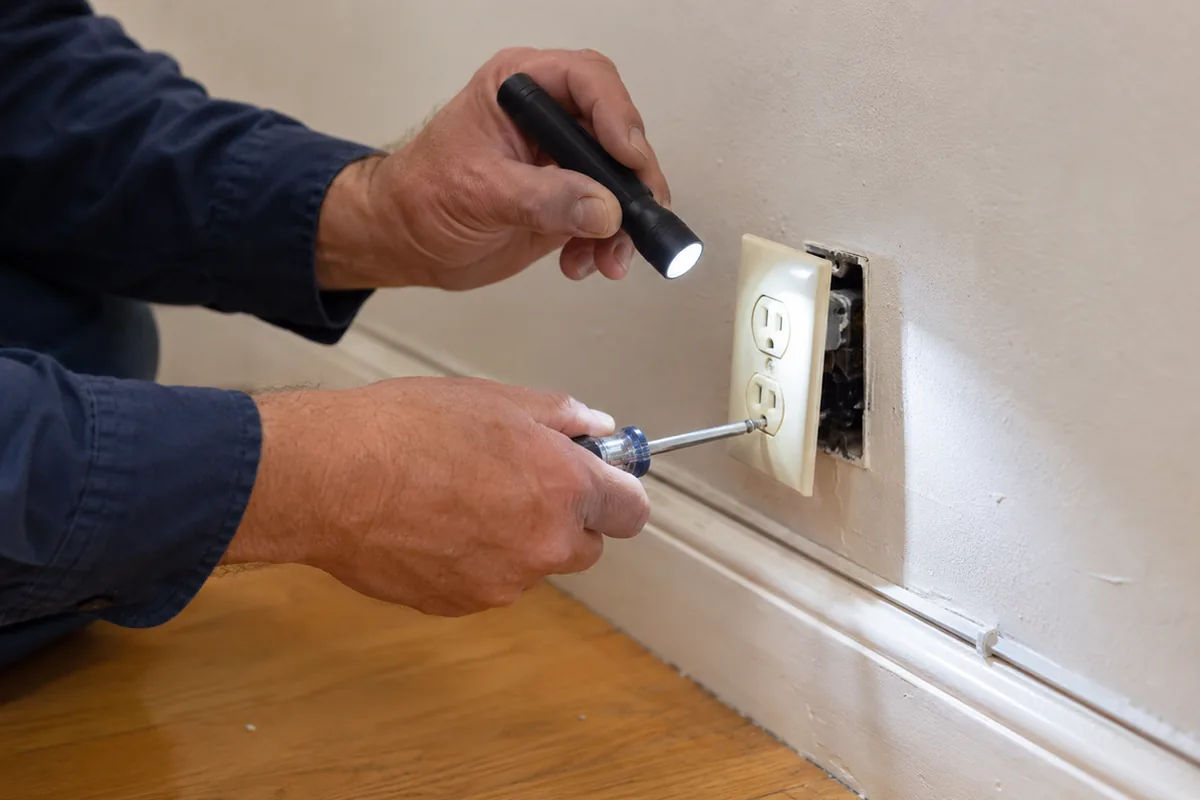
A standard inspection that only looks in the panel will miss aluminum branch wiring, because the branch circuits live behind the cover plates, not at the breakers. Catching it takes a deliberate look.
We pull a representative sample of receptacles and switches and read the conductor itself, looking for the solid aluminum, the oxide, and any darkening or deformation at the terminal. We check for double-lugged connections at the panel, where two solid aluminum conductors share one screw, which the Standards of Practice call out as a defect on their own. Then we run thermal imaging across the receptacles, switches, and panel under the home’s normal load, because a connection that is loose and resistive runs hot, and the camera sees the heat through the cover plate before anything is visible to the eye.
Combined, the visual identification and the thermal anomaly turn a soft suspicion into a documented finding you can take into the negotiation. This is what we mean when we say infrared is standard on every Inspection.re job rather than an add-on. We caught a related hidden-heat problem the same way on an older San Diego County panel, written up in our Escondido Federal Pacific and Zinsco guide.
Quick FAQ for buyers and agents
Is aluminum branch wiring always unsafe? Not in every house, and not on every circuit. The hazard is at the connections and it builds over time. The CPSC’s 55-times figure is why inspectors, electricians, and insurers treat it seriously even when the present-day condition looks fine.
Do special outlets fix it? No. Replacing devices with CO/ALR-rated outlets is a partial measure, not a permanent repair. The CPSC recognizes a full copper rewire or approved connectors at every connection, installed by a qualified electrician, as the permanent fixes.
What does remediation cost in El Cajon? Approved connectors at the connections typically run in the low-to-mid four figures for an average home. A full copper rewire runs well into five figures, more on a larger or two-story house. Get two written bids before the negotiation.
Will homeowner insurance refuse the policy? Some carriers will. Some write it with a higher premium and a remediation deadline. Some write it without comment. The variability is the problem, so the buyer should call their target carrier early rather than getting surprised at the binder stage.
Does this come up much in El Cajon specifically? Yes, but the window is narrow, so build year is the filter. Homes built between 1965 and 1973 sit right in the aluminum-wiring era, which points to the late-1960s and early-1970s tracts in Bostonia and parts of Fletcher Hills. The 1950s homes near downtown predate it, and the 1980s-plus subdivisions toward Rancho San Diego came after, so neither is where you expect it.
The honest summary for agents
If you work El Cajon and you write offers on homes built in the early 1970s, you are going to meet aluminum branch wiring. The cases caught during the inspection contingency are negotiations. The cases caught later, with a scorched outlet or a fire inside a wall box, are lawsuits. Your buyer is far better served by the first.
The inspection that finds it is not the cheapest one on Yelp. It is the one that pulls receptacles, reads the connections, and runs thermal imaging on the circuits under load, with a same-day report so you have the proof in hand before the contingency clock runs out. Sellers facing this issue should read our 5 things to fix before listing for the seller-side perspective.
Schedule an El Cajon inspection or see our full inspection scope before you book. Want to see what the finished report looks like? Here is a sample inspection report. Common questions are answered in the FAQ. For the older panel brands that pair with wiring like this across Los Angeles County, see our Culver City guide to older electrical panels.
Related reading
- Escondido Federal Pacific and Zinsco guide – the hazardous panel brands installed in the same 1960s-70s East County homes
- Coronado knob-and-tube wiring guide – the older wiring hazard behind remodeled finishes in pre-1940 homes
- Pasadena galvanized and cast iron plumbing guide – the hidden plumbing hazard in older California homes, and the escrow playbook
- Why infrared scanning matters in California homes – how thermal imaging catches the hot connections aluminum wiring produces
- Generator and Transfer Switch Safety in Hemet – a different electrical topic, backup power and the isolation hardware that keeps a generator from backfeeding the grid, worth knowing about alongside any older panel
- Main Electrical Service Disconnect Accessibility in Signal Hill – a location-and-access question, distinct from this guide’s wire-type hazard
- How to read a home inspection report in California – what buyers and agents should focus on in the report
- 5 things San Diego sellers should fix before listing – the seller-side view of findings like these
- Murrieta and the Elsinore Fault seismic guide – the seismic readiness hazard in Inland Empire fault-zone homes, and the escrow playbook when it surfaces
- Vista polybutylene piping guide – the hidden plumbing hazard in 1980s-90s North County homes, and the escrow playbook when gray pipe surfaces
- Chula Vista solar retrofit roof guide – how retrofit solar arrays damage tile roofs and create electrical hazards
- Redlands GFCI and AFCI outlet protection guide – the protective-device side of the outlet, a cheaper and separate fix from the wiring material behind it
- Cerritos double-tapped breaker guide – a panel-modification defect rather than a wire-type hazard, but the same “what is actually inside the panel” question an agent should ask
We also inspect across East County: Santee, La Mesa, Lemon Grove, National City, and San Diego. Same premium package, same same-day report.
Book an El Cajon home inspection or schedule directly · Same-day report · Pay-at-closing available · See what is in the box on our sample report page For the new statutory advisory that names substandard and recalled wiring by those words, see our guide to the electrical disclosure that starts in January 2026.