We inspected a cottage in the Coronado Village. Early 1900s, one of the older homes on a numbered street a few blocks off Orange Avenue. It had been remodeled within the last few years. New kitchen, refinished floors, fresh paint, recessed lighting in the main rooms. The listing called it “updated,” and from the inside it was. The buyer’s agent expected a clean report.
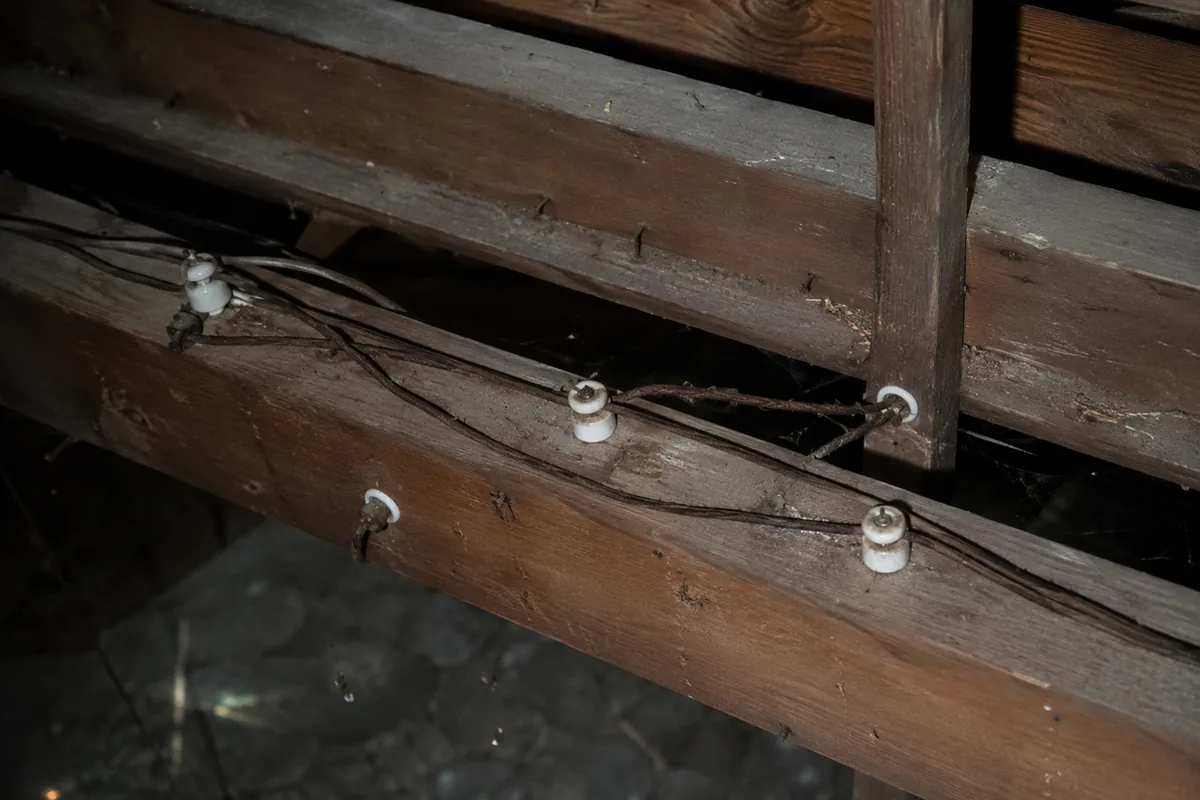
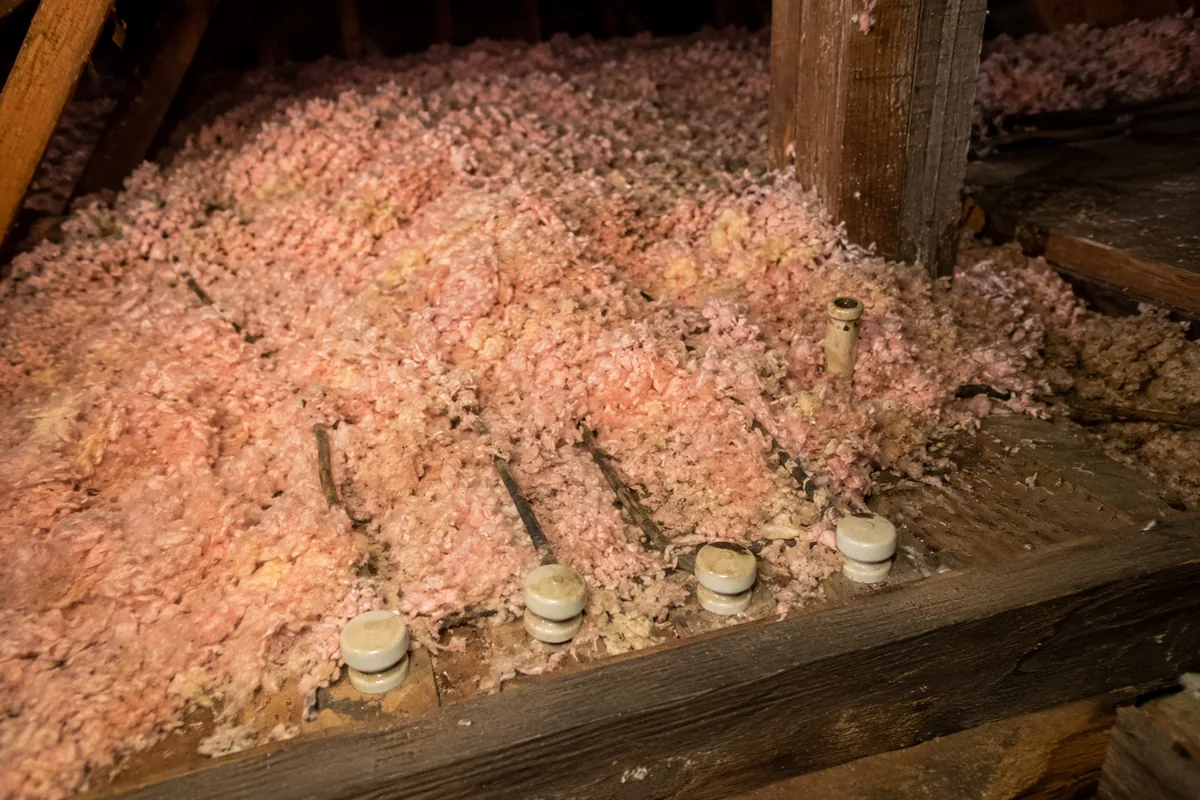
The attic told a different story. Running across the joists, in and out of the original framing through porcelain tubes, were the unmistakable cloth-wrapped conductors of knob-and-tube wiring. Live. And someone had blown a layer of fiberglass insulation over the top of it at some point, which is exactly the condition that turns old but stable K&T into a fire hazard.
We traced it. The remodel had updated the kitchen and the rooms that showed, but the original wiring still fed parts of the bedrooms and the hallway. The new recessed cans were on new circuits. The century-old cloth-insulated runs behind the plaster were not. Two systems living in the same house, and only one of them was visible.
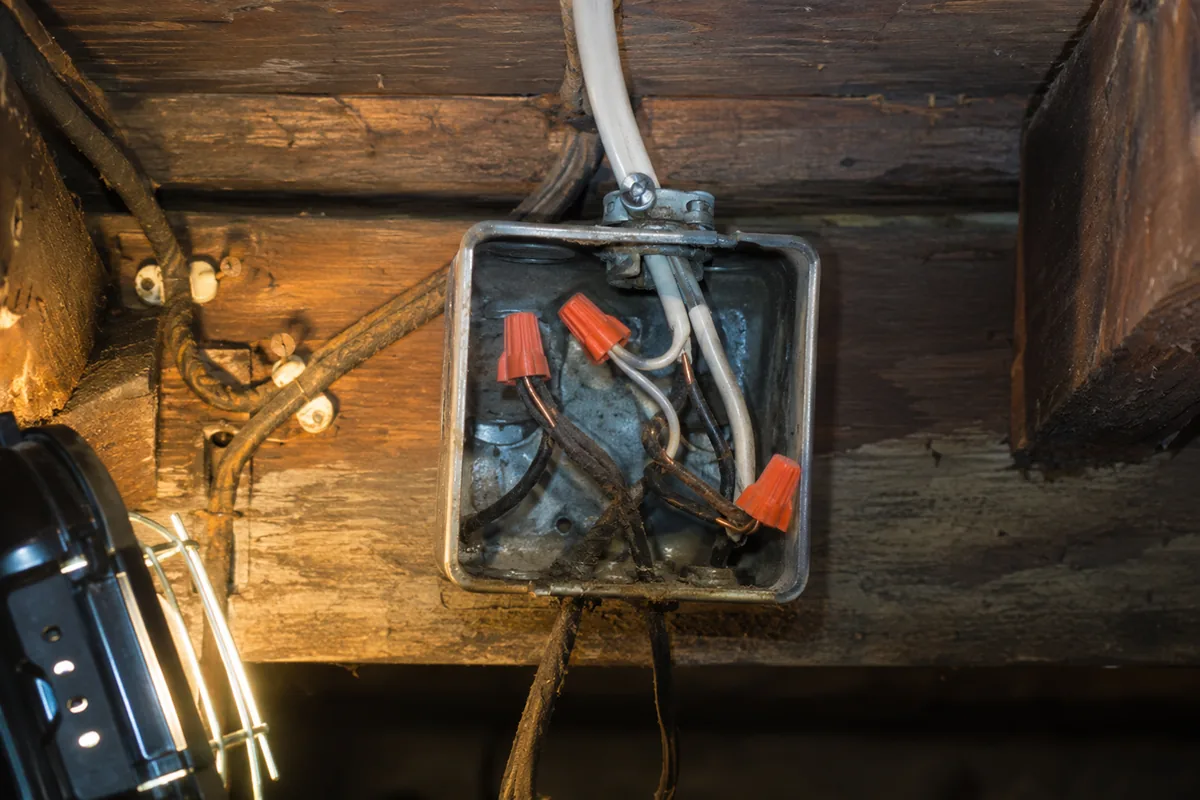
We documented every accessible run with photos, marked where the insulation covered it, and noted the spots where earlier owners had spliced modern Romex into the old K&T inside junction boxes, another condition that should not exist. The buyer learned about all of it from our report. So did the listing agent. So did the seller, who genuinely believed the “updated” home had been rewired.
This article is for agents working Coronado, especially the Village, where some of the oldest housing stock in San Diego County sits behind beautifully remodeled facades. Knob-and-tube is not rare here. It is what you should expect until an inspection proves otherwise, and it changes the deal in ways a cosmetic walkthrough never reveals.
Schedule a Coronado inspection · Same-day report · Historic-home experience · Pay-at-closing available
Why this matters for the agent before anything else
Insurance is the reason this finding can kill a deal. Carriers have moved hard against knob-and-tube.
Many home insurers now decline coverage outright once an inspection confirms active K&T, even when there has been no fire and no incident. Others will write the policy only with a surcharge or a requirement to rewire within a set window. The fallback is the California FAIR Plan, which costs more and covers less. It is the same insurance squeeze we see on fire-zone homes, covered in our Wildomar defensible space guide. A buyer who cannot get standard coverage cannot close a conventional loan, and the deal either dies or gets restructured around the wiring.
That is why this is a contingency-period problem, not a post-closing surprise. If the K&T surfaces in the inspection while the buyer still has their contingency, everyone has options: negotiate a credit, ask the seller to rewire, or walk. If it surfaces after closing when the buyer’s insurer does a post-bind inspection and sends a cancellation notice, the buyer owns the problem and the rewire bill. We have seen both. The first is a negotiation. The second is a lawsuit waiting to happen.
What knob-and-tube actually is, in one paragraph
Knob-and-tube was the standard wiring method in North American homes from roughly 1880 to the 1940s. Insulated copper conductors run through the framing inside protective porcelain tubes and are held along their length by porcelain knobs. The hot and neutral wires run separately, four to six inches apart, which actually lets them shed heat well. The system is not inherently dangerous on its own. It becomes dangerous through three things: age and brittle insulation, improper modifications by people who did not understand it, and building insulation packed over and around it so the heat it was designed to dissipate has nowhere to go. Coronado Village homes hit all three. They are old, they have been modified by decades of owners, and somewhere along the way someone added attic insulation over the original runs.
What agents should tell every buyer on an older Coronado home
-
Assume knob-and-tube until the inspection clears it. Any Village home built before about 1950 that has not been documented as fully rewired should be treated as a K&T candidate. A remodel that updated the kitchen does not mean the house was rewired. Those are two completely different scopes of work.
-
Get an insurance quote before removing the inspection contingency, not after. Have the buyer ask the carrier directly how they treat knob-and-tube. The answer shapes whether the deal works at all. This is the single most important step.
-
Budget realistically for a rewire. A full rewire on an older California home commonly runs from the high four figures into the five figures, and historic homes cost more because original plaster, crown molding, and protected facades make the work delicate. The contractor cannot just fish wire through finished walls the way they would in a tract home.
-
A partial rewire is a partial answer. Some homes have had the visible rooms rewired while the original K&T still feeds bedrooms, closets, or the hallway. Insurers and a careful inspection look at the whole house, not the parts that show. We report what is actually energized, not what the finish implies.
-
Three-pronged outlets on K&T are a red flag, not a reassurance. Knob-and-tube has no ground wire. If someone installed grounded-looking three-prong outlets on ungrounded K&T circuits, that is a defect and sometimes a sign of exactly the kind of amateur modification that makes the system dangerous.
Red flags you can spot during a showing
You do not need to open a panel to get a sense of the risk. A few minutes in an older Coronado home tells you whether wiring is going to be a conversation.
The home was built before 1950 and the listing says “updated,” not “rewired.” Those words mean different things. Updated usually describes finishes. Rewired describes the electrical system. If the listing or the seller cannot say the home was rewired, assume parts of it were not.
Two-prong outlets in original rooms. Bedrooms and hallways with two-slot ungrounded outlets, especially alongside remodeled rooms with modern grounded outlets, suggest the original wiring is still in service where the remodel did not reach.
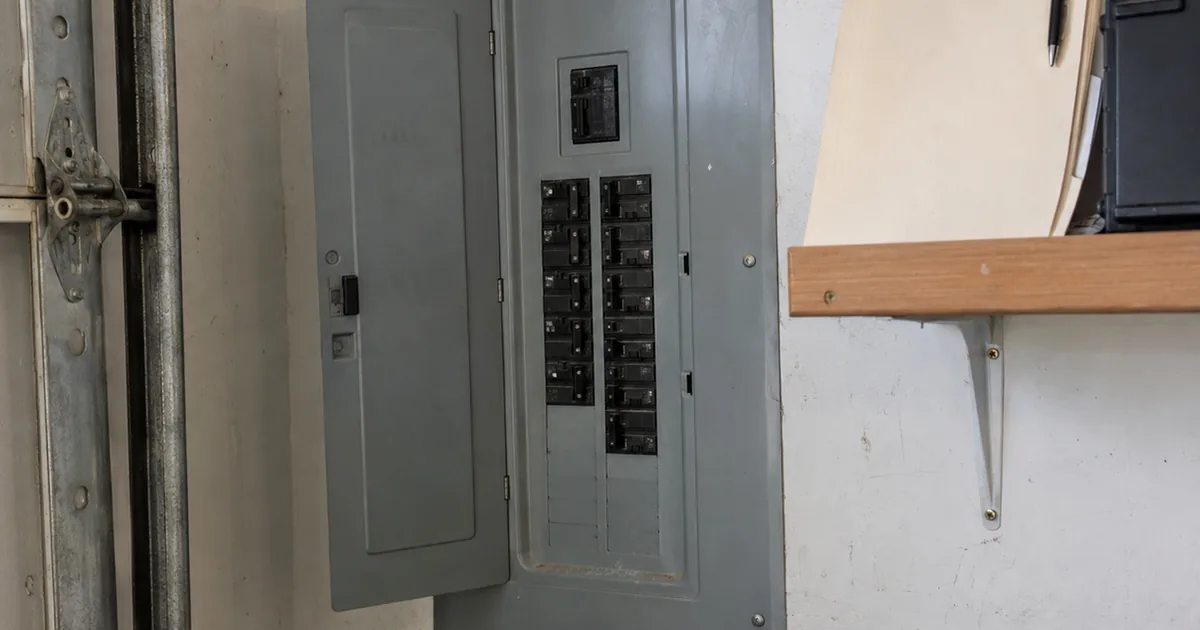
A mix of old and new at the panel. A panel with a few modern breakers feeding new circuits and a cluster of old wiring entering from the original service often means a partial update. The old runs are still live.
Ceramic knobs or tubes visible in the basement, crawl space, or unfinished attic edges. Where any framing is exposed, the porcelain components of K&T are visible and unmistakable. If you can see them from the access hatch, they are in the house.
Warm switch plates, flickering lights, or frequently tripped circuits. Mentioned by the seller or noticed during the showing, these point to overloaded or degraded circuits, which old K&T under modern electrical load often becomes.
Coronado is not the only place this comes up. The same older-electrical risk runs through the historic Village and Muirlands stock in La Jolla, the 1950s and 1960s ranch homes in El Cajon, and the older urban neighborhoods across San Diego. A different but related hazard, the Federal Pacific and Zinsco panels common in mid-century homes, is covered in our Escondido panel buyer’s guide.
Schedule a Coronado inspection
How the negotiation usually plays out
Seller rewires before closing. The cleanest outcome for the buyer, the hardest to get on a tight timeline. A full historic rewire takes weeks and a permit, so this works only when the escrow has room or the seller is motivated. When it happens, require documentation and a re-inspection.
Credit at closing for the rewire. The most common resolution. The seller credits the buyer an amount supported by a licensed electrician’s bid, and the buyer handles the work after closing on their own schedule. The key word is bid. A credit guessed at a round number usually under-covers a historic rewire. Get the electrician out during the contingency.
Buyer accepts and self-insures the timeline. Some buyers proceed knowing the rewire is coming, having confirmed they can get coverage (often FAIR Plan) in the interim and a standard policy after the rewire. This works when the buyer goes in with eyes open and a funded plan, not when they are surprised later.
Deal restructures or ends. When the insurance picture will not work and neither party will absorb the rewire, the deal changes or falls apart. The agents who see this coming, who flagged the wiring question before the offer, are the ones whose buyers do not lose a deposit chasing a house they could never insure.
How the inspection catches what the remodel hides
The whole point of the inspection on an older Coronado home is that the wiring is invisible from the finished space. Fresh paint, recessed lighting, and a renovated kitchen tell you nothing about what runs behind the plaster and across the attic.
We go into the attic and the accessible framing where the porcelain knobs and tubes are exposed, and we trace where the original runs still feed the home. We look specifically for the dangerous conditions: insulation packed over K&T, modern cable spliced into old conductors inside junction boxes, brittle or damaged cloth insulation, and three-prong outlets installed on ungrounded circuits. We photograph all of it.
 The thermal scan adds a layer the eye cannot: overloaded or failing connections show up as heat anomalies behind the wall before they become a visible problem. For more on how infrared catches what a visual check misses, see our infrared scanning guide.
We are not electricians, and we do not pull permits or certify a system as safe. What we do is tell you exactly what is in the house, where it is, and which conditions need a licensed electrician’s eyes before the buyer commits. On a home where the difference between “updated” and “rewired” can be a five-figure swing and an insurance denial, that documentation is the report’s whole value. Older Coronado homes also carry galvanized plumbing and aging panels from the same era, which we cover on the Coronado service page.
Schedule a Coronado inspection · What’s included · FAQ
Frequently asked questions
Does every old Coronado home have knob-and-tube?
No, but many built before 1950 still have some, even after a remodel. The remodel often updates the rooms that show while the original wiring keeps feeding bedrooms, closets, and hallways. The only way to know is an inspection that gets into the attic and traces what is actually energized.
Is knob-and-tube illegal or required to be removed?
No. There is no code that requires complete removal, and it is not illegal to have. It is simply not permitted in new construction. The real constraint is insurance, not legality. Carriers increasingly refuse to cover homes with active K&T regardless of what the code allows.
Can the buyer still get insurance on a K&T home?
Sometimes, but it is harder and more expensive than buyers expect. Many standard carriers decline once an inspection confirms it. The California FAIR Plan is the fallback, at higher cost and narrower coverage. This is why we tell agents to have the buyer confirm coverage before removing the inspection contingency.
How much does it cost to rewire a historic Coronado cottage?
It varies with size, layout, and access, but a full rewire on an older California home commonly runs from the high four figures into the five figures, and historic homes cost more because original plaster and finishes make the work delicate. We do not quote the number in our report. We document the condition so a licensed electrician can give the buyer a real bid during the contingency.
Is the inspection the same as an electrical certification?
No. We document the presence, location, and condition of the wiring and flag the hazardous conditions. We do not certify the system as safe or pull permits. The report is the preparation step: it tells the buyer and the electrician exactly what to evaluate before the deal closes.
The honest summary for agents
Coronado Village homes are some of the most charming properties in San Diego County, and some of the most likely to hide century-old wiring behind a recent remodel. Knob-and-tube is not a reason to fear these homes. It is a reason to inspect them properly and to handle the insurance question early.
The agents whose deals close smoothly are the ones who treated the wiring as a question to answer before the offer, not a surprise to absorb during escrow. Confirm whether the home was actually rewired. Get the insurance posture in writing before removing contingencies. And get an inspection that goes into the attic and reports what is really there, not what the fresh paint implies.
We inspect Coronado homes of every era, from Village cottages to the 1970s Shores and Cays. The old ones are our favorite kind of puzzle, because the report we hand back is the difference between a buyer who knows what they are buying and one who finds out the hard way.
Schedule a Coronado inspection · Sample report · FAQ
For the aluminum branch wiring hazard common in 1960s-70s East County homes, see our El Cajon aluminum wiring guide. For the seawall, dock, and tidelands questions that come with a harbor-front purchase up the coast, see our Newport Beach seawall and dock guide. For the documented hillside landslide history further up the San Diego coast, see our La Jolla Mount Soledad landslide guide. For the galvanized supply and cast iron drain hazard in pre-1940 homes, see our Pasadena plumbing guide. For the condo-specific side of older building issues, including SB 326 balcony inspections in a 1920s multifamily market, see our West Hollywood balcony guide. The same pre-1940 wiring shows up across Greater LA’s historic districts, and we inspect there too: Los Angeles, Long Beach, Santa Monica, West Hollywood, and Pasadena. For how knob-and-tube and galvanized supply combine to complicate insurance and escrow in Long Beach’s historic stock, see our Long Beach knob-and-tube and galvanized pipe guide. For the wildfire exposure that older homes carry in the San Gabriel foothills, see our guide to hardening a historic Sierra Madre home. For the disclosure California now requires on covered sales of older homes, see Civil Code 1102.6i and the 2026 electrical notice.