The Board Holding Up the Deck: A Redondo Beach Deck Ledger Attachment Guide for Agents
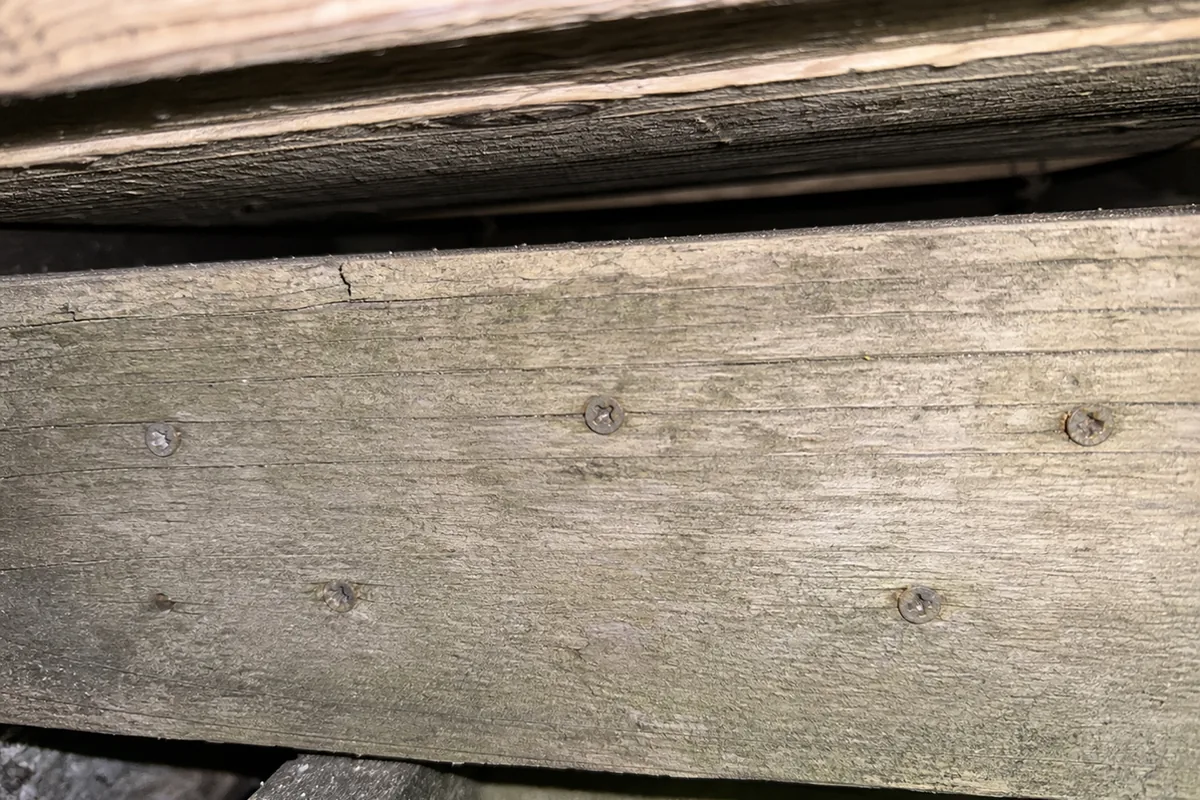
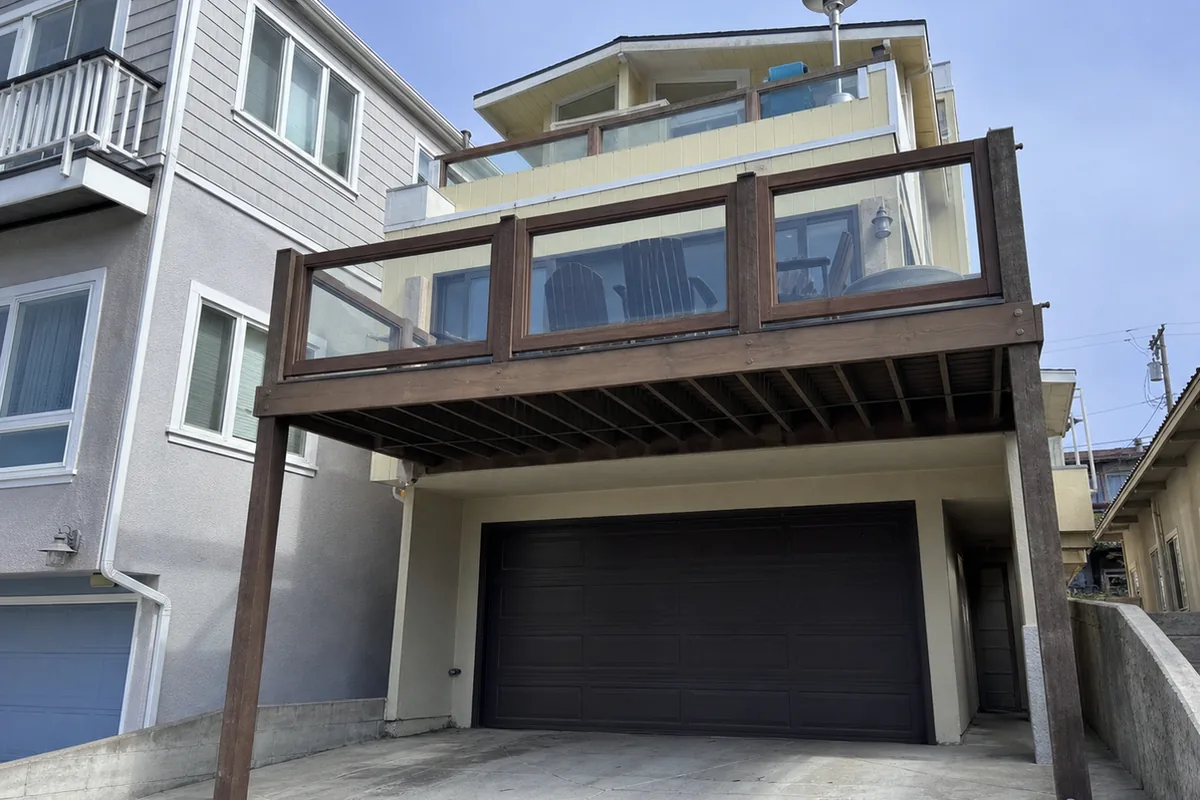
The listing photo showed a wide upper-level deck off the primary bedroom, the kind of add-on that makes a small beach-city lot feel bigger, with a view corridor toward the water over the neighbor’s roofline. From above it looked finished and solid, composite decking, a clean rail, nothing to suggest a problem. From underneath, in the crawlspace of the garage below, the ledger board where the deck met the house was fastened with what looked like common deck screws driven at an angle, no visible through-bolts, and a gap at the top of the ledger where flashing should have been directing water away from the joint and instead a dark water stain ran down the rim joist behind it.
We are describing this as a composite of what we see across several Redondo Beach inspections a year on elevated decks added or rebuilt on multi-level homes, not one identified property or job. The pattern repeats often enough in this city’s stacked, small-lot housing that it is worth understanding before an escrow, not during one.
This guide is for the agent working Redondo Beach and the surrounding communities we also serve, including nearby Manhattan Beach, Hermosa Beach, and Torrance, where the same stacked multi-level lots and elevated decks show up throughout the beach cities. Here is what a correct ledger connection looks like, what actually goes wrong, and what an inspector can and cannot verify from a visual exam.
Why this matters for the agent
A deck failure at the ledger is a structural failure, not a cosmetic one, and it is a genuine, documented category of injury nationally. When a deck is properly attached, its full live load, people, furniture, a hot tub, transfers through the ledger board into the house’s own rim joist and framing. When that connection is undersized, corroded, or relying on the wrong fasteners, the deck can pull away from the house gradually over years or, under the right load, suddenly. Most buyers touring a home never think to ask how the deck is attached. They see a finished surface and a rail and assume the structure underneath matches.
Redondo Beach adds a specific reason this deserves its own guide rather than a general mention. The city’s housing stock runs dense and vertical: many homes sit on small lots, built up over decades with tuck-under garages, split-level additions, and homes stacked two and three stories to capture ocean views on lots that would otherwise be too small to build much of anything on. That building pattern puts elevated wood decks and stairs off upper floors directly over living space, over a garage, or over nothing at all, far more often than in a typical single-story tract city. And a meaningful share of those decks were added, rebuilt, or expanded after the original construction, sometimes by a contractor and sometimes by a homeowner, without matching the connection detail to what the load actually requires.
What a correct ledger connection looks like
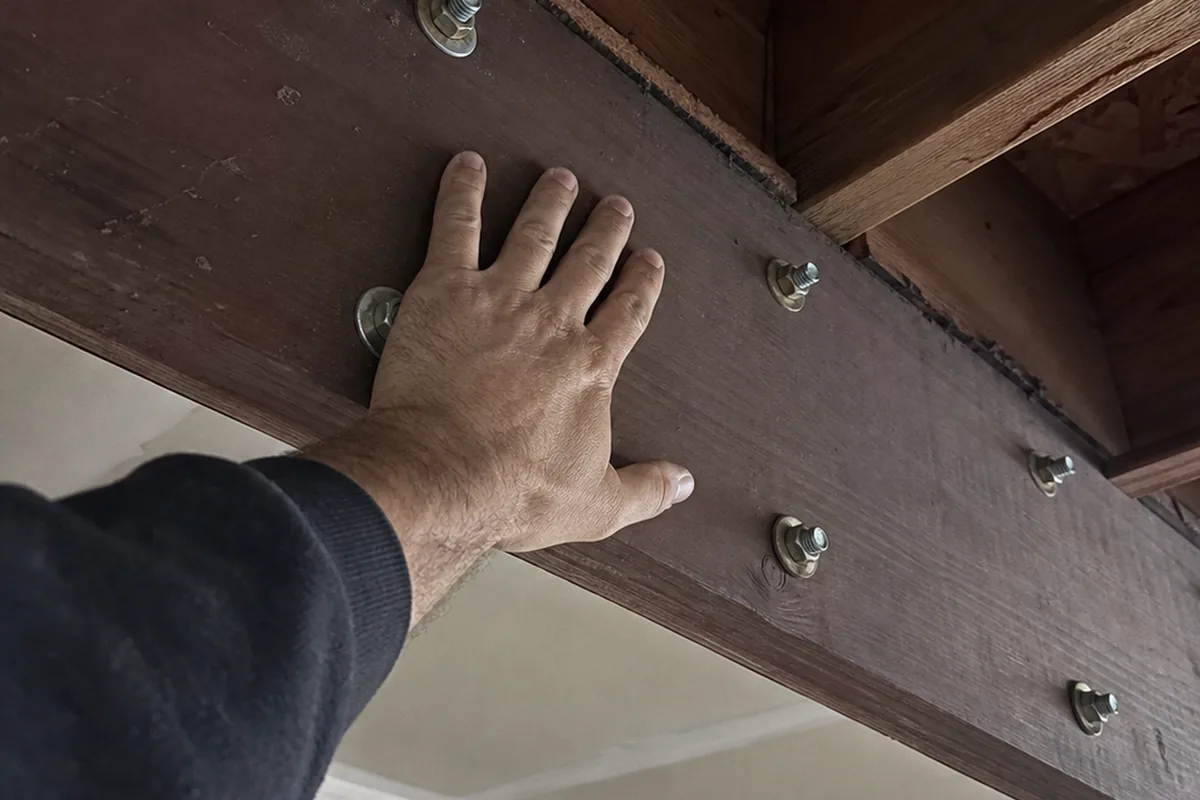
The ledger board is the horizontal board bolted directly to the house that the deck framing hangs from. A correctly attached ledger has a few specific, checkable features.
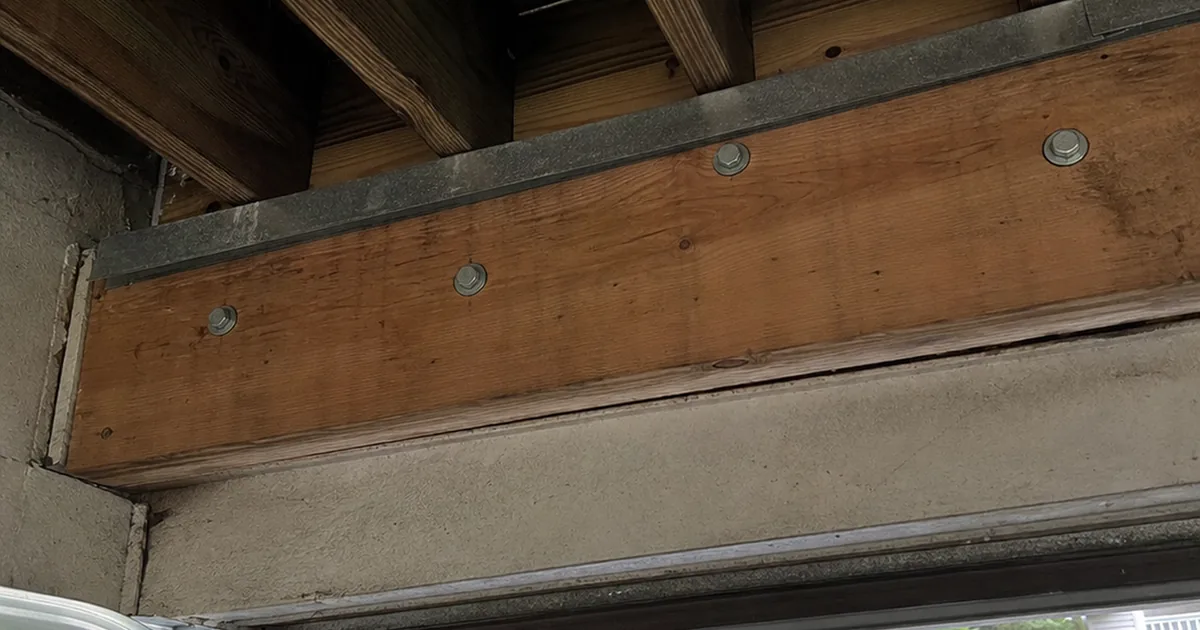
The ledger is fastened with through-bolts or code-listed structural screws driven into the house’s rim joist or band board, at a spacing and pattern sized to the deck’s actual span and load. Common deck screws or nails, the kind used to fasten decking boards to joists, are not rated for this connection and are a real, visible defect when found holding the ledger itself.
Flashing at the ledger-to-house joint sheds water away from the connection, typically a metal flashing that laps over the ledger and directs water down and out rather than letting it collect behind the board or track down into the wall assembly. This is the detail most often missing or done wrong on an older or DIY deck, and it is usually the first visible sign of trouble, a water stain or dark streaking on the rim joist or the siding just above the ledger.
The connection does not rely on the exterior finish, stucco or siding, to carry any of the deck’s load. A ledger fastened through stucco without a proper standoff or flashing detail, or one where the stucco itself appears to be doing structural work rather than just covering the wall, is a defect regardless of how solid the deck feels when you stand on it.
What actually goes wrong
- Deck screws or nails used in place of through-bolts or structural screws at the ledger. The most common defect on older or owner-built decks. It can hold for years under normal use and then fail, gradually as the fasteners work loose and the wood around them degrades, or in some documented cases suddenly under a concentrated load like a party or a gathering.
- Missing or failed flashing at the ledger-to-house joint. Water tracks behind the ledger instead of shedding away from it, soaking the ledger, the rim joist, and the house framing behind the wall finish where nobody can see it happening.
- Reliance on the exterior cladding to hold the ledger. A deck fastened through stucco or lap siding without the ledger bearing directly and correctly against the structural framing behind it, sometimes with a gap that a standoff spacer is supposed to fill and does not.
- A ledger attached to a band board or rim joist that is itself compromised. Wood-destroying organisms, dry rot from long-term moisture intrusion, or an undersized member behind the ledger connection can make even a well-fastened ledger only as strong as the wood it is bolted into.
- No positive connection at all on an older addition. On some older or informal deck additions, the ledger may simply be resting against the house or held with a handful of fasteners never intended to carry structural load, essentially an unengineered attachment from the start.
- Corrosion at fasteners or flashing on decks exposed to the marine air common along this stretch of coast. Galvanized or non-rated fasteners can corrode faster near the ocean than the same materials would inland, weakening a connection that may have been adequate when it was installed.
Schedule a Redondo Beach inspection →
What an inspector can and cannot verify
This is the boundary that matters most for an agent to set correctly with a buyer. A home inspection is visual and non-invasive. We can see the exterior flashing detail where it is visible, look for gaps, separation, staining, or rust streaking at the ledger-to-house joint, and examine the connection from below where the underside of the deck is accessible, for example from a garage ceiling or an open crawlspace.
What we cannot see is the actual fastener type, size, spacing, and count once the connection is concealed, whether by decking material above, a finished ceiling below, or stucco and siding wrapped around the joint with no visible access. A deck can look completely sound from every angle we can reach and still have an inadequate ledger connection hidden behind those finishes. Where we cannot directly verify the fastening at the ledger, we say so explicitly and recommend further evaluation, typically a contractor or structural engineer opening a small section of the connection to confirm what is actually there.
What agents should tell every buyer
- A deck’s surface finish, composite decking, a nice rail, fresh stain, tells you nothing about the structural connection underneath. Ask when the deck was built or last rebuilt and whether the work was permitted.
- If the underside of the deck is accessible, from a garage ceiling or a crawlspace, ask whether the fasteners at the ledger are visible and what type they appear to be.
- Water staining, dark streaking, or a gap at the top of the ledger board is worth pointing out during a showing even before an inspection, since it is often visible from the yard.
- Where the connection cannot be verified because it is fully concealed, that is a real limitation of the inspection, not a clean bill of health. It is worth budgeting for a specialist opening if the buyer wants certainty before closing.
- Post, footing, and cantilever conditions are a related but separate question from the ledger connection itself, and both matter for a full picture of the deck’s structural adequacy.
- Guardrail height and baluster spacing are a fall-protection question, entirely separate from whether the deck itself is safely attached to the house. A deck can have a perfect rail and a failing ledger, or the reverse.
Red flags during showings
Some of this is visible without any special access.
- A water stain, dark streaking, or discoloration on the exterior wall or rim joist directly above or below where a deck ledger meets the house.
- A visible gap between the top of the ledger board and the house wall where flashing should be but is not.
- Deck screws or common nail heads visible along the ledger board itself, rather than larger structural bolt heads or screw heads.
- Any bounce, deflection, or movement felt at the point where the deck meets the house when walking near that edge, particularly with more than one person standing there.
- Stucco or siding that appears to run directly behind or through the ledger connection with no visible flashing or standoff.
- Soft or spongy wood, or visible fungal staining, on any framing member near the ledger connection that is accessible to view.
If we see these, we document the visible condition at the connection and recommend the appropriate specialist scope before the report goes out.
The negotiation playbook
When a ledger attachment finding surfaces in a Redondo Beach escrow, the deal usually moves down one of a few paths.
The first path is a structural engineer or qualified contractor opening a section of the connection to directly verify the fastener type and condition, appropriate whenever the connection is fully concealed and cannot be assessed visually, or when visible signs, staining, gaps, movement, suggest a real problem underneath.
The second path is a full ledger and flashing correction, warranted when the connection is confirmed to be using the wrong fasteners, missing flashing, or relying on the cladding, regardless of how the deck currently feels underfoot.
The third path is a limited repair, such as adding proper flashing where the ledger fastening itself is confirmed adequate but water intrusion protection was never installed correctly.
The fourth path is a credit or informed acceptance, appropriate when the finding is a visible but minor flashing gap on an otherwise sound, verifiable connection, and the buyer wants to proceed and address it as routine maintenance.
How the inspection actually catches it
We examine every elevated deck at the ledger-to-house connection from every angle we can safely reach, from above at the deck surface, from the yard looking up at the flashing detail, and from below wherever the underside is accessible through a garage ceiling or crawlspace.
We probe accessible wood near the connection for softness, look for staining and gaps that indicate water tracking behind the ledger, and note whether the fastener type is visible and consistent with a proper structural connection. Where the connection is fully concealed, we say so plainly rather than implying a pass, the same visual-versus-invasive boundary we describe in our infrared scanning guide for finding hidden moisture behind finishes. Post, footing, and cantilever conditions get a brief structural note and are routed to a structural engineer when warranted, and any guardrail or handrail fall-protection question is a separate item covered in our Chino Hills guardrail and stair safety guide. Our what’s included page covers the full scope of every Redondo Beach inspection.
Quick FAQ
Is every deck ledger a problem? No. A ledger fastened with proper through-bolts or structural screws, correctly flashed, and bearing directly on sound framing is a normal, code-correct connection. The concern is specifically when the fastening or flashing is wrong, aged, or concealed with no way to verify it.
How is this different from the Manhattan Beach deck guide? Different mechanism entirely. Our Manhattan Beach deck and balcony guide covers waterproofing and dry rot, water getting past the deck’s surface membrane or coating and rotting the framing from trapped moisture over time. This guide is about the structural fastening connection at the ledger itself, whether the deck is actually bolted to the house correctly, a different failure mode and a different inspection method. A deck can have excellent waterproofing and still have an inadequate ledger connection, or the reverse.
Is this the same as the guardrail and handrail topic? No. Our Chino Hills guardrail and stair safety guide covers the rail as fall protection, height, baluster spacing, and graspability. This guide covers whether the deck itself is safely connected to the house. A deck can be structurally sound with an unsafe rail, or have a perfect rail and a failing ledger connection.
Can a buyer verify the ledger connection themselves during a showing? Only partially. Visible signs like staining, gaps, or accessible fastener heads can be seen during a showing if the underside is reachable. The fastener type and count behind a finished connection cannot be confirmed without opening it, which is beyond the scope of a showing or a general home inspection.
Should a buyer walk away over a ledger finding? Rarely on a visible flashing gap alone. It matters much more when the connection cannot be verified at all and the deck is large, elevated, or over living space, since the cost of specialist verification and any needed correction should be weighed against the property’s value and the buyer’s own risk tolerance.
The honest summary
Redondo Beach’s dense, stacked, small-lot housing puts a lot of elevated deck square footage directly over living space and garages, often added or rebuilt at different times by different builders with different standards. None of that means every deck here is unsafe. It means the ledger connection, the single board carrying the deck’s entire load into the house, deserves a specific, honest look rather than an assumption based on how solid the deck feels when you stand on it.
We check every visible flashing detail and fastener we can reach, tell you plainly when a connection cannot be fully verified, and route you to the right specialist when the finding calls for opening a section to confirm what is actually holding the deck up. That is the job on every elevated deck we find in this market.
See what every inspection includes → · Read our FAQ → · Explore Redondo Beach home inspections →
Related reading
- Deck and Balcony Waterproofing in Manhattan Beach. A different mechanism on the same structure type, water intrusion and dry rot rather than the ledger’s structural fastening.
- Guardrail and Stair Safety in Chino Hills. The fall-protection rail question, entirely separate from whether the deck structure is properly attached.
- Why Infrared Scanning Matters in California Homes. How thermal imaging can find hidden moisture tracking behind finishes near a deck connection.
- How to Read a Home Inspection Report in California. How a finding like this gets prioritized and handed to the right specialist in writing.
- Firestop and Fire Blocking in Paramount. Another concealed structural finding a visual exam can only partly verify without opening finished framing.
- California’s Balcony Inspection Deadlines: SB 721 and SB 326. The two statutes that force periodic structural inspection of exactly this connection on multifamily buildings.
- Beam and Post Deterioration in Oakland. The posts and girders under the house itself rather than the deck, and the base connections that carry them.
- ASHI’s 2026 Standard of Practice: What Actually Changed. What a home inspection is required to cover, what it never was, and the tools the standard treats as optional.