We inspected an avocado-grove property in the rural hills of Fallbrook earlier this year. Single-story ranch home, a couple of acres, mature trees, a well house off the driveway, and a view that sold the buyers before they ever walked inside. The disclosure was thin in the way rural disclosures often are. Both agents assumed the systems were fine because the water ran and the toilets flushed.
Then we looked at the systems the house actually runs on.
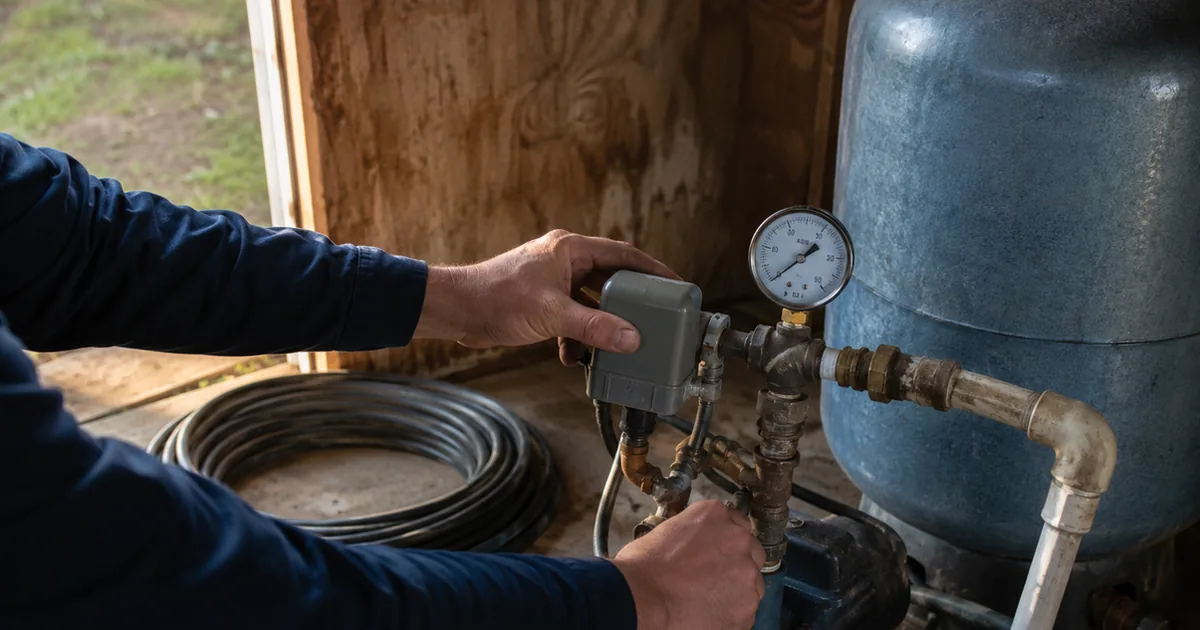
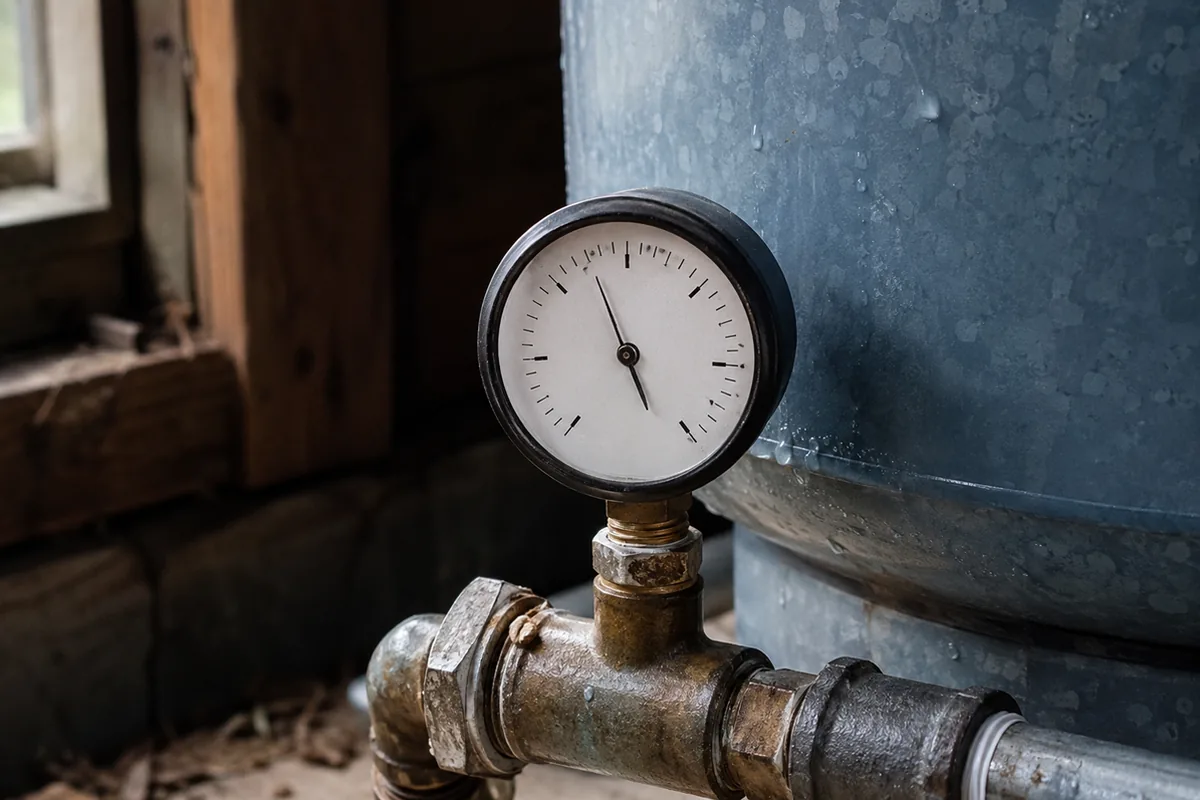
The well pump was original and short-cycling, the pressure tank had lost its charge, and the water had the rusty tint that points to an aging well rather than the city main these buyers were used to. The septic tank had not been pumped in years, the leach field was soggy at the downhill edge, and there were no permit records for any of it. A propane tank sat half-buried at the side yard with a regulator well past its service life. None of that shows up when you flush a toilet and watch the water drain.
The buyer was the first person in the transaction to understand that this home does not connect to anything. It makes its own water, treats its own waste, and heats with a tank in the yard.
Schedule a Fallbrook inspection · Same-day report · Pay-at-closing available
Here is how that one resolved. We documented the well, septic, and propane conditions on the same-day report and told the buyer plainly that the well and the septic each need a specialist evaluation beyond a general home inspection. The buyer’s agent ordered a well flow-and-water-quality test and a septic inspection with a tank pump-out, both of which confirmed the home needed work. They went back to the seller with bids and closed with a credit for the septic and a price adjustment for the well equipment. The deal still traded. The point is not that rural systems are dealbreakers. It is that they are major systems most buyers have never owned, and the time to learn their condition is during escrow.
Why this matters for the agent
A Fallbrook rural home is not a city home with a bigger lot. It runs on private infrastructure that a buyer is now responsible for owning, repairing, and replacing, and none of it is covered by a municipal utility.
Three things tend to be on the line. First, the cost. A failed septic leach field, a worn-out well pump and pressure system, or an out-of-code propane setup are four-figure to five-figure problems, and a full septic system replacement on a difficult lot can run well past that. Second, the diligence gap. A general home inspection looks at the visible plumbing and electrical, but well water quality, well flow, and the buried septic system are specialized scopes that need their own inspections, and buyers routinely skip them because they do not know to ask. Third, the timing. A buyer who learns the septic is at end of life during the contingency negotiates. A buyer who learns it when the leach field surfaces a year later is looking at a permit, a percolation test, and a new system on their own dime.
If you work Fallbrook, this is most of your inventory outside the village core. The rural avocado-grove and large-acreage areas, and much of Bonsall next door, are private well, septic, and propane country. Agents who treat those three systems as their own line items come out ahead.
What well, septic, and propane actually are on a Fallbrook property
These are the three systems that replace the city utilities a buyer is used to, and each is its own inspection.
A private well draws the home’s drinking water from groundwater, using a submersible or jet pump, a pressure tank, and often a treatment setup for the local water chemistry. A septic system treats the home’s wastewater on site, with a tank that separates solids and a leach field that disperses the effluent into the soil. Propane replaces natural gas for cooking, heating, and water heating, stored in an above-ground or buried tank with a regulator and supply lines. In San Diego County, onsite wastewater systems are regulated under the County’s Local Agency Management Program, which sets the rules for percolation testing, reserve areas, repairs, and new system design.
The reason this matters in Fallbrook specifically is that the housing is almost entirely custom and semi-custom homes on large lots, with very little tract uniformity, and a large share sits outside public sewer and often outside public water. The home that looks like a slightly larger version of a suburban house is actually a small piece of private infrastructure that the new owner becomes the utility for.
Why these systems fail (the part most agents skip)
Each system fails quietly, on its own schedule, and the warning signs are easy to miss at a showing.
A well fails at the pump and the tank long before the water stops. Pumps wear out and begin short-cycling, pressure tanks lose their air charge and run the pump too often, and flow drops as a well ages or the water table shifts seasonally. Water quality is a separate question entirely: rural groundwater can carry nitrates, bacteria, hardness, iron, or other contaminants that a flush-and-look inspection never tests for. The water can look and taste fine and still need treatment.
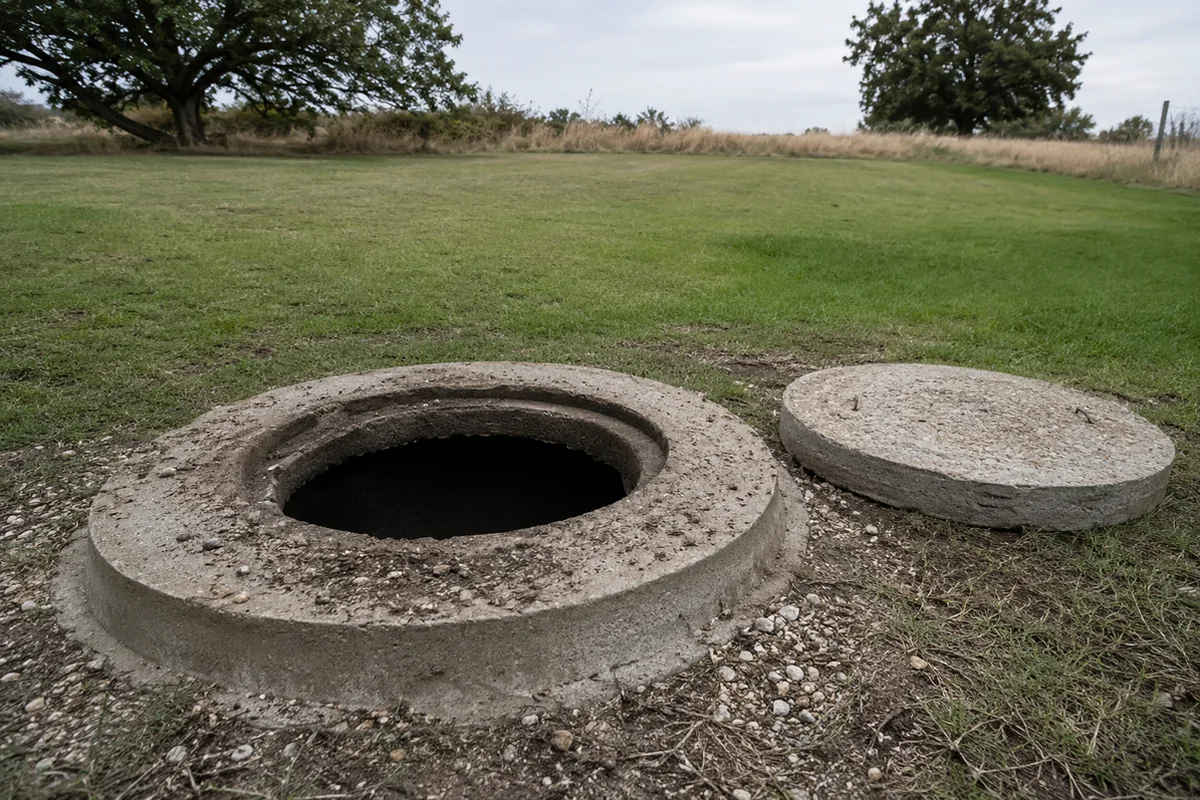
A septic system fails at the leach field, which is the expensive part. Solids that should stay in the tank carry over into the field when the tank is not pumped, the soil’s ability to absorb effluent declines over decades, and the field eventually saturates and surfaces. By the time there is a soggy spot or an odor in the yard, the field is often already failing, and a home inspector cannot see inside a buried tank or field. That is why the honest answer on any septic system is a specialist inspection with the tank opened and pumped, not a guess from the surface.
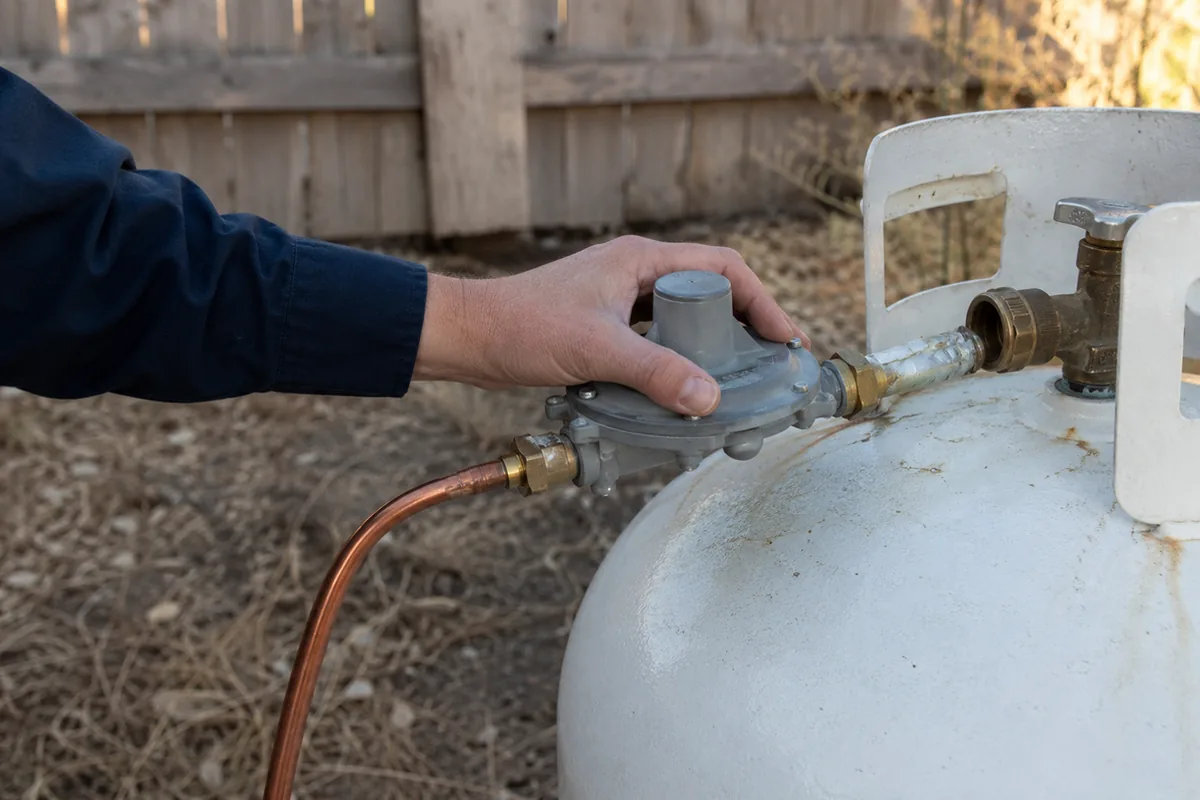
Propane fails at the connections and the regulator. Regulators age out, buried tanks and lines corrode, and older installations may not meet current setback and code requirements. None of it is visible while the stove lights and the heater runs.
What agents should tell every buyer on a Fallbrook rural property
A short list buyers writing offers on Fallbrook acreage should hear from you before they go into escrow.
- This home runs on private well, septic, and propane. Each is a major system the buyer will own, and each needs its own evaluation beyond the general home inspection.
- Order a well flow test and a water-quality test, and a septic inspection that opens and pumps the tank. These are specialist scopes, and they are the two that matter most.
- Request the septic permit history and as-built records, and any well records, from the seller. Missing permits and unknown system age are common and worth pricing in.
- Budget for the possibility of a four-figure to five-figure repair on any of the three systems, and for a much larger number if the septic field needs replacement on a difficult lot.
- Ask whether the propane tank is owned or leased, and confirm the regulator and lines are current. A leased tank comes with its own contract to assume.
If you want a one-page version of this list to text to your buyers in the pre-offer window, ask us and we will send it. For how to book all three scopes inside the contingency window without running out of days, read our Fallbrook rural escrow sequencing guide.
Red flags during showings (no special tools required)
You do not need test equipment to flag a rural systems concern at a showing. Add these to your walk-through on any Fallbrook property off the public utilities.
- A soggy, unusually green, or sunken patch in the yard, especially downhill of the house. That can be a failing or saturated leach field.
- A sewage or sulfur odor outside near the tank or field, even faint. Stop and note it.
- Weak or fluctuating water pressure, or a well pump you can hear cycling on and off frequently with no water running. Both point to well-system wear.
- Rusty, cloudy, or odd-tasting water at first draw, or a row of treatment tanks in the garage that signals known water-quality issues.
- A propane tank that is rusted, half-buried in an unclear way, or sitting close to the house, plus an old regulator. Setbacks and equipment age matter.
- No paperwork. A seller who cannot produce septic permits, pumping records, or well information is telling you the system history is unknown.
None of these prove a system has failed. All of them are reasons to order the specialist inspections and read the reports closely before the contingency ends.
Schedule a Fallbrook inspection
The negotiation playbook when a rural system surfaces in escrow
There are four paths most of these deals end up on. Knowing them in advance helps you steer.
Seller repairs or replaces before closing is the cleanest but the least common, because septic and well work is slow and permit-driven. When it happens, insist the work is permitted under the County’s program, that a re-inspection confirms it, and that the records are in hand before closing.
Seller credits the buyer to handle it after closing is the most common outcome. Size the credit to real bids from a licensed well or septic contractor, scoped to the actual fix the specialist inspection found. The written bid anchors the number, and a septic field replacement bid in particular can be large, so get it before the credit is finalized.
Buyer walks under the inspection contingency happens, especially when a septic inspection turns a suspected pump-out into a full field replacement, or a water test comes back needing treatment the buyer did not plan for. The earnest money is protected under the contingency. Your job as the buyer’s agent is to make sure they know walking is an option and what triggers it.
Deal closes with no further action is the riskiest, because the buyer inherits a private system that will fail on its own timeline, often with a permit and a percolation test attached. If the buyer wants the property anyway, document their informed decision in writing and help them plan the work as a first-year project. An escrow hold-back for the system work, completed after closing, is a clean structure when the seller will engage but cannot manage a permit-driven job inside escrow.
How the inspection actually catches it
A general home inspection that only runs the fixtures will miss the real condition of a well, a septic system, and a propane setup, because the story is in the equipment, the buried tank, and the water chemistry. Catching it takes the right scope.
On the general inspection we read the visible well equipment, the pressure and pump behavior, the visible septic components and any surface evidence of a failing field, and the propane tank, regulator, and visible lines, plus we run thermal imaging to surface moisture intrusion and leaks the eye cannot see. Then we tell the buyer plainly where the specialist scopes belong: a well flow-and-water-quality test, and a septic inspection that opens and pumps the tank. We are direct about the limit of a general inspection on rural systems, because the honest answer is that no general inspector certifies the inside of a buried septic tank or the bacteriological quality of well water from a walk-through.
Combined, the visible-condition read, the thermal scan, and a clear specialist-scope recommendation turn a vague rural worry into a documented set of findings you can take into the negotiation. This is what we mean when we say infrared is standard on every Inspection.re job rather than an add-on. For the older electrical hazards common in this North County stock, see our Escondido Federal Pacific and Zinsco guide.
Quick FAQ for buyers and agents
Does a general home inspection cover the well and septic? It covers the visible condition and behavior, and it will flag obvious problems, but well water quality, well flow, and the buried septic system are specialized scopes that need their own inspections. We tell you plainly where those belong on every rural property.
What does a septic inspection involve? A proper septic inspection opens and pumps the tank, checks the baffles and tank condition, and evaluates the leach field for signs of failure. In San Diego County the onsite system is regulated under the County’s Local Agency Management Program, so permit history and as-built records matter. Ask the seller for them.
What does well and septic work cost in Fallbrook? A well pump and pressure system replacement generally runs in the four figures, water treatment adds more depending on the chemistry, and a septic field repair or replacement can run well into five figures on a difficult lot. Get specialist bids before the negotiation.
Is the propane tank the buyer’s responsibility? Often, but it depends on whether the tank is owned or leased. A leased tank comes with a supplier contract the buyer assumes. We document the tank, regulator, and visible lines, and recommend confirming ownership and code compliance.
Does this come up much in Fallbrook specifically? Yes. Fallbrook is mostly custom homes on large lots, and a large share sit outside public sewer and often outside public water, on private well, septic, and propane. The rural avocado-grove and acreage areas, and neighboring Bonsall, are where this is the norm rather than the exception.
The honest summary for agents
If you work Fallbrook and you write offers on rural acreage, you are selling homes that run on private infrastructure the buyer has never owned. The systems caught during the inspection contingency are negotiations. The ones caught a year after closing, with a surfaced leach field or a failed well, are expensive surprises with permits attached. Your buyer is far better served by the first.
The inspection that finds it is not the cheapest one on Yelp. It is the one that reads the well, septic, and propane condition, runs thermal imaging on the home, and tells the buyer plainly which specialist scopes the property needs, with a same-day report so you have the proof in hand before the contingency clock runs out.
Schedule a Fallbrook inspection or see our full inspection scope before you book. Common questions are answered in the FAQ. We cover the same rural-systems scope next door in Bonsall.
Related reading
- Fallbrook rural escrow sequencing guide – how to book the well test, septic pump-and-scope, and general inspection inside a 17-day contingency
- Escondido Federal Pacific and Zinsco guide – the older electrical hazard common across North County’s pre-1980 stock
- Wildomar wildfire defensible space guide – fire-zone rules and insurance on rural WUI parcels like Fallbrook’s
- Why infrared scanning matters in California homes – how thermal imaging finds moisture a visual check cannot see
- How to read a home inspection report in California – what buyers and agents should focus on in the report
- Santa Ana clay sewer lateral and root intrusion guide: the municipal-sewer version of the waste question, where roots invade a clay lateral instead of a septic system
- Oceanside manufactured home inspection guide: another property type that needs its own systems checked, common across North County
- Malibu septic at point of sale: city-regulated OWTS operating permits and septic escrow in Malibu, the urban-coastal counterpart to Fallbrook’s county process
- Thousand Oaks water heater safety guide: the plumbing appliance side of the water question, where strapping and venting matter as much as the well and septic system do out here
We also inspect across North County’s rural belt: Bonsall, Rancho Santa Fe, Escondido, and the De Luz parcels near Temecula. Same full-scope package, same same-day report. For the terraced hillside pattern in nearby San Marcos, see our San Marcos retaining wall guide.
Book a Fallbrook home inspection or schedule directly · Same-day report · Pay-at-closing available · See what is in the box on our sample report page