Home Inspection in Culver City
A central Westside city of older Spanish homes, post-war tracts, hillside neighborhoods, and condos, where the age of the systems and the site shape the inspection.
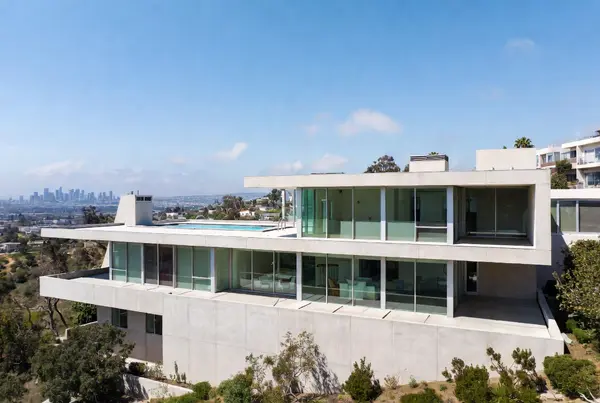
Culver City sits at the center of the Westside, surrounded by Los Angeles on most sides, with a housing mix that spans almost a century. Carlson Park and the older core hold 1920s and 1930s Spanish and Mediterranean homes. Sunkist Park and Studio Village are post-war tracts. Culver Crest climbs into the hills with view homes on slope. Fox Hills brings condos and mid-rise buildings on the south end. Newer infill fills the gaps. That range is the inspection. Original wiring and plumbing in the old homes, post-war systems reaching end of life, slope and drainage in the hills, and shared structure in the condos. We built the inspection around the mixed-era Westside city Culver City actually is.
The age of the systems and the site are the Culver City inspection story
What defines Culver City is variety packed into a small footprint. A Carlson Park Spanish home can still carry original wiring, galvanized plumbing, and a foundation from the 1920s under a clean remodel. A Sunkist Park post-war house is likely on its second roof and first or second HVAC. Culver Crest homes add slope, retaining walls, and drainage to the picture. Fox Hills condos bring balconies, shared systems, and HOA questions. The city also borders the Inglewood Oil Field on its south side and sits near the Newport-Inglewood Fault, so site context matters for some properties. The inspection has to read the era of the systems, the condition of the structure, and the site, then flag what a specialist should evaluate before a buyer closes.
The systems we look for across Culver City's eras
A Culver City home can be a Carlson Park Spanish, a Studio Village post-war tract home, or a Fox Hills condo. Here is what we trace on every inspection.
Electrical age and updates
Older homes carry original panels and mixed wiring, and post-war homes often have undersized service. We document the panel, the visible wiring, and the grounding, and flag outdated conditions for an electrician. For the detail on older wiring, see our Coronado knob-and-tube guide, and for the panel-brand side, our Culver City older electrical panels guide.
Plumbing and original drain lines
Pre-1970 homes often still have galvanized supply lines or cast-iron drains near the end of their life. We document the visible plumbing and the water heater and flag what is worth a closer look. For the full picture, see our galvanized and cast iron plumbing guide.
Foundations, raised and slab
Older homes sit on raised foundations with crawlspaces, while post-war and newer homes are on slab. We document what we can see and use thermal imaging to find moisture underneath. For the detail, see our infrared scanning guide.
Hillside slope and drainage
In Culver Crest and the hill edges, slope, retaining walls, and drainage protect the home. We document the visible conditions and flag what a geotechnical or structural engineer should evaluate.
Roofs and water management
Older tile and composition roofs and post-war low-slope sections all have to shed water. We document the roof and flashing with drone imagery to catch what ground-level views miss.
Additions, conversions, and permits
Many Culver City homes have been added to or converted over the decades. We report what is actually there and flag the permit questions worth asking early.
Neighborhood by neighborhood
We cover all of Culver City, from the core to the hills. Here is what we focus on in each.
Carlson Park
The historic core around the park. 1920s and 1930s Spanish and Mediterranean homes, raised foundations, and original systems.
Sunkist Park
The post-war south-central tract. Single-story slab homes, mixed updates, and the standard checklist.
Studio Village
The planned post-war community. Consistent tract homes, slab foundations, and aging original systems.
Culver Crest
The hillside neighborhood. View homes, slope, retaining walls, and drainage.
Fox Hills
The south-end condo and mid-rise district. Condos, balconies, shared systems, and HOA questions.
Blanco / Culver West
The west-side neighborhoods. Post-war and updated homes, slab foundations, and mixed eras.
McManus & Downtown-adjacent
The walkable central neighborhoods. Older homes, infill, and additions.
El Marino & Lucerne-Higuera
The eastern neighborhoods near the borders. Mixed older homes and remodels.
We also serve nearby Santa Monica, Beverly Hills, Malibu, and Manhattan Beach, plus the broader Greater Los Angeles market. Same premium package, same same-day report, same $300 discount.
What Culver City buyers miss
The remodel hides the system's real age
A clean kitchen can sit on 1920s wiring and old drains. We document what era the systems are actually from, not just how the home shows.
Post-war homes are reaching end of life
Original panels, sewer lines, and HVAC in post-war tracts are often due. We document the condition and flag what is near the end of its service life.
Hillside homes carry slope risk
In Culver Crest, drainage and retaining walls protect the home. We document the visible conditions and flag what a geotechnical or structural engineer should evaluate.
A condo still needs a full look
Balconies, shared systems, and older buildings carry real risk. We inspect the unit and the visible common elements and flag what the HOA and a specialist should address.
Every inspection includes premium tech. No add-ons
3D Matterport
Walk every room from anywhere. Valuable for out-of-area and relocation buyers.
Drone roof
Documents older roofs, flat sections, and rooflines that ground-level views miss.
FLIR infrared
Catches moisture behind walls, in crawlspaces, and around windows, plus electrical hot spots.
LIDAR floor plan
Accurate to-scale plan, useful on older and remodeled layouts.
Same-day report
Full report by email the same day, with a prioritized findings list.
Pay at Closing available
Defer the inspection fee until escrow closes. The $300 discount still applies. Practical on a Culver City purchase where cash is committed through escrow.
Learn more →Culver City questions
Why focus so much on the age of the systems?
Do you inspect condos in Fox Hills?
What about hillside homes in Culver Crest?
Does the oil field nearby matter?
How long does an inspection take here?
Can I pay at closing?
Inspection guides
Why Infrared Scanning Matters in California Homes
How thermal imaging finds hidden moisture and electrical hot spots in older Culver City homes.
How to Read a Home Inspection Report in California
What the findings mean and how to prioritize them.
Do You Need a Home Inspection on New Construction?
Why a rebuilt or infill home still needs an independent inspection.
Knob-and-Tube Wiring Agent Guide
The older-electrical hazard common in pre-1940 homes, and what it does to insurance.
Other service areas
San Jose, CA
Bay Area. Postwar tract housing at scale, annexation-era permit gaps, downtown and creek-corridor liquefaction, Willow Glen Eichlers, no city pre-sale requirement.
Santa Clara, CA
Bay Area. 1950s stock reaching end of life together, Silicon Valley Power service rules, citywide liquefaction zone, expansive clay, condos and townhomes.
Fremont, CA
Bay Area. Five historic townships with five build eras, the Hayward Fault through the middle of town at its junction with the Calaveras, no lateral ordinance.
San Mateo, CA
Bay Area peninsula. Mandatory point-of-sale sewer lateral inspection, bay mud settlement, no fault zone, 2024 flood-map revision, six housing eras.
San Francisco, CA
Bay Area headquarters. Wood-frame Victorian and Edwardian stock, ~45% pre-1940, fog-belt moisture, soft-story garage openings, re-clad walls, and the 3R records gap.
Oakland, CA
Bay Area. Pre-war flatland bungalows and Victorians, hillside downslope construction, Hayward Fault creep, 1991 fire rebuild areas, sewer lateral certificate at sale.
See all areas →Ready to inspect your Culver City home?
Same-day reports. Full premium tech. $300 off. Pay at closing available.
Questions? Call 1-888-88-INSP-9 or message us online.