The Termite Report in Monrovia: An Agent’s Guide
The house was a Craftsman a few blocks off Myrtle, the kind Monrovia is full of and the kind buyers move here specifically to get. Deep eaves, exposed rafter tails, a wide front porch on brick piers, original wood siding, and a raised foundation with a crawlspace you can actually get into. It was in good shape for its age. Our report was not alarming.
The termite report was another story. It came back with active drywood termites in the rafter tails on the south elevation, fungus damage in the porch decking where a downspout had been discharging onto it for years, and a box checked near the top of the first page that nobody on either side of the deal seemed to have read. That box said Further Inspection. The inspector had not been able to get into a section of the attic above an addition, and by checking it he was telling everyone, in the only way the form allows, that there was a part of this house he had not seen.
The buyer’s lender wanted a clearance. The seller’s agent thought they had one, because the fumigation had been scheduled and the fungus repair had been bid. Nobody had dealt with the Further Inspection item, which is neither a Section 1 nor a Section 2 finding, and which cannot be cleared by fixing something. It has to be inspected. The deal went ten days past its contingency date over a checkbox.
This is the article about that checkbox, and about the report it sits on, because in California the termite report is its own world and most agents were never taught to read it. The same old wood-framed housing stock, and the same report, turn up constantly in nearby Arcadia and Sierra Madre too.
Why this matters for the agent
Here is what is at stake, and it starts with something a lot of buyers get wrong. The home inspection does not cover termites. Not because we do not care, and not because we cannot see them, but because in California wood-destroying organisms are a separately licensed discipline under the Structural Pest Control Board, and the inspection report that a lender and an escrow actually act on has to be written by a licensed structural pest control operator on the Board’s own form. We will absolutely tell you when we see pellets on a windowsill or a soft porch post. What we cannot do is issue the report that clears the loan.
That gap is where deals get hurt. Your buyer thinks the inspection covered it. Your seller thinks the report is a formality. And the report itself is a document with its own vocabulary, its own legal weight, and its own filing requirements, which almost nobody reads carefully until it is holding up a closing. In Monrovia this matters more than it does in most of the San Gabriel Valley, because Monrovia’s housing stock is exactly what wood-destroying organisms want.
Why Monrovia specifically
Monrovia is one of the oldest cities in Los Angeles County, incorporated in the 1880s, and Old Town has been a real downtown since before most of the region existed. What that means for an inspector is that the housing here starts early and stays wooden. Craftsman bungalows from the early 1900s are the most plentiful character stock in the city, joined by Spanish Revival from the twenties and thirties, Tudor cottages near Old Town, and the Wildrose district north of Foothill. Mayflower Village fills in with mid-century ranch homes. It is a genuinely old, genuinely wood-framed inventory sitting at the foot of the San Gabriel Mountains.
Now look at what makes a Craftsman a Craftsman. Exposed rafter tails. Deep unenclosed eaves. Wood porch columns standing on masonry piers. Wide wooden porch decks and steps close to the ground. Original wood siding, wood window frames, and a raised foundation with wood mudsills and joists over a vented crawlspace. Every one of those is a defining architectural feature, and every one of them is also, from a termite’s point of view, an invitation. The western drywood termite gets into exposed, weathered, unpainted wood, which is precisely what a rafter tail is. The western subterranean termite comes up out of the soil and needs contact or a mud tube to reach framing, which a low porch deck and a pier-and-post foundation hand it. Add mature foothill landscaping, decades of irrigation, and gutters that have been discharging next to wooden porch structures since the Eisenhower administration, and you get the third category on the report, which is not an insect at all.
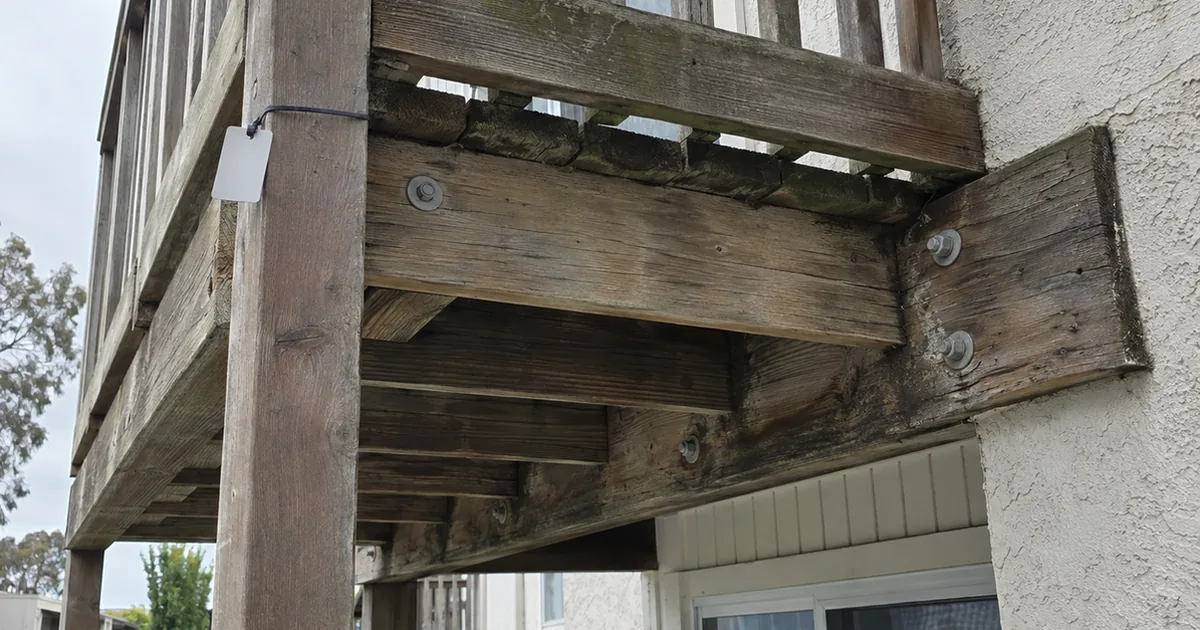
That third one surprises people. Fungus and dry rot are wood-destroying organisms too, and in a Monrovia Craftsman they are often the finding that costs the most, because a rotted porch beam is structural in a way that a few drywood termites in a rafter tail are not.
Schedule a Monrovia inspection →
How to actually read the report
The report is a standard state form, and once you know its shape you can read one in ninety seconds.
Near the top it tells you what kind of report it is. Complete means the whole structure. Limited means only part of it, and if you are handed a Limited report on a purchase, you should be asking why. Supplemental means it follows an earlier report, usually to cover something that was inaccessible the first time. Reinspection means somebody went back to verify work.
Then there is a row of boxes: subterranean termites, drywood termites, fungus or dry rot, other findings, and further inspection. A checked box means the inspector saw a problem in an area he could reach. That row is the fastest read on the page, and it is where you should look first.
The findings themselves get organized into two groups, and this is the part that governs your escrow. Section 1 items are the active ones and the damage: live infestation, active infection, or the wood damage those things have already caused. Section 2 items are conditions that are likely to lead to infestation or infection but where nothing active was found yet, things like earth-to-wood contact, a leaking shower pan, or wood debris under the house. Section 1 is a problem you have. Section 2 is a problem you are going to have.
That distinction has money attached to it. Most lenders will require Section 1 items to be corrected and cleared before they fund, and most California purchase contracts assign Section 1 work to the seller by default unless the parties negotiate otherwise. Section 2 items usually get disclosed, argued about, and frequently left alone. Neither of those outcomes is automatic, and both are negotiable, but that is the gravity the document creates.
The Further Inspection box, which is the one that bites
Further Inspection is not a finding. It is the inspector telling you there is part of the house he could not see, and it is the single most misunderstood item on the form.
An inaccessible attic above an addition, a crawlspace with no clearance, a subarea blocked by stored belongings, a wall that has been finished over, a porch that has been enclosed. In each case the inspector is legally declining to certify a space he never got into. You cannot fix a Further Inspection item by doing repairs, because there is nothing yet to repair. Somebody has to open the space and go look, which means access has to be created, which means the seller has to agree to let a hole be cut, or a hatch installed, or a crawlspace cleared, and then a supplemental report has to be issued on what was found.
That takes days that escrows do not have. When we see an area we cannot get into, we say so in our report and we say so out loud during the walkthrough, because the earlier a Further Inspection item surfaces, the more likely it is to be resolved calmly instead of on day sixteen with everybody shouting.
The two-year lookup nobody uses
Here is a tool most agents in this market do not know exists, and it is free.
Every wood-destroying organisms report filed in California goes to the Structural Pest Control Board, and the Board maintains a searchable record of inspections and completion notices by property address for the preceding two years. Anyone can search it, and the form itself says plainly that you are entitled to obtain copies of all reports and completion notices filed on the property during that period.
Think about what that gives you. Before you write an offer, you can find out whether this Monrovia house was inspected eighteen months ago, what was found, and whether the work was actually completed or just recommended. A seller who says the termite work was done can be checked. A house that has quietly had three reports in two years tells you something no listing ever will. It is a thirty-second search and it is one of the few genuinely asymmetric pieces of information available to a buyer’s agent in this state.
What agents should tell every buyer
When a buyer is under contract in Monrovia, give them these points early.
- The home inspection and the termite report are two different inspections by two differently licensed people. Order both, and order the termite report early, because it has more moving parts.
- Read the box row at the top of the termite report first. Subterranean, drywood, fungus, other, further inspection. That row is the summary.
- Section 1 is active infestation and existing damage, and it is usually what the lender wants cleared. Section 2 is conducive conditions, and it is usually what gets argued about.
- A Further Inspection item is not a repair, it is a hole in the report. It needs access and a supplemental report, and it needs to be handled in the first week, not the last.
- Ask for the Structural Pest Control Board records on the address before removing contingencies. Two years of history is public.
- Fungus and dry rot are on this report too, and in an old Craftsman they are often the expensive finding, not the termites.
- Drywood and subterranean termites are treated completely differently. One may mean fumigating the structure or treating locally. The other is a soil and barrier problem. Do not let anyone quote you one when you have the other.
Red flags during showings
You can spot most of this in an old Monrovia house without any equipment.
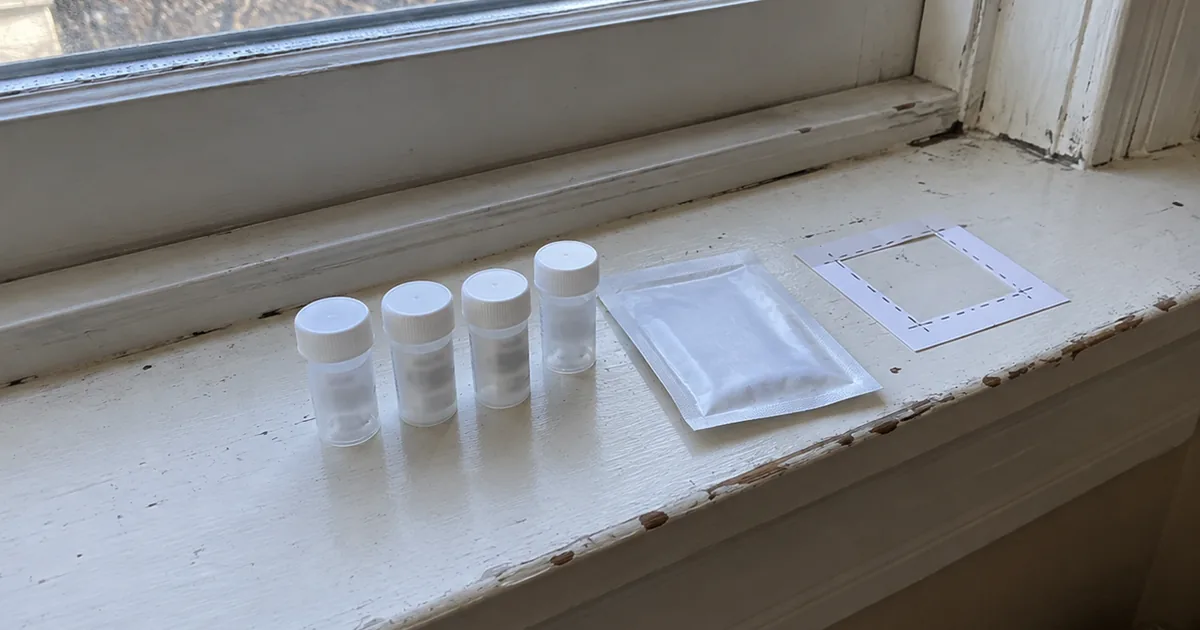
- Small piles of what look like coarse grains of sand or pepper on a windowsill, a porch deck, or the floor of a closet. Those are drywood termite pellets, and they are the clearest sign there is.
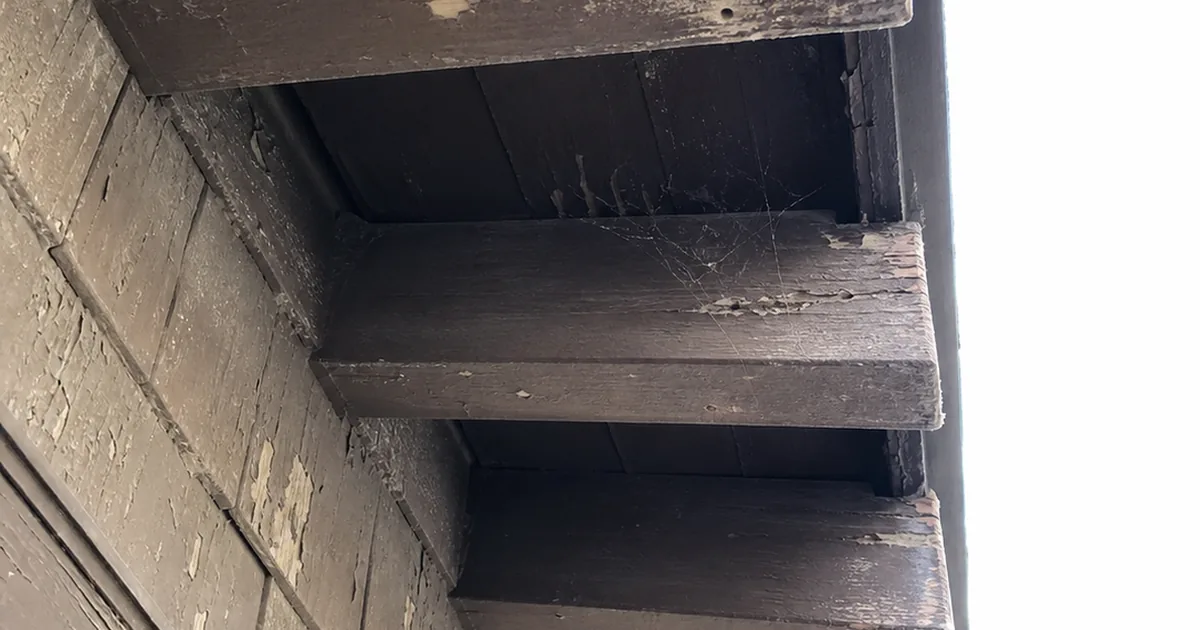
- Pinhole-sized holes in exposed rafter tails, fascia, or window trim, often with pellets below them.
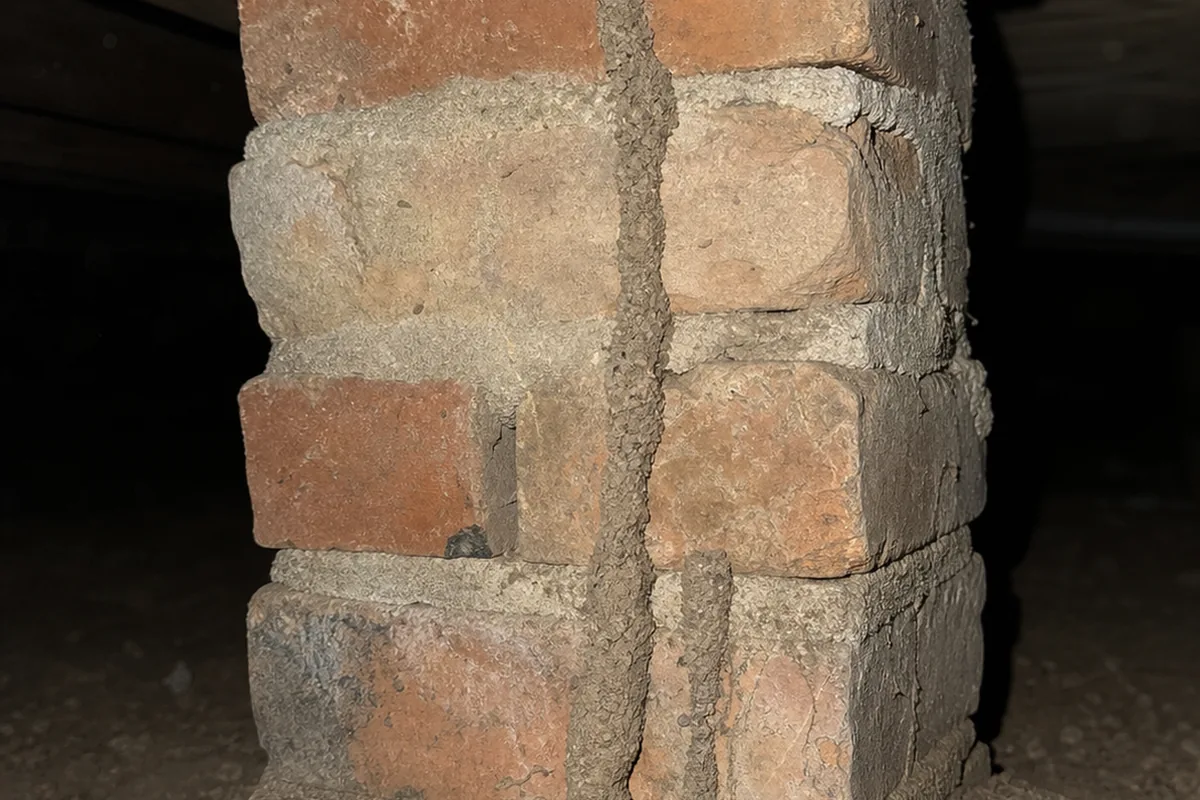
- Earthen tubes about the width of a pencil running up a foundation wall, a pier, or the inside of a crawlspace. That is subterranean termite traffic.
- Wood that sounds hollow when tapped, or a porch step or threshold that gives under weight.
- Paint blistering or bubbling on a wooden porch column, especially near the bottom where it meets the pier.
- Wood-to-soil contact anywhere, and especially planter beds or raised soil against a wooden porch or siding.
- A downspout discharging onto or next to a wooden porch deck, which is the standard recipe for the fungus finding.
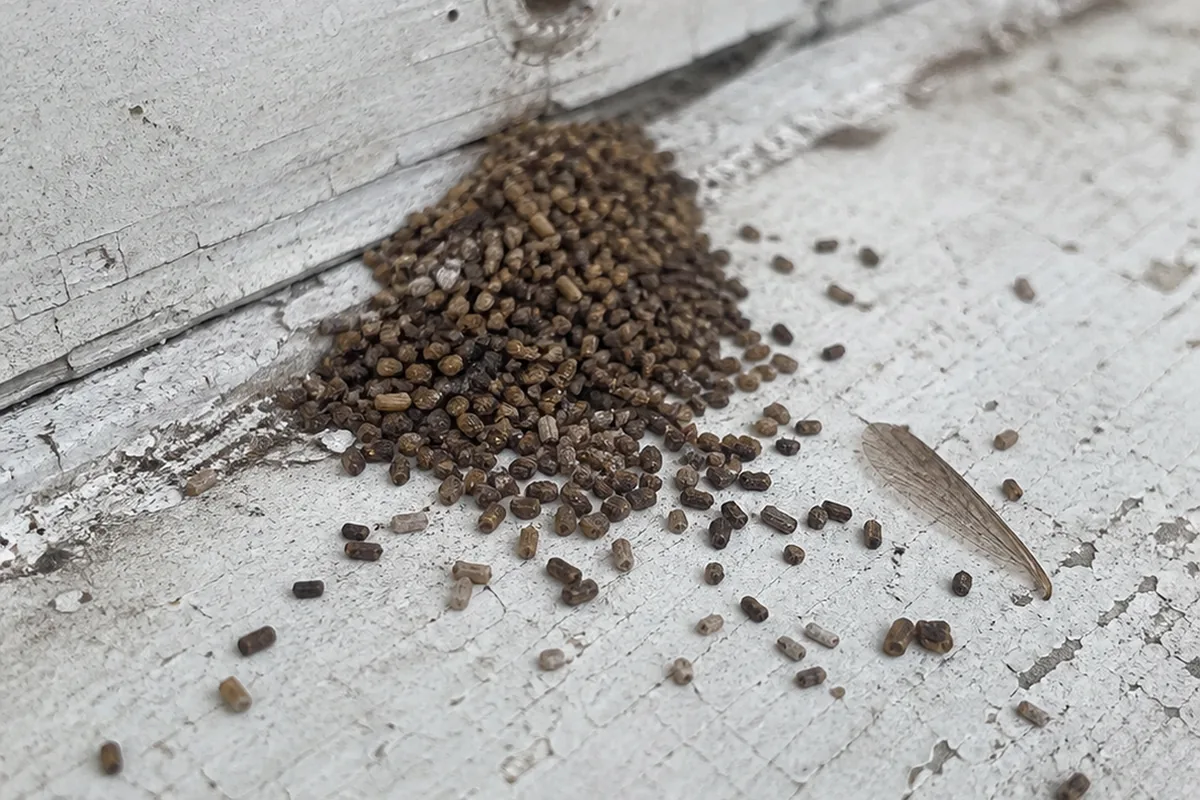
If we see these on a general inspection, we document them, tell the buyer plainly, and tell them they need a licensed pest control operator to write the report that actually counts.
The negotiation playbook
When the termite report lands in Monrovia, the deal tends to move one of four ways.
The first path is the ordinary one. Section 1 items go to the seller, work gets performed by a licensed operator, and a notice of work completed plus a certification comes back before closing. The lender funds and everyone moves on. Most Craftsman transactions in this city land here.
The second path is a credit instead of the work. Buyers often prefer this when they are planning to open up walls anyway during a remodel, and sellers often prefer it because it is a fixed number instead of an open scope. The catch is the lender. If the loan requires Section 1 clearance to fund, a credit does not satisfy it, and you have to know that before you promise your client anything.
The third path is the fumigation conversation. Widespread drywood infestation in an old house may lead to tenting the structure rather than treating locally, and that is a schedule problem as much as a money problem. It requires vacancy, it requires plant and food preparation, and it takes days. If it is coming, it needs to be on the calendar in week one.
The fourth path is when the damage is structural. A porch beam, a mudsill, or a floor joist that has been eaten or rotted through is no longer a pest question, it is a repair question, and it may need a contractor and occasionally a structural opinion. This is where a raised-foundation Craftsman can surprise people, because the mudsill is exactly where subterranean termites and moisture both end up. If you want to see what else lives down there in an old San Gabriel Valley house, our South Pasadena crawlspace guide covers the structural side of the same crawlspace.
How the inspection actually catches it
We are not the ones who write the termite report, and we will not pretend otherwise. What we do is get into the places where the evidence lives and tell you what we find, so that nobody is surprised when the pest operator arrives.
We go into the crawlspace where it is safe to enter, and in a Monrovia Craftsman that is where the story usually is. We look at the mudsills, the piers, the posts, and the joists, and we look for mud tubes, damaged wood, and moisture.
We probe wood that looks suspect rather than glancing at it.
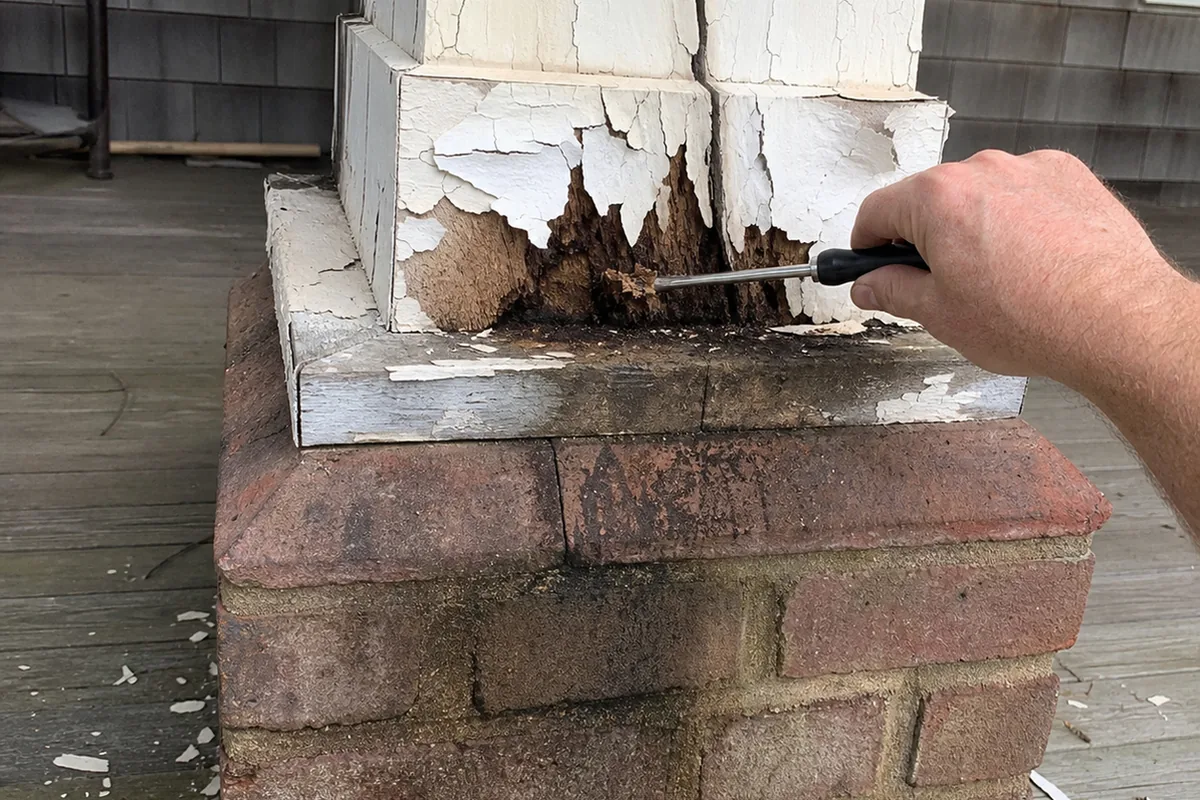
We get eyes on the rafter tails and the fascia, which on a Craftsman are right out in the open and are the first place drywood termites go. Thermal imaging helps us find the moisture that feeds fungus, and drone imagery lets us read eaves, fascia, and roof edges on a two-story house without a ladder against ninety-year-old trim.
Then we route it. If we see pellets, tubes, or soft wood, it goes in the report with a plain recommendation to get a licensed structural pest control operator out, and to do it now rather than in week three. Our guide on reading an inspection report explains how to prioritize what comes back. We do not treat, we do not fumigate, and we do not certify. If we find something worth flagging, it goes in the report, and we tell you which specialist owns it.
Quick FAQ
Does the home inspection include a termite inspection? No. In California, wood-destroying organisms are inspected and reported by a licensed structural pest control operator on the Structural Pest Control Board’s own form. A home inspector will tell you when he sees evidence, and should, but he cannot issue the report that a lender or an escrow acts on. Order both inspections.
What is the difference between Section 1 and Section 2? Section 1 covers active infestation or infection and the damage it has already caused. Section 2 covers conditions that are likely to lead to infestation or infection, where nothing active was found. Lenders typically require Section 1 items to be cleared before funding. Section 2 items get disclosed and negotiated.
What does the Further Inspection box mean? It means the inspector could not access part of the structure, so he is not certifying it. It is not a repair item, and doing repairs will not clear it. Access has to be created, the space has to be inspected, and a supplemental report has to be issued. Handle it in the first week of escrow.
Can I look up past termite reports on a property? Yes. The Structural Pest Control Board keeps records of inspection reports and completion notices filed on California properties for the preceding two years, searchable by address, and you are entitled to copies. It is free, it is public, and almost nobody uses it.
Are drywood and subterranean termites the same problem? No, and the treatments have very little in common. Drywood termites live in the wood itself and often turn up in exposed rafter tails, fascia, and trim. Subterranean termites live in the soil and reach the structure through contact or mud tubes. Confirm which one the report actually found before anyone prices a fix.
Is dry rot really on a termite report? Yes. Fungus and dry rot are wood-destroying organisms and they get their own box on the form. In an old Monrovia Craftsman with a wooden porch and decades of irrigation, fungus damage is frequently the larger repair. For a deeper look at what wood decay fungi actually need to grow and where a shaded, tree-heavy property is at elevated risk, see our Toluca Lake wood decay and fungal rot guide.
Does a leaking toilet ever show up on a WDO report? Sometimes, if it has already caused visible fungal damage to the subfloor. A slow leak at a toilet’s flange seal can rot the subfloor the same way any chronic moisture source does. See our Winnetka toilet flange and subfloor guide for how that specific fixture connection fails and what it leaves behind.
The honest summary
Monrovia sells old wooden houses with their best details left out in the weather, and those details are the same ones a pest report gets written about. The termites are usually manageable. The rot is sometimes not. And the thing that actually blows up escrows here is not any of the findings, it is the report itself, because Section 1, Section 2, and Further Inspection all mean specific things and get treated as if they mean the same thing.
Read the box row. Know which section a finding landed in. Chase the Further Inspection item on day one. Pull the two years of Board records before you remove a contingency. And get both inspections, because ours will tell you what the house is doing and theirs will tell you what the lender needs. We will crawl the subarea, look at the rafter tails, probe the wood that looks wrong, and say so directly. Then we will hand it to the person licensed to clear it. That is the job.
See what every inspection includes → · Read our FAQ → · Explore Monrovia home inspections →