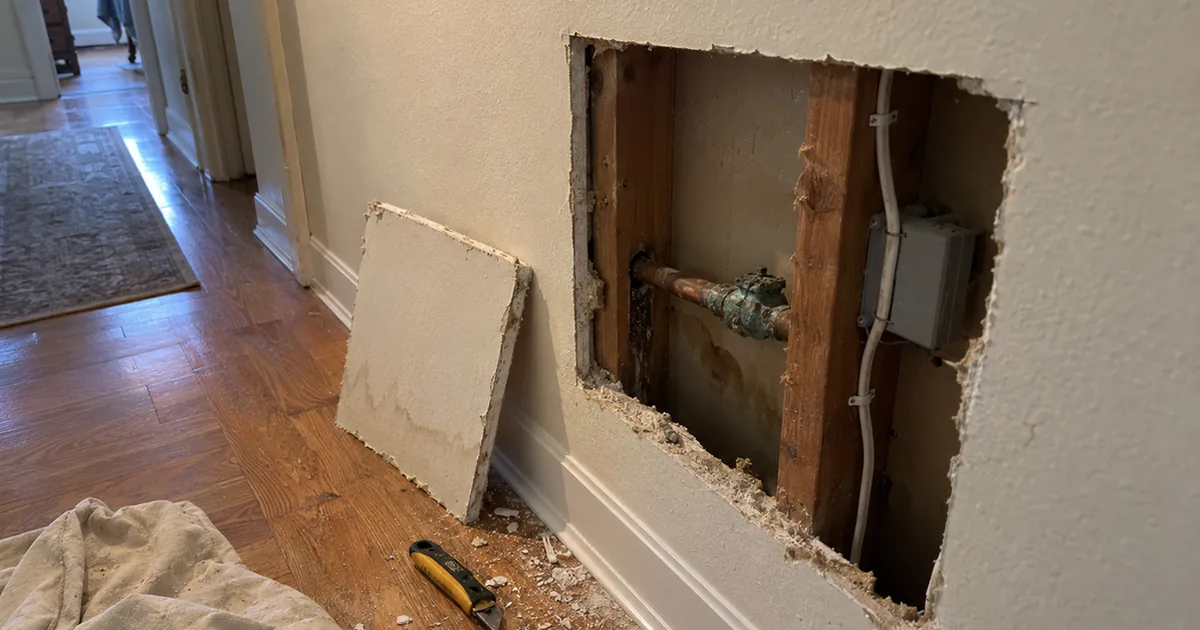
A 1980s house. A hallway wall opened at knee height after a stain. Inside, a copper supply line with a green-crusted fitting, a darkened drywall edge below it, and a few inches away, an electrical junction box with sheathed cable stapled to the stud.
The report says, “recommend evaluation and repair by a licensed plumber.” A second line on the box says, “licensed electrician.” The seller gets one bid for the whole wall from a single company. The question that matters before anyone signs is simple: what license is on that bid, and does it cover both?
The company name is not the answer. “Licensed and insured” is not the answer. The classification on the license is the answer.
This is a composite of what we see, not one house.
The referral line is the handoff, not a repair bid
California does not license home inspectors. Business and Professions Code section 7195 requires the inspection report to identify material defects and include recommendations for evaluation by appropriate persons. Section 7196 describes a standard of care that assumes the inspector is not a contractor, pest operator, architect, or engineer.
That division matters, and it is why reading the report line by line pays off. The inspection identifies the condition. The referral sends the condition to the person whose work covers it. We do not bid repairs, and the report does not turn an inspector into the contractor responsible for correcting the defect.
Our home inspection coverage guide separates inspections from repair evaluations. Pest, mold, and radon inspections are separate inspections. This article is about the person who evaluates or performs the repair.
This is a plain-language map of what the state’s own descriptions say. The Contractors State License Board, or CSLB, is the authority. Check with CSLB when the scope does not fit neatly into one class.
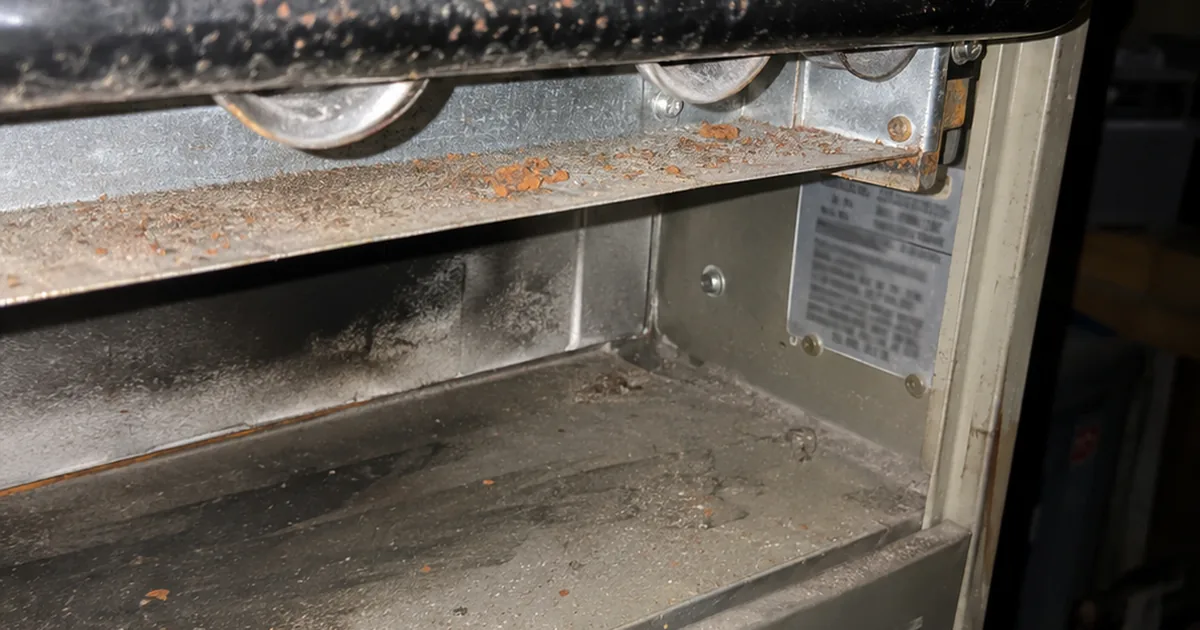
Two common referrals: an electrician after a panel recall match and an HVAC contractor for a heat exchanger and venting evaluation.
The report wording should point to a license class
The following table routes common report language to the CSLB classification whose description covers that work.
| Report finding or referral | Classification to check | What the state description covers |
|---|---|---|
| Panel, breakers, receptacles, or wiring | C-10 Electrical | Places, installs, erects, or connects electrical wires, fixtures, appliances, apparatus, raceways, conduits, and solar photovoltaic cells. See our guide to older electrical panel work. |
| Plumbing, gas lines, or water heaters | C-36 Plumbing | Gas appliances, flues, and gas connections, except forced warm-air units. It also covers water and gas piping from the owner’s side of the meter to the structure, equipment used to heat water, gas earthquake valves, and backflow preventers. |
| Heating, cooling, ducts, or ventilation | C-20 Warm-Air Heating, Ventilating and Air-Conditioning | Warm-air heating, water heating heat pumps, ventilating and air-conditioning systems, ducts, registers, flues, thermostatic controls, and air filters. A heat pump water heater can fall under C-20 or C-36. |
| Roof leaks, flashing, or roof covering | C-39 Roofing | Installs products and repairs surfaces that seal, waterproof, and weatherproof structures. |
| Stucco cracking or a missing weep screed | C-35 Lathing and Plastering | Covers cement plaster and lath. The CSLB description does not use the word “stucco.” Our stucco and weep screed guide explains the inspection side. |
| Brick, block, stone, masonry walls, or masonry fireplaces | C-29 Masonry | Includes masonry, fire brick, and refractory work. |
| Factory-built fireplace | D-34 Prefabricated Equipment | Covers factory-built fireplaces and accessories, with no masonry facing. |
| Metal flue or patented chimney | C-43 Sheet Metal | Covers the sheet metal work described by that class. CSLB has no separate chimney classification. |
| Insulation | C-2 Insulation and Acoustical | Covers insulation and acoustical work. |
| Windows or glass doors | C-17 Glazing | Covers glass, mirrors, frames, panels, sashes, and doors. |
| Concrete flatwork, driveway, or slab | C-8 Concrete | Covers concrete work. The C-8 description does not name foundations. |
| Foundation stabilization by injection | D-30 Pile Driving/Pressure Foundation Jacking | Includes injection of concrete or mortar into foundations for stabilization purposes. |
| General foundation repair | Often a B General Building contractor working from an engineer’s design | No single CSLB class is named for foundation repair. Many foundation repairs are bid by a B contractor after an engineer prepares the design. See our foundation and engineer-first guide. |
| Septic tanks, cesspools, or drain structures | C-42 Sanitation System | Covers sanitation system work. |
| Sewer lateral repair | Commonly C-36 Plumbing | Its description covers waste removal from the premises. See whether a sewer scope is worth ordering. |
| Pool or spa | C-53 Swimming Pool | Covers swimming pool work. |
| Solar | C-46 Solar | Covers solar work. C-10 also includes solar photovoltaic cells in its description. |
| Doorbells and low-voltage systems under 91 volts, excluding fire alarms | C-7 Low Voltage Systems | Covers the listed low-voltage work. |
| Dry rot or wood-destroying organism repair | Structural Pest Control Board Branch 3 may be involved | Branch 3 covers control of wood-destroying pests or organisms through insecticides or structural repairs and corrections, excluding fumigation. See the termite report guide for agents. |
| “Structural engineer” or “engineer evaluation” | Not a CSLB contractor license | Engineers are licensed by the Board for Professional Engineers, Land Surveyors, and Geologists. Civil, or C, and Structural, or S, are separate license types. |
| Architect evaluation | Not a CSLB contractor license | The California Architects Board licenses individuals, not firms. |
A brick chimney repair would fit C-29 or a B, depending on the scope. That is our reading of the classifications, not a separate CSLB chimney category. Check with CSLB when the bid combines brick, flue, fireplace, and structural work.
A referral to a licensed structural engineer is not a referral to a contractor. Check the engineer’s status through the Department of Consumer Affairs license search. The engineer evaluates or designs the work. A contractor then builds the repair.
One bid can cover several trades, but the B rules still apply
CSLB uses a kitchen remodel as its own example. If the contract involves plumbing, electrical, and carpentry under one contract, a licensed B General Building contractor is the typical license to check.
Business and Professions Code section 7057, as CSLB publishes it, limits what a B contractor can take as a prime contract. A B contractor cannot take a contract involving trades other than framing or carpentry unless the contract requires at least two unrelated building trades other than framing or carpentry, or the B contractor holds the specialty classification or subcontracts the work to an appropriately licensed contractor.
Framing and carpentry do not count toward the two unrelated trades. A B contractor also cannot contract for C-16 fire protection or C-57 well drilling without that class or a subcontract to the properly licensed contractor.
B-2 Residential Remodeling took effect January 1, 2021. It covers existing residential wood-frame structures when one contract includes at least three unrelated trades. The listed work can include drywall, finish carpentry, flooring, insulation, painting, plastering, roof repair, siding, tiling, and fixtures.
The fixture permission is specific. It includes electrical fixtures such as dimmers, fans, lights, outlets, and switches. It includes plumbing fixtures such as faucets, sinks, toilets, and tubs.
B-2 does not permit the contractor to make structural changes to load-bearing portions, including footings, foundations, load-bearing walls, partitions, and roof structures. In the statute’s own words, a B-2 also “shall not contract to install, replace, substantially alter, or extend electrical, mechanical, or plumbing systems” unless it holds that license or subcontracts the work.
Apply that to the hallway wall. Replacing the corroded fitting is plumbing system work. A B-2 bid for that scope needs a C-36 contractor behind it. The junction box is electrical work and needs C-10 coverage. One B-2 company can coordinate both only if the contract follows those rules and the specialty work is performed by the properly licensed subcontractors.
The decision rule is short. A single-trade plumbing job goes to C-36, not B. A single-trade electrical job goes to C-10, not B. A multi-trade contract can fit B or B-2 only when its trade count and subcontracting structure fit the applicable rules.
The $1,000 exemption has two conditions
CSLB Industry Bulletin 24-07, dated December 31, 2024, explains the change that began January 1, 2025. Assembly Bill 2622 raised the minor work exemption from $500 to $1,000.
The work still cannot require a permit of any kind. The unlicensed person also cannot employ anyone on the project. If either condition is true, a license is required even when the job is under $1,000.
An unlicensed person may advertise work up to $1,000 only if the advertisement discloses that the person is not licensed. The exemption also does not apply to someone who advertises as licensed or qualified as a contractor.
For an agent, the decision is practical. A repair-request credit for a sticking door or a missing cover plate may be suitable for a minor handyman fix. It is the wrong tool for work that needs a permit or a crew. Whether a permit is required varies by jurisdiction, so check with the local building department.
The bid that says “licensed and insured” but gives no license number deserves a pause. Ask for the number before treating the bid as a licensed trade bid.
Timing matters as much as the license. Book the inspection early: our reports come back the same day, which leaves room in the contingency period for bids. The California inspection contingency timeline shows how fast those dates arrive.
Five minutes on CSLB can answer the license question
-
Get the contractor’s license number. If the bid does not show it, ask for it. CSLB’s Check a License tool also searches by business name, personnel name, or HIS, meaning home improvement salesperson, registration.
-
Open the license detail page. Check the current status and the classifications. The classification must match the referral line or show the specialty contractor being used for that part of the work.
-
Review the bond information. Licensed contractors must carry a $25,000 contractor license bond.
-
Review workers’ compensation information. A contractor with employees cannot claim an exemption. C-8, C-20, C-39, and tree service licensees must carry workers’ compensation even with no employees. Work performed while a license is suspended for lapsed workers’ compensation is considered unlicensed.
-
Review the complaint disclosure and the rest of the detail page. CSLB says the disclosure is limited by law and that it does not verify workers’ compensation classification codes. The page shows the contractor’s status, classifications, bond, workers’ compensation information, and complaint disclosure.
The tool is offline Sundays from 8 p.m. to Monday at 6 a.m. Plan around that if a repair addendum is moving quickly.
CSLB’s owner-builder page warns that an owner could be asked to pay through homeowner’s insurance or face lawsuits if unlicensed or uninsured workers are injured. The classification check is not a full contract review. It is the first check, and it takes minutes.
The $500 contract rule is separate from the $1,000 handyman rule
The two numbers are different on purpose.
CSLB consumer pages state that a written contract is required for home improvement projects over $500. That is separate from the $1,000 minor work exemption for an unlicensed person. A $900 job from a licensed contractor still calls for a written contract.
The down payment cannot exceed 10 percent of the contract price or $1,000, whichever is less. Get at least three written bids.
Home improvement contracts of $25 or more generally carry a three-day right to cancel. The period is five days for seniors 65 and older. A service-and-repair exception applies under $750.
For the seller, the repair request is the place to keep the scope, contractor identity, license number, bid, and payment terms together. A verbal promise that “the contractor will handle it” leaves too much outside the file.
The unlicensed market makes the addendum a bad place to guess
CSLB’s September 2026 analytical study says more than 70,000 individuals and businesses may be operating as unlicensed contractors in California.
In 2024, CSLB opened 15,748 complaints against licensed contractors and 4,646 against unlicensed contractors. Of the contractor advertisements CSLB checked on Craigslist, only 1,013, or 20 percent, had valid license numbers. CSLB has 27 investigators for 58 counties.
The repair addendum is where the transaction touches that market. The license number belongs in the file before the work is approved, not after a dispute starts.
A clean referral gives the contractor a clean target
Our reports come back the same day. Every finding is photographed and tagged in a 3D Matterport tour so the contractor bidding the work can see exactly which wall or fixture the report identifies.
Our referrals name the trade: “licensed plumbing contractor,” “licensed electrical contractor,” or “licensed structural engineer.” Those words map directly to the classification table above.
Our inspectors are InterNACHI-certified. We are not contractors and do not bid repairs. FLIR infrared is used on every inspection. It can show where moisture sits behind a wall surface, which helps a plumber decide where to open. It reads surface temperature. It is not a leak test.
The report also tells the reader when access is limited. Our guide to inaccessible areas and specialist evaluation covers why a specialist may still be needed when an area could not be accessed.
Five questions agents ask after the report
Can a general contractor fix just the electrical item?
Not as a single-trade prime contract unless the contractor holds C-10 or subcontracts the electrical work to a properly licensed C-10 contractor.
Can a handyman do a repair under $1,000?
Only if the work needs no permit of any kind and the person employs no one on the project. The advertisement must also disclose that the person is not licensed.
Who evaluates a sloping floor?
A licensed civil or structural engineer. Check the license through the DCA search. A contractor then builds the repair.
Who replaces a water heater?
C-36 Plumbing. A heat pump water heater can also fall under C-20.
Does the inspector recommend a specific company?
No. The report names the trade. It does not select the repair company.
Match the bid to the referral before you approve the work
The referral line names a trade. The license classification on the bid should match it.
When one bid covers several trades, read the scope and confirm the B or B-2 contractor has the needed specialty license or properly licensed subcontractors. When the bid covers one trade, check that specialty class directly. When the work involves engineering, verify the civil or structural license through the DCA search instead of looking for a CSLB number.
Use the inspection coverage page, frequently asked questions, and sample inspection report information to see how the referral is presented. Then put the license number, classification, written scope, and bid in the repair file before the seller agrees to the work.
We inspect across California, including Los Angeles, Culver City, Eastvale, and Menifee.
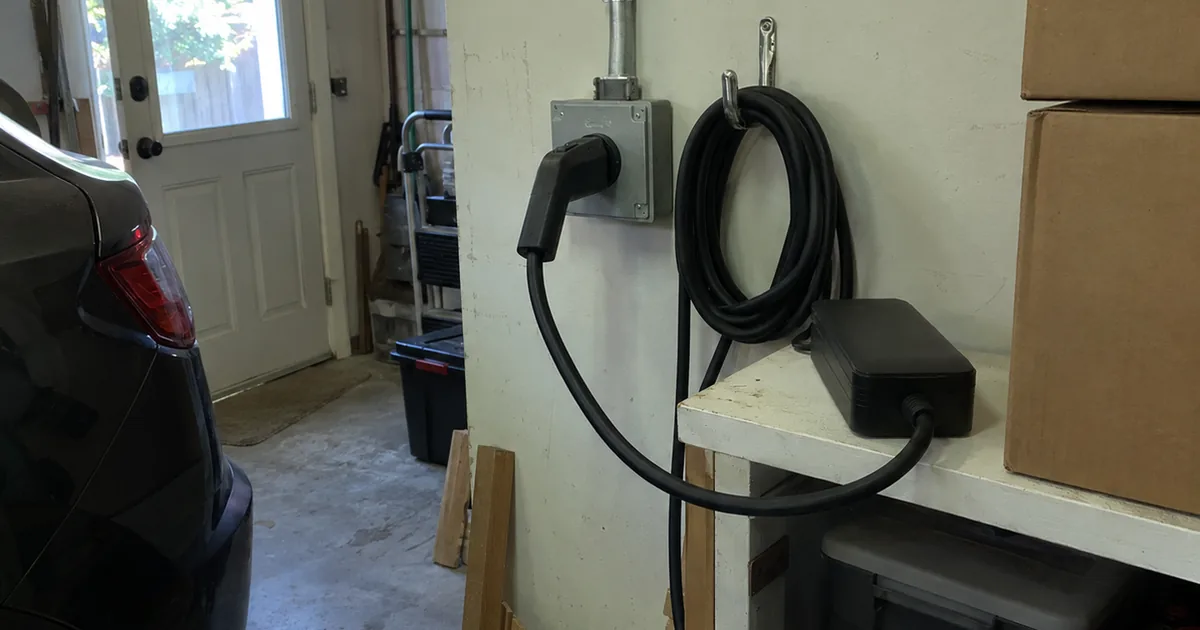
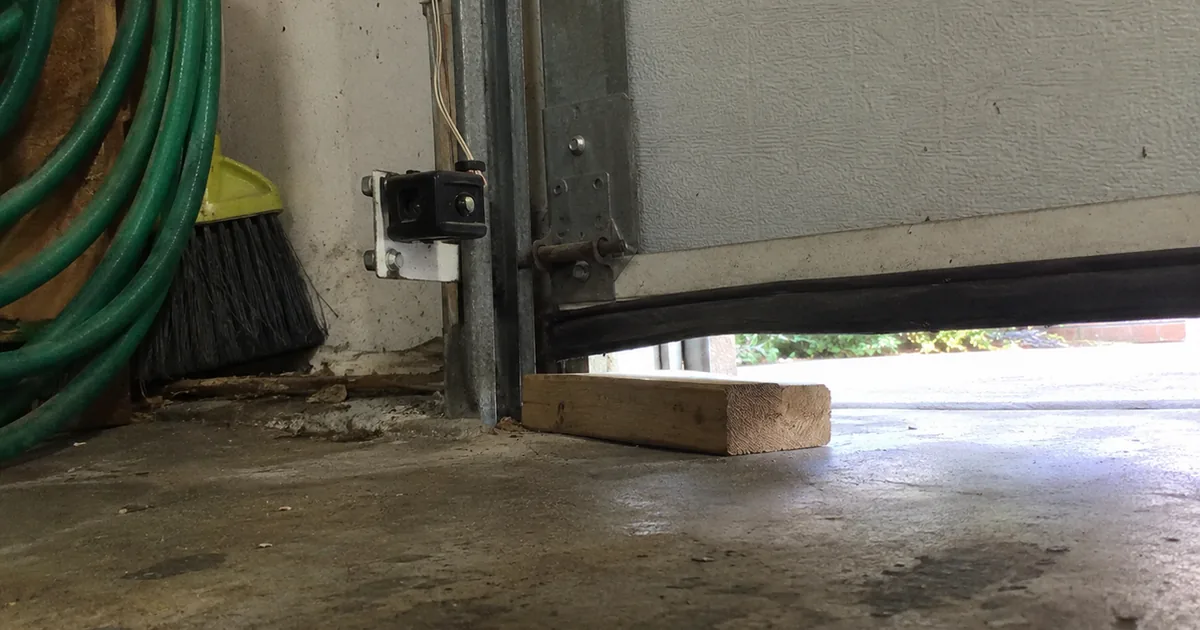
Two garage referrals make the point: a door technician owes a written 2-inch reversal test on the opener, and an EV charger circuit is C-10 work that should carry a finaled permit.
Related reading
-
What a home inspection covers. Separate inspections and repair referrals serve different purposes.
-
How to read a California inspection report. Use the report language to identify the next professional.
-
California inspection contingency timeline. Same-day reporting leaves time to request and review bids.
-
Menifee foundation and engineer referrals. Foundation work often starts with an engineer’s design.
-
How to read a thermal image. Confirm a thermal pattern first, then pick the license that matches the proven problem.
-
Verifying repairs before close of escrow. Once the work is done, check the license number on the invoice and the permit final.
-
How to read a sewer scope video. Sort the footage into features, cleaning problems and structural defects before asking a plumber to bid.