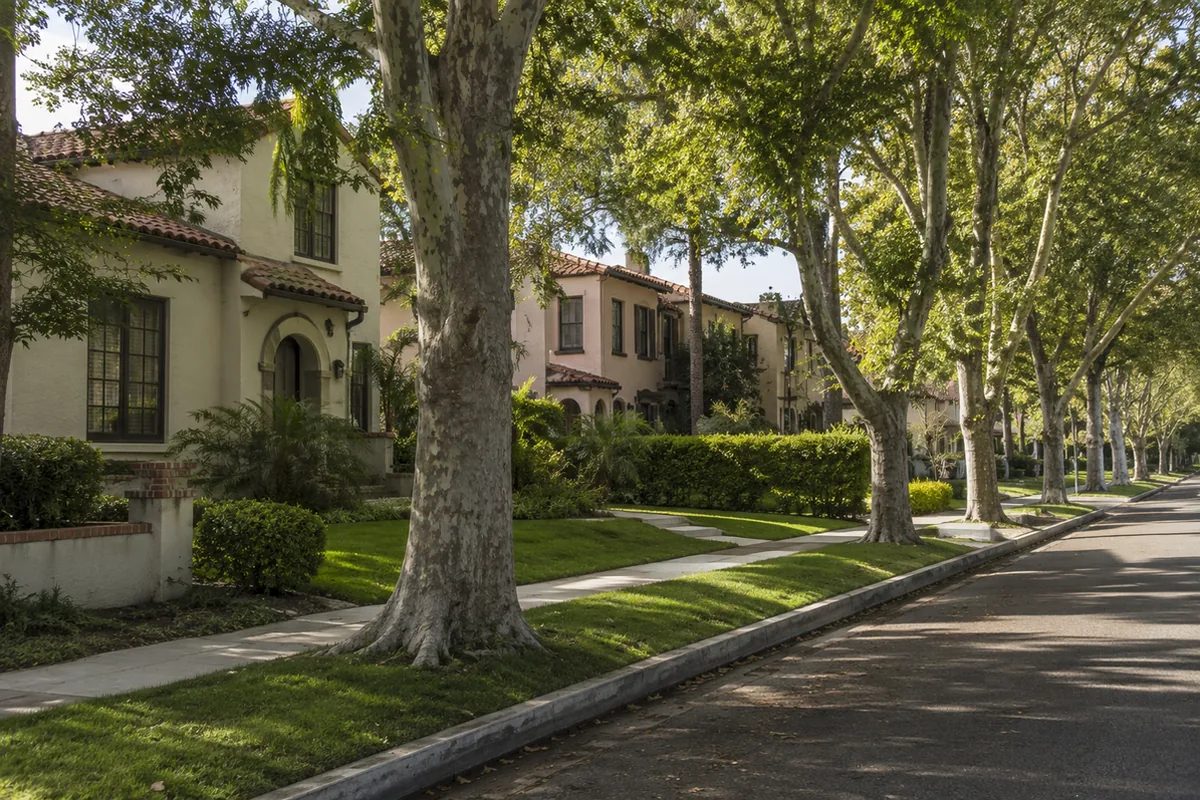
We inspected a 1930s home in the Floral Park area of Santa Ana earlier this year. Restored Spanish Colonial, new kitchen, refinished floors, the kind of historic home buyers fall for on the first walk-through. Both agents were talking about the tile and the period details. Nobody was thinking about the pipe running from the house to the street under a row of mature parkway trees.
Then we ran the sewer scope.
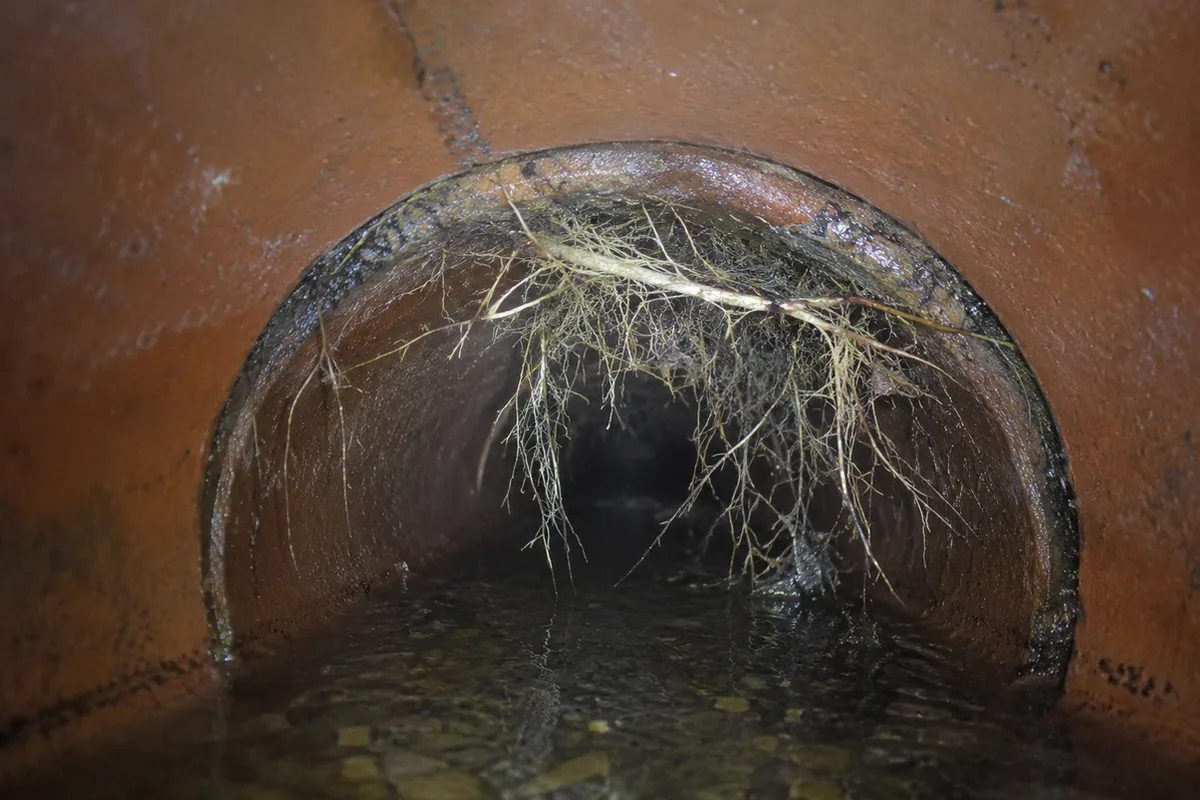
The camera went down the cleanout, through the cast iron at the house, and into the original clay lateral under the front yard. At the third joint the picture filled with a fine white mass of roots that had found the gap between two clay sections and grown into a curtain across the pipe. Past it, the line held standing water and a layer of settled waste that should have drained. The home above it looked flawless. The system carrying its waste to the city main was decades past its design life and already losing the fight with the tree out front.
The buyer was the first person in the transaction to understand that the beautiful restoration sat on a sewer line that needed work.
Schedule a Santa Ana inspection · Same-day report · Pay-at-closing available
Here is how that one resolved. We documented the root intrusion, the standing water, and the joint condition on the same-day report, with the scope video, and told the buyer plainly that the lateral needed a licensed plumber to evaluate the full run and quote the repair. The buyer’s agent ordered that evaluation, which confirmed root intrusion at two joints and recommended a spot repair plus a cleanout upgrade, with a trenchless reline available if the line degraded further. They went back to the seller with the plumber’s bid and closed with a credit for the work. The deal still traded. The point is not that a clay lateral is a dealbreaker. It is that in Santa Ana’s older neighborhoods the buried sewer line is a real system with a real service life, and the time to learn its condition is during escrow.
Why this matters for the agent
A sewer lateral is the one major system a standard walk-through cannot see, because it is buried from the house to the city main and it only announces itself when it backs up.
Three things tend to be on the line. First, the cost. A root-cleared and spot-repaired lateral runs in the four figures, and a full trenchless reline or open-trench replacement under a mature yard and a city parkway runs well into five. Second, the timing and disruption. A lateral that fails after closing is not a scheduled repair, it is a backup into the lowest fixtures on a weekend, often followed by a permit and a torn-up yard. Third, the diligence gap. A general home inspection does not include a buried sewer line, and buyers rarely think to ask, so the system most likely to surprise them is the one nobody looked at.
If you work Santa Ana, this is a large part of your inventory. The historic districts and the prewar and postwar neighborhoods around them are full of homes built before 1980 on original clay or cast iron laterals, under exactly the kind of mature trees that make those streets desirable. Agents who treat the sewer line as its own line item come out ahead.
What a sewer lateral actually is
The sewer lateral is the privately owned pipe that carries a home’s waste from the building drain out to the public sewer main, usually in the street.
In a Santa Ana home built before 1980, that lateral is commonly vitrified clay or cast iron. Clay pipe was installed in short sections joined end to end, and those joints are the weak point. Cast iron, common closer to the house, has a service life of roughly seventy-five years and corrodes and scales from the inside as it ages. The homeowner owns and maintains this pipe all the way to the main, including the portion under the city parkway and street, which is why its condition is the buyer’s problem, not the city’s. A cleanout, the capped access point near the house, is where a plumber or inspector feeds a camera to see inside.
The reason this matters in Santa Ana specifically is the age of the stock and the trees. French Park homes date to the late 1890s through the 1920s, Floral Park runs from the mid-1920s through the 1950s, and the postwar tracts followed, so a very large share of the city sits on original or first-generation laterals. The same decades of growth produced the mature street trees that now send roots toward every cracked clay joint.
Why clay laterals fail (the part most agents skip)
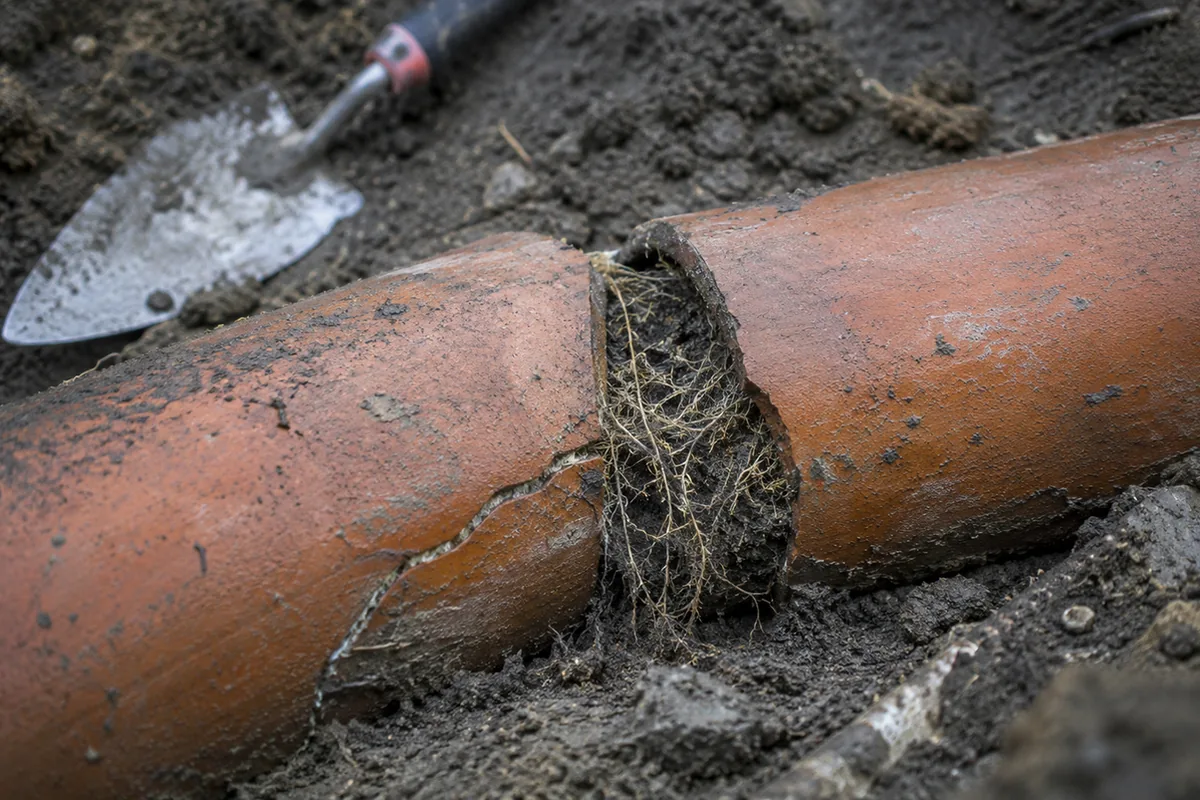
A clay sewer lateral almost always fails for the same reason: the joints between sections open with age and ground movement, and roots find them.
Vitrified clay is durable against corrosion, but it is brittle and it was laid in short jointed sections. Decades of soil movement, settlement, and the dry-wet cycle work those joints loose, and even a hairline gap leaks a little moisture into the surrounding soil. To a thirsty tree root that leak is a target. The root grows toward it, threads into the joint, and once inside the warm, wet pipe it fans into a mass that catches paper and waste and slows the flow. Left alone, the root mass expands until it chokes the line, and the same root that entered the joint pries it further open until the section cracks or collapses. Cast iron fails differently, scaling and corroding from the inside until the channel narrows and the pipe wall flakes away, but the result for the buyer is the same: a line that no longer drains the way it should.
None of this is visible above ground until it is severe. A lateral can lose most of its capacity to roots and scale while the home drains just well enough to seem fine on a showing, and the first real symptom is often a slow drain or a backup that arrives long after closing.
What agents should tell every buyer on an older Santa Ana home
A short list buyers writing offers on older Santa Ana homes should hear from you before they go into escrow.
- The sewer lateral is a major system, and it is not part of a standard home inspection. On a pre-1980 home, recommend a sewer scope as its own step.
- A restored interior tells you nothing about the buried pipe. The kitchen can be new and the lateral can still be original clay from the 1930s.
- Mature parkway trees are a sign to look, not a reason to relax. The trees that make the street beautiful are the ones sending roots into the joints.
- Budget for the possibility of a four-figure root clearing and spot repair, and a five-figure reline or replacement if the line is failing under the yard and the street.
- When the scope shows root intrusion or a cracked or collapsed section, plan for a licensed plumber to evaluate the full run and quote the fix. The scope documents the condition; the plumber prices the repair.
If you want a one-page version of this list to text to your buyers in the pre-offer window, ask us and we will send it.
Red flags during showings (no special tools required)
You do not need equipment to flag a sewer concern at a showing. Add these to your walk-through on any older Santa Ana property.
- Slow drains, gurgling fixtures, or a toilet that empties sluggishly, which point to a partial blockage downstream.
- A faint sewer odor in the yard or around the cleanout, or soggy, unusually green ground along the path from the house to the street.
- Large mature trees between the house and the street, especially over the likely path of the lateral.
- A home built before 1980 with no record of sewer line replacement or relining in the disclosures.
- A missing or buried cleanout, which makes both inspection and future service harder and is worth noting.
- Repeated past plumbing service in the disclosures, which can mean a line that has been cleared again and again rather than fixed.
None of these prove the lateral is failing. All of them are reasons to run a sewer scope before the contingency period ends.
Schedule a Santa Ana inspection
The negotiation playbook when a sewer lateral surfaces in escrow
There are four paths most of these deals end up on. Knowing them in advance helps you steer.
Seller repairs or relines before closing is clean when the seller will engage. Insist the work is permitted where required, that the repair addresses the failing joints and not just a one-time root clearing, and that a follow-up scope confirms the line is clear before closing.
Seller credits the buyer to handle it after closing is the most common outcome. Size the credit to a real bid from a licensed plumber, covering the actual repair scope the scope video supports, whether that is a spot repair, a cleanout upgrade, or a trenchless reline. The written bid anchors the number, and a reline under a mature yard and a city parkway can be a large one, so get it before the credit is finalized.
Buyer walks under the inspection contingency happens when the scope turns a cosmetic-perfect home into a five-figure sewer project the buyer did not plan for. The earnest money is protected under the contingency. Your job as the buyer’s agent is to make sure they know walking is an option and what triggers it.
Deal closes with no further action is the riskiest, because the buyer inherits a line that will keep collecting roots and waste on its own schedule. If the buyer wants the home anyway, document their informed decision in writing and help them plan the repair as an early project. An escrow hold-back for the work, completed after closing, is a clean structure when the seller will fund it but cannot manage a permit-driven trench inside escrow.
How the inspection actually catches it
A general home inspection alone will miss a failing lateral, because the pipe is buried and a standard inspection stops at the visible plumbing. Catching it takes putting a camera in the line.
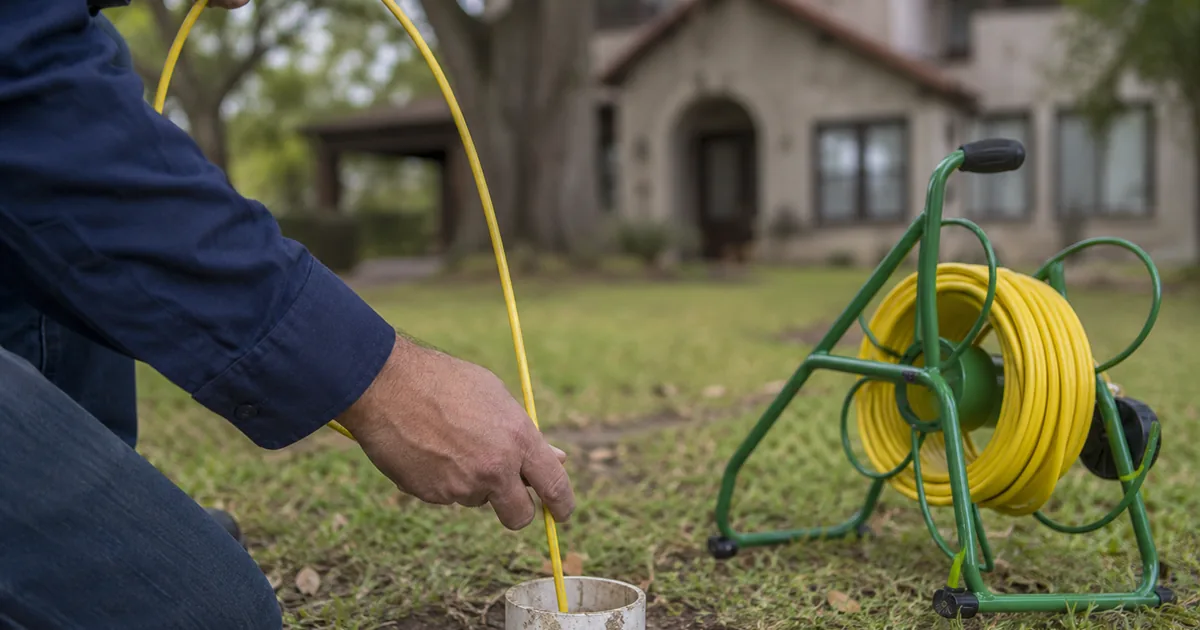
We run a sewer scope camera down the cleanout and through the lateral to the main, recording the cast iron at the house, the clay sections under the yard, and every joint along the way, so the root intrusion, scaling, standing water, cracks, and any collapse are documented on video rather than guessed at. We tie that to the rest of the plumbing we see at the fixtures and the supply side, and we run thermal imaging on the lowest interior levels to catch moisture a slow or leaking line is driving inside. Then we tell the buyer plainly when the scope shows a problem that a licensed plumber should price, because the inspection documents the condition but the plumber scopes and quotes the repair.
Combined, the scope video, the fixture check, and the thermal scan turn a buried unknown into a documented set of findings you can take into the negotiation. The supply side of an older home tells a similar story, which we cover in our Pasadena galvanized and cast iron plumbing guide, and the way thermal imaging surfaces hidden moisture is in our piece on why infrared scanning matters.
Quick FAQ for buyers and agents
Is a sewer scope part of a standard home inspection? No. A general inspection covers the visible plumbing but does not include the buried lateral. On a pre-1980 Santa Ana home we recommend a sewer scope as its own step, because it is the system most likely to surprise a buyer.
Who owns the sewer lateral? The homeowner does, all the way from the house to the city main, including the portion under the parkway and the street. That is why its condition is the buyer’s responsibility, not the city’s. It is also why sewer line repair plans get marketed through utility bills, and AB 1931’s rules for those plans still leave the buyer needing a camera to know what condition the line is in.
What does sewer lateral work cost in Santa Ana? A root clearing and spot repair generally runs in the four figures. A trenchless reline or open-trench replacement under a mature yard and the street runs well into five. Get a licensed plumber’s bid informed by the scope video before the negotiation.
Can roots really break a clay pipe? Yes. Roots enter through the loosened joints between clay sections, grow into a mass that blocks flow, and pry the joint further open until the section cracks or collapses. The trees that make the historic streets beautiful are the usual source.
Does this come up much in Santa Ana specifically? Yes. A large share of the city was built before 1980 on clay or cast iron laterals, and the historic districts pair that aging pipe with exactly the mature street trees that drive root intrusion.
The honest summary for agents
If you work Santa Ana and you write offers on its older and historic homes, you are selling properties where the buried sewer lateral is a real system with a real service life. The lines caught on a scope during the inspection contingency are negotiations. The ones caught when they back up into the house after closing are emergencies with a permit and a torn-up yard attached. Your buyer is far better served by the first.
The inspection that finds it is not the cheapest one on Yelp. It is the one that puts a camera down the lateral, reads every joint to the main, runs thermal imaging on the lowest levels, and tells the buyer plainly when a plumber needs to price the repair, with a same-day report so you have the proof in hand before the contingency clock runs out.
Roots are one way a lateral loses its fall. Ground that keeps settling is another, and it is the reason we recommend scoping on Delta and reclaimed-island properties. Our Rio Vista home inspection page explains why organic soils make a buried pipe a harder question than it looks.
Schedule a Santa Ana inspection or see our full inspection scope before you book. Common questions are answered in the FAQ. For the supply side of older plumbing, read our Pasadena galvanized and cast iron plumbing guide, and see why infrared scanning matters on older homes. For how aging wiring and galvanized supply combine to shape insurance and escrow in older coastal stock, read our Long Beach historic-home systems guide. For the same era of OC tract home viewed through its forced-air system, see our Garden Grove ducted HVAC returns guide. And for the termite and fungal-decay findings the same older wood-frame stock produces, read our Fullerton termite and WDO escrow guide. Root intrusion is not the only way a lateral loses its fall. On ground that is still consolidating, the pipe can develop a belly or a reverse grade on its own, which is why we raise a camera inspection so often on the shoreline housing covered in Corte Madera home inspections. The lateral is not the only buried line worth asking about. The water service line running the other way, from the main to the building inlet, now carries its own federal replacement program, and a change of ownership triggers an offer to the new owner. See lead service lines and a change of ownership. A lateral camera inspection is also one of only two repairs the Legislature lets the same company perform after inspecting, which is explained in what an inspection covers and what needs a specialist. This guide covers the mechanism. The separate question of whether to buy the camera at all on a given property, and why an East Bay compliance certificate does not answer it, is worked through in is a sewer scope worth it for a California buyer.
When a second or third dwelling ties into an old lateral, the stakes go up. See AB 956 and the two-detached-ADU rule.