A home inspection in Temecula isn’t the same as one in San Diego or Los Angeles, and an inspector who works the whole state doesn’t always know the local quirks. The geology is different out here. So is the fire exposure, the climate stress on mechanical systems, and the building stock that came out of the 2000s growth boom. If you’re buying or selling a home anywhere in Temecula or the surrounding markets, this is what we look at and why it matters.
Ready to schedule? See pricing, neighborhoods, and the full service package on our Temecula home inspection page →.
What the inspection covers
Every inspection we do in Temecula includes the full package. We don’t charge extra for infrared, drone, or the 3D tour, because we think pulling those out as add-ons creates a bad incentive to do a less thorough job on the base inspection.
What you get:
- A 3D Matterport virtual tour with our findings tagged inside it, so you can walk the property again from anywhere and see exactly what each note refers to
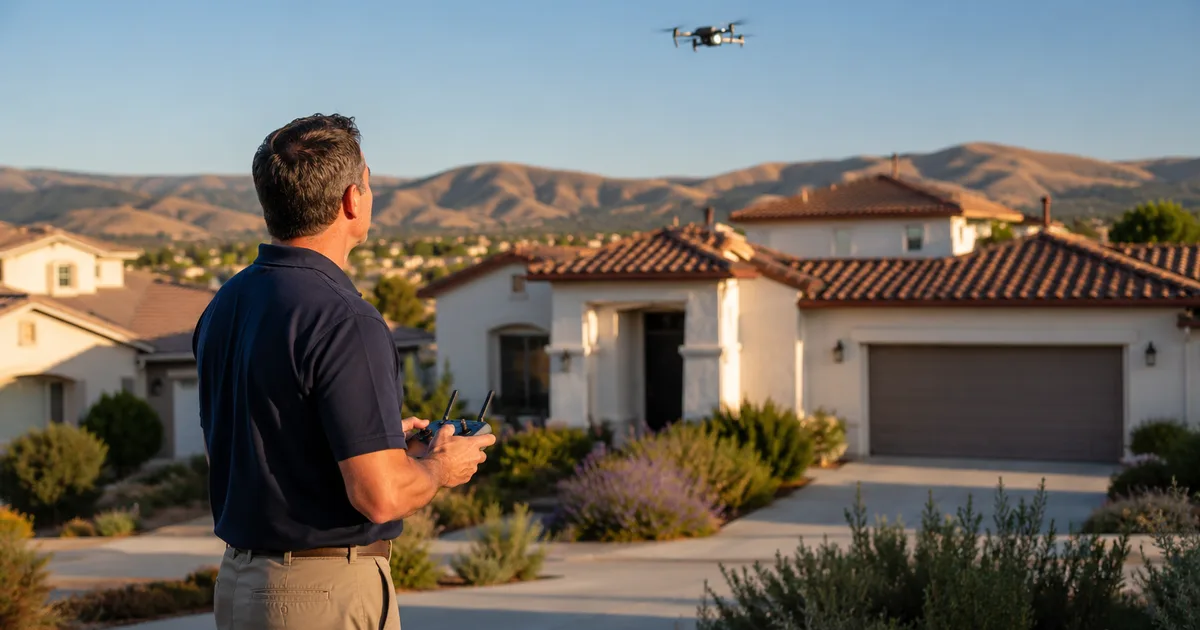
- Drone roof inspection with high-resolution photos of areas that aren’t safe to walk
- FLIR infrared thermal scanning to catch hidden moisture, missing insulation, ductwork leaks, and electrical hot spots
- A LIDAR floor plan with accurate room dimensions and total square footage
- The full report delivered the same day
You can see everything included here.
What’s different about homes in Temecula
A few things show up here that you wouldn’t worry about elsewhere in California, or that you’d worry about for different reasons.
Expansive clay soils and what they do to foundations
Southwest Riverside County sits on documented expansive clay soils. The clays swell when wet and shrink when dry, and Temecula’s seasonal rain pattern creates a real cycle of that. Over years, the back-and-forth movement stresses concrete slabs and footings.
What we look for: hairline cracks in the foundation, drywall cracks above doorways and window corners, doors that stick at certain times of year, baseboards pulling away from the floor, and floor slopes that don’t match what the original framing should have produced. We run a digital level across rooms to measure deviation. A small amount is normal. A pattern of it across the house, especially with cracks above openings, is the kind of thing you want flagged on paper before you close.
The Elsinore Fault Zone
Temecula sits just east of the Elsinore Fault Zone. It’s one of the major fault systems in California, even though it gets less attention than the LA-area faults. Newer construction is built to current seismic code. Older homes, especially anything built before 1980, may not be retrofitted.
We check water heater strapping (required by California law for a long time but still missing on older installations), cripple wall bracing on raised foundations, gas shutoff valves where they exist, and signs that past seismic movement has already happened. For pre-1980 homes, we’ll often flag retrofit opportunities. They’re not always expensive and they meaningfully reduce earthquake exposure.
Fire risk and the WUI zones
A lot of Temecula falls inside CAL FIRE’s Very High Fire Hazard Severity Zone or sits in the Wildland-Urban Interface map. Mostly the eastern parts, the De Luz area, and the wine country edges, but it’s worth checking your specific parcel. The state’s Chapter 7A building code requires ember-resistant features in these zones, and a lot of older homes were built before those requirements existed.
What we’re looking at: attic and foundation venting (whether it’s ember-resistant or just old screen), roof covering class, defensible space readiness around the structure, exposed wood that’s gone gray and dry, and any vinyl or other low-flammability-resistance siding materials in vulnerable spots.
Hot, dry summers and your HVAC
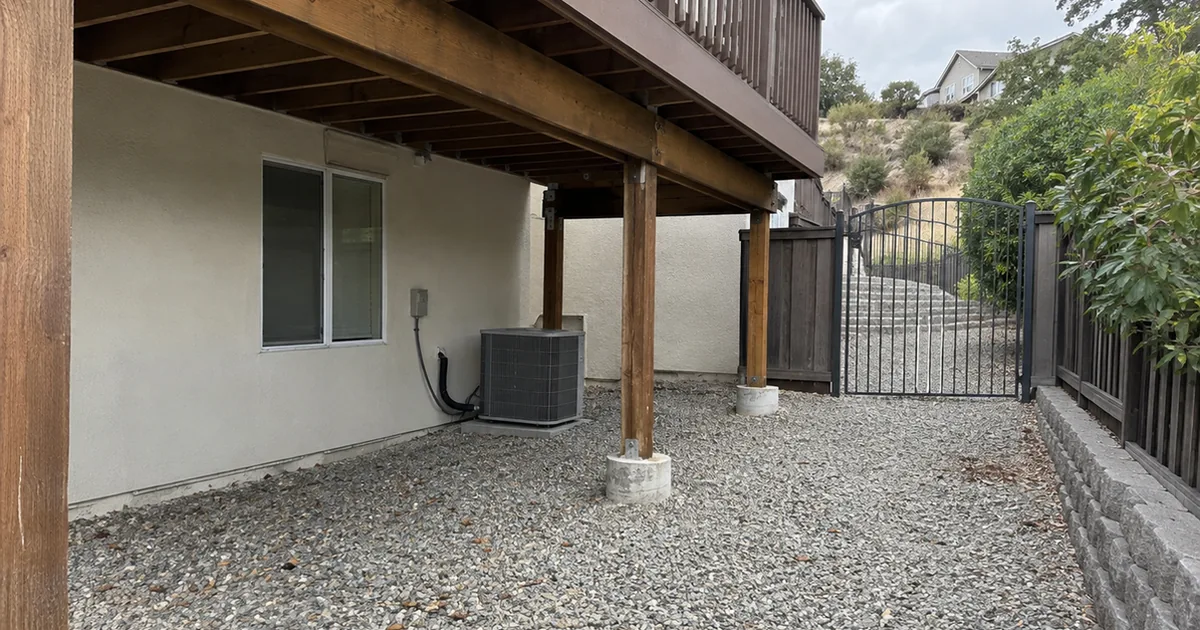
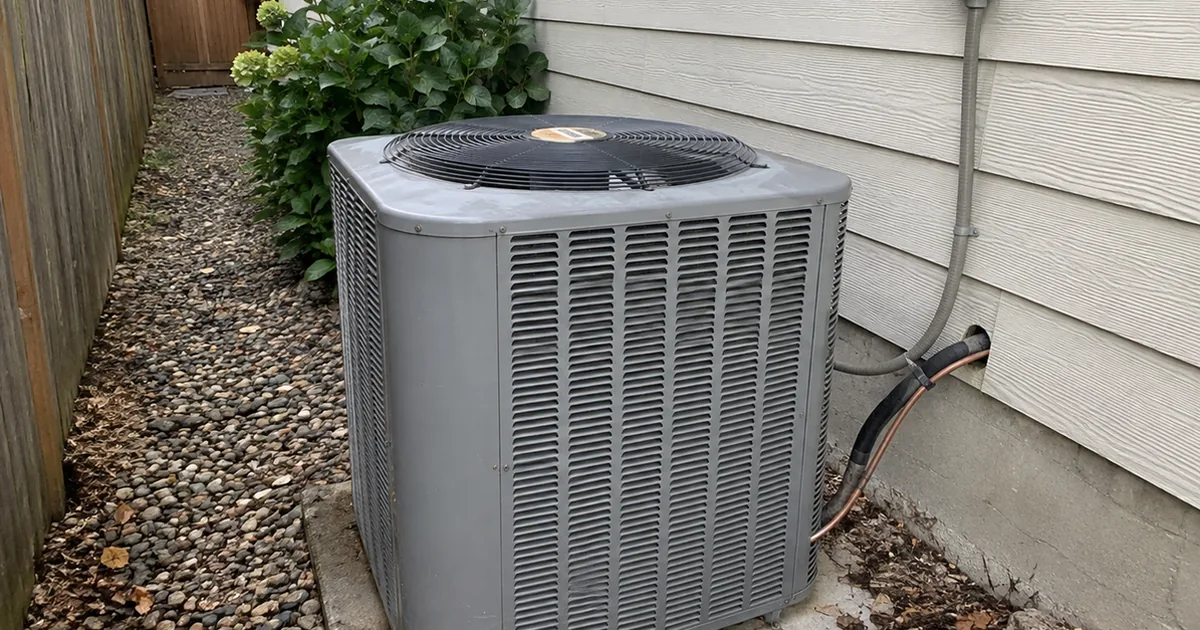
Temecula summers hit triple digits regularly. AC systems work harder here than in coastal California, and the failures show up earlier. Builders during the growth-boom era sometimes installed undersized systems to save cost, or oversized ones that short-cycle and create humidity problems indoors. Attic ductwork in unconditioned 130-degree attics is where most of the cooling actually gets lost in these homes: leaky duct connections, deteriorated insulation around the ducts, or registers that were never properly sealed.
We test airflow, look for visible duct issues, check the condition of evaporator coils when accessible, and use the infrared scan to find air leaks and ductwork that’s bleeding cold air into the attic before it ever reaches the rooms.
Termites
Both subterranean and drywood termites are heavy throughout the Temecula Valley. A standard home inspection in California isn’t a Section 1 termite report, and we don’t substitute for one. But we will tell you what we see. Mud tubes near the foundation, drywood termite frass (the fine pellets they push out of galleries) in attics and around exposed wood, structural damage in sill plates and rim joists where you can see them, and conducive conditions like wood-to-soil contact or unsealed crawlspace vents.
If we find enough that a Section 1 report is clearly warranted, we’ll say so directly.
Pools and the equipment that comes with them
A high percentage of Temecula tract homes have in-ground pools. Pool prevalence is high across Wolf Creek, Crowne Hill, Paseo del Sol, Vail Ranch, Redhawk, and Harveston. We inspect the pool equipment (pumps, filters, heaters), look for visible leaks around the equipment pad, verify anti-entrapment compliance that’s been required since the Virginia Graeme Baker Pool and Spa Safety Act in 2008, and document any cracking in deck or coping.
If the pool has serious issues, we’ll recommend a dedicated pool inspector for a deeper look. We don’t pretend that a home inspector is the same scope as a pool specialist.
New construction defects in the Temecula tracts
There’s a lot of active new construction in and around Temecula. Roripaugh Ranch, Sommers Bend, Audie Murphy Ranch in adjacent Menifee, and others. City building inspectors approve to code, but that’s a minimum standard. The buyer’s pre-close inspection, the one you order separately, routinely finds issues the city inspector doesn’t write up.
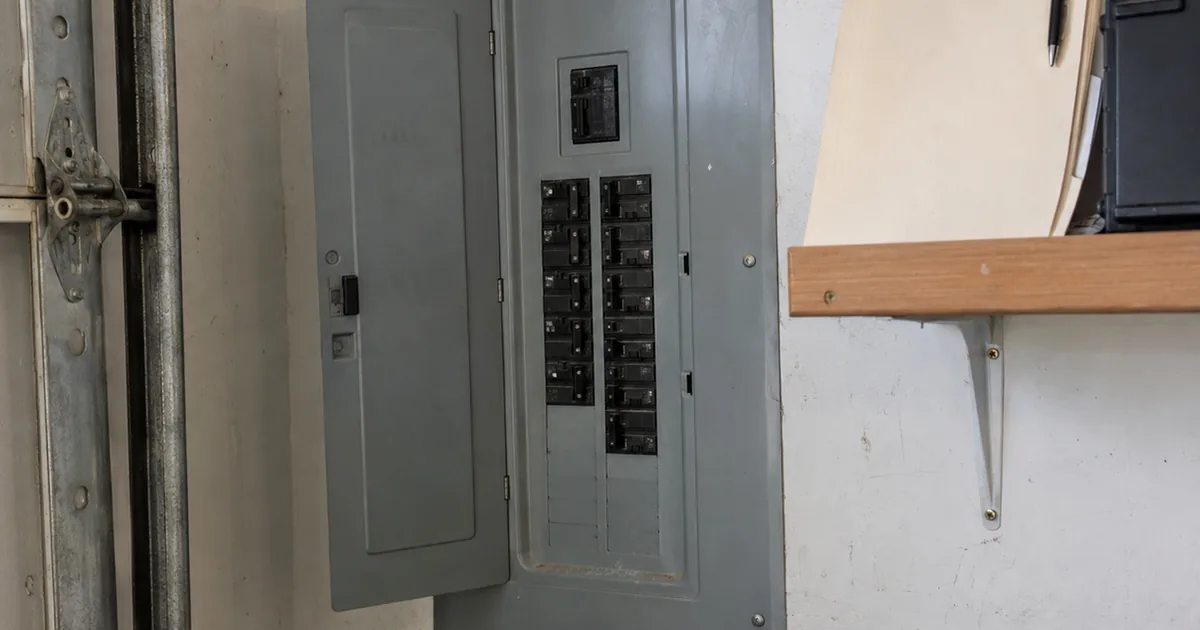
Things we see often on new builds: framing misalignment, gaps in attic insulation coverage that you only catch with infrared, ductwork that wasn’t properly sealed at the registers, drainage slopes that direct water toward the foundation instead of away from it, and incomplete final grading.
If you’re under contract on new construction, get the inspection done before your final walkthrough so you have leverage to get items addressed before close. We wrote more about this in the new construction inspection guide.
Chinese drywall for the 2001-2009 build era
Some Temecula homes built or remodeled during the 2001-2009 construction boom contain defective Chinese drywall. It’s a documented issue across California, and the heavy growth in southwest Riverside during that window means the local exposure is real. The signs are specific: blackened copper electrical wiring, failed HVAC evaporator coils within a few years of install, a sulfur-like smell, and corrosion on plumbing fittings.
If the home falls in that window, we check carefully. Full detection protocol is in the Chinese drywall guide.
Where we inspect in Temecula
We work throughout the city. Old Town and the older neighborhoods near it. Vail Ranch, Redhawk, and the Redhawk Country Club area. Wolf Creek, Crowne Hill, Paseo del Sol, Harveston, Roripaugh Ranch, Sommers Bend. The wine country along De Portola. De Luz and the rural properties. Meadowview and the equestrian zones.
We also serve the surrounding markets that share most of the same building stock and geology: Murrieta, Wildomar, Menifee, Lake Elsinore, Canyon Lake, Winchester, Hemet, and into north San Diego County including Fallbrook and Bonsall. Full service area is here.
How the inspection actually runs
You schedule it, online or by phone, usually within a day or two of when you need it. Same-day and next-day are doable for transactions where the contingency clock is ticking.
We confirm access with the agent or seller. You’re welcome to come, and we encourage buyers to attend if your schedule allows. Plan for two to four hours on site, depending on property size and condition.
During the inspection, the visual walkthrough happens at the same time as the drone roof flight, the 3D scan, the LIDAR pass, and the infrared sweep. One visit, one timeline, all of it done.
The report comes by email the same day. You’ll see photos, the 3D tour link, drone roof imagery, infrared callouts, the LIDAR floor plan, and a prioritized list of what we found. If you want to walk through it with us, we’re happy to do that. For sellers, we can re-issue an updated report after repairs are made.
If you’ve never read an inspection report before, here’s a walkthrough of how to read one.
A note for sellers
A pre-listing inspection, done before you go to market, gives you control over the timeline. You find out what’s wrong before the buyer does. You can fix things on your own schedule with your own contractors instead of under deal pressure. And the 3D tour plus LIDAR floor plan we deliver are MLS-ready, so they double as marketing assets.
Listings backed by a pre-listing inspection tend to close faster, with fewer renegotiation surprises. That’s been our consistent experience.
A note for buyers
The buyer’s inspection is one of the most important steps in the transaction. California’s standard buyer inspection contingency gives you a relatively tight window to inspect, review, and respond. Same-day report turnaround matters because it leaves you time to bring in specialty inspectors if the report flags something that needs a deeper look: a sewer scope, a pool inspector, a septic specialist, a structural engineer.
The report is also leverage. Findings can support requests for repairs, credits, or price adjustments. If the report is professional, detailed, and clearly photographed, it carries more weight in negotiation than a quick checklist write-up would.
A note for realtors
We work with Temecula and SW Riverside agents on transaction after transaction. Same-day reports keep your timelines clean. The 3D tour and LIDAR floor plan are usable in your MLS marketing without re-shooting. For listings where the seller wants the inspection but is sensitive about upfront cost, our Pay-at-Closing option means the inspection happens now and gets paid out of escrow.
We’re not a kickback program. RESPA Section 8 is a hard line and we don’t cross it. The partnership is built on the deliverable doing real work for your client, not on a referral fee changing hands.
Common questions
How long does the inspection take?
Two to four hours on site, depending on the property. A 2,000 square foot tract home in Wolf Creek runs around two and a half hours. A 4,500 square foot estate in De Luz with a pool, spa, well, and septic system can go four hours or more.
Can you inspect older homes?
Yes. Older Temecula homes, especially in and around Old Town and along Murrieta Hot Springs Road, get the same thorough inspection. For anything built before 1978, we’ll flag lead-paint and asbestos disclosure considerations. We don’t sample those materials ourselves but we identify their likely presence so you can schedule specialty testing if you want it.
Do you go out to the wine country and De Luz?
Yes. Wine country estates, De Luz rural properties, equestrian zoning, well-and-septic systems: all part of our regular service area.
Will the report be ready before my contingency deadline?
Same day. California buyer inspection contingencies typically give you 14 to 17 days. Same-day turnaround keeps you well inside that with time to bring in specialty inspectors if the report calls for it.
Can I use the 3D tour in MLS marketing?
Yes. The 3D Matterport tour and LIDAR floor plan are delivered in formats that work directly with MLS, Zillow, Redfin, and major brokerage marketing systems. For pre-listing inspections, this is often the most useful single output.
Do you inspect new construction?
Yes, and we recommend it. The city’s code inspection is a minimum standard, not a thorough check. We routinely find issues the city inspector didn’t flag.
Is infrared an add-on?
No. Infrared thermal scanning is included on every inspection. Same with drone, 3D, and LIDAR. We covered why infrared matters in California specifically in this post.
How far ahead should I book?
Usually one to three days out for routine scheduling. Same-day and next-day are doable when transactions are time-sensitive.
Scheduling
You can schedule online any time. If you want to talk through whether the timing or scope works for your situation, get in touch through the site and we’ll come back to you the same day.
Related reading for Murrieta agents: When the Tile Looks Perfect But the Roof Is Dying: A Murrieta Inspection Every Agent Should Hear About