On a downtown Huntington Beach lot a few blocks from the water, the house inspected cleanly. The questions were under it and around it. The parcel sat in a mapped liquefaction zone, and the neighborhood carried the city’s methane overlay, a legacy of the oil field that made Huntington Beach before it made surfing. Neither is visible on a walkthrough. Both belong in the conversation before a buyer writes.
This is what makes Huntington Beach different from a generic coastal suburb. The city sits on low, sandy, water-saturated ground between the Newport-Inglewood and Anaheim fault zones, which is the classic recipe for liquefaction in an earthquake. And it sits on top of a century of oil production, which is why parts of the city are covered by a methane district that governs how you build. These are lot-level hazards, not house-level defects, and they touch disclosure, insurance, and financing.
Schedule a Huntington Beach inspection · Same-day report · Pay-at-closing available
Why this matters for the agent
Here is what is at stake. Liquefaction and methane are not things a buyer can see, fix with a credit, or negotiate away. They are conditions of the ground, and the right response is understanding and documentation, not panic or denial. A parcel in a state-mapped liquefaction zone has to be disclosed, and it can affect how a buyer thinks about seismic risk and insurance. A parcel in the methane district may have required, or may still require, methane mitigation for construction, and a buyer planning an addition or a rebuild needs to know that up front.
For your transaction, the agent who understands these hazards can keep the deal grounded. You can explain what the natural hazard disclosure is telling the buyer, point them to the right specialists, and set expectations before the offer. The agent who is surprised by the words liquefaction zone or methane district during escrow is now managing fear instead of information. We inspect homes here where the lot is the headline, and the buyer deserves to know that going in.
If you work Huntington Beach’s coastal and inland neighborhoods alike, this is part of your inventory whether you have thought about it that way or not.
What liquefaction actually is
Liquefaction happens when a strong earthquake shakes loose, saturated, sandy soil until it briefly behaves like a liquid and loses its ability to support what is on top of it. The ingredients are exactly what much of Huntington Beach has: young, loose sandy and silty soils, a shallow water table near the coast and the Santa Ana River, and strong ground shaking available from the nearby faults. The Newport-Inglewood fault zone runs through this part of the basin, and seismologists have long noted that a moderate quake on a fault this close to dense development can do serious damage.
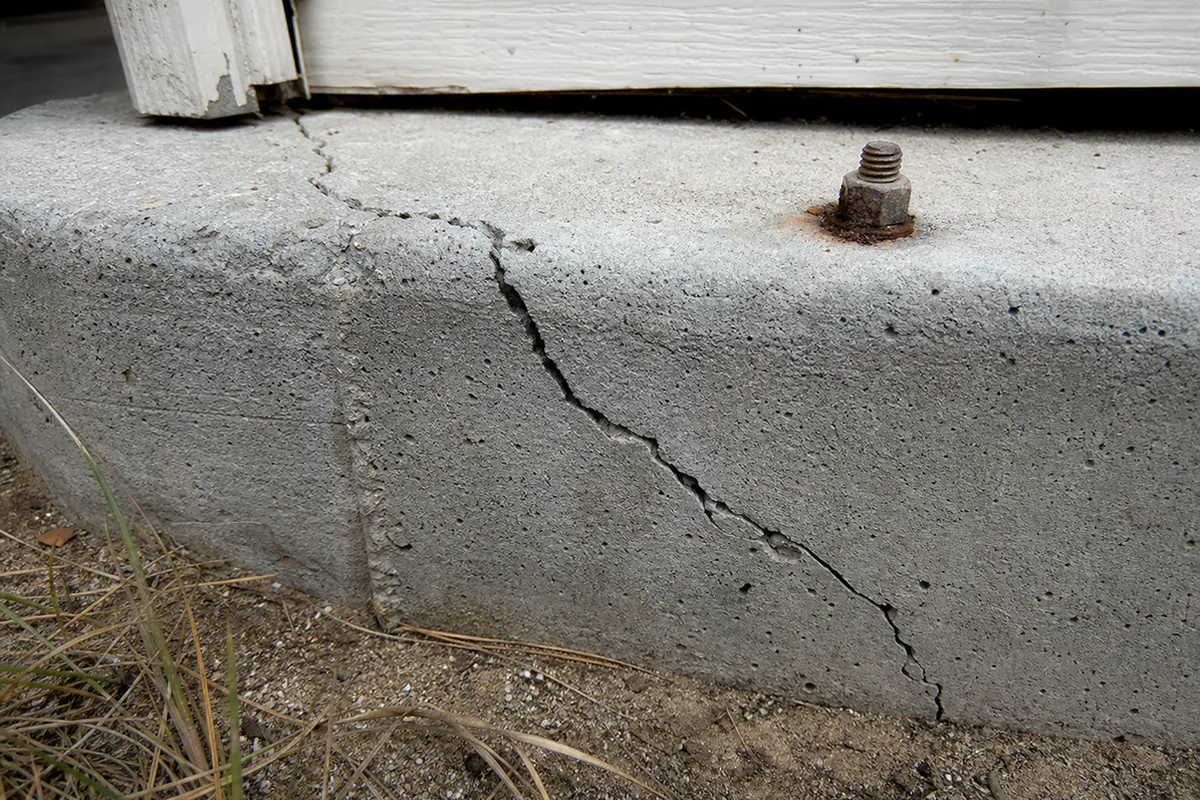
The state maps these areas as seismic hazard zones for liquefaction, and a parcel inside one carries a disclosure obligation. What liquefaction can do to a home ranges from settlement and foundation distress to more serious structural damage in a large event. It is not a reason to avoid Huntington Beach, where enormous numbers of people happily live. It is a reason to understand whether a given parcel is mapped, what the home’s foundation type is, and what a geotechnical engineer would say about the site.
What the methane district is
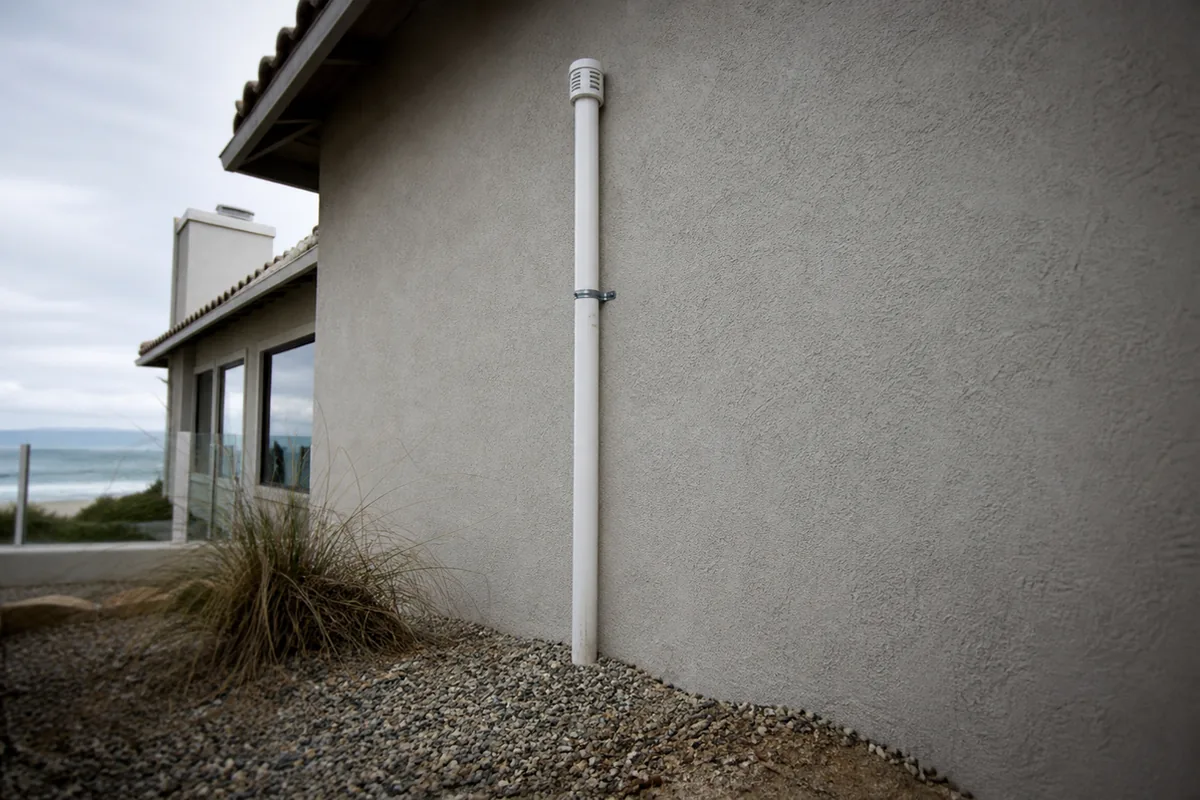
Huntington Beach produced oil for a century, and that history left more than street names. Methane and other soil gases can migrate up from former oil operations and organic-rich soils, and the city established a methane district, an overlay covering designated parts of the city, to manage the risk when people build. In those areas, construction can require methane mitigation, systems like sub-slab vapor barriers, venting, and sometimes gas monitoring, to keep soil gas from accumulating under or inside a structure.
For a buyer purchasing an existing home, the practical questions are whether the parcel is in the methane district, whether the home has mitigation in place if it needed it, and what happens if the buyer wants to add on or rebuild. A room addition or an accessory dwelling unit on a methane-district lot can trigger mitigation requirements that a buyer should price into their plans. This is a city-regulated, parcel-specific question, and the city and a qualified environmental consultant are the authorities on it. The home inspection flags that the question exists so the buyer can pursue it.
What agents should tell every buyer
When a buyer is considering a Huntington Beach home, give them these points before they write.
- Two lot-level hazards are common here, liquefaction from saturated coastal soil and methane from the old oil field. Both are about the ground, not the house.
- Check the natural hazard disclosure carefully for a mapped liquefaction zone, and understand it is a seismic-risk and disclosure item, not a defect to repair.
- Ask whether the parcel is in the city’s methane district, and if so, whether the home has mitigation and what any future addition would require.
- A geotechnical engineer is the right professional for liquefaction and site questions, and a qualified environmental consultant plus the city for methane.
- These conditions can affect insurance and future construction plans, so the buyer should raise them with their insurer and factor them into any remodel ideas.
- The home inspection documents the foundation and the visible site and flags that these hazards apply. The specialists and the city evaluate them. Line them up.
A buyer who hears this from you understands they are buying a parcel with a history, and they make an informed decision instead of a scared one.
Red flags during showings
Most of this lives in the paperwork and the map, but some clues show up on site. Watch for these.
- A natural hazard disclosure flagging a liquefaction or seismic hazard zone for the parcel.
- Foundation cracks, uneven floors, or settlement patterns, which warrant a closer structural look on soft-soil sites.
- An older home near the water or the river channel with an original foundation and no visible seismic upgrades.
- Any documentation, or absence of it, about methane mitigation on a lot you suspect is in the district.
- A planned addition or ADU on a lot where methane requirements could apply and have not been researched.
- Signs of prior oil activity in the neighborhood, which is context worth noting even though it is not a defect by itself.
If we see foundation or site clues, we document them and point the buyer to the right engineer and to the city for the methane question.
Schedule a Huntington Beach inspection
The negotiation playbook
Because these are lot conditions, the negotiation looks different from a repair-driven one. Here is how these deals tend to move.
The first path is information and acceptance. The parcel is mapped, the home’s foundation is sound, and the buyer proceeds with a clear understanding of the seismic and methane context and appropriate insurance. This is the most common outcome, and the value is an informed buyer, not a credit.
The second path is the specialist evaluation. The buyer brings in a geotechnical engineer for the liquefaction and site question, or an environmental consultant for methane, before removing a contingency. The findings either confirm the buyer’s comfort or reprice the risk. We do not pretend a home inspection substitutes for these evaluations.
The third path is the foundation-repair scope. If the inspection and an engineer find existing foundation distress on a soft-soil lot, the repair becomes a real, engineer-scoped number, and a credit or seller repair follows that scope. This is about the specific home’s foundation, separate from the general liquefaction mapping, the same measure-first approach we use for graded-pad settlement in Irvine and old grove land settlement in Corona.
The fourth path is walk-away. Occasionally a buyer decides the combination of mapped hazards, an older foundation, and their own risk tolerance is not the right fit. That is a legitimate outcome, and your job as the buyer’s agent is making sure they understand it is available before the contingency period runs out.
How the inspection actually catches it
A home inspection does not map liquefaction or test for methane, and we say so plainly. What we do on a Huntington Beach home is document the foundation type and condition, the floors, and any settlement or distress that would matter more on soft coastal soil, along with the visible site and drainage. We flag that the parcel-level hazards exist so the buyer knows to read the natural hazard disclosure and to ask the city about the methane district.

On the foundation and moisture side, we use thermal imaging to find water intrusion and hidden moisture, which our guide on why infrared scanning matters explains. What we do not do is perform a geotechnical liquefaction analysis or a methane survey. Those are the geotechnical engineer’s and the environmental consultant’s roles, with the city as the authority on methane-district requirements. We document what we can see, connect it to the disclosures, and tell the buyer exactly who to call next. If we see something worth flagging, it goes in the report.
Schedule a Huntington Beach inspection
Quick FAQ
Should liquefaction risk stop my buyer from buying in Huntington Beach? Not by itself. Large parts of the city are in or near mapped liquefaction zones, and people live in them by the thousands. It is a seismic-risk and disclosure item to understand, not a defect to repair. The buyer should read the natural hazard disclosure, understand the home’s foundation, and consider a geotechnical opinion and appropriate insurance.
What does the methane district mean for my buyer? It means the parcel may be in a city-designated area where construction can require methane mitigation because of the old oil field. For an existing home, the buyer should confirm whether the parcel is in the district and whether mitigation is in place, and understand that a future addition or rebuild could trigger requirements. The city and a qualified consultant are the authorities.
Can a home inspection test for methane or liquefaction? No. The inspection documents the foundation and visible site and flags that these hazards apply, but liquefaction is a geotechnical analysis and methane is an environmental survey. We refer the buyer to the right specialists and to the city.
Do these hazards affect insurance or financing? They can. Seismic and hazard-zone status can affect a buyer’s insurance decisions, and mapped hazards are disclosed for a reason. The buyer should discuss coverage with their insurer early.
Is an older home near the water riskier? An older home with an original foundation on soft coastal soil deserves a careful structural look, because soft-soil sites amplify settlement and seismic effects. We document the foundation condition and refer to an engineer where the findings warrant it.
The honest summary for agents
Huntington Beach is a place people love to live, and it sits on ground with a real history, saturated coastal soil that can liquefy in a quake, and an old oil field that left a methane overlay behind. Neither is a house defect you fix with a credit. Both are lot conditions a buyer should understand before they write, through the natural hazard disclosure, the city, and the right specialists. Handled with information, they are just part of buying here. Handled with surprise, they blow up escrows.
We will document the foundation and the site honestly, connect it to the disclosures, and point your buyer to the right engineer, consultant, and city resources. That is the job.
Schedule a Huntington Beach inspection or see our full inspection scope before you book. Want to see what the finished report looks like? Here is a sample inspection report. Common questions are answered in the FAQ. For the same measure-the-movement approach on an inland hillside, read our Irvine graded-pad settlement guide, and see why infrared scanning matters on any home with a moisture question.