AB 1738 was signed, and this fulfills InspectionRE’s earlier update promise
AB 1738 was approved by the Governor on September 18, 2026. It is now Chapter 271, Statutes of 2026, and was filed with the Secretary of State that same day.
This is the status update promised in InspectionRE’s earlier article, California AB 1738: Remote Inspections for Solar, Heat Pumps, and More. That article published while the bill was still pending and said plainly: “As of this writing, it has not yet been signed… We will update this article once its status is final.”
The status is now final. The practical benefit is not available yet.
That distinction matters for California homeowners and agents tracking permits for heat pump water heaters, heat pump HVAC systems, solar, energy storage, reroofs, smoke detectors, and carbon monoxide detectors. AB 1738 now has a chapter number instead of a pending status, but no homeowner receives a new remote-inspection option on September 28, 2026.
The original article has real reader interest in Google Search Console. This is a fast-moving topic, and people are looking for an answer after hearing that the bill passed. Leaving the earlier article unchanged would leave readers with a pending bill and no final status. This update supplies the missing date, scope, and limits.
No California permit changes today
Nothing changes for a homeowner’s permit today.
The earliest date on which a local agency must offer the remote-inspection option is January 1, 2028. Some jurisdictions have until July 1, 2028. The applicable date depends on the jurisdiction’s population category under the statute.
That means a homeowner applying for a permit on September 28, 2026, should not assume that the building department must offer a video inspection. The law has been chaptered, but the compliance dates are still in the future.
AB 1738 adds Health and Safety Code section 17970.9. The new section applies to single-family and two-family dwellings. It does not create a general remote-inspection right for every residential permit or every construction project.
The earlier legislative history is now background rather than an open question. The Assembly passed the bill 62-0 in May 2026. The Senate passed it 29-6 in August. The Assembly concurred in Senate amendments 68-0 on August 24, 2026. The bill was enrolled and presented to the Governor on August 28, 2026, at 3:30 p.m.
The event that changes the status is the Governor’s approval and chaptering on September 18. The event that changes local inspection practice comes later.
Smaller jurisdictions get the earlier deadline
The phase-in dates run in the opposite direction from what many readers will expect.
A local agency that is not a “qualifying city or county” must comply by January 1, 2028. A local agency that is a “qualifying city or county” must comply by July 1, 2028.
The statute defines the smaller-jurisdiction exemption this way: “This section shall not apply to a city with a population of fewer than 5,000 or a county with a population of fewer than 150,000.”
The larger jurisdictions get more time, not less. That gives cities and counties with more inspection volume additional time to restructure their processes before the compliance deadline. Smaller jurisdictions face the earlier date unless they fall within the statutory exemption.
For a homeowner, the practical range is simple:
- January 1, 2028 is the earliest date any nonexempt jurisdiction must comply.
- July 1, 2028 is the later deadline for a qualifying city or county.
- A city with fewer than 5,000 people or a county with fewer than 150,000 people is outside this section.
Do not treat January 1, 2028 as a universal launch date for every California permit counter. The statute creates different dates and an exemption. Check the local agency handling the permit before planning around a remote inspection.
The covered list is limited to five project categories
AB 1738 does not cover every inspection connected to a home. It identifies five project types.
The statute covers:
“Residential heat pump water heaters, including the alteration, extension, or replacement of components of an existing electrical system”
“Residential heat pump heating, ventilation, and air-conditioning (HVAC) systems”
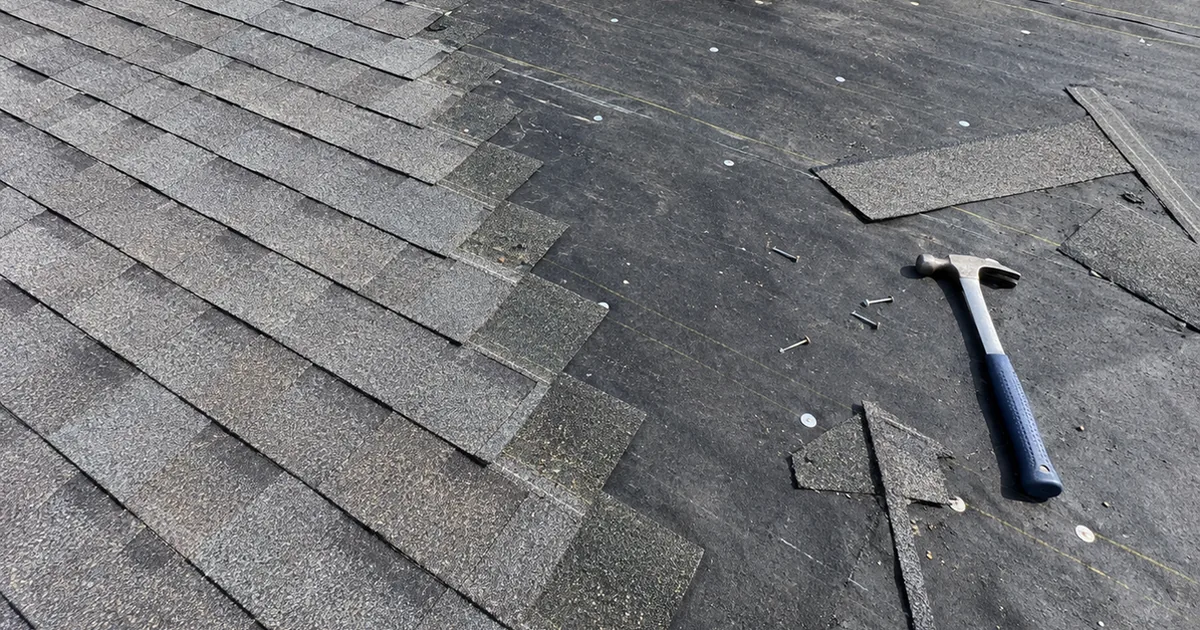
“Residential reroofs”
“Photovoltaic systems, with an alternating current nameplate rating less than or equal to 15 kilowatts, and energy storage systems”
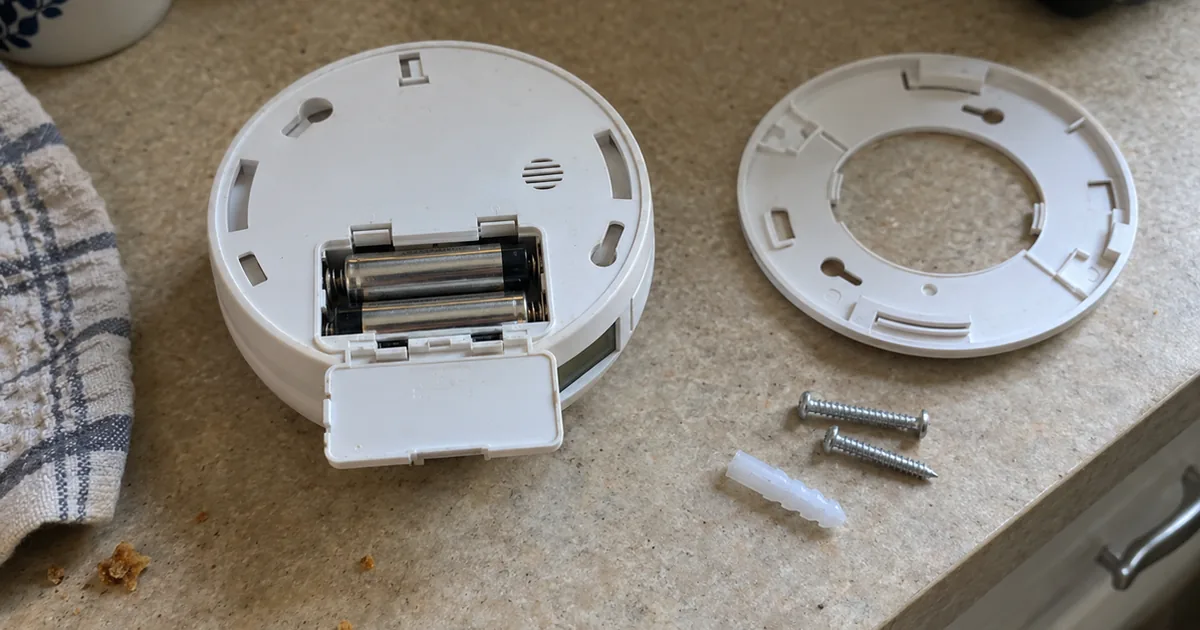
“Smoke and carbon monoxide detectors.”
Those categories apply to single-family and two-family dwellings. The list matters because it defines the starting point for the remote-inspection option. A project does not qualify merely because it takes place at a house or involves electrical work.
The heat pump water heater language includes some electrical-system work tied to that installation. The photovoltaic category includes systems with an alternating current nameplate rating less than or equal to 15 kilowatts, along with energy storage systems.
The list also includes reroofs, even though a reroof inspection presents a different set of visible conditions than a heat pump or solar inspection. Smoke and carbon monoxide detectors are included as their own category.
Solar-heavy markets are where this list matters most in practice. A buyer looking at a home with a recent solar tie-in in a city like Chula Vista or San Jose will run into this exact list of covered project types when a seller mentions a recent permit.
For code-edition context, see InspectionRE’s article on the 2025 California Building Standards Code and home inspections. AB 1738 changes how certain local agencies may inspect covered work. It does not turn a permit inspection into a general evaluation of the home.
The first remote inspection starts at the street
The most concrete preparation detail in the statute is also the easiest one to miss.
The protocols must require that “the video or photo inspection begins at the street, clearly showing the property address at the front of the building or proof of location.”
In practice, the camera does not begin on the new equipment. It begins at the curb or street. The person conducting the inspection needs to show the property address at the front of the building, or show proof of location, before moving toward the work.
Then walk the camera to the project. Show the exterior location of the heat pump equipment, the reroof area, the photovoltaic system, the storage equipment, or the detector installation. The inspector must be able to “adequately observe the work.”
AB 1738 permits two remote-inspection methods: “Videoconferencing” or “Recorded photos and videos.”
Those are different workflows. Videoconferencing allows the inspector to direct the person holding the camera and request another view while the inspection is underway. Recorded photos and videos allow the work to be documented and submitted for review under the local agency’s protocol.
The law does not say that one method must be available in every situation or that every agency will use the same instructions. Local protocols still control the process. The required street-to-address beginning gives homeowners and contractors one fixed point to prepare for.
Have the address ready to show. Have the camera charged. Start at the street. Show the address or proof of location. Then move to the permitted work and give the inspector a clear view of the installation.
An inspector can stop the remote inspection
Remote inspection is not an automatic approval path.
The law requires protocols that allow the inspector to “terminate that remote inspection and require that the inspection be conducted in person if the inspector cannot verify compliance with applicable codes or regulations via the remote inspection.”
That power answers the most important question about difficult camera views. If the inspector cannot verify compliance, the remote inspection can end. The inspection can then proceed in person.
A poor view of the work can create that problem. So can an area the camera cannot reach, an installation detail hidden behind another component, or a condition that cannot be compared properly with the applicable code requirements. The statute does not promise that a recorded file or live video will be accepted simply because it was submitted.
The covered list also does not include general panel work. Electrical alterations tied to a covered heat pump water heater installation are included in the heat pump water heater category. General alterations to a main electrical panel are not listed as their own covered project type.
Do not tell a homeowner that AB 1738 makes a whole electrical panel remotely inspectable. The statute does not say that. Read the work against the listed project category, then ask the local agency how it will apply its protocol.
The remote option cannot cost more or take longer
The statute contains a direct restriction on the local agency’s handling of remote inspections.
“A local agency shall offer a remote inspection at no greater cost and with no greater delay than in-person inspection.”
That language is an accountability mechanism. A jurisdiction cannot offer remote inspection as a nominal option and then make it more expensive or slower than an in-person inspection to discourage its use.
The comparison is to in-person inspection. The remote inspection cannot carry a higher cost, and it cannot create a greater delay than the in-person process.
The statute excerpt provided for this update does not set out a separate enforcement process for a homeowner who believes a local agency failed to meet that requirement. It does establish the standard the local agency must meet.
The timing still matters. A local agency does not have to offer the new option before its applicable compliance date. Once the agency is required to comply, the remote inspection must be offered on the statutory cost and delay terms.
Agents should separate two questions when discussing a permit with a client:
- Has this local agency reached the applicable AB 1738 compliance date?
- If it has, is the remote inspection being offered at no greater cost and with no greater delay than an in-person inspection?
Those questions are more useful than simply telling a buyer or seller that California has passed a remote-inspection law.
A permit inspection is not a private home inspection
AB 1738 changes an inspection method. It does not change the purpose of a permit inspection.
A permit inspection under AB 1738, whether in person or remote, asks whether the installed equipment met the code in effect on the permit application date. It does not tell you how the whole house performs together. It does not evaluate components the permit did not cover. It does not substitute for a private home inspection during a purchase.
That distinction remains the same whether the inspector stands at the property or reviews a live video feed. A remote permit inspection may confirm visible compliance for the permitted work. It does not create a report on the condition of the rest of the home.
A buyer may be looking at a house with a permitted heat pump water heater, a permitted solar system, or a completed reroof. The permit inspection answers a limited code-compliance question about that project. The buyer still needs a separate evaluation of the home’s condition and operation.
InspectionRE offers same-day digital reports. That gives a buyer or seller a way to compare what a permit inspection’s remote video walkthrough covers against what an actual InspectionRE home inspection covers on the same day.
The two inspections serve different purposes. One is tied to a permit and the code in effect on the application date. The other addresses the home inspection scope selected for the transaction. Do not use the first as a replacement for the second.
The distinction also appeared in the earlier AB 1738 coverage. It remains the most important limit to explain when a client hears that a local agency may inspect by video.
AB 1738 answers four practical questions
Is AB 1738 in effect right now?
The law has been signed and chaptered, but the new remote-inspection requirement is not available for every permit today. The earliest compliance date is January 1, 2028, and qualifying larger jurisdictions may have until July 1, 2028. A local agency with fewer than 5,000 residents, or a county with fewer than 150,000 residents, is outside this section.
What is the earliest date it applies?
January 1, 2028, for a local agency that is not a qualifying city or county and is not covered by the population exemption.
That date is not the launch date for every jurisdiction. Qualifying cities and counties have until July 1, 2028.
Does AB 1738 cover my whole electrical panel?
No. The covered list does not include general panel work. Electrical-system alterations tied to a covered residential heat pump water heater project are included in that listed category. Do not extend that language to unrelated or general panel alterations.
Can my jurisdiction refuse a remote inspection?
An inspector can require an in-person inspection if the inspector cannot verify compliance with applicable codes or regulations through the remote inspection. The statute also requires the remote option to be offered at no greater cost and with no greater delay than an in-person inspection once the local agency must comply.
What should be visible first?
The inspection should begin at the street. The video or photo inspection must clearly show the property address at the front of the building or proof of location. After that, the camera should move to the permitted work so the inspector can adequately observe it.
The next step is to check the local permit process
AB 1738 is now Chapter 271, but it is not a same-day homeowner benefit. For a permit being planned now, do not promise a remote inspection. Check the local agency, the project category, and the applicable compliance date.
For a transaction involving permitted solar, heat pump, or reroof work, keep the permit inspection separate from the private home inspection. If a remote inspection becomes available, prepare the street-to-address opening, use the method the local agency accepts, and expect an in-person inspection if compliance cannot be verified.
Read the original AB 1738 remote-inspection article alongside this final-status update. For related California inspection and disclosure context, see the 2025 California Building Standards Code article and the article on AB 455 and thirdhand smoke disclosure.
A second permit-process law followed on September 29, 2026. SB 908 requires cities and counties to approve same-size residential window replacements administratively, and our explainer on SB 908’s window replacement rules covers what that does and does not change.
If you are buying or selling, review what an InspectionRE inspection includes and the InspectionRE FAQ. If the property is in Oakland, use the Oakland service-area page to start the inspection request. Ask for the home inspection separately from the permit inspection, and use the same-day digital report to keep those two questions from being confused.
Two more laws signed on September 30, 2026 touch the same equipment: SB 868 on plug-in balcony solar, which skips utility interconnection for certified devices, and AB 1684 on HOA air conditioning bans.
Heat pump conversions may also come through AB 2313’s gas service line alternatives program.
A second 2026 change to who inspects what: AB 2058 and private installation inspections for factory-built homes.
A separate heat-pump-only law signed ten days later goes further on permits: SB 222 caps heat pump permit fees and requires asynchronous inspections from July 2027.