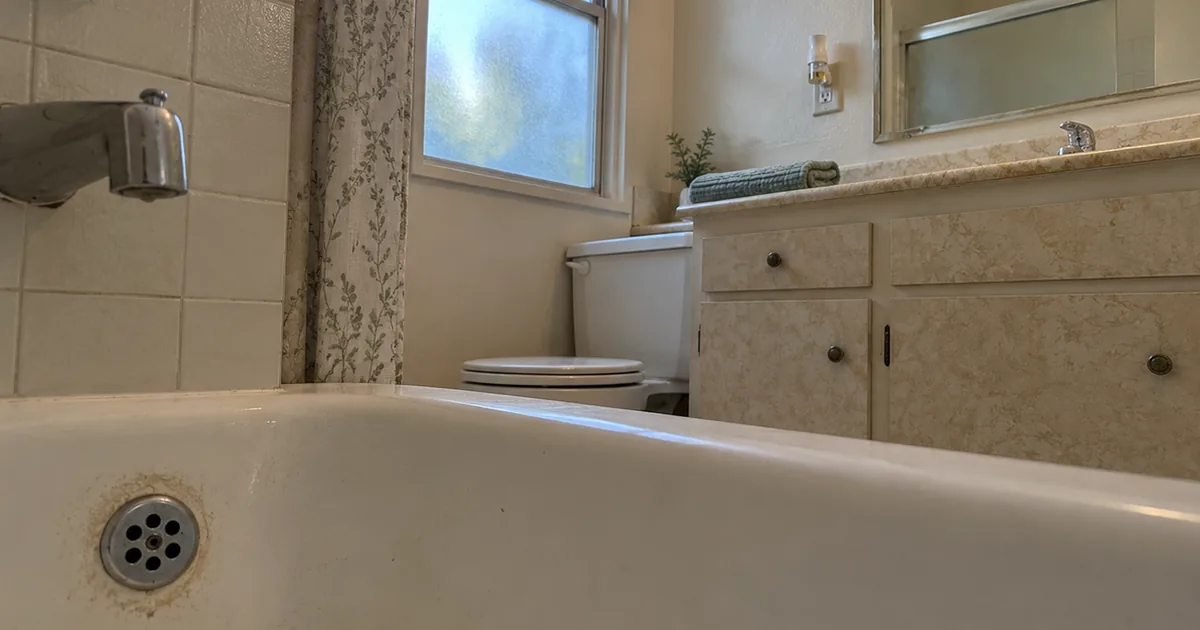
A vacant listing in an older tract has a plug-in air freshener in the guest bathroom outlet. At the front door, there is a faint rotten-egg smell that the listing agent no longer notices.
The inspector runs water in the guest tub. Within minutes, the smell fades. The mystery is a dry trap.
At a different house, the same first-minute smell does not fade. Inspection of that area stops until the gas utility arrives.
Same nose. Two very different days. Both are composites of situations we see, not two specific houses.
A smell is a direction, not a finding
A smell tells you where to look. It does not, by itself, establish what is wrong.
The InterNACHI Standards of Practice do not require an inspector to determine “the presence of evidence of rodents, birds, bats, animals, insects, or other pests,” “the presence of mold, mildew or fungus,” “the presence of airborne hazards, including radon,” “the air quality,” or “the existence of environmental hazards, including lead paint, asbestos or toxic drywall.”
The plumbing exclusions also say the inspector is not required to “inspect or test for gas or fuel leaks, or indications thereof.” The words “odor” and “smell” do not appear in the InterNACHI standards at all.
That does not make an odor useless. It tells the inspector where to spend the next few minutes. A sewer odor can lead to a dry drain trap, a failed toilet seal or a drain line that needs a sewer scope. A burning odor can lead to a furnace, a breaker, a receptacle or a combustion vent.
The odor is the direction. The visible moisture, heat discoloration, damaged seal or venting condition is what belongs in the report. If the odor points outside the inspection scope, the report should name that boundary and the next call: a pest control operator, plumber, HVAC professional, utility or mold assessor.
Your nose stops working within minutes
The first minute at the front door is usually the best time to notice a persistent odor.
Research published in Scientific Reports in 2017 describes habituation as “an unconscious reduced responsiveness to continuous or repetitive stimulation.” SoCalGas calls the gas version “olfactory fatigue,” meaning a “normal, temporary inability to distinguish an odor after a prolonged exposure to it.”
The person who lives there may not smell the odor at all. The listing agent who has been inside all afternoon may be the least useful nose in the room. An inspector who has been in the house for three hours can miss what was obvious at entry.
SoCalGas also warns that an odor can be masked by “cooking, damp, musty or chemical odors” and by “odor fade.” A candle, food, cleaning product or damp crawlspace can compete with the odor you need to identify.
Hydrogen sulfide creates another problem. ATSDR says it “smells like rotten eggs” and that people usually detect it at low concentrations ranging from 0.0005 to 0.3 parts per million. At about 100 ppm, people can lose the ability to smell it after 2 to 15 minutes. The odor then becomes an ineffective hazard warning.
Write down the smell in the first minute. Write down the room, the side of the room and whether it was stronger near a drain, appliance, wall, outlet or cabinet. Tell the inspector at the start of the inspection, before the odor becomes background noise.
Do not wait until the final walkthrough to say, “There was something strange in the guest bath.” By then, the useful timing may be gone.
Rotten egg can mean three different things in a house
A rotten-egg odor can point to natural gas, sewer gas or a hot-water problem. The location and timing separate them.
Natural gas carries an added odorant. PG&E describes it as “sulfur or a rotten egg type of smell.” If you suspect natural gas, do not turn electrical appliances or lights on or off. Do not use a device that can cause a spark. Do not smoke, light a match or create any other flame.
SoCalGas says: “IMMEDIATELY evacuate the area and CALL” the utility at 1-800-427-2200 from a safe location, or call 911. PG&E says to call 9-1-1 and PG&E, and to avoid matches, flashlights and other possible ignition sources.
A gas odor stops the inspection of that area. It is not a “note it and move on” item. Inspectors are not required to test for gas leaks. The utility or a licensed plumber confirms the source.
Sewer gas can enter through a dry trap. Mt. View Sanitary District explains that the p-trap on each drain “traps” water, creating a seal or barrier that keeps sewer gas out. On a rarely used drain, “the water creating the protective seal will eventually evaporate.” That “can allow stinky sewer gas to seep into your home.”
Vacant listings and guest bathrooms are common places to find dry traps. Running water in each fixture is part of a normal inspection. If the smell stops after the guest tub, sink or shower is used, the dry trap is the direction the inspector follows.
If the odor continues at a toilet, a failed wax ring or flange can allow sewer odor into the room. See this guide to toilet flange and subfloor damage in Winnetka for that specific source.
If the odor continues through the house, the drain line becomes the question. A sewer scope can inspect the line beyond what a standard home inspection can see. Buyers can read about whether a sewer scope is worth it in California.
A rotten-egg odor only in hot water points somewhere else. Minnesota Department of Health says, “Hydrogen sulfide gas (H2S) can give water a ‘rotten egg’ taste or odor.” The water heater’s anode rod, usually magnesium and installed to reduce corrosion, can help convert sulfate to hydrogen sulfide.
Smell the cold tap first. Then smell the hot tap at the same sink. If only the hot water has the odor, the water heater is the direction to investigate. Do not let anyone simply pull the anode rod: the Minnesota Department of Health warns that “Removal of the anode, however, may significantly decrease the life of the water heater.” The water heater installation guide for agents in Thousand Oaks explains why that decision belongs with the right professional.
Burning smells separate by where they come from
A brief burning smell on the first furnace run of the season can be dust. A burning electrical smell can be an electrical problem. Exhaust or combustion odor at an appliance points to venting and combustion air.
Trane says accumulated dust can ignite when the furnace first runs, often producing a burning plastic smell. The smell should clear after a short run. Late October and November are when California furnaces often fire for the first time, so the timing matters.
A smell that continues is different. Trane says, “A burning electrical odor emanating from your heater could indicate a severe electrical problem.” If you suspect an electrical issue is causing the burning smell, turn off the unit and contact a licensed HVAC professional.
Electrical odors can come from hot insulation, a breaker, a receptacle or an appliance. The Electrical Safety Foundation International says overheated wires can give off “an odor of hot insulation.” Switch plates or receptacle covers that are hot to the touch or discolored from heat buildup need attention.
NFPA’s electrical safety checklist tells homeowners to call a qualified electrician for discolored or warm wall outlets and for “A burning or rubbery smell coming from an appliance.”
During an inspection, the inspector removes the electrical panel cover where safe and looks for heat discoloration at breakers and conductors. An infrared camera can show an abnormally warm breaker or receptacle while it is under load. A recalled electrical panel and breaker guide for California homes covers the visible panel clues that matter.
A combustion smell is not the same as dust or hot insulation. Exhaust or combustion gases spilling at a water heater or furnace point toward venting, backdrafting and combustion air. The backdrafting and combustion air guide for Norwalk agents addresses that inspection question. A furnace heat exchanger also has inspection limits, as explained in this California furnace inspection guide.
Inspection.re inspectors carry a FLIR infrared camera and a moisture meter. The report arrives the same day with photos tied to each location. An odor you mention at 9 a.m. becomes a traced condition or a named specialist in the report by that evening. That is how we work in Norwalk, in Bellflower and across the rest of California.
A moldy smell sends the inspector looking for water
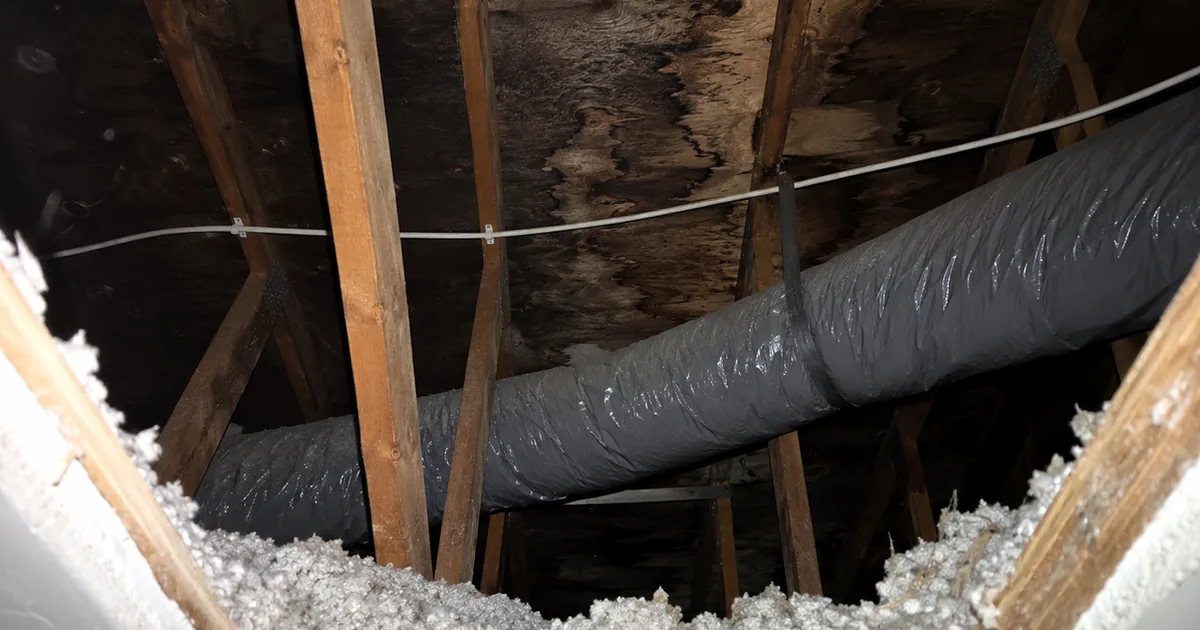
A moldy smell sends the inspector toward moisture sources, not toward a conclusion that mold is present.
The EPA says, “You may suspect hidden mold if a building smells moldy, but you cannot see the source.” It also says, “In most cases, if visible mold growth is present, sampling is unnecessary.”
The inspection starts with the places where water commonly collects or enters. That includes under sinks, around tubs and toilets, at exterior walls and in crawlspaces. The inspector looks for visible staining, damaged materials, plumbing leaks, drainage problems and conditions that explain the odor.
Infrared can show temperature patterns consistent with moisture behind a finished surface. A moisture meter then confirms or rules out moisture at the location. Infrared does not identify mold. A meter does not identify mold. They help decide whether the odor has a visible or measurable moisture source.
Testing is a separate decision. Surface testing and air testing answer different questions, and neither replaces looking for the water source. Read about mold air testing versus surface testing in California before ordering a test simply because a room smells wrong.
A mold assessment is also different from a standard home inspection. Buyers and agents can review the mold assessment scope for National City homes and request an inspector through the National City service area.
Animal and ammonia odors are a pest call and a cleanup warning
An ammonia-like odor in a garage, attic or under a sink points toward animal activity, even though pests are outside the required inspection scope.
The InterNACHI exclusions say the inspector is not required to determine the presence of rodents, birds, bats, animals, insects or other pests. An inspector can still report an observed condition, such as droppings, nesting material, damaged insulation or an odor in a specific area.
The next call is a pest control operator. Do not sweep or vacuum droppings during a showing. CDC hantavirus guidance says to open all doors and windows for 30 minutes before cleaning to ventilate the space, then leave the area during that time.
CDC also says sweeping or vacuuming droppings can cause tiny droplets containing viruses to get into the air. Cleanup requires a bleach solution of “1.5 cups of household bleach in 1 gallon of water,” or one part bleach to nine parts water. Let it soak for five minutes.
That is cleanup guidance, not a reason to start cleaning during an inspection. Tell the inspector where the odor was strongest and whether droppings or nesting material were visible. Keep people out of the area until the appropriate professional gives instructions. In a rented house, the tenant can often tell you how long a smell has been there, one more reason to plan a tenant-occupied inspection carefully.
Sulfur plus black copper is the rare pattern worth naming
A sulfur odor paired with blackened copper in a home with drywall installed between 2001 and 2009 is a pattern worth naming as possible problem drywall.
CPSC lists “Blackening of copper electrical wiring and/or air conditioning evaporator coils” and “Drywall installed between 2001 and 2009” among its identification steps. CPSC studies identified elevated levels of hydrogen sulfide in problem drywall homes.
This pattern is rare in California. The smell alone does not identify problem drywall. The installation years alone do not identify it. The useful observation is the combination of sulfur odor, blackened copper and the CPSC time period.
The inspector can document visible blackening at accessible receptacles, wiring or the air-conditioning evaporator coil. A buyer should then follow the CPSC identification steps and obtain the appropriate specialist evaluation.
Read the Chinese drywall detection guide for home inspections before treating a sulfur smell as proof. The visible copper condition is what changes the next call.
Air fresheners, candles and fresh paint are questions, not defects
A plug-in air freshener, a candle or fresh paint in one closet is not a defect by itself.
It is a reason to ask what the scent is covering and to come back to that room with a fresh nose. The inspection report should not call a candle or air freshener a defect. It should identify any visible condition found after the scent is noticed or removed.
Ask whether the smell is confined to one room. Check the room again after the candle is out and the plug-in is removed. Compare the first entry odor with the smell after several minutes.
Tobacco odor can survive cleaning because residue remains on surfaces. That is different from a current smoker being present on inspection day. The California thirdhand smoke disclosure guide explains the lingering residue issue.
Fresh paint limited to one wall, closet or ceiling does not prove anything was concealed either. It tells you where to look for water staining or patched damage, and what to ask the seller through the disclosure process.
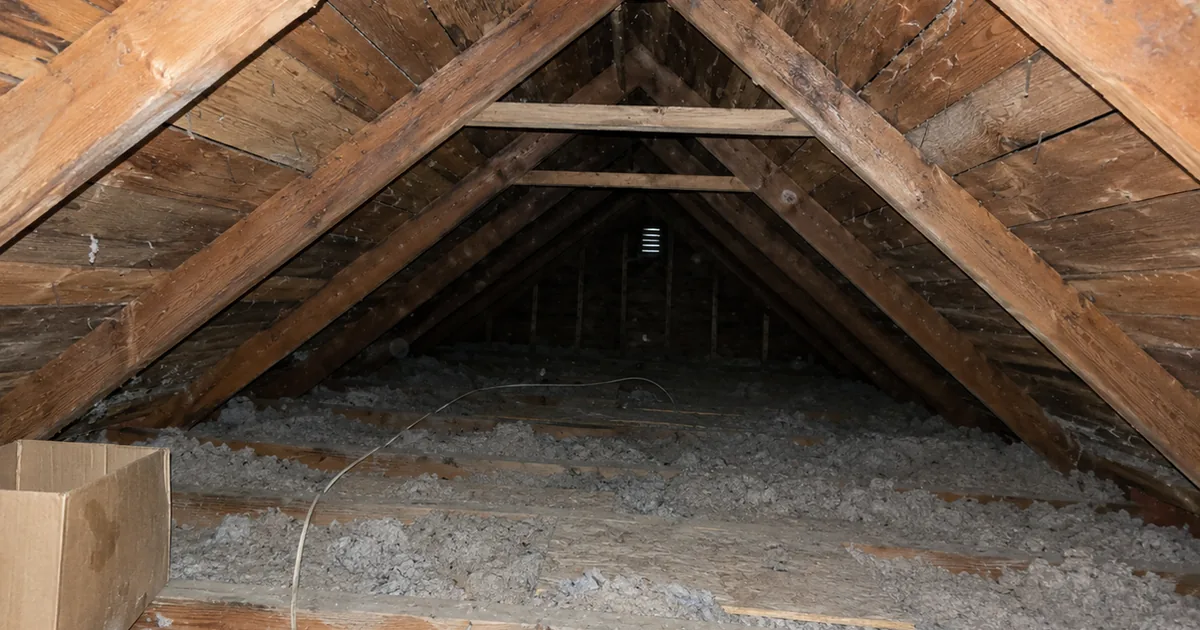
A musty smell near a bathroom can start in the attic when an exhaust duct blows into it; the attic hatch guide shows what that looks like from the opening.
What should you do before removing the contingency?
Six steps, in order.
-
Write down the smell and the room during the first minute. Use plain words such as rotten egg, hot insulation, exhaust, moldy or ammonia-like, and note whether it was near a drain, appliance, outlet, wall or cabinet.
-
Tell the inspector at the start, not at the end, before habituation makes the odor harder to find.
-
If it smells like gas, leave and call the utility from a safe location. Do not wait for the report, do not switch anything on or off, and do not create a flame.
-
Ask the inspector to run every fixture, including the guest bath and the laundry. A dry trap explains an odor that stops once water restores the seal. If the odor remains at a toilet or throughout the house, the next questions change.
-
Read the report for the room you flagged. Check whether it names a visible condition, a specialist or “not determined.” That tells you whether the inspection traced the direction or reached an inspection limit.
-
Book the specialist inside the contingency period: a plumber, HVAC professional, pest control operator or sewer scope provider.
On your next inspection, record the odor at the door and say it out loud before the inspector starts. Review what is included, the Inspection.re FAQ and how findings appear in our inspection report, or call Inspection.re at 1-888-88-INSP-9.
If the smell is exhaust or soot near a gas appliance, our carbon monoxide guide for Concord homes explains the sources behind it and who checks what.