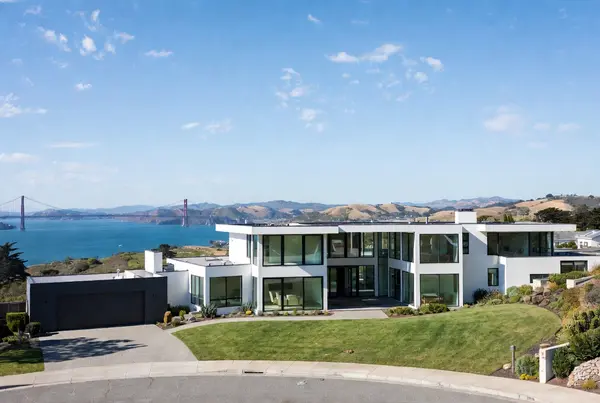
Home Inspection in Piedmont, CA
2,523 of Piedmont's housing units were built in 1939 or earlier, 64.1 percent of the stock, and 86.5 percent predates 1960. This is the oldest concentrated stock in our East Bay coverage.
Piedmont's adopted 2023-2031 Housing Element describes a city surrounded on all sides by Oakland, built out since the 1960s, with over 93 percent of its housing single family and only 55 units permitted in the past decade. The largest share of the stock, 2,523 units, was built in 1939 or earlier, and 86.5 percent of it predates 1960 against 39.2 percent countywide. The Element also names wildfire as the City's most significant environmental hazard, records that the City sits less than half a mile from the Hayward fault, and notes that the State-designated Special Study Zone for that fault stops just east of City limits. Very old houses, real shaking exposure, and a disclosure map that will read clean is a specific kind of inspection, and it is the one we run here.
We inspect across all of Piedmont
We cover all of Piedmont: Central Piedmont around the Civic Center and Highland Avenue, the streets off Grand Avenue, the hill blocks toward Moraga Canyon and Blair Park, the southeastern slopes where the mapped fire hazard exposure is greatest, Crocker Avenue and the estate parcels around it, Wildwood Avenue, Oakland Avenue and the blocks along the Oakland boundary. Area names in common local use are treated as informal, widely recognized areas rather than officially bounded planning districts we have independently verified.
We also serve nearby Oakland, Berkeley, Emeryville, Alameda, Albany, Kensington, and the broader San Francisco Bay Area across Alameda County. Same premium package, same same-day report, same $300 discount.
What's included on every inspection
We do not break the premium tools out as add-ons. Charging extra for infrared and drone creates a bad incentive. Everything below is standard.
3D Matterport virtual tour with findings tagged inside it
Walk the home from anywhere; every finding links to its exact 3D location. Built for second-home and remote buyers.
Drone roof inspection
Aerial imaging of every roof slope, and a documented look at large or steep roofs, towers, and view decks where ladder access is unsafe, without foot-traffic risk on the roofing.
FLIR infrared thermal scanning
Catches moisture behind walls and ceilings and maps insulation gaps, plus electrical hot spots at the panel and accessible circuits.
LIDAR floor plan
Accurate to-scale floor plan of the entire interior. MLS-ready for listings.
Same-day inspection report
Delivered by email after the inspection ends with photos, the 3D tour link, drone imagery, infrared callouts, the LIDAR floor plan, and a prioritized findings list.
$300 discount applied automatically
Not a coupon code. Just our standard pricing.
The Piedmont-specific issues we actually look for
The oldest housing stock we work in the East Bay, on a city that names wildfire as its own biggest hazard. This is how we work it.
Two in three houses predate 1940, and almost nine in ten predate 1960
Piedmont's adopted 2023-2031 Housing Element carries the number that decides how we work here. The largest share of the housing stock was built in 1939 or earlier, 2,523 units, roughly 64.1 percent. Layer on the next two decades and 86.5 percent of Piedmont's housing was built before 1960, against 39.2 percent for Alameda County as a whole. At the other end, only 23 units, 0.6 percent of the stock, have been built since 2010, where the county figure is 3.2 percent. The Element also records that over 93 percent of the stock is single family and that only 55 units were permitted in the past ten years. This is the oldest concentrated housing stock we work anywhere in the East Bay, and it is older than Albany's, which is the next closest. A Piedmont inspection is not a general inspection that happens to be on an old house. It is an old-house inspection from the first minute.
The City allows original materials and methods, and that changes the report
Most cities quietly push an owner toward current materials whenever a wall opens up. Piedmont's General Plan does the opposite in writing. Policy 2.5, Use of Original Materials, allows the use of original materials and methods of construction when alterations to homes are proposed, unless a health or safety hazard would occur. That policy exists to protect the character of a city where most houses are ninety years old or more, and we think it is a reasonable policy. It also means that when we open a 1925 house that was altered in 2015, we cannot assume the alteration brought current assemblies with it. So we look harder at the joint between eras. We check where original knob-and-tube or early cloth-insulated wiring was left in place behind a renovation rather than removed, whether three-prong receptacles actually carry an equipment ground, where galvanized supply meets newer copper or PEX, how an added bathroom was vented and drained, and whether a structural alteration was made with a header and posts that carry load to something. We report which findings are safety, which are maintenance, and which are simply original and still doing their job.
Wildfire is the City's own named top hazard, not ours
We are not editorialising about fire risk here. Piedmont's Housing Element says it plainly: wildfire is Piedmont's most significant environmental hazard. Over a third of the City's residential area sits in a Fire Hazard Severity Zone, with increased exposure in the southeast where over nine percent of the City is in a Very High Fire Hazard Severity Zone. The Element notes that parts of Piedmont carry similar landscape character to the area burned in the 1991 Oakland Hills Fire, whose southern extent nearly reached the City's open spaces along Upper Moraga Canyon. The 2019 Local Hazard Mitigation Plan records mitigation already done, including improved hydrants, backup water sources and undergrounding of utilities in the very high zones. What that means during an inspection is that we pay particular attention to the roof covering and its condition, to attic and foundation vent screening, to whether the eaves are open or boxed, to combustible material stored under decks, and to what has been planted or piled in the first five feet around the structure. We do not certify defensible space compliance, and the new statewide Zone 0 rule has not taken effect, but a Piedmont buyer should know which side of the severity line the parcel falls on before removing a contingency.
The Hayward Fault is under half a mile away, and the disclosure zone stops at the city line
This is the most useful thing on this page and the easiest one to get wrong. Piedmont's Housing Element states that the City is less than half a mile from the Hayward fault and would be subject to severe shaking in a major earthquake, and then adds that the State-designated Special Study Zone associated with the Hayward Fault does not extend within Piedmont and ends just east of City limits. Read those two sentences together. A Piedmont property will generally come back with no Alquist-Priolo fault-rupture zone disclosure, because the mapped zone genuinely stops short of the city, and that clean result says nothing at all about shaking. Surface rupture and ground shaking are different hazards with different maps. On a city where two thirds of the houses predate 1940, the shaking question is the one that matters, and it is answered in the crawlspace rather than on a disclosure form. We look at whether the house is bolted to its foundation, at the cripple wall and whether it has been braced, at post and girder bearing, at chimney condition where a masonry chimney is still in service, and at any water heater strapping. Piedmont does not claim the cripple-wall retrofit topic, which belongs to South Pasadena on this site, or the unreinforced masonry chimney topic, which belongs to Glendale. What Piedmont owns is this specific combination: severe shaking exposure, the oldest stock in the county, and a disclosure map that will look reassuring.
The City runs its own sewer collection system, and EBMUD runs the lateral rule
Piedmont is an unusual split worth understanding before escrow. The Housing Element records that sewer infrastructure services are provided by the City while water services are provided by the East Bay Municipal Utility District. At the same time Piedmont sits inside EBMUD's Regional Private Sewer Lateral ordinance, alongside Alameda, Albany, Emeryville, Oakland, Kensington, El Cerrito and the Richmond Annex, with Berkeley running a separate program of its own. That ordinance is triggered by buying or selling a property, by building or remodeling in excess of $100,000, or by changing the size of your water meter. So the lateral becomes an escrow item on a Piedmont sale, on stock where the lateral is frequently as old as the house. Two things are worth knowing. A Compliance Certificate is issued when a lateral passes a pressure test, which answers one narrow question and is silent on pitch, on roots, on a belly in the line and on remaining service life. And the buried lateral is outside a standard home inspection by written standard. We locate and report the cleanout where one is visible, note what the fixtures and crawlspace suggest, and tell you plainly when a camera is worth ordering before your contingency closes. On this stock, it usually is.
A city surrounded by Oakland, with a complaint-based record
Piedmont is surrounded on all sides by the City of Oakland, has been built out since the 1960s, and has no potential for annexation. That geography explains the market and it also explains the paperwork. The Housing Element notes that buildings are typically inspected only when permits are obtained, or when complaints or suspected violations are reported, and that the City estimates about one code enforcement complaint a year, not localised in any part of the city. We are not arguing with that assessment, and the Element separately records that Piedmont contains no hazardous material sites. The point is narrower: a low complaint rate is a statement about a city, not a record of your house. Ninety years of ownership changes, alterations and repairs do not show up in a complaint count. They show up in the framing, the panel, the pipe and the roof, which is what we are there to read. Oakland next door is a far larger and more varied market with its own hill-fire history; Berkeley up the road runs its own lateral program and its own older-stock story; Alameda across the estuary is a different build era on flat ground. What Piedmont owns is the combination on this page: the oldest stock, the named wildfire hazard, and a fault that is close without being mapped underneath.
Pay at Closing — available in Piedmont
Most inspectors require payment on the day of the inspection. We let you defer the inspection fee until your transaction closes through escrow.
- ●Zero upfront payment required to book.
- ●Full premium inspection delivered today: Matterport, drone, infrared, LIDAR.
- ●$300 discount still applied.
- ●Inspection fee is collected from escrow when the deal closes.
Three ways to schedule
Buyer inspection
Same-day turnaround keeps you inside the contingency window with time for specialty inspectors when the report calls for one. The report is leverage in negotiation.
Schedule a Buyer Inspection →Pre-listing inspection (sellers)
Find issues before the buyer does. The 3D Matterport tour and LIDAR floor plan double as MLS-ready listing assets.
Schedule a Pre-Listing Inspection →Realtor concierge
Same-day reports keep your timelines clean. The 3D tour and floor plan work directly with MLS. Pay-at-Closing removes inspection-fee friction. RESPA Section 8 is a hard line and we don't cross it.
Realtor Booking →How the inspection actually runs
- 01
You schedule online or by phone
Usually one to three days out. Same-day and next-day available for tight contingency timelines.
- 02
We confirm access
With the agent or property manager. Buyers are welcome and encouraged to attend.
- 03
One visit, all the tech
Visual walkthrough, drone roof flight, 3D Matterport scan, LIDAR pass, and infrared sweep all happen during the same visit.
- 04
The full report arrives the same day
By email, with photos, drone imagery, infrared callouts, the 3D tour link, floor plan, and a prioritized findings list.
- 05
You can walk through the findings with us
By phone or in person. For sellers, we can issue an updated report after repairs are made.
Frequently asked questions
The listing says the house was built in 1923. Is that a problem in Piedmont?
The disclosure says the property is not in an earthquake fault zone. Does that mean it is safe?
Is my Piedmont house in a fire hazard severity zone?
Do I need a sewer lateral certificate to buy or sell in Piedmont?
Is the sewer lateral part of your inspection?
The kitchen was remodeled recently. Does that mean the systems were updated?
Can you tell me whether the addition was permitted?
How long does an inspection take in Piedmont?
Other service areas
San Jose, CA
Bay Area. Postwar tract housing at scale, annexation-era permit gaps, downtown and creek-corridor liquefaction, Willow Glen Eichlers, no city pre-sale requirement.
See area →Santa Clara, CA
Bay Area. 1950s stock reaching end of life together, Silicon Valley Power service rules, citywide liquefaction zone, expansive clay, condos and townhomes.
See area →Fremont, CA
Bay Area. Five historic townships with five build eras, the Hayward Fault through the middle of town at its junction with the Calaveras, no lateral ordinance.
See area →San Mateo, CA
Bay Area peninsula. Mandatory point-of-sale sewer lateral inspection, bay mud settlement, no fault zone, 2024 flood-map revision, six housing eras.
See area →San Francisco, CA
Bay Area headquarters. Wood-frame Victorian and Edwardian stock, ~45% pre-1940, fog-belt moisture, soft-story garage openings, re-clad walls, and the 3R records gap.
See area →Oakland, CA
Bay Area. Pre-war flatland bungalows and Victorians, hillside downslope construction, Hayward Fault creep, 1991 fire rebuild areas, sewer lateral certificate at sale.
See area →Daly City, CA
Bay Area peninsula. Doelger split-level Westlake tracts, living space over garage, extreme fog-belt moisture, San Andreas proximity, coastal bluff erosion.
See area →Beverly Hills, CA
Greater LA. The Flats 1920s Spanish Revival estates, Trousdale mid-century modern, hillside and gated homes. Santa Monica Fault, landslide zone, luxury-estate scope.
See area →Malibu, CA
Greater LA coast. Septic/OWTS Point-of-Sale scope, Woolsey fire + insurance crisis, beachfront bluff and pilings, canyon landslide. Point Dume to Big Rock.
See area →Pasadena, CA
Greater LA historic. Bungalow Heaven Craftsman, masonry chimneys, cripple-wall retrofit, Raymond Fault, and the Eaton Fire foothill corridor.
See area →San Diego, CA
Anchor city — coastal moisture, canyon drainage, older urban homes, downtown condos, military moves, and North City tracts. All 52 community areas.
See area →Temecula, CA
Anchor city — Wolf Creek to De Luz wine country. Expansive clay, Elsinore Fault, WUI fire zones, hot-summer HVAC stress.
See area →Murrieta, CA
Master-planned community specialists. Bear Creek to Spencer's Crossing. HOA-aware reporting, Chinese drywall checks.
See area →La Jolla, CA
Premium coastal. Mount Soledad slope and Rose Canyon fault, bluff corrosion, luxury estates, historic Village stock. 14 neighborhoods.
See area →Coronado, CA
Island city. Historic Village cottages, 1970s Shores condos, Cays waterfront. Aggressive salt-air, military relocation, flood exposure.
See area →El Cajon, CA
East County value market. 1950s-60s midcentury ranch stock, hot-valley HVAC stress, wildfire-edge checks, Fletcher Hills and Rancho San Diego.
See area →Poway, CA
The City in the Country. Over 75% Very High fire hazard. Cedar Fire and Witch Fire history. Older ranch homes to hillside estates with well-and-septic.
See area →Escondido, CA
Older homes, hillside lots, wildfire-zone properties. North San Diego County, 1950–1985 housing stock.
See area →Wildomar, CA
Rural lots, equestrian properties, older country homes. Well-and-septic experience, SW Riverside foothills.
See area →Lake Elsinore, CA
Elsinore Fault Zone, lakeside cottages, WUI hillsides. From 1920s Lakeshore Drive to Tuscany Hills tracts.
See area →Carlsbad, CA
Coastal salt-air, three-lagoon corridors, La Costa polybutylene era. Village cottages to Robertson Ranch new construction.
See area →Oceanside, CA
Coastal salt-air, Camp Pendleton moves, Fire Mountain hillsides, South O cottages, and Rancho Del Oro tract homes.
See area →Menifee, CA
Sun City 55-plus accessibility scope, Audie Murphy Ranch master plan, Mello-Roos CFD awareness, and hot-summer HVAC sizing checks.
See area →Encinitas, CA
Cardiff bluff stability, Coastal Commission jurisdiction, Olivenhain equestrian properties, and five distinct communities from 1920s cottages to Encinitas Ranch tracts.
See area →Chula Vista, CA
South Bay coverage. Eastlake and Otay Ranch master-planned systems, Mello-Roos and CFD awareness, older west-side stock, and hot-summer HVAC on the eastern slopes.
See area →Riverside, CA
Inland Empire county-seat anchor. Historic Wood Streets and Mission Inn-area old homes, Canyon Crest hillsides, Orangecrest tracts, and hot-summer HVAC.
See area →Vista, CA
Inland North County. Shadowridge aging tracts, Buena Creek rural-edge lots, older downtown homes, wildfire-edge readiness, and inland HVAC load.
See area →San Marcos, CA
North County Inland. San Elijo Hills fire zone, Mello-Roos, Twin Oaks rural lots, Lake San Marcos 55+.
See area →La Mesa, CA
Jewel of the Hills. 1920s Village bungalows, Mount Helix slope estates, older systems, sewer-scope market.
See area →National City, CA
Second-oldest county city. Brick Row historic core, Mills Act, dense older stock, military/relocation.
See area →Santee, CA
East County valley. San Diego River flood exposure, Carlton Hills and Carlton Oaks aging tracts, hot-valley HVAC, wildfire-edge slopes, and manufactured-home stock.
See area →Lemon Grove, CA
Postwar East County. 1940s-60s ranch and Spanish-style homes, aging systems near end of life, sewer lateral issues, trolley-corridor multi-unit stock, and East County summer HVAC.
See area →Imperial Beach, CA
Southwest coastal. Salt-air corrosion, FEMA flood zones, high water table, older beach cottages, Tijuana River Valley awareness, and bayside condos.
See area →Solana Beach, CA
North County coastal. Blufftop erosion and seawall awareness, Coastal Commission jurisdiction, Cedros Village cottages, Lomas Santa Fe slope homes, and salt-air corrosion checks.
See area →Del Mar, CA
Premier coast. Bluff erosion + LOSSAN rail, lagoon flood, Coastal Commission, Olde Del Mar estates, luxury scope.
See area →Canyon Lake, CA
Gated lake community. 1970s-90s housing stock, hillside and waterfront lots, Elsinore Fault proximity, HOA-aware reporting.
See area →Perris, CA
Two markets in one city. Historic Downtown Perris railroad stock and new tracts on expansive clay. Post-tension slabs, hot-summer HVAC.
See area →Fallbrook, CA
Rural estates, avocado groves, well-and-septic dependence, WUI fire zones. De Luz to the Village core. Outbuilding and ag infrastructure scope.
See area →Bonsall, CA
San Luis Rey valley equestrian estates, river floodplain, well-and-septic, hillside custom homes, WUI fire exposure. Gated enclaves and rural parcels.
See area →Hemet, CA
55+ communities and manufactured homes alongside 1960s-80s ranch stock moving through investor flips. San Jacinto Fault proximity, extreme-heat HVAC.
See area →San Jacinto, CA
San Jacinto Fault Zone, Alquist-Priolo disclosure, 2000s boom-tract construction, river floodplain, expansive soils. Seismic and water exposure combined.
See area →Rancho Santa Fe, CA
Estate-grade inspections. Covenant Lilian Rice adobes, multi-structure parcels, septic on estate scale, eucalyptus WUI fire exposure, historic layered additions.
See area →Los Angeles, CA
Greater LA anchor. Hillside foundations and caissons, a dozen active faults, soft-story retrofit ordinance, and a century of building eras from Craftsman to new infill.
See area →Long Beach, CA
Greater LA coast. Newport-Inglewood Fault and 1933 quake legacy, Wilmington oil-field methane zones, Naples waterfront, historic Craftsman and Spanish stock.
See area →Santa Monica, CA
Greater LA premium coast. Santa Monica Fault, citywide seismic retrofit ordinance, bluff above PCH, soft-story condos, salt-air corrosion.
See area →Irvine, CA
Orange County. Master-planned villages, graded-pad expansive-soil settlement, stucco wall systems and window flashing, tile-roof underlayment, HOA and Mello-Roos.
See area →Newport Beach, CA
Orange County coast. Waterfront seawalls and docks, high tidal water table, FEMA flood zones, salt-air corrosion, Newport-Inglewood Fault, luxury rebuilds.
See area →Huntington Beach, CA
Orange County coast. Newport-Inglewood Fault, oil-field wells and methane overlays, liquefaction-zone soil, salt air, Huntington Harbour waterfront.
See area →Anaheim, CA
Orange County. Postwar tract boom, mid-century systems, asbestos-era materials, aging panels and plumbing, Anaheim Hills slopes, Santa Ana River soil.
See area →Santa Ana, CA
Orange County. Historic districts, pre-1980 stock, clay sewer laterals and root intrusion, original wiring, galvanized supply, asbestos-era materials.
See area →Fullerton, CA
Orange County. Historic Golden Hills, Sunny Hills and Raymond Hills slopes, Craftsman and mid-century stock, masonry chimneys, original systems.
See area →Tustin, CA
Orange County. Old Town historic core, 1990s Tustin Ranch copper-era tracts, dual-pane window seal failures, North Tustin hillside estates.
See area →Orange, CA
Orange County. The largest historic district in California, Eichler mid-century tracts, postwar ranches, masonry chimneys, copper and dual-pane aging.
See area →Costa Mesa, CA
Orange County. Eastside cottages and mid-century tracts, dual-pane window seal failures, copper pinhole leaks, heavy remodel and permit questions.
See area →San Bernardino, CA
Inland Empire. San Andreas and San Jacinto faults, valley liquefaction, cripple-wall seismic readiness, older and postwar stock, extreme inland heat.
See area →Rancho Cucamonga, CA
Inland Empire. Post-tension slab foundations, Cucamonga Fault foothills, alluvial-fan drainage, stucco systems, tile-roof underlayment, master-planned tracts.
See area →Ontario, CA
Inland Empire. Historic Euclid Avenue downtown and the Ontario Ranch master-planned new-build south, expansive soil, stucco moisture, inland heat.
See area →Burbank, CA
Greater LA. Studio-era 1920s-1950s stock, lead paint and asbestos-era materials, unreinforced masonry chimneys, aging electrical and plumbing, Verdugo foothills.
See area →Glendale, CA
Greater LA. Historic and foothill homes, unreinforced masonry chimneys, Sierra Madre and Verdugo faults, hillside wildfire, slope and debris flow.
See area →La Cañada Flintridge, CA
Greater LA. Foothill WUI wildfire and debris flow, Sierra Madre fault, custom hillside and older homes, masonry chimneys, slope and retaining.
See area →Arcadia, CA
Greater LA. New luxury teardown-rebuilds, graded-pad and fill settlement, Raymond fault, foothill fire, older Santa Anita stock.
See area →San Marino, CA
Greater LA. Architect-designed 1920s-1930s Period Revival estates, undersized original electrical, masonry chimneys, Raymond fault, mature trees.
See area →Sierra Madre, CA
Greater LA. Historic foothill town, WUI wildfire exposure, unreinforced masonry chimneys, canyon-lot slope and drainage, older systems.
See area →South Pasadena, CA
Greater LA. Pre-1940 Craftsman stock, raised foundations and cripple walls, the Raymond fault, older electrical, plumbing, and heating.
See area →Alhambra, CA
Greater LA. 1920s-1940s bungalow and Spanish stock, original gravity heating, raised foundations, undersized electrical, dense historic neighborhoods.
See area →Monrovia, CA
Greater LA. Old Town Victorians and Craftsman, raised foundations, foothill wildfire exposure, masonry chimneys, aging older-home systems.
See area →Torrance, CA
Greater LA / South Bay. Postwar slab tracts, the Torrance oil field and methane context, the Hollywood Riviera coast, Old Torrance bungalows.
See area →Manhattan Beach, CA
Greater LA / South Bay. Multi-level Sand/Tree/Hill section homes, roof decks and balconies, deck waterproofing, salt air, sandy soil.
See area →Redondo Beach, CA
Greater LA / South Bay. The Avenues, Hollywood Riviera, King Harbor condos and townhomes, coastal corrosion, decks, hillside slope.
See area →Sherman Oaks, CA
Greater LA / San Fernando Valley. Mid-century modern and ranch homes, flat roofs, post-and-beam, radiant slabs, hillside lots south of the boulevard.
See area →Encino, CA
Greater LA / San Fernando Valley. Sprawling ranch and mid-century estates, Encino Hills, pools and spas, flat roofs, hillside slope, large systems.
See area →Van Nuys, CA
Greater LA / San Fernando Valley. Postwar ranch tracts, garage conversions and unpermitted additions, older systems, multifamily and rental stock.
See area →Thousand Oaks, CA
Ventura County / Conejo Valley. Master-planned tracts and hillside custom homes, graded pads, oak-studded slopes, wildland-urban fire exposure.
See area →Simi Valley, CA
Ventura County. Terraced hillside tracts on cut-and-fill pads, old landslide deposits and earth movement, valley-floor slabs over deep alluvium, fire edge.
See area →Camarillo, CA
Ventura County / Oxnard plain. High water table and ground moisture, former farmland, hillside Camarillo Heights, slab and crawlspace dampness.
See area →Culver City, CA
Greater LA Westside. 1920s Spanish and post-war tracts, Culver Crest hillside, Fox Hills condos, Inglewood Oil Field context, mixed-era systems.
See area →West Hollywood, CA
Greater LA. Dense older multifamily, 1920s courtyard buildings, SB 326 balcony law, condo conversions, soft-story seismic, older systems.
See area →Brentwood, CA
Greater LA Westside. Brentwood Park flat-lot estates, Mandeville and Sullivan canyons, Crestwood Hills mid-century, slope, fire exposure, and large older systems.
See area →Pacific Palisades, CA
Greater LA coast. Canyon and bluff homes, Castellammare slope history, wildfire exposure, heavy rebuilds, hillside foundations, and coastal salt air.
See area →Corona, CA
Inland Empire. South Corona hillside master-planned tracts, Green River wind corridor, historic Grand Boulevard circle, fire-edge exposure, and expansive clay.
See area →Fontana, CA
Inland Empire. North Fontana master-planned tracts and older south-side post-war stock, summer heat, Cajon Pass wind on roofs, and expansive soil.
See area →Garden Grove, CA
Orange County. 1950s-60s post-war slab tracts, aging systems, original sewer laterals and root intrusion, unpermitted additions and conversions.
See area →Hermosa Beach, CA
Greater LA / South Bay. Sand Section walk streets, the Strand, Sleepy Hollow, Hill Section, salt air, multi-level coastal structure and waterproofing.
See area →Palm Springs, CA
Coachella Valley. Movie Colony, Twin Palms, Vista Las Palmas mid-century modern homes, pools, extreme HVAC load, and vacation-rental wear.
See area →Fountain Valley, CA
Orange County. 1960s-70s slab tracts, high water table history, Green Valley pools, aging original systems, and compact build-out era.
See area →Chino Hills, CA
Inland Empire. Hillside master-planned tracts, slope and drainage, seismic faults from the 2008 quake, wildfire canyon edge, and expansive clay.
See area →Moreno Valley, CA
Inland Empire. Tract new construction and older Sunnymead stock, extreme summer heat on HVAC, expansive clay, and wind off the passes.
See area →Yorba Linda, CA
Orange County. Hillside and equestrian estates, wildfire and Santa Ana wind exposure, pools and outbuildings, slope, and mixed-era systems.
See area →Eastvale, CA
Inland Empire. Newer master-planned tracts on former dairy land, settlement and soil movement, extreme heat, and near-universal leased solar.
See area →Mission Viejo, CA
Orange County. Mature master-planned tracts from the 1970s-1990s, aging first-generation systems, hillside slope, pools, and HOA-aware reporting.
See area →Redlands, CA
Inland Empire. Historic Victorian and Craftsman stock, masonry chimneys, San Andreas fault foothills, wildfire edge, and expansive clay.
See area →Aliso Viejo, CA
Orange County. 1990s-2000s master-planned tracts and condos on hillside pads, canyon wildfire exposure, shared structures, and aging first-gen systems.
See area →Laguna Niguel, CA
Orange County. Hillside master-planned tracts, slope and landslide history, drainage, canyon fire edge, pools, and aging systems.
See area →Lake Forest, CA
Orange County. Older El Toro stock, Foothill Ranch and Portola Hills fire-edge tracts, Baker Ranch new builds, slope, and heat.
See area →Northridge, CA
Greater LA / San Fernando Valley. 1994 earthquake context, 1950s-1960s ranch tracts, Sherwood Forest estates, Balboa Highlands Eichlers, hot-valley HVAC stress.
See area →Tarzana, CA
Greater LA / San Fernando Valley. Hillside estates south of the boulevard, slope and fire exposure, valley-floor ranch homes, pools, extreme heat.
See area →Woodland Hills, CA
Greater LA / San Fernando Valley. Valley-floor ranch tracts, south-of-the-boulevard hillside estates, Warner Center condos, extreme heat, fire edge.
See area →Canoga Park, CA
Greater LA / San Fernando Valley. Original-townsite bungalows, post-war ranch tracts, Warner Center condos, aging systems, extreme heat.
See area →Porter Ranch, CA
Greater LA / San Fernando Valley. Hillside master-planned homes on graded pads, Santa Susana Mountains fire exposure, newer-build defects, older ranch tracts.
See area →Reseda, CA
Greater LA / San Fernando Valley. Post-war tract homes on the flat valley floor, aging systems, extreme heat, flat-lot drainage, 1994 quake context.
See area →Chatsworth, CA
Greater LA / San Fernando Valley. Rocky Santa Susana hillside lots, equestrian parcels and outbuildings, wildfire exposure, mixed-era tracts.
See area →West Hills, CA
Greater LA / San Fernando Valley. Simi Hills wildland edge, 1960s-1990s tracts, pools, slope and drainage, extreme heat.
See area →Winnetka, CA
Greater LA / San Fernando Valley. Post-war tract homes, aging systems, decades of additions, flat-lot drainage, extreme heat.
See area →North Hollywood, CA
Greater LA / San Fernando Valley. Pre-war Lankershim-era bungalows, duplexes and income property, ADUs and garage conversions, new transit-adjacent construction.
See area →Studio City, CA
Greater LA / San Fernando Valley. Canyon hillside lots south of Ventura Boulevard, pre-war character homes on the flats, teardown-and-rebuild market.
See area →Valley Village, CA
Greater LA / San Fernando Valley. 1930s-1940s Spanish and ranch homes, new two-story rebuilds, mature trees, boulevard condo stock.
See area →Granada Hills, CA
Greater LA / San Fernando Valley. 1950s-1960s ranch tracts, the Balboa Highlands Eichler enclave, equestrian foothill lots, 1994 quake history.
See area →Mission Hills, CA
Greater LA / San Fernando Valley. Older modest homes around the San Fernando Mission, raised foundations, additions, the foothill rise.
See area →North Hills, CA
Greater LA / San Fernando Valley. Post-war tracts, dense small multifamily, garage conversions and additions, central-valley heat.
See area →Arleta, CA
Greater LA / San Fernando Valley. Flat post-war starter tracts, flips that hide original systems, decades of additions and garage conversions.
See area →Panorama City, CA
Greater LA / San Fernando Valley. First planned post-war community, dense soft-story apartment stock, condo conversions, added square footage.
See area →Sylmar, CA
Greater LA / San Fernando Valley. Foothill and alluvial-fan lots, real earthquake history, equestrian north end, post-war tract stock.
See area →Pacoima, CA
Greater LA / San Fernando Valley. Older and post-war stock, heavy additions and garage conversions, industrial-adjacent edge near Whiteman Airport.
See area →Lake Balboa, CA
Greater LA / San Fernando Valley. Flat 1950s tracts near the Sepulveda Basin, higher water table, drainage and crawlspace moisture.
See area →Downey, CA
Greater LA / Gateway Cities. Post-war and aerospace-era tracts, mid-century stock, decades of additions, and clay soil on a flat plain.
See area →Lakewood, CA
Greater LA / Gateway Cities. Mass-produced early-1950s tract, near-identical floor plans, attached garage conversions, original-era systems.
See area →Toluca Lake, CA
Greater LA / San Fernando Valley. Pre-war period-revival character homes, mature tree canopy, estate properties near the private lake.
See area →Bellflower, CA
Greater LA / Gateway Cities. Compact post-war stock on small lots, heavy small-multifamily and back-unit density, garage conversions, original-era systems.
See area →Norwalk, CA
Greater LA / Gateway Cities. Large uniform post-war tracts, long-tenure homes with original systems, freeway-corridor context, flat-lot drainage.
See area →Whittier, CA
Greater LA / Gateway Cities. Historic Uptown character homes, the 1987 Whittier Narrows quake, Friendly Hills slopes, and post-war flats.
See area →Ready to schedule your Piedmont home inspection?
Same-day reports. Full premium tech package. $300 discount applied automatically. Pay at closing available.
Questions first? Call 1-888-88-INSP-9 (+1-888-884-6779) or message us through the schedule page. We respond same day.
More from our inspectors
Cripple Walls and Raised Foundations
Reading the crawlspace on a pre-war raised-foundation house.
Knob and Tube Wiring
What survives in the walls of a 1920s house.
Galvanized and Cast Iron Plumbing
Original supply and drain material at the end of its service life.
Masonry Chimneys and Earthquakes
The original chimney on a house that will shake.
What Zone 0 Actually Requires
The first five feet, on a city that names wildfire as its top hazard.
Smoke Damage in a House That Did Not Burn
What a nearby fire can leave inside a surviving home.
Wildfire Insurance and Home Hardening
What carriers are rating on hill-adjacent property.
Is a Sewer Scope Worth It?
What a Compliance Certificate does and does not tell you.
Sewer Laterals and Root Intrusion
How an old clay lateral actually fails.
Lead Paint in Pre-1978 Homes
What a visual inspection can report, and what needs testing.
Is a Pre-Listing Inspection Worth It?
Selling a ninety-year-old house in a market that inspects hard.
Oakland Home Inspections
The much larger market that surrounds Piedmont on every side.
Berkeley Home Inspections
Older East Bay stock running its own separate lateral program.
Albany Home Inspections
The next-oldest concentrated stock in our East Bay coverage.
Emeryville Home Inspections
The opposite housing profile, two miles away.
Kensington Home Inspections
1930s hill houses under the same lateral ordinance.