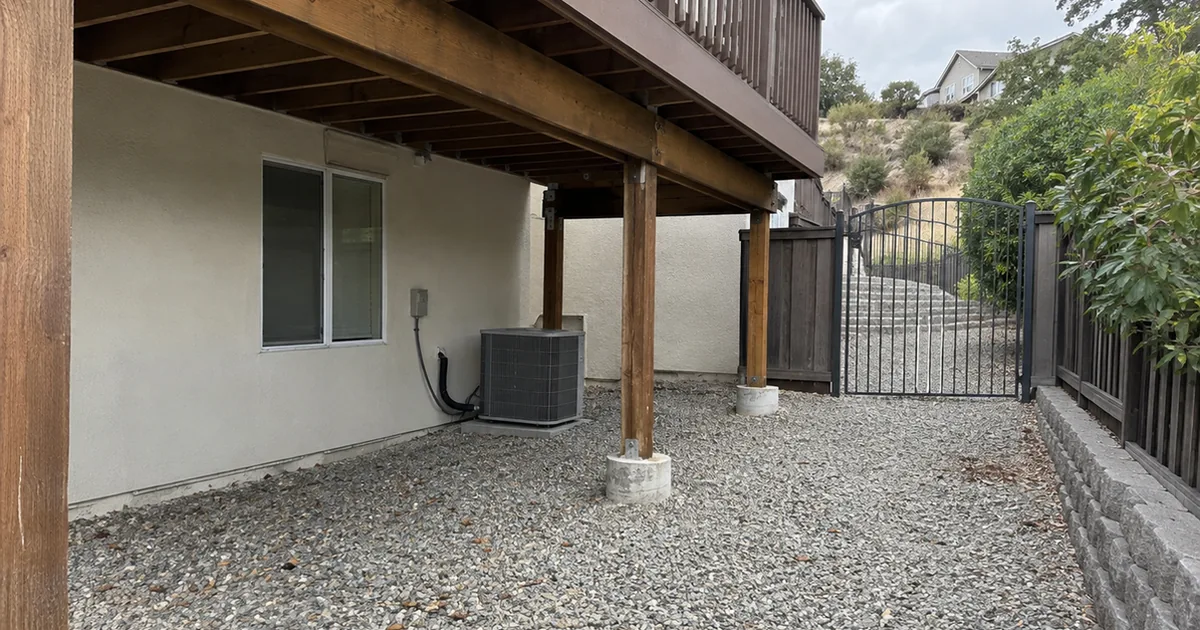
The Rail That Fails Quietly: A Chino Hills Guard and Stair Guide for Agents
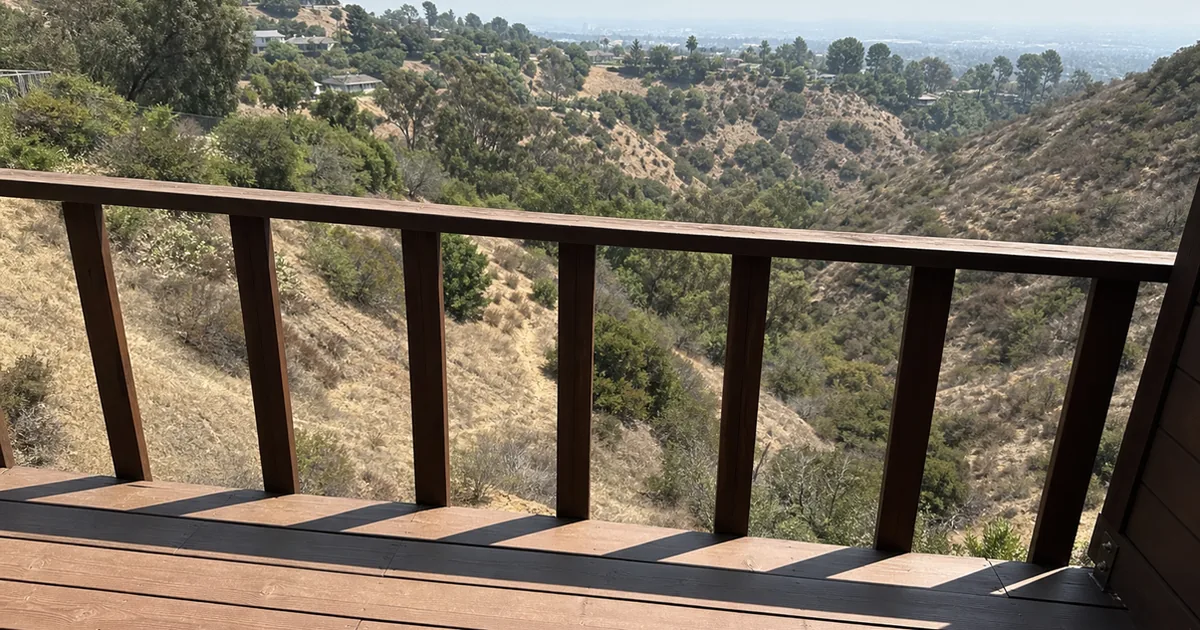
The house was a two-story hillside home in one of the Chino Hills tracts, backing onto a slope with a raised deck off the family room that looked out over the whole canyon. It was a beautiful spot, and the buyers pictured their morning coffee out there before they finished the walk-through. The deck was maybe nine feet above the downhill grade, and the wooden guard around it had balusters spaced wide enough that I could pass my whole forearm between them. The top rail sat lower than my hip.
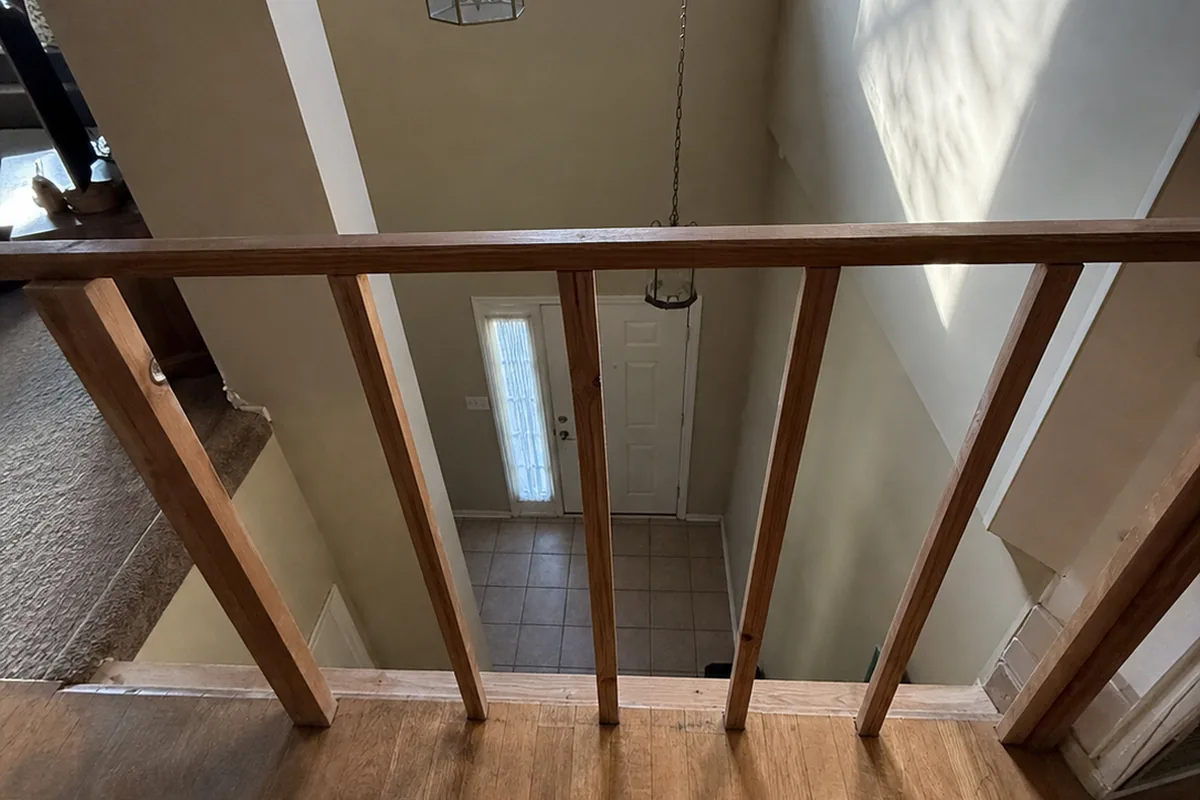
Inside, the staircase told the same story. The handrail ended two steps short of the bottom and was a flat two-by-four turned on edge, nothing a hand could actually wrap around, and the guard along the open side of the upstairs landing had the same generous gaps as the deck. None of it was falling apart. It all looked solid and intentional. It just would not do the one job a guard and a handrail exist to do, which is keep a person, and very often a small child, from going over an edge or down a flight of stairs.
That is the thing about guards and handrails. They are the most common life-safety finding we write up on Chino Hills homes, and the same hillside multi-level stock runs through neighboring Ontario and Rancho Cucamonga too. They are the easiest finding for a buyer to walk past, because a rail that is too low or too open does not look broken. It looks like a rail.
Why this matters for the agent
Here is what is at stake, and it is not about money. A guard keeps people from falling off a raised surface. A handrail keeps people from falling down stairs. These are fall-protection assemblies, and the falls they prevent are the kind that send people to the hospital, especially children and older buyers. Every other finding in an inspection is a repair bill. This one is an injury waiting for the wrong moment.
Chino Hills makes this an agent’s issue specifically because of how the city is built. This is hillside country, full of two-story and multi-level homes on graded pads, with raised decks and balconies cantilevered out over downhill slopes, split-level interiors, and in the custom estates, grand open staircases and high landings. Every one of those is a place where a guard or a handrail is doing real work, and a great many of them were built before the current rules, or were added later by a deck contractor or a flipper who did not know the numbers. An agent who can look at a deck rail and a staircase and know whether they are safe is protecting the buyer and their kids from a genuine hazard, and protecting themselves from selling a home that was represented as move-in ready when it had a fall risk on the back of it.
What a guard and a handrail actually have to do
The rules sound fussy until you realize every one of them came from someone getting hurt. They break into a few simple ideas.
A guard is required wherever a walking surface, a floor, a deck, a balcony, a landing, or the open side of a staircase, is more than thirty inches above what is below it. That is the trigger. Once you are more than thirty inches up, there has to be a barrier. On a residence that guard has to stand at least forty-two inches high, which is roughly to an adult’s waist or a little above. A rail at hip height or lower is not a guard, it is a handrail pretending to be one, and people lean on it and go over.
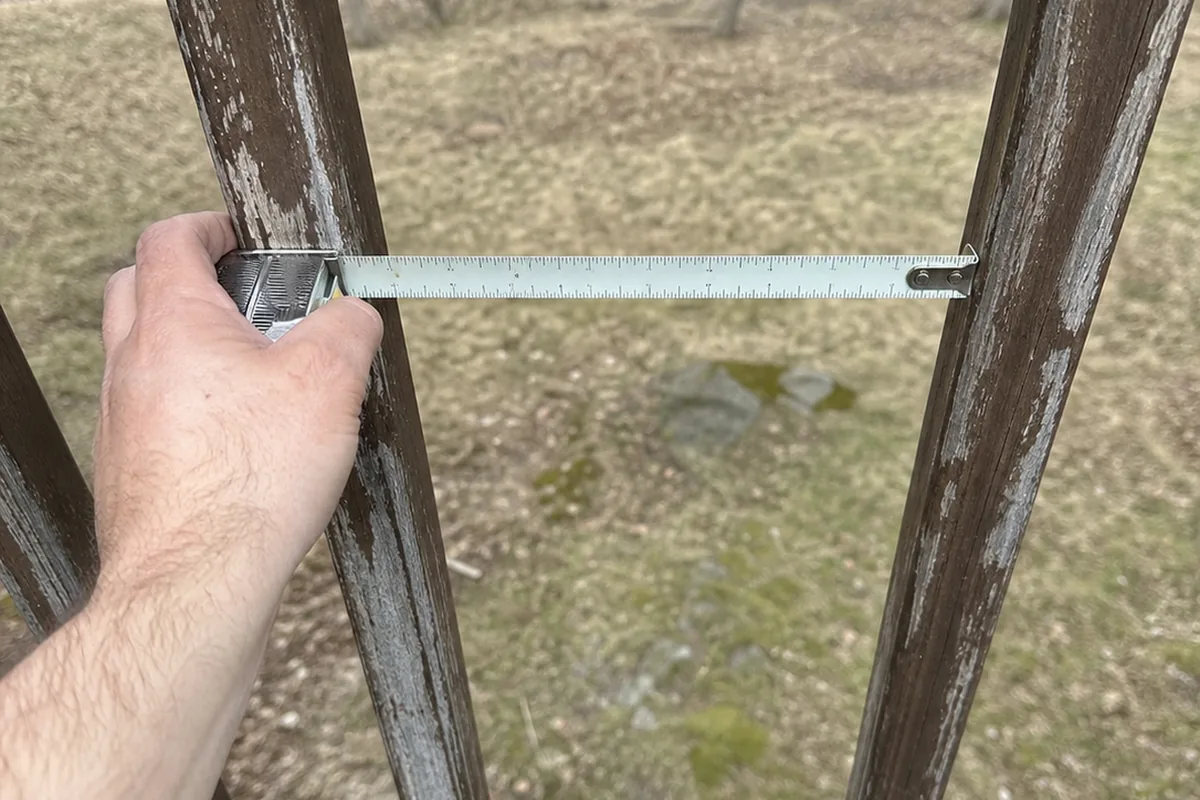
The openings in that guard matter as much as its height, and this is the one buyers never think about. The infill, the balusters or the panels, has to be tight enough that a four-inch sphere cannot pass through anywhere. Four inches is about the size of a soda can, and the rule exists because a small child’s body follows their head, and a gap that passes a four-inch ball can pass a toddler. Wide-spaced balusters, horizontal rails a child can climb like a ladder, a missing baluster, a gap at the bottom, these are the failures we see constantly, and they are invisible to an adult who is only thinking about themselves leaning on the top.
A handrail is required on any stairway with four or more risers. It has to sit between thirty-four and thirty-eight inches above the stair nosings, it has to run continuously the full length of the flight, and it has to be graspable, which means a hand can actually close around it.
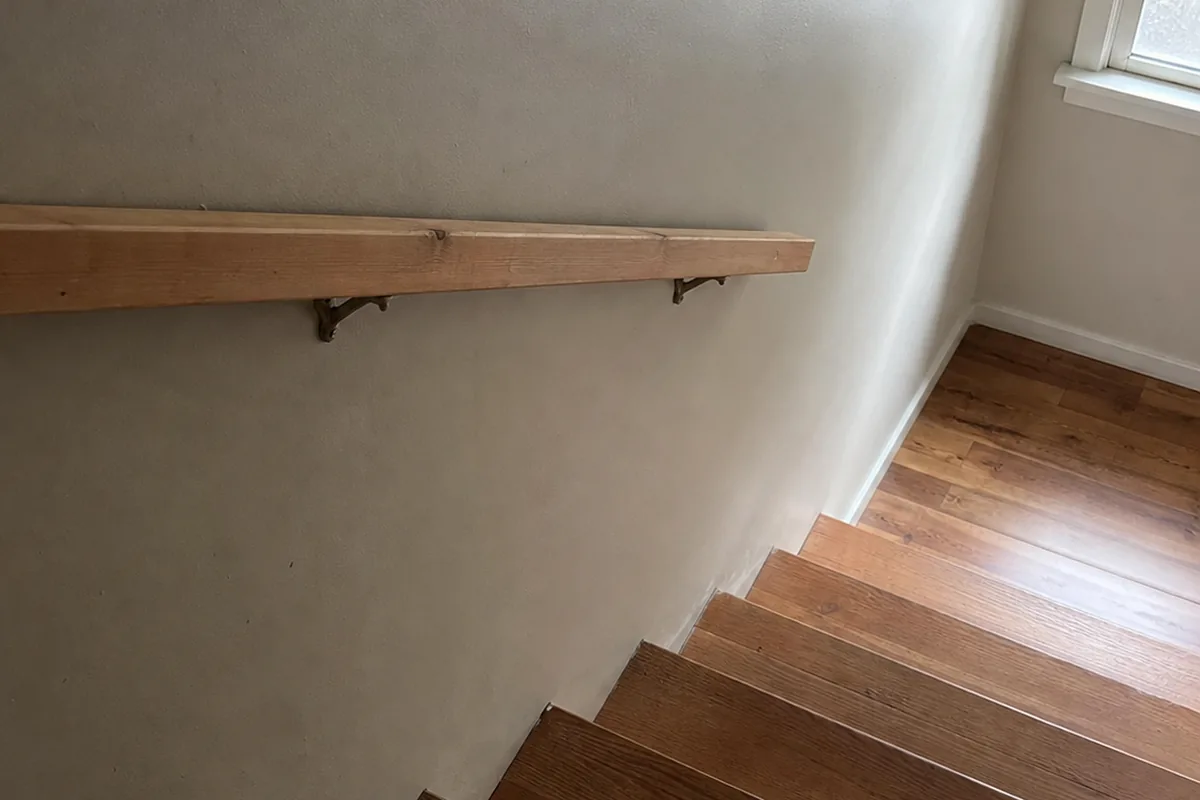
A round rail between an inch and a quarter and two inches across is graspable. A flat board on edge, a wide decorative cap, a two-by-four, is not, because in a fall your hand cannot grip it, and gripping it is the entire point. The rail is also supposed to return to the wall or a post at the ends, so a sleeve or a bag strap does not catch on an open end.
The stairs themselves have rules that keep people from tripping. The risers are not supposed to exceed about seven and three-quarter inches, the treads are supposed to be at least ten inches deep, and, importantly, they are supposed to be uniform, because the thing that trips people is not a tall step, it is one step that is different from the others. Where risers are open, the same four-inch-sphere rule applies if the stair is high enough off the ground.
What actually goes wrong in Chino Hills
The failures repeat, and once you have seen them you cannot stop seeing them.
The low deck guard is the headline. A raised deck or balcony over a downhill slope with a guard that is under forty-two inches, sometimes well under, because it was built to an older standard or built by eye. On a hillside lot the drop below that deck can be substantial, which is exactly where the height matters most.
Wide baluster spacing is the second, and it is the one with a child’s name on it. Balusters spaced more than four inches apart, or a guard built with horizontal rails that a toddler climbs like a ladder, or a decorative pattern with gaps that pass a four-inch ball. Beautiful ironwork and rustic wood rails are common offenders because the design came first and the spacing came second.
The ungraspable handrail is the third. A flat two-by-four, a wide flat cap, a wall-mounted board with no real profile, or a rail so close to the wall there is no room for fingers. It looks like a handrail and cannot be gripped in a fall.
The handrail that quits early is the fourth. A rail that starts a step or two down and ends a step or two up from the bottom, leaving the top and bottom steps, the ones people actually fall on, with nothing to hold. Or a rail with open ends that catch clothing.
Non-uniform and steep stairs are the fifth, common in older Los Serranos homes and in additions. One riser noticeably taller than the rest, a bottom step poured a different height, a stair built steeper than code, a landing missing where a door swings over a drop.
The missing guard is the sixth, and the most serious. An open side of a landing, a loft edge, a stair with an open side over a drop, a retaining-wall-top walkway or a raised patio on a hillside lot with nothing along the edge at all. On sloping lots these open drops are easy to create and easy to overlook.
One thing this article is not about, so the boundary is clear. Whether the deck structure itself is sound, the ledger, the posts, the framing, the waterproofing and dry rot, is a separate and important question, and our Manhattan Beach deck and balcony guide covers that side of it. Here we are talking specifically about the guard and the handrail as fall protection, the height, the spacing, and the grip. A deck can be structurally perfect and still have a guard that lets a child through.
Schedule a Chino Hills inspection →
What agents should tell every buyer
When a buyer is under contract in Chino Hills, give them these points before the inspection.
- On any raised deck or balcony, look at the height of the rail and the width of the gaps. Waist-high and tight is what you want. Hip-high and open is the finding.
- If there are kids in the picture, think about the four-inch rule. If a soda can fits through the rail, a toddler can too.
- Grab the stair handrail and try to wrap your hand around it. If you cannot close your grip on it, it is not doing its job.
- Follow the handrail to both ends. If it quits before the top or bottom step, the most dangerous steps have nothing to hold.
- Walk the whole hillside yard for open edges. Raised patios, retaining-wall tops, and deck stairs over a slope are where a missing guard hides.
- Know that these are usually inexpensive fixes. Raising a rail, tightening the balusters, and swapping in a graspable handrail are small dollars against what they prevent.
A buyer who hears this stops seeing decoration and starts seeing fall protection, which is what it is.
Red flags during showings
You can catch most of this without any tools at all. Watch for these in Chino Hills homes.
- A deck or balcony rail that sits at or below your hip, especially over a downhill slope.
- Balusters you can fit more than a few fingers between, horizontal rails a child could climb, or a visible gap at the bottom of a guard.
- A stair handrail that is a flat board, a wide cap, or anything your hand cannot wrap around.
- A handrail that starts or stops partway along the flight, or one with open ends.
- Stairs where one step feels different from the rest, or a flight that feels steep.
- An open side on a landing, a loft, or a raised patio with no guard at all.
- A newer deck or remodel where the rail style is clearly chosen for looks, with wide gaps.
If we see these, we document them and tell the buyer what they mean.
The negotiation playbook
When guard and stair findings surface in Chino Hills, the deal usually moves one of a few ways.
The first path is seller-corrects-the-simple-ones. Raising a low guard, adding balusters or an infill panel to close wide gaps, and swapping a flat rail for a graspable one are small, fast jobs. A cooperative seller should handle them, because these are inexpensive corrections to a safety item and there is rarely a reason to argue about a fall risk.
The second path is a credit for the corrective work. Where the fix means rebuilding a full deck guard to height, adding a handrail and returns to a whole staircase, or building a guard where none exists on a hillside edge, that is a modest contractor bid. Take the credit and do the work before anyone, especially a child, uses the space.
The third path is the missing guard on a real drop. When a landing, a loft, or a hillside deck has an open edge over a significant fall, this is not a cosmetic item to defer. The buyer should treat it as a must-fix before occupancy, and we will say so plainly, because an open edge over a nine-foot drop is not a negotiating chip, it is a hazard.
The fourth path is the non-conforming staircase in an older or added-onto home. Steep, non-uniform, or under-built stairs sometimes cannot be brought fully to modern numbers without a real rebuild, and the buyer needs to know that going in. Sometimes the right answer is a full stair correction, and sometimes it is improving what can be improved, a proper handrail, a guard, better lighting, while understanding the geometry. Either way they should know the scope before the contingency closes.
How the inspection actually catches it
This is a finding an inspection is built to catch, because guards and handrails are meant to be tested, not just looked at. We measure guard heights and baluster spacing rather than eyeballing them, and we check the four-inch-sphere rule where it applies.
We put a hand on every guard and push, because a rail at the right height that is loosely attached is still a failure, and a guard that flexes under a shove will not stop a falling body. We test handrail height, continuity, graspability, and the returns at the ends. We walk every stair for uniform risers and treads and for the trip points that come from a single odd step.
Then we walk the whole property for the edges people forget, the loft, the landing, the raised patio, the deck stair over a slope, the retaining-wall-top walkway that a hillside lot creates. On the decks, we read the guard as fall protection and the structure separately, and where the structure or the waterproofing is the concern rather than the rail, we route it accordingly. We write guard and stair findings in plain language and near the top of the report, because a life-safety item should never be buried where a buyer skims past it, which is exactly what our guide on how to read a home inspection report is about.
What we do not do is redesign your staircase or certify code compliance. A home inspector reports whether the guards and handrails are doing their fall-protection job and tells the buyer what needs a contractor. When a guard is missing over a real drop, we say so directly, because this is one finding where being clear matters more than being tactful.
Quick FAQ
How high does a deck or balcony guard have to be? On a residence, a guard is required wherever the walking surface is more than thirty inches above what is below, and it has to be at least forty-two inches high. A rail lower than that does not meet the safety standard, which matters most on hillside decks where the drop below can be large.
What is the four-inch rule? The openings in a guard have to be small enough that a four-inch sphere cannot pass through. It exists to protect small children, whose bodies can follow their heads through a gap that size. Wide-spaced balusters and climbable horizontal rails are the common ways guards fail it.
Why does the handrail shape matter? Because a handrail only helps if a hand can close around it in a fall. A round rail an inch and a quarter to two inches across is graspable, a flat board on edge or a wide decorative cap is not. It also has to run the full length of the stairs and return at the ends.
Are these expensive repairs? Usually not. Raising a guard, tightening baluster spacing, and installing a graspable handrail are small dollars. The larger jobs are building a guard where none exists or rebuilding a non-conforming staircase, which is exactly why knowing the scope before closing matters.
Is this the same as a deck being structurally safe? No. The guard is about keeping people from falling off, and the structure, the ledger, posts, framing, and waterproofing, is about the deck holding up, which our Manhattan Beach deck guide covers. A deck can be structurally sound and still have an unsafe rail, or the reverse, which is why we read them as separate questions.
The honest summary
Chino Hills puts people up in the air, on hillside decks over canyons, on high landings, on grand staircases, on raised patios at the top of a slope, and the guards and handrails around all of that are the assemblies that keep them from coming down the fast way. When those rails are too low, too open, or too smooth to grip, they still look like rails, which is exactly why buyers accept them without a second thought.
This belongs to the same family of quiet safety findings as an unbonded gas line and an expired smoke alarm, invisible until the day it matters; our Yorba Linda CSST gas-line bonding guide, our Ontario smoke and CO alarm compliance guide, and our Redlands GFCI and AFCI outlet protection guide cover the others. Chino Hills hillside lots also carry the Mission Viejo-style retaining wall and slope question wherever a graded pad creates a raised edge next to a wall rather than a rail. This is the finding that is not about money. It is about a child at a deck rail and an older buyer on a staircase. We will measure the heights and the gaps, push on every guard, test every handrail, walk the stairs and the hillside edges, and tell your buyer in plain words where the fall protection is real and where it only looks like it. The corrections are usually cheap. The protection is not something to negotiate away. That is the job.
Related reading
- Deck Ledger Attachment in Redondo Beach. Whether the deck structure itself is safely attached to the house, a separate question from the guard and handrail covered here.
- Driveway and Flatwork Trip Hazards in Lakewood. Another fall-and-trip-hazard subject, this time on the hardscape rather than the stairs and guards.
- California’s Balcony Inspection Deadlines: SB 721 and SB 326. Where elevated exterior stairs on a multifamily building get their own statutory inspection cycle.
See what every inspection includes → · Read our FAQ → · Explore Chino Hills home inspections →