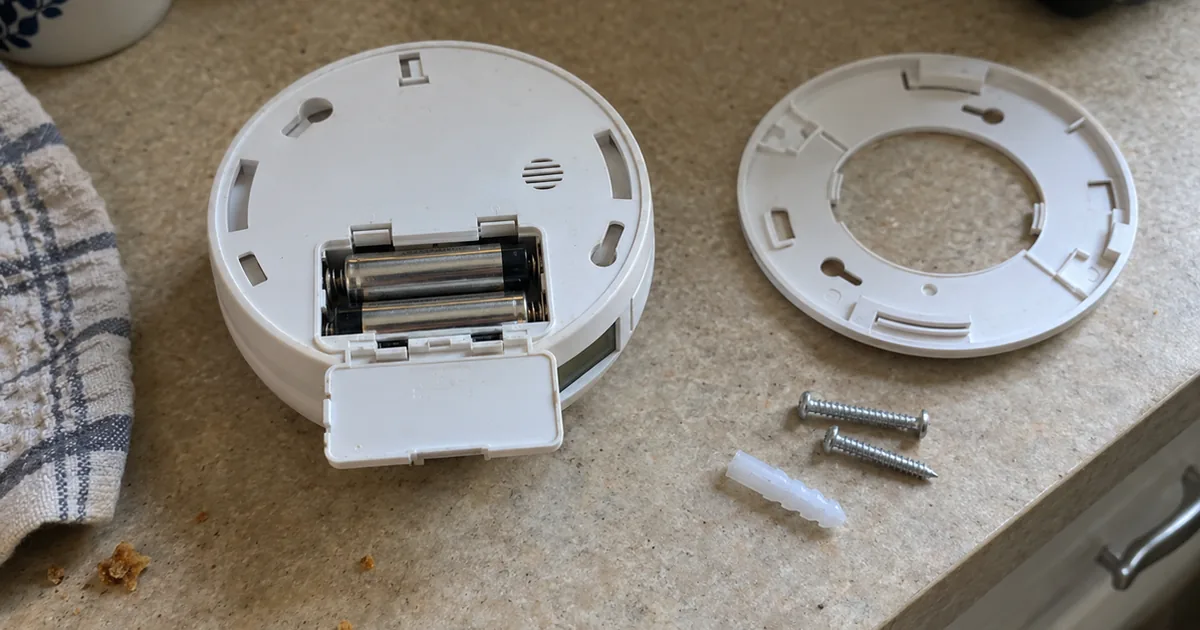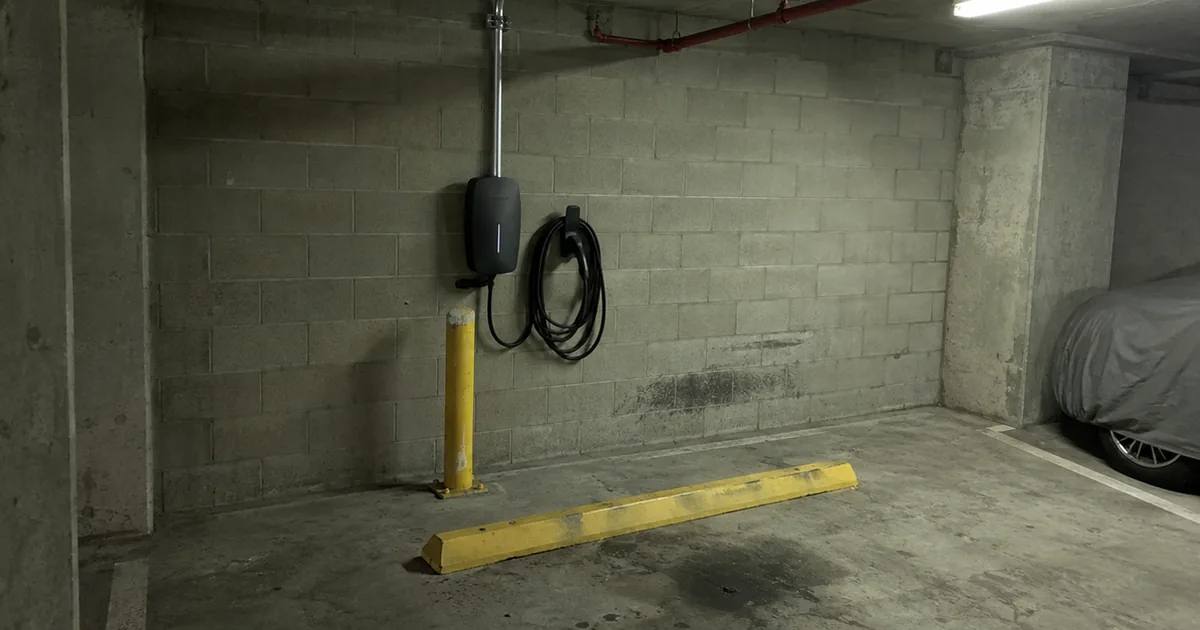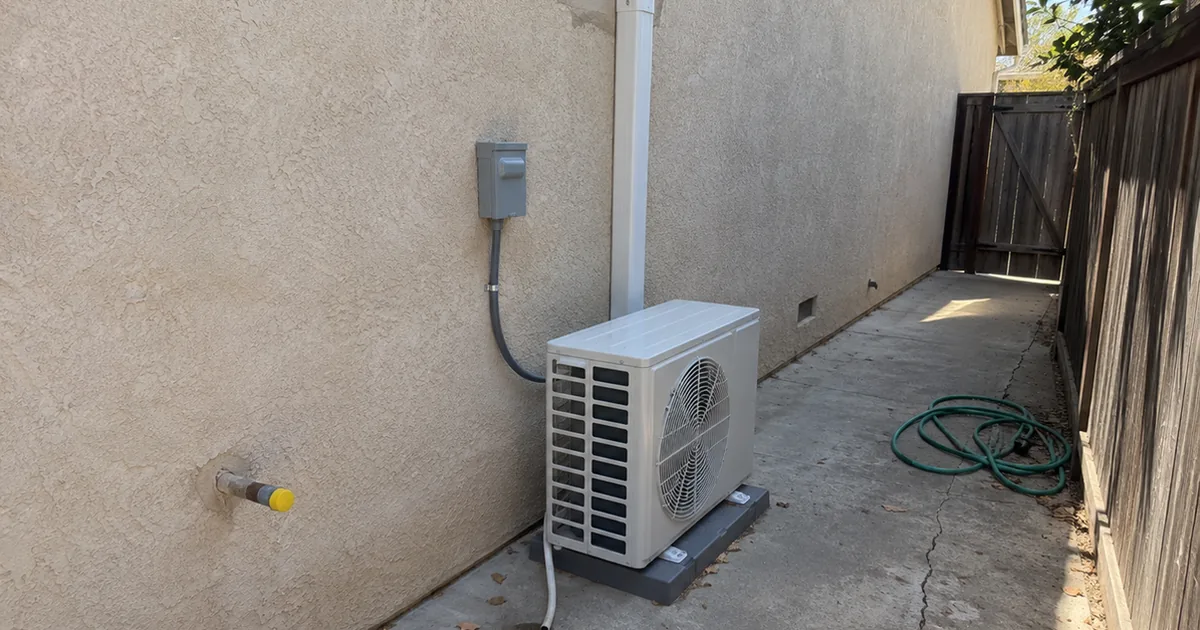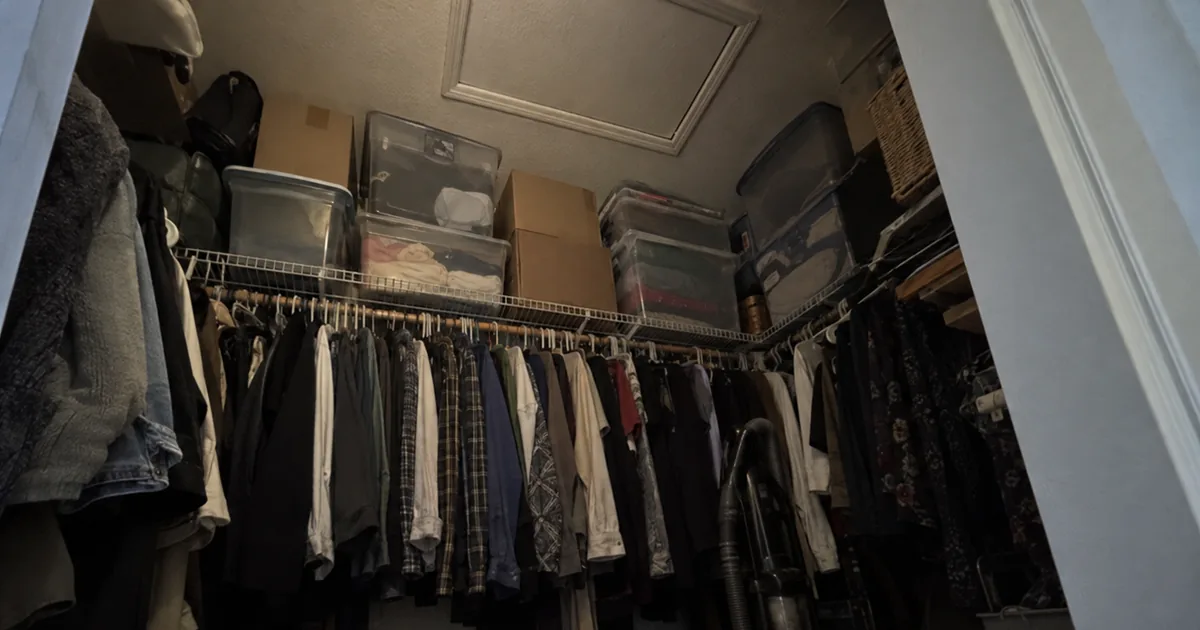
A 1990s tract house. The attic hatch is in the primary bedroom closet ceiling. A wire shelf sits directly under it, loaded with storage bins to the ceiling.
In the garage, a chest freezer sits on the floor in front of the electrical panel. The house has been vacant, so the water heater pilot is out. The report comes back that afternoon with three “not inspected” lines.
Nobody reads them as findings, because they are not findings. They are holes.
This is a composite of situations we see, not one house.
“Not inspected” is a statement about access, not condition
“Not inspected” tells you where the inspector stopped and why. It does not tell you whether the concealed area is sound.
California Business and Professions Code section 7195(a)(1) defines a home inspection as a noninvasive physical examination, performed for a fee in connection with a transfer, of the mechanical, electrical or plumbing systems or the structural and essential components of a residential dwelling of one to four units, designed to identify material defects.
Section 7196 requires the degree of care a reasonably prudent home inspector would exercise.
That does not turn an inspector into a person who moves furniture, empties closets, climbs over storage, or enters unsafe spaces. The inspection is limited by the conditions at the property and by what can be examined without causing damage or creating a safety problem.
ASHI’s standard requires the inspector to state which systems were present but not inspected, and why. The usual reasons are blocked access, insufficient clearance, unsafe conditions, or systems that are shut down.
A report might say that the attic was not inspected because the hatch was blocked. It might say that the electrical panel was not inspected because a freezer prevented access. It might say that the water heater was not operated because the pilot was out.
Those statements are accurate. They are also incomplete as a picture of the property.
The stacked bins may be hiding roof leaks visible only from below, disconnected vent ducts, exposed wiring, or missing insulation. The freezer may be hiding a panel with double taps or scorching. A water heater that cannot be operated leaves the appliance and related plumbing untested.
A photo of the stacked bins under the hatch is more useful in a negotiation than the words “not accessible.” The photo shows the reason. It also shows the task.
Nobody in the contract is required to move the boxes
The form makes the seller provide access, but it does not make the seller clear every obstruction.
The C.A.R. Residential Purchase Agreement buyer investigation paragraph, as we read it in the 12/21 revision, says: “Seller shall make the Property available for all Buyer Investigations. Seller is not obligated to move any existing personal property.”
Check the revision printed on your form. Forms change.
The same paragraph says: “Seller shall have water, gas, electricity and all operable pilot lights on for Buyer’s Investigations and through the date possession is delivered to Buyer.”
The form also says that, without the seller’s prior written consent, the buyer may not make or cause invasive or destructive investigations. Minimally invasive testing for a pest control report is excepted, and even that may not include holes or drilling through stucco.
The inspection standards place limits on the inspector too.
InterNACHI’s Standards of Practice say the inspector is not required to move personal items or other obstructions such as furniture. The inspector is not required to enter an area that may, in the inspector’s opinion, be unsafe. The inspector is not required to enter an attic or unfinished space that is not readily accessible, where entry could cause damage, or where entry could pose a safety hazard.
The inspector is not required to light or ignite pilot flames. The inspector is not required to operate a system that is shut down.
ASHI’s revised definitions describe a home inspection as one performed without moving personal property, furniture, equipment, plants, soil, snow, ice, or debris. “Readily accessible” means examinable without moving or damaging finishes, without climbing over or straddling personal property, and without disassembly or special tools.
ASHI also states that an attic with less than 30 inches of vertical and horizontal clearance, or a hatch smaller than 18 by 24 inches, is one the inspector is not required to enter.
This is not legal advice. It is a description of what the forms and standards say.
The practical result is plain. The seller is not automatically required to move the boxes. The inspector is not automatically required to move them either. Unless an agent turns the blocked opening into a written task, the report can close with the area unseen.
The utilities line is the one sellers can actually be held to
Water, gas, electricity, and operable pilot lights are different from storage boxes because the purchase agreement contains direct language about them.
A vacant or bank-owned house with the gas off is not the same access problem as an attic shelf stacked with bins. The form says the utilities and operable pilot lights are to be on for the buyer’s investigations and through the date possession is delivered.
With the utilities off, an inspector cannot run the water heater, furnace, or range. The inspector cannot test plumbing fixtures for flow and drainage. A report may document that limitation, but the report cannot create operating conditions that are not present.
The question of who relights a pilot belongs with the seller and the utility. It does not belong with the inspector. InterNACHI does not require the inspector to light pilot flames.
If the property is vacant, put this request in writing before the appointment. Confirm that the gas is on. Confirm that the electricity and water are on. Confirm that operable pilot lights are lit.
That is a different conversation from asking someone to move a chest freezer. One has direct language in the form. The other requires coordination.
The most expensive blind spots sit behind the blocked openings
The four common access holes do not carry the same risk.
The attic comes first. A blocked attic hatch can prevent the inspector from seeing roof leaks visible only from underneath, disconnected bath fan or appliance vents, wiring, and missing or compressed insulation. The attic may meet the clearance standard, but the shelf below it makes the opening unusable. See attic insulation and ventilation problems.
A crawlspace hatch under a freezer or planter can conceal foundation conditions, supply and drain leaks, wood-destroying organisms, and moisture. Crawlspace conditions may not be visible from the floor above. See crawlspace moisture. A structural pest inspection is separate, and a termite report is a separate document.
An electrical panel behind furniture or a freezer is another serious hole. The panel interior is where double taps, scorching, and obsolete breakers show up. If the panel cannot be opened and examined, the report cannot describe what is inside. See panel clearance and the main disconnect.
Utilities that are off create a wider problem. Every gas appliance, the water heater, and all plumbing flow and drainage may remain untested.
A roof that cannot be walked because it is wet, steep, or tile has a workaround. We fly a drone on every inspection, so a roof that cannot be safely walked still gets photographed. A drone does not replace every roof observation, but it gives the report photographs where walking is not safe. See what a drone sees on a roof.
The rule of thumb is a judgment, not a statistic. The more systems behind the blocked opening, the less acceptable it is to remove the contingency without a second look.
A panel or an attic is never a “we’ll live with it” hole. A locked garden shed usually is.
Book an inspection and send us the access notes in advance.
The 17-day clock is why this must become a dated task
The printed default for the Investigation of Property contingency is 17 days after Acceptance. The parties can change that period on the face of the form.
Day 17 does not remove the contingency by itself. The buyer removes it in writing. The seller may cancel only after first delivering a Notice to Buyer to Perform.
Final Verification of Condition is printed at 5 days before Close Of Escrow. It verifies that the property was maintained as agreed and that repairs were completed. It is not a second inspection.
That timing changes how you handle a blocked area.
Our reports come back the same day. If the report arrives on day one or day two, the “not inspected” lines are known while there is still time to get access and bring someone back. The return visit belongs inside the contingency period, not after the buyer removes it.
The mistake is treating the report as finished because it arrived. A report with three access limitations is a list of unfinished inspection work.
Read how the inspection contingency actually works before you set the follow-up schedule. The dates on the form control the file.
The agent’s checklist for clearing a “not inspected” line
-
Before inspection day, ask the seller in writing to clear the attic hatch, electrical panel, crawlspace hatch, water heater, and furnace closets. Ask the seller to have every utility and pilot on. Cite the form’s sentence requiring water, gas, electricity, and operable pilot lights for buyer investigations.
-
Read the report for access lines the day it arrives. Do not read only the findings. Search for “not inspected,” “not accessible,” “blocked,” “unsafe,” “pilot,” and “utilities.”
-
For each line, name who clears it and by what date, in writing. “Seller to provide access to attic hatch by Thursday” is a task. “Seller to address attic” is not.
-
Schedule the return visit inside the contingency period, not after removal. The return visit is part of the investigation, not a post-contingency favor.
-
If access is refused or impossible, decide with the client whether to bring in a specialist, extend the period in writing, or remove the contingency knowing exactly what was not seen. The specialist may be a roofer, electrician, or structural pest professional, depending on the blocked area.
-
Keep the access request, the report page, and the return-visit result together in the file. A later reader should be able to see what was blocked, who was asked to clear it, what happened, and when.
The written record matters because access discussions otherwise become phone calls with no clear owner. The report identifies the hole. The agent’s job is to give the hole an owner and a date.
Sellers who clear access get a better report and a shorter negotiation
A seller who clears access before the buyer’s inspector arrives removes the one category of report line that no repair credit can price.
A credit can address a known condition. It cannot price an attic that nobody entered, a panel that nobody opened, or a water heater that nobody operated. The buyer is being asked to make a decision about an unknown.
That creates a longer negotiation because the parties are discussing access instead of condition. The seller may say the bins are harmless. The buyer may say the attic could contain a roof leak. Neither statement replaces an inspection.
Pre-listing preparation is the cleanest time to clear these areas. Move the bins. Clear the electrical panel. Open the crawlspace hatch. Restore the utilities. Have the pilot lights operating. If a condition is visible before the property goes on the market, the seller can address it or disclose it before the buyer’s contingency period begins.
See whether a pre-listing inspection is worth it, what the ASHI 2026 standard says about readily accessible, and what an inspection covers and what needs a specialist.
How we write the access problem into the report
We issue a same-day report with photos of the obstruction itself. The reason is visible, not merely stated.
The report can show the stacked bins under the attic hatch. It can show the freezer in front of the panel. It can show the closed crawlspace opening or the water heater with the pilot out.
Each item is tagged in a 3D Matterport tour. The seller can see exactly which closet or which garage wall is involved. That removes the familiar argument that nobody knew which opening the report meant.
FLIR infrared is part of every inspection. It is not a substitute for entering an attic. Infrared reads surface temperature. It does not see through boxes or into a closed attic.
The same point applies to other equipment. A photograph, thermal image, or 3D tag can document the limitation. It cannot turn an inaccessible area into an inspected area.
The report should make the next action obvious. Clear the obstruction. Restore the utility. Bring the inspector back. Then replace the access limitation with an observation. See how to read the report.
Five questions agents ask about blocked access
Does “not inspected” mean the inspector missed something?
No. It is the inspector telling you, in writing, where the inspection stopped and why. The line identifies a limitation. It does not describe the condition behind the limitation.
Can the buyer’s side move the seller’s belongings?
Coordinate it with the seller in writing. The form does not obligate the seller to move personal property, and invasive work needs written consent. Do not have the buyer’s inspector move a freezer, empty a closet, or shift stored property based on an assumption that access is implied.
Is the seller required to turn the gas back on?
The form says water, gas, electricity, and operable pilot lights are to be on for buyer investigations. That is the access item with clear language in the agreement. Gas service and any pilot relighting sit with the seller and the utility, not the inspector.
Will infrared see into a closed attic?
No. FLIR reads surface temperature. It does not see through boxes or into a closed attic.
What if we remove the contingency anyway?
Then the blind spot is yours. Write down what was not seen. Identify the blocked area, the missing test, and any specialist who was not brought in before the contingency was removed.
A “not inspected” line is cheap to fix and expensive to ignore
A “not inspected” line is the cheapest problem in the report to fix and the most expensive one to ignore.
The fix is usually not complicated. Clear the opening. Turn on the utilities. Schedule the return visit. Put the result in the file before the buyer removes the investigation contingency.
Start with what every inspection includes, answers to common inspection questions, and a sample report.
We inspect across California, including Los Angeles, San Diego, Woodland Hills, and Santa Monica.
Related reading
- A California Inspection Contingency Does Not Expire. The printed period and written removal are separate events.
- ASHI’s 2026 Standard of Practice. Read the access language before the appointment.
- A Drone Sees the Roof. The Attic Says Whether It Leaked. Exterior roof photographs do not replace an attic inspection.
- Pre-Listing Inspections for California Sellers. Clear the blocked areas before the buyer’s inspector arrives.