Premium Home Inspection in Hemet
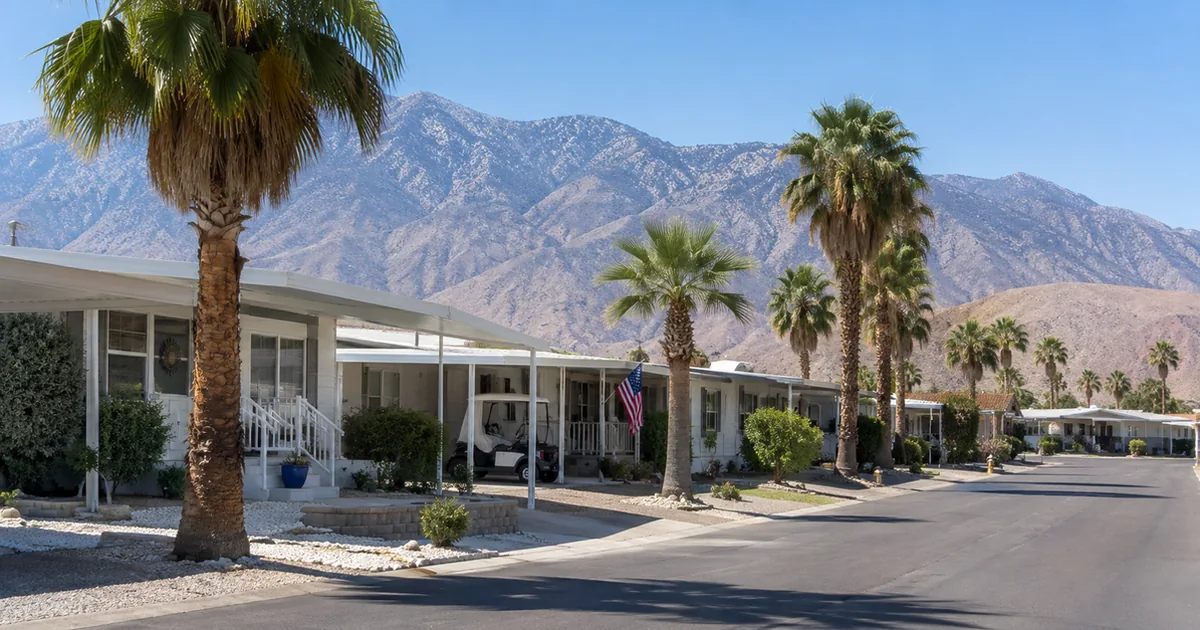
Two markets in one city. 55+ communities and flipped ranch stock.
Hemet is two markets wearing one ZIP code: the 55+ communities and manufactured-home parks that built the city's reputation, and the 1960s through 1980s ranch stock now moving through investor flips into first-time-buyer hands. Both markets hide their problems well. We have inspected enough of each to know exactly where to look. Every inspection includes 3D Matterport, drone roof survey, FLIR infrared, LIDAR floor plan, and same-day report delivery.
San Jacinto Fault proximity and extreme valley heat
The San Jacinto Fault Zone runs along the eastern edge of the valley, making it one of the most seismically active fault systems in California. Hemet sits on alluvial soil that amplifies ground motion. Water-heater strapping, cripple-wall bracing on older homes, slab and foundation crack patterns, and gas shutoff accessibility get documented with the seismic lens on every inspection. Add extreme summer heat that pushes HVAC systems past their limits, and you have a market where system condition matters more than curb appeal. For a deeper look at seismic readiness in the Inland Empire, see our Murrieta seismic readiness agent guide.
55+ communities vs ranch stock flips
The inspection changes depending on whether you are buying a manufactured home in a 55+ community or a flipped 1970s ranch on the Florida Avenue corridor. Both hide their problems well, but the risks are different.
55+ communities and manufactured homes
Areas: Seven Hills, Panorama Village, Sierra Dawn, and senior communities throughout Hemet and East Hemet
Build era: 1970s through 2000s manufactured and site-built homes in age-restricted communities. HUD-tagged manufactured stock alongside stick-built single-story homes.
- Manufactured-home foundations and HUD certifications. We check data plates, permanent-foundation conversions (or the absence of one, which is a financing landmine), and earthquake bracing systems.
- Undercarriage moisture and ventilation on manufactured homes. Skirting condition, vapor barriers, and plumbing accessible from below.
- Carports and room additions that were never engineered for the manufactured structure they attach to. These additions can void the HUD certification if done incorrectly.
- Aging HVAC systems in extreme heat. Many 55+ homes still run swamp coolers or undersized split systems. We test capacity honestly and tell you what cooling will actually cost to make right.
- Electrical panels at or past service life. Original 100-amp panels on 1970s and 1980s homes, sometimes with aluminum branch wiring.
- Accessibility modifications: grab bars, ramp installations, widened doorways. We check that these were installed properly and are not covering underlying issues.
1960s-80s ranch stock and investor flips
Areas: Florida Avenue corridor, Valle Vista, Diamond Valley Lake area, McSweeny Farms, and the older core neighborhoods
Build era: 1960s through 1980s single-story ranch homes. Many now moving through investor flips into first-time-buyer hands. Some newer tracts near Diamond Valley Lake.
- Flip cosmetics over deferred maintenance. New LVP flooring and quartz countertops photograph well. The infrared scan and a slow walk through the attic and crawlspace tell us whether the systems underneath got the same attention.
- Original galvanized steel supply lines on pre-1980 homes. Corroding from the inside, restricting flow, and invisible until pressure drops enough to notice.
- Federal Pacific and Zinsco electrical panels from the 1960s and 1970s build era. We open every panel, identify the brand and conductor types, and document conditions insurers ask about.
- Tile roof underlayment failing on 1980s homes while the tile above looks fine. The drone catches what a ground-level walk misses.
- Evaporative coolers still serving as the primary cooling. Hemet summers regularly exceed 105 degrees. Swamp coolers lose effectiveness above 95 degrees and high humidity. We test what is there and note what the replacement cost would look like.
- Sewer lateral age on the oldest neighborhoods. Clay and cast-iron drain lines crack, settle, and root-invade underground. We recommend a sewer camera scope on any home with original drain lines.
- Slab crack patterns on alluvial soil. The valley floor transmits seismic movement and seasonal moisture changes. Digital levels across floors and crack documentation with photos.
What Hemet buyers miss
Five patterns that surprise buyers in escrow. Each one changes the deal if it surfaces late.
Manufactured-home foundation status affects financing
Lenders treat manufactured homes differently depending on whether the home has been converted to real property with a permanent foundation. Without the conversion (HUD 433-A form and engineer certification), many conventional and FHA loans will not fund. We check for the foundation system, the data plate, and the conversion documentation. If the conversion was never done or was done improperly, that is a deal-level finding that needs to surface early, not at the lender review.
The flip looks new but the systems are original
Hemet's price point attracts investor flips. A full cosmetic renovation can make a 1970s ranch home look like a 2020 build. But the galvanized supply lines behind the new drywall, the original panel in the garage, the patched-not-replaced roof, and the HVAC at end of life are still there. We look past the finishes. The infrared scan catches moisture and heat patterns that new paint covers up.
Panel brands matter to insurers
Federal Pacific Stab-Lok and Zinsco panels are concentrated in the 1960s and 1970s Hemet stock. Some insurers will not bind coverage on homes with these panels, or they require replacement as a condition. We identify the brand, open the panel, and document the condition so the buyer can address it before the insurance conversation becomes a deadline problem. For more, see our Escondido panel buyer's guide.
Cooling costs are a budget line item in Hemet
Hemet summers regularly exceed 105 degrees, and many older homes still run evaporative coolers or undersized split systems from a prior era. The listing does not mention cooling capacity. The electric bill from January does not predict July. We test what is installed, assess whether it can actually cool the home in peak summer, and tell you what the upgrade path costs. This is a budget conversation that belongs in escrow, not August.
Seismic readiness is not a checkbox
The San Jacinto Fault is one of the most active in California, and Hemet sits on alluvial soil that amplifies ground motion. Water-heater strapping, cripple-wall bracing on older homes, and foundation crack patterns are not theoretical concerns. We document the physical condition so the buyer can evaluate retrofit costs with real numbers.
Neighborhood by neighborhood
We cover all of Hemet and East Hemet. Here is what we focus on in each area.
Seven Hills
Large 55+ community with manufactured and site-built homes. Foundation certifications, HVAC age, roofing, and accessibility modifications are the primary scope.
Panorama Village
55+ community with a mix of manufactured homes. HUD data plate verification, undercarriage inspection, carport and addition compliance.
Sierra Dawn
Senior community stock. Similar manufactured-home scope: foundations, bracing, skirting, plumbing, electrical age.
Florida Avenue corridor
Hemet's commercial spine with older residential stock on side streets. 1960s through 1980s ranch homes with full system-age findings. Flip activity is high here.
Valle Vista
Unincorporated area east of Hemet. Rural-edge properties, some on larger lots. Older systems, manufactured stock, and well-and-septic on the more remote parcels.
Diamond Valley Lake area
Newer tracts built in the 2000s near the reservoir. Builder-quality focus: HVAC commissioning, landscape drainage, and post-tension slab awareness.
McSweeny Farms
Newer planned development. Modern construction with focus on builder details, drainage, HVAC sizing for the extreme heat, and finish quality.
We also serve nearby San Jacinto, Menifee, Murrieta, Temecula, and Perris. Same premium package, same same-day report, same $300 discount.
Every inspection includes premium tech. No add-ons
3D Matterport
Walk every room from anywhere. Tagged findings link to exact locations. Essential for remote buyers and investors evaluating Hemet properties.
Drone roof
Documents tile underlayment condition on older stock and flat-roof details on manufactured homes. Catches what ground-level inspection cannot.
FLIR infrared
Catches moisture behind flip finishes, duct leaks in extreme-heat attics, insulation gaps, and electrical hot spots on aging panels.
LIDAR floor plan
Accurate square footage on homes with additions. Resolves discrepancies between county records and what was actually built.
Same-day report
Full report by email the same day. Photos, drone imagery, infrared callouts, 3D tour link, and floor plan.
Pay at Closing available
Defer the inspection fee until escrow closes. The $300 discount still applies. Useful for first-time Hemet buyers managing tight transaction budgets. Built for buyers, sellers adding a pre-listing inspection, and agents who want to remove cost friction from the transaction.
Learn more →Hemet questions
Do you inspect manufactured and mobile homes?
Will the inspection flag things my insurer will ask about?
The home was just flipped. Is an inspection still worth it?
How long does a Hemet inspection take?
Do you cover the 55+ communities like Seven Hills and Sierra Dawn?
What about the Chinese drywall risk on 2000s builds?
Can I pay at closing?
Inspection guides
Generator and Transfer Switch Safety: A Hemet Agent Guide
Real PSPS and wildfire-season outage exposure has driven genuine generator adoption here. What agents should know about backfeed risk and transfer switches.
Escondido Federal Pacific and Zinsco Panel Buyer's Guide
The panel brands concentrated in 1960s and 1970s stock. Directly relevant to Hemet's older neighborhoods.
Murrieta Seismic Readiness Agent Guide
Fault-zone awareness and seismic retrofit scope for the Inland Empire. Applies to Hemet's San Jacinto Fault exposure.
Chinese Drywall Detection Guide
How we check for contaminated drywall in 2001 to 2009 construction.
How to Read a Home Inspection Report in California
For buyers reading their first report.
Other service areas
Temecula, CA
Anchor city — Wolf Creek to De Luz wine country. Expansive clay, Elsinore Fault, WUI fire zones, hot-summer HVAC stress.
Murrieta, CA
Master-planned community specialists. Bear Creek to Spencer's Crossing. HOA-aware reporting, Chinese drywall checks.
Menifee, CA
Sun City 55-plus accessibility scope, Audie Murphy Ranch master plan, Mello-Roos CFD awareness, and hot-summer HVAC sizing checks.
Perris, CA
Two markets in one city. Historic Downtown Perris railroad stock and new tracts on expansive clay. Post-tension slabs, hot-summer HVAC.
San Jacinto, CA
San Jacinto Fault Zone, Alquist-Priolo disclosure, 2000s boom-tract construction, river floodplain, expansive soils. Seismic and water exposure combined.
See all areas →Ready to inspect your Hemet home?
Same-day reports. Manufactured home and flip experience. Seismic awareness. Full premium tech. $300 off. Pay at closing available.
Questions? Call 1-888-88-INSP-9 or message us online.