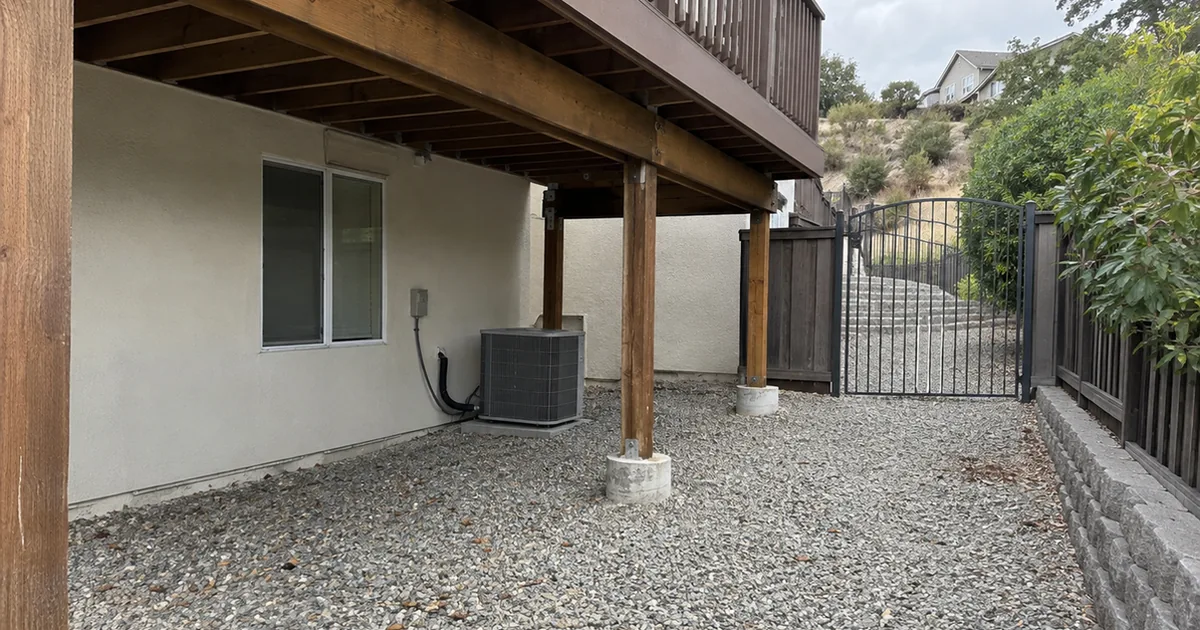
We inspected a bluff-top home in Cardiff-by-the-Sea, Encinitas. Built in the early 1990s. Single-story, stucco exterior, concrete tile roof. The ocean-facing side had a wall of windows and a wood deck cantilevered over the bluff edge. Beautiful property. The listing photos made it look like a postcard.
The seller’s disclosure said no known water damage. The exterior looked clean. Fresh paint within the last two years. No staining, no visible cracks, no peeling. The buyer’s agent was confident going in.
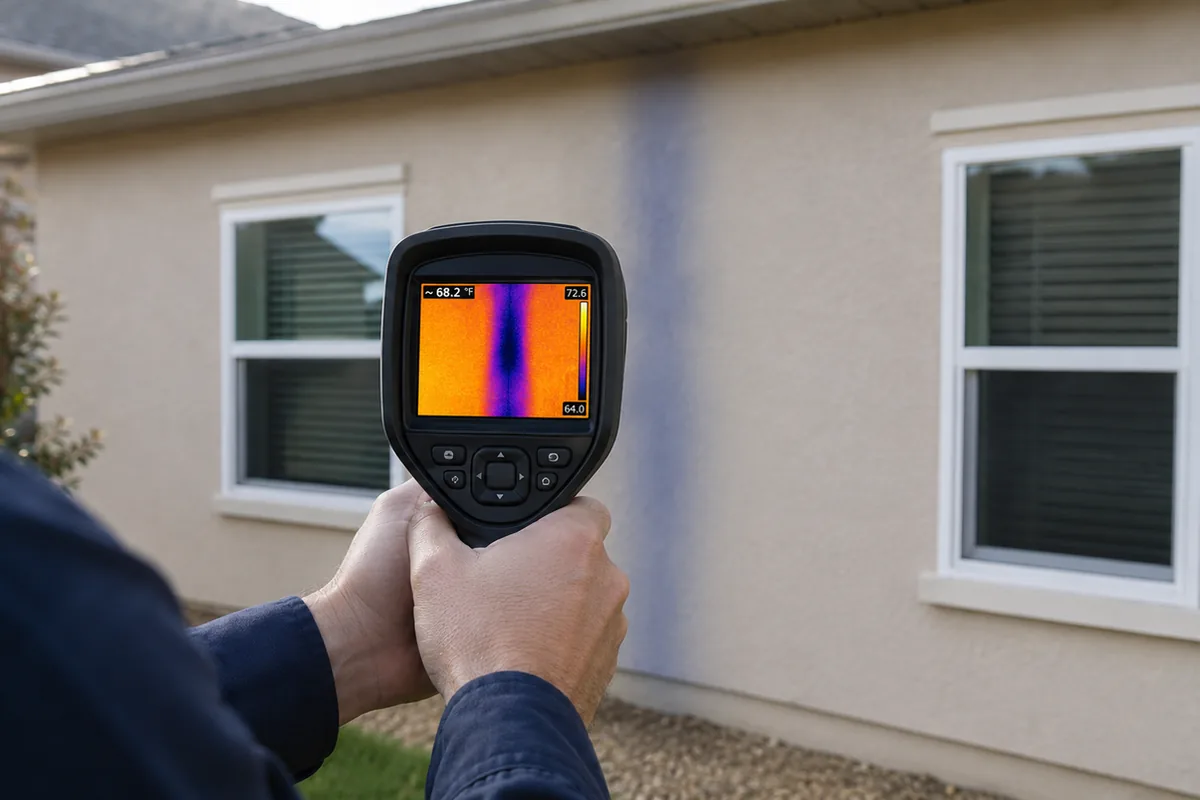
The thermal scan told a different story. On the ocean-facing wall, between the master bedroom windows, the FLIR showed a cold streak running vertically from the roofline down to about waist height. The pattern was consistent with moisture wicking behind the stucco, following the wall cavity downward. We moved to the interior side. Same wall, same location. The thermal signature was there too: a wet column behind drywall that looked perfect to the naked eye.
We documented it with the FLIR, photographed the exterior penetration points above (a roof-to-wall flashing joint where sealant had pulled away from the stucco), and noted the window flashing condition on the two flanking windows. The drone showed the flashing failure from above, where it was invisible from ground level.
The moisture meter confirmed elevated readings in the wall cavity. Not catastrophic. Not a flood. But enough sustained moisture to have been running for months, maybe longer, feeding into the wall framing behind two layers of paint and perfectly staged furniture.
The repair scope came back at roughly $18,000: strip the stucco on that wall section, replace the damaged sheathing and framing members, reflash the roof-to-wall joint and the window heads, reinstall stucco with proper weep screeds, and repaint. The deal closed with a seller credit after two weeks of negotiation. Without the thermal scan, the buyer would have owned that wall.
This article is for agents working Encinitas, Cardiff, Leucadia, and Old Encinitas. If you are showing bluff-top properties or any ocean-facing home west of the railroad tracks, the moisture question is not hypothetical. The bluffs are eroding. The marine air is aggressive. And the exterior envelope on these homes takes punishment that inland homes never see.
Schedule an Encinitas inspection · Same-day report · Thermal scan included · Pay-at-closing available
Why bluff-top homes fail differently than inland homes
The mechanism is wind-driven rain combined with salt-laden marine air. Inland homes get rain from above. Bluff-top homes get rain horizontally, pushed by onshore wind directly into the ocean-facing facade. Water enters at flashing joints, window head details, stucco cracks, deck ledger connections, and any penetration where sealant has aged or pulled away.
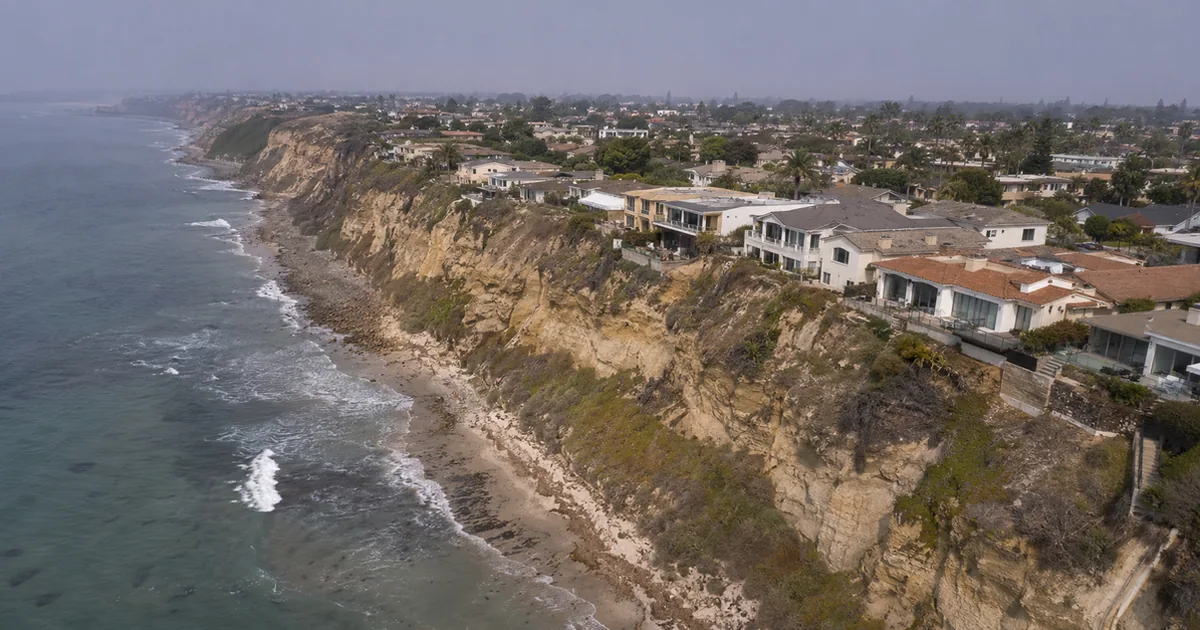
Research using terrestrial laser scanning along the San Diego coastline between La Jolla and Encinitas has documented bluff retreat rates averaging about 3 inches per year. That erosion changes the wind exposure of homes over time. A home that was 80 feet from the bluff edge when it was built may be 70 feet away now, with more direct wind and spray hitting the facade.
The sandstone bluffs in Encinitas are soft. Neptune Avenue, the Coast Highway 101 frontage, and the Cardiff bluff corridor all sit on actively eroding material. The City of Encinitas publishes coastal erosion management information and has identified sea level rise adaptation as a planning priority. For the buyer, this means the bluff condition at the time of purchase is not the bluff condition in 20 years. Geotechnical evaluation of setback and stability is a separate specialist scope, but we document every visible indicator of bluff condition, drainage toward or away from the edge, and any shoreline stabilization structures on the property.
What agents should tell every buyer on a bluff-top property
-
Get the inspection before you fall in love with the view. The ocean-facing side of the home takes the most abuse and is the hardest to maintain. The thermal scan is the only way to see moisture that has entered the wall cavity without tearing anything open.
-
Ask about the Coastal Commission. Properties west of the railroad tracks sit inside the California Coastal Zone. Coastal Commission permits are required for many modifications: new windows facing the bluff, roof replacements that change the roofline, second-story additions, deck expansions. If the buyer plans to remodel, the permitting timeline and restrictions should be understood before the offer.
-
Ask about geotechnical history. Has the property had a geotechnical evaluation? Is there a setback study? Has bluff stabilization work been done (seawalls, riprap, caissons)? These are questions for the seller’s disclosure and the city planning department, not the home inspector, but the answers shape the deal.
-
Budget for exterior envelope maintenance. Bluff-top stucco, flashing, sealant, and deck waterproofing need attention on a shorter cycle than the same systems ten miles inland. Five-year exterior maintenance intervals are realistic. Ten years is too long.
-
Insurance may be complicated. Bluff-adjacent properties can face underwriting questions about erosion risk and foundation stability. Get insurance quotes before removing contingencies.
Red flags you can spot during a showing
You do not need thermal imaging to see these. Five minutes on the ocean-facing side of the home tells you whether moisture is going to be a conversation.
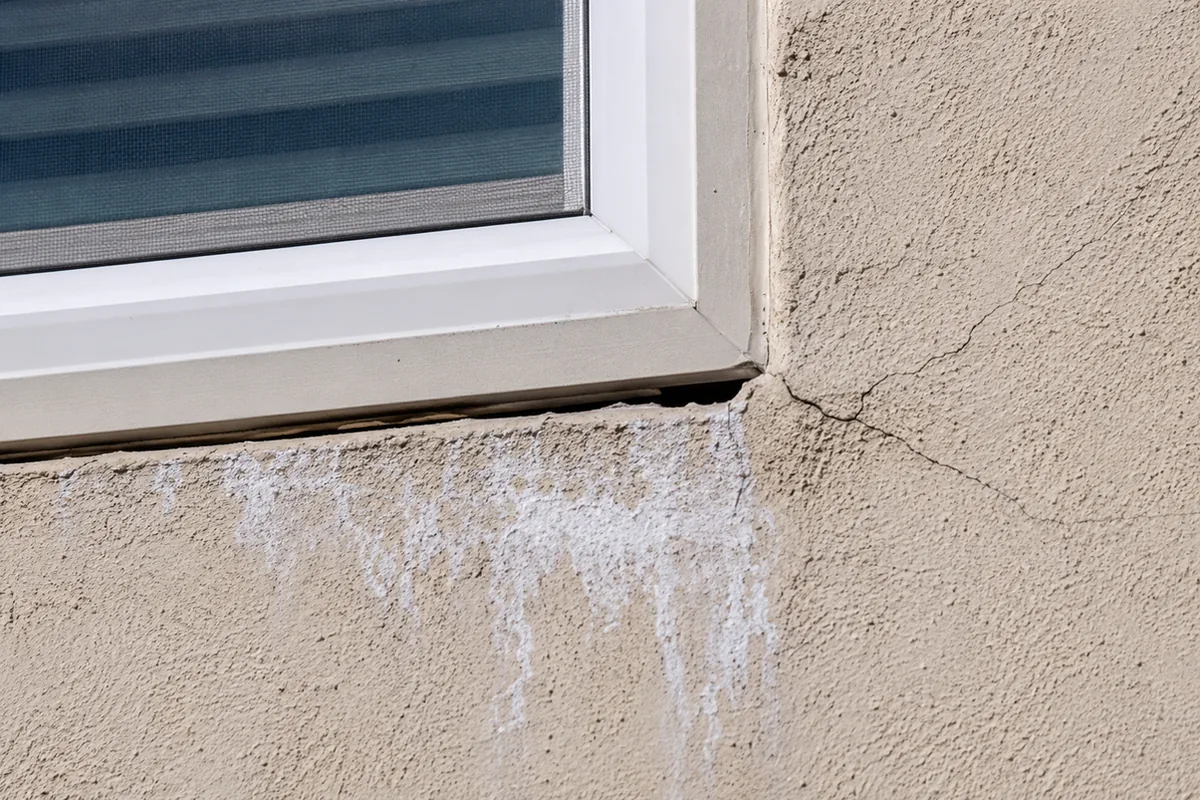
Stucco discoloration or efflorescence on the ocean-facing wall. White mineral deposits bleeding through the stucco surface mean water has been moving through the wall and evaporating on the exterior, leaving salts behind. This is not cosmetic. It is a moisture trail.
Sealant pulling away from window frames, flashing joints, or deck ledger connections. Run your eye along every joint where two materials meet on the ocean side. If the sealant is cracked, shrunk, or separated, water has a path in.
Paint peeling or bubbling on the ocean-facing side only. If the rest of the home’s exterior paint is in good shape but the ocean wall is peeling, moisture is pushing out from behind.
Deck or balcony surface cracking over the bluff. Cantilevered decks on bluff-top homes take concentrated wind and moisture. Cracking in the surface membrane, rusting at hardware connections, or soft spots in the walking surface are signs the waterproofing is compromised.
Visible bluff retreat or fresh soil exposure at the bluff edge. If the bluff edge looks raw, recently slumped, or has exposed root systems, the retreat is active. This does not mean the house is in danger tomorrow, but it means a geotechnical opinion is worth the money.
Schedule an Encinitas inspection
How negotiation plays out on bluff-top moisture findings
Seller credits the repair cost. This is the most common path when the moisture is documented with thermal imaging and confirmed with meter readings. The seller cannot argue the finding does not exist when the FLIR shows a clear signature and the moisture meter backs it up. A contractor bid makes the credit conversation concrete.
Seller repairs before closing. Less common on bluff-top homes because stucco remediation and reflashing take time and the right weather window. If the seller is willing and the escrow timeline allows, this can work, but the buyer should require re-inspection after the repair.
Buyer walks. Some bluff-top moisture findings are extensive enough that the repair scope exceeds what either party is willing to absorb. We have seen deals end over moisture findings that, if caught a year earlier with a pre-listing inspection, would have been a $12,000 repair instead of a $35,000 emergency.
The deals that close well are the ones where the agent anticipated the ocean-facing envelope question and the buyer went in knowing that thermal imaging would either confirm the home was dry or identify exactly where it was not.
How the inspection catches what fresh paint hides
The entire point of the thermal scan on a bluff-top home is that moisture behind stucco is invisible to the eye. Fresh paint, staging, and good lighting hide it completely. The FLIR camera reads surface temperature differences. Wet areas inside the wall cavity conduct heat differently than dry areas, and the temperature map shows the boundary.
On that Cardiff inspection, the cold streak on the ocean-facing wall was obvious on the thermal display but invisible in a regular photograph. The two systems, visual and thermal, were telling completely different stories about the same wall. That gap is where the finding lives.
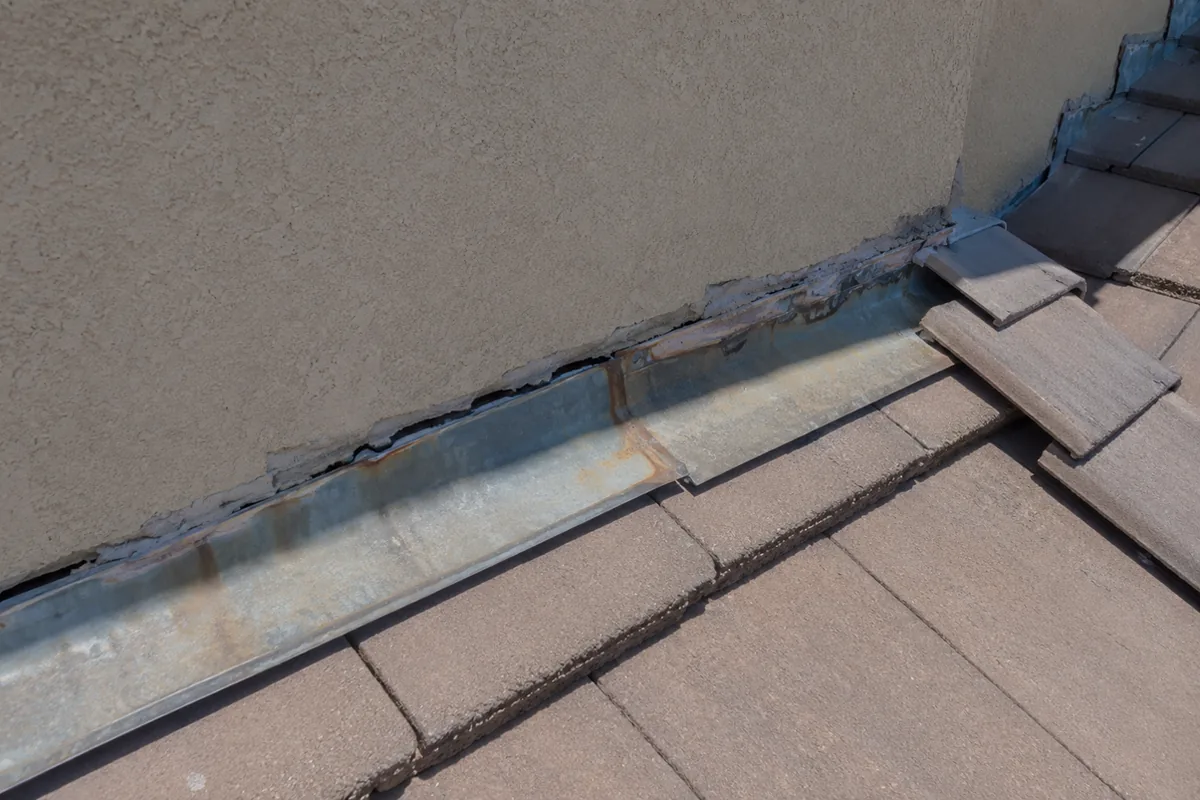
The drone adds the roof-level perspective. On bluff-top homes where ladder access from above is impossible, because the bluff side has no ground to place a ladder on, the drone is the only way to photograph the roof-to-wall flashing joint, the chimney cap, the vent boots, and any other penetration on the ocean-facing slope. That flashing failure we found in Cardiff was only visible from above.
We document every finding with photos, thermal images, and drone shots. The report gives the buyer and the agent a complete picture of the ocean-facing envelope condition, and it gives a contractor enough information to bid the repair without a separate site visit. For more on how thermal imaging works on California inspections, see our infrared scanning guide.
Schedule an Encinitas inspection · What’s included · FAQ
Frequently asked questions
Do all Encinitas bluff-top homes have moisture problems?
No. Homes with properly maintained flashing, sealant, and stucco can perform well for years. The ones that develop problems are typically those where the exterior envelope maintenance lapsed: sealant dried out, flashing corroded, or a remodel introduced a new penetration that was not properly detailed. The thermal scan tells you which category the home falls into.
Is bluff erosion something the home inspector evaluates?
We document visible bluff condition, drainage patterns, and any stabilization structures on the property. We do not issue geotechnical certifications or setback opinions. That requires a licensed geotechnical engineer. We flag when one should be consulted.
Does the Coastal Commission affect what I can do with the property?
If the property is west of the railroad tracks, yes. Coastal Commission permits add time and constraints to many exterior modifications. Our inspection notes Coastal Zone status and flags any visible unpermitted work that may complicate future permit applications.
How often should bluff-top exterior maintenance be done?
Every three to five years for sealant, flashing inspection, and stucco condition assessment. Ocean-facing facades degrade faster than sheltered sides. The drone and thermal scan in a pre-listing or periodic maintenance inspection catch problems before they become repair emergencies.
The honest summary for agents
Bluff-top Encinitas homes are some of the most desirable properties in North County. They are also some of the most inspection-intensive. The ocean-facing envelope takes sustained wind, moisture, and salt exposure that ages systems faster than anything inland. Fresh paint and good staging can hide months of moisture intrusion behind a wall that looks perfect.
The thermal scan is the tool that changes the conversation. It either confirms the home is dry or shows you exactly where it is not. The drone documents what you cannot see from the ground. The same-day report puts the findings in your hands before the contingency clock runs out.
If you are working bluff-top or ocean-facing properties in Cardiff, Leucadia, Old Encinitas, or anywhere along the 101 corridor, the inspection that skips the thermal scan is the inspection that misses the finding. We have seen it happen. The Escondido panel guide covers a different kind of hidden defect on older North County homes, but the principle is the same: the findings that matter most are the ones you cannot see without the right tool.
Schedule an Encinitas inspection · Sample report · FAQ
For the galvanized supply and cast iron drain hazard in older California homes, see our Pasadena plumbing guide. For how the same slope-driven moisture shows up behind failing retaining walls on inland hillside lots, see our Poway retaining walls and hillside drainage guide. For the terraced decomposed-granite version of hillside drainage further inland, see our San Marcos hillside guide. For how coastal decks and balconies fail from moisture the same hidden way, see our Manhattan Beach deck and balcony waterproofing guide. For the condo-specific version of balcony moisture intrusion, where SB 326 places the responsibility on the association, see our West Hollywood SB 326 balcony guide. For the crawlspace version of the same coastal-moisture problem, where the marine layer rots subfloors under raised foundations, see our Santa Monica crawlspace moisture and dry rot guide. For the structural side of deck failure further up the coast, where the ledger’s fastening rather than its waterproofing is the concern, see our Rancho Santa Fe deck ledger attachment guide.