Where’s the Off Switch: A Signal Hill Main Electrical Disconnect Accessibility Guide for Agents
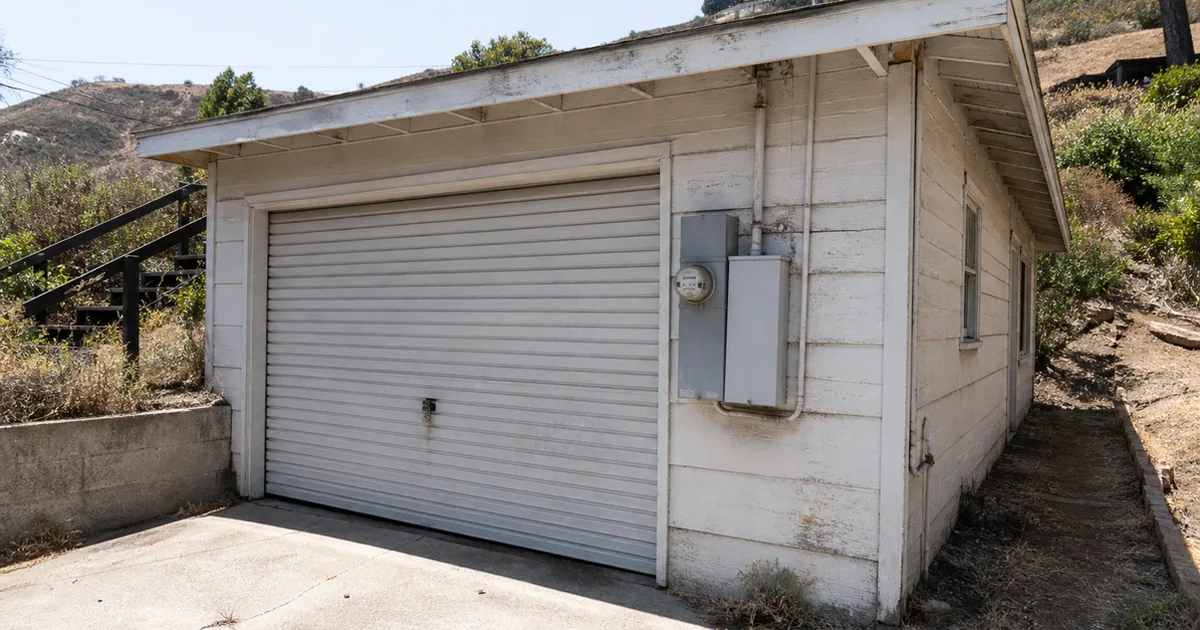
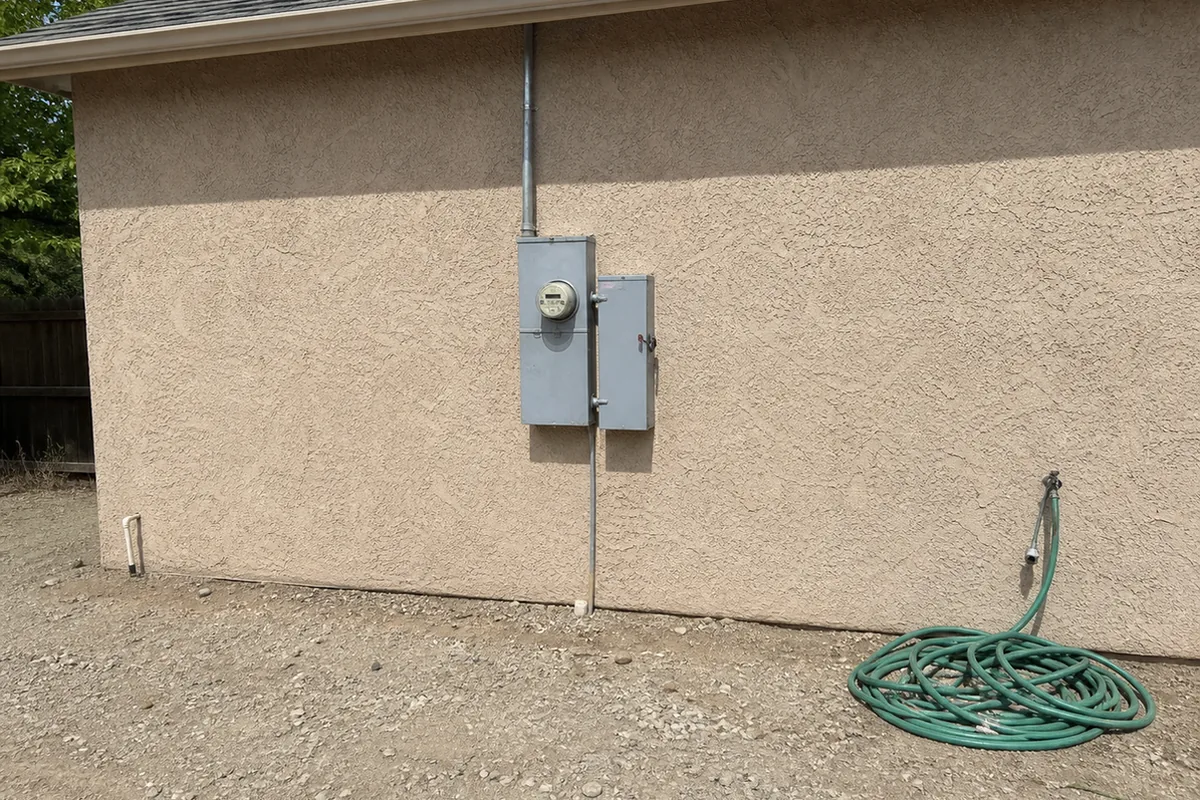
The house sat on one of Signal Hill’s tight, terraced hillside lots, a small 1930s bungalow with a detached garage built into the slope below it, added onto twice over the decades. The electrical meter was mounted on the garage’s street-facing wall, easy enough to find. The main disconnect, the single point where all power to the house could actually be shut off, was not there. It was inside the garage, behind a locked roll-up door, mounted to a stud wall next to decades of stored tools and yard equipment. There was no exterior disconnect anywhere on the property. If a fire crew needed to kill power to that house in an emergency, or if anyone needed to shut it off without a key to the garage, there was nowhere outside the structure to do it.
We are describing this as a composite of a pattern we see repeatedly across Signal Hill’s dense, hillside, oil-town-era housing stock, not one identified property or job. It comes up often enough in this specific market that every agent working here should understand what a main disconnect is, why its accessibility matters, and how a finding like this typically plays out before it turns up in a report.
This guide is for the agent working Signal Hill and the surrounding communities we also serve, including nearby Long Beach, Lakewood, and Paramount, where the same era of housing stock and the same accessibility questions come up. Here is what a main disconnect actually is, why accessibility matters, and what an inspector documents when it is not where it should be.
Why this matters for the agent
Signal Hill’s identity is inseparable from its oil boom. Oil was discovered here in 1921, the hill was subdivided into residential lots even as it was being drilled, and the city incorporated in 1924 largely to control its own oil development apart from Long Beach, which surrounds it on all sides. What that history left behind is a small, dense city on genuinely hilly terrain, with a meaningful share of housing dating to the 1920s through the mid-20th century, built on narrow, terraced lots where every square foot of buildable space, including the space around the electrical service, competed with a house, a garage, and often very little yard.
That density and terrain combination shows up in the electrical service layout more often here than in a flat, spacious tract suburb. Original service equipment was frequently placed wherever it fit at the time, which on a tight hillside lot often meant inside a detached garage rather than on an easily reached exterior wall. Decades of additions, converted garages, added structures, and landscaping changes have, in many cases, made that original placement even less accessible than it was when the house was built.
What a main disconnect actually is
A main disconnect is the single point in a house’s electrical system where all incoming power can be shut off in one action. Depending on how a particular house was built or upgraded, that disconnect might be a breaker built into the meter enclosure itself, a separate disconnect switch mounted between the meter and the main panel, or the main breaker inside the panel itself if the panel is close enough to the meter to count as the service disconnecting means.
This is a different thing from an ordinary interior sub-panel breaker. A sub-panel breaker shuts off power to the circuits fed from that sub-panel, but power is still live upstream of it, all the way back to the meter and the utility connection. The main disconnect is the one point that actually isolates the entire house from incoming utility power. Confusing the two is common among buyers, and it is worth clarifying plainly: shutting off a sub-panel does not make a house electrically safe to work on or de-energized in an emergency.
Why exterior, readily accessible disconnect access matters
The reason codes and utilities push for a main disconnect that is readily accessible from the exterior of a house is straightforward: it is a life-safety feature, not a convenience feature.
Firefighters responding to a structure fire often need to kill electrical power to a house quickly, before or during suppression, to reduce shock hazard to crews using water on a burning structure and to reduce the risk of arcing or re-ignition from live wiring. If the only disconnect is inside a locked garage or behind a locked gate, that critical step is delayed or made impossible during exactly the moment it matters most. The same logic applies after an earthquake, a flood, or any other event where a homeowner or first responder needs to de-energize a house fast, without hunting for a key or forcing entry into a locked structure first.
This is not a theoretical concern in a hillside oil town with a genuinely older housing stock. It is the specific kind of finding that shows up when a main disconnect was placed for 1930s-era convenience rather than modern accessibility standards, and then never revisited as the property changed hands and changed use over the decades since.
Common real-world defects an inspector sees
- The only disconnect is inside a locked garage or accessory structure. No exterior disconnect exists at all, and reaching the one that does exist requires a key, a code, or forced entry.
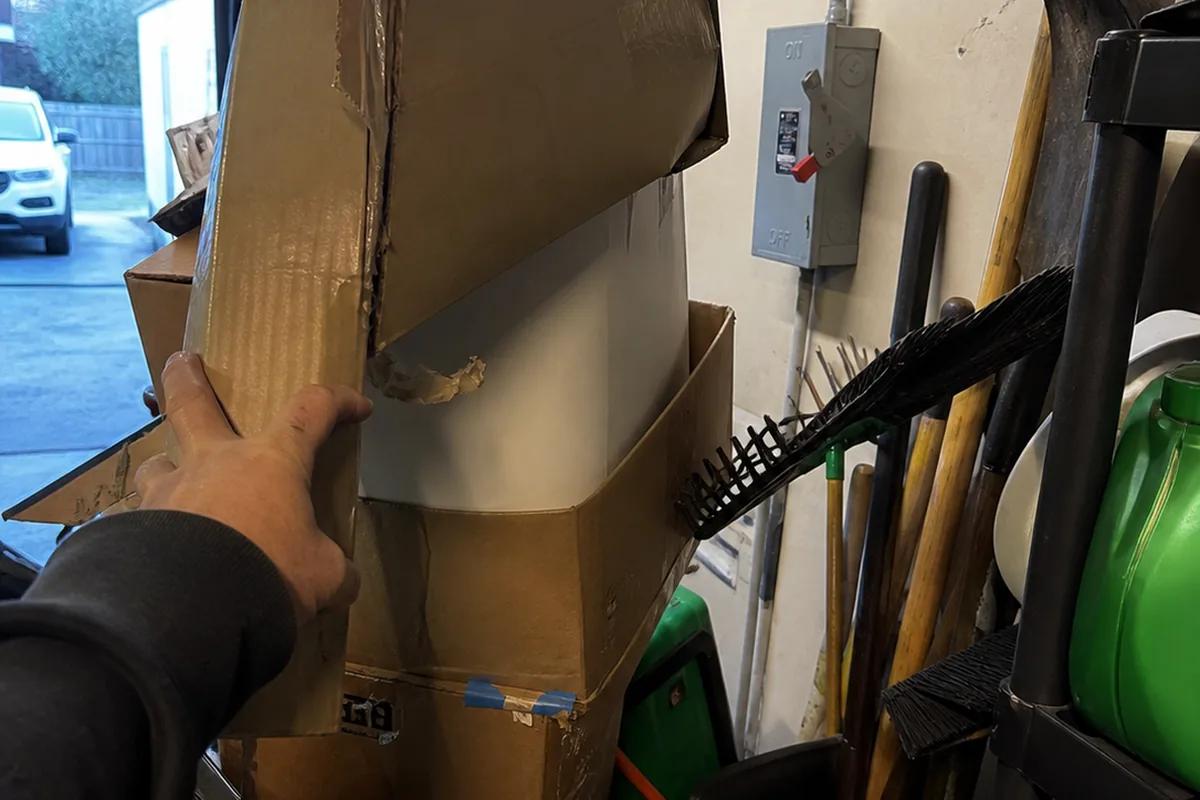
- A disconnect blocked by stored materials, added shelving, or landscaping. Even where a disconnect is technically present and unlocked, years of accumulated storage or a planted hedge can make it functionally unreachable in an emergency.
- A panel relocated or added onto over decades without maintaining clear working space in front of it. Multiple sub-panels added over the years, sometimes crowding the original disconnect location, sometimes leaving no clear approach path to it at all.
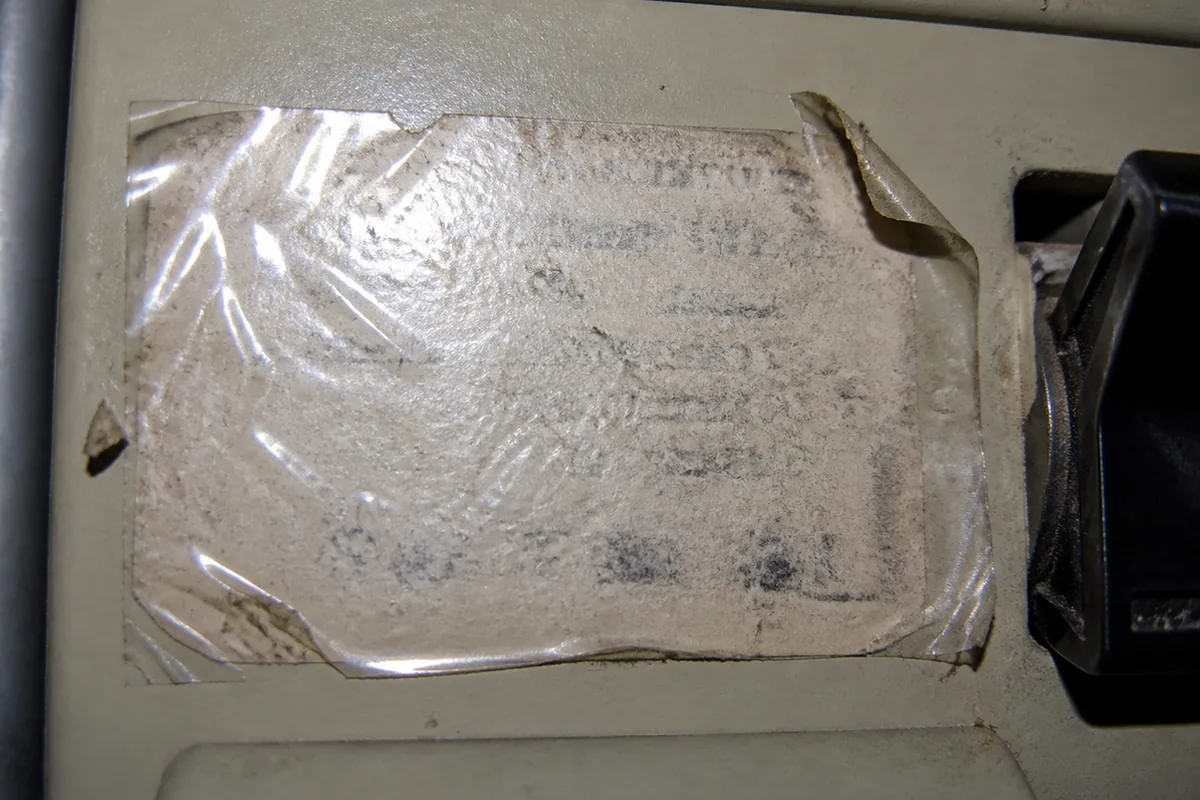
- Missing or illegible circuit labeling. Even where a disconnect is accessible, faded, missing, or inaccurate labeling can leave it unclear to anyone but the homeowner which breaker or switch actually kills the main service, wasting critical time in an emergency.
- A converted garage that absorbed the original disconnect location into finished living space. Once a garage becomes a bedroom or a den, the electrical service equipment inside it, if left in place, is now behind an interior door in a occupied space rather than anywhere near an exterior wall.
Before we get to what agents should tell buyers, one CTA worth keeping handy: see what every inspection includes →
What agents should tell every buyer
- A main disconnect is different from an interior sub-panel breaker. Only the main disconnect actually isolates the entire house from incoming utility power.
- On Signal Hill’s dense, hillside, older lots, the original disconnect is frequently inside a detached garage or accessory structure rather than on an easily reached exterior wall, and a locked structure means no reliable emergency access.
- This is a life-safety finding, not a cosmetic one. First responders and homeowners both need a way to kill power quickly in an emergency, without a key.
- A home inspector documents where the disconnect is, whether it is reasonably accessible, and whether working clearance in front of it has been compromised by storage, additions, or landscaping.
- Relocating equipment or adding a compliant, readily accessible exterior disconnect is licensed-electrician work. A home inspection does not certify code compliance or perform the relocation.
- Illegible or missing labeling at the disconnect is a real, inexpensive-to-fix finding worth flagging on its own, independent of accessibility.
Red flags during showings
- The only visible service equipment is inside a garage, and the garage is locked or requires a code to enter.
- Stored materials, shelving, or equipment stacked directly in front of an exterior disconnect or panel.
- A hedge, fence, or added structure built up against or in front of the disconnect location since the house was originally wired.
- Multiple sub-panels with no clear indication of which one, if any, is the actual main disconnect.
- Faded, missing, or clearly inaccurate circuit labeling at the panel or disconnect.
- A converted garage or added room where the original electrical service equipment appears to have been enclosed into finished space.
The negotiation playbook
When a disconnect-accessibility finding surfaces in a Signal Hill escrow, the deal usually moves down one of a few paths.
The first path is a licensed electrician’s evaluation and relocation quote, appropriate whenever the only disconnect is inaccessible from the exterior, since a licensed electrician determines the most practical way to add or relocate a compliant, readily accessible disconnect for that specific property.
The second path is a simple clearance correction, warranted when the disconnect itself is in a reasonable exterior location but access to it has been compromised by storage, landscaping, or clutter that the seller can clear before closing at little to no cost.
The third path is a labeling correction, appropriate when the disconnect and its clearance are otherwise fine but the labeling is missing, faded, or inaccurate, a low-cost fix an electrician or even a careful homeowner can address.
The fourth path is a credit or informed acceptance, appropriate when relocating a garage-enclosed disconnect would require a more significant electrical project, and the buyer wants to proceed with a plan to address it after closing.
How the inspection actually catches it
We locate the main service disconnect on every Signal Hill inspection, confirm whether it is reasonably accessible from the exterior of the property, and document any obstruction, locked structure, or compromised working clearance we find in front of it.
Where the only disconnect is inside a locked garage or accessory structure, or where storage, landscaping, or added construction has blocked reasonable access to it, we say so plainly in the report. We also check whether circuit and disconnect labeling is present and legible, since a disconnect nobody can identify quickly is nearly as much of a problem as one nobody can reach. Where labeling is missing or clearly wrong, we document that separately.
We do not relocate equipment, add a compliant exterior disconnect, or certify code compliance. That is licensed-electrician work, the same specialist boundary we describe in our aluminum branch wiring guide. Our what’s included page covers the full electrical scope of every Signal Hill inspection.
Quick FAQ
Is a main disconnect the same as a breaker panel? Not necessarily. A main disconnect is specifically the single point that isolates the whole house from incoming utility power. On some houses that is the main breaker inside the panel itself. On others, it is a separate switch or breaker built into or near the meter, ahead of the panel entirely.
Is this the same topic as El Cajon’s aluminum wiring or Escondido’s FPE panel articles? No, all different mechanisms. Our El Cajon aluminum branch wiring guide covers a wire-type hazard inside the branch circuits. Our Escondido Federal Pacific and Zinsco panel guide covers a panel-brand and age obsolescence issue. This guide is specifically about where the shutoff point is and whether it can actually be reached and used in an emergency, independent of wire type or panel brand.
How is this different from San Marino’s undersized electrical service article? Our San Marino undersized service guide covers whether the service has enough capacity for the house’s electrical demand. This guide has nothing to do with capacity. A disconnect can be sized perfectly adequately and still be functionally unreachable in an emergency.
Is this the same as Redlands’ GFCI and AFCI article, or Cerritos’ double-tapped breakers article? No. Our Redlands GFCI and AFCI guide covers protective devices against shock and arcing fire. Our Cerritos double-tapped breakers guide covers an installation-quality defect inside the panel. Both are conditions of the electrical system itself. This guide is about physical access to the shutoff point, a location and clearance question, not a device or installation-quality question.
Can a homeowner just leave a spare garage key with the property for emergencies? That does not solve the underlying problem. Emergency responders generally cannot rely on locating a spare key during an active fire or disaster, and the intent of a readily accessible exterior disconnect is that no key or code is needed at all.
The honest summary
Signal Hill’s dense, hillside, oil-town-era lots have left a meaningful share of the city’s housing stock with original electrical service equipment placed for a different era’s convenience rather than for emergency accessibility. Most of what we find is not a wiring or capacity problem at all. It is a location and access problem: a disconnect inside a locked structure, blocked by storage, or unlabeled, any of which can slow down exactly the kind of emergency response the requirement exists for.
We locate and evaluate the accessibility of the main service disconnect on every Signal Hill inspection, and we tell you plainly whether it can actually be reached and used without a key.
See what every inspection includes → · Read our FAQ → · Explore Signal Hill home inspections →
Related reading
- Blocked access and “not inspected” lines. When furniture or a freezer keeps the panel closed during the inspection, a different access problem from the one in this guide.
- Aluminum Branch Wiring in El Cajon. A wire-type hazard inside the branch circuits, distinct from this guide’s location-and-access question.
- Federal Pacific and Zinsco Panels in Escondido. A panel-brand and age obsolescence issue, distinct from where the shutoff point is located.
- Undersized Electrical Service in San Marino. A capacity question, distinct from this guide’s accessibility question.
- Double-Tapped Breakers in Cerritos. An installation-quality defect inside the panel, distinct from this guide’s exterior accessibility focus. For the written advisory that now accompanies covered California sales, and the reasons it is a notice rather than an inspection mandate, see the 2026 electrical disclosure explained.