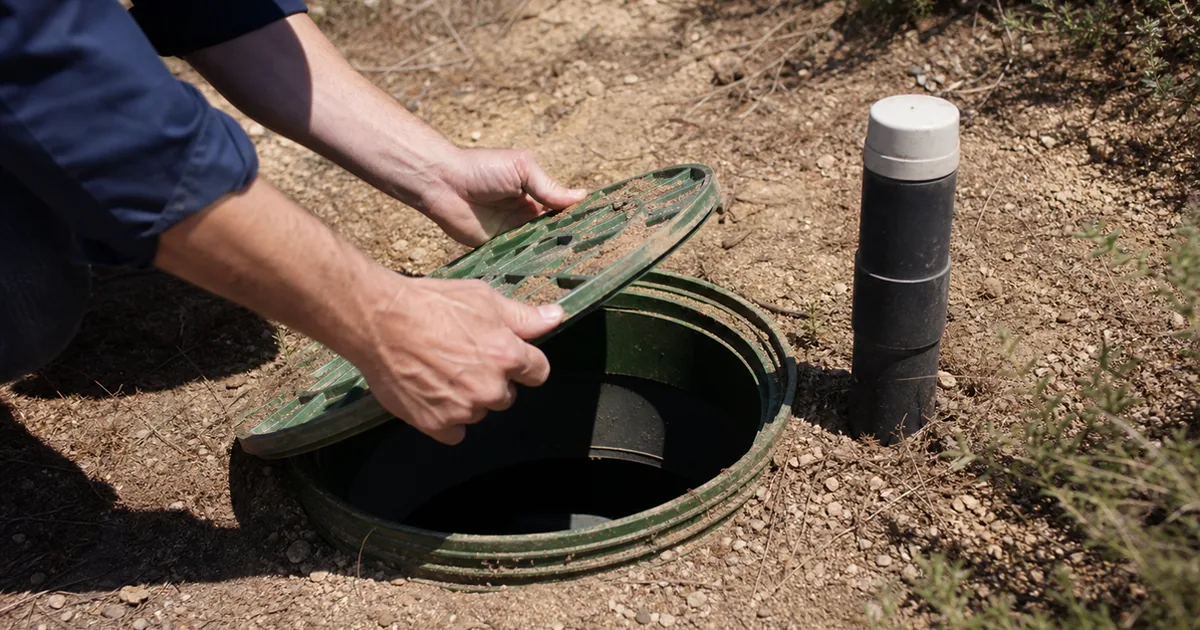
On a hillside listing off Latigo Canyon, the disclosure packet looked clean and the home showed beautifully. Then we lifted the septic riser lid in the side yard and the liquid level was sitting two inches above the outlet baffle. That is the kind of detail that does not show up on a walkthrough, and it changes a transaction.
We see this pattern across Malibu. A buyer falls for the view, the seller has lived with a system that mostly works, and nobody has pumped or scoped the tank in years. The home inspection covers the house. The septic system is its own animal, with its own permit, its own specialist, and in Malibu, its own city program. If you list or sell here and you treat the septic as an afterthought, you are setting up a late-escrow surprise.
This guide is for the agent who wants to get ahead of that. Here is what an onsite wastewater system actually is, why Malibu treats it the way it does, and how to keep the deal moving when the report comes back.
Why this matters for the agent
Here is what is at stake. Almost no part of Malibu is on a public sewer. Most homes run an onsite wastewater treatment system, what people still call a septic system, and the City of Malibu regulates these directly through its own ordinance and operating permit program. A failing system is not a small credit. A full replacement or an upgrade to an advanced treatment system can run into the tens of thousands, and the timeline involves city review, not just a contractor.
If the septic is unknown at the point of sale, the buyer is buying a question mark, and the seller is exposed on disclosure. The agent who frames the septic early, gets it inspected, and brings the operating permit into the conversation looks like a professional. The one who waits for the buyer’s inspector to find a problem is now renegotiating under time pressure. We have seen both. The first one closes cleaner.
What an onsite wastewater system is, and why Malibu is different
An onsite wastewater treatment system, OWTS for short, treats and disperses household wastewater on the property itself. Wastewater leaves the home, enters a watertight septic tank where solids settle and partially break down, and the liquid effluent flows out to a dispersal field, leach trenches or seepage pits, where the soil finishes the job. A conventional system has no moving parts. An advanced system adds treatment components and usually a pump, which is why those need more frequent attention.
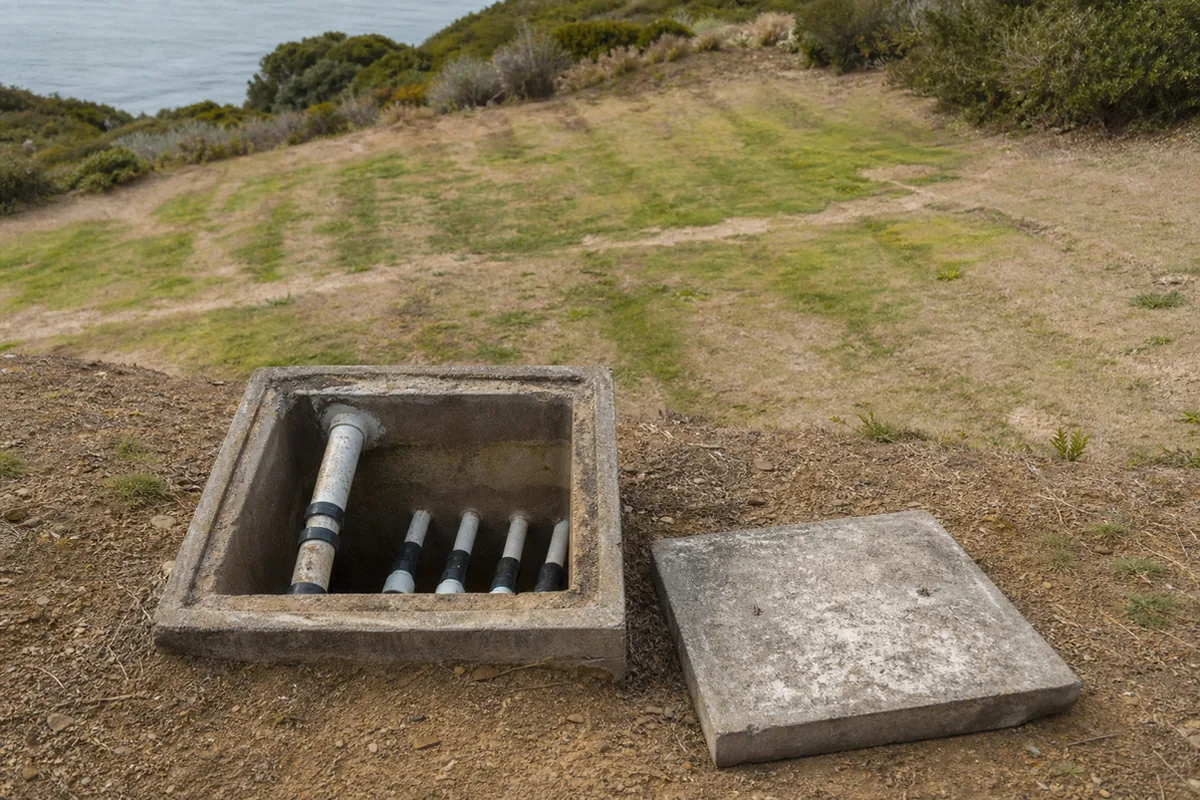
Malibu is stricter than most of California because of where it sits. The city drains to the ocean and to sensitive watersheds, so it adopted its own Local Agency Management Program and runs the program under Malibu Municipal Code chapters 15.40 and 15.44. The State Water Resources Control Board’s OWTS Policy sets the statewide floor, and Malibu layers its own requirements on top. The practical result for your transaction is the operating permit.
The operating permit is the part most agents miss
Here is the rule that catches deals. In Malibu, an operating permit must be obtained for an existing onsite system when the property is sold. It is also triggered by a septic repair permit or a short-term rental permit, but the sale trigger is the one that lands in your escrow. The permit is not a formality you handle after closing. It is tied to the transfer.
Operating permits in Malibu are not permanent either. A conventional residential system permit is valid for five years, an advanced treatment system runs three years, and commercial or multi-family use is two. So part of your job at listing is simple: find out whether the property even has a current operating permit, and whether the system is conventional or advanced. That single question tells you how much runway you have and what kind of system the buyer is inheriting.
What agents should tell every buyer
When a buyer is touring Malibu homes, give them these points before they write an offer.
- The septic system is a separate inspection from the home inspection, and it needs its own specialist who can pump and scope the tank. Budget for it as a line item.
- Malibu requires an operating permit for the existing system at the point of sale. Ask early whether the seller has a current one and whether the system is conventional or advanced.
- A pumping and a visual lid-lift are not the same as a full evaluation. The tank should be pumped, the baffles checked, and the dispersal field assessed before they remove the contingency.
- Advanced treatment systems have pumps, alarms, and service contracts. If the home has one, the buyer is taking on ongoing maintenance, not just a tank in the ground.
- The disclosure should say when the system was last pumped, last inspected, and last permitted. Missing dates are a flag, not a comfort.
- Replacement is a city-reviewed process, not a weekend contractor job. If the system is at the end of its life, the timeline matters as much as the cost.
A buyer who hears this from you, before the inspector tells them, trusts you more for the rest of the deal.
Red flags during showings
You do not need to open a tank to spot trouble. Watch for these during a showing or a listing appointment.
- Spongy, unusually green, or wet ground over the dispersal field, even in dry weather.
- A sewage or sulfur odor in the yard, especially downhill from the tank.
- Slow drains, gurgling fixtures, or a history of the seller “watching the laundry loads.”
- Riser lids that look brand new on an old system, which can mean a recent scramble.
- An advanced treatment system with no visible service records or an alarm panel nobody can explain.
- A dispersal field that has been landscaped over, paved, or built on, which buries the access and the problem.
If we see any of these, we say so directly in the report, and we tell the buyer to bring in a septic specialist before the contingency clears.
The negotiation playbook
When a septic issue surfaces, the deal usually goes one of a few ways. Here is how we have seen each play out.
The first path is seller-repairs. The seller pumps, repairs the baffles or a failed component, and provides the city operating permit before closing. This is cleanest when the problem is maintenance rather than replacement. Push for it when the fix is bounded.
The second path is a credit with a scope. The buyer takes a closing credit sized to a written specialist estimate, then completes the work after closing. This works when both sides trust the estimate. The risk is that a soil or dispersal-field problem comes in higher than the credit once the city gets involved. Size the credit to the specialist’s number, not a guess.
The third path is the replacement timeline. If the system needs full replacement or an upgrade to advanced treatment, the real issue is calendar, not just dollars. City review takes time. Either the seller starts the process and the parties extend, or the buyer accepts the system as-is with a credit and a clear-eyed understanding of the permitting road ahead. We do not pretend a credit makes a replacement instant.
The fourth path is walk-away. Sometimes the dispersal field has failed, the lot is tight, and the replacement options are expensive and uncertain. A buyer is allowed to decide that is not the home for them. We document what we found and when. The decision is the buyer’s and their advisors’.
How the inspection actually catches it
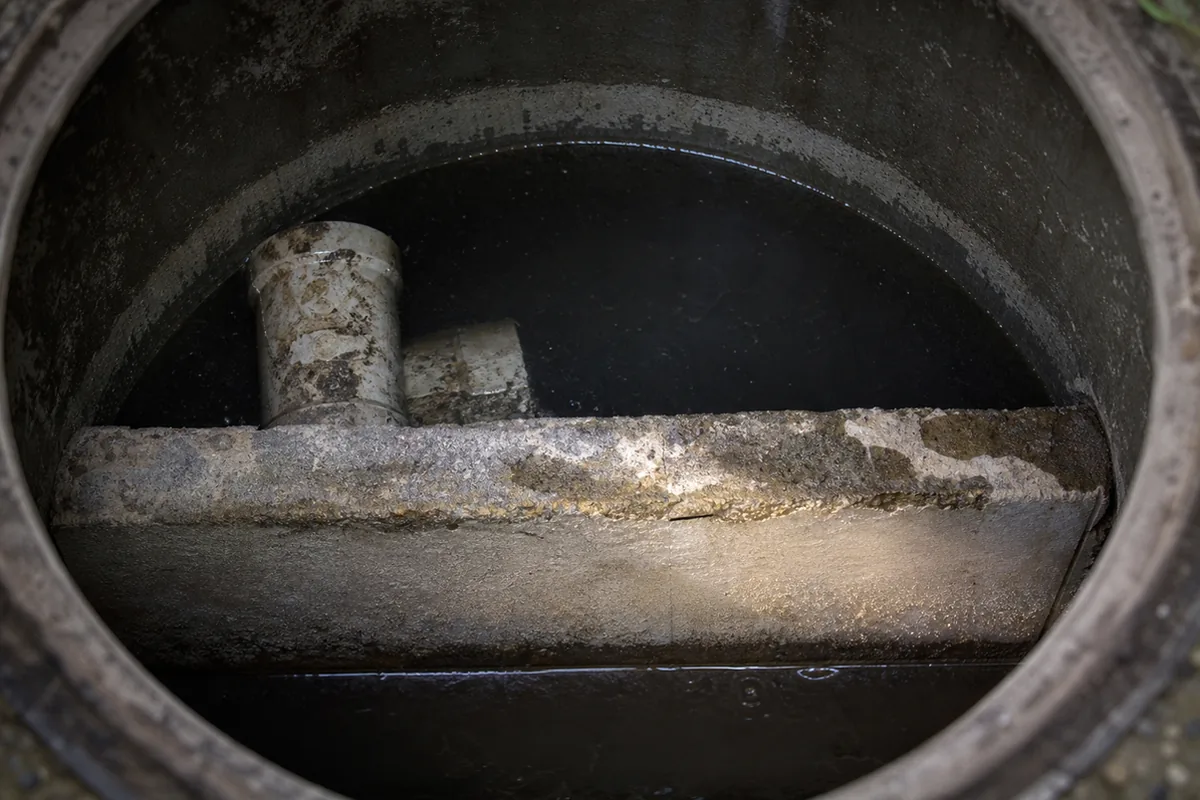
A home inspection and a septic evaluation are different scopes, and we are straight with clients about that. On the home, we document the visible plumbing, the fixtures, and the drainage performance, and we lift accessible riser lids to observe the tank’s liquid level and condition where we safely can. What we see at the lid, an effluent level above the outlet baffle, heavy scum, or backflow, tells us whether to escalate.
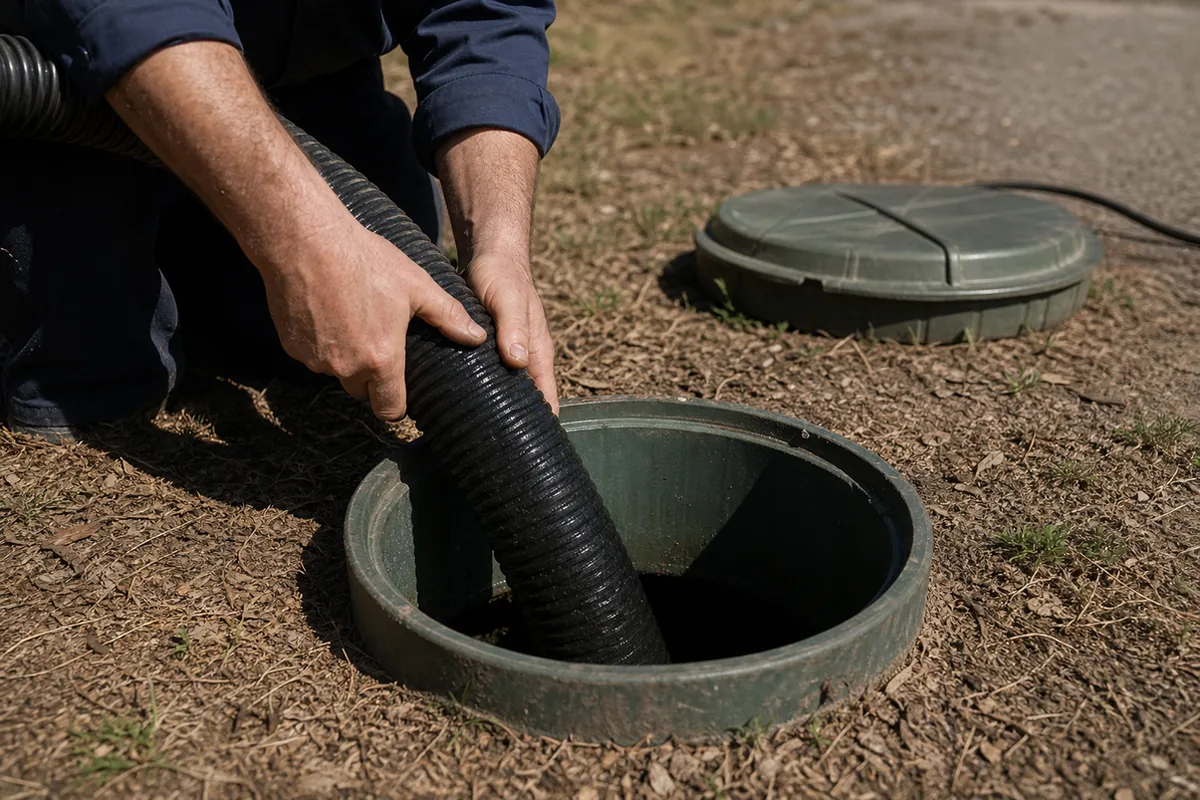
For the full picture, a septic specialist pumps the tank, inspects the baffles and structure, and evaluates the dispersal field, sometimes with a camera. On advanced systems, they check the treatment components and the pump. We use thermal imaging inside the home to catch wet spots and drain leaks that point back to the system. The point is coordination. We catch the signs, the specialist confirms the diagnosis, and the operating permit closes the loop with the city.
For the broader picture of what a Malibu home inspection covers beyond the septic system, from the fire-zone exposure to the hillside drainage to the coastal envelope, see our Malibu service area page. And for details on our full inspection package including infrared, drone, and 3D tour, see what every inspection includes.
Quick FAQ
Does Malibu require a septic inspection to sell a home? Malibu requires an operating permit for an existing onsite system at the point of sale, and obtaining or renewing that permit involves the city confirming the system’s status. In practice that means the system needs to be inspected and brought into compliance as part of the transfer. Treat it as a sale requirement, not an option.
Is the septic covered by the home inspection? No. The home inspection documents the visible plumbing and drainage and observes the tank at accessible lids, but a full septic evaluation is a separate scope by a septic specialist who pumps and inspects the tank and dispersal field.
How long is a Malibu operating permit good for? A conventional residential system permit is valid for five years, an advanced treatment system for three years, and commercial or multi-family use for two years. Check the current permit’s date during the listing, not during escrow.
What is the difference between a conventional and an advanced system? A conventional system relies on the tank and soil dispersal with no moving parts. An advanced treatment system adds treatment components and a pump, requires more frequent permits, and usually carries a service contract the buyer inherits.
Who pays for septic repairs in a sale? That is negotiable. The seller is typically responsible before closing, but the parties can agree to a credit that shifts the work to the buyer. Size any credit to a written specialist estimate.
The honest summary
Malibu is one of the few markets where the wastewater system can be the most consequential thing on the property, and it is the thing buyers think about least. The system has its own permit, its own specialist, and a city that reviews replacements on its own schedule. None of that is a reason to fear a Malibu deal. It is a reason to front-load the septic question, get the operating permit on the table at listing, and bring in the right specialist early.
If we inspect the home and the signs point to the tank or the field, we will say so plainly and tell your buyer exactly who to call next. That is the job.
For rural properties with well and septic systems outside the Malibu city program, our Fallbrook well and septic escrow guide covers the county-level process. And if your deal involves a property near wildfire zones, our Wildomar wildfire defensible-space guide walks through what to expect on the fire-hardening side. For a different kind of California waterfront property, where the seawall and dock are part of the purchase, see our Newport Beach seawall and dock guide.
See what every inspection includes | Explore Malibu home inspections | Read our FAQ