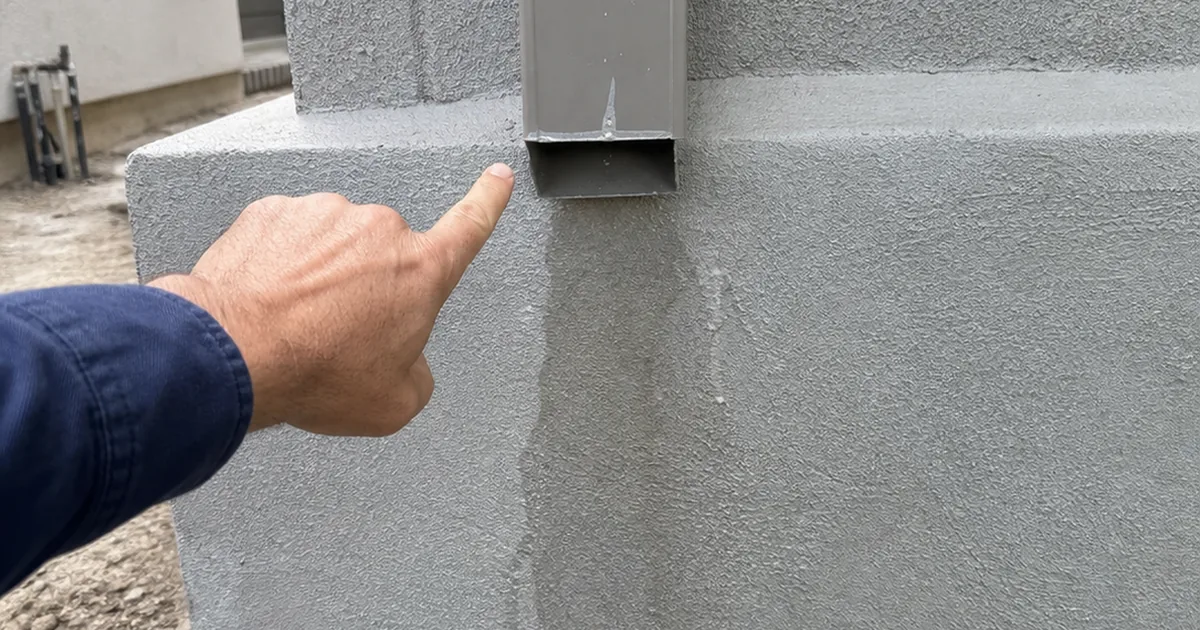
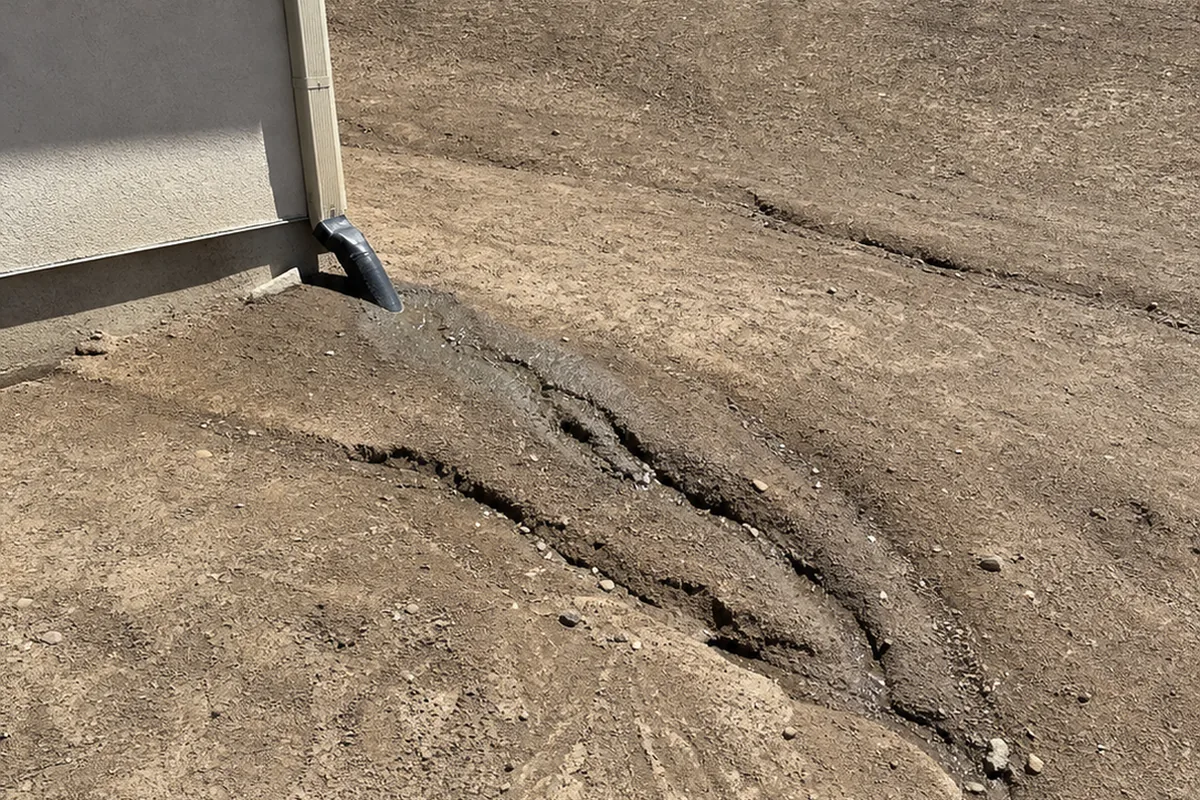
On a brand-new Tustin Legacy home, the finishes were flawless and the buyer assumed a new build meant nothing to inspect. Two things said otherwise. The grading behind the home sloped a hair toward the foundation and a downspout dumped against the slab, and the ground the whole neighborhood sits on used to be a Marine Corps air base. Neither is a reason to walk. Both are reasons to inspect with your eyes open.
Tustin Legacy is one of the biggest new-home stories in Orange County, a master-planned community rising on roughly 1,600 acres of the former Marine Corps Air Station Tustin. Buyers love the newness, the parks, and the location. What they often do not realize is that a new home still has defects, and that this particular ground has a documented history of grading, engineered fill, and environmental remediation under regulatory oversight. An agent who understands both looks like a pro.
Schedule a Tustin Legacy inspection · Same-day report · Pay-at-closing available
Why this matters for the agent
Here is what is at stake. Two things buyers tend to get wrong at Tustin Legacy. First, they assume a new construction home is defect-free because the city already inspected it. City code inspection confirms the home meets minimum code at key stages. It is not the same as a thorough, buyer-side inspection of the finished home, and new homes routinely have real defects, from drainage and stucco to missed mechanical and plumbing details. Second, they either ignore the site history entirely or get spooked by it. The reality sits in between: the former base has a documented remediation history managed by the Navy under state and federal regulators, and the buyer’s job is to understand the disclosures and records, not to panic or to pretend the history does not exist.
For your transaction, getting both right keeps the deal rational. A buyer who inspects the new home catches the fixable defects while the builder is still on the hook. A buyer who reviews the environmental disclosures understands what they are buying. The agent who guides both is the one who closes clean and keeps the client for the next deal.
If you work Tustin’s Legacy communities, this is part of your inventory whether you have thought about it that way or not.
What building on the former base actually means
The former Marine Corps Air Station Tustin closed in the late 1990s, and the land, about 1,600 acres in Tustin plus a smaller piece in Irvine, has been redeveloped into Tustin Legacy over the years since. Turning a decades-old military airfield into neighborhoods involves two things that matter to a home buyer: earthwork and environmental cleanup.
The earthwork means grading and engineered fill. Old runways, foundations, and utilities are removed, and the ground is cut, filled, and compacted to create building pads. Done right and tested, engineered fill performs well, but it is the reason drainage, grading, and any early settlement deserve attention on a new pad. The environmental side means remediation. The cleanup of the former base has been carried out by the Department of the Navy under the oversight of the U.S. EPA and California regulators, including the Department of Toxic Substances Control and the Regional Water Quality Control Board. Contaminated soil has been found and removed during development, and emerging contaminants are being assessed under that same oversight. For a buyer, the takeaway is not alarm. It is that a documented, regulator-supervised process exists, and that the environmental records and disclosures are part of doing due diligence here in a way they would not be on an ordinary lot.
What agents should tell every buyer
When a buyer is considering a Tustin Legacy home, give them these points before they write.
- A new home still needs an independent inspection. City code inspection is not a substitute for a thorough buyer-side inspection of the finished home.
- The neighborhood sits on graded, engineered fill from the former base. Drainage, grading, and any early settlement deserve a real look on a new pad.
- The site has a documented environmental remediation history managed by the Navy under state and federal regulators. Review the environmental disclosures and city and agency records as part of due diligence.
- Builder-grade materials and fast production schedules mean real defects. Catch them while the builder warranty and the fit-and-finish walk are still in play.
- Keep the builder accountable. Put inspection findings in writing and get them onto the builder’s punch list before closing.
- The home inspection documents the home and the visible site. Environmental questions go to the disclosures, the city, and the regulators. Line them up.
A buyer who hears this from you buys with confidence instead of either false comfort or unnecessary fear.
Red flags during showings
Even on a pristine new home, there are things to watch. Add these to your walk-through at Tustin Legacy.
- Grading that slopes toward the home, downspouts discharging at the foundation, or standing water on a new pad after irrigation or rain.
- Stucco cracks at window and door corners, or weep screed buried in fresh landscaping.
- Doors and windows that stick or have uneven gaps, which on a new home can signal early settlement.
- Roof, flashing, and attic details that look rushed, and HVAC or plumbing runs that look incomplete.
- A missing or vague set of environmental disclosures, or a buyer who has not been given the site-history documents.
- Fit-and-finish issues that hint at a fast production schedule, which is a reason to inspect the things you cannot see.
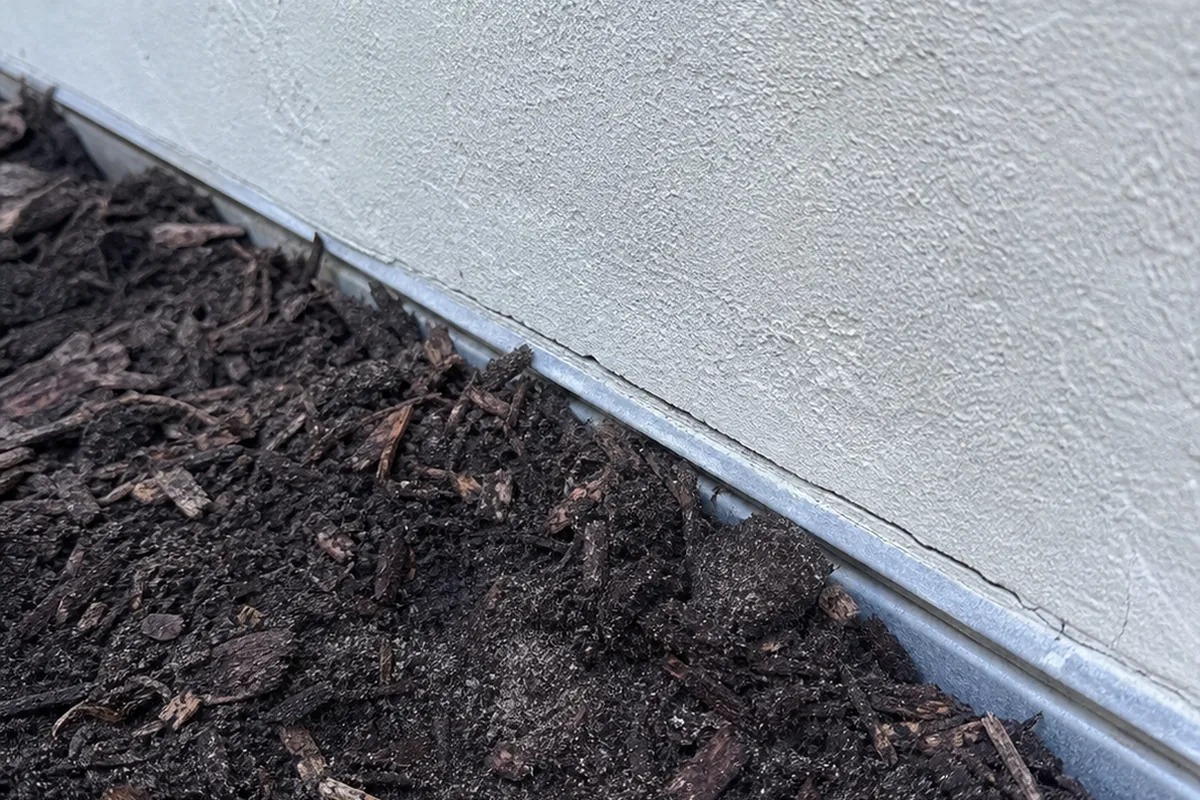
If we see these, we document them and give the buyer the written findings to take to the builder before closing.
Schedule a Tustin Legacy inspection
The negotiation playbook
New construction changes the negotiation, because the counterparty is a builder, not a private seller. Here is how these tend to go.
The first path is the builder punch list. The buyer’s inspection findings go onto the builder’s list, and the builder corrects them before closing under the fit-and-finish and warranty framework. This is the cleanest and most common outcome. The key is getting the findings in writing early, before the walk-through sign-off.
The second path is the pre-drywall and final inspection sequence. On a home still being built, a buyer can inspect before drywall to catch framing, mechanical, and drainage items that get covered up, then again at completion. This is the strongest position at Tustin Legacy, where homes are still being delivered. Encourage buyers to inspect at both stages when the timing allows. The same fresh-pad settlement pattern shows up on graded hillside lots, covered in our San Marcos hillside retaining wall guide.
The third path is the warranty claim. Some issues, especially settlement and drainage on new fill, surface in the first year or two. A documented inspection at purchase gives the buyer the baseline to press a warranty claim later. We do not pretend a new home cannot develop problems, and the report is the buyer’s evidence.
The fourth path is the environmental due-diligence hold. If the buyer wants comfort on the site history, the right move is reviewing the disclosures and agency records, and if needed consulting an environmental professional, within the contingency period. That is a records-and-specialist question, not a home-inspection question, and we point the buyer to it rather than pretending to answer it ourselves.
How the inspection actually catches it
A thorough new-construction inspection is exactly what a Tustin Legacy buyer needs, because the defects here are the ones a fast build and a fresh pad produce. We document the grading and drainage around the home, the stucco and weep screed, the roof and flashing, the attic, and the mechanical, electrical, and plumbing systems, and we look for the early settlement signs that new engineered fill can produce. Our guide on why a new construction home still needs an inspection walks through why the city code inspection is not enough.
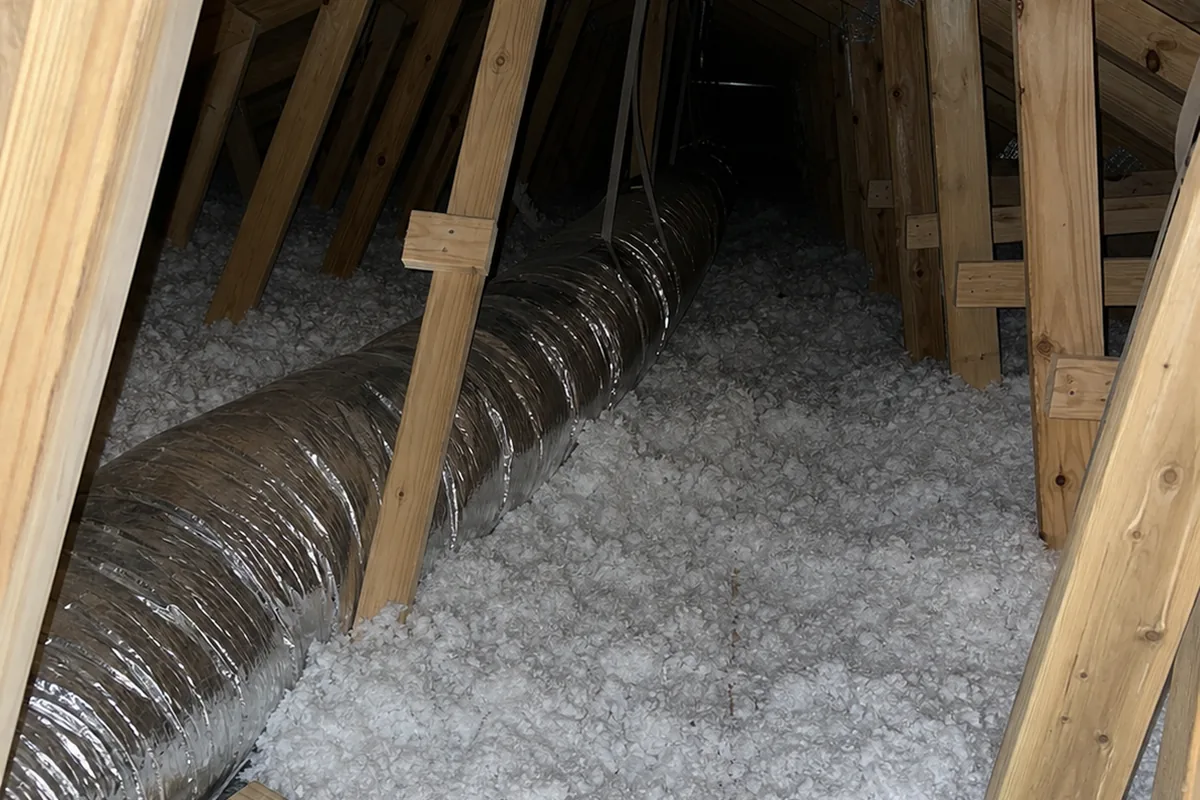
We use thermal imaging to find moisture and missed insulation behind new finishes, and drone imagery to read the roof a ground-level walk cannot. What we do not do is assess the site’s environmental remediation or test soil and groundwater. That is the province of the disclosures, the city, and the state and federal regulators who oversee the cleanup, and we route the buyer there for those questions. We document the home and the visible site, and we tell the buyer exactly who to call for the rest. If we see something worth flagging, it goes in the report.
Schedule a Tustin Legacy inspection
Quick FAQ
Do I really need an inspection on a brand-new Tustin Legacy home? Yes. City code inspection confirms minimum code at stages of construction. It is not a thorough, buyer-side inspection of the finished home, and new homes routinely have drainage, stucco, roofing, and mechanical defects worth catching while the builder is still responsible.
Is it safe to buy a home built on a former military base? The former base has been redeveloped under a documented cleanup managed by the Navy with oversight from the U.S. EPA and California regulators. That is a records-and-disclosure question a buyer should do real due diligence on, reviewing the environmental disclosures and agency records, and consulting an environmental professional if they want added comfort. The home inspection does not answer environmental questions, and we say so.
What site-specific things matter on these lots? The neighborhoods sit on graded, engineered fill. Drainage, grading, and early settlement deserve attention on a new pad, and we document them. The environmental history is a separate, records-based matter handled through disclosures and the regulators.
When should the buyer inspect? When timing allows, before drywall to catch framing, mechanical, and drainage items that get covered, and again at completion. On homes still being delivered at Tustin Legacy, the two-stage approach is the strongest position.
Who handles the environmental questions? The disclosures, the City of Tustin, and the state and federal agencies overseeing the cleanup, plus an environmental consultant if the buyer wants one. We point the buyer to those resources rather than substituting for them.
The honest summary
Tustin Legacy is a genuinely appealing place to buy new, and buying well here means holding two ideas at once. A new home still has defects, and the buyer who inspects catches them while the builder is on the hook. And the ground has a real history of grading, fill, and regulator-supervised remediation, which the buyer should understand through the disclosures and records, not fear and not ignore. Handled that way, it is a clean, confident purchase.
We will inspect the new home thoroughly, document the pad and the drainage, and point the buyer to the disclosures and regulators for the site history. That is the job.
Schedule a Tustin Legacy inspection or see our full inspection scope before you book. Want to see what the finished report looks like? Here is a sample inspection report. Common questions are answered in the FAQ. For the broader case on new-construction inspections, read our do you need a home inspection on new construction guide, and see how graded-pad drainage plays out on a hillside lot in our San Marcos retaining wall guide. For which code edition a new Tustin Legacy home was actually built under, and why that is set by the permit application date rather than the move-in date, see our guide to the 2025 California Building Standards Code.