A buyer’s repair request asked for a leaking water heater to be replaced and a GFCI to be added at the kitchen counter. Five days before closing, the agent gets a text: “all done.”
The walk-through shows a new water heater. Nobody has asked who installed it, whether a permit was pulled, or whether the GFCI is on the right circuit.
This is a composite of situations we see, not one job. A new appliance standing in the garage tells you something was installed. It does not tell you that it was installed to the agreement.
The C.A.R. form already calls for three kinds of repair paperwork
The C.A.R. California Residential Purchase Agreement, form RPA revised 12/22, calls for invoices and paid receipts for work performed by others, a dated written statement for work performed by the seller, and copies of those documents before final verification of condition.
Paragraph 15, titled “REPAIRS,” says:
“Repairs shall be completed prior to final verification of condition unless Otherwise Agreed.”
The form allows repairs at the seller’s expense to be performed by the seller or through others. The work still must comply with applicable law, including governmental permit, inspection and approval requirements.
The form also says:
“Repairs shall be performed in a good, skillful manner with materials of quality and appearance comparable to existing materials.”
For work performed by someone other than the seller, the seller must obtain invoices and paid receipts. For work performed by the seller, the seller must prepare a written statement indicating the repairs performed and the date of those repairs. The seller must provide copies of the invoices, paid receipts, and statements to the buyer before final verification of condition.
The form also says the buyer acknowledges that exact restoration of appearance or cosmetic items following all repairs may not be possible.
Check the revision date printed at the foot of each page in the file. C.A.R. revises this form, and paragraph numbers can move between revisions.
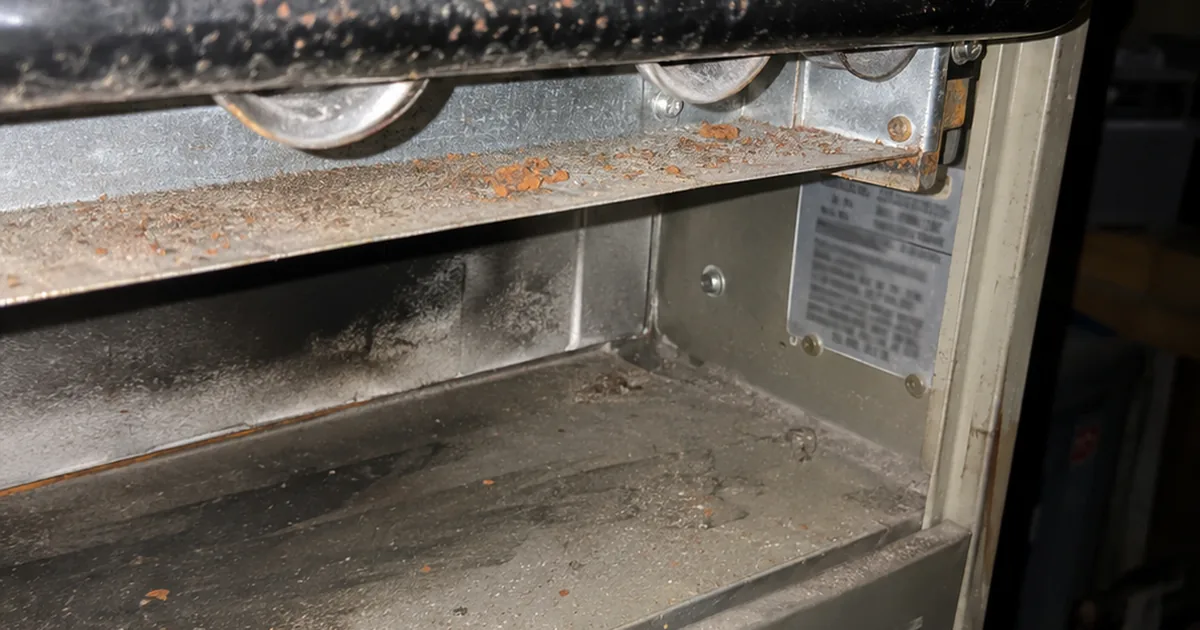
The same proof-first habit applies to equipment already in the house: match a panel to a recall notice and ask for a written HVAC scope on a furnace.
Final Verification of Condition is not a second inspection
Final Verification of Condition is limited to checking whether the property was maintained, the agreed repairs were completed, and the seller complied with other obligations in the agreement. It is not a second inspection and it is not a contingency.
Paragraph 16 of the same form gives the buyer the right to make a final verification of the property condition within the time specified in paragraph 3J, “NOT AS A CONTINGENCY OF THE SALE.” The form identifies the applicable checks as:
- The property is maintained pursuant to paragraph 7B.
- Repairs have been completed as agreed.
- The seller has complied with the seller’s other obligations under the agreement.
The default time in the form’s table is five days before Close Of Escrow.
That timing changes how you handle the file. Ask for the repair paperwork when the repair agreement is signed, not for the first time at the walk-through. The contingency clock and removal process are separate contract questions, and our piece on how the California inspection contingency actually runs explains that timing in more detail.
If an area was blocked during the inspection, it should be opened during the contingency period, not saved for the walk-through. A final verification is not a substitute for access, which is why our guide to clearing a “not inspected” line in the report puts that step early.
What happens if repairs are not complete at that point is a contract question for the agent and a real estate attorney. It is not a question for the inspector to answer with a remedy.
Removed contingencies make the repair file more important
Once a buyer removes a contingency, the purchase agreement shifts the expense of related repairs onto the buyer unless something else was agreed.
Paragraph 14F(1) says that, unless Otherwise Agreed, the buyer is conclusively deemed to have “assumed all liability, responsibility and expense for the non-delivery of any Reports, disclosures or information outside of Seller’s control and for any Repairs or corrections pertaining to that contingency.”
That makes the signed repair agreement the place to start. Keep the C.A.R. form RRRR, the seller’s response, and the buyer’s reply together. The repair description should identify the item, location, and requested work. “Fix outlet” is not the same instruction as “add a GFCI-protected receptacle at the kitchen counter.”
The agents’ own paragraph does not fill this gap. Paragraph 18B says agents do not guarantee “the performance, adequacy or completeness of inspections, services, products or repairs provided or made by Seller or others.”
Nobody else is checking the completed work for the buyer by default. If you are deciding whether to give up the inspection contingency altogether, read what waiving it really costs in California before treating the repair list as a side note.
Inspection.re attends re-inspections after seller repairs. Re-inspection pricing is a flat rate based on scope and is quoted when you call. Schedule a re-inspection or call 1-888-88-INSP-9.
Match the proof to the kind of repair
The right proof depends on the work. A dated seller statement may be enough for a cabinet hinge. It is not enough for concealed gas work or a permitted structural repair.
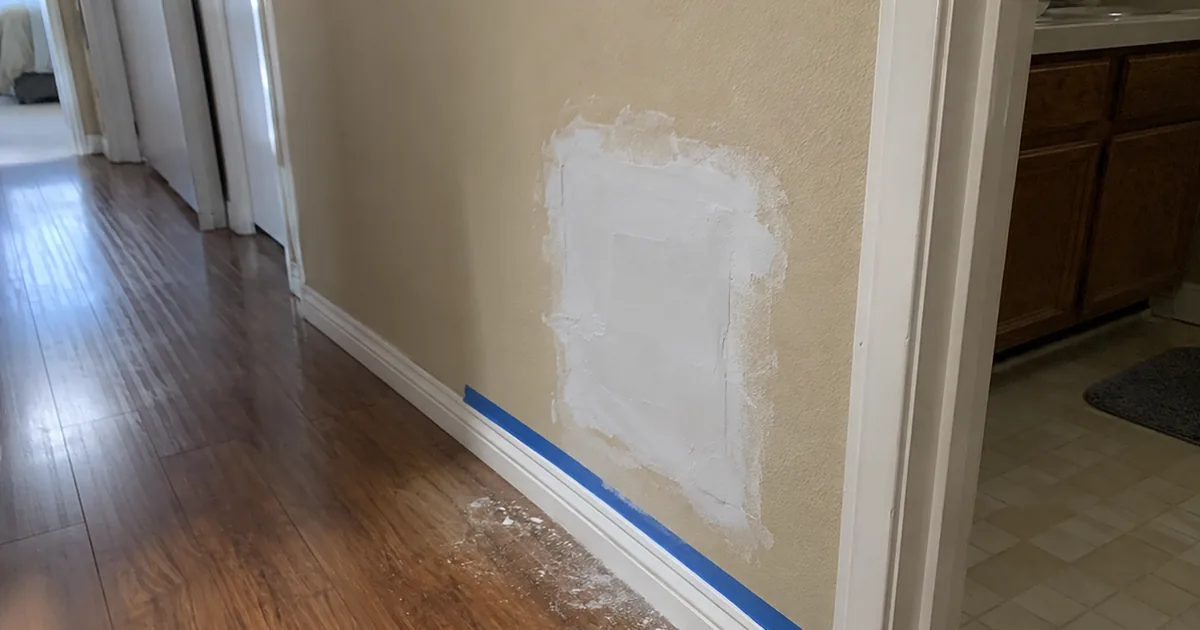
For a cosmetic or minor repair performed by the seller, ask for the seller’s written dated statement under paragraph 15, then look at the item during the walk-through. Examples include touch-up paint, a cabinet hinge, a caulk line, or a loose towel bar. The form already recognizes that exact cosmetic restoration may not be possible. The question is whether the agreed repair was performed, not whether every repaired surface looks factory new.
For hired work that does not need a permit, ask for an invoice and paid receipt that names the business and includes a contractor license number. Check that license through the Contractors State License Board’s “Check a License” lookup. CSLB Industry Bulletin 24-07, dated December 31, 2024, explains that AB 2622 raised the minor work exemption from $500 to $1,000 starting January 1, 2025. The exemption does not apply when the work requires a permit of any kind or when the unlicensed person employs anyone. A handyman invoice over $1,000, or an invoice for permitted work, is a red flag. Use this guide to matching a contractor license class to a referral when the work was hired out.
For permit-required work, ask for the permit number and its status. A permit that was issued is not the same as a permit that was finaled after the city’s inspection. Most building departments have an online permit lookup by address. Common examples include water heater replacement, electrical panel changes, reroofing, and structural work, but permit requirements vary by city.
The Los Angeles Department of Building and Safety answers the question, “Is a plumbing permit required to replace my gas water heater in my single family dwelling unit?” with “Yes, unless the work is performed by a contractor that holds a valid Certificate of Registration from LADBS as a Certified Licensed Contractor (CLC).” LADBS also states that a CLC is limited to replacement of equivalent capacity in gallons, BTU rating, and vent capacity.
That example shows why “no permit on file” needs a question, not an assumption. The answer depends on the city and the work. For what a correct install looks like once it is in, see our agent guide to water heater installation defects.
For safety-critical or concealed work, ask for the permit final where one is required and arrange a re-inspection of the specific items. Do that before the final walk-through window when possible. This tier includes gas lines and venting, panels and wiring, active leaks behind finished walls, roofing, and structural work.
If a pipe repair will be covered by new drywall, ask for in-progress photos while the wall is open. Once the wall is closed, a visual inspection cannot see the repair. The same applies to concealed leak work like the slab leak reroutes we see in Lake Elsinore. A panel swap is the other classic case, and our Federal Pacific and Zinsco panel guide covers what a permitted replacement should include.
A re-inspection checks the repair list, not the whole house
A re-inspection checks the items on the repair agreement. It does not repeat the whole home inspection.
Our inspector works from the original report and the signed repair list, item by item. The original report comes as a same-day report. The Matterport 3D tour has findings tagged in place, which makes it easier to return to the exact location of each finding and compare the condition.
That comparison starts with a clear repair list. If the original report identifies a leaking supply line under the kitchen sink, the re-inspection looks at that item. If the agreement says only “plumbing repair,” the inspector may have less information about what the parties intended.
Our inspectors are InterNACHI certified and work to the InterNACHI Standards of Practice. Those standards do not cover concealed or latent defects. A re-inspection cannot see inside a closed wall either. That is why in-progress photos matter for concealed work.
A re-inspection confirms visible completion and function on the day of the visit. It does not warrant workmanship. If the original findings were hard to follow, start with our guide to reading a California home inspection report.
We perform re-inspections across our service areas, from Temecula to Los Angeles and San Diego.
Five repair-file problems show up repeatedly
-
The wrong item was fixed. A different outlet may have received the GFCI while the outlet identified in the repair agreement remains unchanged.
-
The repair was done, but the cause was not. A stain may be painted over while the leak continues.
-
A permit was issued but never finaled. The permit record shows activity, but not completion after the city’s inspection.
-
The invoice comes from an unlicensed person for work above the $1,000 line or for work that needed a permit.
-
Receipts arrive at the walk-through or do not arrive at all, even though paragraph 15 says the seller must provide the documents before final verification of condition.
Each problem points back to the same file practice. Compare the signed repair language, the paperwork, the permit record, and the visible work. Do not treat a text saying “all done” as a substitute for any of them.
Warranty papers belong with the closing file
At Close Of Escrow, paragraph 7D says the seller assigns to the buyer any assignable warranty rights for items included in the sale and delivers available copies of those warranties.
Agents cannot and will not determine whether a particular warranty is assignable. Keep the warranty papers with the closing documents, along with invoices and permit numbers. The next inspector or buyer will ask for them.
The RPA table in the 12/22 form also gives smoke alarms, carbon monoxide detectors, and water heater bracing their own seven-day line, referenced to paragraph 10B(1). That is a separate obligation from negotiated repairs. Do not assume that a repair agreement replaces that separate line item.
Quick answers for the last week before closing
Can the seller do the repairs themselves?
Yes. The form allows the seller to perform repairs, with a dated written statement describing the repairs and the date completed. The work must still comply with applicable permit, inspection, approval, and other legal requirements.
Is the final walk-through my chance to back out over repairs?
Paragraph 16 says Final Verification of Condition is “NOT AS A CONTINGENCY OF THE SALE.” Talk to your agent about the agreement and to a real estate attorney about legal questions. The inspector does not decide the contract remedy.
Does a permit marked issued mean the work passed?
No. Ask whether the permit was finaled after the city’s inspection. Issuance and final approval are different statuses.
Should I re-inspect every repair?
No. Match the review to the repair. A seller’s cabinet hinge may call for a dated statement and a visual check, while permit-required and safety-critical work call for permit records and a targeted re-inspection.
Who pays for a re-inspection?
Whoever orders it. Inspection.re charges a flat rate based on the scope, quoted when you call.
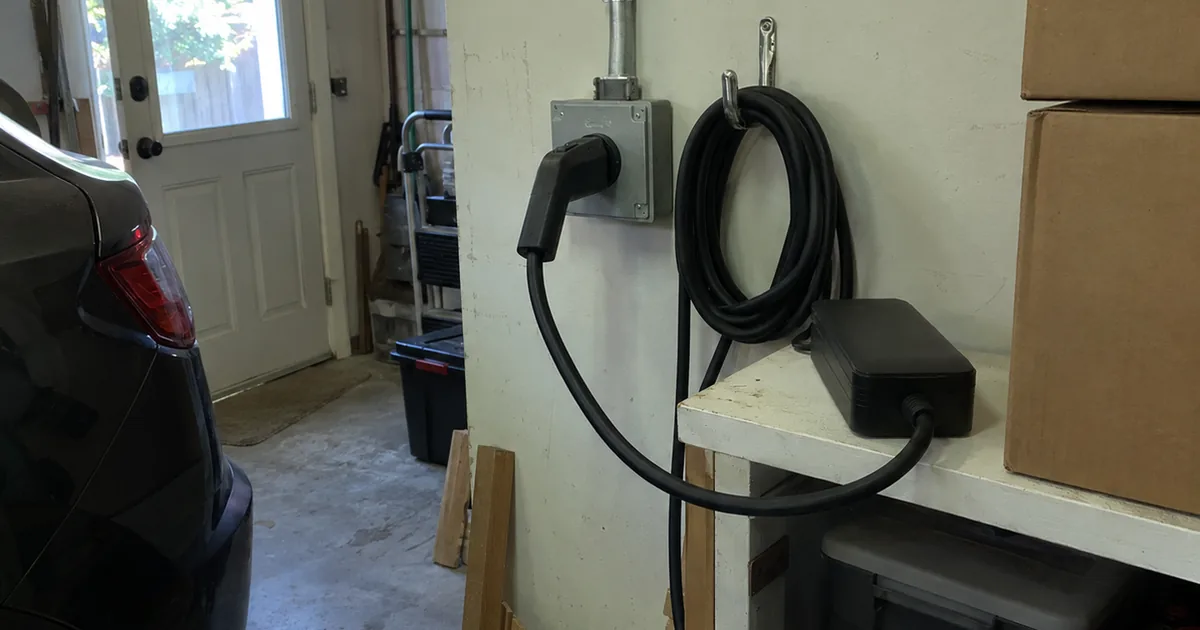
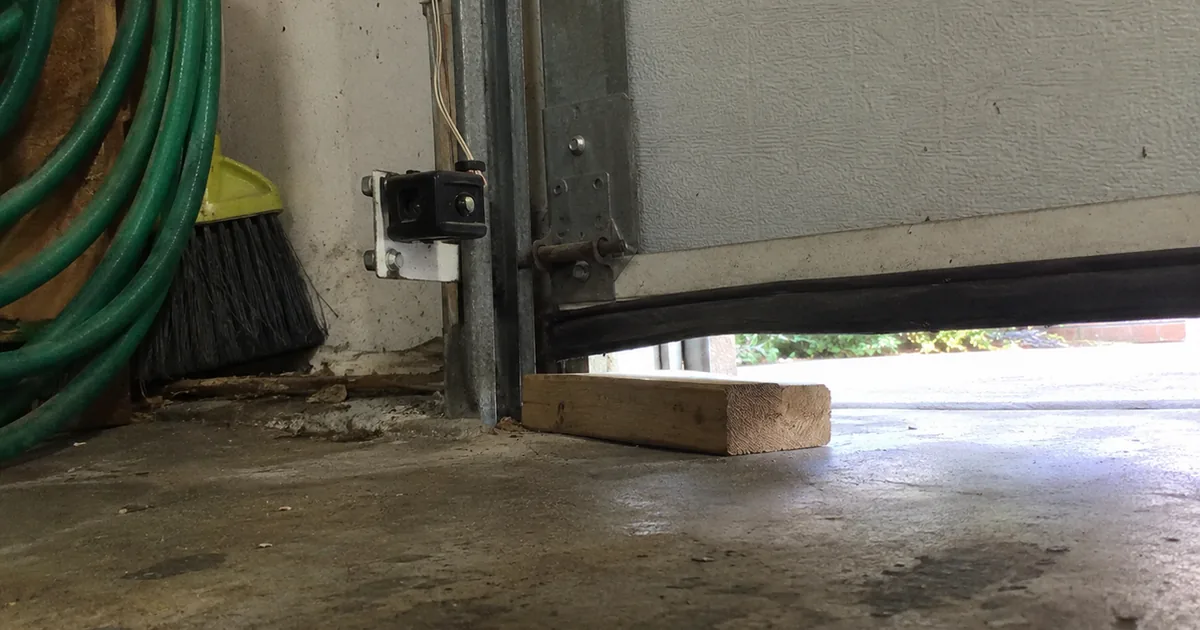
Two garage items show the pattern. An opener repair should come back with the written result of the 2-inch reversal test, and an EV charger circuit with a finaled permit and a breaker that matches the charger.
Ask for the paper before you ask for the promise
Ask for the invoices, paid receipts, seller statement, permit number, and permit final before Final Verification of Condition. Match that proof to the repair type. Put permit finals and a targeted re-inspection on the safety items. Keep the complete file with the closing documents.
If you are still early in the deal, read what our standard inspection includes and the questions buyers ask us most, and look at a sample of the same-day report so you know what the repair list will be built from.