The Outlets Nobody Looks At: A Redlands GFCI and AFCI Guide for Agents
The house was a handsome older home on one of the tree-lined Redlands streets, updated over the years and showing beautifully. The kitchen had been redone at some point in the last decade, with good cabinets and a proper island, and the bathrooms had been touched too. Everything a buyer looks at said the house had been cared for.
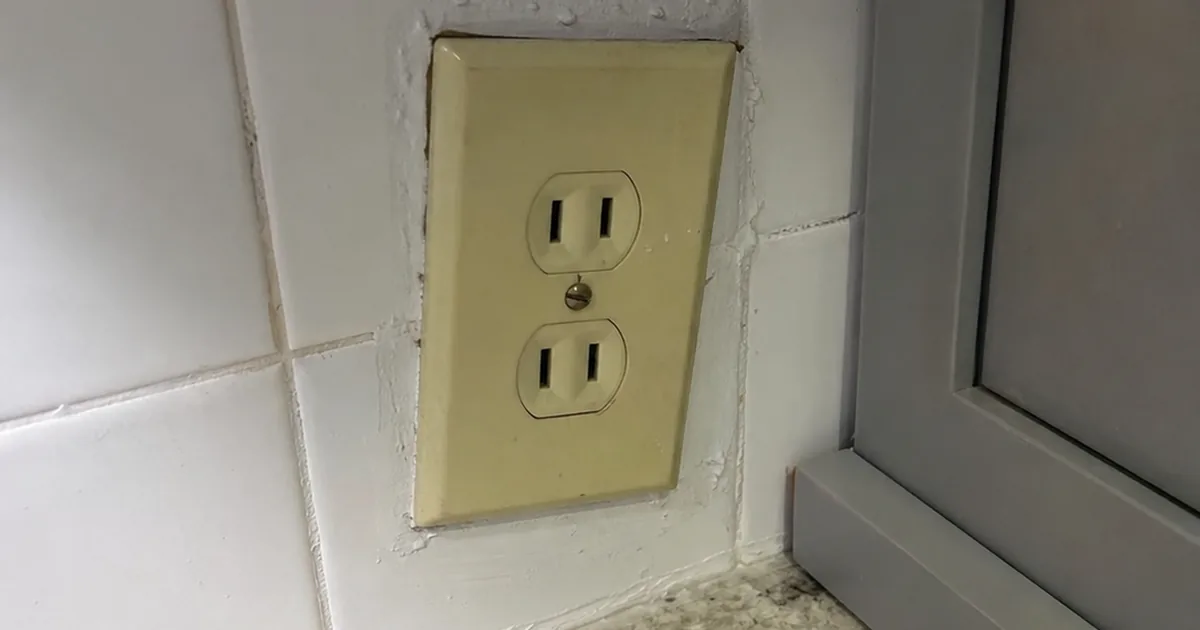
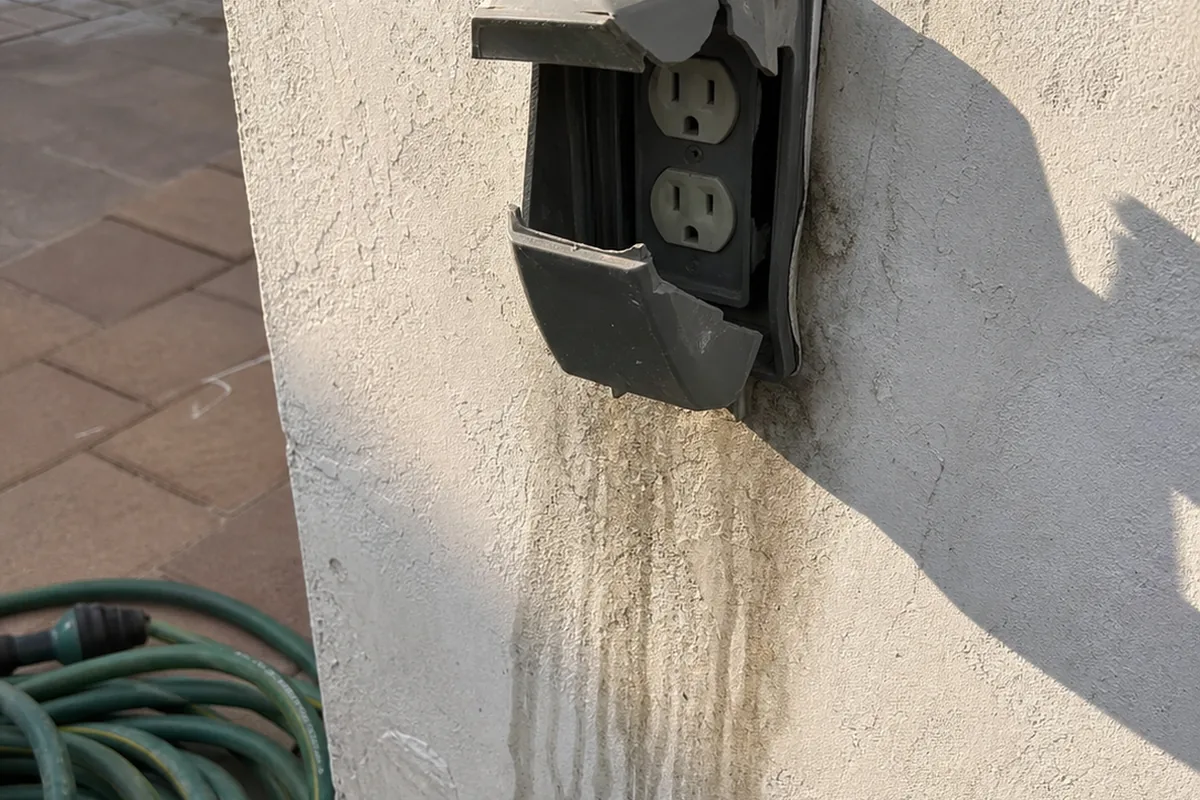
The outlets said something else. The kitchen counter receptacles were three-prong, modern-looking, and had no ground behind them and no GFCI protection anywhere upstream. Two of the bathrooms were the same. The exterior receptacle by the patio had a cracked cover and no protection either. Somebody, at some point, had swapped old two-prong outlets for three-prong ones because the new ones fit the new plugs, which is a five-dollar change that makes an ungrounded circuit look grounded and protects nobody.
None of that showed in the listing photos, and none of it would have surfaced at a walkthrough. It is one of the most common electrical findings we write up in Redlands, and one of the least expensive things on any report to correct.
This guide is for the agent working Redlands and the surrounding Inland Empire, including nearby San Bernardino, Rancho Cucamonga, and Ontario, where the same century-wide spread of housing produces the same gaps. Here is what these devices do, where they belong, and how to keep a fifty-dollar item from becoming a late surprise.
Why this matters for the agent
Here is what is at stake. GFCI and AFCI devices exist to prevent two of the most common ways houses hurt people: electrocution and electrical fires. They are protective devices, which means they do nothing at all until the moment something goes wrong, and then they do the only thing that matters. Unlike most of what an inspection turns up, these are cheap. A GFCI receptacle is a modest part, an AFCI breaker is a bit more, and a competent electrician can address a typical house in a visit.
Redlands makes this an agent’s issue because of the range of its housing. This is a city with genuine Victorian and Craftsman stock, a large body of citrus-era and mid-century homes, and newer tract construction on the edges, which means a buyer here can be looking at wiring from almost any decade of the last hundred years. Older homes very often have no GFCI protection where it is now expected and no equipment ground at all, and the well-meaning three-prong swap is everywhere. Newer homes have the devices but frequently have failed ones nobody has tested. Either way, the fix is small and the risk is not, and an agent who raises it early keeps it from being a last-minute item on a report the buyer reads as a list of electrical problems.
What these devices actually do
They are two different devices for two different hazards, and they are constantly confused, so it is worth being precise.
A GFCI, a ground fault circuit interrupter, protects people from shock. It watches the current going out on the hot conductor and the current coming back on the neutral, and if those do not match, it means some current is leaving the circuit by another path. That path is often a person. The device trips in a fraction of a second, at a leakage level far below what stops a heart. This is why GFCIs live where water and electricity meet.
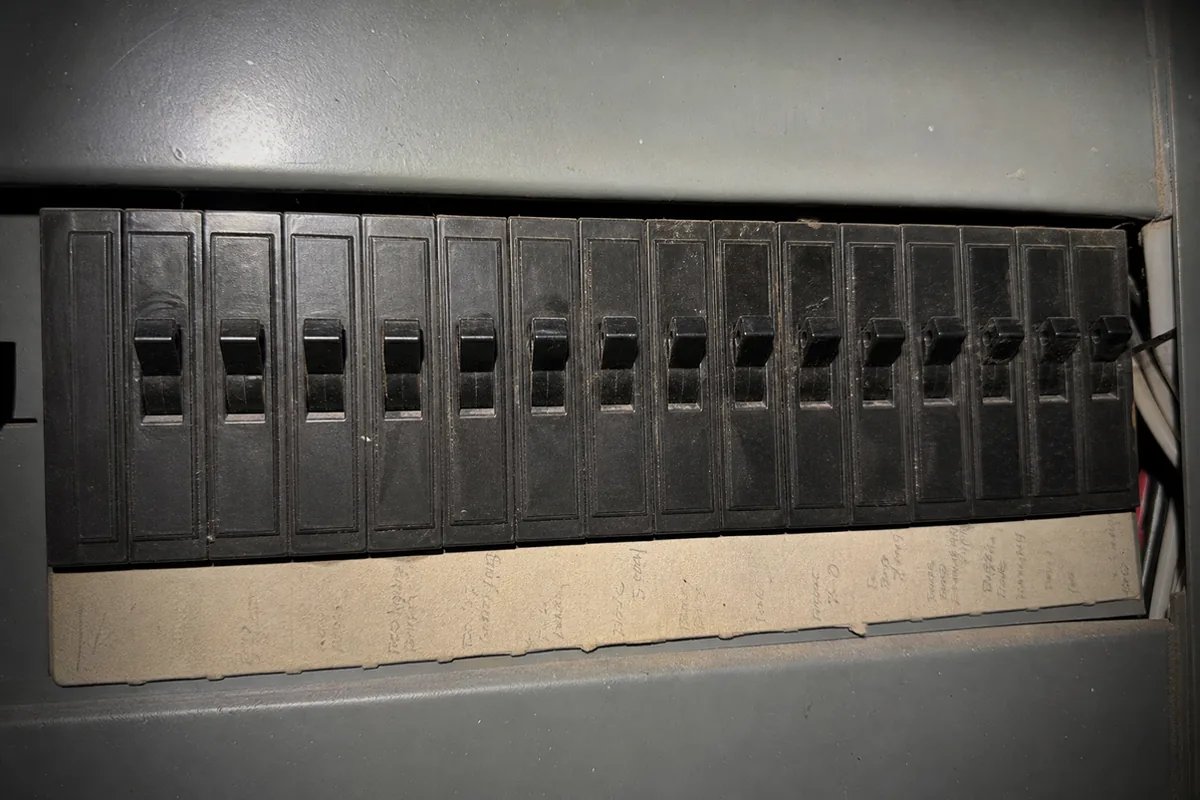
An AFCI, an arc fault circuit interrupter, protects the building from fire. Damaged, pinched, or deteriorated wiring can arc, producing intense localized heat inside a wall or behind a receptacle without ever drawing enough current to trip an ordinary breaker. An AFCI recognizes the electrical signature of that arcing and cuts power. It is usually a breaker in the panel rather than a device at the outlet.
Where they belong is straightforward. GFCI protection is expected at receptacles serving kitchen counters, bathrooms, garages, unfinished basements, crawlspaces, laundry areas, outdoors, and near sinks, wet bars, and pools. AFCI protection is expected on the circuits serving most living areas, bedrooms, living rooms, dens, hallways, and similar spaces. The specific lists have expanded across successive code cycles, which is exactly why an older home lags: it was compliant when built and the expectations moved.
The important part for a buyer to understand is that nobody is required to rewire an old house because the code changed. But these particular upgrades are unusually cheap relative to the protection they add, which makes them worth doing regardless of whether anyone is obligated to.
What actually goes wrong in Redlands
The failures repeat, and once you have seen them you cannot stop seeing them.
The ungrounded three-prong swap is the headline, and it is the one that misleads buyers. An old two-prong receptacle gets replaced with a three-prong one so modern plugs fit, but there is no ground conductor behind it. The outlet now looks modern and protects nothing, and anything plugged into it that relies on a ground, including surge protectors, is not actually protected. Done properly, the accepted approach where no ground exists is GFCI protection plus correct labeling, not a plain three-prong swap.
Missing GFCI protection in wet locations is the second. Kitchen counters, bathrooms, garages, laundry, and exterior receptacles with no protection anywhere on the circuit. In older Redlands homes this is routine, and it is the single most valuable correction on the list.
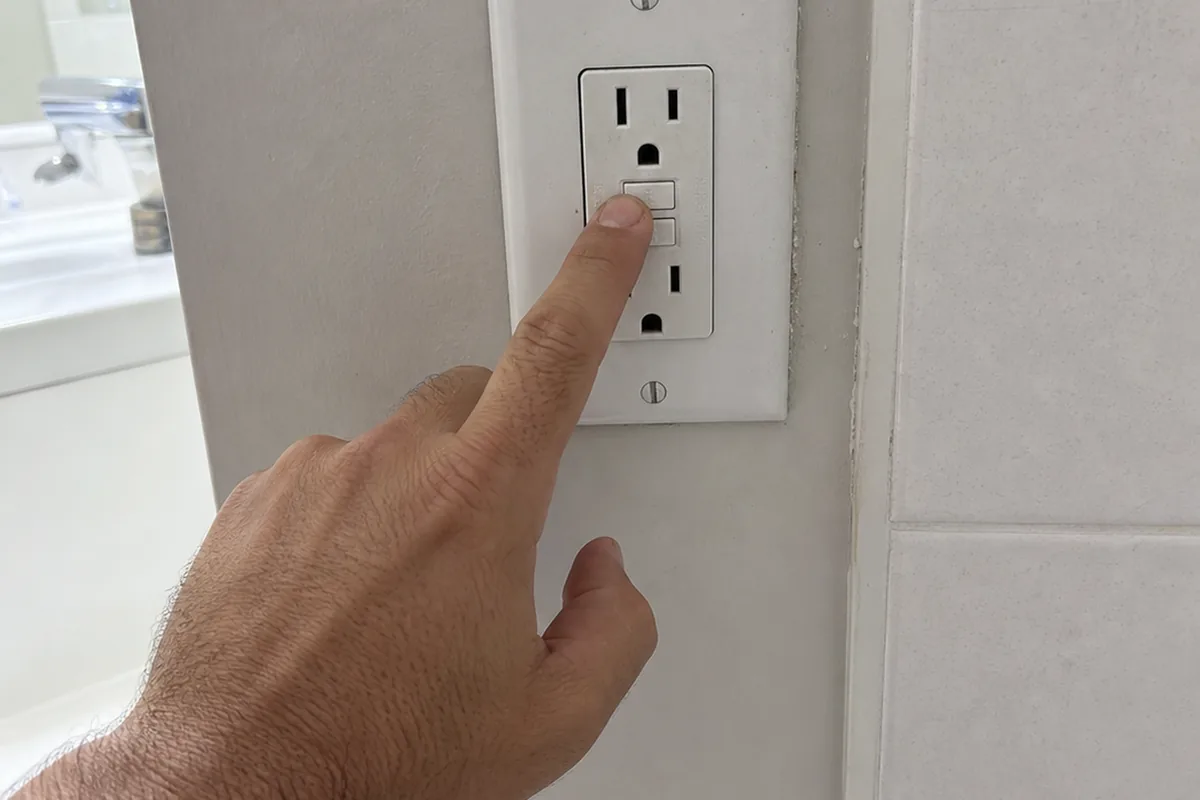
Failed and untested devices are the third, and they are common in newer homes too. A GFCI that will not trip when tested, or will not reset, is a device that has reached end of life and is providing no protection while looking like it is. Nobody presses these buttons, so nobody knows.
Reversed polarity and open grounds are the fourth. Hot and neutral connected backward, or a ground wire that terminates nowhere. These are quick to find with a tester and quick to fix, and they signal work done by someone who was not careful.
No AFCI protection on living-area circuits is the fifth, and in older housing it is essentially universal, because the requirement is relatively recent. This is the one where judgment matters most: adding AFCI breakers to an old panel is worth discussing but is not always straightforward, and on some older wiring it can reveal existing faults.
Outdoor receptacles without proper covers is the sixth. An exterior outlet needs a cover rated for use with something plugged in, not a simple flap, and a cracked or missing cover in a place that gets wet is a direct hazard.
One boundary worth stating. This article is about the protective devices at the outlets and their circuits. The wiring material itself is a different subject: aluminum branch wiring has its own failure mechanism and is covered in our El Cajon aluminum wiring guide, and the panel and service capacity questions belong with the panel discussion, which our older electrical panels guide works through. GFCI and AFCI devices are about what protects the circuit, not what the circuit is made of.
Schedule a Redlands inspection →
What agents should tell every buyer
When a buyer is under contract in Redlands, give them these points before the inspection.
- A three-prong outlet does not mean a grounded circuit. In an older home, assume nothing until it is tested.
- Look for GFCI protection wherever water is nearby: kitchen counters, bathrooms, garage, laundry, outside. Older homes usually do not have it.
- Press the test buttons on any GFCI you can find. A device that will not trip is not protecting anyone.
- Understand that no one has to rewire an old house because the code changed. These upgrades are voluntary, cheap, and worth doing anyway.
- Ask for the whole scope from the electrician rather than a per-outlet count. It is usually a single visit and a modest number.
- Treat this as a safety item, not a code-compliance argument. The point is not whether the house is technically obligated to have it. The point is shock and fire.
A buyer who hears this stops reading the electrical section as a list of violations and starts reading it as a short shopping list.
Red flags during showings
You can catch a surprising amount of this without any tools. Watch for these in Redlands homes.
- Three-prong outlets in a clearly pre-war home with no other sign of rewiring.
- No GFCI receptacles anywhere near kitchen counters, in bathrooms, in the garage, or outside.
- Outlets that look brand new in a room where nothing else has been touched.
- A GFCI with a faded or missing test button, or one that has obviously been painted over.
- Exterior receptacles with a cracked, missing, or flat non-weatherproof cover.
- Two-prong outlets still in service, which at least is honest about what is behind them.
- Extension cords and power strips in permanent use, which usually means too few outlets on old circuits.
If we see these, we document them and tell the buyer what they mean.
The negotiation playbook
When GFCI and AFCI findings surface in Redlands, the deal usually moves one of a few ways.
The first path is seller-installs-the-GFCI-protection. Adding GFCI protection at kitchen, bath, garage, laundry, and exterior locations is a small electrician visit and the highest-value correction on the list. A cooperative seller should handle it, and buyers should ask for it before asking for anything more elaborate.
The second path is a credit for the electrical scope. Where there are also open grounds, reversed polarity, failed devices, and bad exterior covers, the cleanest outcome is often a credit sized to an electrician’s walk-through-and-correct visit, which covers the whole list at once rather than item by item.
The third path is the ungrounded-house conversation. When an older Redlands home turns out to be substantially ungrounded, the buyer is choosing between GFCI protection with proper labeling, which is the accepted and affordable approach, and rewiring, which is a much larger project. They should understand both options and their costs before the contingency closes, and should not assume a three-prong outlet means the choice was already made.
The fourth path is AFCI judgment. Adding AFCI protection to an older home is worth discussing, but it is not always a simple breaker swap, and on aged wiring it can trip repeatedly and reveal underlying faults. That is not a reason to avoid it, but it is a reason to have an electrician scope it rather than writing it into a repair request as a line item. Sometimes the honest answer is that AFCI is a sensible post-closing project rather than an escrow demand.
How the inspection actually catches it
This is a finding that comes down to testing rather than looking, which is most of the point. We test representative receptacles throughout the house rather than glancing at the cover plates, checking for correct polarity, the presence of an actual equipment ground, and whether GFCI protection is present and functional. We press the test and reset buttons on GFCI devices, because a device that will not trip is providing nothing, and that is invisible otherwise.
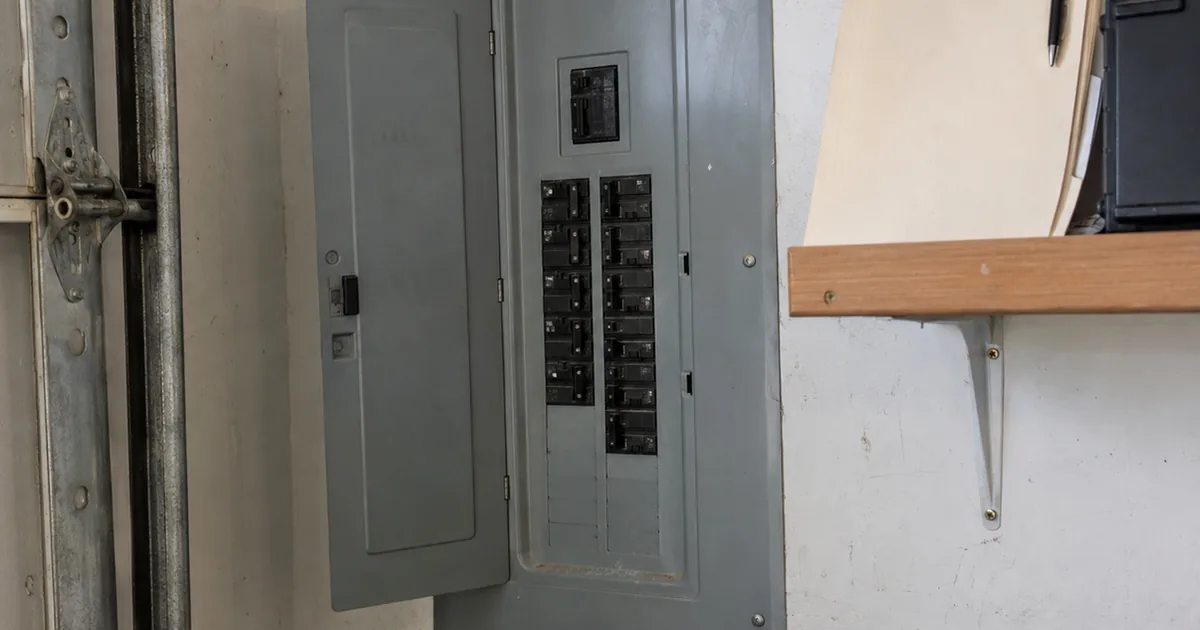
We identify where protection is expected and absent, which locations are wet or otherwise at risk, and whether an apparently modern outlet is actually grounded. We look at the panel for AFCI and GFCI breakers and note what the living-area circuits have. Where we find a three-prong outlet on an ungrounded circuit, we say so directly, because that specific condition misleads buyers more than almost anything else in a house. We report all of it in plain language, and because it reads as a long list of small items, we make clear which ones are safety and which are housekeeping, which is what our guide on how to read a home inspection report is about.
What we do not do is rewire anything or certify code compliance. A home inspector tests, documents, and explains, and tells the buyer what needs a licensed electrician. On this subject that referral is usually short and inexpensive, which is exactly why it is worth making early.
Quick FAQ
Where is GFCI protection expected? At receptacles serving kitchen counters, bathrooms, garages, unfinished basements and crawlspaces, laundry areas, outdoors, and near sinks, wet bars, and pools. Older Redlands homes frequently have none of it, and it is the most valuable inexpensive upgrade available.
What is the difference between GFCI and AFCI? GFCI protects people from shock by detecting current leaving the circuit through an unintended path. AFCI protects the building from fire by detecting the electrical signature of arcing in damaged wiring. They address different hazards and one does not substitute for the other.
Is a three-prong outlet in an old house a problem? It can be, and this is the single most misleading condition we find. If there is no ground conductor behind it, the outlet looks modern and protects nothing. Where no ground exists, the accepted approach is GFCI protection with correct labeling rather than simply fitting a three-prong receptacle.
Does an older home have to be brought up to current code? No. Nobody is required to rewire a house because the code changed. But GFCI protection in particular is inexpensive relative to the risk it removes, so it is worth doing whether or not it is required.
How much does this usually cost? It is typically one electrician visit and a modest number. That is precisely why it should be handled rather than argued over, and why it is worth raising early instead of at the end of the deal.
The honest summary
Redlands has housing from nearly every decade of the last century, and the outlets are where that history is most visible and least examined. Older homes often have no ground and no GFCI protection where it matters most, and somewhere along the way a lot of them acquired modern-looking three-prong receptacles that changed the appearance and nothing else. Newer homes have the right devices and a fair number of them no longer work, because nobody has pressed a test button in a decade.
This is not a dramatic finding and it will never be the headline of a report. It is a short list of small parts standing between a family and the two things electricity does to houses and the people in them. We will test the outlets rather than look at them, find where the protection is missing or failed, tell your buyer plainly which items are safety and which are housekeeping, and hand them a scope an electrician can price in a phone call. It is the cheapest real safety work in the house. That is the job.
See what every inspection includes → · Read our FAQ → · Explore Redlands home inspections →
Related reading
- Double-Tapped Breakers: A Downey Agent’s Guide. A different electrical panel defect: two conductors improperly terminated under one breaker lug.
- Aluminum Branch Wiring in El Cajon. The wiring-material question, a different mechanism from the protective devices at the outlet.
- The Panel Behind the Cover Plate. Why the service equipment itself deserves a look on an older home.
- The Rail That Fails Quietly. Another inexpensive life-safety correction that looks fine and is not doing its job.
- The Cheapest Thing That Stops a Closing. The other inexpensive life-safety device buyers and sellers overlook until late.
- Toilet Flange Failure and Subfloor Damage in Winnetka. A different fixture connection prone to a similar pattern, a small, cheap-to-fix defect that hides real damage behind it.
- How to Read a Home Inspection Report in California. How to tell the safety findings from the housekeeping ones.
- Main Electrical Service Disconnect Accessibility in Signal Hill. A location-and-access question, distinct from this guide’s missing-device hazard.
- Cerritos Double-Tapped Breaker Guide. A missing-device gap is a different problem from two conductors landed under one breaker lug, but both hide behind the same panel cover.