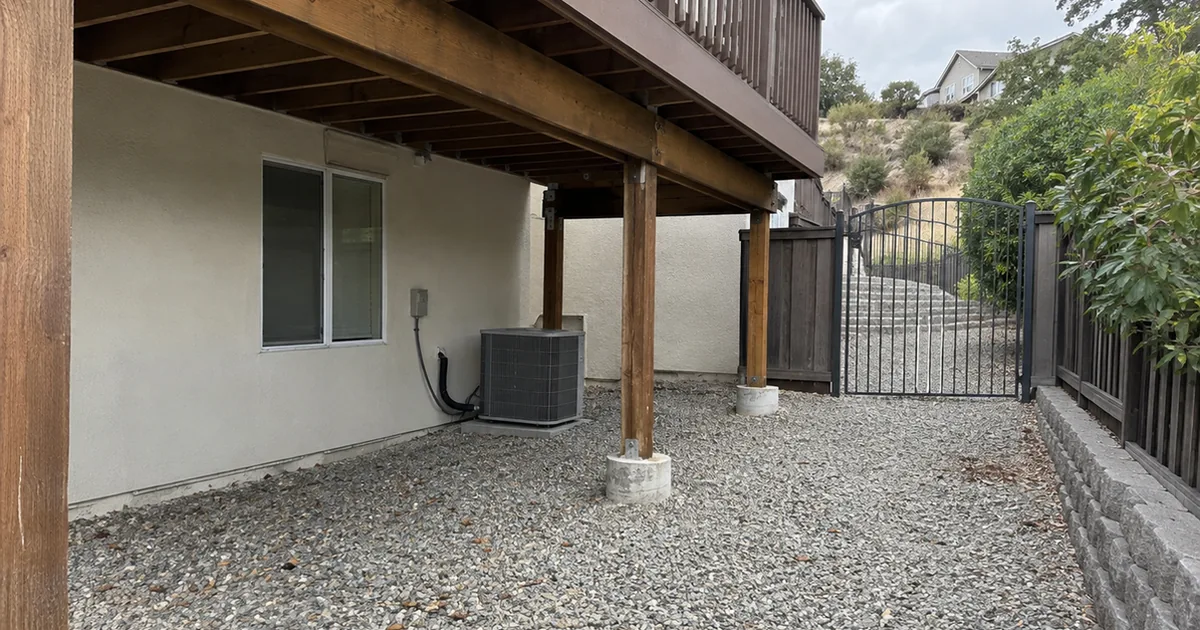
We inspected an Orangecrest home in Riverside with a concrete tile roof that looked clean from the street. Two-story tract home, inland heat exposure, stucco exterior, tile roof, no active ceiling stains, no obvious missing roof sections from the driveway. The buyer liked the house. The listing photos made the roof look almost boring, which is exactly how a roof should look in a transaction.
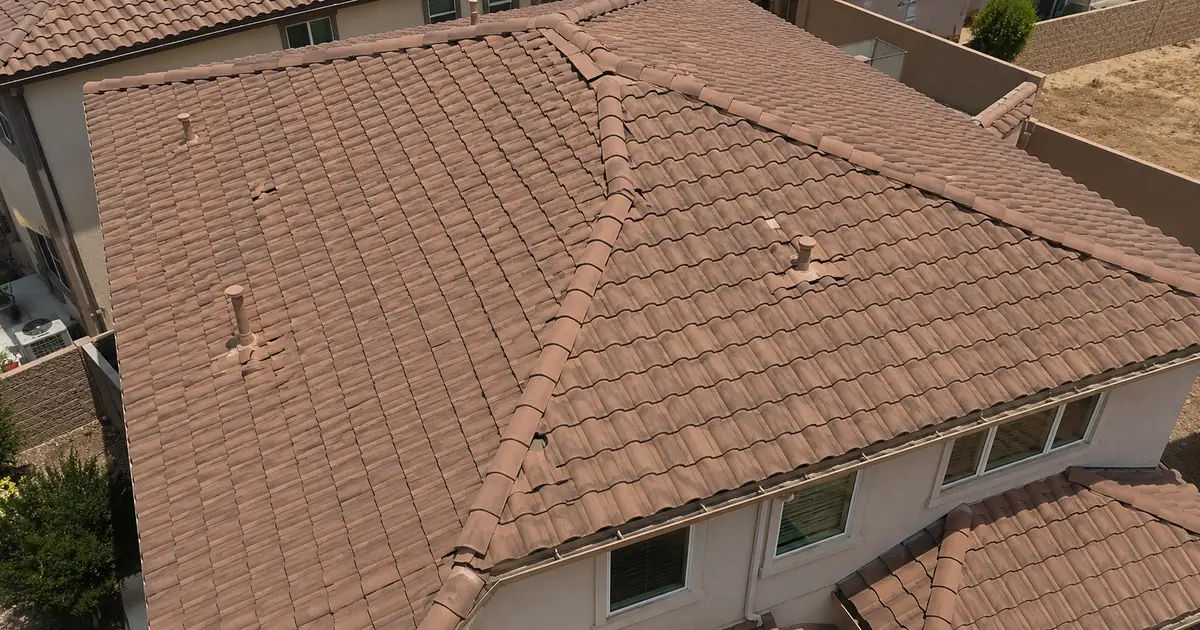
The drone told a different story.
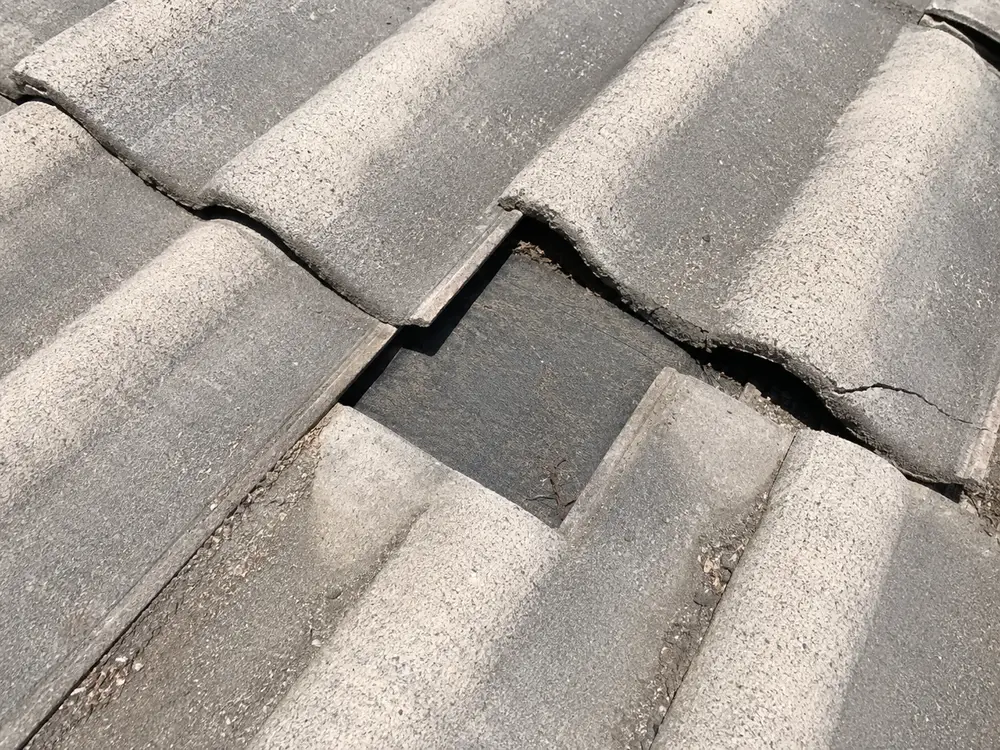
From above, we could see slipped tiles at the ridge, a patchwork repair near one plumbing vent, cracked right corners on multiple interlocking tiles, and a low-slope transition over the garage where debris had collected in the water path. None of that proved the underlayment had failed. But all of it pointed to the same question: what condition is the second line of defense in after years of Riverside heat?
That is the part most buyers do not understand. Tile is the visible roof covering. Underlayment is the layer underneath that helps protect the roof deck when water gets below the tile. InterNACHI’s roof inspection material explains the practical point clearly: tile is water-resistant, not a magic waterproof shell. Underlayment is the backup layer that keeps a small tile or flashing issue from becoming an interior leak.
This piece is for real estate agents working Riverside. Wood Streets, Canyon Crest, Orangecrest, Mission Grove, Alessandro Heights, Hawarden Hills, Sycamore Canyon, La Sierra, Arlington, Magnolia Center. If you sell homes with concrete tile roofs in this market, you will eventually run into a roof that looks fine from the street but has enough clues to justify a roofing contractor follow-up before the buyer removes contingencies.
Schedule a Riverside inspection · Same-day report · $300 off applied automatically · Pay-at-closing available
What tile roof underlayment actually does
A concrete tile roof is a system. The tile is the visible surface. It sheds most rain and protects the roof from sun and impact. The underlayment sits below the tile and above the roof deck. Its job is to resist water that gets past the tile layer.
That water can come from a broken tile, a slipped tile, a flashing mistake, a plumbing vent, a low-slope transition, wind-driven rain, or debris that traps runoff. The roof can go months without a visible leak because Riverside has long dry stretches. Then one winter storm exposes the weak detail.
InterNACHI’s underlayment training breaks common underlayment into broad types: asphalt-saturated felt, rubberized asphalt, and synthetic underlayment. Your buyer does not need to become a roofer. The important lesson is that underlayment is not permanent. It ages. Heat matters. Installation matters. Roof design matters. Maintenance matters.
Why Riverside heat changes the conversation
Riverside is hard on roof assemblies. Inland heat bakes the roof surface. Attics get hot. Underlayment beneath tile can spend years in a high-temperature environment. InterNACHI notes that asphalt-saturated felt can become more fragile and more moisture-absorbent as volatile compounds dissipate, and heat can accelerate that aging.
That matters in Orangecrest, Mission Grove, Canyon Crest, Alessandro Heights, Hawarden Hills, and newer tract areas with large tile roofs and high attic temperatures. It also matters on older homes where a tile roof may have been installed over framing that originally carried a lighter roof covering. The same heat-and-tile pattern shows up in nearby inland markets like Menifee, Temecula, and Murrieta, but Riverside has more old-house and hillside overlap.
The visible tiles may still look acceptable. The underlayment may not be in the same condition.
Why this matters for the agent
Here is what is at stake when a Riverside inspection flags tile roof underlayment concerns.
The repair scope can jump fast. Replacing a few cracked tiles is one conversation. Removing tile, replacing underlayment, reinstalling tile, repairing flashing, and dealing with dry rot is a different conversation. The first one may be a small repair. The second one can become a five-figure negotiation.
The buyer may not understand the difference. Many buyers hear “tile roof” and think “50-year roof.” Some concrete or clay tiles can last a long time, but that does not mean every part of the roof system lasts that long. Underlayment often becomes the limiting factor.
The seller may push back because there is no active leak. This is common. The seller says, “The roof has never leaked.” That may be true. The inspection question is not only whether the roof leaked last week. It is whether there are visible conditions that increase the chance of roof leakage and justify a contractor evaluation before close.
The escrow clock gets tight. If the report recommends roofing contractor evaluation, the agent needs time to get a roofer to the property, get a written bid, and negotiate before contingencies expire. Waiting until the last two days of the inspection window is how this becomes chaos.
Schedule a Riverside inspection
The clues agents can spot before the inspection
You do not need a ladder to notice some early signs during a showing. You are not diagnosing the roof. You are deciding whether this house needs extra roof attention during the inspection.
Look for these:
- broken or missing tiles visible from the street
- uneven ridge lines
- slipped tiles near hips, ridges, rakes, or valleys
- darker repair patches that do not match the rest of the roof
- debris collected in valleys or low-slope areas
- ceiling staining near fireplaces, hallways, garages, or second-floor bedrooms
- attic access blocked by stored belongings
- seller disclosures that mention “minor roof repair” with no invoice
- roof age unknown on a home built in the 1990s or early 2000s
- concrete tile installed on an older home that may have originally had a lighter roof covering
None of these prove underlayment failure. They tell you the inspection report may need to go deeper than “roof appeared serviceable from ground level.”
What InterNACHI roof training says that agents should remember
InterNACHI’s tile roof and underlayment material is written for inspectors, but a few points translate directly to real estate transactions.
First, tile roofs are water-resistant systems. The underlayment is the second line of defense.
Second, low-slope tile sections need more attention. InterNACHI’s tile-roof material calls out low-slope conditions from 2:12 to 4:12 for increased underlayment protection compared with steeper roof sections. In real life, those low-slope areas show up over garages, patio covers, additions, porches, and transitions.
Third, concrete tile can break when walked incorrectly. A good inspection may use a ladder, drone, binoculars, windows, balconies, and attic views instead of walking every roof plane. That is not cutting corners. Sometimes it is the right way to avoid damaging the roof.
Fourth, concrete tile can be heavy. InterNACHI notes that concrete tile can weigh far more than lighter roof coverings. On older homes, inspectors should look for signs that the roof framing may not have been designed for the added weight if the tile was installed later.
What the inspection report should contain
A useful Riverside roof finding should not say only “further evaluation recommended.” It should give the agent and buyer enough detail to make the next move.
For a tile roof underlayment concern, the report should include:
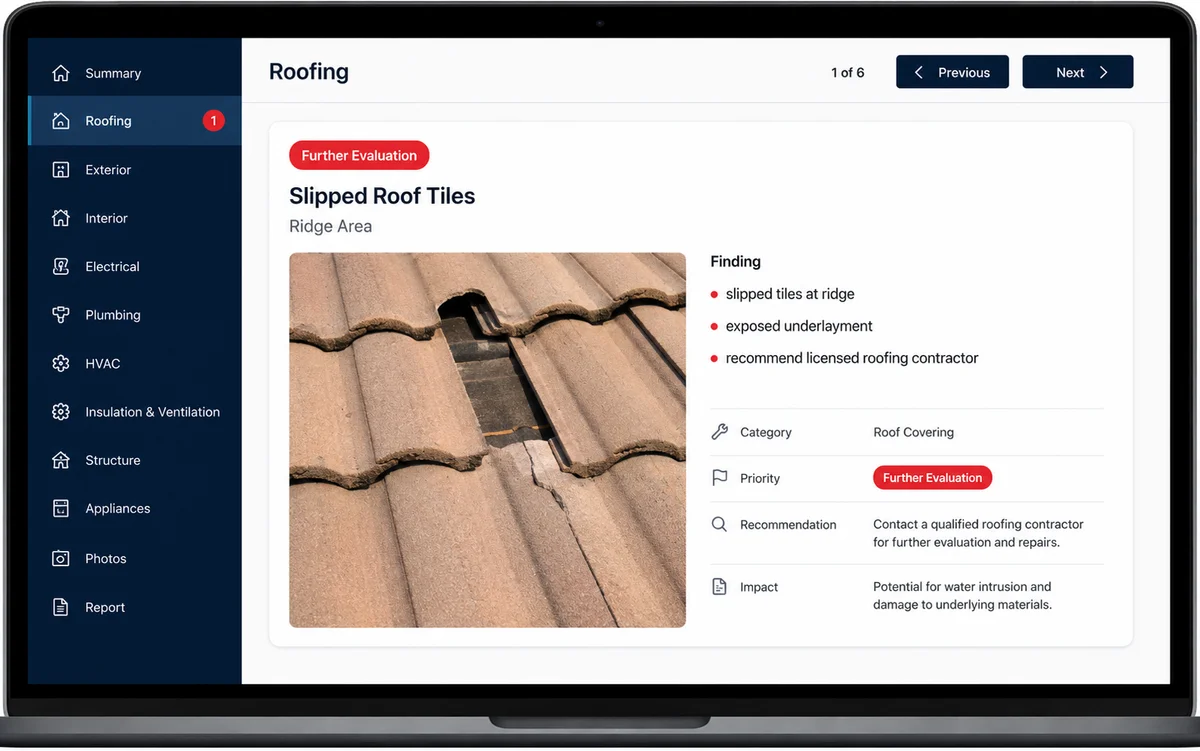
- drone or roof-edge photos showing the exact roof areas of concern
- close-up photos of slipped, cracked, missing, or patched tiles
- notes about low-slope roof sections if visible
- notes about flashing defects at vents, chimneys, walls, or transitions
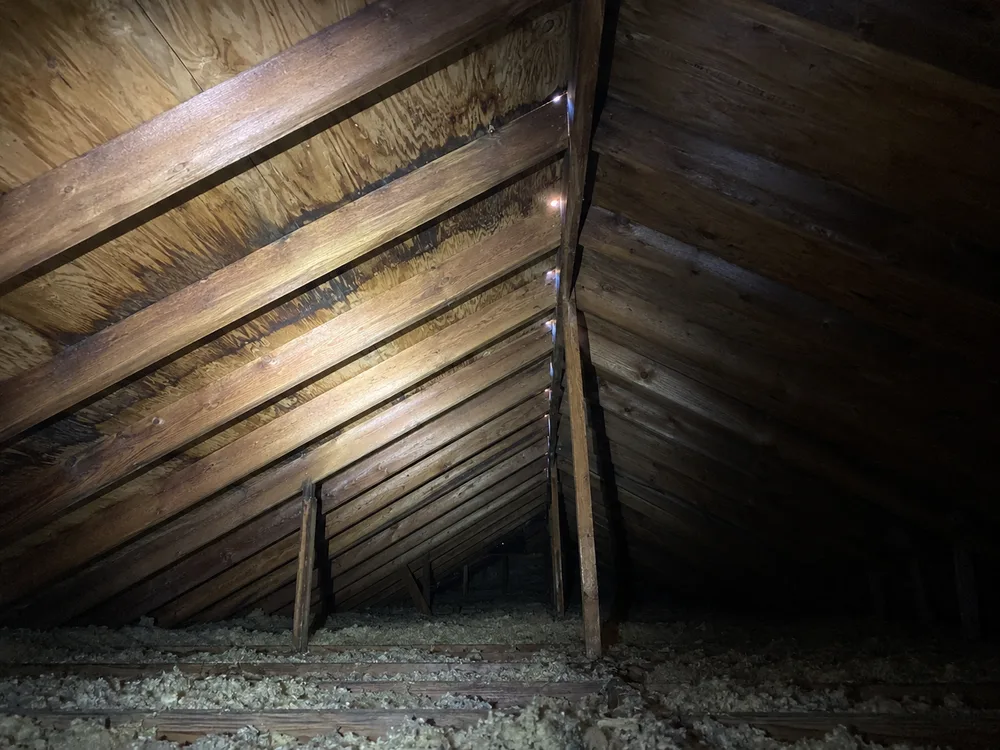
- attic photos if staining, daylight, or moisture clues are visible
- a clear recommendation for licensed roofing contractor evaluation when the visible clues justify it
- a priority flag if the roof condition could affect negotiations, insurance, or closing timeline
The strongest reports connect the outside roof finding with the inside evidence. A slipped tile plus attic staining below the same roof plane is a different negotiation than one isolated cracked tile. That is especially useful for home buyers who are trying to separate a cosmetic roof note from a repair credit that belongs in the contract conversation.
This is why drone roof imaging is included on every InspectionRE inspection. A tile roof that should not be walked still needs to be documented. The buyer and agent need to see what the inspector saw. See what’s included on every InspectionRE inspection.
How the negotiation usually plays out
There are three common paths once a Riverside tile roof raises underlayment concerns.
Path one: seller repairs specific visible defects before closing. This works when the issue is limited: a few broken tiles, a small flashing repair, a missing cap, a localized slipped area. The buyer should get invoices and photos, and the work should be done by a qualified roofer.
Path two: seller credits the buyer after a roofer evaluates the roof. This is the cleanest path when the underlayment question is bigger than a few tiles. The roofer’s written scope anchors the negotiation. Without that bid, the buyer and seller are arguing from guesses.
Path three: seller refuses and buyer accepts the risk or walks. Some sellers will say the roof does not leak and refuse to engage. That may be their position. Your buyer needs to understand what they are accepting: possible underlayment replacement, possible leak repair after the first storm, and limited leverage after closing.
The worst path is closing with a vague roof concern and no contractor bid. That leaves the buyer with all of the uncertainty and none of the negotiation power.
Related reading for agents
If this Riverside roof issue sounds familiar, these other local inspection stories are worth reading:
- Salt Air Killed a Carlsbad AC at Year 6: An Agent’s Guide
- Federal Pacific and Zinsco Panels in Escondido: What Every Agent Should Know
- Wildomar Fire Zone Deal Killed by Defensible Space
- Standing Seam or Exposed Fastener: A Canyon Lake Metal Roofing Guide for Agents: a different roof material entirely, with its own real fastener, seam, and coating-level defects, useful as a comparison to this article’s tile-underlayment findings.
- Generator and Transfer Switch Safety in Hemet: a backup-power electrical topic from a neighboring Inland Empire city, unrelated to roofing but relevant to the same wildfire-season outage exposure
- Chula Vista Solar Retrofit Roof Guide – how retrofit solar arrays crack tiles and create unflashed penetrations on the same era of tile roofs
For city-specific inspection pages, start with Riverside, Chula Vista, Vista, and San Diego.
What agents should tell every Riverside buyer with a tile roof
Use a simple script.
The tiles are only part of the roof. The underlayment below them matters. Riverside heat ages roof materials. If the inspection finds slipped tiles, patched areas, low-slope sections, attic staining, or flashing defects, we may need a roofer’s bid during the contingency window. That does not mean the house is bad. It means we need the repair scope before we decide whether the price still makes sense.
That one conversation can prevent a buyer from being shocked when the inspection report flags the roof.
Quick FAQ
Is tile roof underlayment visible during a standard inspection? Usually not directly. A standard home inspection is visual and non-invasive. The inspector may see exposed underlayment at damaged areas, roof edges, attic staining, or other clues, but a roofing contractor may be needed to evaluate hidden underlayment more directly.
Can a tile roof leak even if most tiles look good? Yes. Tile is water-resistant, not a complete waterproof shell. Flashing problems, slipped tiles, roof penetrations, low-slope sections, and aging underlayment can all contribute to leaks.
Should an inspector walk every concrete tile roof? No. Concrete tile can break when walked incorrectly. Depending on roof design and safety, ladder views, drone imaging, attic inspection, windows, balconies, and ground views may be the better inspection method.
Is this only a Riverside problem? No. It comes up across Southern California. Riverside is a strong example because inland heat, tile roofs, tract construction, and older housing stock overlap in the same market.
When should the buyer call a roofer? Call a licensed roofer when the report shows multiple slipped or cracked tiles, flashing problems, low-slope tile sections, attic stains, prior patches, exposed underlayment, or any limitation that prevents the inspector from seeing enough of the roof.
The honest summary for Riverside agents
Riverside tile roofs can look calm from the street and still carry real inspection risk. The problem is not always the tile you can see. Sometimes the problem is the underlayment you cannot see, plus the heat, roof design, flashing, and maintenance history around it.
The agent who understands that pattern can prepare the buyer, protect the contingency window, and get a roofer involved before the deal loses leverage. The agent who treats every tile roof as automatically durable may be surprised when the first serious rain turns a quiet roof note into a repair fight. For homes where that same roof also has to stand up to embers, see our guide to wildfire hardening for older homes on the Sierra Madre foothill edge, and for the valley’s other common roof problem, layered composition shingle instead of tile, see our Northridge roof layers guide.
Schedule a Riverside inspection or call before writing on an older tile-roof home in Riverside.