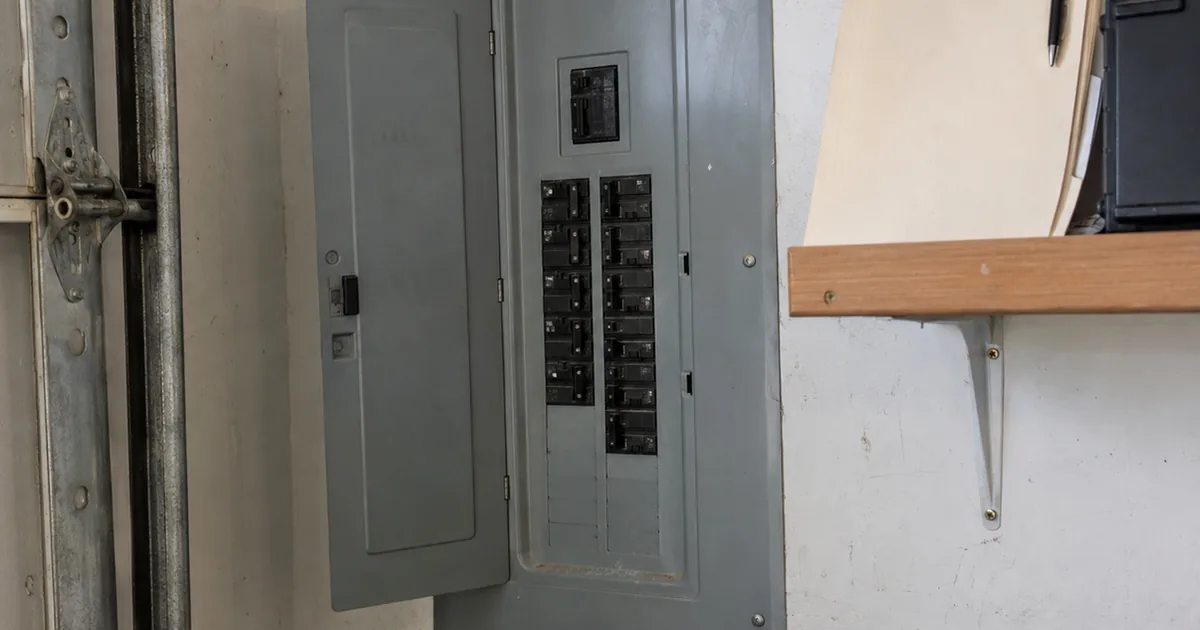
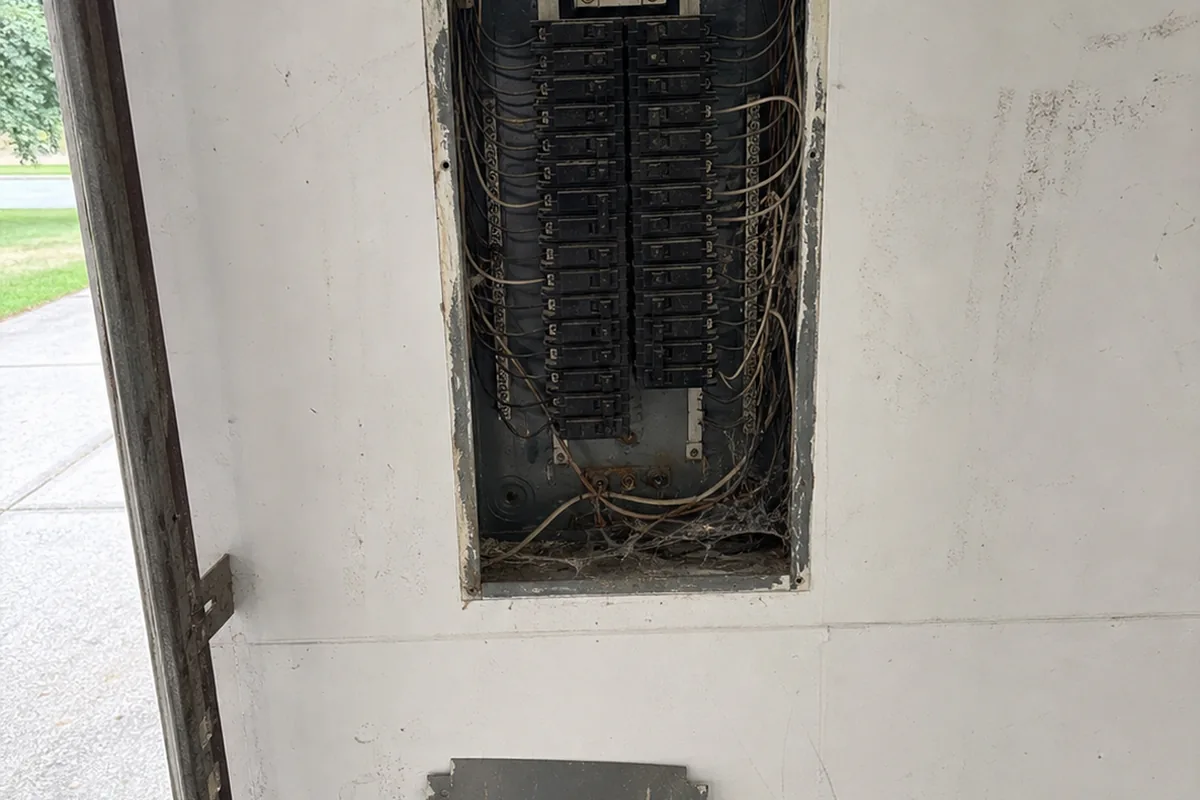
In a Sunkist Park post-war home that showed beautifully, the panel in the garage told a different story than the kitchen did. It was an older brand with a deadfront that had been repainted, and behind it sat a mix of original cloth-jacketed conductors and newer copper spliced in over the years. The house looked updated. The electrical service underneath it was not.
We see this constantly in Culver City. The city’s housing spans almost a century, from 1920s Spanish in Carlson Park to post-war tracts in Sunkist Park and Studio Village, and a lot of those homes still carry their original service panel or a brand that has earned a bad reputation. A fresh remodel hides it well. The panel is where the truth lives, and it is one of the first things we open.
This guide is for the agent who wants to understand what those older panels mean before the buyer’s inspector flags them. Here is what shows up in Culver City, why it matters, and how to keep a deal on track when it does.
Why this matters for the agent
Here is what is at stake. An electrical panel is not a cosmetic item. It is the safety hub of the house, and certain older panels have a documented history of not doing their one job, which is to trip and cut power when a circuit is overloaded. When a breaker fails to trip, current keeps flowing into wiring that was never meant to carry it. That is the mechanism behind electrical fires.
For your transaction, the panel affects three things: safety, insurability, and financing. Some insurers will not write a policy on a home with a known problem panel until it is replaced, and a lender is not funding a house the buyer cannot insure. An agent who understands this early can get ahead of it. The one who finds out during the buyer’s inspection is now solving a safety, insurance, and timeline problem at once, under contract. We have watched both. The prepared agent keeps the deal.
The panels that show up in Culver City
Two older brands come up again and again in homes from roughly the 1950s through the 1970s, which is a big slice of Culver City’s stock.
The first is Federal Pacific Electric, usually seen as a Stab-Lok panel. In the 1980s the Consumer Product Safety Commission investigated these breakers after reports that they failed to trip. The agency closed the investigation without a formal determination or a mandatory recall, in part due to budget constraints at the time, so there is no recall on record. What remains on the record is a body of independent testing reporting high failure-to-trip rates, and a strong consensus among inspectors and electricians that these panels are a concern worth acting on. We do not call it recalled, because it is not. We flag it as a known issue and recommend evaluation by an electrician. Our deeper look at the Federal Pacific and Zinsco panel problem walks through the history and the deal impact.
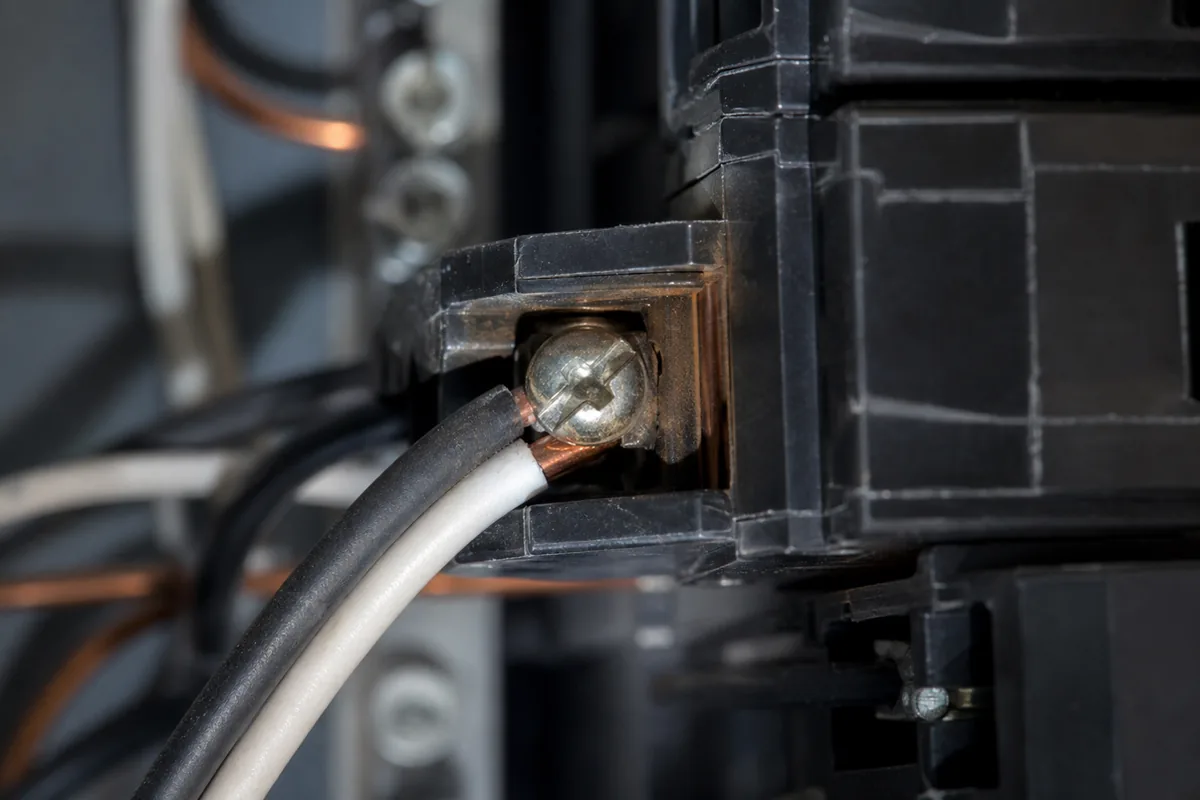
The second is Zinsco, sometimes labeled GTE-Sylvania. These panels used an aluminum bus design, and under sustained load the bus can overheat and a breaker can effectively fuse to it, which means it cannot trip at all. The failure mode is different from Federal Pacific, but the practical concern for a buyer is the same.
Beyond the brand, the wiring inside older Culver City panels is often a mix of eras. Original conductors, additions from a 1980s remodel, and a newer subpanel for a kitchen or an addition can all live in one house. Mixed is not automatically unsafe, but it needs a real look. The aluminum branch wiring common in mid-1960s homes is one more material worth identifying, and the oldest Culver City homes can still hold the knob-and-tube wiring that gates insurance outright.
What agents should tell every buyer
When a buyer is touring older Culver City homes, give them these points before they write.
- The remodel and the panel are two different questions. A beautiful kitchen tells you nothing about the service panel in the garage. Ask when the electrical was actually updated.
- Certain older panel brands, Federal Pacific and Zinsco especially, are known concerns and may need replacement. Budget for that possibility on a pre-1980 home.
- The panel can affect insurance and financing, not just safety. Encourage the buyer to raise it with their insurer early rather than after the inspection.
- A panel replacement is a permitted job with the city and the utility, so it takes coordination and time, not just a check.
- Additions and conversions common in Culver City often mean added electrical load on an old service. The question is whether the service was upgraded to match.
- The home inspection identifies and flags the panel. An electrician confirms the scope and cost. Line up both. Our what every inspection includes page shows exactly how far we go on the electrical.
A buyer who hears this from you reads the inspection report calmly instead of panicking at the word “Federal Pacific.”
Red flags during showings
You can catch the early signs without opening anything. Watch for these.
- A panel label or deadfront reading Federal Pacific, FPE, Stab-Lok, Zinsco, or GTE-Sylvania.
- A repainted or newly labeled deadfront on an obviously old panel, which can be a cosmetic cover for an old problem.
- Warm cover plates, a buzzing panel, or a faint burning smell near the service equipment.
- Two-prong ungrounded outlets throughout, which point to older wiring behind the walls.
- A patchwork of outlet and switch styles, suggesting decades of piecemeal electrical work.
- A subpanel added for an addition with no sign the main service was upgraded to carry the load.
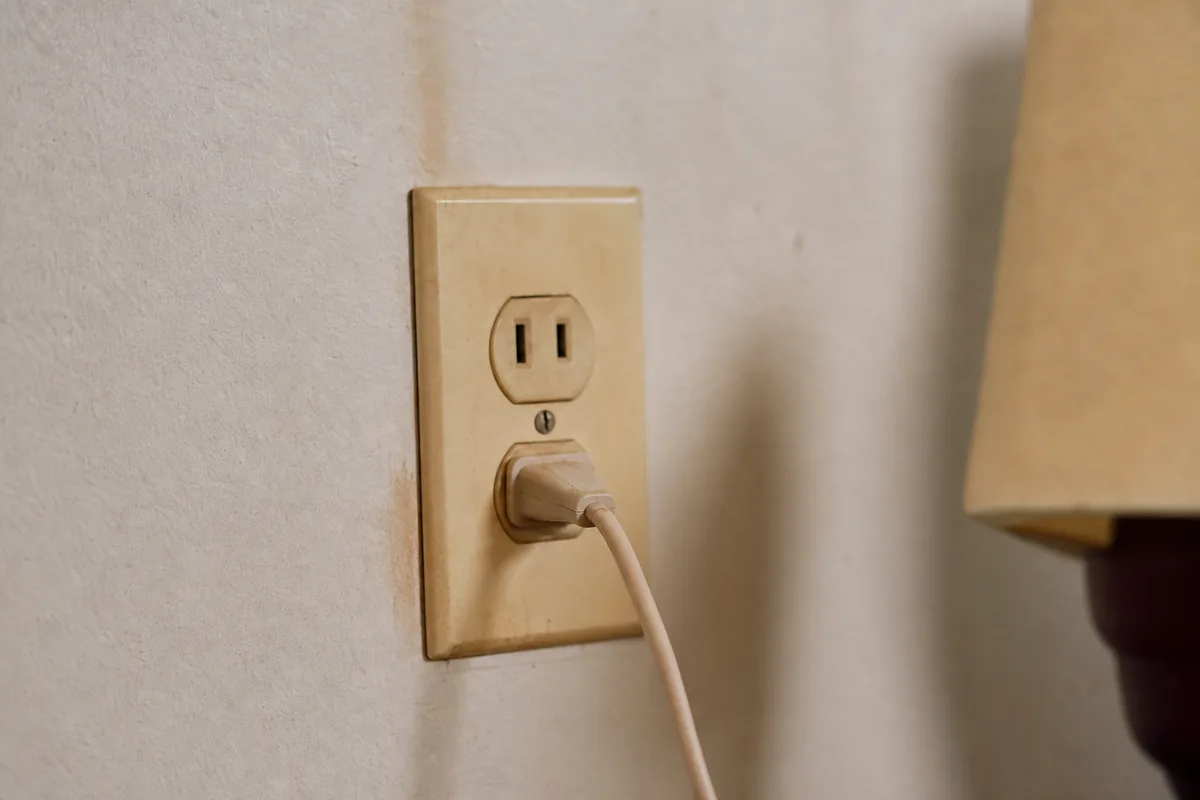
If we see any of these, we say so directly in the report and recommend an electrician evaluate before the contingency clears.
The negotiation playbook
When an older panel surfaces, the deal usually moves one of a few ways.
The first path is seller-replaces. The seller has the panel replaced by a licensed electrician, permitted and signed off, before closing. This is the cleanest outcome for a known problem brand, because it resolves the safety and insurance question outright. Push for it when the buyer’s insurer is signaling they will require it anyway.
The second path is a credit with a real estimate. The buyer takes a closing credit sized to a licensed electrician’s written bid and does the work after closing. This works when the buyer is comfortable managing the project. Size the credit to the electrician’s number, and remember a panel swap can uncover related issues once it is opened, so a small cushion is reasonable.
The third path is the insurance-driven timeline. Sometimes the insurer will not bind coverage until the panel is replaced, which makes this a scheduling problem as much as a money problem. Either the seller completes the work so the buyer can insure and close, or the parties extend to fit the electrician and the permit. We do not pretend a credit alone solves an insurer’s precondition.
The fourth path is walk-away. On rare occasions the electrical is one problem among several, the wiring behind the walls is also suspect, and the total scope is more than the buyer signed up for. A buyer is allowed to decide that. We document what we found and when, and the decision is theirs and their electrician’s.
How the inspection actually catches it
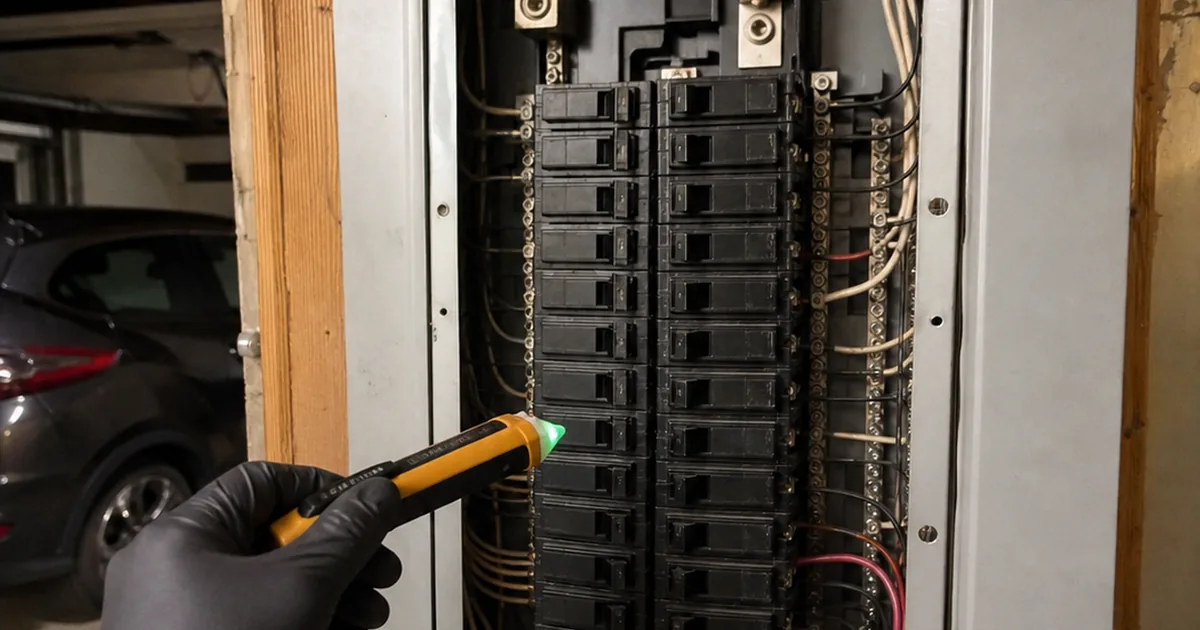
Opening the panel is standard on every inspection we do, and it is where a lot of the real information is. We remove the deadfront where it is safe to do so, identify the brand and the panel type, and document the condition inside: the bus, the breakers, the conductor terminations, evidence of overheating, double-tapped breakers, and whether the grounding and bonding look right. If it is a Federal Pacific or Zinsco panel, we call it out plainly and recommend an electrician.
We also use thermal imaging on the panel and around the home’s circuits to catch hot spots that signal a loose connection or an overloaded circuit before it becomes a failure, a technique we cover in our guide on why infrared scanning matters in California homes. What we do not do is pull permits or rewire anything. We are the diagnosis, not the repair. If we see something worth flagging, it goes in the report, and we tell the buyer exactly who to call next. For how to read those findings in context, our guide on how to read a home inspection report in California walks through it, and our inspection report overview shows the format your buyer receives.
Schedule a Culver City inspection →
Quick FAQ
Are Federal Pacific panels illegal or recalled? No. The Consumer Product Safety Commission investigated them in the 1980s and closed the case without a formal determination or a mandatory recall. There is no recall on the books. There is, however, well-documented testing showing high failure-to-trip rates, which is why inspectors and electricians treat these panels as a real concern and often recommend replacement.
Does a bad panel affect the buyer’s insurance? It can. Some insurers will not write or will not renew a policy on a home with a known problem panel until it is replaced. Because a buyer needs insurance to close a financed purchase, the panel can become a financing issue too. Raise it with the insurer early.
How much does a panel replacement cost? It varies with the service size, the location, and what the electrician finds once the panel is open, so we do not quote a number in the report. We recommend a licensed electrician provide a written bid, and any negotiation should be based on that bid, not a guess. Our inspection FAQ covers how we handle these findings.
Is mixed wiring in an older home a dealbreaker? Not by itself. Many Culver City homes have a mix of original and updated wiring that is perfectly serviceable. The point is to have it evaluated so the buyer knows what they are taking on rather than assuming a remodel means the electrical was redone.
Can you tell the panel brand from the outside? Often yes, from the label or the deadfront, and we confirm it when we open the panel. If a buyer spots a Federal Pacific or Zinsco label during a showing, that is a good reason to make the inspection a priority.
The honest summary
Culver City is full of homes that show beautifully and hide their real age in the garage. The service panel is where you find out what you are actually buying. Federal Pacific and Zinsco panels are known concerns, mixed wiring needs a look, and all of it can touch insurance and financing, not just safety. None of that should scare an agent off an older Culver City home. It should make you open the conversation early, get the panel evaluated, and price any fix off a real electrician’s bid.
We will open the panel, tell you plainly what is in it, and point your buyer to the right electrician. That is the job. For how the same panel-and-wiring conversation plays out in a pre-1940 preservation district, see our Old Towne Orange historic homes agent guide. For the protective devices at the outlets themselves, a cheaper and separate fix from the panel, see our Redlands GFCI and AFCI outlet protection guide. For a defect in how the panel was modified over time rather than what it is made of, see our Cerritos double-tapped breaker guide. We also inspect across the Westside, including nearby Santa Monica, West Hollywood, and the wider Los Angeles market.
See what every inspection includes → · Explore Culver City home inspections → For the statewide disclosure that is now sending more buyers to look at a panel before they close, read what California’s 2026 electrical notice actually requires.