We inspected a home in Tuscany Hills, Lake Elsinore. Early 2000s build. Mid-sized single-story, tile floors throughout the common areas, clean and well-maintained at first walk-through. The seller had owned it for years and was emphatic that there were no plumbing problems. The pressure at the fixtures was good. No visible damage in any room. No stains, no soft spots, no smell. Nothing on the disclosure that pointed to a problem.
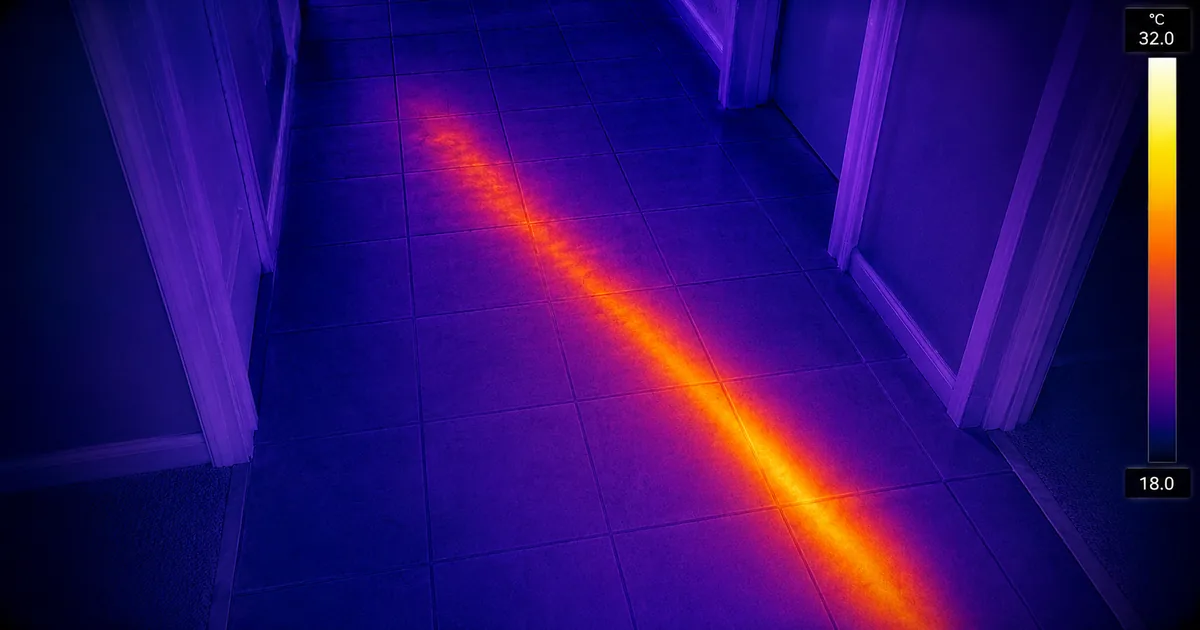
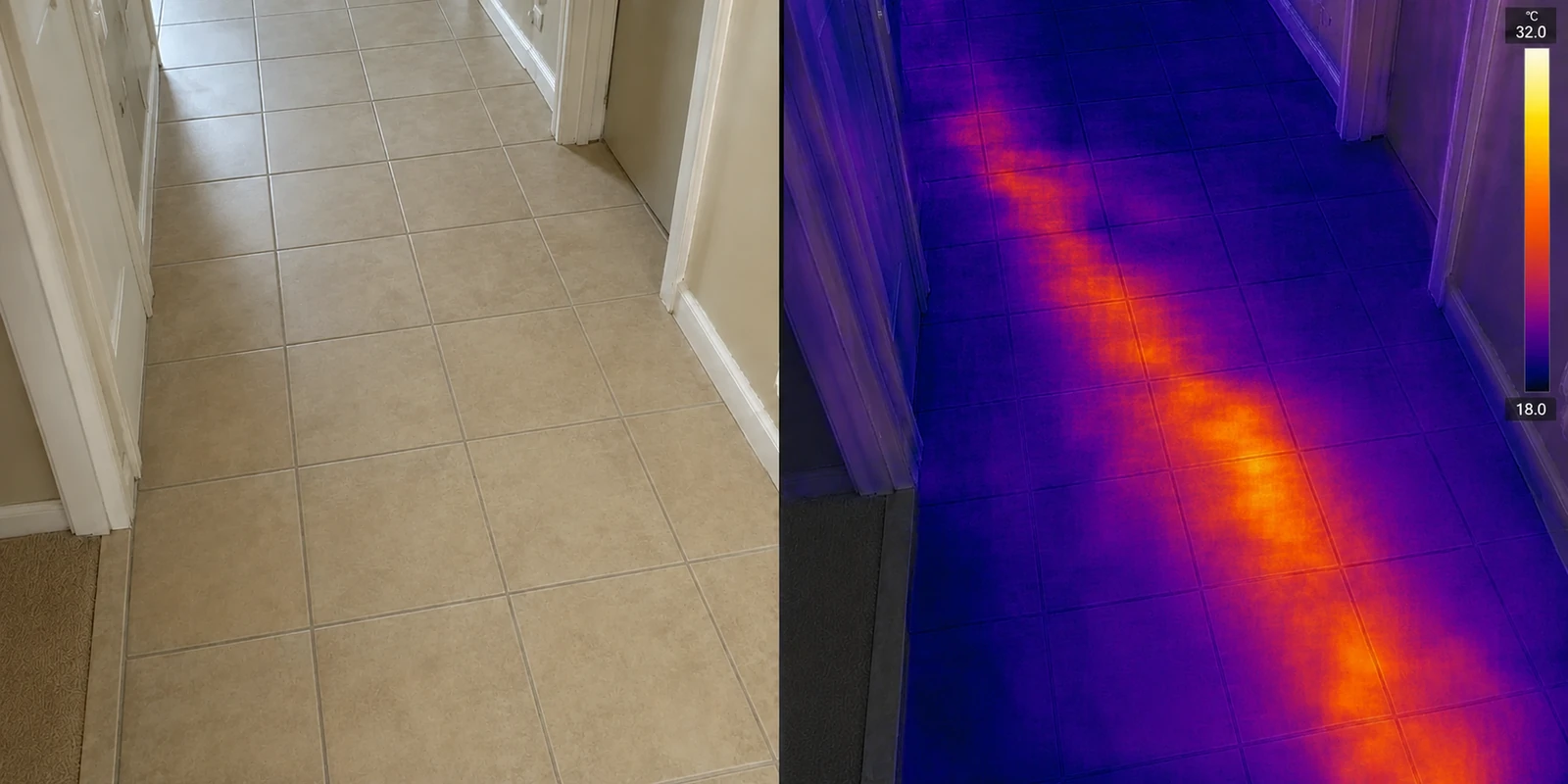
The thermal scan picked it up in the hallway. A long, warm streak running diagonally under the tile floor between the master bath and the kitchen, in exactly the location you would expect a hot-water supply line in a slab-on-grade home built in that era. We followed the heat signature with the FLIR, marked the floor, photographed the pattern, and listened with our ears against the tile. The faint, continuous hiss confirmed it. The home had an active hot-water slab leak the owner did not know about.
The buyer was the first person in the transaction who learned about it. So was the listing agent. So was the seller.

This piece is for the real estate agents working Lake Elsinore. Tuscany Hills, Canyon Hills, Rosetta Canyon, Alberhill Ranch, North Lake, Wasson Canyon, anywhere the housing stock is slab-on-grade and 15 to 25 years old. The defect we caught here is not exotic. It shows up regularly in this market. The reason most inspections miss it is that most inspections are not running thermal scans across every floor. If you understand the pattern, you can prepare your buyers for it, structure offers around it, and negotiate when it appears.
Schedule a Lake Elsinore inspection · Same-day report · $300 off applied automatically · Pay-at-closing available
What a slab leak actually is, in one paragraph
A slab leak is a leak in the water supply or drain piping that runs under the concrete slab the home sits on. In post-1970 California tract construction, copper hot and cold water lines are often routed through the slab rather than overhead. Over time, the copper degrades. Pinhole leaks form. Water escapes into the soil beneath the foundation. You will not see it until it is bad enough to surface through grout lines, crack tile, raise warm spots in flooring, or push the water bill out of normal range. The seller often genuinely does not know. The pressure stays fine for a long time before it drops, because the soil absorbs the leak before the system notices.
Why this matters for the agent
Here is what was at stake on this transaction, and on every comparable one we have seen.
The repair scope is real money. The actual fix depends on what is wrong, where, and whether the home is on PEX, copper, or a mix. Three common paths: spot repair (jackhammer the slab, fix the pipe, patch it), reroute through the attic or walls (more typical when the leak is in a hard-to-reach run), or a whole-house repipe (when the home is old enough that other lines are likely failing too). Spot repair on a single accessible line is the cheap end. A full repipe is the expensive end. We do not quote prices in our report because we are not the contractor, but a buyer should plan on a five-figure conversation in any of these scenarios.
The insurance picture is complicated. Many homeowner policies cover the resulting water damage but not the leak repair itself, and many will not cover any of it if the home has shown signs of slow leaks for some time. The seller’s existing policy and the buyer’s incoming policy are different conversations. Both need to happen.
The escrow timeline gets tight. If a slab leak surfaces during the inspection contingency, the buyer needs a licensed plumber’s bid, possibly a structural opinion on the slab, possibly a mold remediation opinion if the leak has been running long enough, and time to negotiate or walk. That clock starts the day the inspection report drops, and most contingency windows do not have a lot of slack in them.
Sellers can dig in. Sellers who genuinely did not know about the problem are sometimes the hardest to negotiate with because, from their perspective, this came out of nowhere. They will sometimes insist on a second opinion. They will sometimes refuse to credit. They will sometimes price the leak as if it is a spot repair when the situation actually warrants a repipe. An agent who has seen this play out before has a real edge here.
Schedule a Lake Elsinore inspection
How a thermal camera finds what other inspectors miss
A standard home inspection checklist does not require thermal imaging. Most inspections in Lake Elsinore are still done without it. The standard practice is to run water at every fixture, check pressure, check drainage timing, look for visible damage, and listen at exposed lines.
That works for visible problems. It does not work for a leak that is six feet under a tile floor, running into the soil beneath the slab, with no surface symptom yet.
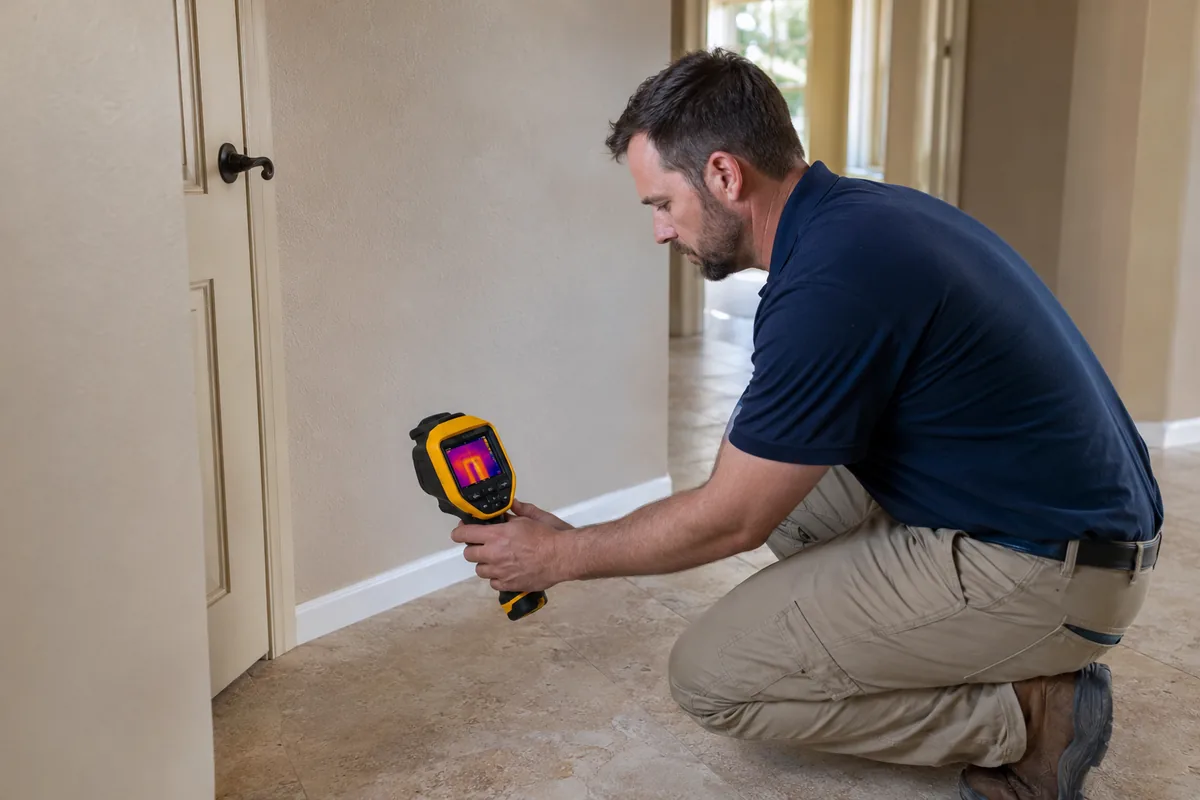
What thermal imaging adds: a temperature gradient across the floor surface. Hot-water lines leaking under a slab heat the concrete and the flooring above them, creating a visible thermal pattern that follows the pipe run. Cold-water leaks are harder to spot thermally because the temperature difference is smaller, but they often produce a small cool patch where the moisture is wicking up. Either way, the camera lets the inspector see something the eye cannot.
This is what we mean when we say infrared scanning is standard on every Inspection.re job rather than an add-on. We do not want a base inspection that misses a slab leak because thermal was an upcharge the buyer skipped. The whole point of the premium package is that the inspection finds what is actually there. Read more about what’s included on every inspection.
Red flags agents should watch for during showings
You do not need a thermal camera to spot the early warning signs at a Lake Elsinore showing. Look for these and add them to your mental walk-through checklist on any home 15 years old or older.
- A water bill that has crept up recently. If you can ask the seller, ask. A slab leak running for months can add 30% to 50% to a water bill before anyone notices.
- Warm spots on the floor in the hallway or kitchen, especially in winter when the contrast is easier to feel. Take off a shoe and walk barefoot for 30 seconds across the tile if you can do so without it being weird.
- Cracked or lifted tile that does not match a clear cause (no obvious settlement crack, no impact damage). This is sometimes the slab telling you something is going on underneath.
- A water heater that has been replaced unusually recently for the age of the home. Sometimes a repipe or major leak repair triggers a water heater swap as part of the same job.
- Patches in the drywall along an interior wall near the bathroom or kitchen. Could be nothing. Could be where someone accessed a hot-water line.
- Mold or mildew smell in a closet or pantry that backs onto a wet wall.
- Pressure regulator or main shutoff that is brand new on an older home. Could indicate a recent plumbing issue.
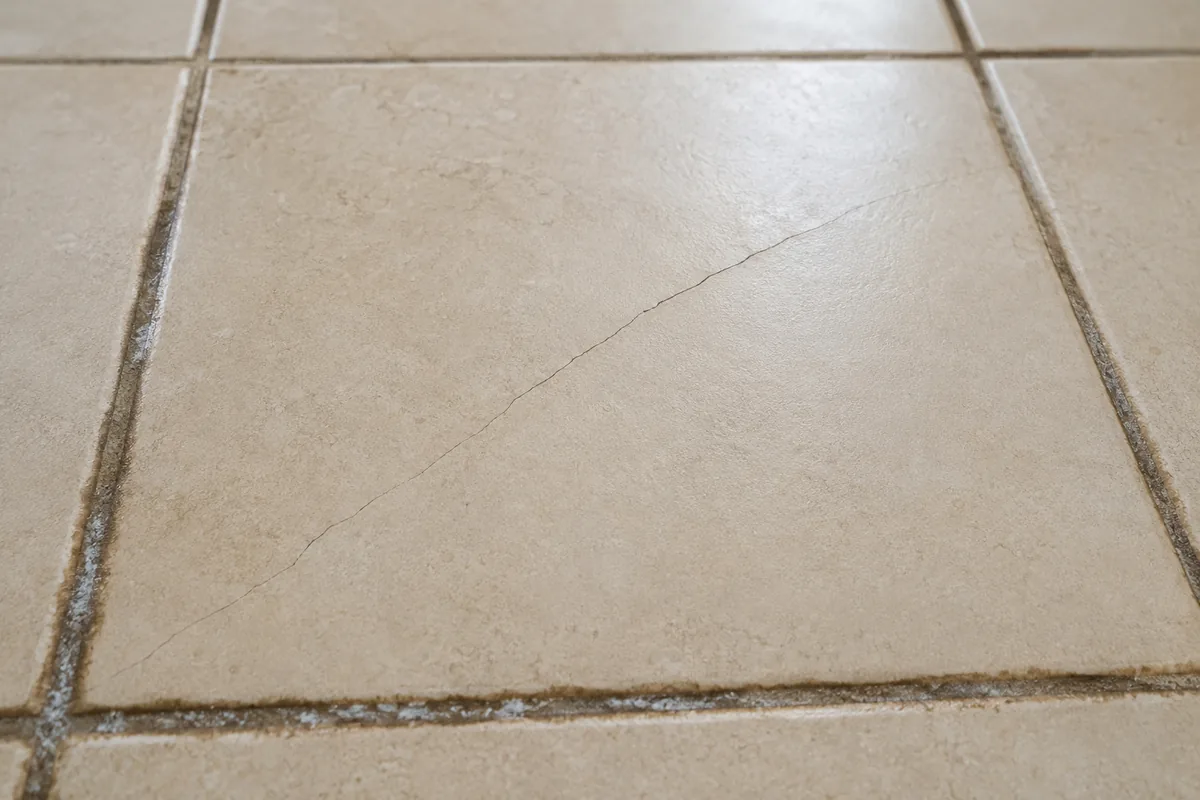
None of these prove a slab leak. All of them are worth a question to the listing agent or seller during your normal showing diligence.
What agents should tell every Tuscany Hills (or Canyon Hills, or Rosetta Canyon) buyer
A short list buyers should hear from you before they write an offer in this market. Most of them assume new-looking tract homes are problem-free. They are not.
- The home is on a concrete slab. Plumbing runs through it. That plumbing is at the age where leaks become more common.
- The inspection needs to include thermal imaging, not just a visual check. If your inspector does not offer it standard, ask whether they do it at all and whether it costs extra.
- If a slab leak is found, the inspection contingency window is your protection. Do not waive it to win a multiple-offer situation in this housing stock.
- Plan for the possibility that earthquake retrofit, slab leak repair, and water heater replacement are all conversations that can happen on the same property at the same time. Have your buyer pre-qualified for a slightly higher repair budget than they think they will need.
- Get a homeowner insurance quote during the contingency window, not after. The carrier may ask questions about prior leaks or repairs, and the answers matter.
- Ask the seller for water bills from the last 12 months. Many sellers will provide them. The pattern tells a story.
If you want a one-page version of this list to text to your buyers, ask us. We will send it.
How the negotiation usually plays out when a slab leak surfaces in escrow
There are three paths most of these end up on. Knowing them in advance helps you steer.
Path one: seller agrees to repair before closing. Less common in this market because sellers do not want to manage a contractor and a jackhammer in their home while the deal is in escrow. When it happens, the buyer gets the work done correctly and verifies it with a re-inspection. Make sure the re-inspection happens and that the buyer holds receipts and the plumber’s invoice.
Path two: seller credits the buyer to handle it after closing. This is the most common path. The credit should be sized to a realistic repair scope, not a wishful one. A licensed plumber’s written bid, ideally from two contractors, is the document that anchors the negotiation. Anything less and the buyer is guessing. Push for the bid before the credit is finalized.
Path three: seller refuses or under-credits, and the buyer walks. This happens. In the current market, walking is sometimes the right call. The buyer keeps the earnest money under the inspection contingency, and they keep their cash for the next property. As the buyer’s agent your job is to make sure they understand option three is on the table and what triggers it.
A fourth path also exists, which is closing without addressing the leak at all because the buyer wants the home and the seller will not budge. This is the worst of the four because the buyer takes on the repair and the seller faces no consequence for not disclosing what they may or may not have known. Try not to land here, and document the buyer’s informed decision if you do.
What the inspection report should contain
When you order a Lake Elsinore inspection on this kind of home, the report should give you and your buyer enough to make decisions. We include the following on any slab leak finding.
- Photo of the thermal anomaly, in context, with the camera image alongside a normal-spectrum photo of the same spot. Visual proof for the negotiation.
- Description of the location and the suspected line type (hot or cold supply, drain).
- Note that a licensed plumber needs to do the actual diagnosis and bid, since we are general inspectors and not plumbers.
- 3D Matterport tag on the location, so anyone in the transaction (buyer, agent, contractor, listing side) can see the spot inside the 3D walkthrough without going back to the property.
- Severity flag in the prioritized findings list at the top of the report. Slab leaks are always priority one.
Schedule a Lake Elsinore inspection · Same-day report · $300 off applied automatically · Pay-at-closing available
Quick FAQ for buyers and agents
Is a slab leak a dealbreaker? Usually not. It is a renegotiation. With a real plumber’s bid in hand, most slab leaks get credited or repaired and the deal closes. The buyers who walk are usually walking because the seller refused to engage, not because the leak itself was unfixable.
Can the inspector just locate the leak so we can skip the plumber? No. We can identify the thermal anomaly and tell you what it is consistent with. The plumber confirms the leak, identifies the specific line, and bids the repair. Skipping the plumber and trying to negotiate off our finding alone leaves the buyer exposed to scope changes they did not budget for.
Does the leak have to be fixed before the mortgage funds? Usually not, but ask the buyer’s lender. Some lenders flag active leaks during the appraisal and require the issue to be addressed. Most do not, but you should not assume.
What if the seller already knew and did not disclose? That is a legal conversation between the buyer and a real estate attorney. We can document what we found and when, and our report is admissible. Your buyer’s attorney handles the rest. If a Transfer Disclosure Statement is silent on plumbing problems and the leak shows clear evidence of being long-running, that is the disclosure question to pursue.
Does thermal imaging miss anything? Cold-water leaks are harder to spot than hot-water leaks because the temperature contrast is smaller. Drain line leaks under a slab are also harder unless they have been running long enough to saturate the soil. Thermal imaging finds most slab leaks. It does not find all of them. A pressure-test and a water-meter test by a plumber are the next steps when the thermal scan is inconclusive but the agent or buyer is suspicious.
The honest summary for agents
Lake Elsinore’s dominant housing stock is hitting the age where slab leaks become a regular finding. If you work this market, you are going to encounter this defect. The ones that get caught during the inspection contingency are negotiations. The ones that get caught six months after closing are lawsuits. Your buyer is much better served by the first scenario.
The inspection that finds these things is not the cheapest one on Yelp. It is the one with thermal imaging running on every floor, a 3D scan documenting every finding in place, and a same-day report so you have the proof in hand before the contingency clock runs out.
If you also work nearby Menifee, the foundation story there is different but equally common. Expansive clay soil causes slab movement across the master-planned communities. Read Menifee Foundation Cracks and Expansive Clay Soil for the agent breakdown. And for the supply-line material that fails the same sudden, pressurized way in late-1980s and early-1990s South Bay tracts, see our Chula Vista polybutylene piping guide. The same thermal scan finds a hidden water leak above ground too: see how it surfaces a slow pool-plumbing leak in our Beverly Hills pool and spa safety guide.
Related reading
- Backflow Prevention and Cross-Connection in Moreno Valley: another Inland Empire plumbing topic where the inspection documents condition but a specialist confirms the fix, this time at a hose bib or irrigation connection rather than under the slab.
- Rancho Cucamonga Post-Tension Slab Foundations: the engineered slab common on the same era of Inland Empire tracts, and why a leak repair must locate the cables first.
- San Bernardino Earthquake and Liquefaction: when slab movement is the ground itself, not the plumbing, on the valley floor next door.
- Camarillo High Water Table and Ground Moisture: how we separate an actual slab leak from groundwater rising up into the home.
- Copper Pinhole Leaks in Tustin: when the hidden water comes from the supply pipe corroding through rather than a slab leak.
- Corona Orchard Land Foundation Settlement: the other slab hazard in the Inland Empire, where expansive soil in old citrus-grove ground moves the foundation itself rather than a pipe underneath it.
- Thousand Oaks Water Heater Safety Guide: a leak of a different kind, where a missing TPR discharge line rather than a hidden slab crack is the plumbing hazard.
Schedule a Lake Elsinore inspection or call to talk through a specific property before you order the inspection.