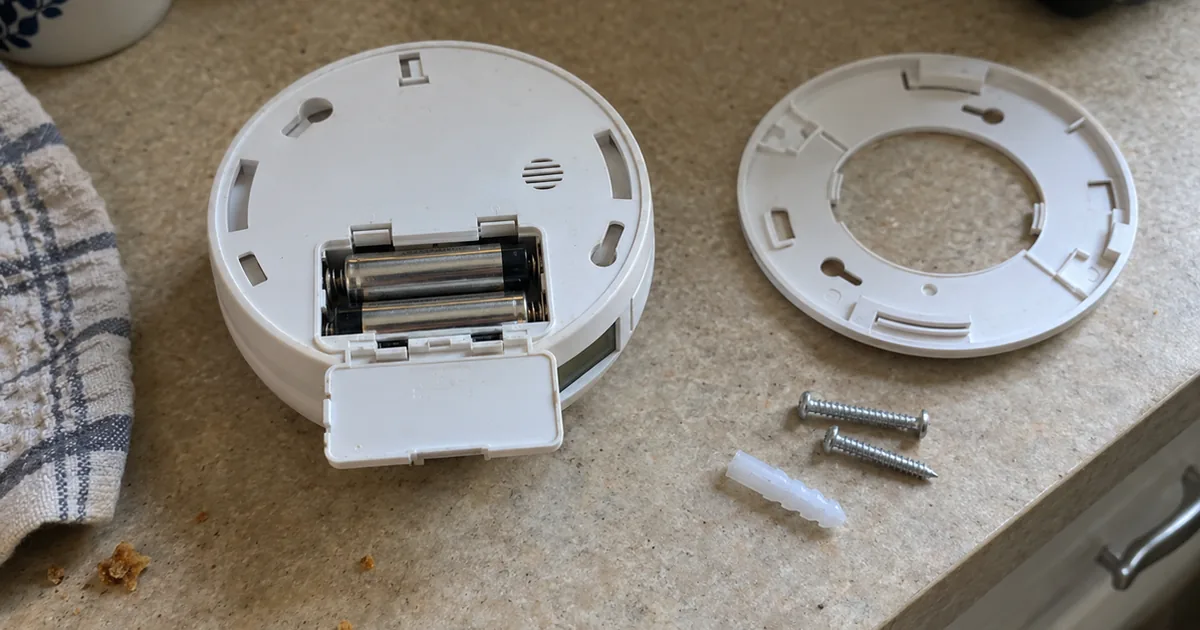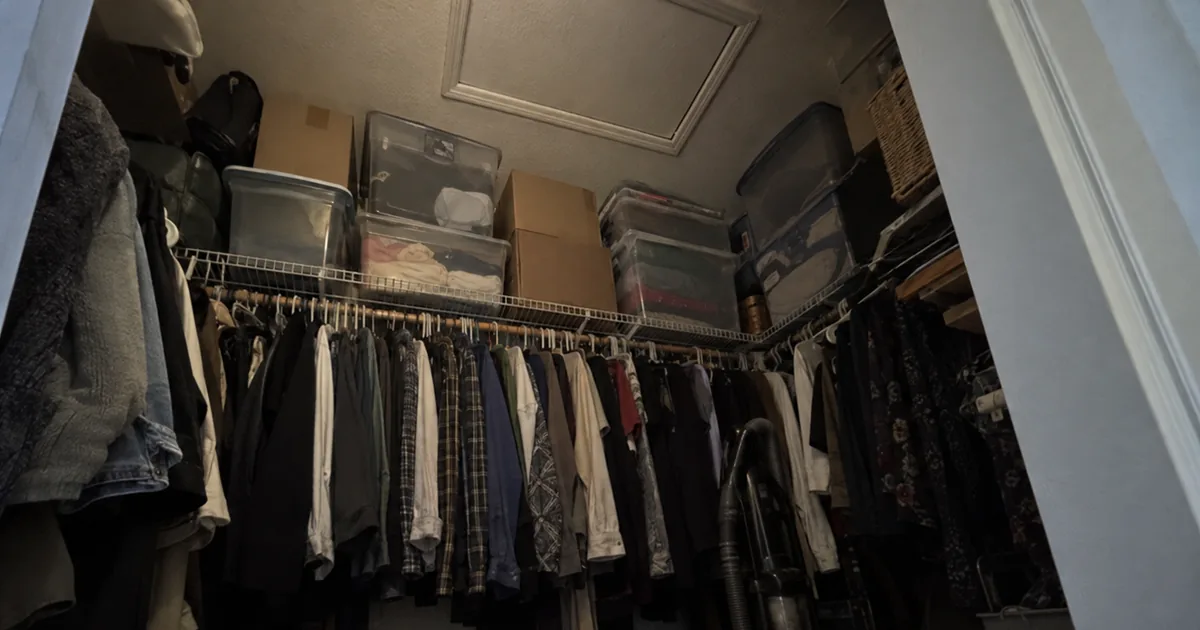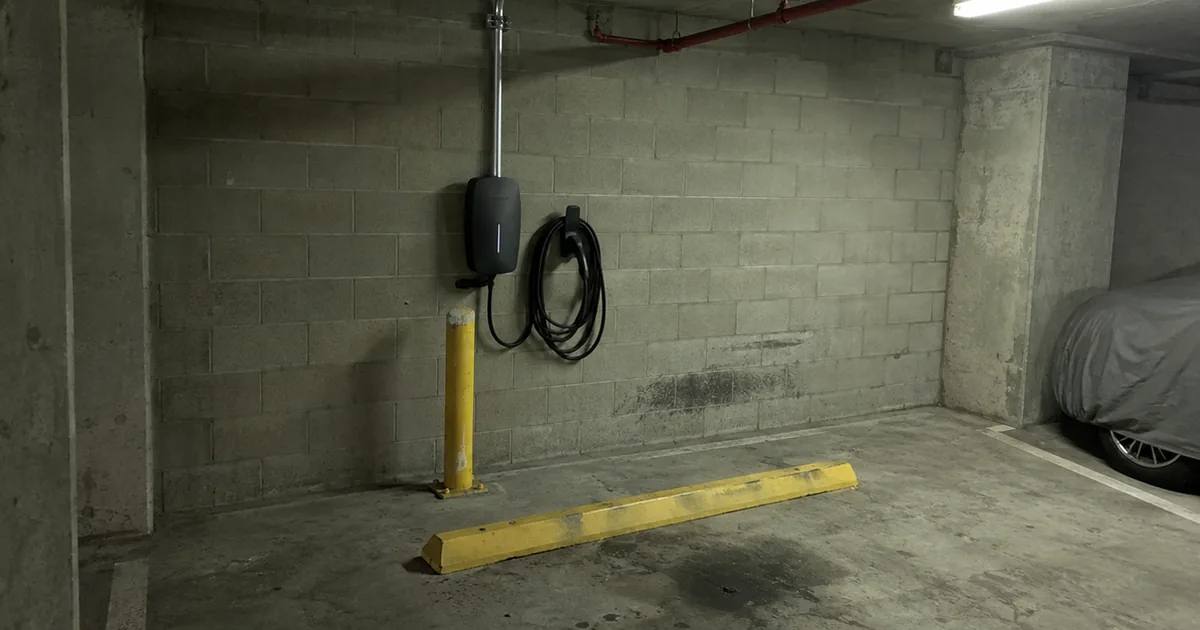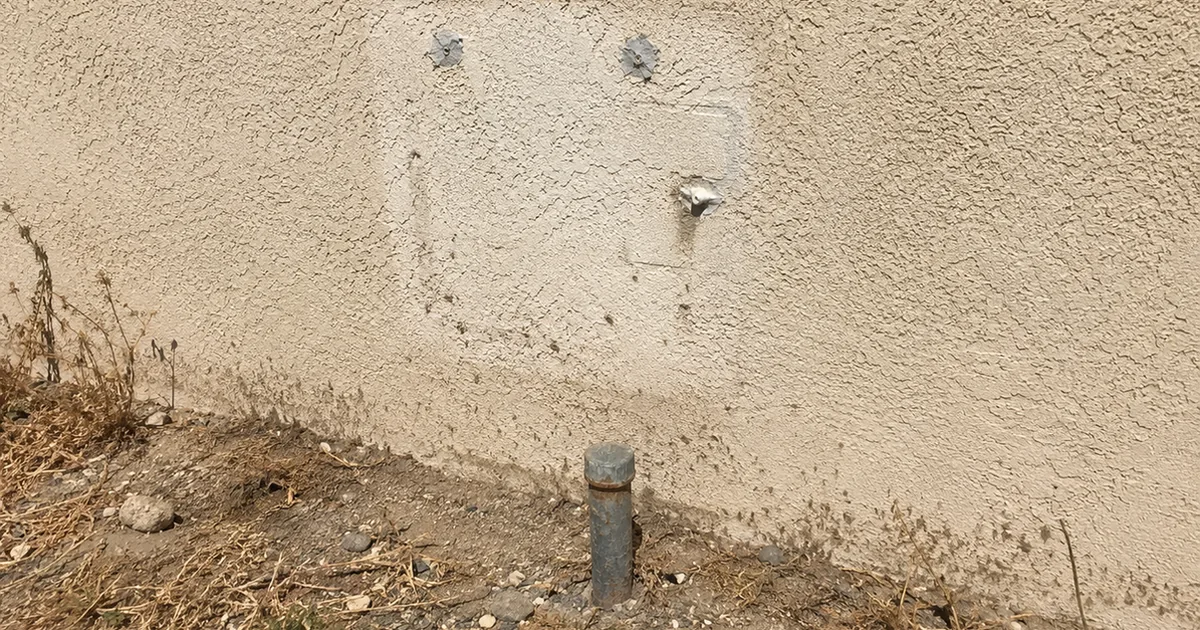
On the side of a house, we find a gas riser cut off and capped a few inches above the soil. There is a pale rectangle on the stucco where the meter used to hang. A heat pump water heater sits in the garage.
The seller says the gas was “turned off for good.”
Today, that is usually a one-off homeowner decision. Starting by 2028, it may come with a utility check.
This is a composite of what we see, not one property.
AB 2313 makes gas line replacement an owner choice
AB 2313 requires California gas utilities to offer eligible property owners an alternative to replacing certain gas service lines. The bill is called the Home Energy Choice Act.
Assemblymember Marc Berman authored the bill. Governor Newsom signed it on September 30, 2026. It was chaptered as Chapter 934, Statutes of 2026. The bill adds Public Utilities Code Section 785.3.
The Assembly concurred in Senate amendments by a vote of 42 to 20 on August 28, 2026.
The law directs the California Public Utilities Commission to solicit proposals for, and require each gas corporation to offer, a Gas Distribution Service Line Replacement Alternatives Program. The offer must be available on or before January 1, 2028.
The program is temporary. Its provisions repeal on January 1, 2035.
The CPUC must review the program every year. That review must consider whether changes to the design would increase participation. The CPUC must report to the Legislature by January 1, 2029, and every year after that.
This is not a statewide order to remove gas meters. It is not a rule requiring every homeowner to electrify. It is an offer for a limited group of gas customers whose service lines are planned or forecasted for replacement.
The program is modeled on a New York program with a similar name, according to the Senate Energy, Utilities and Communications Committee’s analysis.
A service line connects the street main to the house
A gas distribution service line is the pipe that connects a gas main running down a street to an individual building. The bill uses the federal pipeline safety definition in 49 CFR 192.3.
That pipe is different from the gas piping inside the house. It is also different from the gas main serving the street.
The distinction matters because replacement of the service line triggers the possible offer. The program does not treat every gas appliance replacement as a reason to pay an owner to disconnect.
The Senate analysis says approximately 77 percent of California homes receive natural gas utility service. That was just over 11 million households out of 14.5 million, using 2021 data from the U.S. Energy Information Administration.
The same analysis lists about 5.9 million service connections for SoCalGas, about 4.5 million for PG&E, and more than 800,000 for SDG&E.
Supporters of AB 2313, including Building Decarbonization Coalition Action Fund, Earthjustice, and NRDC, said PG&E replaces approximately 15,000 gas service lines each year. They said the vast majority of those replacements serve a single home.
They also said gas customers pay for those replacements over 55 to 60 years. Under that argument, a line replaced today would not be paid off until after 2080.
The author’s statement in that analysis says gas utilities plan to spend millions of ratepayer dollars replacing aging service lines, and that AB 2313 gives a homeowner with a planned replacement the option to discontinue gas and use a portion of those funds to electrify.
That is the basic exchange. The utility avoids replacing one service line. The owner receives an incentive to move the home to energy service that does not require gas use.
Only certain owners and utility customers qualify
The eligible person is the owner of a residential property receiving gas service. The property must be served by a gas distribution service line planned or forecasted for replacement during the next five years.
A tenant is not the eligible customer under the bill.
The program applies to “gas corporations,” meaning gas utilities regulated by the CPUC. It does not automatically cover every public gas utility in California.
The Senate analysis lists publicly owned gas utilities that are not regulated by the CPUC. Those include the City of Palo Alto, Long Beach’s gas and oil department, Coalinga, Susanville, and Vernon.
As we read the bill, a house on Palo Alto’s municipal gas system is outside this program, which matters for home inspections in Palo Alto.
The CPUC must exempt emergency replacement of a service line. A leak gets fixed. It does not become a scheduled customer choice under this program.
Enrollment also has a ceiling. The number of participants cannot exceed 1 percent of each gas corporation’s customers in its territory.
Renters are not ignored. The program must include tenant protections and requirements for adequate notification and engagement with tenants living at the property.
That creates a practical distinction for a sale. The person who can enroll is the owner. The people living in the house must still receive the required notice and engagement.
The incentive requires gas disconnection and meter removal
The owner receives a monetary incentive to deploy “gas distribution service line replacement alternatives.” The statute defines those alternatives as measures that provide residential gas customers with energy service that does not require gas use.
The standard incentive must be less than the avoided cost of replacing the service line. Costs tied to the gas main are not counted in that calculation.
The bill calls for an enhanced incentive for customers in a disadvantaged community, as defined in Health and Safety Code Section 39711.
The statute does not set a dollar figure. The CPUC will design the program and set the amount within the limits stated in the law.
Participation has two direct conditions. The gas service must be disconnected. The gas meter must be removed.
The participating customer must also acknowledge that the customer “waives the gas corporation’s obligation to serve their property.”
That wording matters more than the check amount.
The program must communicate measures that can prevent unnecessary electrical service or panel upsizing. It must also provide information about the climate and health benefits of zero-emission buildings and other available incentives.
A home does not automatically need a new electrical panel because it loses gas. The actual electrical load, available breaker space, existing equipment, and planned appliances still matter.
If you are buying a house that already went all-electric, we document the appliances, the electrical panel, and what remains of the gas piping. We include photographs and a same-day report. See what every inspection includes.
The waiver may follow the property
The buyer question is simple: can the next owner get gas service back?
The statute does not answer that question.
The Senate Energy, Utilities and Communications Committee’s analysis for its June 30, 2026 hearing considered the June 18 version of the bill. It suggested amendments “to clarify that the waiving of the obligation to serve by the customer applies to the property.”
The analysis explained that the purpose was to protect ratepayers from future costs “should the property owner sell the property.”
The chaptered text uses the words “obligation to serve their property.” The statute does not state what happens if a later owner wants gas service again. It does not state how reconnection would be priced.
Those details are for the CPUC’s program design. We do not know them yet.
The practical result for a buyer after 2028 could be a house with no gas meter, a capped riser, and a signed waiver tied to the property. A buyer who wants a gas range should ask about that before the contingency period ends.
Treat this as a disclosure and records question for the seller and the utility. An inspection cannot resolve whether a waiver was signed, what its terms say, or whether the utility would reconnect service.
This is not legal advice.
A separate issue can look similar in a transaction. Our article about a lead water service line replacement offer on change of ownership concerns a water pipe and a different rule. AB 2313 concerns gas service and a utility’s obligation to serve.
An all-electric conversion still needs an inspection
We start with the physical conditions, not the seller’s explanation.
Where the gas meter used to be, we look at the riser and its visible cap. We look for abandoned piping inside the garage, attic, and accessible portions of the house. We look for open, uncapped gas stubs behind a former range or dryer location.
Visible condition is the limit. We cannot see inside a finished wall.
A capped riser is not a finding by itself. An uncapped stub behind the range is.
We report the replacement appliances as well. For a heat pump water heater, that includes the condensate drain, clearance, and temperature and pressure relief discharge. A heat pump water heater in a closet that is too small runs cold and loud, and we note the space.
For heat pump HVAC equipment, we inspect the visible installation and accessible components. For an induction range, we look at the appliance connection and the electrical supply. For an electric dryer, we look at the circuit and accessible receptacle or wiring.
The electrical panel gets its own review. We report the capacity labeling, available breaker space, signs of overheating, and double-tapped breakers.
We don’t size panels. We report what the label says and what the breakers look like.
The statute itself directs the program to communicate ways to avoid unnecessary panel upsizing. A conversion completed without a new panel is not automatically wrong. It is something we document.
Our guide to older electrical panels in Culver City explains why the panel’s age and visible condition matter, especially when new electric appliances have been added.
Permits belong in the file. Ask for permits for the new appliances and for any electrical work. Some heat pump and water heater permits may be closed out through the remote inspection option discussed in our article on AB 1738 and remote inspections.
If gas remains at the property, we still inspect visible gas piping and bonding. Our CSST gas line bonding guide covers that separate condition.
We use photographs in the report. Our inspectors are InterNACHI-certified. FLIR infrared can show a hot breaker or lug as a screening clue. It is not proof of a defect by itself. You can see how we present inspection findings in a sample inspection report.
We can’t see inside the wall, so we say where the old line went in and that we couldn’t follow it.
That sentence is useful in a transaction. It identifies what we saw, what we could not see, and where the limitation begins.
Utilities and unions raised cost and construction objections
The opposition listed in the Senate analysis included the Coalition of California Utility Employees, Engineers and Scientists of California, Local 20 IFPTE, San Diego Gas and Electric Company, SoCalGas, Southwest Gas, and Utility Workers Union of America Locals 132, 483, and 522.
SDG&E and SoCalGas argued that service line replacements are typically larger projects. They said the work is federally mandated under 49 CFR Part 192, depends on risk-based planning, and is coordinated with other construction.
They also argued that the bill’s cost-shifting mechanism was vaguely defined.
The union argued that removing one individual service line may not save much money because the line can sit inside a larger project with fixed engineering, permitting, and traffic-control costs.
As the committee analysis described the bill, it called for a mechanism so customers who leave bear an equitable share of unrecovered gas infrastructure costs, with remaining customers held indifferent.
That is the ratepayer issue behind the program. One owner’s choice is not supposed to shift costs onto everyone who stays on gas.
AB 2313 is different from SB 1221. Senator Min’s SB 1221 authorized up to 30 neighborhood-scale decarbonization pilots, with consent from two-thirds of affected customers. AB 2313 works house by house.
The Bay Area Air District’s water heater and furnace rules are separate too. That zero-NOx water heater rule starts at burnout, not at sale. It does not come from AB 2313.
Agents should put six questions in the file
If a listing has no gas meter or a fresh-looking capped riser, we would put these six items in the transaction file:
- Ask why the gas meter is missing. Ask the seller whether a utility program waiver was signed and request the records.
- Get the permits. Request permits for electric replacement appliances and any panel or circuit work.
- Ask about gas cooking before the contingency is removed. If the buyer wants a gas range, ask the utility about reconnection before the deadline passes.
- Identify the utility. Confirm whether it is a CPUC-regulated gas corporation. Municipal gas systems, including Palo Alto’s, are outside AB 2313 as we read the bill.
- Read the electrical notes and capped-line notes together. A capped riser does not answer whether the electrical system can support the new loads.
- Use the correct date. The program must start on or before January 1, 2028. Before then, a removed meter was a private decision, not a decision made through this program.
Likely early areas for questions include PG&E territory around Oakland and San Jose, SoCalGas territory in Los Angeles, and SDG&E territory in San Diego. The bill does not say that any particular city will have more participants.
The timing sits beside other electrification legislation. SB 868, the plug-in balcony solar law, was signed the same day as AB 2313.
Five questions buyers keep asking about AB 2313
When does the program start?
Gas utilities must offer it on or before January 1, 2028.
How much is the incentive?
The statute does not set a dollar figure. The standard incentive must be less than the avoided cost of replacing the service line. A higher incentive is required for customers in disadvantaged communities.
Can a renter sign up?
No. The eligible customer is the property owner. The program must include tenant notification and engagement requirements.
Is participation mandatory?
No. It is an offer to eligible owners. Emergency service line replacements are excluded.
Will an inspection tell me whether a waiver was signed?
No. That is a records question. We report the physical conditions we can see. Our inspection FAQ answers other common questions about scope and reporting.
AB 2313 changes the question behind a missing gas meter
AB 2313 turns a pipe replacement into a choice for some owners starting by 2028. The owner may receive an incentive to disconnect gas and electrify, but the program requires meter removal and an acknowledgment that waives the utility’s obligation to serve the property.
For buyers, the meter on the side of the house now means more than it used to. If it is gone, ask why. Ask for the utility records. Ask about future gas service before the contingency is removed. Then have the inspection report’s electrical findings and capped-line findings read as one set of facts.
We cover the other 2026 inspection laws in our California laws roundup. To schedule an inspection, call 1-888-88-INSP-9.
Another bill signed the same day touches a different kind of house entirely: SB 996 on manufactured homes.
For the appliances on the other side of that gas line, see how SB 222 changes heat pump permits, fees, and HOA approvals.