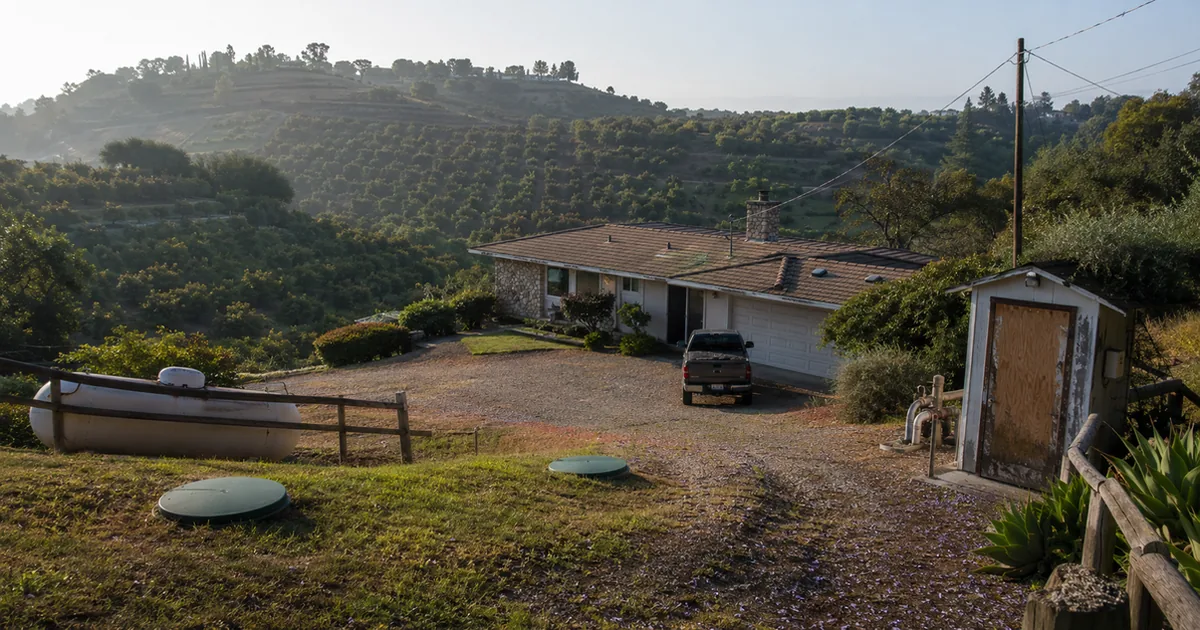
We inspected a grove property in the Gird Valley area of Fallbrook late last spring. Five acres, avocado and citrus, a 1970s ranch house set back from the road behind a gravel drive. The sellers had been there thirty years. Newer roof, remodeled kitchen, freshly sealed deck.
It also had a private well, a 1,500-gallon septic tank, and a leach field running under the lower grove. The buyers were moving from a tract home in Carlsbad. Their agent had closed fifty deals, all on city water and sewer. This was her first well-and-septic escrow, and the contingency was seventeen days.
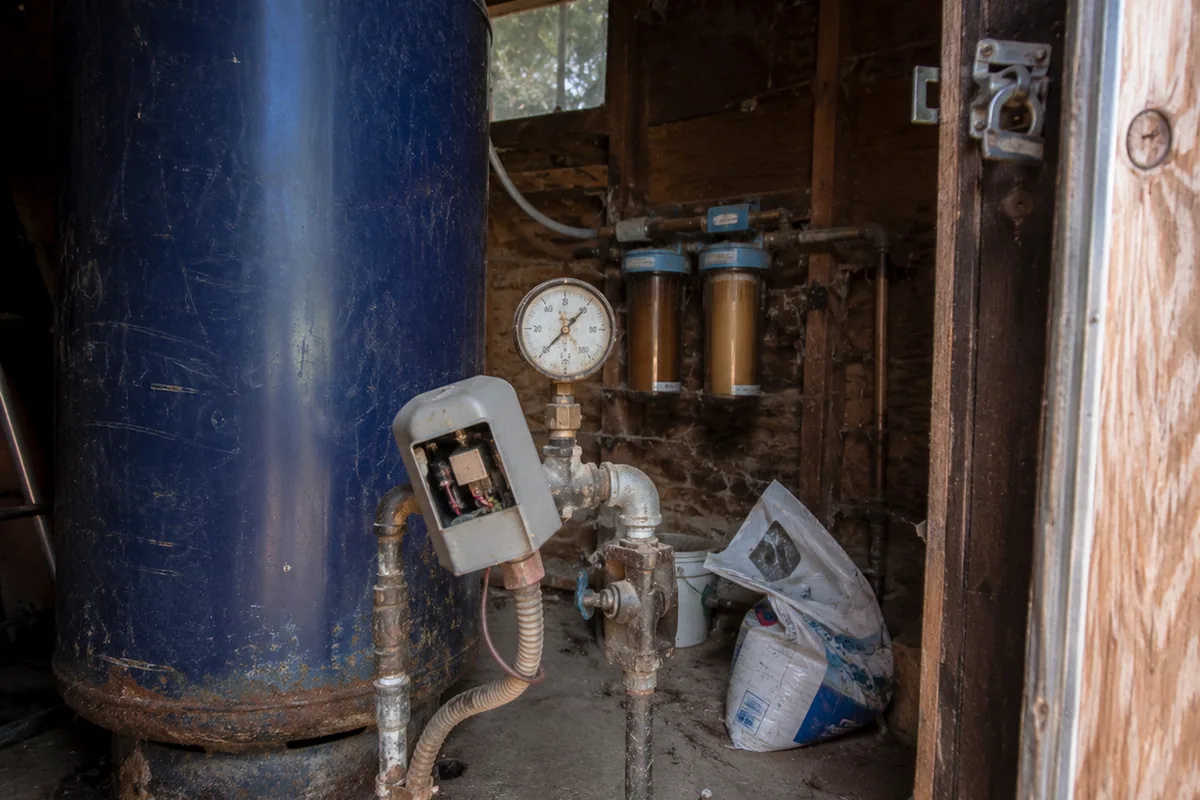
Our general inspection covered the house, the visible plumbing from the pressure tank forward, the electrical, the roof, the structure. We documented the pump house, the pressure tank and gauge, the septic risers, and the condition of what was visible above grade. But we cannot pump and scope a septic tank, and we do not run well flow and potability tests. Those are specialist jobs, and they take time to schedule.
The buyer’s agent assumed one inspection would cover everything. By day nine she was scrambling to get the septic pumped and the well tested before the contingency expired. The septic contractor found surfacing effluent near the leach field, which meant the system was failing. That finding repriced the deal by over twenty thousand dollars and extended escrow by two weeks.
If the specialist inspections had been booked on day one alongside the general inspection, the timeline would have held. This article is the sequencing guide that escrow needed.
Schedule a Fallbrook inspection · Same-day report · Pay-at-closing available
Why this matters for agents working Fallbrook
Most Fallbrook parcels outside the community water district are on private wells and septic systems. The older grove properties in Gird Valley, Olive Hill, Live Oak Park, and the De Luz corridor sit on wells that may be forty or fifty years old, with septic systems sized for the original household.
Agents from tract markets like Carlsbad or Oceanside are used to a single general inspection covering the home’s water and waste. On a well and septic property, the general inspection is one piece of a three-part puzzle. The other two pieces have their own timelines, specialists, and costs.
The contingency period does not stretch because the property is rural. If the well test and septic inspection are not scheduled in parallel with the general, you are stacking sequential tasks into a window sized for one. The same reality applies to Bonsall and the De Luz parcels near Temecula.
What the general home inspection covers on a well-and-septic property
The general inspection covers the house and the visible, accessible components of both systems. We are not well or septic specialists, but we document what we can see and operate, and we flag what needs specialist follow-up.
On the well side, we check the pressure tank, the gauge, the visible piping from the pump house to the home, and the condition of the enclosure. We run water at multiple fixtures to observe pressure and flow. We check the well cap seal and note filtration equipment. If the pump cycles on and off rapidly while we are running water, that is a flag, because it can mean a failing pressure tank bladder or a well with low recovery.
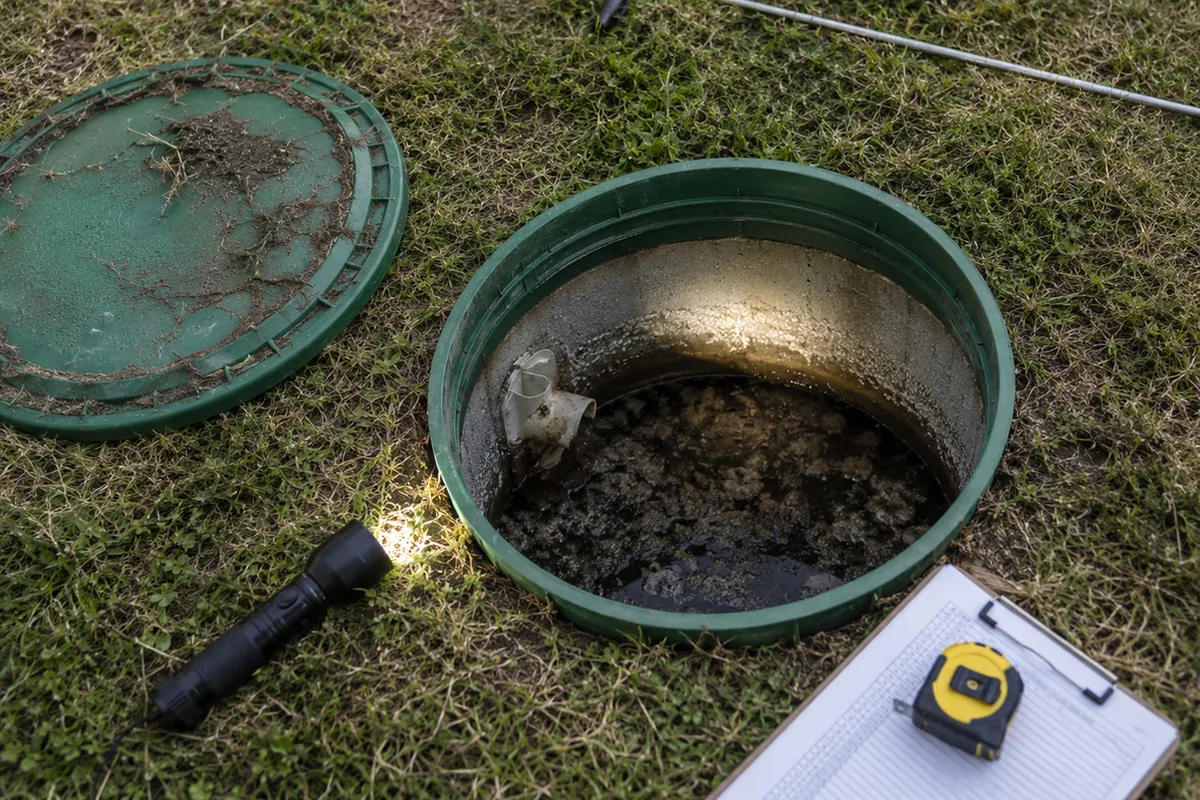
On the septic side, we locate and photograph the risers, check for effluent surfacing in the yard or near the leach field, note wet spots or unusually green vegetation over the drain lines, and run fixtures to observe drainage. We check the distance between the well and the septic components, because San Diego County health codes require a minimum 100-foot separation.
What we do not do is pump the tank, scope the lines, measure sludge layers, or certify the system. We do not pull a water sample, run a flow and recovery test, or test for bacteria and nitrates. Those are specialist tasks, and every well-and-septic report we write says so clearly.
What the general inspection does not cover (and why the specialists matter)
Two specialist inspections sit outside our scope, and both are critical on a rural escrow.
Septic inspection (pump-and-scope). A licensed septic contractor pumps the tank, measures sludge and scum layers, inspects the baffles and walls, and may camera the inlet and outlet lines. They evaluate whether the leach field is accepting effluent. On a system that is thirty or forty years old, this is not optional. A 1,500-gallon concrete tank on an irregular pump schedule can hold a foot of sludge pushing solids into the leach field. Once solids clog the drain rock, the field fails, and replacement runs fifteen to forty thousand dollars depending on soil and system size. San Diego County requires a septic operating permit transfer on sale, and most lenders require a clean certification before funding.
Well test (flow, recovery, potability). A well testing contractor draws down the well and measures flow rate in gallons per minute, then measures recovery time. Under two gallons per minute is a concern. Under one and the home may not sustain normal use during dry months. The tester also pulls a water sample for lab analysis: coliform bacteria, nitrates, and sometimes pH, hardness, and conductivity.
Many Fallbrook wells were drilled decades ago when the water table was higher. Drought years, neighboring agricultural pumping, and aquifer decline have lowered production on some wells. A well that produced ten gallons per minute in 1985 may produce four today. The only way to know is to test it.
How to sequence everything inside a 17-day contingency
This is the part that saves deals. The sequencing has to start before the inspection contingency opens, ideally the day the offer is accepted.
Day zero (offer accepted). Book all three inspections immediately. The general home inspection, the septic pump-and-scope, and the well flow-and-potability test. Do not wait for the general inspection results before booking the specialists. They run in parallel, not in series.
Days one through five. General inspection happens. We document the house and flag well and septic visible conditions. If we see something urgent, like surfacing effluent or a rapidly cycling pump, we communicate that the same day.
Days three through ten. Septic pump-and-scope and well test happen. Fewer contractors do this work in North County, and lab turnaround on water samples is three to five business days. In peak season, septic contractors in Fallbrook can be booked out a week or more. That is why day-zero booking matters.
Days ten through fourteen. All results are in. The buyer’s agent has the full picture and can negotiate from facts.
Days fourteen through seventeen. Negotiation, repair requests, credits, or release of contingency. If a major finding surfaces, there is still time to reprice or walk.
Stack these sequentially instead and the math breaks. General inspection on day five, septic booking on day eight, pump on day twelve, well test on day thirteen, lab results back on day eighteen. You have blown the contingency by a day.
Schedule a Fallbrook inspection · We coordinate with your septic and well contractors on timing
FHA and VA loan requirements for well and septic properties
Both FHA and VA have specific requirements for properties on private wells and septic, and the appraiser is supposed to verify compliance.
FHA well requirements. The well must provide sufficient volume. Water quality must meet EPA standards for coliform and nitrate. The well must sit at least the county-required distance from the septic system (100 feet in San Diego County). If any condition fails, the lender requires correction before funding.
VA well requirements. Similar to FHA, but the VA requires a water quality test on every well-served property with results showing safe, potable water. The well must also meet local health authority standards for construction and distance from contamination sources.
Septic (both FHA and VA). The system must be functioning with no evidence of failure. FHA does not automatically require a pump-and-scope, but the appraiser can condition the loan on one. In practice, most lenders require a septic certification on any system over fifteen years old, which includes nearly every septic system in Fallbrook.
The takeaway: if the buyer is using FHA or VA financing, the well test and septic inspection are likely loan conditions, not just good practice. Book them early, because a failed test means re-testing after correction, and that eats another week.
The negotiation playbook when well or septic findings surface
Four outcomes cover most of these deals. (The Menifee foundation guide follows the same four-path structure for a different system.)
Seller repairs before closing. Possible on smaller issues like a pump replacement or baffle repair. Less realistic for a full leach field replacement, which involves excavation, permitting, and weeks of work. If the seller agrees, require re-inspection and county sign-off before closing.
Seller credits the buyer. The most common path when the finding is significant. Size the credit to actual contractor bids, not estimates. A leach field bid should specify system type, soil conditions, and whether the county will require a new perc test. Get two bids if possible.
Buyer walks under contingency. Happens more than you would expect when a septic system fails or a well produces under one gallon per minute. Protect the buyer’s right to walk by keeping the contingency intact until all results are in.
Deal closes as-is with disclosure. The weakest outcome for the buyer, but it happens when the property is priced to reflect the condition. Document the buyer’s informed decision. Sellers facing this issue should read our 5 things to fix before listing.
Red flags agents can spot at a showing (no equipment needed)
You cannot test a well or scope a septic tank at a showing, but you can catch the signs that should make the inspection contingency non-negotiable.
- Soft, wet, or spongy ground over the leach field, especially if it has not rained recently. Surfacing effluent smells exactly like what it is.
- Unusually green grass in a strip or rectangle, in contrast to the surrounding dry landscape. Septic effluent is fertilizer. If one patch is visibly greener than the rest of the yard in summer, the field may be saturated.
- Sewage odor near the septic risers or anywhere in the yard. Even a faint smell on a warm day is worth noting.
- A well pump that cycles on and off rapidly when you turn on a faucet. Listen for it in the pump house.
- Low water pressure at fixtures. Run the kitchen faucet and a bathroom shower at the same time. If pressure drops noticeably, the well may have limited flow.
- A neglected pump house with corroded fittings, puddles on the floor, and no maintenance records.
- No visible septic risers. Buried or absent risers mean pumping becomes an excavation job, adding cost and time.
The wildfire defensible space guide for Wildomar covers a parallel set of showing red flags for agents working rural parcels with fire-zone exposure.
Quick FAQ for buyers and agents
Does the general home inspection include the well and septic? Partially. We inspect the visible and accessible components of both systems and document their condition. We do not pump the septic tank, scope the lines, test the well flow rate, or run a water quality lab test. Those require specialist contractors.
How much does a septic pump-and-scope cost? In the Fallbrook area, expect $400 to $800 for a standard pump and inspection of a residential tank. If the contractor finds issues requiring further evaluation, such as a camera scope of the leach field lines, the cost can run higher.
How much does a well test cost? A flow and recovery test plus a basic potability panel (coliform, nitrate) typically runs $300 to $600. Expanded panels that include pH, hardness, arsenic, or other parameters cost more. Lab turnaround is usually three to five business days.
What happens if the well fails the potability test? Coliform bacteria can sometimes be addressed by shock chlorination and a re-test. Elevated nitrates may require a treatment system or indicate a construction issue. FHA and VA loans require the water to pass before funding.
What if the septic system fails? A tank needing pumping and minor baffle repair is a small number. A leach field replacement is a large one: $15,000 to $40,000 in the Fallbrook area depending on soil, slope, and system size, plus a new perc test and county permit.
Can a home warranty cover the well or septic? Most plans either exclude them or cover them as an add-on with significant limitations. Do not rely on a warranty to backstop a system that was not inspected before closing.
The honest summary for agents
If you work Fallbrook and you write offers on properties with a well and septic, the escrow is not the same as a tract home on city services. The general inspection covers the house and visible system components. The septic pump-and-scope and the well test cover what we cannot see. All three have to happen in parallel, or the contingency window will not hold.
The deals that close smoothly are the ones where the buyer’s agent books everything on day zero and any findings become negotiation points instead of surprises.
We inspect across North County and into the rural Inland Empire: Bonsall, Temecula, Poway, and Escondido. Same inspection package, same same-day report. Read our thermal imaging guide or see a sample inspection report.
Book a Fallbrook home inspection or schedule directly · Same-day report · Pay-at-closing available · See what is included · FAQ
Related reading
- Well, septic and propane in Fallbrook – the systems companion to this guide: how each private system fails and the showing red flags
- Wildomar wildfire defensible space guide – the rural-parcel companion covering fire-zone showings and defensible space escrow
- How to read a home inspection report in California – what buyers and agents should focus on in the report
- Why infrared scanning matters in California homes – how thermal imaging adds to the general inspection on any property
- Menifee expansive clay foundation guide – the negotiation playbook for another major-system finding
- 5 things San Diego sellers should fix before listing – the seller-side view of findings like these
- Malibu septic at point of sale – city-regulated OWTS operating permits and septic escrow in Malibu