We deliver the report the same day, within 6 to 8 hours of the inspection. The next few hours decide how much of the contingency period remains for everything that report sets in motion.
Most agents’ first instinct is to start the repair list. Start somewhere else. Decide who has to act on each finding and how long that person takes. The slowest person sets the calendar.
This is a one-page script for the first day. It does not repeat the repair request mechanics, which we cover elsewhere.
Read the report in the order a clock runs, not the order the pages run
Read the summary and the safety and active water items first. Then read the “not inspected” lines. Read everything else after that.
Our report arrives the same day, within 6 to 8 hours. It can include a Matterport 3D tour with findings tagged in place, so someone who was not at the inspection can see exactly where an item is. FLIR infrared scanning and drone roof imaging are part of every inspection. Our inspectors are InterNACHI certified and inspect to the InterNACHI Standards of Practice. Those standards do not cover concealed or latent defects.
You can see what a same-day report looks like before the report arrives. For a slower read of the sections and labels, use how to read a California home inspection report.
Give yourself one uninterrupted pass of 20 to 30 minutes. Silence your phone. Read for three things only:
- Anything marked safety.
- Anything involving water.
- Anything the report says it could not see or recommends a specialist evaluate.
Do not try to decide the final repair list during this pass. You are identifying the findings that create calls, appointments, written reports, insurance questions or lender questions.
A safety item may need a licensed contractor. A water item may need a plumber, roofer or another specialist. A line marked “not inspected” may require access, a specialist or a decision that the condition cannot be cleared before the deadline. The first read is about movement. The repair request comes later.
Sort every finding into four lanes by who acts on it
Put every finding into one of four lanes before you call the buyer. Lanes 1, 2 and 3 start phone calls today. Lane 4 starts nothing.
| Lane | What goes in it | Who acts | Whose clock |
|---|---|---|---|
| Lane 1, Safety or active water | Gas, electrical panel and wiring concerns, active leaks, anything the report flags as a hazard | A licensed contractor in that trade, called the same day | The contingency period |
| Lane 2, Recommended specialist evaluations | Roof, sewer line, structural, chimney, pool, HVAC, mold sampling | The specialist, then the buyer for the written quote | The specialist’s calendar, not ours |
| Lane 3, Third-party gates | Pest report, insurer, lender | Pest company, insurer, loan officer | Pest report: 10 business days from the start of the inspection under B&P 8516(b). Insurer and lender: their own queues |
| Lane 4, Everything else | Maintenance, cosmetic conditions, age-appropriate wear | The buyer, after closing | None. It goes on the buyer’s own list |
Lane 1 is for conditions that need a trade to respond. Lane 2 is for conditions where our report points to a question that another person must answer. Lane 3 is for outside decisions that can affect the transaction even when no repair is requested. Lane 4 is not a same day project.
The 12/22 C.A.R. Residential Purchase Agreement prints a default Investigation of Property period of 17-days after Acceptance. The parties can change that period. Check the revision of the form the parties actually signed.
That number belongs beside every appointment and every open question. A 17-day period is not a promise that every specialist can visit, write a report and answer follow up questions inside 17-days. It is the period you are working within unless the signed agreement says otherwise.
When a contractor is needed, use which license matches each referral. The person who acts on the finding belongs in the lane. The person who merely reads the report does not.
Book the long-lead people the same day
Any finding that needs a person with a calendar gets booked before the repair request is drafted.
B&P section 8516(b) requires the pest report to be “prepared and delivered to the person requesting the inspection and the property owner, or to the property owner’s designated agent, within 10 business days from the start of the inspection.” Ten business days is two calendar weeks. Against a 17-day period, a pest inspection started on day 5 can legally deliver on day 19.
If the pest inspection has not been ordered, order it today. Do not wait to see whether the buyer wants to ask for pest work. The report may be needed before that decision can be made.
Use who orders what: home inspection, termite report and specialists when you are assigning the next call. The home inspection report is one document. The pest report, specialist evaluation and written quote are separate pieces of the decision.
A sewer scope is one of the common referrals. Its video has to be read, not just received. Use how to read a sewer scope video when the video arrives. If you are deciding whether to order one, use is a sewer scope worth it.
Infrared findings need the same discipline. A thermal image can show a moisture pattern or a heating and cooling artifact. Read how to read a thermal image before calling a plumber based only on a color pattern.
Send each specialist the tagged Matterport link. Do not send a paragraph that says the problem is “somewhere near the back left side of the house.” Show the person where the item is.
Ask each specialist for two things in writing:
- What did they find?
- What is the price, and when can they visit?
Keep the appointment date beside the finding. Keep the expected written quote date beside the appointment date. If the specialist has not given you a date, the task is still open.
Ask the insurer and the lender the same week, not after the repair request
An insurer or lender answer can end a deal faster than a repair quote. Neither answers on escrow time.
SB 1301 bars California insurers from refusing a policy for roof age alone if an inspection shows five years of roof life left. It applies from 2028, so it does not help a purchase closing now. Today an old roof is still a question to put to the insurer. Read what SB 1301 changes from 2028.
A recalled electrical panel does not stop being part of the house when the house sells. The panel brand, catalog number and date code shown in the inspection photos can be matched against the CPSC notice. Use recalled panels and breakers for that check.
Form RR, the C.A.R. Request for Repair, says credits must be disclosed to the buyer’s lender. The loan officer needs to hear about any credit idea early. Do not wait until the request is ready to ask whether the loan file can address it.
On day one, send the insurer or broker the roof age, panel brand and any gas or heating items from the report. Ask in writing whether the policy will bind on the house as it stands.
Send the loan officer anything that could become an appraisal or condition question. Keep the message plain. Identify the item, attach the relevant report page or image, and ask what the loan file needs next.
You are not asking either party to decide the repair request. You are asking whether the house, as it stands, can pass through their process. That answer belongs beside the specialist quotes, not after them.
Call the buyer with a script, not a forward
Call before forwarding the report. A client who reads a long report alone can decide the house is falling down.
Use this five-point call:
-
“This report is a snapshot of visible, accessible conditions observed during the inspection under InterNACHI standards. It is not a guarantee.” The report describes what was visible and accessible at the time of the inspection, and the standards do not cover concealed or latent defects.
-
Name the one to three Lane 1 items. Say who is being called and what happens next. “The electrical item is going to a licensed electrical contractor today. We are waiting for a written finding and price.”
-
Name the specialists already booked. Give the visit date and when you expect the written quote. If a date is not confirmed, say that the appointment is still being arranged.
-
Name the deadline you are working toward. Say the date the request will be drafted. Use the investigation period in the signed agreement, not a date copied from another transaction.
-
Say what you are not doing yet. “No request has been sent. No contingency has been removed.”
The buyer needs the order of events. First, the findings are sorted. Then the people with answers are called. Then the outside gates are checked. Then the buyer decides what to request, whether to proceed, whether to re-price or whether to walk away.
For the decision itself, use the four tests for walking away, re-pricing or proceeding. That article addresses the decision question. This first day is about getting the facts and the people into the right lanes.
Then send the report. The call gives the buyer a frame for reading it. The report gives the buyer the details needed for the next decision.
Hold the repair request until the quotes are in
The request is the last step of the first week, not the first step of the first day.
Form RR, “BUYER REQUEST (Check all that apply),” gives the buyer choices for repair, credit, price reduction and pest work asks. The seller “has no obligation to respond.” A request is a request. It is not an order.
A repair request does not stop the contingency clock. Only a written removal, cancellation or extension signed by both sides moves the date under paragraph 14B(2) of the 12/22 RPA. The seller “has no obligation to agree to or respond.”
RPA paragraph 12D creates another calendar item. The buyer must give the seller complete copies of all investigation reports, at no cost, by the investigation deadline or 3 days after receiving each report, whichever is later. That duty survives cancellation.
Put “send the seller copies” on the calendar the day each report arrives. This includes the home inspection report, pest report and specialist reports received during the investigation. The delivery task is separate from the repair request.
A quote changes the conversation. It may show a price, a trade, a scope and a visit date. An insurer answer changes it again. A lender answer may change it again. Drafting the request before those answers arrive can leave the buyer choosing a response without the facts that make the response useful.
Use how to ask the seller for repairs or a credit when the request is ready. Use which findings are worth asking about when deciding what belongs in it.
Contract questions belong to the agent’s broker or a real estate attorney. We inspect houses.
What to put on the calendar before you hang up
Put these six actions on dated calendar entries before the first day ends.
-
Day of report: Make the Lane 1, Lane 2 and Lane 3 calls. Order the pest inspection if it has not already been ordered. Send the insurer and loan officer notes.
-
Day of report: Call the client. Name the Lane 1 items, the booked specialists, the working deadline and the fact that no request has been sent and no contingency has been removed.
-
Plus 1 day: Confirm the specialists and their visit dates. Ask again when each written finding and price will arrive.
-
When each report arrives: Send complete copies to the seller within the 12D window. Put the delivery date in the file.
-
As quotes arrive: Tally the findings against the purchase price and against the insurer and lender answers. Keep open questions visible.
-
At least 2 days before the contingency deadline: Decide whether the buyer will remove, request or cancel with the broker.
Final Verification of Condition sits at 5 days before close of escrow by default. It is not a second inspection. Use verify repairs before close of escrow for that appointment.
For the broader sequence, use the date-ordered California home inspection checklist. When the report says an area was not inspected, use what “not inspected” means and how to clear it.
The calendar should show who owns each task. “Need more information” is not an owner. Put a person, a date and the next document beside every open lane.
Quick answers
Should I forward the report as soon as it arrives?
Call first, then send it. Name the Lane 1 items during the call so the buyer knows which findings require action and which items can wait for a later read.
Do I order every specialist the report mentions?
No. Order the specialists tied to safety, water, structure, an insurer or a lender. Order them early because the specialist’s calendar, not ours, controls the appointment.
Does sending a repair request stop the clock?
No. Only a written removal, cancellation or extension signed by both sides moves the date.
Can Inspection.re re-inspect after repairs?
Yes. The buyer or the buyer’s agent orders it, and the person who orders it pays. The rate is quoted by phone, flat, based on scope. Call 1-888-88-INSP-9.
Sort first, call today, send the request last
Sort every finding into its lane. Call the people with calendars today. Send the request after the quotes, insurer answer and lender answer are in view.
Call 1-888-88-INSP-9 or schedule an inspection. See what is included and the questions buyers ask us most. We inspect across California, including Los Angeles, San Diego, Temecula and San Francisco.
The seller’s agent receives the result of that sort, and the seller’s side of the buyer’s list covers what happens next.
For the mold line in particular, a five-situation table for mold findings routes it to the right specialist.
For cracks and possible foundation movement, the monitor, ask or engineer-first sort routes the finding to the right specialist.
When the report arrives before the offer instead of after it, here is what changes for the buyer and the agent.
For water-related lines, the drainage and grading guide is the next stop after the first-day routing.
For an HVAC line that says only that the system operated and looks old, the older-HVAC sort for buyers routes it to a bid, an ask or a budget line.
When the report hints at unpermitted space, the buyer’s guide to what to ask the seller gives the agent a written list to send.
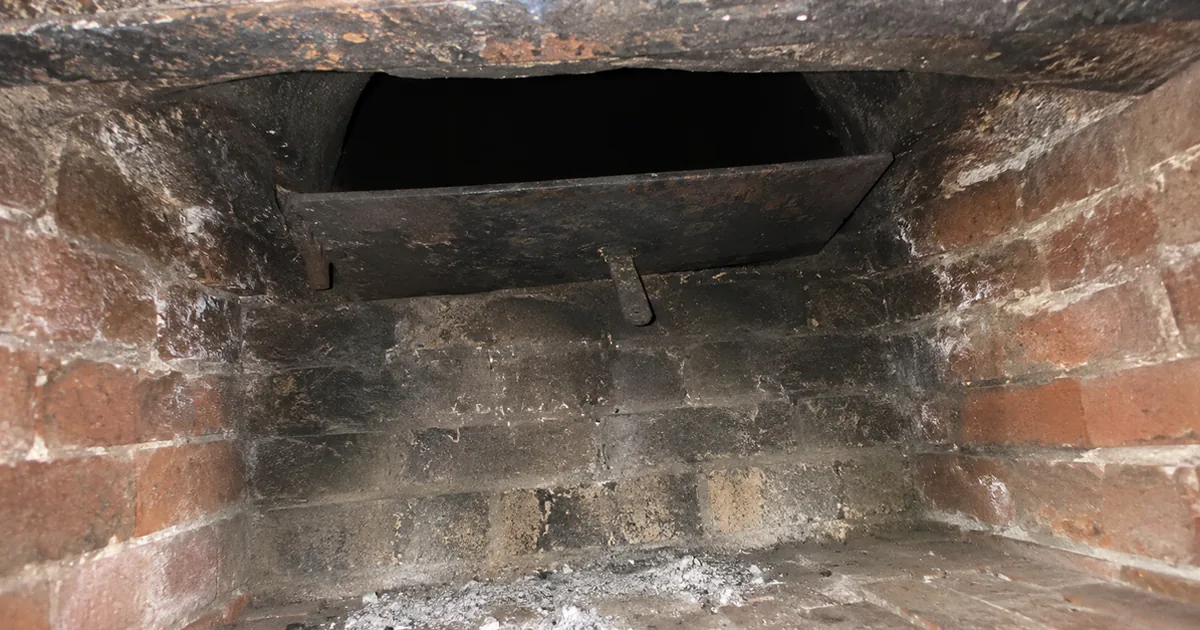
If the report has a fireplace line, the buyer’s guide to the chimney in the report tells the agent which call to make the same afternoon.