When we walk a house and the layout, wall seams or wiring say that a room was added, a garage became living space, or a bathroom moved, the buyer’s next question is usually whether it was permitted and whether that is now their problem.
A report can say what we saw. It cannot say what the city has on file.
Sort the situation. Ask for the paper. Find out who inherits the problem. Ask the lender a specific question. Then compare what you learn with the price. This is not legal, contractor or lending advice.
A report shows what is visible, and the standard does not make an inspector the permit clerk
Under the InterNACHI Standards of Practice, an inspector is not required to determine compliance with codes, research the history of the property, or distinguish original construction from later additions.
The InterNACHI Standards of Practice page says, “Last revised October 2022.” Section 2.2, Exclusions, says the inspector is not required to determine “compliance with codes or regulations.” The inspector is also not required to “research the history of the property, or report on its potential for alteration, modification, extendibility or suitability for a specific or proposed use for occupancy.”
The same section says the inspector is not required to “determine the age of construction or installation of any system, structure or component of a building, or differentiate between original construction and subsequent additions, improvements, renovations or replacements.”
Section 2.1, item 4, states: “An inspection will not determine the suitability of the property for any use.”
The page does not use the word “permit.”
So a clean report does not mean a room was permitted. A note about odd work is a prompt for a records check, not a finding about the paper. At Inspection.re, we write what we observed and why it does not match normal practice. We do not write, “this was done without a permit,” because a visual inspection cannot support that sentence. That is our practice, not something the standard requires.
How to read each section of the report shows what a finding answers and what it leaves open.
Our reports arrive the same day, within 6 to 8 hours. They can include a Matterport 3D tour with findings tagged in place, plus a LIDAR floor plan. See a same-day report with findings tagged in place.
Permit history is a records request, and the building department answers it
The permit record lives with the city or county building department, not in the inspection report. Some departments let anyone look it up online.
The City of Los Angeles Department of Building and Safety lists “Permit & Records Information Search Look up building records and permit history” through its PRISM tool. Its Records Section “provides copies of Department-issued documents from our database including construction, permitting, inspections, and code enforcement.”
The department lists “Purchasing a property, to know what permits have been issued” as one use of its records system. It also offers a Records Research Request Form.
Los Angeles is one example. Other cities and counties run their own systems and use different names. Ask the building department for the address.
Ask for the permit list and the sign-off status of each permit, not only whether a permit exists. A permit that was opened and never finished is a different question from a permit that was never opened. A list that shows nothing for a visibly larger or changed house is a reason to ask the seller before the inspection days run out.
If the house was resold soon after the seller bought it, the seller’s contractor disclosure may already list who did the work. For garage conversions and square footage that never reached a permit, the Van Nuys guide covers the appraisal side.
Sort what you were told into six situations, then pick the next call
Most “was this permitted” questions fall into six situations. Each leads to a different first call.
| What the report or listing suggests | What it tells you | Usual first move |
|---|---|---|
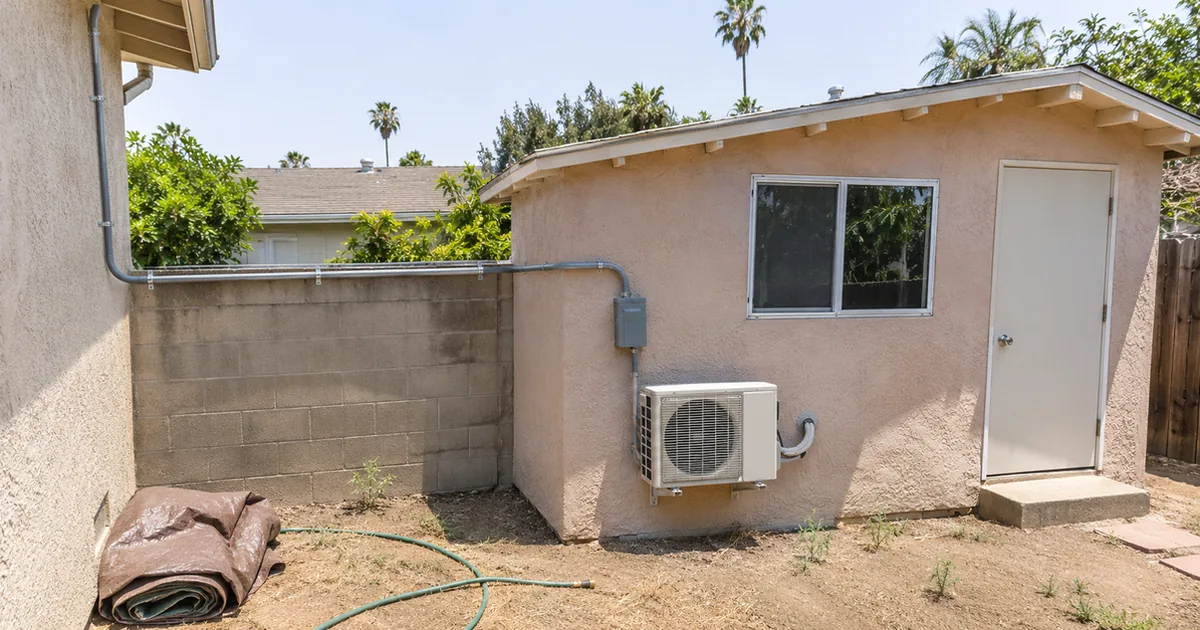
| A garage, shed or detached room used as living space, with finished walls and a window | Use may have changed from storage to living | Ask the seller for permits and final sign-offs, then ask the building department |
| A room or wing whose roofline, wall seams or floor level differ from the rest of the house | Likely later addition | Ask the seller what year it was built and who built it, then check the permit list for the address |
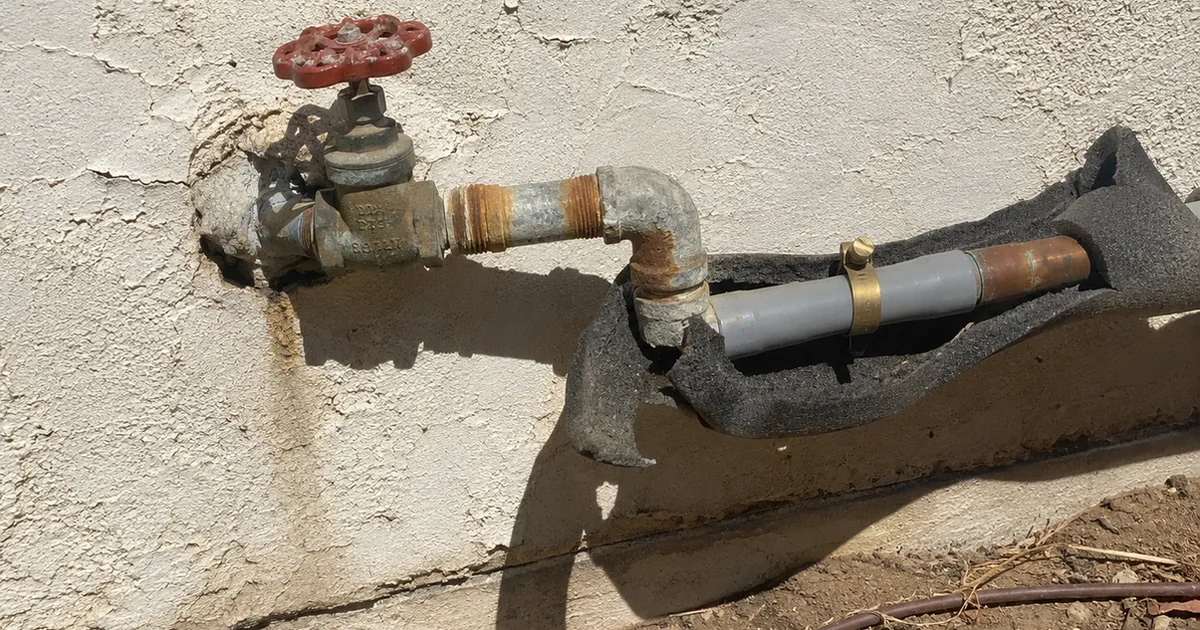
| A bathroom, kitchen or laundry that looks moved or newly plumbed, with work we could see that does not match normal practice | Recent work, quality unknown | Ask for the permit and the final sign-off, and ask a licensed contractor of the right trade what they can see without opening walls |
| New outlets, a subpanel or surface-run wiring that does not look like the rest of the house | Electrical work added at some point | Ask for the permit and sign-off, and ask a licensed electrician for a written evaluation |
| Listing square footage or bedroom count that does not match what we see | Possible unrecorded change | Ask the agent where the number came from and compare it with the permit list; our LIDAR floor plan gives a measured layout to compare |
| Report silent, walls closed or a “not inspected” line, but the seller’s papers mention a remodel | Unknown | Ask the seller in writing what was done, by whom and when |
A “not inspected” line has a specific meaning, laid out in what a “not inspected” line really means.
FLIR infrared can sometimes show a temperature pattern behind a wall that suggests missing insulation or moisture. It cannot tell you whether a permit was pulled. See what a thermal image can and cannot tell you.
Ask the seller for paper in writing, before the inspection days run out
Ask for permits, final sign-offs, plans, the dates of the work and the names of whoever did it. Ask in writing so the answer is on record.
A short written list from the buyer’s agent to the seller’s agent can request:
- Copies of any permits and their final sign-offs.
- Plans or drawings, if any exist.
- The year each change was made.
- The name of the contractor, or whether the owner did the work.
- Whether the seller knows of any notice from the city.
Read the seller’s disclosure package for what it says about alterations and repairs. Ask your agent to point out those lines. We did not open the text of the statutory disclosure form for this article, so we are not quoting it. Ask the agent or a real estate attorney what it requires.
Vague answers are information too. “It was already like that” does not identify who built the work, when it was built or whether a permit was closed.
The owner-builder rule matters because it helps identify who did the work. California Contractors State License Board pages say, “Any individual or group of individuals who own the property on which they plan to construct, alter, repair, improve, or remodel a building or structure is considered an owner-builder.”
The same pages say, “When you sign a building permit application as an owner-builder, you assume full responsibility for all phases of your project and its integrity.” They also say, “You must pull all building permits. Your project must pass codes and building inspections.”
An owner who did the work is not automatically exempt from permits. Ask.
The question of a repair request or credit is covered in how to ask the seller for repairs or a credit.
The next owner can inherit the problem, so find out how the city treats it
At least one large California building department says the current owner is responsible for fixing a violation even if a previous owner did the unpermitted work.
The City of Los Angeles Department of Building and Safety lists “construction done or in-progress without permits” among the violations it responds to. Its enforcement page says: “The current property owner is responsible for complying with the Order, even if previous owners or tenants have performed the un-permitted work or created the violation.”
That is one city. Other jurisdictions differ, and we did not check them for this article.
We did not find a source, in any page we opened, that describes the steps, fees or plans for legalizing finished work. We also did not find a source saying inspectors may require walls to be opened. This article does not describe that process.
Call or email the building department for the address. Ask two plain questions:
- Is there an open order or violation on this property?
- What would the department need to see to approve work that has already been built?
Write down who answered and the date.
Then ask a contractor holding the right license class for a written scope. The CSLB says, “anyone who contracts to perform work on a project that requires a building permit, or uses employee labor or worker(s), or contracts for work valued at $1,000 or more for combined labor and materials costs must hold a current, valid license from CSLB.” CSLB offers an online license check.
Use which license fits each referral when deciding which trade should review the visible work. This article gives no dollar figure for permits, penalties, repairs or legalization.
Ask the lender and the insurer a specific question before you remove the inspection deadline
The appraiser has a stated duty to comment on unpermitted additions. Ask the lender in writing how its appraiser will treat this one before the days run out.
The Fannie Mae Selling Guide, section B4-1.3-05, Improvements Section of the Appraisal Report, is dated 06/04/2025. It says that if the appraiser identifies an addition without the required permit, the appraiser “must comment on the quality and appearance of the work” and on its “impact, if any, on the market value of the subject property.”
The page we read says nothing more about unpermitted additions in general. It does not say the loan is ineligible. It does not require a permit or a cure.
A separate subsection on zoning for an accessory dwelling unit sets extra conditions for a unit that zoning does not allow. That applies only to such units.
This is one lender-guide source. Each lender may apply its own rules on top, so the lender must answer.
Ask the loan officer:
- Has the appraiser been told about the addition?
- Will the appraisal count the square footage?
- Does the lender require the permit to be closed out?
Ask the buyer’s insurance agent whether the unpermitted space affects coverage. We did not open any insurer’s underwriting guideline and are not stating what any insurer does.
This article gives no value, premium or price figure.
Weigh the paper against the price, then choose repair, credit or price change
Once you know what the city has on file, what the lender says and what a licensed contractor writes down, the buyer can ask for a fix, a credit or a price change, or decide the house is not worth the risk.
The California purchase agreement, C.A.R. Residential Purchase Agreement, revision 12/22, sets a default investigation period of 17 days unless the contract says otherwise. A request does not stop the clock. Only a written removal, cancellation or extension signed by both sides moves the date.
C.A.R. Form RR, public copy revision 12/18, lets the buyer check repair, credit, price reduction and pest work. The buyer can check more than one box. The seller has no obligation to respond.
A credit must be disclosed to the buyer’s lender. The form warns that a credit may not be enough to remedy all defects. If the seller agrees to all requests, Form RR makes that agreement conditional on the buyer removing the inspection protection in the contract and releasing the seller and brokers regarding the disclosed condition.
Check the revision on your own paperwork.
A request built on a permit list, a lender’s written answer and a contractor’s written scope is stronger than “the addition looks unpermitted.”
Ask the seller to start the permit process only if your agent and the lender say that is wise. Finished work may not be approved without changes.
A credit can pay for work after closing. A price reduction changes the loan amount. A repair done by the seller before closing is harder to verify. Ask your agent and lender how a credit or price change works for the loan.
Read how the 17 days and removal work, which findings are worth asking about and whether a finding is a deal breaker or normal.
The seller’s side is in what a seller can do when the buyer’s list arrives.
Contract questions go to the agent, broker or a real estate attorney. Loan questions go to the lender. We inspect houses.
Plan the days you have left, then close the loop
For a house with questionable work, the buyer’s plan is a written list to the seller, a records request to the building department, a lender question and a contractor’s written scope, all started on day one of the inspection days.
Order the inspection early in the investigation period so the records requests have time. Our reports arrive the same day.
Inspection.re offers re-inspection after seller repairs. The buyer or buyer’s agent orders it, and whoever orders it pays. The flat rate is based on scope and quoted by phone at 1-888-88-INSP-9.
The RPA Final Verification of Condition is by default 5 days before close of escrow. It is not a second inspection. Read verifying repairs before close of escrow.
Is unpermitted work a reason to cancel?
On its own, it is a question that needs the permit record, a lender answer and a contractor’s scope. Whether it ends the deal depends on those facts and on the price. That is the buyer’s call with the agent.
Can an inspector tell me whether the work was permitted?
No. The standard we read does not require it and does not mention permits. The building department’s records answer that.
Can I ask the seller to fix it or credit me?
You can ask. Under the form we read, the seller has no obligation to respond. The next step is the buyer’s choice with the agent or an attorney.
Will the lender refuse the loan?
The Fannie Mae page we read requires the appraiser to comment. It does not say the loan is ineligible. Each lender decides, so ask the lender in writing.
Sort the situation. Get the paper. Ask the city. Ask the lender. Then ask for what the facts support.
Call 1-888-88-INSP-9 or schedule an inspection. See what is included and the questions buyers ask us most. We inspect across California, including Los Angeles, San Diego, Temecula, Riverside and San Francisco.
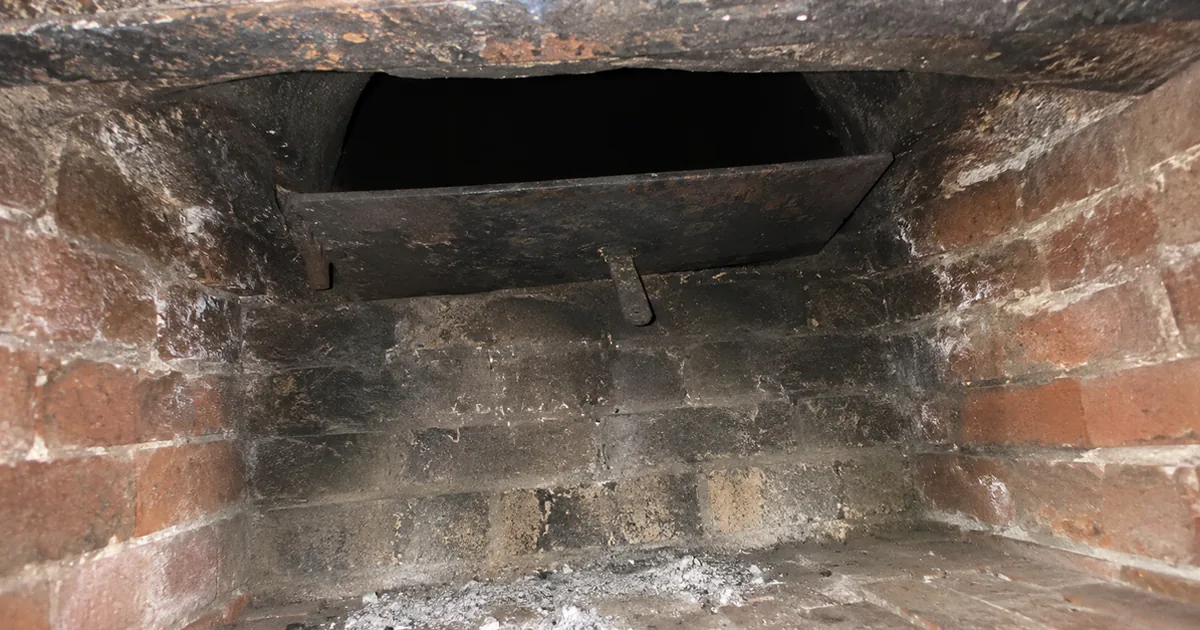
A fireplace that was closed up or converted to another appliance raises the same paper questions, and the chimney guide for buyers adds the flue inspection.