When we walk a buyer through the report at the end of an inspection, the real question is usually which findings belong in a request to the seller and which ones will make the listing agent roll their eyes.
A good request is short. Every item on it passes a test. The point is not to copy the red section of the report into an email.
This is the step before writing the request. For the next step, read how to ask the seller for repairs or a credit. That article covers how to ask. This one covers which items deserve to be asked about.
The question is not “is it in the report” but “does it pass the test”
Inspection.re reports open with a color-coded executive summary. Green means Good. Yellow means Monitor. Red means Repair Needed. You can see the format in this sample report.
Most repair requests start with red findings. That does not mean every red finding belongs in the request. A red item may be a safety problem, an active leak, or a condition that needs a specialist. It may also be a maintenance item that you can handle after closing.
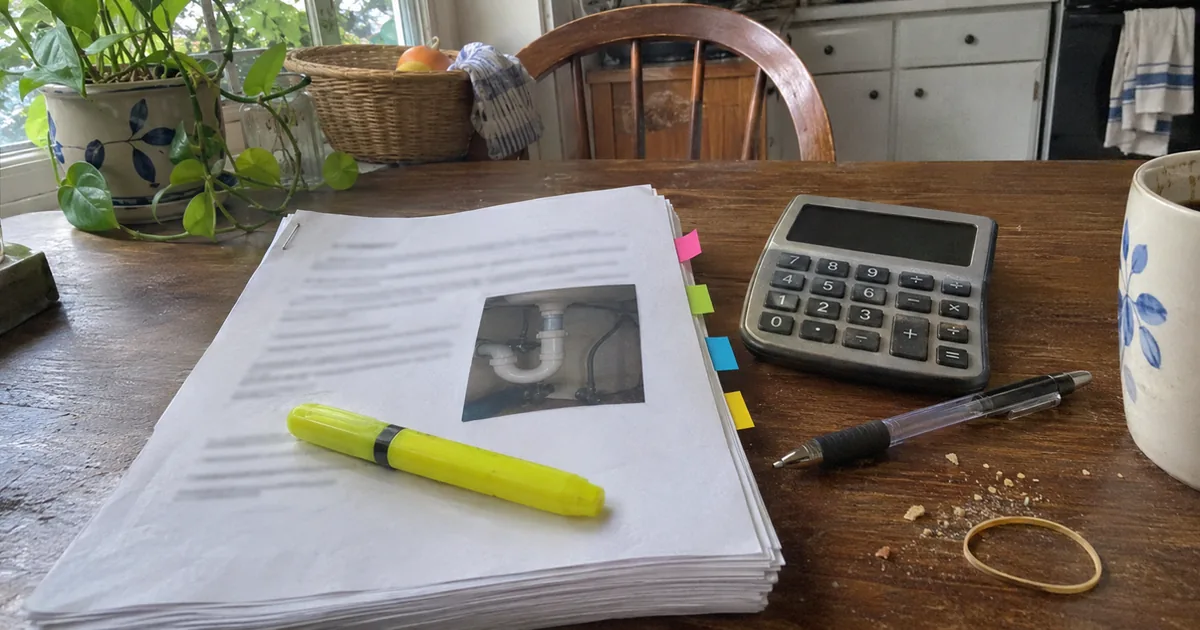
Some yellow findings deserve attention too. A yellow note about staining under a sink may turn out to be an active leak once a plumber looks at it. The color is a starting point. The finding still has to pass the test.
The inspection report gives you information. It does not order the seller to fix anything. It does not give you a right to demand a particular repair. For the separate question of who can require a repair, read which repairs are mandatory after a California inspection.
Your request should come from the risk in the finding, not from the color beside it.
Five questions separate a real repair request from a wish list
- Could it hurt someone now?
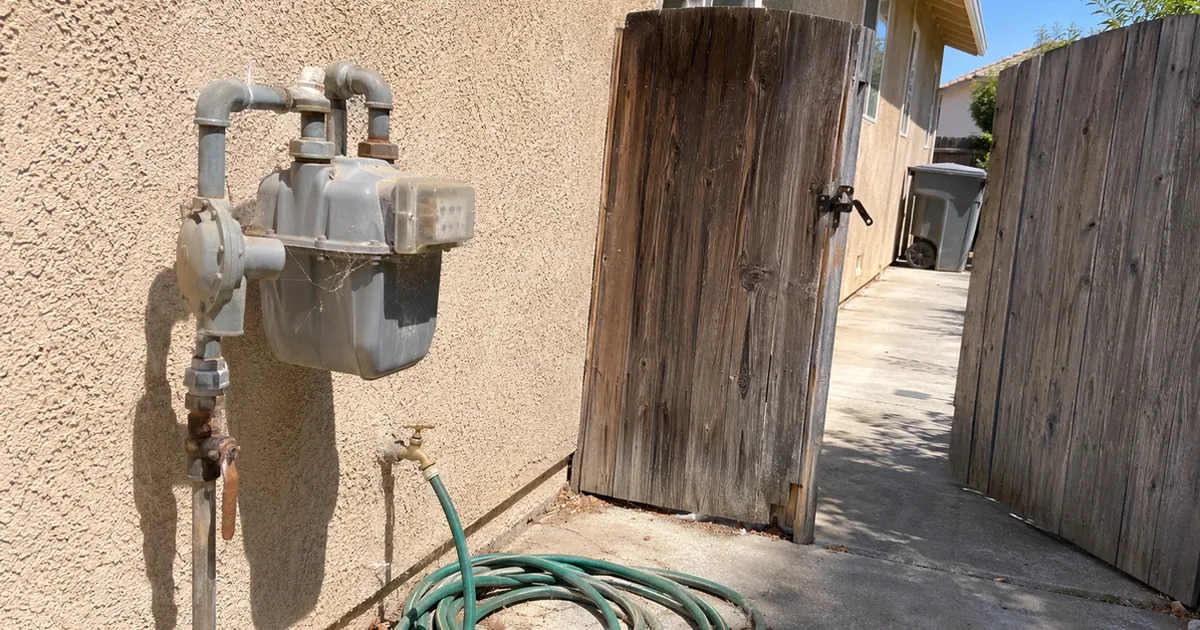
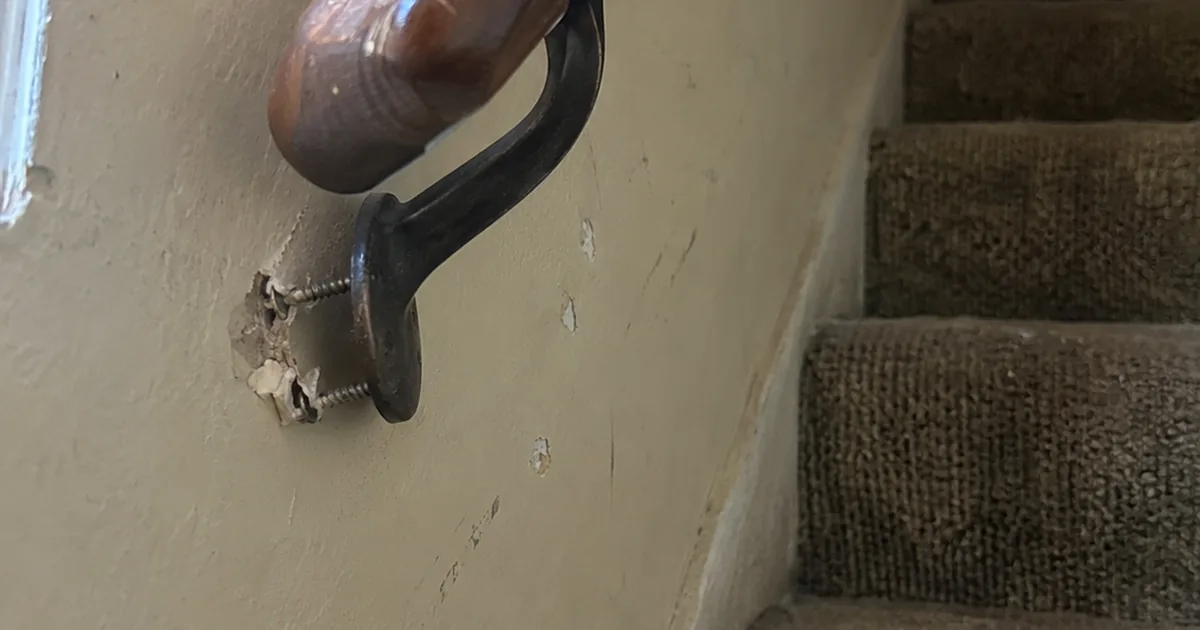
Gas smell or a gas leak belongs on the list. So does exposed wiring, a panel hazard, or a stair guard or handrail that is loose or missing and could fail. A water heater without earthquake strapping belongs on the list. A missing smoke alarm or carbon monoxide alarm belongs on the list too. If the condition presents a current safety risk, it passes the first question.
- Is water or structure involved, and is it active?
Active leaks, decay, continuing settlement, and standing water at the foundation deserve a request. These conditions can grow while you wait, so the cost picture changes. A report may identify the visible condition without defining the full repair. In that case, get a specialist evaluation first, then ask for the repair or credit supported by the evaluation.
- Did you already know about it when you set your price?
A problem listed in the seller’s Transfer Disclosure Statement was already part of the information available to you. The disclosure is required under Civil Code section 1102 and following sections for single-family residential transfers. The same issue applies to a condition plainly visible at the showing or included in a seller’s pre-listing report.
Asking for these items again can read as re-trading. The exception is when the inspection shows that the condition is worse, bigger, or different from what was disclosed. Say exactly what is new. Do not simply repeat the original disclosure.
- Can a lender or insurer stop the deal over it?
Roof condition, an electrical panel or wiring problem, an active leak, or evidence of wood-destroying insects may affect the loan or insurance. Ask the loan officer and get an insurance quote while the contingency is live. If either one can stop the deal, the finding belongs on the list regardless of its size.
- Do you have a number?
A written quote from a licensed contractor turns a finding into a defined request. Without one, a credit request is a guess. A quote also tells you whether the issue is a small repair, a larger project, or something that needs more investigation before anyone can price it.
An item that passes question 1, 2, or 4 belongs in the request. An item that passes only question 5 is a candidate, ranked by cost. An item that fails all five stays off the request and goes on your own after-closing list.
Five request types make a buyer look difficult
Cosmetic items do not belong in a repair request. The InterNACHI Standards of Practice, which our inspectors follow, say an inspection “will not deal with aesthetic concerns, or what could be deemed matters of taste, cosmetic defects, etc.” The standards define a cosmetic defect as “An irregularity or imperfection in something, which could be corrected, but is not required.” Paint scuffs, worn carpet, and dated fixtures fit this category. They may bother you. They do not change the condition of the house in the way a safety or water problem does.
Age alone is not a repair request. The InterNACHI SOP says that a system or component being near, at, or beyond the end of its normal, useful life “is not, in itself, a material defect.” HUD says in its FHA appraiser handbook, “If an element is functioning well but has not reached the end of its useful life, the Appraiser should not recommend replacement because of age.” A 15-year-old water heater that works is a budget item, not a request. Its age may matter to your future planning. Age by itself does not define a current repair.
“Not to current code” on original construction needs more thought. The InterNACHI SOP says the inspector is not required to determine “compliance with codes or regulations.” Older homes were built to the standards of their day. The useful question is whether the condition is a hazard, not whether a newer code edition would build it differently. A house may have fewer outlets than a new house. An older house may have ungrounded two-prong outlets. Ask an electrician whether that condition is a hazard for how you will use the room. An electrician may suggest GFCI protection, depending on the condition and the intended use.
Routine maintenance belongs with the owner chores. Replace the furnace filter. Recaulk the tub. Clean the gutters. Adjust the sticky door. These tasks may appear in the report because they affect how the property operates or because they should be handled by the next owner. They do not usually justify asking the seller to renegotiate the deal.
Items you saw at the showing and priced in also stay off the request. This is the same question as the disclosure issue. If the worn carpet, scuffed paint, dated fixtures, or cracked tile were visible before you made the offer, asking the seller to correct them after the inspection can look like a change in the bargain.
The 40-item request creates its own problem. A long list buries the safety items and invites a flat no. The seller may stop reading before reaching the active leak, the panel concern, or the condition affecting insurance. Short lists get read. They also make it easier for the seller to identify the few items that need a real answer.
The as-is starting point makes the contingency your real power
The California purchase agreement, the C.A.R. Residential Purchase Agreement, delivers the property as is, in its present physical condition as of the date of acceptance, subject to the buyer’s investigation rights.
The seller has no obligation to agree to a repair request or to respond. A request is a negotiation. It is not an inspection order.
Your real power is the inspection contingency. That is the right to cancel within the contingency period. A request does not pause the contingency clock. If you are waiting for a contractor quote, an insurance answer, or a seller response, the deadline still matters. Read the inspection contingency timeline and ask your agent about the dates in your contract.
That changes what reasonable means. A reasonable request asks for the things a seller would rather fix or credit than lose the buyer over. Safety, active water, structure, and lender or insurer issues fit that description. Cosmetic items do not. The sale is already as is, as explained in why the sale is already as is.
The request should protect the deal you are deciding whether to keep. It should not become a second chance to inspect every surface and ask the seller to make the house feel newer.
One typical report can produce three different piles
The following is an illustrative mix of findings, not a specific inspection. It shows how the same report can produce a short request, a specialist follow-up, and a personal after-closing list.
| Finding | Which question it passes | Where it goes |
|---|---|---|
| Double-tapped breaker in the panel | 1, 4 | Request: licensed electrician to evaluate and correct |
| Active drip at the kitchen sink trap with damp cabinet floor | 2 | Request: repair, plus check the cabinet floor for damage |
| Water heater missing earthquake strapping | 1 | Request or confirm the seller’s certification |
| Roof near the end of its life, no active leaks seen | 4 if the insurer balks, otherwise 5 | Get the insurance quote first; credit only with a roofer’s written quote |
| Ungrounded outlets in bedrooms of an older house | Depends on the electrician’s view | Ask an electrician; request only if it is a hazard for your use |
| Furnace filter dirty | None | Your list |
| Worn carpet, scuffed paint | None | Your list |
| Cracked window pane already noted in the seller’s disclosure | 3 | Leave off unless worse than disclosed |
The double-tapped breaker presents a safety question, and panel findings are the kind of item an insurer or lender may ask about. It needs a defined electrical correction, not a general request to “fix the panel.”
The active drip passes the water question. The damp cabinet floor creates a second question about possible damage, so the request should ask for both the leak repair and a check of the cabinet floor.
The missing earthquake strapping is a safety item. The request can ask for correction or for confirmation of the seller’s written certification.
The roof needs the insurance answer before the request is finalized. If the insurer accepts it, the finding may be a cost question. If the insurer balks, it moves into the lender and insurance category.
The ungrounded outlets need an electrician’s view tied to how you will use the rooms. The dirty furnace filter, worn carpet, and scuffed paint do not pass the five questions. The disclosed window pane stays off unless the inspection shows that the condition is worse than described.
That turns an eight-item note into a three or four item request.
A specialist’s written answer gives the request a defined target
A home inspection is visual and based on the observations made on the date of the inspection. It is “not a prediction of future conditions” under the InterNACHI SOP.
That is why a report may say “further evaluation by a licensed contractor.” The evaluation comes before the request, while the contingency is still open. You want to ask for a defined thing, supported by the person qualified to evaluate that system.
An electrician’s written answer can say whether a panel finding or wiring condition presents a hazard and what correction is needed. That turns “electrical issue” into a repair scope.
A roofer’s written answer can describe the roof’s condition and provide a quote if a credit is appropriate. It also gives the insurance conversation a specific document.
A plumber or sewer scope can separate a visible drain concern from a condition that needs repair inside the line. The written result tells the agent whether the request should ask for a repair, more investigation, or nothing at all.
A structural engineer’s written answer can address settlement cracks and identify whether the concern needs structural work or monitoring. That is different from asking the seller to repair every crack visible in a wall.
A licensed pest company can evaluate wood-destroying organism evidence and define the work required. The request then names the work instead of treating every mark or damaged area as the same condition.
Read what a home inspection covers and what needs a specialist, which contractor license fits an inspection referral, and is a sewer scope worth it.
The buyer’s agent should turn the sorted findings into a short request
The agent reads the executive summary with the buyer and runs the five questions against each finding. The agent gets the loan officer and insurance agent’s answers on items under question 4. The agent gathers quotes where needed and drafts the request with safety and water first.
The listing agent’s history also matters. The buyer’s agent knows how this seller and listing agent have responded so far. That is local judgment we cannot supply.
Inspection.re delivers the report the same day, within six to eight hours. That gives the buyer more of the contingency period for quotes and specialist answers. A Matterport 3D tour shows findings tagged in place, which helps an agent or contractor who was not at the inspection see the item. FLIR infrared scanning and drone roof imaging are part of the inspection. Our inspectors are InterNACHI certified.
The report is easier to use when the agent can point to the location, the condition, and the question the finding passes. Read how to read a California home inspection report before sorting the request.
Buyers usually ask five questions after the list is cut down
Should I ask for everything in red?
Not automatically. Run the five questions. Most red items that belong in a request pass question 1, 2, or 4. Some red items are maintenance or age-related conditions and stay on your own list.
Will a short list make me look like I am not serious?
No. A short list of safety, water, and lender items is the one the seller can say yes to. A long list makes it harder to see which findings could affect the deal.
Can I ask about something the seller disclosed?
Only if the inspection shows that it is worse or different. Say exactly what is new. Do not ask the seller to correct the same condition you already accepted when you set your price.
Is “not up to code” a reason to ask?
Only if it is a hazard. Inspectors are not required to determine code compliance under the InterNACHI SOP. Ask an electrician or another qualified specialist whether the condition creates a current problem for your intended use.
What happens to the items I leave off?
They go on your own after-closing list and budget. For the items the seller does agree to repair, read verify repairs before close of escrow.
A repair request should protect the deal, not list every flaw
The report is a map, not a demand letter. A request built from items that can hurt someone, involve active water or structure, or stop the loan or insurance is one a seller can say yes to. Everything else is your list.
Call 1-888-88-INSP-9 or schedule an inspection. See what is included, the questions buyers ask us most, and a sample same-day report.
We inspect across California, including Los Angeles, San Diego, Temecula, and San Francisco.
Read what a California home inspection costs and the California home inspection checklist before you schedule.