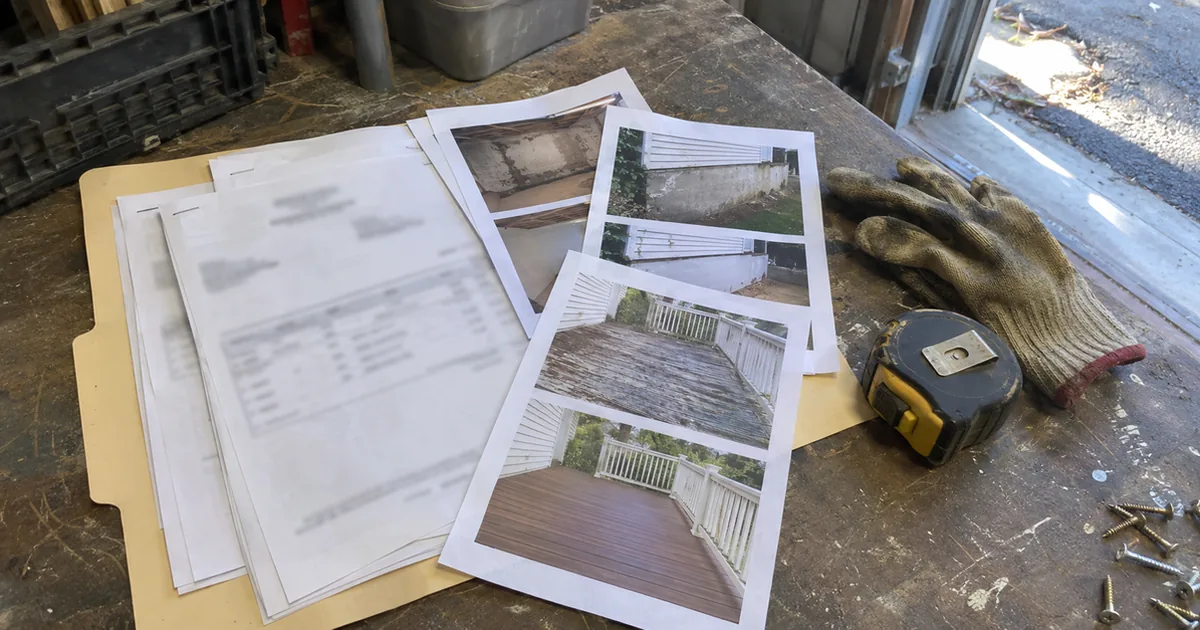
The buyer’s inspection is done. The list has arrived. It can feel like a bill.
Most of it usually is not. A report can contain safety concerns, maintenance items, specialist recommendations and conditions the seller already disclosed.
The form gives you wide latitude. Your first job is to sort the list, not react to every line. We see the inspection side of the table, not the negotiation, so this guide sticks to what the form says and what we can see about the findings. This is not legal advice.
The form does not force you to say yes, or even to answer
Under the C.A.R. Request for Repair form, Form RR, the seller has no obligation to respond to the buyer’s request.
Check the revision on your own paperwork. The public copy we reviewed is revised 12/18. It labels the buyer’s section “BUYER REQUEST (Check all that apply)” and gives the buyer four choices:
- Repair
- Credit
- Price reduction
- Pest work
The form states that the seller has no obligation to respond. The 12/22 Residential Purchase Agreement, paragraph 14B(2), says the seller “has no obligation to agree to or respond” to a buyer’s request.
The buyer’s side of this exchange is covered in how to ask the seller for repairs or a credit. That article addresses how the request is made. This article addresses what happens after the request lands in your inbox.
Silence is still a choice. It has a cost.
A request does not stop the buyer’s contingency clock. Only a written removal, cancellation or extension signed by both sides moves the date. If you do not agree, or do not answer, the buyer is not contractually entitled to the repairs and may cancel based on a remaining contingency.
That means silence hands the decision to the buyer’s deadline. We would answer in writing, even when the answer is no.
Your written answer does not need to promise every repair. It needs to make your position clear through the proper form and your listing agent’s process. Ask the listing agent how the response should be completed and delivered.
Sort the list into four piles before you answer anything
Sort the buyer’s list into four piles before deciding what to fix, credit or decline. A row in the report is not the same as a defect that needs a fix.
| Pile | What goes in it | Usual response to consider | What we can see from the inspection side |
|---|---|---|---|
| Safety or active water | Gas leaks, electrical hazards, active leaks, anything the report flags as a hazard | Fix with a licensed contractor in that trade, or credit | These are the items a buyer’s lender, insurer or second visit can also raise, so declining them tends to resurface |
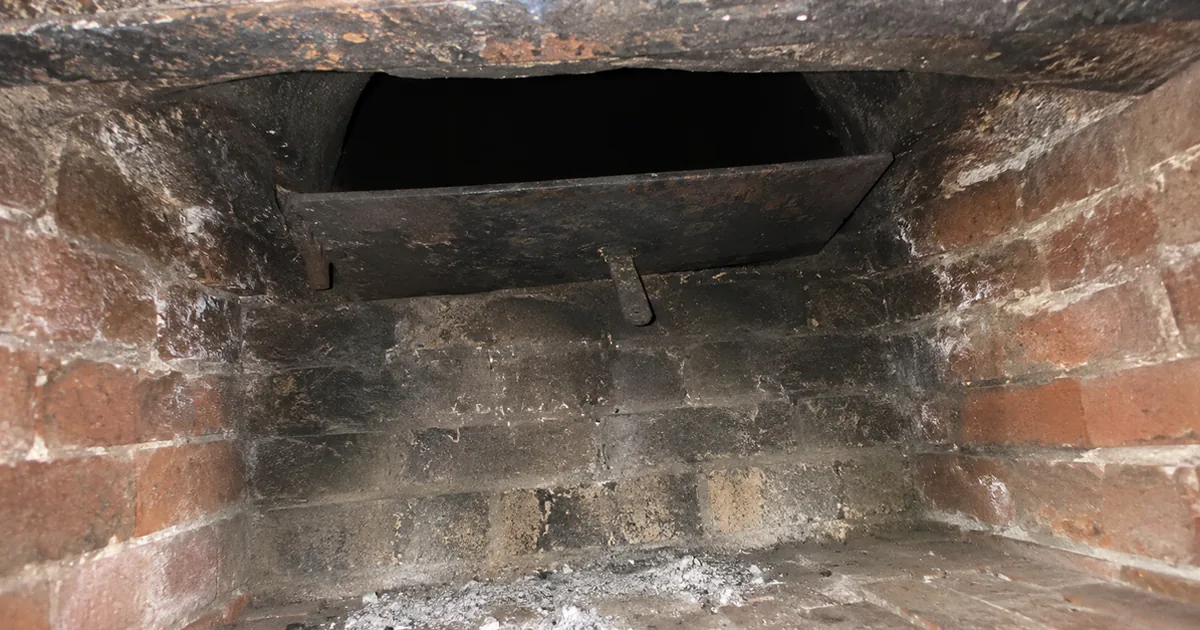
| Needs a specialist opinion | Roof, sewer line, chimney, structural, pool, HVAC | Get your own written quote before you answer | A specialist’s written finding with a price is worth more than a line in the report |
| Wear and maintenance | Age-appropriate wear, cosmetic items, small adjustments | Often decline, or offer a small credit | The inspection lists these because it must; a list is not a demand |
| Things you already disclosed | Items already on your Transfer Disclosure Statement or already known to the buyer | Point to the disclosure | A buyer asking for something already disclosed is a negotiation choice, not a surprise |
The inspection is a snapshot of visible, accessible conditions under the InterNACHI Standards of Practice. Those standards do not cover concealed or latent defects.
Our reports are delivered the same day. They can include a Matterport 3D tour with findings tagged in place, plus FLIR infrared and drone roof imaging. Ask the buyer or the buyer’s agent for the tagged tour link when the location of an item is unclear. You can see exactly where the finding appears.
See what a same-day report looks like for the report format. The buyer’s agents may be reading the same list of findings described in which findings are worth asking about.
Start with the location. Then ask what the report actually says. A note that an item is old, worn or missing is not automatically a statement that the item failed. A recommendation to monitor is not the same as a recommendation to replace. A recommendation for specialist evaluation is not a completed diagnosis.
That distinction changes the response. You may need a contractor, a written quote, a disclosure conversation or no repair at all.
Your four possible answers on the form
You can agree to all of the buyer’s requests, agree to some, decline all, or propose a counter.
Form RR allows the seller to respond directly in the response section when agreeing to everything, nothing or part of the request. To propose an alternative, the response section directs the seller to C.A.R. Form RRRR. That is the form for a counter.
If you agree to all of the buyer’s requests, Form RR makes the agreement conditional on three things:
- The buyer removes the physical inspection contingency.
- The buyer removes the contingencies identified on an attached C.A.R. Form CR, which the buyer signs.
- The buyer releases the seller and brokers from any loss, liability, expense, claim or cause of action regarding the disclosed condition of the property.
Form RR calls this a release.
The form’s wording means a full yes is also something the seller is receiving in return. The buyer’s contingencies come off. A partial yes or a counter keeps more of the conversation open. Which answer fits your transaction is a question for the listing agent.
The buyer’s side of that exchange is covered in whether to waive the inspection contingency. It explains what the buyer gives up at this same moment.
Do not write a casual email that changes the substance of the form. Send the list, your proposed response and any contractor information to the listing agent. The agent can tell you which response belongs on Form RR, whether a counter is needed and how the signed documents should move between the parties.
Credit, repair or price change: what each does on your side of the table
A credit puts the work in the buyer’s hands, a repair puts it in yours, and a price reduction settles the question without fixing anything.
Form RR lists credit and price reduction as separate boxes. It also says a credit must be disclosed to the buyer’s lender. The form warns that a credit may not be enough to remedy all defects.
A credit can be simple to describe. The buyer receives the agreed credit and decides what to do with the condition after closing. The seller does not schedule the contractor, wait for the work to finish or manage access before close.
The work also remains with the buyer. A credit does not make the stain disappear, replace the roof or answer what caused the moisture pattern. It changes who handles the next step.
A repair keeps that work on your side of the table. The contractor comes to the property. The scope has to be clear. The work has to be complete enough for the buyer to look at it before close.
A repair done by the seller must still pass a buyer’s look. Use a licensed contractor in the right trade for anything involving gas, electrical, plumbing or roofing. The referral guide on which contractor license matches each referral separates those trades.
Keep the invoice. Keep the permit if one was pulled. Keep a dated photo before and after the work. Those records give the buyer something concrete to review and give your agent a cleaner file.
A credit avoids scheduling risk before close but leaves the work to the buyer. A repair creates scheduling and access work for you but lets you control the contractor and the completed scope. A price reduction settles the question without fixing anything.
The report can tell you what was visible. Which business term fits is your listing agent’s call.
Read what repairs are actually mandatory for the separate issue of outside requirements. A lender or insurer may require some fixes whatever the seller prefers. That does not mean the inspection form itself tells you which response to select.
Know which items are really repairs and which are specialist questions
Some findings are evidence that something else needs to be looked at. Fixing the symptom alone can leave the question open.
A report line can recommend that a specialist evaluate an item. That is different from a specialist’s written finding. A roof note may call for a roofer. A sewer line concern may call for a sewer scope. A chimney concern may call for the appropriate specialist. A structural concern may call for a structural professional.
Termite or pest work is a separate report. See who orders what: home inspection, termite and specialists.
A sewer scope video needs reading, not just receiving. The video shows the line as the camera moves through it. The conclusion belongs with the person qualified to interpret that finding.
Infrared images work the same way. They show temperature patterns. The pattern must be matched to a cause. Read how to read a thermal image before treating a color change as a repair diagnosis.
Before agreeing to fix a stain, a crack or a “moisture pattern,” ask for the specific location. The tagged Matterport tour can make that easy. Then have the right trade look at the cause.
A patch can cover a stain. It does not tell you why the stain appeared. Paint can cover a crack. It does not answer whether movement caused it. A replacement part can make equipment operate. It does not answer whether the larger system has another condition.
The buyer’s list may use one sentence to point toward a longer question. Sort that question before you promise the fix.
New information from the buyer’s inspection can touch your disclosures
A buyer’s inspection can tell you something you did not know. What to do about your disclosures is a question for your agent or a real estate attorney.
California Civil Code Section 1102.9 says: “Any disclosure made pursuant to this article may be amended in writing by the seller or his or her agent, but the amendment shall be subject to Section 1102.3 or 1102.3a.”
Section 1102.3 is the section that gives a buyer a window to terminate when disclosures arrive after the offer is signed: three days after personal delivery, or five days after delivery by mail. How that plays out for an amendment is a question for your agent.
Section 1102.5(a) says that if information disclosed “is subsequently rendered inaccurate as a result of any act, occurrence, or agreement subsequent to the delivery of the required disclosures, any inaccuracy resulting therefrom does not constitute a violation of this article.”
Section 1102.8 says the specification of items for disclosure “does not limit or abridge any obligation for disclosure created by any other provision of law or which may exist in order to avoid fraud, misrepresentation, or deceit in the transfer transaction.”
Section 1102.4(c) says delivery of a report prepared by a licensed contractor, structural pest control operator, engineer or other expert within the scope of that person’s license can satisfy the exemption in Section 1102.4(a) for errors the seller did not personally know about, if ordinary care was used.
Those are the words of the cited sections. They do not answer what you must disclose in your transaction.
The 12/22 RPA, paragraph 12D, says the buyer must give the seller complete copies of all investigation reports at no cost, by the investigation deadline or three days after receiving each report, whichever is later. The seller will therefore have the buyer’s reports in hand.
Ask the listing agent or a real estate attorney whether a finding you did not know about changes your written disclosures. We inspect houses.
A seller who inspects before listing learns these things before the buyer’s list arrives. See whether a pre-listing inspection is worth it for California sellers.
After yes, expect the buyer to check the work
Agreed repairs get verified before close of escrow, so finish them with paperwork the buyer can read.
The 12/22 RPA Final Verification of Condition is, by default, five days before close of escrow. It is not a second inspection. The buyer is checking the condition at the point specified by the agreement.
Inspection.re can re-inspect after repairs. The buyer or the buyer’s agent orders it, and whoever orders it pays. The rate is quoted by phone, flat, based on scope. Call 1-888-88-INSP-9.
Hand over invoices, permits and photos with the completed work. A dated before photo, a dated after photo and the contractor’s invoice can make the buyer’s walk-through short. Documents settle arguments.
Do not wait until the day before close to search for the contractor’s paperwork. Give it to the listing agent as the work is completed. The agent can put the records with the response and send them through the transaction process.
The buyer’s side sorts its list into four lanes too. Knowing that shows what is likely to come next. See a buyer’s agent’s first-day routing script.
The next time the house is listed, handle the visible items before the buyer sees them. The 5 things San Diego sellers should fix before listing gives that next-listing frame.
Sort first, answer in writing, document the work
Do I have to answer the request?
Form RR says the seller has no obligation to respond. Silence leaves the decision to the buyer’s deadline, so we would answer in writing.
If I agree to everything, what does the buyer give up?
Per Form RR, the buyer removes the physical inspection contingency, removes the contingencies on a signed Form CR and releases the seller and brokers as described in the form.
Can I just offer a credit?
Form RR lists credit as its own request and says it must be disclosed to the buyer’s lender. A credit leaves the work to the buyer.
Can Inspection.re-inspect my house before I list it?
Yes. Pre-listing inspections are a service we offer. Call 1-888-88-INSP-9 for scope and a quote.
Sort the request before reacting. Answer in writing before the buyer’s deadline decides the next move. If you agree to work, document it with invoices, permits and dated photos.
Call 1-888-88-INSP-9 or schedule an inspection. See what is included and the questions people ask us most. We inspect across California, including Los Angeles, San Diego, Temecula and San Francisco.
If the buyer’s list includes a mold item, the buyer’s side of a mold finding shows what they are likely to ask for and why.
If the buyer’s list includes a foundation crack, the buyer’s side of that finding shows what they are likely to ask for and why.
Some buyers inspect before they offer, and how that early report shapes their offer explains why their later requests can look different.
Sellers who get a drainage request can compare it with the buyer-side guide to drainage and grading findings to see which asks are routine and which are not.
If the buyer’s list asks about an aging furnace or air conditioner, the buyer’s side of that finding shows how the request is usually built.
If the buyer’s list asks about old supply pipe, the buyer’s side of that finding shows how the request is built.
If the buyer’s list asks for permits on an addition, the buyer’s side of that request shows how it is built.
If the buyer’s list includes a chimney report, the buyer’s side of that request shows what it is based on.