Buyers ask us what the inspection costs before they ask almost anything else. The honest answer starts with a question about the house.
A standard inspection takes time on site. It takes more time afterward to document what we found, organize the report, and explain the limits of what we could see. A larger house, an older house, a property with several systems, or a home with difficult access can take longer than a small, newer property with clear access.
Published guide figures are a fair starting point. They are not Inspection.re prices, and they are not a quote for your house.
Published California price ranges are only a starting point
Published guides place many California home inspections in the low hundreds of dollars, but the figures are rough and the quote for your property may differ.
Redfin’s California home inspection guide says inspections typically range from $325 to $450 or more. Redfin links that figure to Fixr’s pricing data and says cost can vary with property size, age, location, and included services.
Fixr lists a California average range of $325 to $450. Its national figures show an average of $400 and a typical range of $300 to $500. Fixr says it uses pricing databases, licensed contractors, and industry experts, and its page was last updated January 31, 2025.
Those are national price-guide figures. They are not a survey of California inspectors. Some high-cost metro areas and coastal markets will price higher, and a large older house can land above the published ranges. The way to know is to ask for a written quote and ask what the quote covers.
Fixr also lists a per-square-foot range of about $0.18 to $0.25. At that rate, a 2,000 square foot home works out to about $360 to $500. That is a guide calculation, not a promise that every inspector prices by square foot.
A multi-family inspection is listed at about $400 to $800. A 4-point inspection covering HVAC, electrical, plumbing, and the roof is listed at about $50 to $175, against about $300 to $500 for a full inspection. Those services are not interchangeable. The name on the quote matters less than the scope, the report, and the time included.
Square footage and age add inspection time
Square footage and age are two of the clearest reasons one quote differs from another.
A larger house gives the inspector more rooms, more windows, more outlets, more plumbing fixtures, and more equipment to examine. It can also have a second electrical panel, a second heating or cooling system, and more roof area.
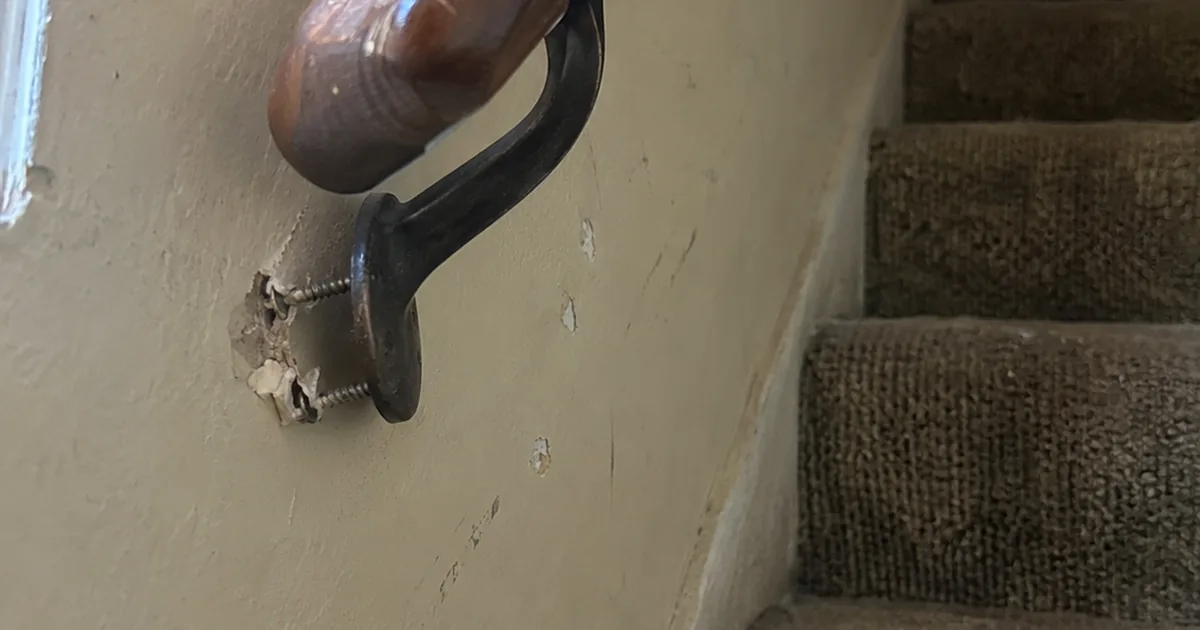
Age adds a different kind of work. Older houses often carry several generations of repairs and alterations. One section may have newer materials while another still reflects the original construction, and we follow those changes through the attic, the crawl space, the panel, the plumbing, and the finishes. We hedge on what we find there, because what is behind a wall stays behind the wall.
The time is not just walking through rooms. It includes gaining access, operating accessible components, taking readings, documenting conditions, and deciding what belongs in the report.
An attic hatch painted shut changes the inspection. So does a crawl space with a tight opening, a roof that cannot be reached safely, a crowded electrical panel, stored belongings stacked against a wall, a locked room, or a detached structure nobody opens for us.
Fixr says older homes and extras such as pools, garages, and sewer lines take longer and cost more. It also says condos, cottages, and bungalows often cost less. Those are general guide observations, not a quote for a particular property.
Outbuildings, detached garages, and ADUs add areas and systems. A multi-family property adds units and components. Ask whether those areas are in the quote before comparing it with another one.
For a condo, also ask what is being inspected inside the unit and what stays under the association’s responsibility. Our article on condo inspection scope in California explains that line.
Add-ons are separate work, not automatic parts of the base inspection
A base home inspection does not automatically include every specialist inspection a property may need.
Redfin lists sewer scope, radon gas testing, mold screenings, wood-destroying insect inspections, well water quality testing, and seasonal pool inspections as California specialty inspections. A pool, a sewer line, a crawl space, or a suspected moisture condition can each call for a separate scope of work.
A sewer scope uses a camera to look inside the sewer line, which a visual home inspection cannot do. Read whether a sewer scope is worth it for California buyers before deciding whether to request one.
Mold screening is not the same as a general visual inspection. If mold is part of your concern, compare DIY mold test kits with professional testing.
Radon testing is also its own service. See where and when California homes may need radon testing.
A wood-destroying pest inspection is a separate report by a registered pest control company. The California Residential Purchase Agreement includes a Wood Destroying Pest Inspection and Allocation of Cost Addendum, known as the WPA, which allocates inspection and repair costs by agreement. Pest work is not automatically assigned to one party.
Pool and spa work has its own limits. Read what a California pool and spa inspection checks before treating a general inspection as a pool inspection.
Ask the inspector to list every included service in writing. Do not assume that a drone roof inspection, infrared imaging, a sewer scope, mold screening, or a pest report is included because the property has a roof, a sewer line, or visible staining.
A cheap quote may describe a different inspection
A low quote may be reasonable for a limited service. It may also leave out work you thought you were buying.
Fixr lists a 4-point inspection at about $50 to $175. That service looks at HVAC, electrical, plumbing, and the roof. It is a limited look, not the same thing as a full home inspection, which Fixr lists at about $300 to $500.
Some inspectors charge a flat rate. Fixr says others charge about $80 to $150 per hour. Either method can work. You need to know how it applies to your property and what happens if the inspection runs longer than expected.
Ask these questions before you compare quotes:
- What areas and structures are included?
- Which systems are in the base inspection?
- Are the attic, crawl space, roof, garage, pool, and detached structures included?
- Which specialist inspections are separate?
- What report will I receive, and how quickly?
- What access limits could leave areas uninspected?
At Inspection.re, our inspectors are InterNACHI certified. Our service specifics include a same-day report, a 3D Matterport tour with tagged findings, drone roof inspection, FLIR infrared, and a LIDAR floor plan. Ask what is included for your inspection, because those features should not be assumed to be part of every inspection or every inspector’s quote.
You can review what is included and see a sample inspection report before you schedule. The report format matters. So does the time between the inspection and the report, especially if your investigation period is running.
The buyer pays by default, unless the agreement says otherwise
Under the C.A.R. California Residential Purchase Agreement, the buyer has the right, at the buyer’s expense unless otherwise agreed, to conduct inspections, investigations, tests, surveys, and other studies.
That means the buyer pays by default, and the parties can agree to another arrangement. A buyer can ask the seller for a credit, but a credit is a negotiation, not an entitlement.
The form says the buyer may not cause invasive or destructive investigations, or inspections by a government building or zoning inspector, without the seller’s prior written consent. It also says the buyer must give the seller, at no cost, complete copies of the investigation reports the buyer obtained.
On who does the work, the form says buyer and seller may each choose any providers of their own choosing, and that brokers do not guarantee a provider’s performance. No one can require you to use a particular inspector. The buyer’s inspection advisory says the same thing in plain words: “You may select any professional of your choosing.”
The form also says the property is sold in its present “as-is” condition, subject to the buyer’s investigation rights, and it strongly advises the buyer to investigate the entire property.
We read the revision 4/10 text of the form for this article. Paragraph numbers have moved in later revisions, so read the current revision your agent uses and check the revision date at the foot of each page. We inspect houses. We do not practice law, so ask your agent or attorney about the agreement in your own transaction.
A pre-listing inspection puts the seller in charge of the invoice
A pre-listing inspection is ordered and paid for by the seller.
The purpose is different from a buyer’s inspection. The seller learns about the property before listing it, and the buyer may still run a separate investigation after signing a purchase agreement.
Read whether a pre-listing inspection is worthwhile for California sellers for that situation. The payer does not change the need to understand the scope. Ask what areas are included, what stays inaccessible, and what kind of report you will get.
Saving on the inspection can cost more than the inspection
Waiving the inspection contingency can remove a buyer’s chance to investigate under the agreement’s contingency process.
Our article on the California inspection contingency timeline explains how much time the buyer has to inspect, respond, and handle the contingency. The exact contract language and dates matter.
Some buyers consider skipping the inspection to compete. Read whether you should waive the inspection contingency before making that choice.
The cost of the inspection is visible on the quote. The cost of a missed condition may not show until after closing, which is why the purchase agreement strongly advises investigating the entire property.
The inspection also has limits, and areas we cannot reach may be left out. Read what happens when parts of a California home cannot be inspected and review what inspectors check in a crawl space. A newer house is not automatically exempt either: see why new construction may still need a home inspection.
Send the right details before asking for a quote
A quote is easier to compare when the inspector has the basic facts about the property.
Send the property address, square footage, year built, and the number of units. Include detached garages, ADUs, pools, spas, wells, crawl spaces, and other outbuildings. Tell the inspector about access concerns and any specialist inspections you want considered.
Also give the close-of-escrow date and the date your investigation period ends. A same-day report matters when the clock is short.
Ask for the quote in writing. Ask the inspector to identify the base inspection, each add-on, excluded areas, report timing, and any access conditions that could change the scope.
If the property is in our service area, you can read our pages for San Francisco, Oakland, San Jose, Los Angeles, San Diego, Riverside, and other California locations. A city page is not a substitute for a property-specific quote.
Five questions buyers ask before booking
Is a home inspection required?
The purchase agreement gives the buyer investigation rights and strongly advises investigating the entire property. Whether a buyer proceeds is a transaction decision. Read the agreement your agent uses and check the revision date.
Who pays for the inspection?
The buyer pays by default, unless the parties agree otherwise.
Can the seller pay?
Yes, the parties can agree to another arrangement. A seller credit is negotiated. It is not automatic.
Is a cheaper 4-point inspection enough?
A 4-point inspection covers HVAC, electrical, plumbing, and the roof, and Fixr lists it at about $50 to $175. It is not the same as a full inspection. Ask what your lender, insurer, agent, and transaction require, then compare the actual scope.
Does the price include the pest report?
Do not assume it does. A wood-destroying pest inspection is a separate report by a registered pest control company, and the WPA addendum addresses how pest inspection and repair costs are allocated.
Compare the time and scope, not just the number
A California home inspection quote is mainly a time estimate. Square footage, age, systems, outbuildings, access, and add-ons move the price because they add work.
Get the quote in writing. Give the inspector the property details. Ask what is included, what is separate, what stays inaccessible, and when the report will arrive.
Before you book, review what is included, read the inspection FAQ, and look at the sample report. Then schedule the inspection with the scope and timing written down.
Before you compare quotes, it helps to know what makes an inspector independent of the deal. Our guide to third-party home inspection on a California purchase lists three screening questions to ask any inspector.
Related reading
- What a Home Inspection Covers, and What Needs a Specialist. Separates the base inspection from specialist work.
- How to Read a Home Inspection Report in California. Helps with findings once the report arrives.
- How to Read a Thermal Image From a Home Inspection. Explains what infrared images show and do not show.
- A Drone Sees the Roof. The Attic Says Whether It Leaked. Covers what a drone view can and cannot show.
Buying a bank-owned house? What the inspection can and cannot reveal on a foreclosure covers scope and utilities before you request a quote.
Once you know what you are pricing, how California defines a pre-purchase inspection shows what the code says it includes and leaves out.
Price is one signal and reviews are another, so see what a five-star review can and cannot show before treating either as proof of quality.
The inspection fee is small next to what a good request can recover, so see how to ask the seller for repairs or a credit.
What the report is worth depends partly on how you sort its findings before asking the seller for anything.