We inspected a home in the EastLake area of Chula Vista earlier this year. Two-story, built in the early 1990s, original owner, tidy and well kept. The kitchen had been refreshed and the buyers loved it. Both agents expected a quiet inspection on a home that looked, from the inside, like it could have been built last year.
Then we opened the water heater closet and traced the supply lines.
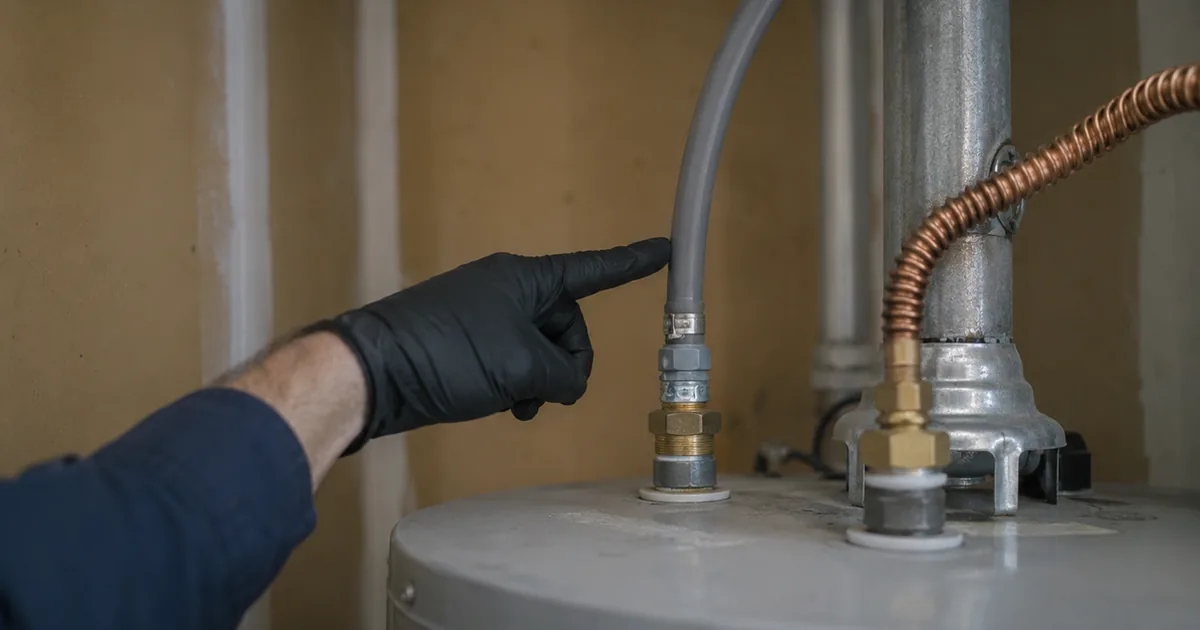
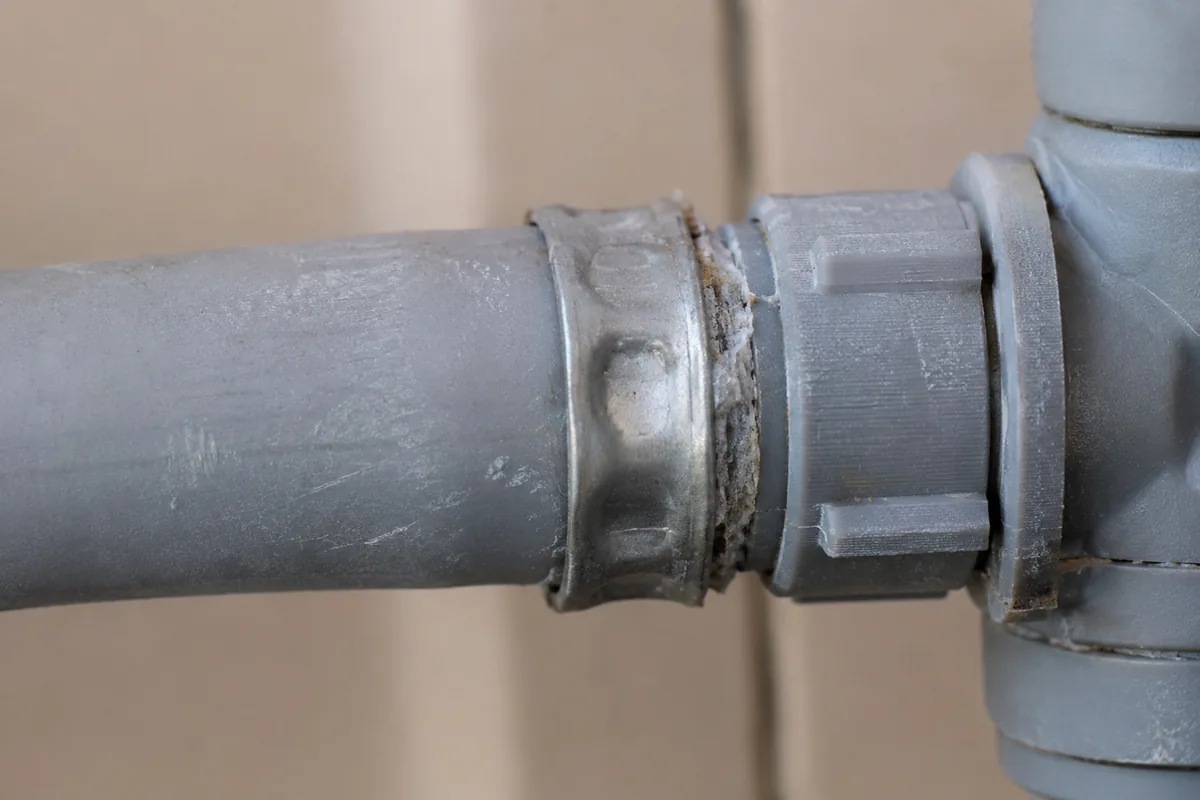
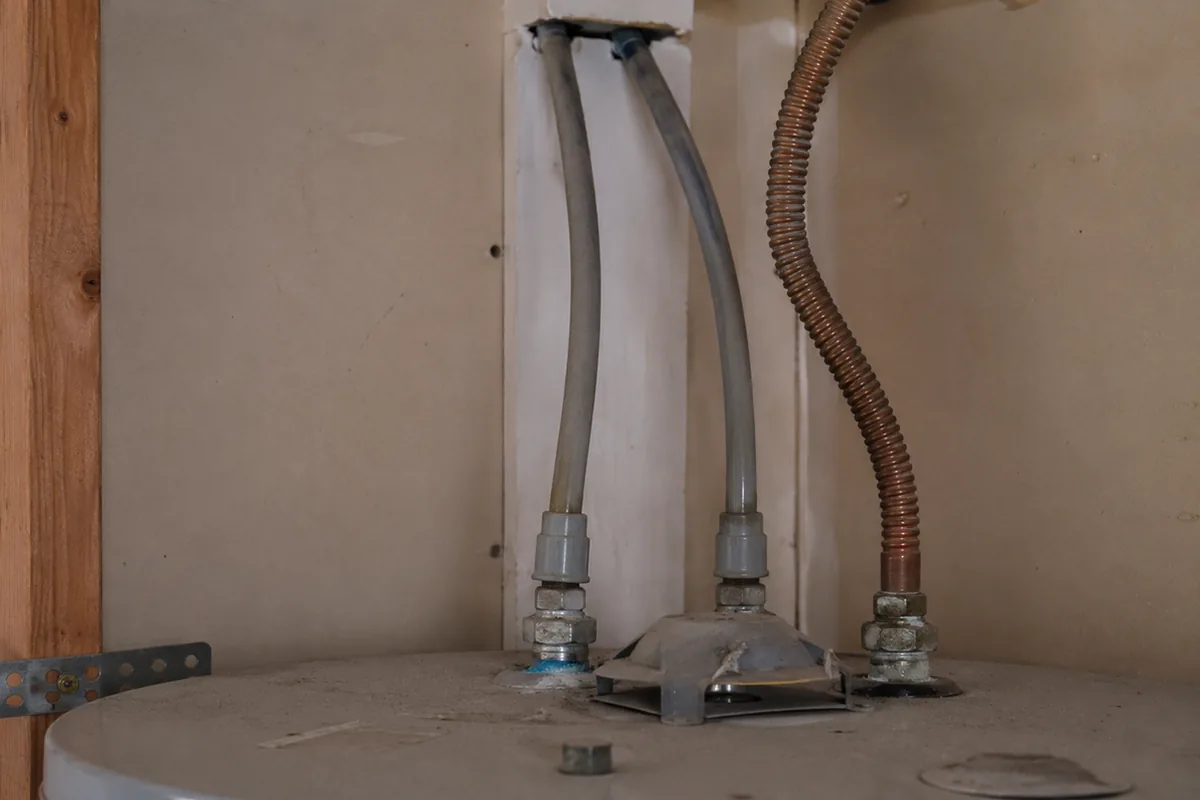
Gray plastic pipe. Polybutylene, with the gray acetal fittings that fail first, running from the entry point through the manifold and up into the walls. No leaks that day, but polybutylene does not warn you before it lets go. A faint mineral crust at one fitting and a slightly bowed run behind the heater were the tells that the system had been quietly aging from the inside for thirty years.
The buyer was the first person in the transaction to learn what was behind the walls of a home that looked move-in ready.
Schedule a Chula Vista inspection · Same-day report · Pay-at-closing available
Here is how that one resolved. We documented the polybutylene at the water heater, the entry, and every visible run on the same-day report, with photos. The buyer’s agent had it before the contingency expired, took a licensed plumber’s repipe bid back to the seller, and settled on a credit toward a whole-house repipe after closing. The deal still closed. The pipe was not a dealbreaker. The finding just became a number both sides could agree on, instead of a flood the new owner would discover on their own.
Why this matters for the agent
Polybutylene is not a defect you can paper over with a small credit and a clean closing. It is a recognized failure-prone material, a known insurance problem, and a whole-house repipe waiting to happen, on a timeline nobody can predict.
Three things tend to be on the line. First, the failure mode. Polybutylene fails from the inside out and often at the fittings, and it can go from fine to a burst line and an interior flood with no warning. Second, the insurance. Many carriers will decline to write a policy, or write it with conditions, once they learn a home has polybutylene supply lines, which turns a plumbing question into an underwriting question. Third, the recourse, or lack of it. The large class-action settlement that once reimbursed homeowners closed years ago, so a buyer who inherits polybutylene today pays for the repipe themselves.
If you work Chula Vista, the homes where this shows up are specific, and build year is the filter. The polybutylene era ran from roughly 1978 to the mid-1990s, which points squarely at the late-1980s and early-1990s master-planned tracts east of Interstate 805, EastLake and Rancho del Rey in particular, plus the early Sunbow homes. The newer master-planned communities are a different story, and so is the older western core. Agents who pin the build year first, then check the pipe, come out ahead.
What polybutylene piping actually is
Polybutylene is a flexible plastic water supply pipe, usually gray (sometimes blue, white, or black), that was installed in millions of American homes from the late 1970s into the mid-1990s as a cheaper alternative to copper. It runs to the fixtures the same way copper does, and it is most easily spotted at the water heater, at the main entry point, and at any exposed manifold, often joined with gray acetal plastic fittings or copper crimp fittings.
This is the supply pipe inside the home, not the main out at the street. When inspectors and insurers talk about a polybutylene problem, that gray supply line is what they mean.
The reason the material carries the weight it does is its track record. A major class-action case, Cox v. Shell, produced a settlement of roughly one billion dollars in 1995, paid out to homeowners over the following years. That settlement is the reason so many people have heard of polybutylene. The part agents miss is that the claim deadline closed years ago, so the settlement is no longer a source of money for a buyer purchasing one of these homes today.
Why polybutylene fails (the part most agents skip)
The failure is in the material and the fittings, not in any one bad install, which is why it is treated as a material problem rather than a workmanship one.
Chlorine and other oxidants in normal municipal water slowly attack polybutylene from the inside. Over years, the pipe wall and especially the acetal fittings become brittle, develop micro-fractures, and flake on the interior surface. The weakest point is usually the fitting, where the material is most stressed, and that is where most failures start. Because the degradation happens inside the wall of the pipe, the outside can look perfectly intact right up until a fitting or a run lets go.
That is the dangerous part for a buyer. Polybutylene does not weep and drip for months the way an aging copper pinhole sometimes does. It can hold pressure for thirty years and then fail suddenly, and because the supply line is pressurized and often runs through walls and ceilings, a failure can mean a significant interior flood rather than a slow stain. The home runs fine until it does not, and there is no reliable way to predict the day.
What agents should tell every buyer in 1980s-90s Chula Vista homes
A short list buyers writing offers on late-1980s and early-1990s Chula Vista homes should hear from you before they go into escrow.
- The supply lines could be polybutylene. It is verifiable on the inspection report, and we check it by tracing the visible pipe at the water heater, the entry, and the manifold, not by guessing from the build year alone.
- If it is polybutylene, plan on a whole-house repipe. That is a four-figure to low-five-figure project depending on the home’s size and layout, so have the buyer pre-qualified above what the offer assumed.
- Call the buyer’s homeowner insurance carrier early and ask whether polybutylene affects underwriting. Get the answer in writing before the contingency period ends.
- Do not count on the old class-action settlement. The claim deadline closed years ago, so a buyer who inherits polybutylene today pays for the repipe out of pocket.
- If the seller discloses any prior plumbing work, ask whether the home was fully repiped or only partially, because a partial repipe that left polybutylene in the walls is common and easy to mistake for a full one.
If you want a one-page version of this list to text to your buyers in the pre-offer window, ask us and we will send it.
Red flags during showings (no special tools required)
You do not need test equipment to flag a candidate home at a showing. Add these to your walk-through on any Chula Vista home built between roughly 1986 and the mid-1990s.
- Build year in the polybutylene window. The late-1980s and early-1990s east-of-805 tracts are the first filter.
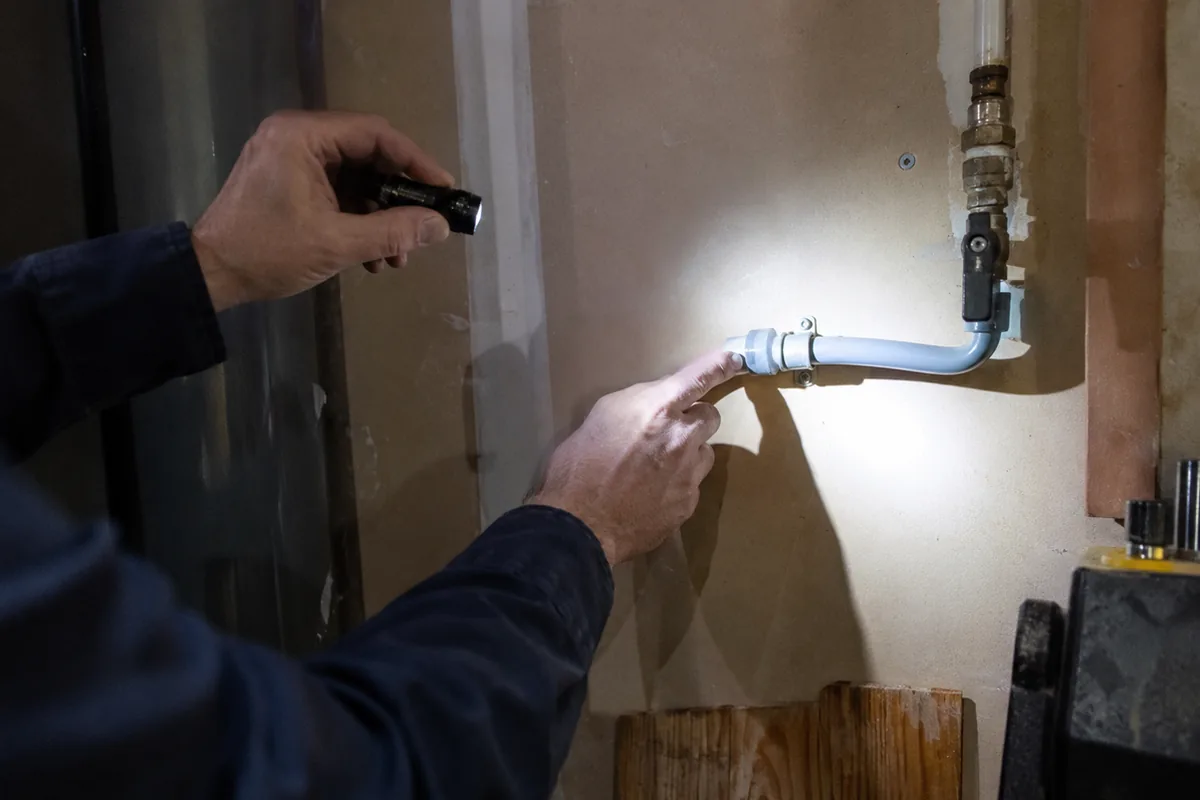
- Gray (or blue, white, or black) flexible plastic pipe visible at the water heater, the main shutoff, or in the garage. That is polybutylene telling on itself.
- Gray plastic fittings joining the pipe. The acetal fittings are the weakest part and a strong identifier.
- Past water-damage repairs, fresh drywall patches on ceilings or walls, or a section of newer pipe spliced into older gray pipe, which can signal a prior failure and a partial fix.
- A seller or listing that mentions a repipe. Confirm whether it was the whole house or just the visible runs, because partial repipes are common.
None of these prove the pipe will fail tomorrow. All of them are reasons to make the inspection contingency real and to read the plumbing section of the report closely.
Schedule a Chula Vista inspection
The negotiation playbook when polybutylene surfaces in escrow
There are four paths most of these deals end up on. Knowing them in advance helps you steer.
Seller repipes before closing is the cleanest but the least common, because a whole-house repipe is disruptive and few sellers want to manage it on their own timeline. When it happens, insist the work is permitted, that it is a full repipe rather than the visible runs only, and that it is inspected before closing.
Seller credits the buyer to handle it after closing is the most common outcome. Size the credit to a real bid from a licensed plumber, ideally two, scoped to a full repipe in PEX or copper and not a patch. The written bid anchors the number, so push for it before the credit is finalized.
Buyer walks under the inspection contingency happens, especially with first-time buyers who are not ready to take on a repipe plus the insurance complication on top of moving costs. The earnest money is protected under the contingency. Your job as the buyer’s agent is to make sure they know walking is an option and what triggers it.
Deal closes with no remediation is the riskiest, because the buyer inherits a material that can fail and flood without warning, and the insurance question follows them. If the buyer wants the home anyway, document their informed decision in writing and help them plan the repipe as an early project. An escrow hold-back for the repipe, completed after closing, is a clean structure when the seller will engage but does not want to manage the work.
How the inspection actually catches it
A quick inspection that glances under one sink can miss polybutylene, because the clearest evidence is at the water heater, the entry, and the manifold, and the rest runs hidden in walls and ceilings. Catching it takes a deliberate trace.
We identify the supply material by sight at every accessible point, the water heater, the main shutoff, the garage, and any exposed manifold, and we read the fittings, because the gray acetal connections are both the identifier and the weak point. Then we run thermal imaging along walls and ceilings to surface the cool, damp signatures of a connection that has already begun to weep behind the finish, which is exactly how a slow polybutylene failure first shows itself before it becomes a flood. We caught a hidden supply-line leak the same way under a slab, written up in our Lake Elsinore Tuscany Hills slab leak guide.
Combined, the visual identification, the fitting read, and the thermal scan turn a soft suspicion into a documented finding you can take into the negotiation. This is what we mean when we say infrared is standard on every Inspection.re job rather than an add-on. For the older supply-line hazard at the other end of the age range, see our galvanized and cast iron plumbing guide.
Quick FAQ for buyers and agents
Is polybutylene always a problem? Not on any given day, but the material is failure-prone and the failures are sudden, so inspectors, plumbers, and insurers treat it seriously. The conservative position, which most of them share, is a full repipe, and the insurance and resale considerations push the same direction even when the pipe looks fine today.
Can a plumber just replace the fittings? No. The fittings are the weakest point, but the pipe itself degrades from the inside, so a partial fix leaves the rest of the material in the walls. The recognized solution is a whole-house repipe in PEX or copper.
What does a repipe cost in Chula Vista? A whole-house repipe generally runs from the four figures into the low five figures depending on the home’s size, number of bathrooms, and how accessible the runs are. Get two written bids before the negotiation.
Will homeowner insurance refuse the policy? Some carriers will, and some will write it with conditions. The variability is the problem, so the buyer should call their target carrier early rather than getting surprised at the binder stage.
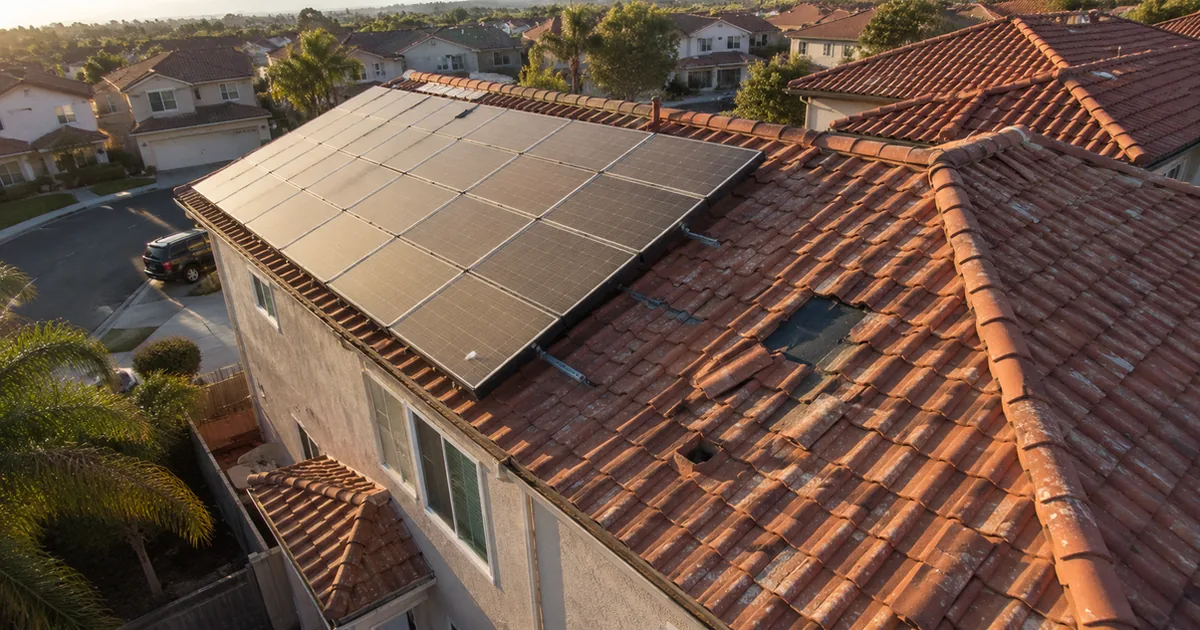
Does this come up much in Chula Vista specifically? Yes, but the window is narrow, so build year is the filter. Homes built from roughly 1986 into the mid-1990s sit in the polybutylene era, which points to the EastLake and Rancho del Rey tracts and the early Sunbow homes east of I-805. The newer master-planned communities like Otay Ranch and Millenia were built with copper or PEX, and the pre-1978 western core predates polybutylene, so neither is where you expect it. On those newer eastern tracts the inspection question shifts from the pipe to the roof penetrations, covered in our Chula Vista solar retrofit roof guide. And the same gray pipe shows up across North County in Vista’s Shadowridge tracts, built in the same window.
The honest summary for agents
If you work Chula Vista and you write offers on homes built in the late 1980s and early 1990s east of the 805, you are going to meet polybutylene. The cases caught during the inspection contingency are negotiations. The cases caught later, with a burst line and a flooded ceiling, are insurance claims and angry phone calls. Your buyer is far better served by the first.
The inspection that finds it is not the cheapest one on Yelp. It is the one that traces the supply material at every accessible point, reads the fittings, and runs thermal imaging on the walls, with a same-day report so you have the proof in hand before the contingency clock runs out.
Schedule a Chula Vista inspection or see our full inspection scope before you book. Common questions are answered in the FAQ.
Related reading
- Vista polybutylene piping guide — the same gray-pipe era in North County’s Shadowridge tracts, with the repipe cost detail
- Chula Vista solar retrofit roof guide — the other hidden finding in the city’s eastern master-planned stock
- Lake Elsinore Tuscany Hills slab leak guide — how thermal imaging catches a hidden supply-line failure
- Pasadena galvanized and cast iron plumbing guide — the older supply-line hazard in pre-1960 homes
- How to read a home inspection report in California — what buyers and agents should focus on in the report
We also inspect across the South Bay and the county: National City, Imperial Beach, La Mesa, and Vista. Same full-scope package, same same-day report.
Book a Chula Vista home inspection or schedule directly · Same-day report · Pay-at-closing available · See what is in the box on our sample report page