We inspected an estate in the Flats of Beverly Hills earlier this year. Classic 1930s home, beautifully updated, with a large pool and an attached spa that anchored the backyard. The buyers had a young family and the pool was a big part of the appeal. Both agents treated it as a feature, not a system.
Then we worked the pool and the equipment.
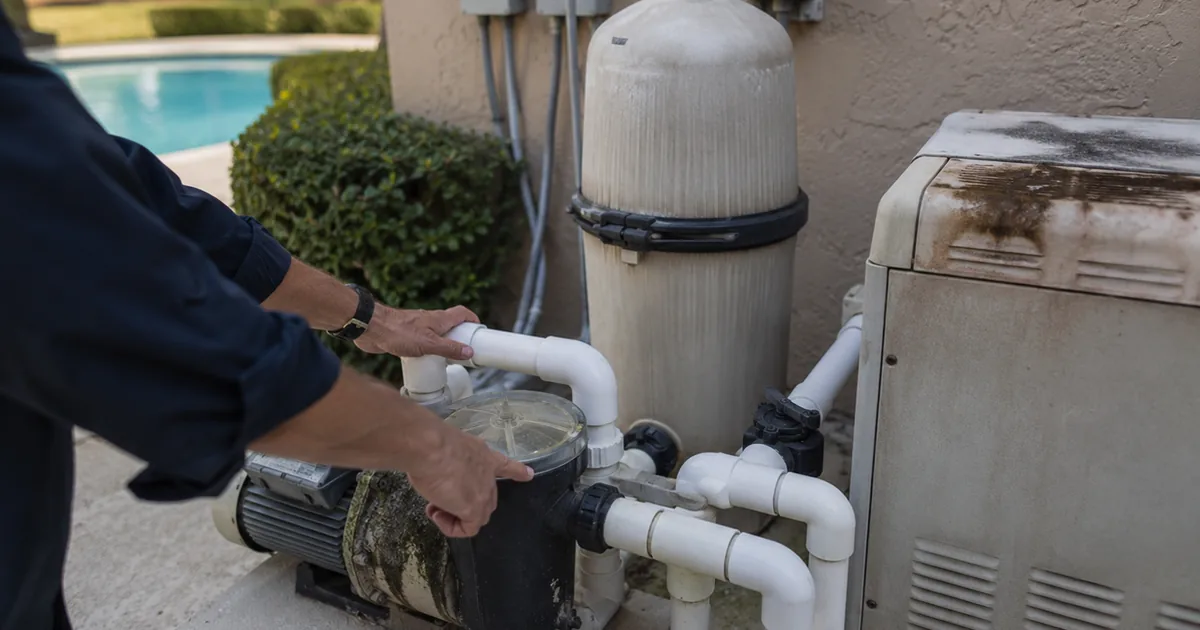
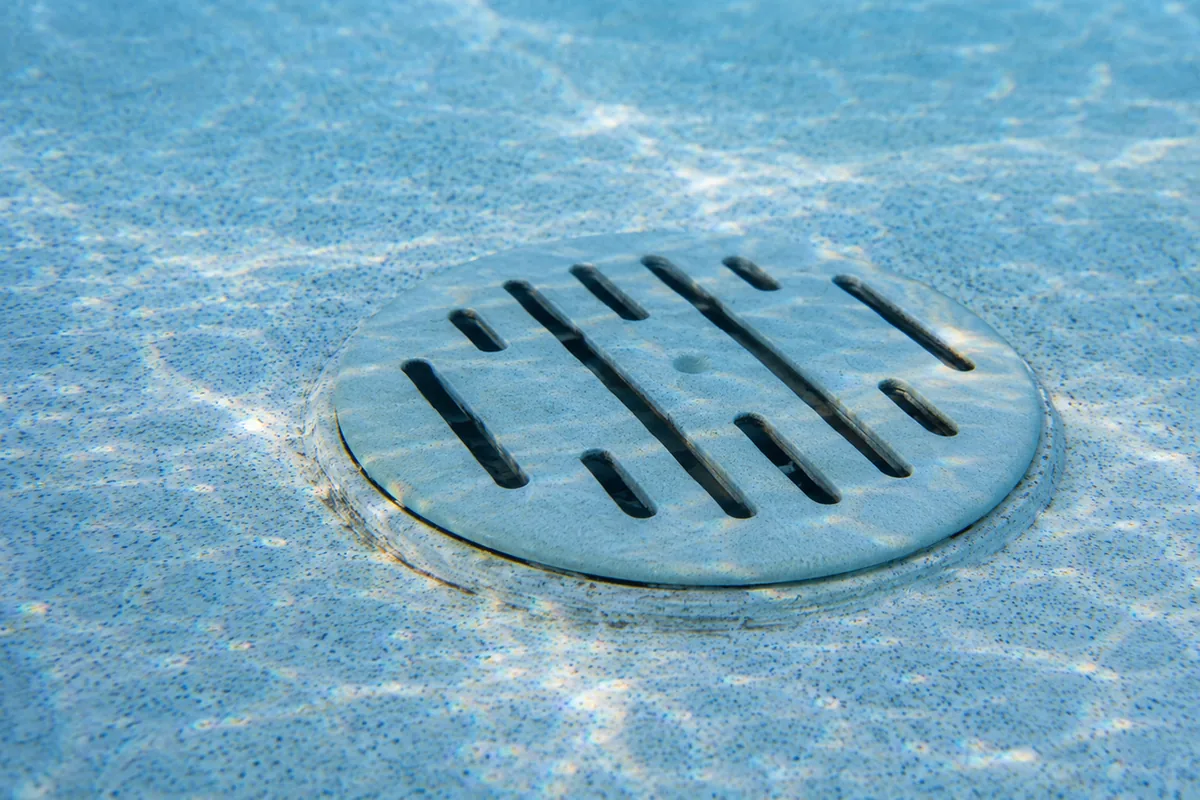
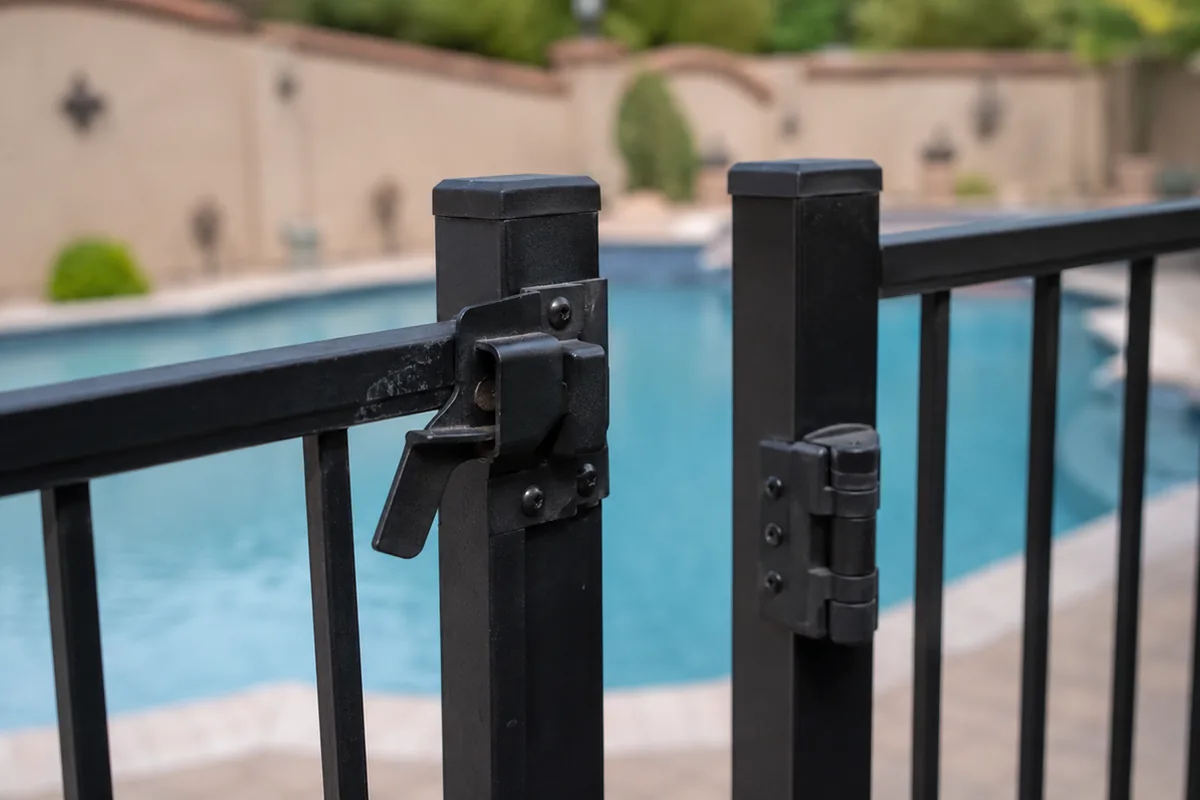
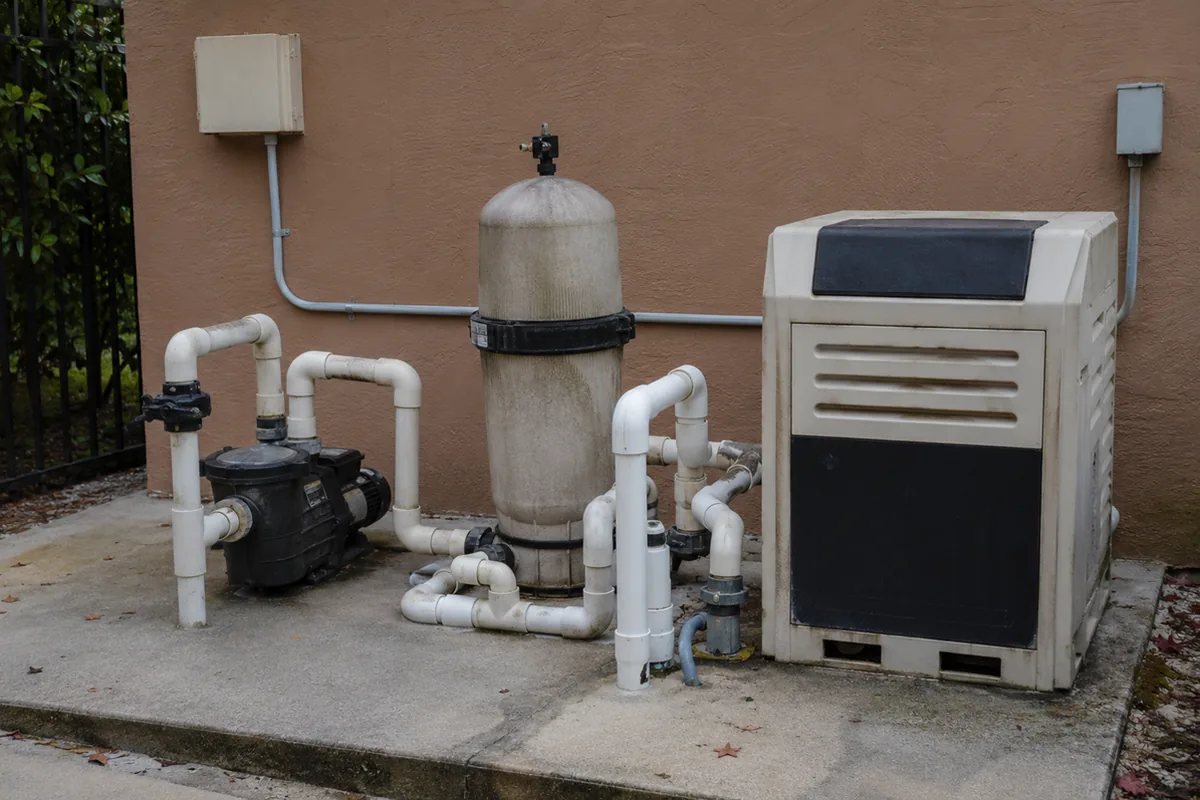
The barrier was the first problem. The gate from the house to the pool did not self-close or self-latch, and the fence had gaps a small child could pass, so the property did not meet the drowning-prevention rules the state requires. At the bottom of the pool, the main drain still wore a flat, older cover rather than an anti-entrapment one, the kind of suction outlet that has injured and killed swimmers. At the equipment pad, the heater was well past its service life, the pump showed corrosion, and the thermal scan picked up a damp signature along the pool’s edge that pointed to a slow leak in the plumbing. None of that is visible when you are admiring the water.
The buyer was the first person in the transaction to understand that the pool was not just a feature, it was a safety system and a set of aging equipment.
Schedule a Beverly Hills inspection · Same-day report · Pay-at-closing available
Here is how that one resolved. We documented the barrier gaps, the non-self-latching gate, the older drain cover, the aging heater and corroded pump, and the suspected leak on the same-day report, with photos. The buyer’s agent used it two ways: they made the seller bring the barrier and drain cover into compliance before closing as a safety item, and they took an equipment bid and a leak-detection scope back for a credit. The deal still closed. The point is not that a pool kills a deal. It is that a pool is a safety system and a major piece of equipment, and the time to learn its condition is during escrow.
Why this matters for the agent
A pool is not a backyard amenity in inspection terms. It is a life-safety system with state rules attached, and a set of expensive equipment that ages like everything else.
Three things tend to be on the line. First, safety and liability. Drowning is the issue California’s pool laws exist to prevent, and drain entrapment is a documented cause of serious injury. A non-compliant barrier or an old suction outlet is a genuine hazard, especially for a buyer with young children. Second, the law and disclosure. California’s Swimming Pool Safety Act requires drowning-prevention features, and the condition of the pool barrier and drains is exactly the kind of thing a buyer should confirm at transfer rather than discover after. Third, the cost. Pool equipment, a heater, pump, filter, and the plumbing and shell, runs into four and five figures to repair or replace, and a hidden leak can quietly run up water bills and undermine the deck and soil.
If you work Beverly Hills, pools are nearly universal, from the Flats to the Trousdale and hillside estates, and many are decades old behind a beautiful surface. Agents who treat the pool as its own system, with safety, equipment, and leak questions, come out ahead.
What pool and spa safety actually means
A residential pool involves three things a buyer is taking on: the safety barriers, the anti-entrapment plumbing, and the equipment and shell.
The barrier is what keeps a child from reaching the water unsupervised: an enclosing fence of the right height with no gaps, self-closing and self-latching gates, and, where the house forms a side of the enclosure, door alarms or other approved measures. California’s Swimming Pool Safety Act requires a residential pool to have a set of approved drowning-prevention features, and the rules tightened over the years, so an older pool often predates the current standard. The anti-entrapment system is the drain side: modern suction outlets use anti-entrapment covers designed so a swimmer cannot be held against the drain, the hazard the federal Virginia Graeme Baker Act addressed for public pools and that good practice now extends to homes. The equipment and shell are the pump, filter, heater, plumbing, and the pool and spa structure, all of which wear, leak, and age.
The reason this matters in Beverly Hills specifically is the housing. A large share of homes have pools, many built decades ago with the home, so the barrier predates current rules, the drain may still wear an older cover, and the equipment is often original or one generation old behind a freshly resurfaced pool.
Why pools fail compliance and equipment (the part most agents skip)
Pools fall short in two predictable ways: the safety features were never updated, and the equipment quietly wore out.
On the safety side, the rules changed but the pool did not. A gate that no longer self-latches, a fence with a gap or a foothold, a missing door alarm where the house forms part of the enclosure, and an original flat drain cover are all common on older pools because nobody updated them when the standards moved. The barrier looks fine to an adult eye and still fails the child-safety test the rules are built around.
On the equipment side, everything has a service life. Heaters corrode and fail, pumps and motors wear, filters degrade, and the plumbing and the shell develop leaks. A pool leak is the sneaky one: it can hide as a slightly high water bill, a wet spot in the yard, or settlement at the deck, while it undermines the soil and the equipment pad. Because the plumbing runs underground and the shell is under water, a leak is invisible until the evidence shows up around it, which is why a thermal scan and a careful look at the equipment and deck matter so much.
What agents should tell every buyer with a Beverly Hills pool
A short list buyers writing offers on a Beverly Hills home with a pool should hear from you before they go into escrow.
- The pool is a safety system and a set of equipment, not just a feature. We inspect the barrier, the drains, the equipment, and the shell on every pool inspection.
- Confirm the pool meets California’s drowning-prevention rules: a compliant fence, self-closing and self-latching gates, and the right approved features, especially important for a buyer with young children.
- Check the main drain for an anti-entrapment cover. An older flat cover is a real hazard and an inexpensive but important fix.
- Budget for pool equipment. A heater, pump, or filter replacement, or a shell or plumbing leak, runs into four and five figures, so price the equipment age into the offer.
- When anything points to a leak, plan for a leak-detection scope. A general inspection flags the signs; a leak-detection specialist locates it.
If you want a one-page version of this list to text to your buyers in the pre-offer window, ask us and we will send it.
Red flags during showings (no special tools required)
You do not need equipment to flag a pool concern at a showing. Add these to your walk-through on any Beverly Hills home with a pool.
- A pool gate that does not swing shut and latch on its own, or a fence with a gap, a foothold, or a section that does not enclose the water.
- A flat, older-style main-drain cover at the bottom of the pool rather than a domed anti-entrapment cover.
- A pool water level that drops faster than evaporation explains, a constantly running auto-fill, or a wet or settling area near the pool or deck.
- An old, rusted heater or a corroded pump and filter on the equipment pad, and exposed or amateur electrical near the equipment.
- Cracks in the deck or coping, or hollow-sounding or stained plaster, which can signal shell or structural issues.
None of these prove the pool is unsafe or failing. All of them are reasons to make the inspection contingency real and to bring in a leak-detection or pool specialist when the signs point that way.
Schedule a Beverly Hills inspection
The negotiation playbook when a pool problem surfaces in escrow
There are four paths most of these deals end up on. Knowing them in advance helps you steer.
Seller corrects the safety items before closing is common and reasonable, because barrier and drain-cover compliance is a clear life-safety matter and the fixes are relatively inexpensive. Insist the gate, fence, and anti-entrapment cover are actually brought to standard and confirmed, not just promised.
Seller credits the buyer for equipment and repairs is the usual path for the bigger-ticket items. Size the credit to a real bid from a licensed pool contractor, scoped to the heater, pump, filter, plumbing, or shell work the inspection and any leak-detection scope justify. The written bid anchors the number.
Buyer walks under the inspection contingency happens, especially when a suspected leak turns into a shell or plumbing repair the buyer did not plan for. The earnest money is protected under the contingency. Your job as the buyer’s agent is to make sure they know walking is an option and what triggers it.
Deal closes with the buyer taking it on happens too, particularly with cash buyers who want the home. If so, document their informed decision in writing, and make sure the safety items at least get corrected promptly after closing, because the barrier and drain hazards are the ones that hurt people. An escrow hold-back for the equipment work is a clean structure when the seller will engage but does not want to manage it.
How the inspection actually catches it
A quick look at a beautiful pool will miss the barrier gaps, the old drain cover, and the aging equipment, because the safety and the systems are in the details around the water, not the water itself. Catching it takes a deliberate pass.
We check the barrier against the drowning-prevention rules, the fence, the self-closing and self-latching gates, and the enclosure, and we look at the main-drain cover for anti-entrapment compliance. We evaluate the equipment pad, the pump, filter, and heater condition and age, and the visible plumbing and electrical, and we read the deck, coping, and plaster for cracks and settlement. Then we run thermal imaging around the pool edge, the deck, and the equipment to surface the damp signatures of a leak before it shows on the surface, and we tell the buyer plainly when the signs call for a dedicated leak-detection scope.
Combined, the safety check, the equipment evaluation, and the thermal scan turn a beautiful-looking pool into a documented set of findings you can take into the negotiation. This is what we mean when we say infrared is standard on every Inspection.re job rather than an add-on. We caught a hidden water leak the same way under a slab, written up in our Lake Elsinore slab leak guide.
Quick FAQ for buyers and agents
Does a home inspection cover the pool? We inspect the pool and spa as part of the scope: the safety barrier, the main-drain cover, the equipment and its age, the visible plumbing and electrical, and the deck and shell condition, plus a thermal scan for leak signs. When the signs point to a leak or a structural issue, we recommend a leak-detection or pool specialist.
What does California require for pool safety? California’s Swimming Pool Safety Act requires residential pools to have approved drowning-prevention features, such as an enclosing fence with self-closing and self-latching gates and other approved measures. Older pools often predate the current standard, so the barrier should be confirmed at purchase, especially for families with young children.
What is a drain-entrapment cover? Modern pool suction outlets use anti-entrapment covers designed so a swimmer cannot be trapped against the drain. An older flat cover is a real hazard and an inexpensive but important upgrade. We flag the cover type on every pool.
What does pool equipment or repair cost in Beverly Hills? A heater, pump, or filter replacement generally runs in the four figures, and shell or plumbing-leak repair can run into five. Get a licensed pool contractor’s bid, informed by leak detection where needed, before the negotiation.
Does this come up much in Beverly Hills specifically? Yes. Pools are nearly universal across Beverly Hills, from the Flats to the Trousdale and hillside estates, and many were built decades ago with the home. The barrier often predates current rules, the drain may still wear an older cover, and the equipment is frequently original or one generation old.
The honest summary for agents
If you work Beverly Hills and you write offers on homes with pools, you are selling a safety system and a set of aging equipment, not just a backyard feature. The barrier and drain hazards caught during the inspection contingency are quick safety fixes. The ones caught after closing, with a child or a five-figure leak, are tragedies and lawsuits. Your buyer is far better served by the first.
The inspection that finds it is not the cheapest one on Yelp. It is the one that checks the barrier and the drains against the safety rules, evaluates the equipment, and runs thermal imaging for leaks, with a same-day report so you have the proof in hand before the contingency clock runs out.
Schedule a Beverly Hills inspection or see our full inspection scope before you book. Common questions are answered in the FAQ. For how thermal imaging catches a hidden water leak, read our Lake Elsinore slab leak guide, and see why infrared scanning matters on every inspection.