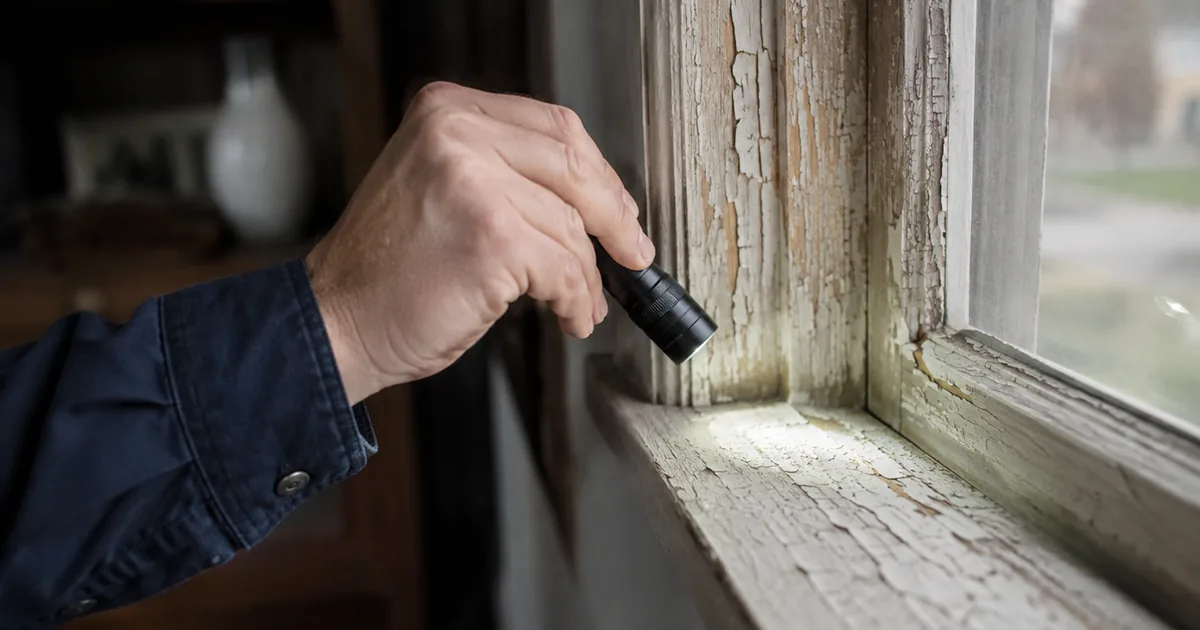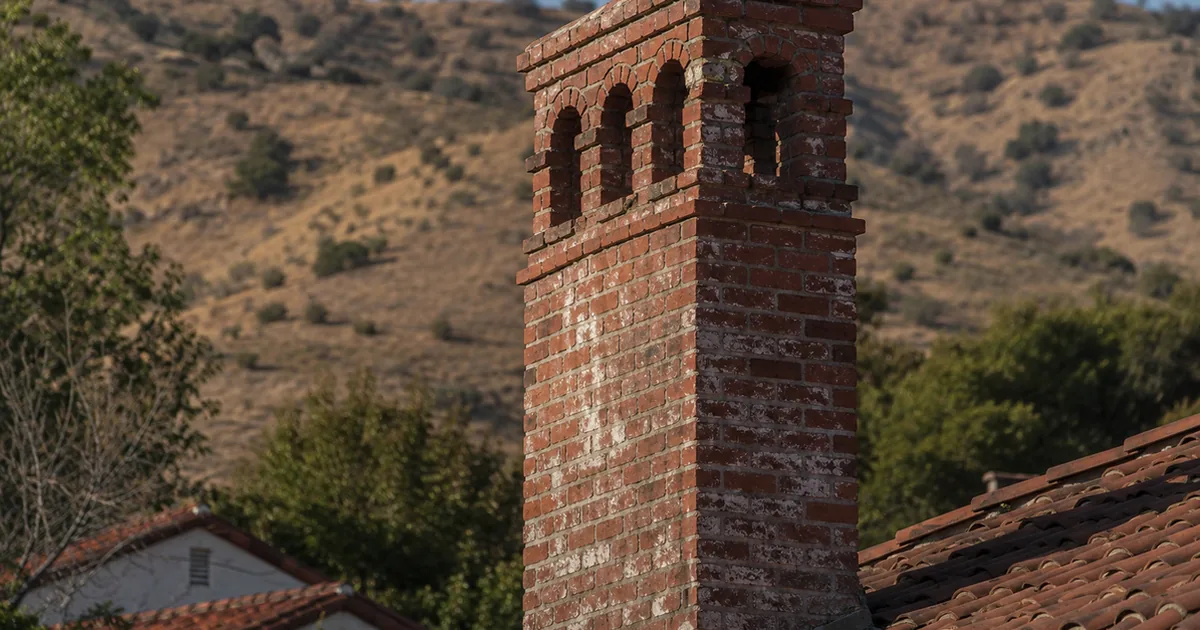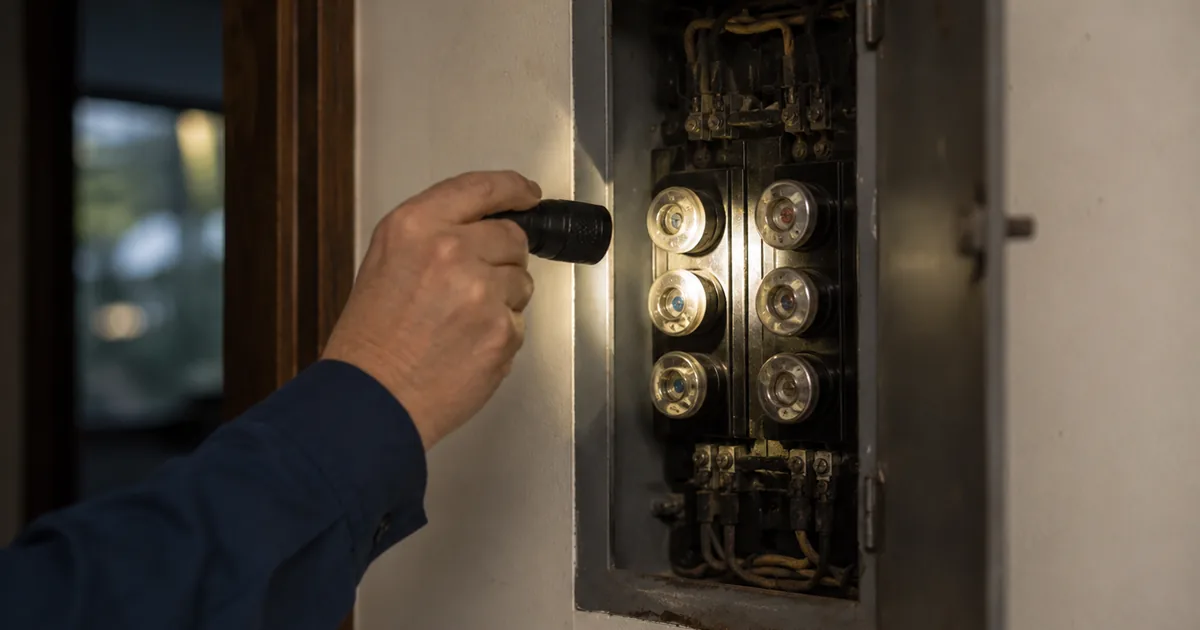
The home was a showpiece: a 1920s Period Revival estate near the Huntington, beautifully kept, the kind of San Marino listing that draws a crowd at the first open house. The buyers were paying close to four million dollars. When the inspector opened the gray metal box on the service wall, what was behind the door was almost a century old: an original fuse panel feeding a service that was generous in 1928 and badly undersized for the home a modern family would actually run.
We are keeping the address private and the details composite, because the situation is not unusual in San Marino. It is the rule for a certain kind of estate. The architecture had been lovingly preserved. So had the electrical service, and that was the problem.
Here is how that one resolved, and what it should change about how you handle an older San Marino estate.
Schedule a San Marino inspection · Same-day report · Pay-at-closing available
Why this matters for the agent
San Marino’s character comes from its housing: one of the most intact collections of architect-designed Period Revival estates in the region, built largely through the 1920s and 1930s. Those homes are gorgeous and many of them have never had their electrical service truly modernized. An undersized service and an aging or fuse-based panel are not a cosmetic footnote. They sit at the intersection of safety, insurance, and a five-figure upgrade, and they surface late in escrow when there is the least room to deal with them.
The risk for the agent is that the electrical service is invisible until someone opens the panel, and by then the buyer is emotionally committed to the house. A buyer who learns at the eleventh hour that the home needs a service upgrade before an insurer will write a policy is a buyer who feels ambushed. A buyer who knows up front negotiates it calmly. The difference is whether the panel was on the radar early, and that is the agent’s job.

What undersized service and a fuse panel actually are
Two related things tend to travel together in these homes, and it helps to separate them.
The service is the total amount of power the utility delivers to the house, measured in amps. Homes from the 1920s through the postwar years were commonly built with 60-amp service, and some older homes have even less. That was plenty when a house had lights, a radio, and a refrigerator. A modern household with central air, a modern kitchen, electronics, and increasingly an electric vehicle charger can easily want far more. Today 200-amp service is the common standard for a larger home. A 60-amp service in a 6,000-square-foot estate is not just old, it is undersized for how the house will be used.
The panel is the box that distributes that power to the circuits. In these homes it is frequently an original fuse panel rather than a modern breaker panel. Fuse panels are not inherently unsafe when they are intact, but they invite a specific hazard: when a fuse blows because a circuit is overloaded, the tempting fix is to put in a bigger fuse, which defeats the protection and lets the wiring overheat. Decades of that, plus the wear of age, is why insurers and inspectors treat old fuse panels with caution.
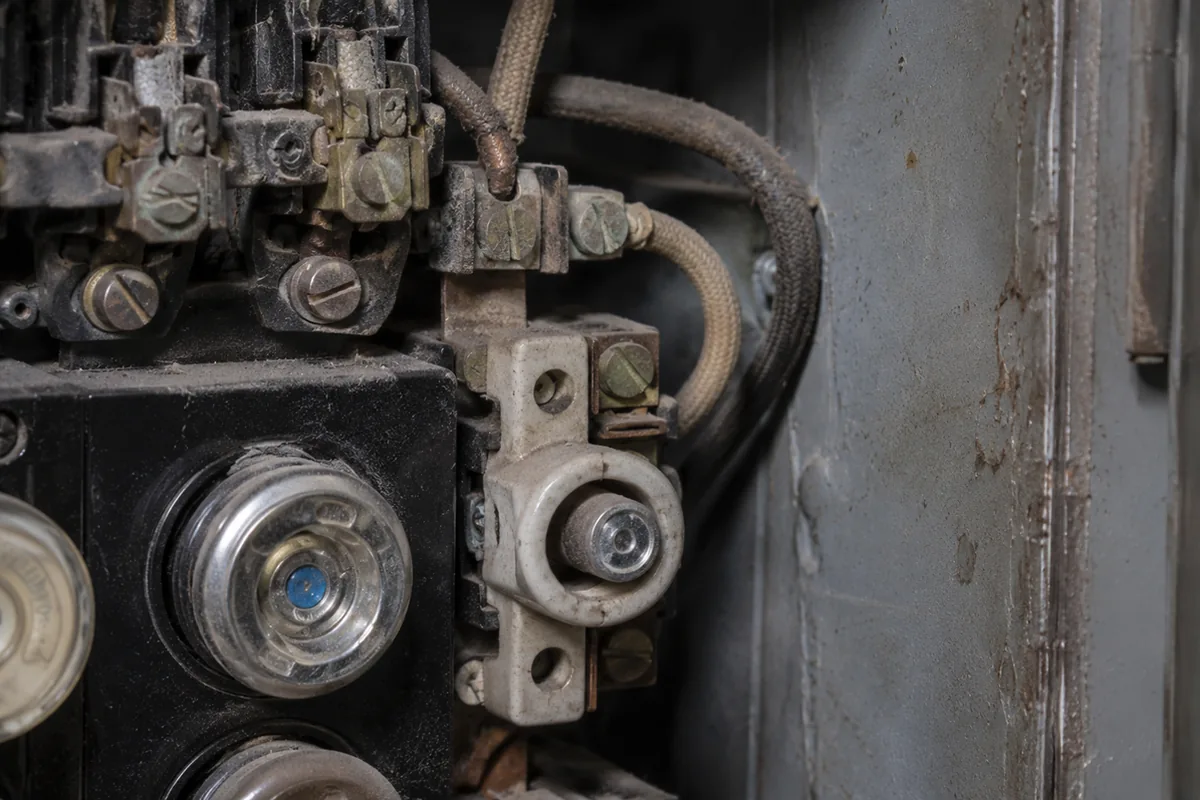
Put together, an undersized service and an aged fuse panel mean the home cannot safely deliver the power a modern family wants, and the equipment protecting it is past its design life.
Why it fails (the part most agents skip)
The part that catches people is that none of this looks broken. The lights work. The panel door closes. The house has functioned this way for decades, which is exactly why sellers and buyers assume it is fine.
It fails on capacity and on protection. On capacity, a household that loads a 60-amp service the way a modern home loads it runs at or beyond what the service was built for. That is what is behind the blown fuses, the lights that dim when the air conditioner starts, and the extension cords doing work a circuit should be doing. On protection, an old fuse panel that has been nursed along with oversized fuses, or that simply has aging connections, is a fire-risk question, which is why it becomes an insurance question.
And the failure tends to cascade. Homes with original undersized service often have the rest of the original electrical system behind it: early wiring, ungrounded two-prong outlets, sometimes knob-and-tube buried in walls and attics. The panel is the visible tip of an older system. That is why an electrician’s evaluation matters: the upgrade is rarely just swapping the box.
What agents should tell every buyer
Tell them to expect older San Marino estates to have older electrical, and to want the inspection to look hard at the service and panel. Framed up front, it is just part of buying a 1920s home. Discovered late, it feels like a crisis.
Tell them this is an insurance item, not only a safety item. Some insurers will not write or renew a policy on a home with an old fuse panel or undersized service without an upgrade, and that can affect the timeline as much as the cost. A buyer who plans for it does not get blindsided at the binder stage.
Tell them the upgrade is real money but knowable money. Replacing a fuse box with a modern breaker panel commonly runs in the low thousands, and a full service upgrade to 200 amps typically lands in the four-figure range as well, more if the home needs significant rewiring behind the panel. The point is that it is a quantifiable number an electrician can scope, not an open-ended fear. For a related panel issue, our Federal Pacific and Zinsco panel guide shows how an electrical finding plays out in a deal.
Red flags during showings
You can spot the candidates before the inspector ever opens the panel.
Find the panel and look at it. A round-fuse panel, a small gray box with a pull-out fuse block, or a panel with very few circuits in a large home all point to original undersized service. A modern breaker panel with plenty of circuits is a good sign the home has been updated.
Look at how the house copes. Two-prong ungrounded outlets, a scarcity of outlets so that power strips and extension cords are everywhere, lights that dim when an appliance starts, and window air conditioners in a large home can all signal a service that cannot keep up.
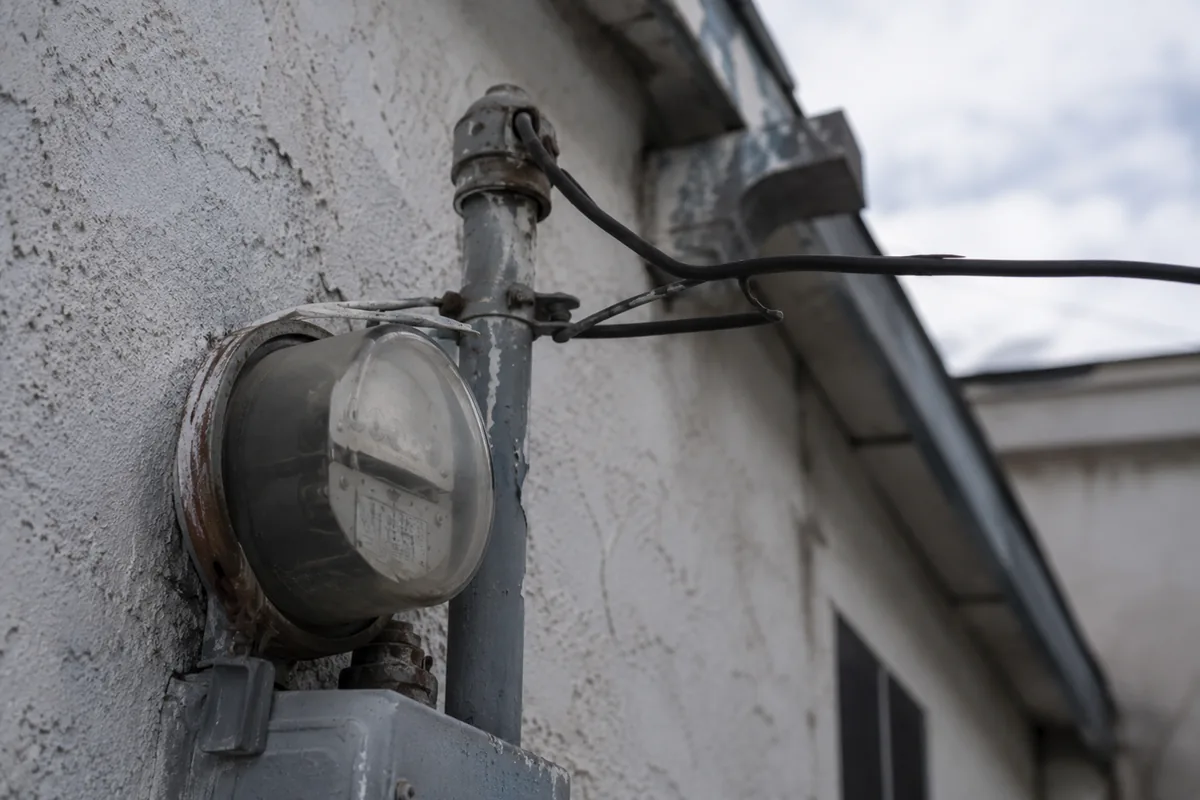
Look at the meter and the service drop. A small, old meter and a thin overhead service line feeding a large home is a visual clue that the supply was never upgraded for the home’s size.
Ask the listing side directly whether the electrical has been updated and when. On an older estate, a vague answer is itself informative, and it tells you to make sure the inspection looks closely.
The negotiation playbook
When an inspection confirms undersized service or an aged fuse panel, there are four ways the deal tends to go.
The first path is the seller upgrade. On a high-value estate, asking the seller to bring the electrical service up to a modern panel and adequate amperage before closing is a reasonable request, especially when an insurer is going to require it anyway. A licensed electrician’s scope turns it into a defined job.
The second path is the credit. If the buyer would rather choose their own electrician and scope, a price reduction or closing credit sized to the electrician’s estimate lets them control the work. This is often the cleanest path on a home where the buyer plans other electrical work anyway.
The third path is the specialist scope before any number. Because the panel is the tip of the system, the right move is frequently a short extension for a licensed electrician to evaluate the full service, panel, and visible wiring, so the negotiation is based on the real scope rather than the cost of the box alone.
The fourth path is proceeding with eyes open. Some buyers, knowing the number, simply plan the upgrade as a first-year project and move forward. That is a legitimate choice when it is a choice and not a surprise, which is the entire point of catching it during the inspection.
How the inspection actually catches it
A real inspection treats the electrical service as a headline finding on an older estate, not a checkbox. We document the service size and the meter and service drop, open and evaluate the panel and identify whether it is a fuse panel or breakers and what condition it is in, and look for the signs of the older system behind it: ungrounded outlets, early wiring, double-tapped or oversized fuses, and evidence of knob-and-tube. We run a thermal camera across the panel and accessible circuits, because heat is how an overloaded connection shows itself before it fails, as our infrared scanning guide explains. Then we flag clearly what a licensed electrician should evaluate and scope, so the finding arrives as a defined item with a path, not a vague worry late in escrow.
Quick FAQ for agents
Is 60-amp service actually a problem? For a small original cottage it can still function, but for a large modern household it is undersized and often an insurance and capacity issue. We document the service size and flag what an electrician should evaluate.
Are fuse panels unsafe? Not automatically, but they are old, they invite oversized-fuse misuse, and many insurers will not write a policy on them. They are a common reason an older estate needs an electrical upgrade before closing.
What does an upgrade cost? Replacing a fuse box with a modern breaker panel commonly runs in the low thousands, and a service upgrade to 200 amps is typically in a similar to somewhat higher range, more if the home needs rewiring. An electrician scopes the real number.
Will it affect insurance? It can. Some insurers require an upgrade before they will write or renew. That is why catching it early matters for the timeline, not just the budget.
Could there be more behind the panel? Often yes. Original undersized service usually travels with early wiring, ungrounded outlets, and sometimes knob-and-tube. We look for those and flag them for an electrician.
The honest summary for agents
San Marino’s estates are preserved beautifully, and sometimes that preservation includes an electrical service that belongs to the year the house was built. It is not a flaw in the home so much as a feature of its age, but it is a real cost, a real safety item, and a real insurance question, and it surfaces late if nobody is looking for it. Your value as the agent is putting the panel on the radar early, so a four-figure upgrade is a planned line item instead of an eleventh-hour shock. That is what turned a near-derailment into a seller-funded panel upgrade and a buyer who closed on the estate they loved without a surprise waiting in the garage.
If you have an older San Marino estate in escrow, we can document the electrical service and the rest of the home and give you the report that makes the next conversation a calm one.
Schedule a San Marino inspection or see our full inspection scope before you book. Common questions are answered in the FAQ. For a related electrical finding, read our Federal Pacific and Zinsco panel guide, and see why infrared scanning matters on older homes.