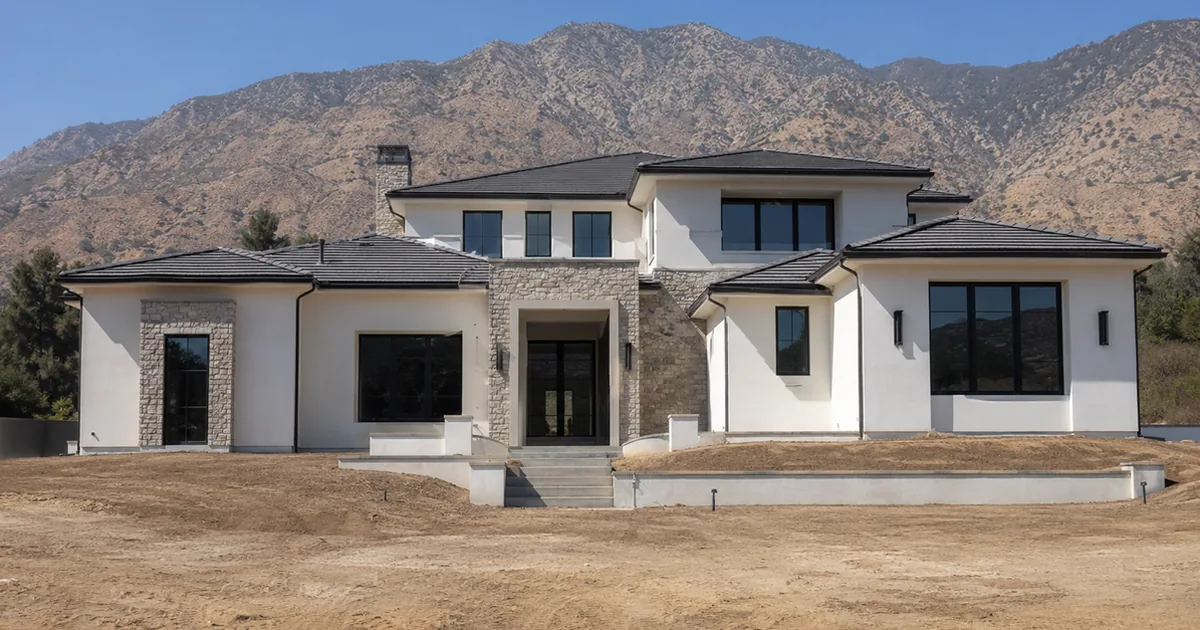
The house was the kind of listing that sells itself. A brand-new custom home in north Arcadia, just under 6,000 square feet, finished the year before, white oak floors, a wine room, a kitchen with two islands. The buyers were ready to waive the inspection contingency to win it. Their agent talked them out of waiving it, and that conversation is the reason this article exists.
We are keeping the details composite and the address private, because the lesson is not about one builder. It is about a category of home that is everywhere in Arcadia right now: the teardown rebuild, built quickly and beautifully to sell. The finishes were genuinely excellent. The parts of the house that fail first were not.
Here is how that one resolved, and what it should change about the way you handle a new Arcadia rebuild.
Schedule an Arcadia inspection · Same-day report · Pay-at-closing available
Why this matters for the agent
Arcadia is one of the most active teardown-and-rebuild markets in California. Across the neighborhoods north of the 210, original ranch homes come down and large new custom homes go up, many of them built on a tight schedule by developers who intend to sell, not live there. Your buyer sees a new home and assumes new means sound. New means the finishes are fresh. It does not mean the flashing was lapped correctly, the lot drains, or the work behind the drywall matches the work you can see.
The risk for the agent is specific. A buyer who waives inspection on a new build because it looks perfect has no recourse when the first winter rain finds the window that was never flashed. A buyer who keeps the contingency and gets a real inspection walks into negotiation with real bargaining power and walks into ownership with their eyes open. The deals that go sideways months after closing are almost always the ones where someone assumed new construction inspects itself.
What a spec build actually is
A spec build is a home built on speculation: the developer buys the lot, builds the house, and sells it, with profit as the point. Most are competent. The pressure that creates defects is not bad intent, it is schedule and margin. Every week the house sits unsold costs the developer money, so the build moves fast, and the parts of the job that are invisible once the drywall and stucco go on are the parts most exposed to a rushed crew.
The city inspector signs off on code compliance at a few scheduled stages. That sign-off is real, but it is a spot check by an overloaded municipal department, not a top-to-bottom evaluation of how the house will perform. A certificate of occupancy means the house met minimum code on the days the inspector visited. It does not mean a second set of trained eyes watched the flashing go in.
Why it fails (the part most agents skip)
The defects in a new luxury build cluster in a few predictable places, and they share a trait: they are hidden behind the finishes that make the house look perfect.
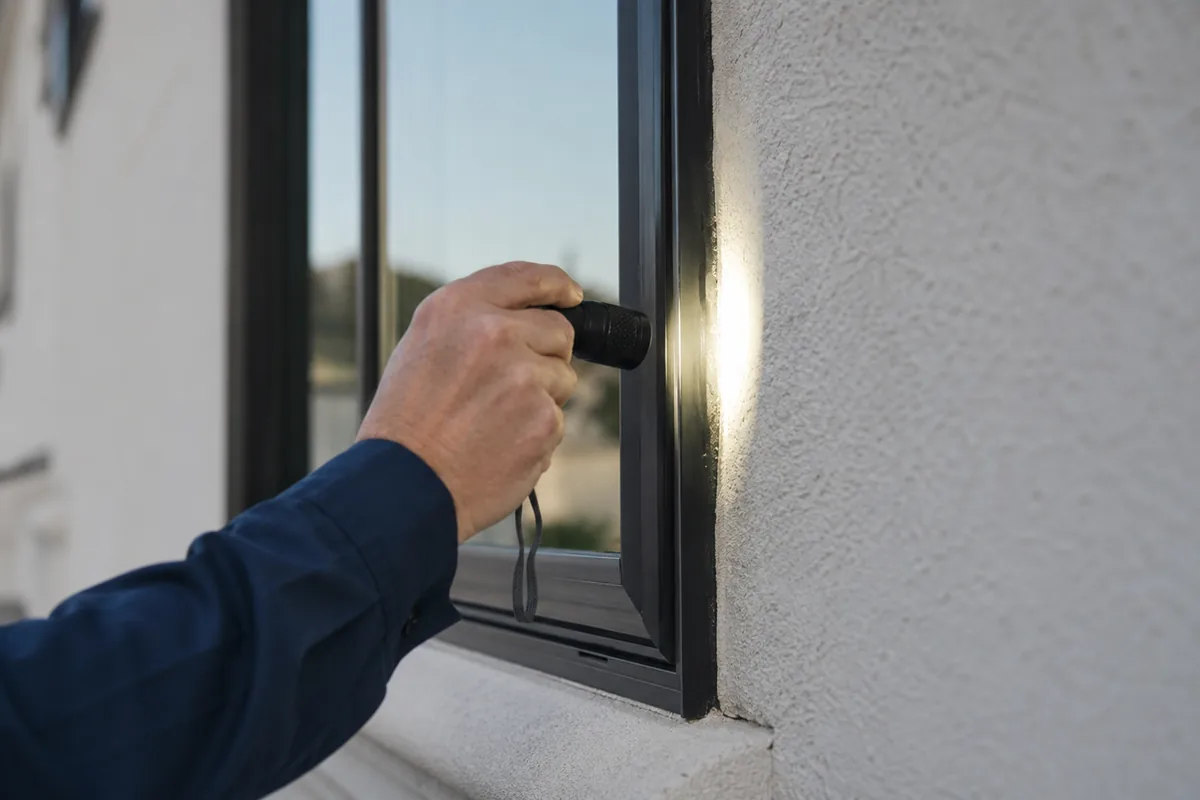
Water management is the big one. Window and door flashing, stucco weep screeds, deck and balcony waterproofing, and roof-to-wall flashing are the systems that keep water out of the structure, and they are installed early, covered up fast, and impossible to see once the house is done. A window that was set without proper flashing looks identical to one that was flashed correctly until water runs down inside the wall. On a large home with a lot of glass and complex rooflines, there are many of these connections, and each is a chance to leak.
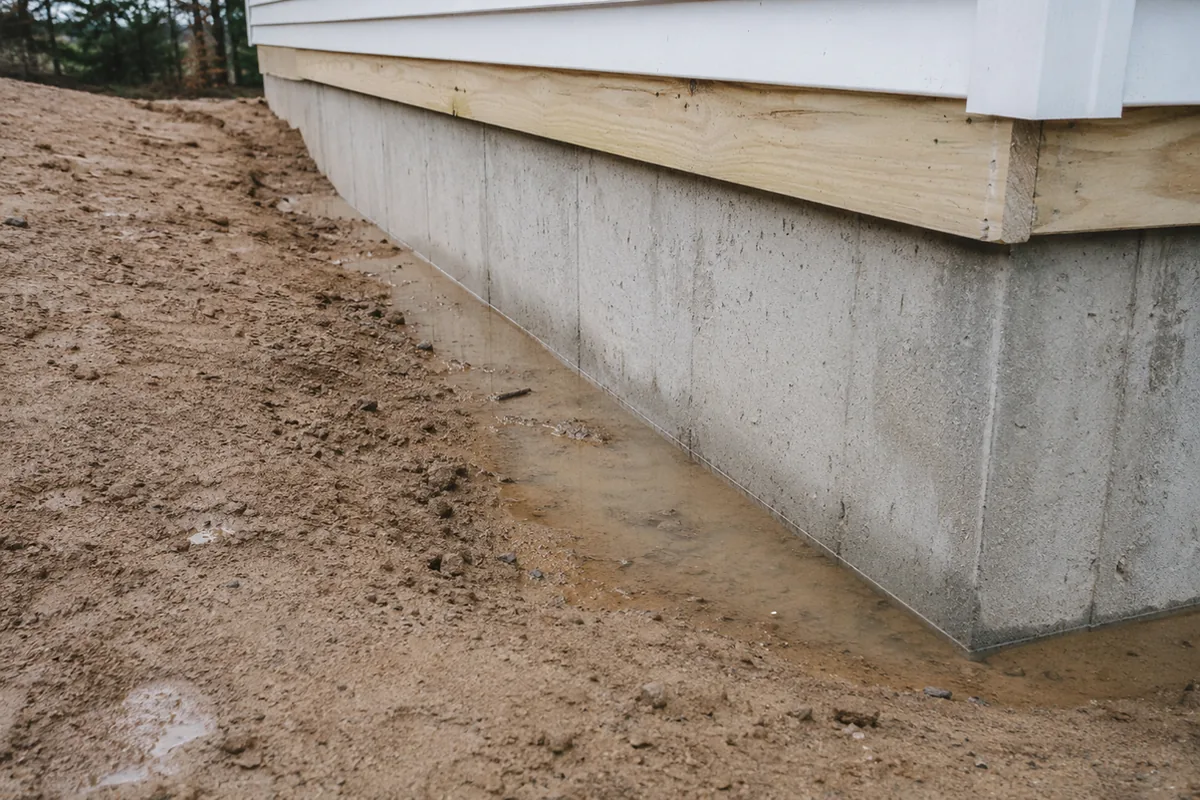
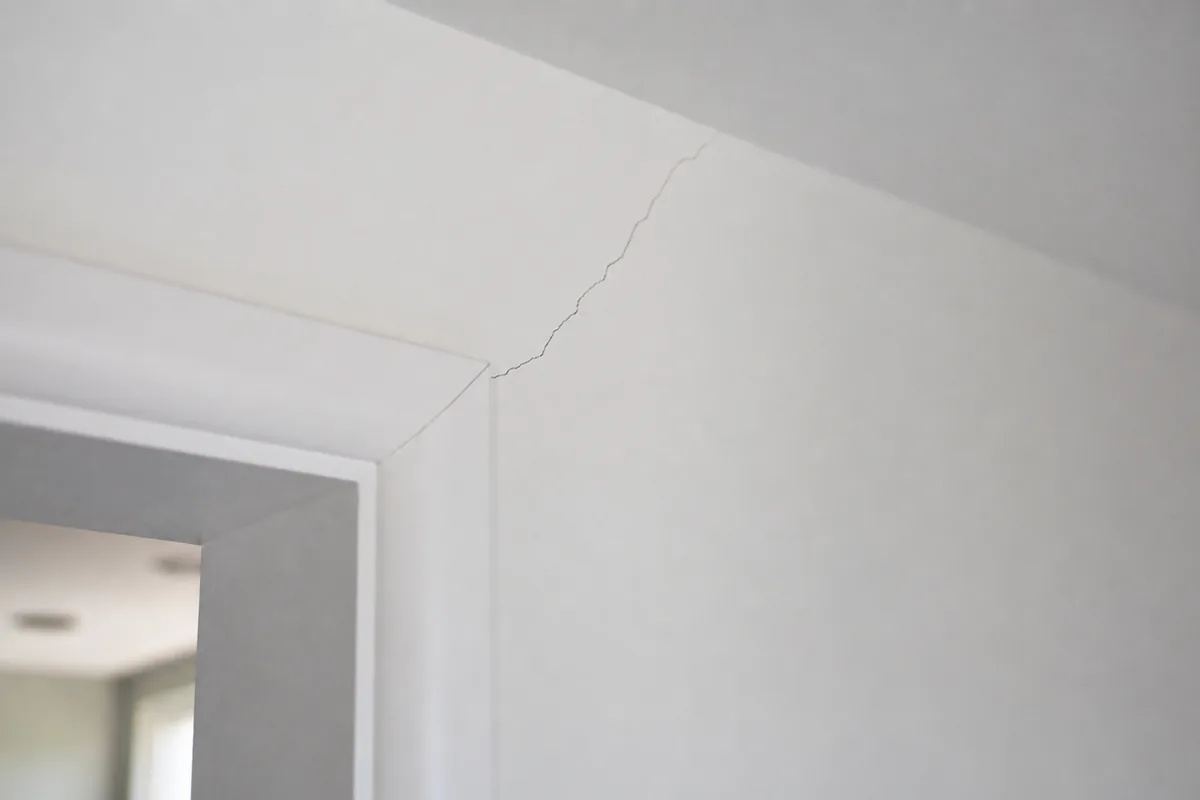
Grading and drainage is the second. Many Arcadia rebuilds sit on graded pads and engineered fill. If the lot was not graded to carry water away from the foundation, or the engineered fill was not compacted and settles, the buyer inherits a drainage and movement problem that no finish can hide. Early settlement shows up as hairline cracks and sticking doors before it shows up as anything dramatic.
The work behind the walls is the third. Plumbing connections, electrical terminations, HVAC duct sealing, and ventilation are done by subcontractors on a schedule, and a rushed crew makes rushed connections. We routinely find issues on new homes that have nothing to do with the visible quality of the house: a reversed connection, an unsupported line, a bath fan venting into the attic instead of outside.
None of this is visible at a showing. All of it is findable in an inspection.
What agents should tell every buyer
Tell them new construction is exactly the kind of home that benefits from an independent inspection, not the kind that is exempt from one. The argument that talks a buyer out of waiving the contingency is simple: the finishes you are paying for are not the parts that fail, and the parts that fail are the ones you cannot see. A few hundred dollars of inspection on a multimillion-dollar rebuild is the cheapest insurance in the transaction.
Tell them the city sign-off and the inspection are different things. One confirms minimum code on inspection day. The other confirms how the house was actually built and how it will perform. A buyer who understands the difference stops treating the certificate of occupancy as a clean bill of health.
Tell them a builder warranty is only as good as the documentation behind it. An inspection done before closing creates a dated, photographed record of conditions, which is exactly what a buyer needs if they have to hold a developer to a warranty claim a year later. For the broader case, our new-construction inspection guide lays it out.
Red flags during showings
You will not diagnose a spec build at a showing, but you can spot the homes that deserve a careful inspection and the early signs of the common problems.
Look at the ground around the house. Does the lot slope away from the foundation, or does the hardscape pitch back toward it? Is there standing water or staining at the base of walls after rain? On a graded pad, water that has nowhere to go is the first sign of a drainage problem.
Look at the walls and ceilings near windows, doors, and the bases of decks and balconies. Staining, bubbling paint, or a musty smell near a window on a house that is only a year or two old points to a flashing failure already at work.
Look for hairline cracks at the corners of windows and doors and at the floor, and try a few interior doors. Cracks that radiate from openings and doors that stick on a new home can be cosmetic, or they can be early settlement on fill. An inspection tells you which.
Look up at the rooflines and the deck connections. Complex rooflines and large decks have more flashing connections, which means more places a fast crew could have cut a corner.
The negotiation playbook
When an inspection turns up defects on a new Arcadia rebuild, there are four ways the deal can go, and the right one depends on what was found.
The first path is the developer repair. Because the home is new and often still under a builder warranty, the cleanest outcome is frequently to put the findings back on the builder to correct before closing. A specific, photographed inspection report makes that conversation factual instead of adversarial.
The second path is the price or credit adjustment. If the buyer would rather control the repairs themselves, the documented findings support a credit or price reduction sized to the work. On a luxury build, getting the developer to credit a flashing or drainage correction is a reasonable ask backed by the report.
The third path is the specialist evaluation. When the inspection flags possible fill settlement, a drainage problem, or a structural question, the move is a short extension for a geotechnical or structural engineer to evaluate before anyone agrees on a number. You negotiate the real scope, not a guess.
The fourth path is the walk. Occasionally the findings point to a pattern of corner-cutting deep enough that the buyer is better served walking while the contingency protects their deposit. That is rare, and it is far better discovered before closing than after.
How the inspection actually catches it
A real inspection of a new build reads the house the way the water and the loads will, not the way the staging does. We document window, door, and deck flashing details and the stucco and weep-screed terminations that manage water, because those are the connections that fail first. We check site grading and drainage and look for the early signs of fill settlement and foundation movement. We run the plumbing, electrical, and HVAC and trace the connections behind the visible work. We put a drone over the complex rooflines and the deck waterproofing that you cannot see from the ground, and we run a thermal camera to catch moisture and missing insulation behind walls that look finished. Our infrared scanning guide explains how thermal imaging finds what a visual walk-through cannot. The result is a dated, photographed record of how the house was actually built, in time to do something about it.
Quick FAQ for agents
Is a new home really worth inspecting? Yes. The finishes are new, but the flashing, drainage, and behind-the-wall work are where new homes fail, and those are exactly what an inspection checks. A new Arcadia rebuild is one of the best candidates for an independent inspection, not one of the worst.
Doesn’t the city inspection cover this? The city confirms minimum code at scheduled stages. It is a spot check, not a performance evaluation, and it does not replace an independent top-to-bottom inspection.
What are the most common findings on these rebuilds? Flashing and water-management shortcuts, grading and drainage problems on graded pads, and rushed plumbing, electrical, and HVAC connections behind the walls.
Can defects be put back on the builder? Often, yes. A new home is frequently still under warranty, and a specific, photographed report is what makes a warranty or pre-closing repair conversation work.
How long does it take? Three to five hours for a large rebuild, because there is more square footage, more glass, more roofline, and more systems to document. The report comes the same day.
The honest summary for agents
Arcadia’s rebuild boom has put a lot of beautiful, fast-built homes on the market, and the ones that look the most perfect are exactly the ones a buyer is most tempted to take on faith. The finishes are real. So are the flashing, drainage, and behind-the-wall shortcuts that a tight schedule produces and a staging photo never shows. Your value as the agent is the conversation that keeps the inspection contingency in place on a home everyone assumes is flawless. That conversation is what turned a near-waived inspection into a developer repair list and a buyer who closed with confidence instead of a leak they would find the next January.
If you have a new Arcadia rebuild in escrow, we can document it before the contingency closes and give you the photographed report that makes the next conversation easy.
Schedule an Arcadia inspection or see our full inspection scope before you book. Common questions are answered in the FAQ. For the broader case, read our new-construction inspection guide, and see why infrared scanning matters on every inspection.