We inspected a 1939 home in the Magnolia Park area of Burbank earlier this year. Charming storybook cottage, original windows, beautiful old trim, and a buyer with a baby on the way who planned to repaint, swap the windows, and open up a wall the first month after closing. Both agents were focused on the kitchen and the yard. Nobody had said the words “lead paint.”
Then we looked at the home with its age in mind.
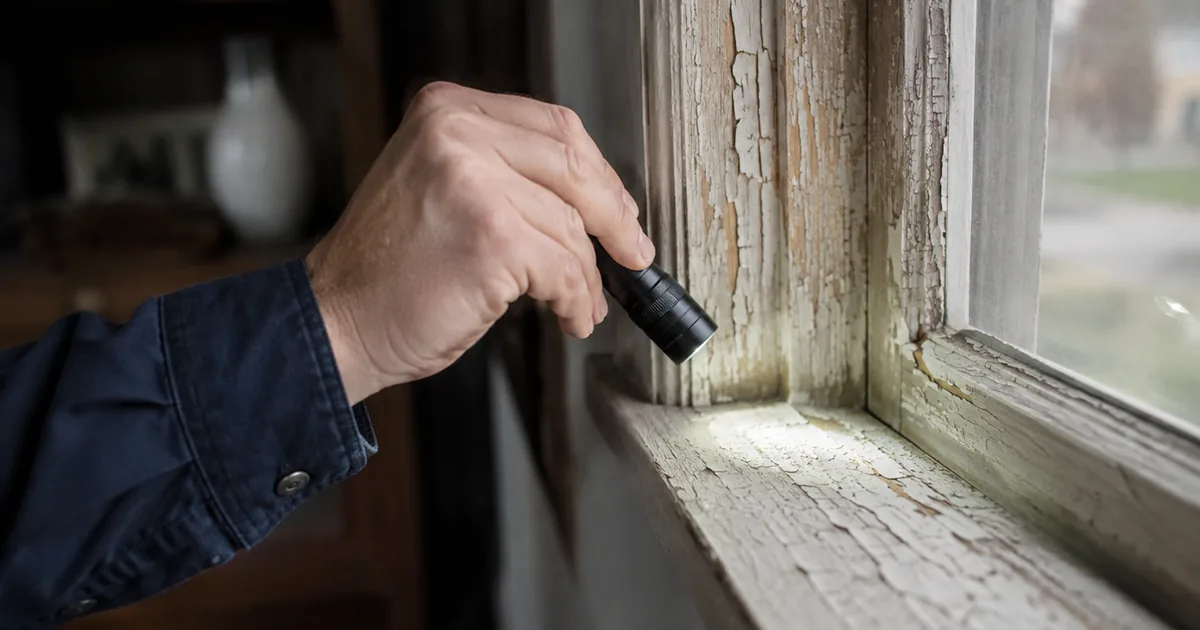
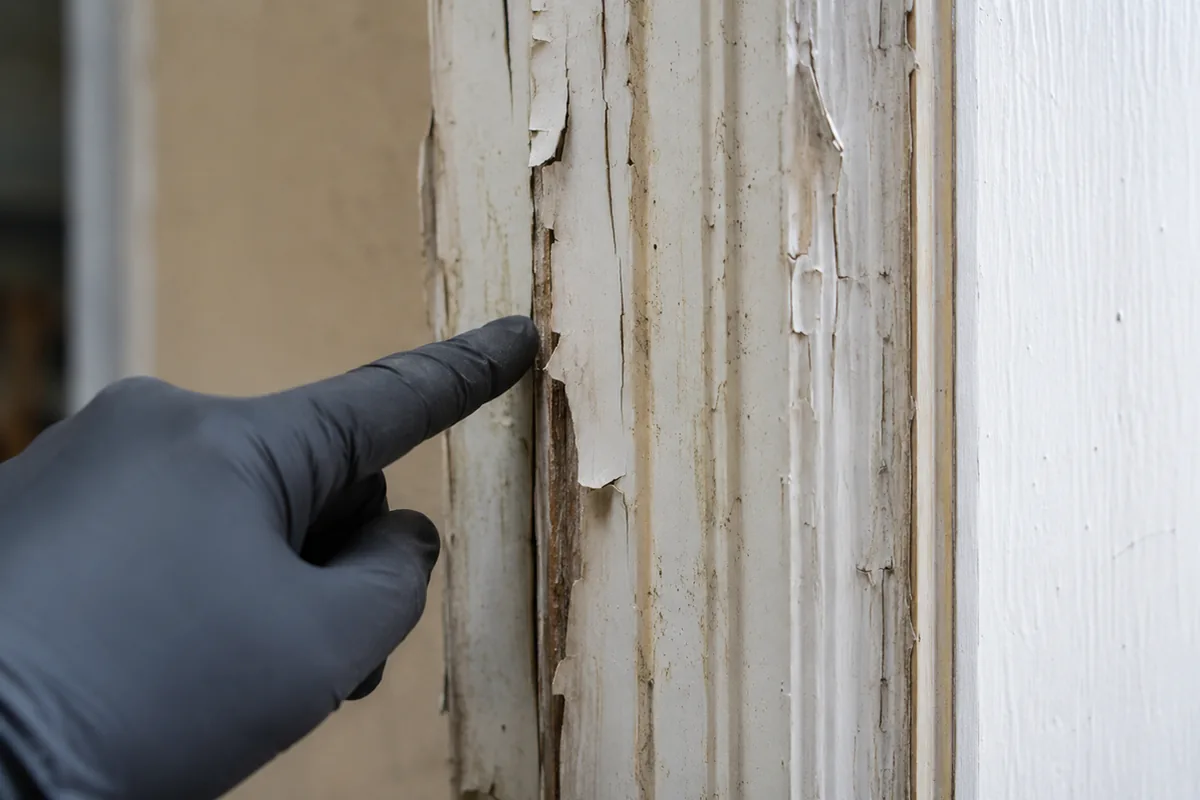
The original wood windows had layers of old paint, alligatored and chipping along the sashes and sills, the classic friction surfaces where lead paint wears into dust. The door casings and the eaves had the same deep, chalky old coats. None of it was a hazard sitting there intact and painted over. All of it was exactly what the buyer was about to sand, scrape, and tear out, in a house where an infant would soon be crawling on the floor.
The buyer was the first person in the transaction to understand that the renovation plan needed a lead-safe step before the demolition started.
Schedule a Burbank inspection · Same-day report · Pay-at-closing available
Here is how that one resolved. We documented the deteriorated paint on the windows, trim, and eaves on the same-day report, with photos, and explained plainly that we do not test for lead, that confirmation needs a certified lead inspection, and that intact paint is usually safe until a remodel disturbs it. The buyer hired a certified lead risk assessor before any work. Several surfaces came back positive. The buyer adjusted the plan to use an EPA-certified renovation firm for the window and wall work and budgeted for it, and the deal closed. The point is not that lead paint is a dealbreaker. It is that in Burbank’s pre-1978 stock it is common, it matters the moment a buyer renovates, and the time to plan for it is during escrow, not mid-demolition with a baby in the house.
Why this matters for the agent
Lead paint is not a defect in the way a leaking roof is. It is a condition of the era, usually harmless when intact, that becomes a real cost, a health question, and a disclosure obligation the moment anyone disturbs it or sells the home.
Three things tend to be on the line. First, the disclosure duty. Federal law requires sellers and landlords of pre-1978 housing to disclose known lead-based paint and hazards and to hand over the EPA pamphlet before a contract is signed, with real penalties for skipping it. Second, the renovation cost and safety. Most buyers of an older Burbank home plan to remodel, and disturbing lead paint without lead-safe practices endangers occupants, especially children under six, while the required certified work adds a real number to the project. Third, the diligence gap. A buyer who does not know the paint is there finds out with a sander in hand, and by then the safe, planned path has passed.
If you work Burbank, this is most of your inventory. The bulk of the city was built between the 1920s and the 1950s, well before the 1978 ban, so lead paint is the default assumption on the older stock, not the exception. Agents who raise it early come out ahead.
What lead paint actually is, and the rules around it
Lead was added to house paint for durability and color until the federal government banned it for residential use in 1978. Homes built before then commonly have it, often buried under newer coats.
Two federal rules shape a transaction. The first is the disclosure rule, Section 1018 of the 1992 Residential Lead-Based Paint Hazard Reduction Act: before selling or leasing most pre-1978 housing, owners must disclose any known lead-based paint and hazards, hand over any reports they have, and give the buyer the EPA pamphlet and a window to test. The second is the Renovation, Repair, and Painting (RRP) rule: anyone paid to do work that disturbs painted surfaces in a pre-1978 home must be an EPA-certified firm using lead-safe practices. The RRP rule kicks in at fairly small thresholds, roughly six square feet of interior surface, twenty square feet of exterior, or any window replacement. The health reason behind all of it is children: lead harms the developing brain, and kids under six are the most vulnerable.
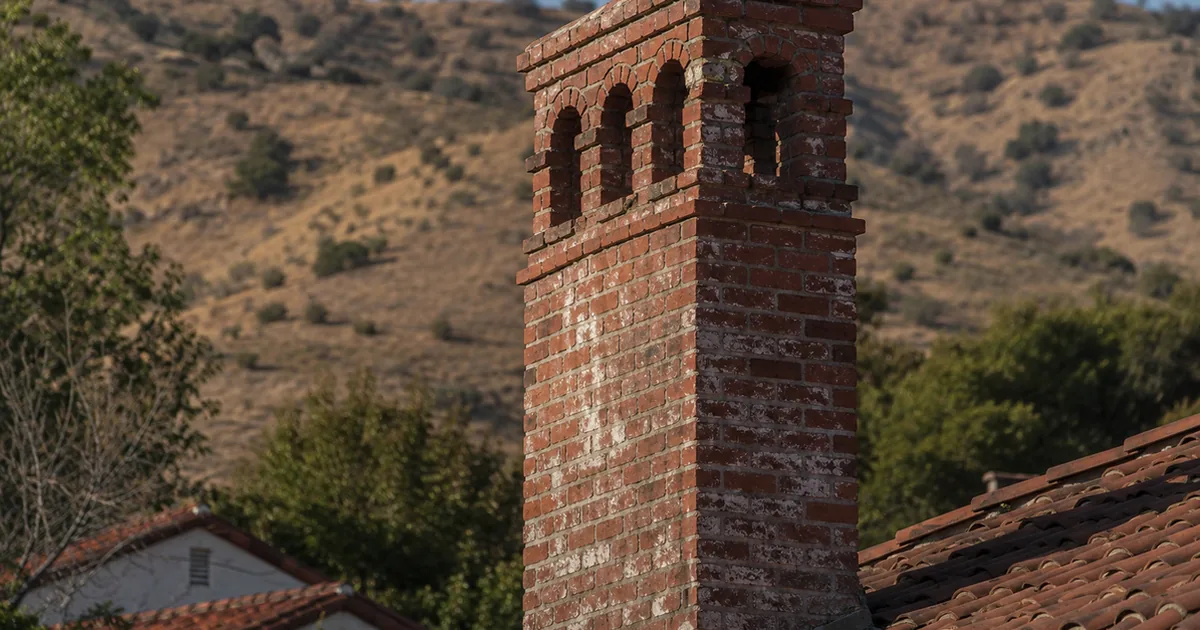
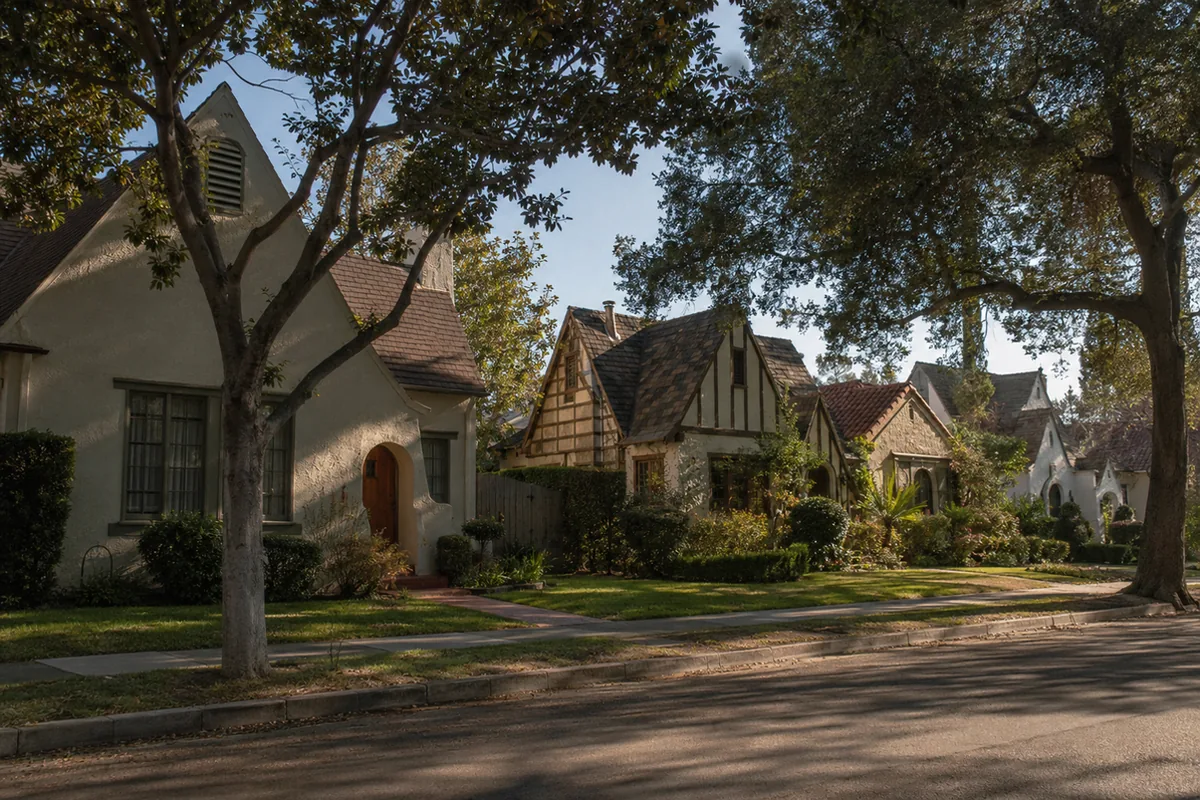
The reason this matters in Burbank specifically is the age of the housing. Magnolia Park, the Rancho district, and the older central neighborhoods are dominated by 1920s-to-1950s homes with original windows, doors, and trim, exactly the surfaces most likely to hold lead paint and most likely to be disturbed in a remodel.
Why lead paint becomes a problem (the part most agents skip)
Lead paint in an older home is not dangerous because it exists. It becomes dangerous because of what people do to an old house, and where the paint already wears.
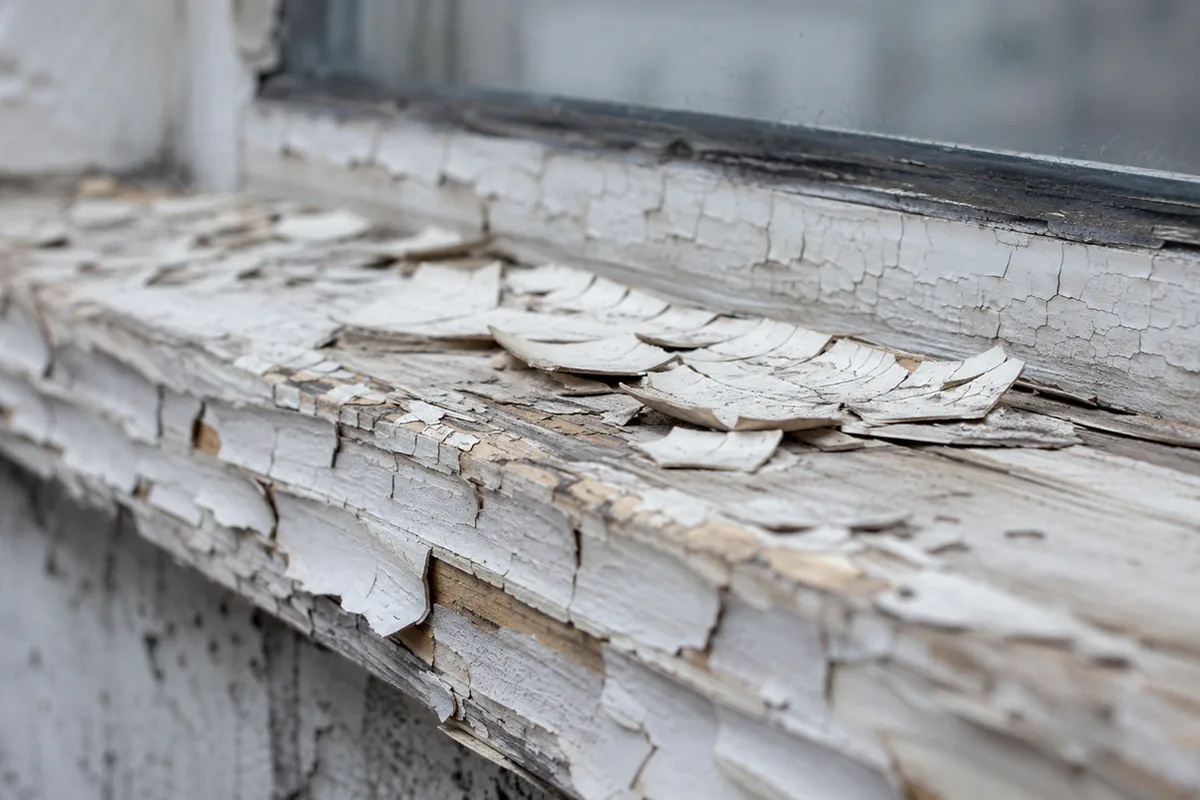
Intact, well-maintained lead paint that is painted over is generally low risk. The hazard comes from two things. The first is deterioration: paint that is chipping, peeling, or chalking, which puts lead into reach and into dust. The second is friction and impact surfaces, the places paint rubs and grinds even when it looks fine, above all the old wood windows that slide in their frames, plus doors, jambs, and stair edges. Those surfaces quietly shed lead dust onto sills and floors, which is the main way young children are exposed. Then comes renovation: scraping, sanding, cutting, and demolition turn stable paint into a cloud of lead dust that settles through the home and is not something an ordinary dust mask stops. The danger is invisible and has no smell, which is why a buyer with a weekend demolition plan, or a small child, is the one most at risk.
This is the part agents and buyers most often miss, because nothing about the paint looks dangerous on a showing. It looks like a dated window and old trim, the very things the buyer intends to replace.
What agents should tell every buyer on a pre-1978 Burbank home
A short list buyers writing offers on older Burbank homes should hear from you before they go into escrow.
- A home from this era almost certainly has lead-based paint somewhere. Intact it is usually safe; the issue is your remodel and any young children, not the home as it sits.
- The seller must disclose any known lead paint and give you the EPA pamphlet and a chance to test. Read that disclosure and use the window.
- A home inspector flags suspect deteriorated paint but does not test for lead. Confirmation needs a certified lead inspection or risk assessment.
- If you will scrape, sand, replace windows, or open walls, plan to use an EPA-certified renovation firm using lead-safe practices, and budget for it.
- Never dry-scrape or power-sand old paint yourself, especially with children in the home. That is exactly how lead dust spreads.
If you want a one-page version of this list to text to your buyers in the pre-offer window, ask us and we will send it.
Red flags during showings (no special tools required)
You do not need equipment to flag a lead-paint concern at a showing. Add these to your walk-through on any pre-1978 Burbank property.
- Original wood windows that slide in painted frames, the classic lead friction surface.
- Paint that is chipping, peeling, cracking in an alligator pattern, or chalky, especially on windows, doors, eaves, and porch rails.
- Thick, built-up layers of old paint on trim and casings.
- Paint chips or dust on sills, in window wells, or on the floor below painted surfaces.
- A buyer describing a gut remodel, window replacement, or repaint of an original home, the exact scenario that makes testing matter.
- Bare soil along the drip line of an older exterior, where decades of exterior paint can settle.
None of these prove a surface contains lead. All of them are reasons to test before a buyer disturbs anything during a remodel.
The negotiation playbook when lead paint surfaces in escrow
There are four paths most of these deals end up on. Knowing them in advance helps you steer.
Seller addresses it before closing is uncommon, because lead abatement is specialized, licensed work that is slow to schedule inside escrow, but interim controls like repainting deteriorated surfaces do happen. When they do, insist the work uses lead-safe practices and is documented.
Seller credits the buyer to handle it after closing is a common outcome when the buyer plans to remodel anyway. Size the credit to a real bid from a certified lead firm for the surfaces the buyer intends to disturb, since intact surfaces the buyer plans to leave may need nothing. The written bid anchors the number.
Buyer proceeds and plans the work into the renovation is the most common path, because so many buyers of these homes are remodeling regardless. Your job is to make sure they go in informed, with certified testing and lead-safe renovation built into the budget and timeline rather than discovered with a sander running.
Buyer walks under the inspection or lead contingency is rare for lead alone, but it happens when the scope turns a light refresh into a major abatement project, or when a buyer with young children decides the risk is not for them. The earnest money is protected under the contingency.
How the inspection actually catches it
A general home inspection does not test for lead, and no inspector can confirm it by looking, but a good inspection is where the question gets raised before a buyer starts demolition.
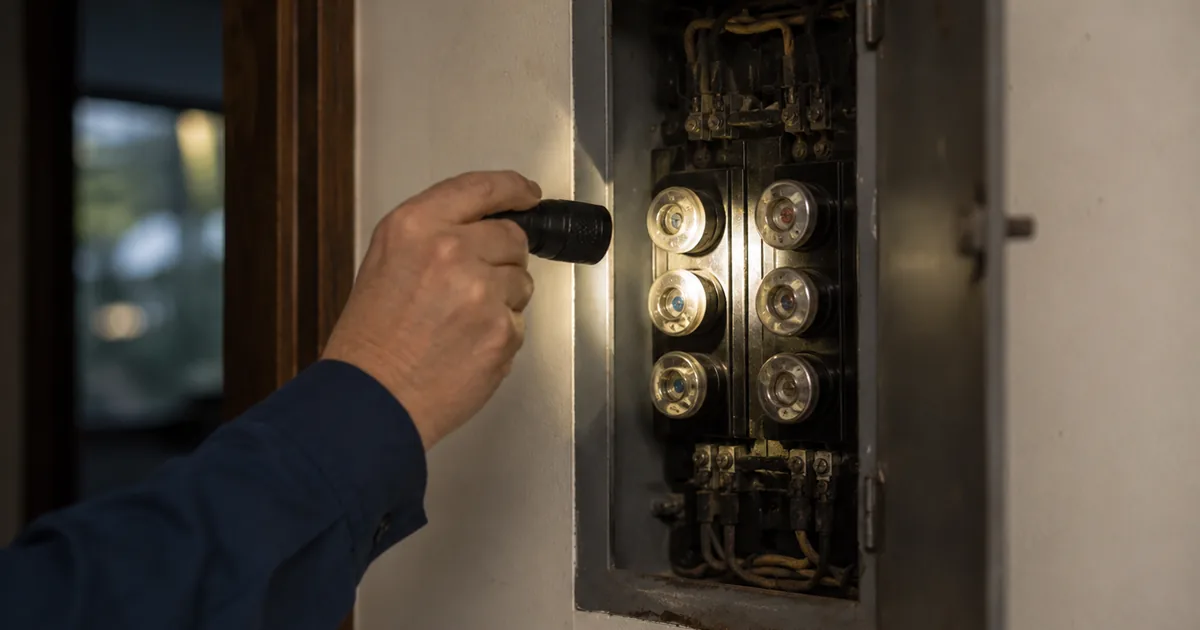
We inspect the home with its era in mind, so we identify and document the suspect surfaces a pre-1978 Burbank home commonly has: the deteriorated paint, the old friction-worn windows and doors, the chipping eaves and trim, and any chips or dust below them. We photograph them on the same-day report and explain plainly that they are suspect, not confirmed, that intact paint is generally safe to leave in place, and that only a certified lead inspection or risk assessment can confirm. We also run thermal imaging and check the rest of the systems, because the same older home usually carries aging electrical, original plumbing, and an end-of-life roof that belong in the same conversation. Then we point the buyer to the right next step, a certified lead professional, before any work that would disturb the paint begins.
Combined, the era-aware walk, the documented suspect surfaces, and the clear next step turn a hidden renovation surprise into a planned line item you can take into the negotiation. The same logic applies to the other pre-1980 material we flag in older homes, asbestos, which we cover in our Anaheim asbestos materials guide, and the way thermal imaging surfaces other hidden conditions is in our piece on why infrared scanning matters.
Quick FAQ for buyers and agents
Does a home inspection test for lead paint? No. A home inspector flags suspect deteriorated or friction-worn paint based on the home’s age and condition but does not test. Only a certified lead inspection or risk assessment confirms it.
Is the lead paint in my Burbank home dangerous right now? Generally not while it is intact, painted over, and maintained. The risk comes from deterioration, friction surfaces like old windows, and disturbance during renovation, which is why a remodel or a young child changes the picture.
What does the seller have to disclose? Under federal law, sellers of pre-1978 homes must disclose any known lead-based paint and hazards, provide any reports they have, give you the EPA pamphlet, and allow a window to test before you are bound.
What does testing and lead-safe work cost? A certified inspection or risk assessment is a modest, per-visit cost. Lead-safe renovation and any abatement vary by the surfaces involved, so get a bid from an EPA-certified firm for the specific work you plan before you finalize a budget or a credit.
Does this come up much in Burbank specifically? Constantly. Most of Burbank’s older neighborhoods were built well before the 1978 ban, so lead paint is the default assumption on the original stock.
The honest summary for agents
If you work Burbank and you write offers on its 1920s-to-1950s homes, you are selling to buyers who almost always plan to remodel, in a stock where lead paint is the norm, with a federal disclosure duty attached. The lead handled during the inspection contingency is a planned line in the renovation budget. The lead discovered with a sander already running, in a house with a small child, is a health scare and a stop-work order. Your buyer is far better served by the first.
The inspection that raises it is not the cheapest one on Yelp. It is the one that reads the home to its era, documents the suspect surfaces with photos, explains plainly what is safe and what needs a certified lead professional, and does it on a same-day report so you have the information in hand before the contingency clock runs out.
Schedule a Burbank inspection or see our full inspection scope before you book. Common questions are answered in the FAQ. For the other classic pre-1980 material, read our Anaheim asbestos materials guide, and see why infrared scanning matters on older homes.