We inspected a raised-foundation home on the valley floor in San Bernardino earlier this year. Tidy older house, updated kitchen, sat on a quiet street near the wash. Both agents were focused on the remodel and the price per square foot. Nobody had mentioned that the home sits between two major faults on ground that a USGS study maps as highly liquefiable.
Then we went under the house.
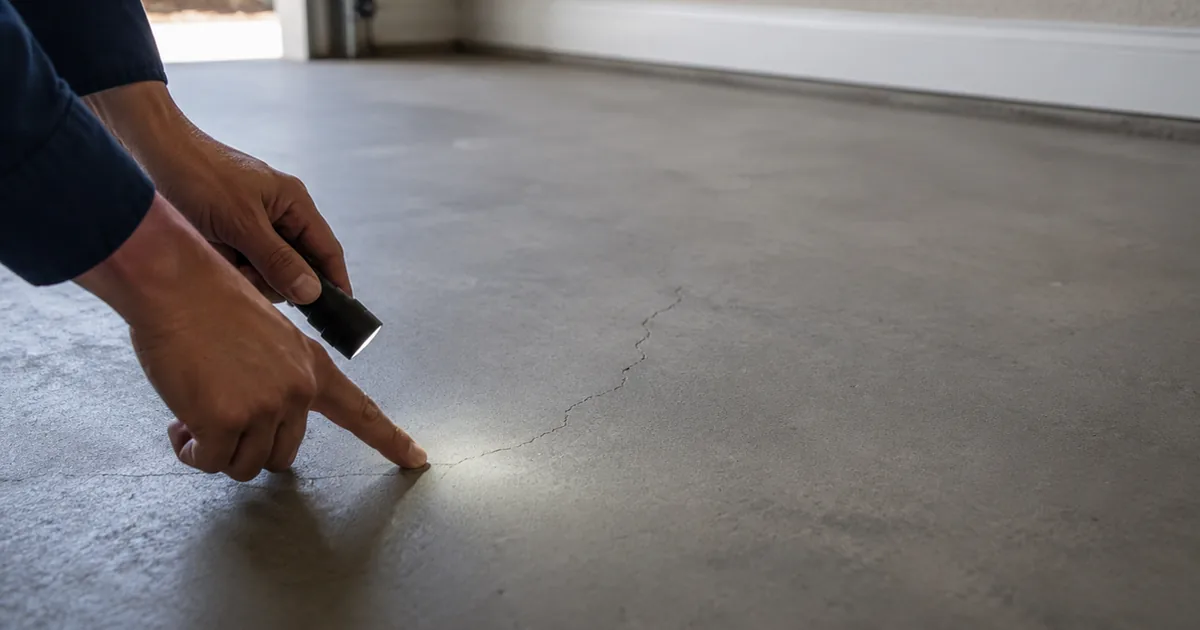
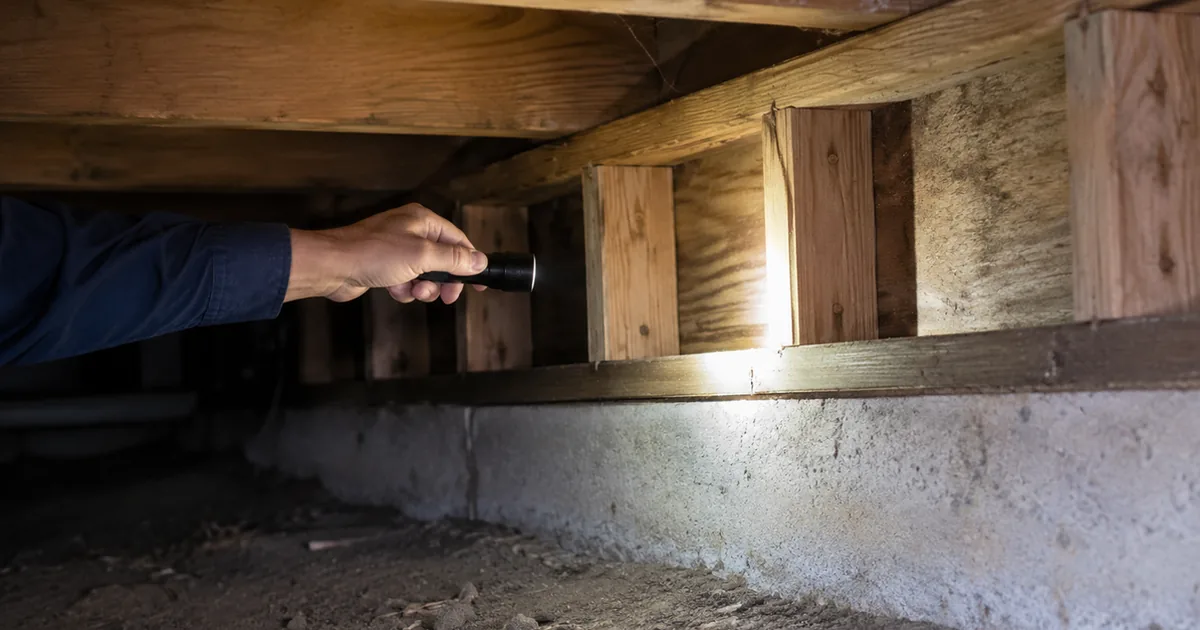
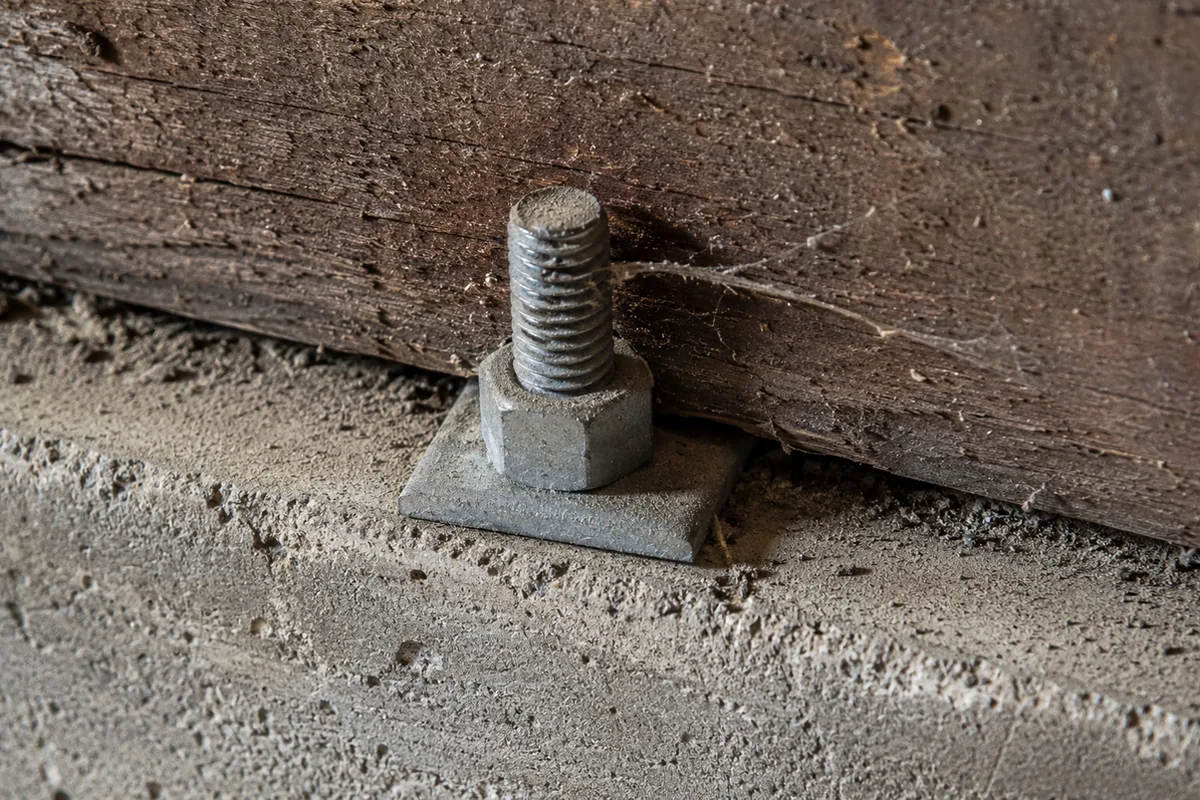
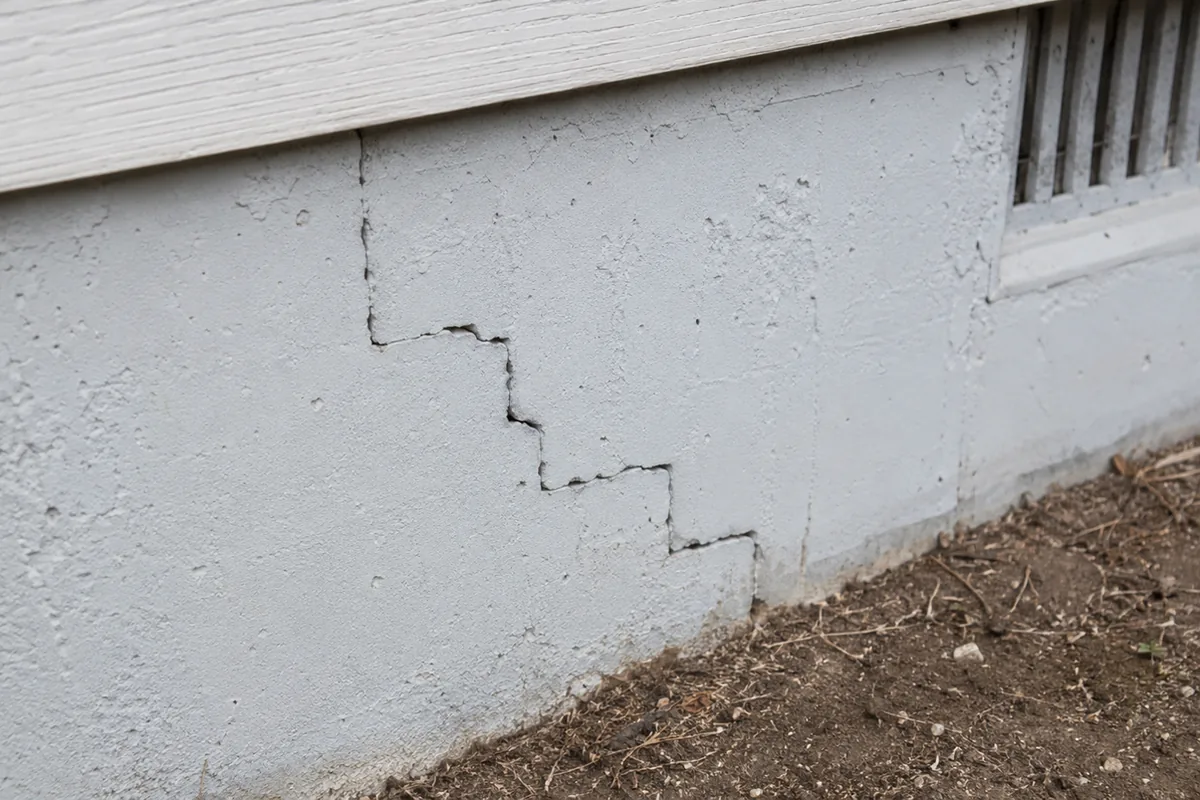
In the crawlspace, the mudsill was resting on the foundation with almost no anchor bolts, and the short cripple walls that carry the floor were unbraced, the original 1950s framing never retrofitted. The water heater upstairs stood unstrapped in its closet. Outside, a stair-step crack ran through the stem wall where the ground had settled unevenly. None of it was visible from the curb, and none of it would matter on a calm day. In a quake on the San Andreas or the San Jacinto, it is exactly what fails.
The buyer was the first person in the transaction to understand that the house was not braced for the ground it sits on.
Schedule a San Bernardino inspection · Same-day report · Pay-at-closing available
Here is how that one resolved. We documented the unbolted mudsill, the unbraced cripple walls, the unstrapped water heater, and the settlement cracking on the same-day report, with photos, and explained plainly that a seismic retrofit was straightforward but that the foundation settlement on liquefiable soil deserved a structural or geotechnical engineer’s eye before the buyer relied on it. The buyer’s agent ordered that evaluation, which confirmed the settlement was old and stable but recommended the retrofit and strapping. They went back to the seller with a contractor bid and closed with a credit for the seismic work. The deal still traded. The point is not that a fault or a liquefaction zone is a dealbreaker. It is that in San Bernardino the ground and the bracing are part of the purchase, and the time to learn their condition is during escrow.
Why this matters for the agent
In most of California, seismic readiness is a quiet good-practice item. In San Bernardino it is closer to the center of the deal, because the city sits in one of the most hazardous seismic settings in the state.
Three things tend to be on the line. First, the cost. A cripple-wall retrofit and water-heater strapping run in the low four figures, but a home with real foundation settlement on liquefiable soil can carry a five-figure structural question. Second, the safety and insurability. An unretrofitted older home on soft soil is a safety issue in a quake, and it shapes earthquake-insurance decisions a buyer should make with eyes open. Third, the diligence gap. A standard walk-through never goes under the house or maps the soil, so the buyer who skips the crawlspace and the hazard disclosure is buying the one risk the home is most exposed to.
If you work San Bernardino, this is most of your inventory. The San Andreas runs the foothills, the San Jacinto crosses the valley, and the valley floor is loose, water-saturated alluvium. Agents who treat the ground and the bracing as their own line items come out ahead.
What the faults and liquefaction actually are
San Bernardino sits where two of the most significant fault systems in California come together, on a valley floor that behaves badly in a quake.
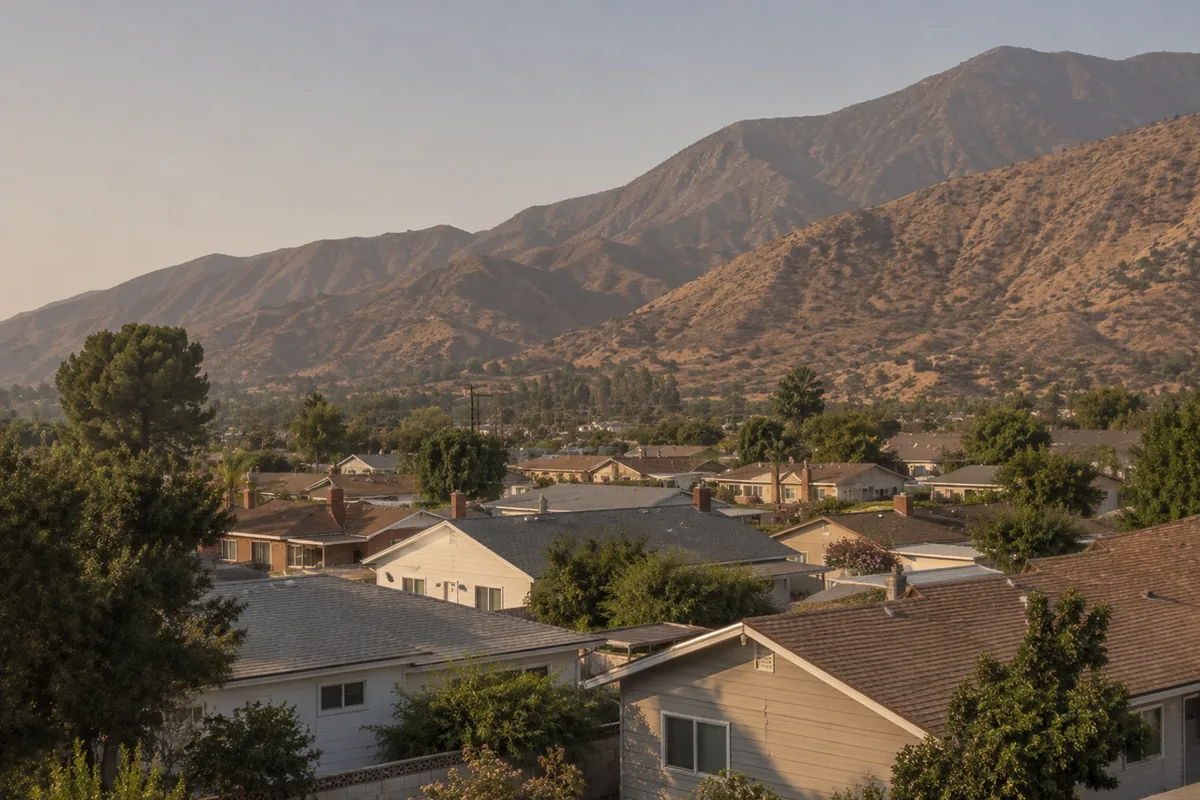
The San Andreas Fault runs along the foothills north of the city, and the San Jacinto Fault Zone, considered the most seismically active in the region, crosses the valley itself. The two converge near San Bernardino, which is why shaking here can be both strong and likely. The second half of the story is the ground. Much of the valley floor is deep, loose alluvium with a high water table, and USGS studies map large parts of the city as highly susceptible to liquefaction in a major earthquake. Liquefaction is what happens when saturated, loose soil loses its strength during sustained shaking and briefly behaves like a liquid, letting a foundation settle, tilt, sink, or pull apart. A natural hazard disclosure tells a buyer whether a specific property falls in a mapped fault or liquefaction zone, which is information worth confirming early.
The reason this matters in San Bernardino specifically is that the hazard and the housing line up badly. A large share of the older stock is raised-foundation homes built before modern seismic bracing was standard, sitting on exactly the soil that amplifies a quake.
Why older homes fail in a quake (the part most agents skip)
An older San Bernardino home rarely fails because the structure is weak. It fails at the connections, the places where the house meets its foundation and was never tied down.
The classic weak point is the cripple wall, the short wood wall between the foundation and the first floor on a raised-foundation home. When those walls are unbraced and the mudsill is not bolted to the foundation, strong shaking can slide the house off its base, a failure that turns a livable home into a red-tagged one. A retrofit fixes it by bolting the mudsill down and sheathing the cripple walls with plywood, and it is one of the highest-value, lowest-cost things an older home can have. An unstrapped water heater is the same idea in miniature: it topples, shears its gas line, and becomes a fire risk in the minutes after a quake. On top of the connections, liquefiable soil adds settlement, the slow or sudden sinking and tilting that shows up as stair-step cracks in the stem wall, out-of-level floors, and separation at the corners.
None of this announces itself on a calm day. A house can sit unbolted and unbraced for seventy years and show nothing until the ground moves, which is why the inspection has to go under the house and read the cracks rather than trust the fresh paint.
What agents should tell every buyer on a San Bernardino home
A short list buyers writing offers on San Bernardino homes should hear from you before they go into escrow.
- The ground is part of the purchase. Confirm whether the property sits in a mapped fault or liquefaction zone on the natural hazard disclosure, and read it early.
- On a raised-foundation home, the cripple walls and the mudsill bolting are the difference between a retrofit and a red tag in a quake. We check them on every inspection.
- A water-heater strap is a small line item that prevents a fire after a quake. If it is missing, it is easy to add.
- Budget for a low-four-figure seismic retrofit on an unretrofitted older home, and plan for a structural or geotechnical engineer if there is real foundation settlement on liquefiable soil.
- Seismic readiness shapes earthquake-insurance decisions. Knowing the home’s condition helps a buyer make that call before closing, not after.
If you want a one-page version of this list to text to your buyers in the pre-offer window, ask us and we will send it.
Red flags during showings (no special tools required)
You do not need equipment to flag a seismic or soil concern at a showing. Add these to your walk-through on any San Bernardino property.
- A raised-foundation home built before the 1980s with no record of a seismic retrofit in the disclosures.
- Floors that feel out of level or slope noticeably, or doors and windows that stick and rack.
- Stair-step or diagonal cracks in the foundation stem wall, the exterior stucco, or interior drywall at the corners.
- A water heater standing unstrapped, especially in a garage or closet.
- A home on the flat valley floor near the wash or an old streambed, where liquefiable soil is more likely.
- Separation or gaps where additions meet the original house, which can point to differential settlement.
None of these prove a home will fail in a quake. All of them are reasons to go under the house, read the soil and the disclosure, and bring in an engineer when settlement shows.
Schedule a San Bernardino inspection
The negotiation playbook when seismic and soil surface in escrow
There are four paths most of these deals end up on. Knowing them in advance helps you steer.
Seller retrofits before closing is clean when the seller will engage, and a cripple-wall retrofit and water-heater strapping are fast enough to fit inside many escrows. Insist the retrofit is permitted, that the bolting and bracing are done to current standards, and that a re-inspection confirms it before closing.
Seller credits the buyer to handle it after closing is the most common outcome. Size the credit to a real bid from a licensed contractor for the retrofit and strapping, and if there is foundation settlement, base the structural portion on an engineer’s scope rather than a guess. The written bid anchors the number.
Buyer walks under the inspection contingency happens when an engineer turns settlement on liquefiable soil into a structural project the buyer did not plan for. The earnest money is protected under the contingency. Your job as the buyer’s agent is to make sure they know walking is an option and what triggers it.
Deal closes with no further action is common and often fine for the bracing items, because a buyer can retrofit after closing on their own schedule. Document their informed decision in writing, and help them plan the retrofit and strapping as an early project. Where there is unresolved settlement, an escrow hold-back for an engineer-scoped repair is a cleaner structure than hoping it stays stable.
How the inspection actually catches it
A quick inspection that stays on the main floor will miss the connections and the soil, because the evidence is under the house, in the crawlspace, and in the cracks. Catching it takes going where buyers do not.
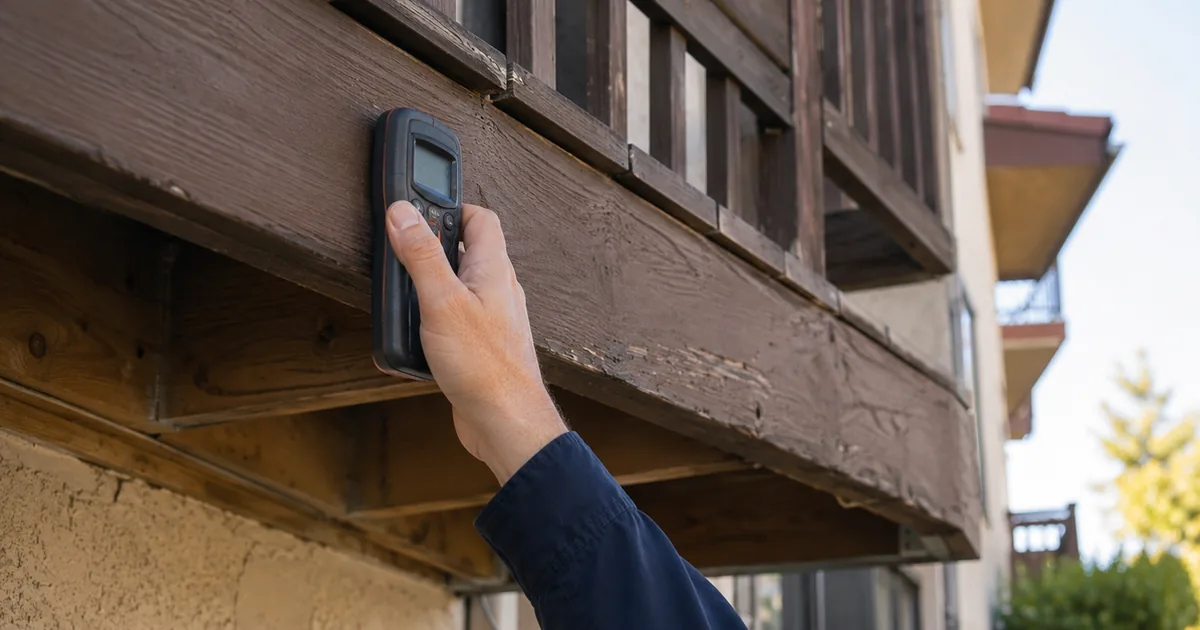
We go under the house and read the foundation: whether the mudsill is bolted, whether the cripple walls are braced, and whether there is rot or movement at the connections. We document the water-heater strapping, trace the stair-step cracking and out-of-level clues that point to settlement, and note when the home sits on the valley floor where liquefiable soil is mapped. We run thermal imaging on the lowest levels to catch moisture that soft soil and drainage can drive inside. Then we tell the buyer plainly when settlement on liquefiable ground deserves a structural or geotechnical engineer, because a general inspection documents the condition but the engineer determines what the soil and the structure can carry.
Combined, the crawlspace read, the connection check, the crack trace, and the thermal scan turn a seismic worry into a documented set of findings you can take into the negotiation. The retrofit-and-disclosure side of fault country is covered in our Murrieta Elsinore Fault seismic guide, and the way thermal imaging surfaces hidden moisture is in our piece on why infrared scanning matters.
Quick FAQ for buyers and agents
Is San Bernardino really that seismic? Yes. The San Andreas Fault runs the foothills, the San Jacinto Fault Zone, one of the most active in the region, crosses the valley, and they converge near the city. Strong shaking here is both likely and significant, which is why bracing and soil matter.
What is liquefaction, in plain terms? When loose, water-saturated soil is shaken hard enough, it briefly loses strength and acts like a liquid, letting a foundation settle, tilt, or sink. Much of the San Bernardino valley floor is mapped as highly susceptible, and the natural hazard disclosure tells you whether a specific property is in a zone.
What does a seismic retrofit cost? A cripple-wall retrofit and water-heater strapping on a typical older home generally run in the low four figures. Real foundation settlement on liquefiable soil is a separate, larger question that an engineer should scope.
Does a home inspection cover earthquake readiness? It covers the visible and accessible condition: mudsill bolting, cripple-wall bracing, water-heater strapping, and the cracking and out-of-level clues that point to settlement. When settlement is significant, the right next step is a structural or geotechnical engineer, and we say so.
Does this come up much in San Bernardino specifically? Constantly. Between the two faults and the liquefiable valley soil, paired with a large stock of older unretrofitted homes, the ground and the bracing are part of almost every older-home conversation here.
The honest summary for agents
If you work San Bernardino and you write offers on its older homes, you are selling properties on some of the most hazardous ground in California, often without the bracing that ground demands. The retrofits caught during the inspection contingency are small, scheduled line items. The failures caught when the ground moves are red tags and insurance claims. Your buyer is far better served by the first.
The inspection that finds it is not the cheapest one on Yelp. It is the one that goes under the house, reads the connections and the soil, runs thermal imaging on the lowest levels, and tells the buyer plainly when an engineer needs to weigh in, with a same-day report so you have the proof in hand before the contingency clock runs out.
Schedule a San Bernardino inspection or see our full inspection scope before you book. Common questions are answered in the FAQ. For the retrofit and fault-disclosure detail, read our Murrieta Elsinore Fault seismic guide, and see why infrared scanning matters on older homes.